Prevention and Management Tips for Radiation-Induced Oral Mucositis in Head and Neck Cancer
Prevention and Management Tips for Radiation-Induced Oral Mucositis in Head and Neck Cancer
What is radiation-induced mucositis in head and neck cancer?
Radiation-induced mucositis in head and neck cancer, commonly referred to as mucositis, is an acute mucosal injury caused by radiation therapy, encompassing conditions such as oral mucositis, pharyngeal mucositis, and laryngeal mucositis.

2.Is this type of mucositis common?
Over 80% of head and neck cancer patients undergoing radiotherapy develop mucositis, with oral mucositis being the most prevalent form. Approximately half of these patients experience severe mucositis.

3.Who is at higher risk of developing mucositis?
The occurrence of mucositis is primarily influenced by:Radiation dose,Treatment site,Concurrent use of chemotherapy or targeted therapy.

Additional High-Risk Groups:Malnourished patients, smokers, and individuals with poor oral hygiene not only have a higher incidence of mucositis, but also tend to develop more severe cases.

Clinical Manifestations:Mucositis typically manifests as toothache, xerostomia (dry mouth), dysphagia, and taste dysfunction. Systemic symptoms such as fever, fatigue, and inflammatory responses may also occur. In severe cases, oral mucositis can necessitate radiotherapy interruption, compromising treatment efficacy.

5.Since oral care helps reduce the incidence of mucositis, how should patients maintain proper oral hygiene during radiotherapy?
Recommended Oral Care Protocol:Gently brush teeth, gums, and tongue with a soft-bristled toothbrush after every meal and before bedtime, thoroughly rinse the toothbrush with water after each use

(1) During Radiotherapy: Contraindicated Oral Care Tools
• Avoid dental floss, toothpicks, and oral irrigators
• Rationale: These may cause microtrauma to irradiated mucosa, increasing infection risks

(2) Denture Care During Radiotherapy
• Ensure optimal denture fit to prevent mucosal irritation
• Post-meal care protocol: Rinse dentures thoroughly after every meal.Perform deep cleaning ≥2 times daily with denture-specific solutions
• Maintain oral rinsing routine: Use plain water for post-meal rinsing (≥4 times/day), consider alkaline rinses (pH 8.0-8.5) for mucosal protection.
(3) Substance Cessation Mandate
• Complete abstinence required:Tobacco products (including e-cigarettes/vaping), all alcoholic beverages.
• Rationale:
Smoking delays mucosal healing by 40-60% (RTOG 0225 data)
Alcohol potentiates radiation toxicity to mucosa

6.Are there any dietary precautions to take?
(1) Good nutrition can help the body resist infections and enhance the repair of mucosal tissues.
(2) Avoid hot, rough, or hard foods, and refrain from eating spicy, overly salty, or highly acidic foods.

(3) Try to eat soft, small, and easy-to-swallow foods, and chew slowly.
(4) Consume light yet nutritious foods, opting for soft or liquid foods that are high in calories, protein, and vitamins, such as eggs, milk, meat, fresh vegetables, and fruits, to ensure adequate nutrition during treatment.

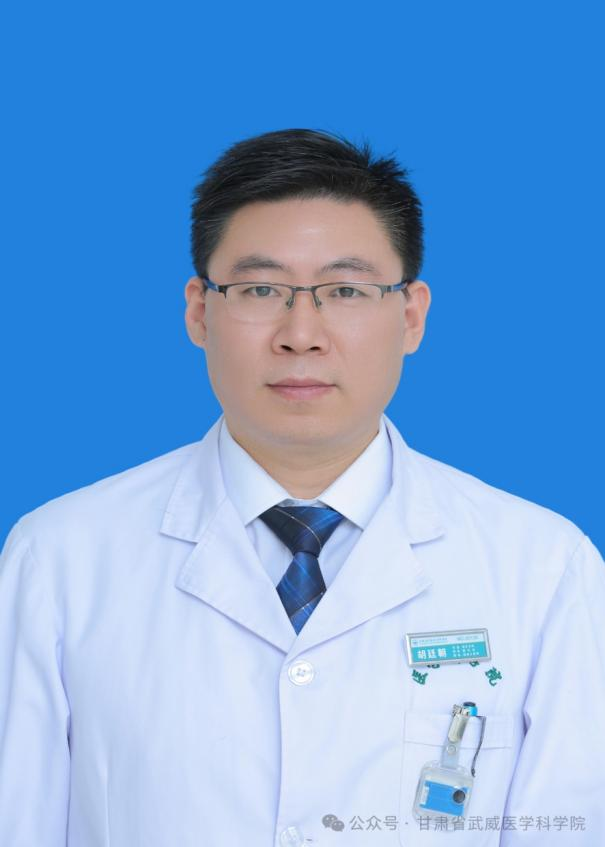
Hu Tingchao
Associate Chief Physician of Radiation Oncology
Professional Titles:
Director of the Department of Radiation Oncology V (Head & Neck Cancer Radiotherapy), Gansu Wuwei Cancer Hospital
Member of the Chinese Anti-Cancer Association
Committee Member of the Gansu Provincial Radiotherapy Societ
Council Member of the 3rd Western China Radiotherapy Association
Committee Member of the Particle Therapy Branch, China Association of Medical Equipment
Education & Training:
Graduated from the Clinical Medicine Department of Lanzhou University in 2005, with 18 years of experience in radiation oncology. Advanced training receive:Sichuan Cancer Hospital,Tokushukai Fukuoka Hospital, Japan, Shanghai Proton and Heavy Ion Center,Sun Yat-sen University Cancer Center (Guangzhou)
Expertise:
Comprehensive cancer therapy: Specialized in radiotherapy, chemotherapy, and targeted therapy for head & neck tumors, gliomas, lymphomas, chordomas, and other common malignancies.
Precision radiotherapy techniques:3D conformal radiotherapy (3D-CRT), Intensity-modulated radiotherapy (IMRT), Volumetric modulated arc therapy (VMAT),Stereotactic body radiotherapy (SBRT),Image-guided radiotherapy (IGRT), Carbon ion radiotherapy (CIRT),extensive experience in treatment planning, organ protection, and managing radiotherapy side effects.
Research & Publications: Published over 10 academic papers, editor-in-chief of 1 medical monograph, holder of 1 utility model patent, led 2 municipal-level research projects in Wuwei, contributed to drafting clinical guidelines for carbon ion radiotherapy, repeatedly awarded "Outstanding Worker" by the hospital.
Department Overview:
The Head & Neck Cancer Radiotherapy Department (5th Radiotherapy Dept.) integrates clinical practice, research, and education. Primary treated conditions:
Central nervous system tumors: Meningiomas, pituitary adenomas, acoustic neuromas, gliomas.
Head & neck cancers: Nasopharyngeal carcinoma, oral cancer, ocular tumors, laryngeal cancer, hard palate cancer, hypopharyngeal cancer.
Others: Chordomas, lymphomas (all sites).
Heavy Ion Therapy Specializations: Head & neck malignant melanoma;Head & neck sarcomas;Adenoid cystic carcinoma;Recurrent head & neck cancers;Skull base chordomas;Chondrosarcomas;Gliomas.