The Hidden Health Risks Behind Zongzi's Fragrance: How to Avoid Indigestion?
The Hidden Health Risks Behind Zongzi's Fragrance: How to Avoid Indigestion?
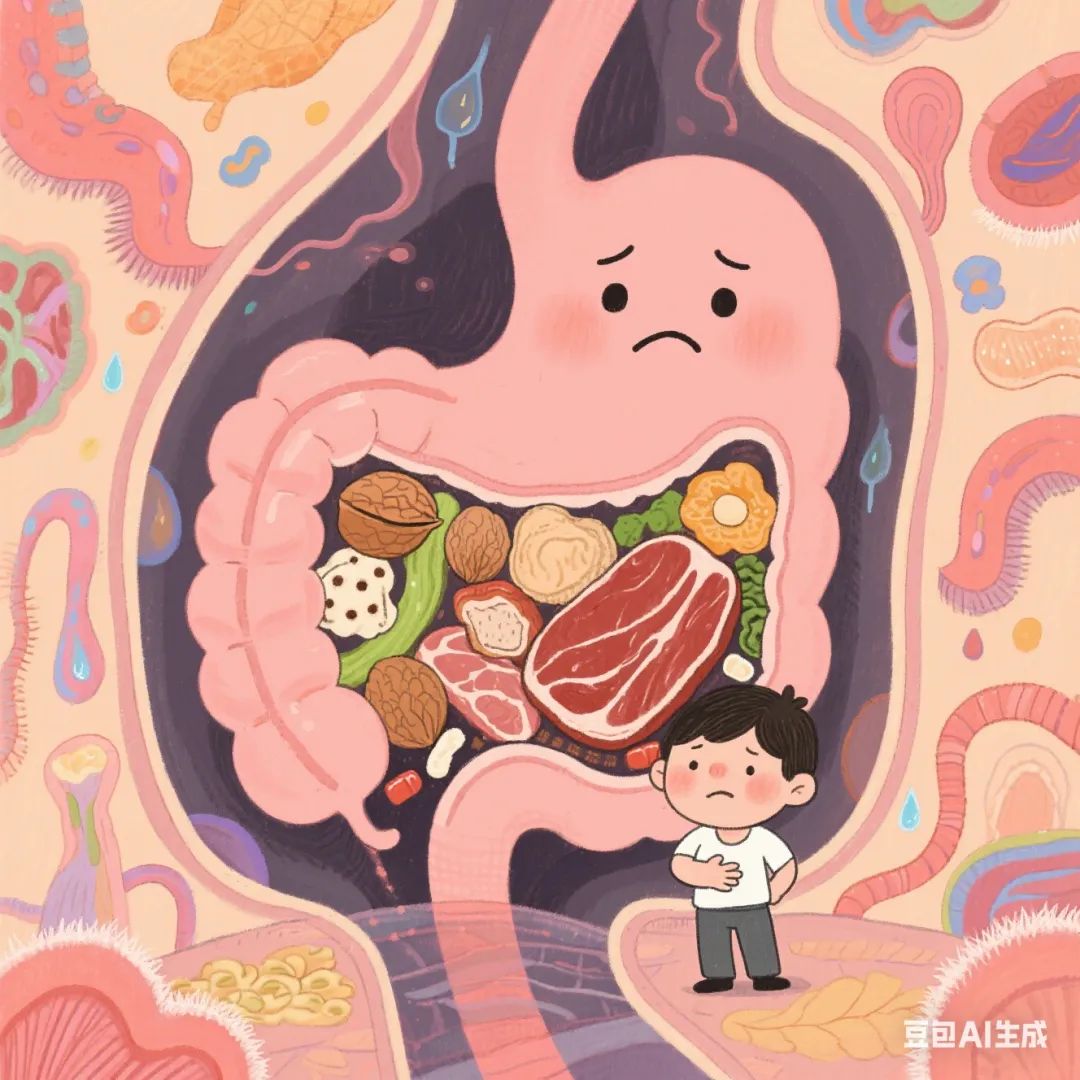
As the Dragon Boat Festival approaches, the aroma of glutinous rice wrapped in bamboo leaves fills households, making zongzi the star of dining tables. Yet every year after the festival, gastroenterology departments see a surge in patients—greasy meat zongzi, chilled rice dumplings, and overindulgence leave many people's digestive systems in distress.
How can we enjoy this traditional delicacy while protecting our gut health? Let's unwrap the secrets behind these festive foods and discover the balance between culinary pleasure and well-being.
Zongzi: A Sweet "Digestive Burden"

The primary ingredient of zongzi, glutinous rice, has a starch structure entirely different from regular rice. With up to 98% amylopectin content, this structure forms dense crystals upon cooling, becoming difficult to digest. Freshly steamed zongzi maintains relatively good digestibility, but when its temperature drops below 50°C, digestibility begins to decrease significantly, reducing by about 40% at room temperature. This explains why cold zongzi is more likely to cause bloating and acid reflux.
The "hidden risk" of traditional meat-filled zongzi deserves special attention: a medium-sized portion (about 200g) can provide 400-500 calories (equivalent to two bowls of rice) with fat content reaching 15-20g. High-fat foods delay gastric emptying—while normal digestion takes 4-6 hours, fatty meals may extend this to 6-8 hours, which is precisely the source of post-meal fullness.
Indigestion

Indigestion (Dyspepsia) is a clinical syndrome caused by impaired gastric motility, including conditions such as gastroparesis (delayed gastric emptying) and gastroesophageal reflux disease (GERD). It is primarily categorized into functional dyspepsia (FD) and organic dyspepsia.
The exact etiology and pathogenesis of functional dyspepsia remain incompletely understood, though most researchers agree that it results from multiple factors. The currently recognized key mechanisms include:
- Gastrointestinal motility disorders
- Abnormal gastric acid secretion
- Visceral hypersensitivity
Other potential contributing factors—such as psychological stress, dietary habits, Helicobacter pylori infection, and gastrointestinal hormones—are still under investigation.
Treatment Approaches
The management of functional dyspepsia is largely empirical, as no single treatment or medication has proven universally effective, and objective criteria for evaluating therapeutic outcomes remain limited. The fundamental principle of treatment involves:
- Establishing trust-based doctor-patient communication
- Implementing personalized, multidisciplinary interventions
One notable therapeutic strategy is TCM (Traditional Chinese Medicine) syndrome differentiation and treatment, particularly the use of gastrointestinal-regulating and mind-calming herbal formulations (肠胃调神剂), which play a significant role in holistic care.
1. Temporarily stop eating and implement "fasting therapy." The duration of fasting (skipping one or two meals) should be determined based on individual conditions. During fasting, you can drink lightly salted warm water according to thirst to replenish water and salt in time. You may also drink sugar-salt water, as sugar can be quickly absorbed without increasing gastrointestinal burden. If complete fasting is unnecessary, reduce food intake or only eat easily digestible porridge with some appetizers. This makes the stomach and intestines feel relaxed and comfortable, making it easier to correct indigestion. Avoid irritating foods, raw and cold foods, as well as coffee, chocolate, potatoes, sweet potatoes, and acidic foods. Eat small, frequent meals and abstain from alcohol and tobacco.
2. Use digestive aids appropriately, generally under the guidance of a specialist. For over-the-counter medications, follow the instructions on the package. Commonly used drugs include Motilium (Domperidone), a prokinetic agent that enhances gastric emptying and relieves bloating. Combizym (Mycrezyme), which supplements digestive enzymes to promote food breakdown and improve nutrient absorption; and Lactobacillus tablets, which form a protective layer in the intestines to prevent pathogen invasion while also stimulating gastric acid secretion and enhancing digestion. Other Chinese herbal digestives such as Shenqu (medicated leaven), Muxiang (costus root), Hawthorn, Malt, Rice Sprout, and Chenpi (tangerine peel) can be used as needed (prepared as decoctions).
4. For mild indigestion or temporary overeating, try taking a walk after meals, gentle abdominal massage, or engaging in sports or physical labor 1-2 hours later to increase calorie expenditure and quickly relieve indigestion.
5. Maintain a cheerful mood. Chatting with others during leisure time can reduce fatigue and alleviate mental stress caused by indigestion. Conversation can dispel temporary unhappiness and help release emotions such as agitation, anger, melancholy, and anxiety. It can also boost the patient's confidence in overcoming illness, benefit gastric digestion and absorption, and promote mental activity by exercising the brain.
Modern Digestion Strategies for Dragon Boat Festival
To enjoy traditional delicacies while maintaining good health, here are key strategies to follow:
- Digestion Strategies for Modern People During Dragon Boat Festival To enjoy traditional delicacies while maintaining health, several key strategies should be mastered:
- Eating Techniques: Consume zongzi as a staple food during breakfast or lunch (when metabolism is most active). Pair with leafy vegetables (such as chilled bitter greens, rich in dietary fiber to promote intestinal motility). Remember to avoid eating zongzi within 3 hours before bedtime.
- Recipe Modifications: Try "multi-grain zongzi" (a 1:1 mix of glutinous rice and brown rice). Opt for "low-fat zongzi" (using chicken breast instead of pork belly). Or try innovative recipes adding lion's mane mushroom powder (containing polypeptides that protect gastric mucosa). Clinical tests show modified zongzi can reduce stomach discomfort by 60%.
- Remedial Measures: For mild discomfort, apply pressure to Neiguan acupoint (2 cun above the wrist crease) and Zhongwan acupoint (4 cun above the navel). Combine with clockwise abdominal massage. Research from a traditional Chinese medicine hospital shows this method can relieve 80% of mild indigestion symptoms within 20 minutes.
The Dragon Boat Festival has lasted for over two thousand years, and its culinary culture carries profound historical memories. In this era of material abundance, we don't need to "find one person missing when inserting dogwood" like the ancients did, but we should learn to engage in dialogue with traditional cultural wisdom and reinterpret customs with scientific understanding. When the fragrance of zongzi leaves rises again, may we not only savor the taste of tradition but also maintain physical comfort - this is the deepest "zong" affection for health.