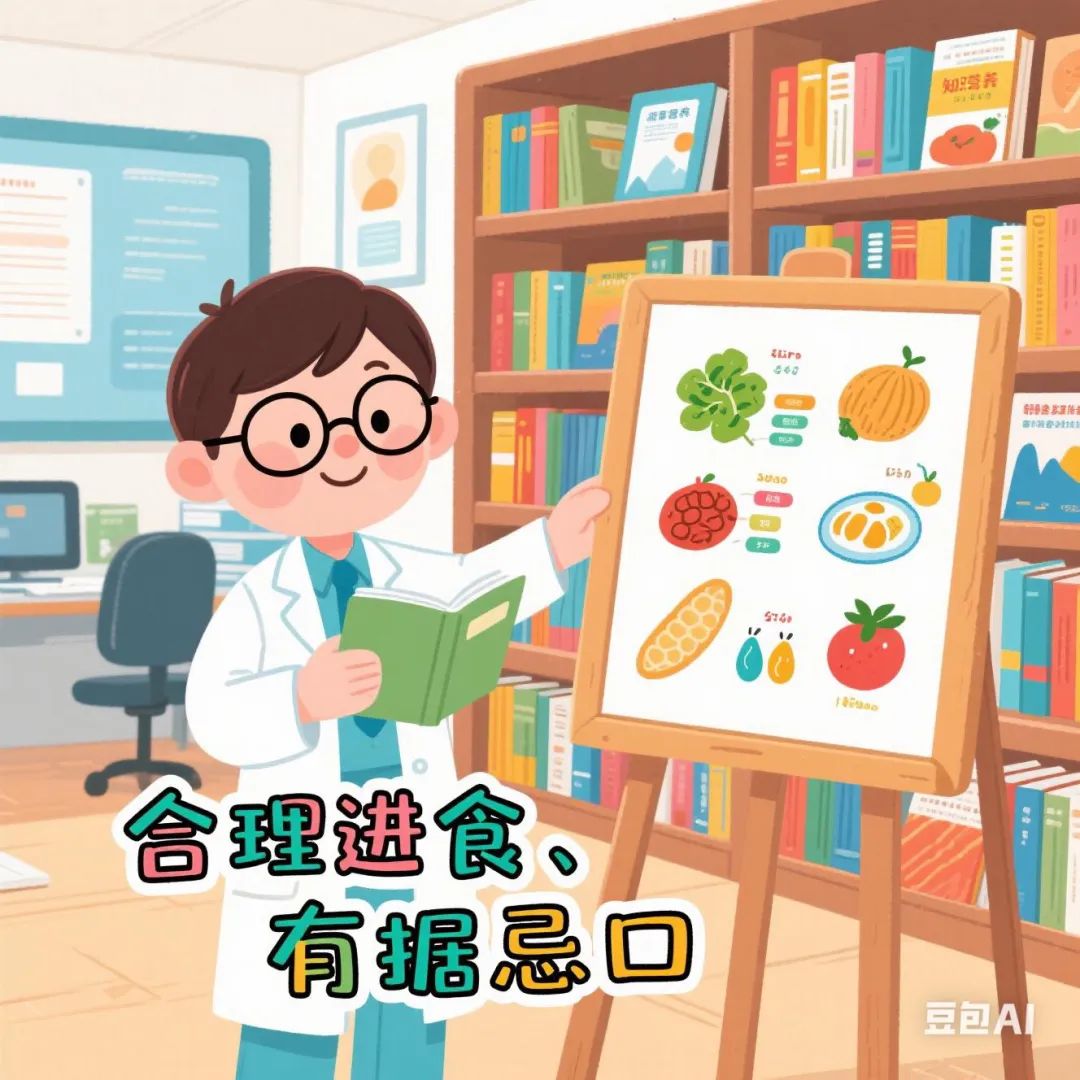
Diet of cancer patients: it is reasonable to avoid, and what matters is to do it in a rational way
Diet of cancer patients: it is reasonable to avoid, and what matters is to do it in a rational way
Dietary management is a major concern for cancer patients and their families during treatment and recovery. Patients often consult their doctors about dietary issues, such as meal planning, food restrictions, and whether they should avoid certain "stimulating foods" (known as fawu in Chinese medicine). For cancer patients, a scientifically balanced diet and proper nutritional intake are crucial. In daily meals, patients should follow the principle of "eating wisely and avoiding harmful foods with sound reasoning."
"Avoid with Reason"—What Should Be Avoided?
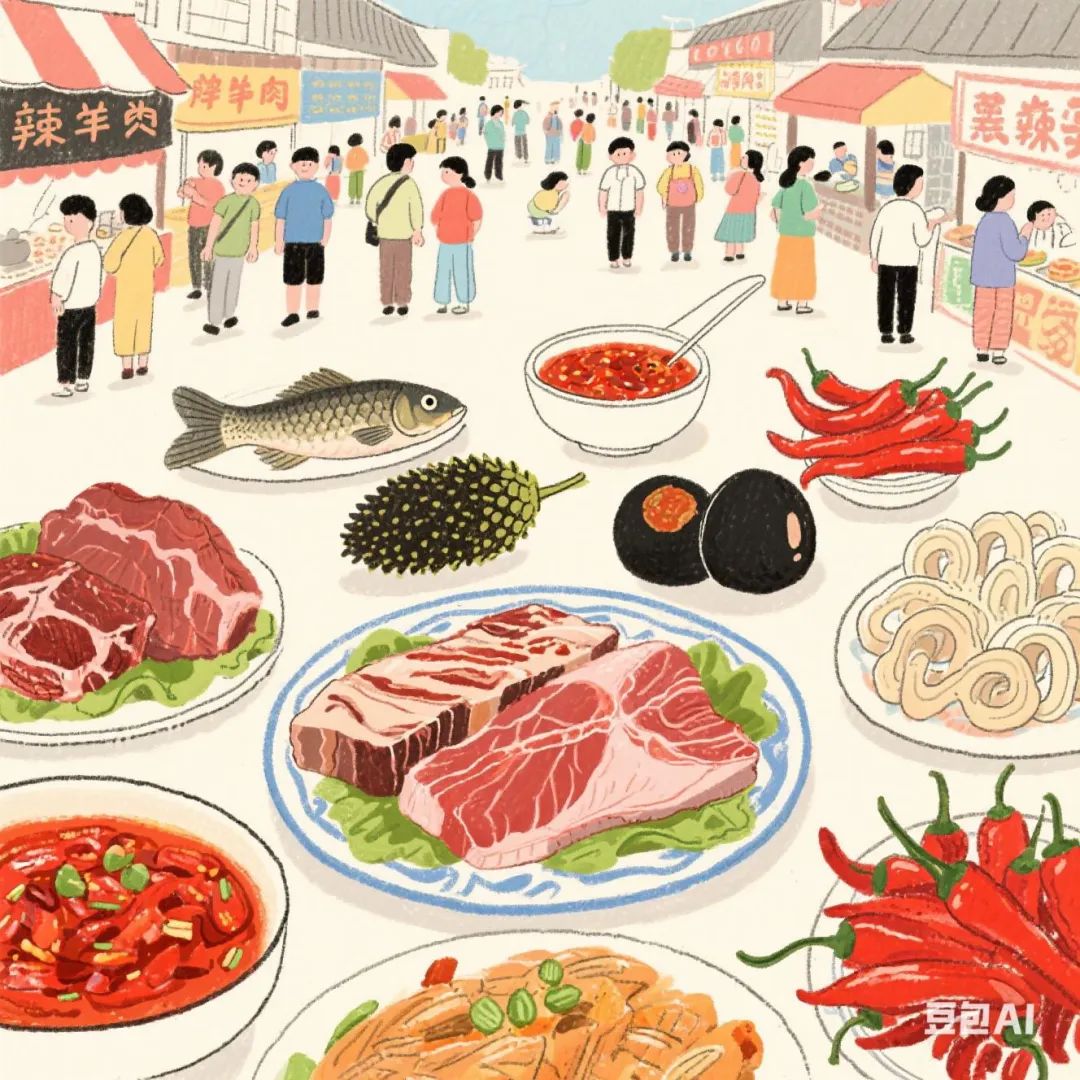
The International Agency for Research on Cancer (IARC) has published a list of carcinogens. Based on this list, cancer patients should avoid the following foods, which may accelerate disease progression or increase cancer risks:
Alcohol: Classified as a Group 1 carcinogen, alcohol metabolizes into acetaldehyde, which increases the risk of various cancers. For cancer patients, alcohol consumption may worsen the disease, so it should be avoided as much as possible.
Processed meats: Also classified as Group 1 carcinogens, processed meats such as sausages, ham, and bacon contain nitrites and polycyclic aromatic hydrocarbons, which are carcinogenic and may aggravate the condition of cancer patients. Patients should minimize or avoid these foods.
High-salt foods: High-salt foods are also categorized as Group 1 carcinogens due to their high nitrite and sodium content, which can increase cancer risk with long-term consumption. Cancer patients should avoid such foods.
Fried foods: Fried foods are classified as Group 2A carcinogens. High-temperature frying not only destroys nutrients but also produces carcinogens like benzopyrene, which provide no benefits to cancer patients. It is advisable to limit intake of such foods.

Can Cancer Patients Eat "Stimulating Foods" (Fawu)?
According to Chinese Dietary Nutrition, "stimulating foods" (fawu) refer to foods that may trigger the recurrence or worsening of diseases. These mainly include pungent, greasy, or specific foods, such as shrimp, crab, lamb (considered "fishy and gamey"), and spicy foods like chili peppers. In traditional Chinese medicine (TCM), fawu often has warming, heating, pungent, or sweet properties. Patients with chronic diseases may have "latent pathogens" in their bodies, and consuming fawu could potentially reactivate the disease.
However, many fawu foods, such as shrimp, crab, and lamb, are rich in high-quality protein. Moderate consumption can help improve patients' nutritional status. Cancer is a wasting disease, and excessive dietary restrictions may lead to malnutrition, affecting patients' strength and treatment efficacy. Therefore, whether cancer patients should avoid fawu should be determined based on their constitution and specific disease conditions.
Can "Starving the Tumor" Work?
The idea of "starving the tumor" may sound appealing, but it lacks scientific basis. Tumor growth does not depend on the patient's food intake—cancer cells can hijack nutrients from healthy cells to sustain themselves. Even if a patient reduces food intake, cancer cells will still extract nutrients from the body. Attempting to "starve the tumor" through dietary control is not only ineffective but may also lead to malnutrition and weakened immunity, negatively impacting treatment outcomes.
The correct approach is to maintain a scientifically balanced diet to ensure adequate nutrition for fighting cancer. In oncology, "starvation therapy" does exist, but it refers to medical interventions (e.g., anti-angiogenic drugs) that block tumor nutrient supply rather than dietary restriction. Patients should follow medical advice and ensure sufficient nutrition rather than blindly reducing food intake.

"Eating Wisely"—How Should Cancer Patients Eat?
Balanced Nutrition: As stated in The Yellow Emperor's Classic of Internal Medicine, "Grains nourish, fruits assist, meats benefit, and vegetables supplement." This emphasizes the importance of a varied and balanced diet. Cancer patients should focus on a well-rounded meal plan to support normal physiological functions.
Individualized Diet: Dietary choices should be individualized to the patient's constitution and cancer type. For example, Qi-deficient patients (fatigue, shortness of breath) should consume spleen-nourishing foods like porridge with coix seed or poria cakes.Lung cancer patients may benefit from white-colored foods that nourish the lungs, such as lily bulbs and ophiopogon.
Small, Frequent Meals: Moderate and regular eating is crucial. For example, gastric cancer patients who have undergone surgery often have weakened digestion, leading to weight loss and fatigue. Overeating or excessive supplementation may backfire, increasing gastrointestinal burden. Instead, they should adopt a "small, frequent meals" approach, choosing nutrient-dense, easily digestible foods.
Combining Food and Medicine: Cancer patients can incorporate medicinal foods into their diet to support recovery. For example, patients undergoing chemotherapy or radiotherapy (who often experience bone marrow suppression) may benefit from blood-nourishing foods like donkey-hide gelatin (ejiao) and red dates, which support hematopoietic function.
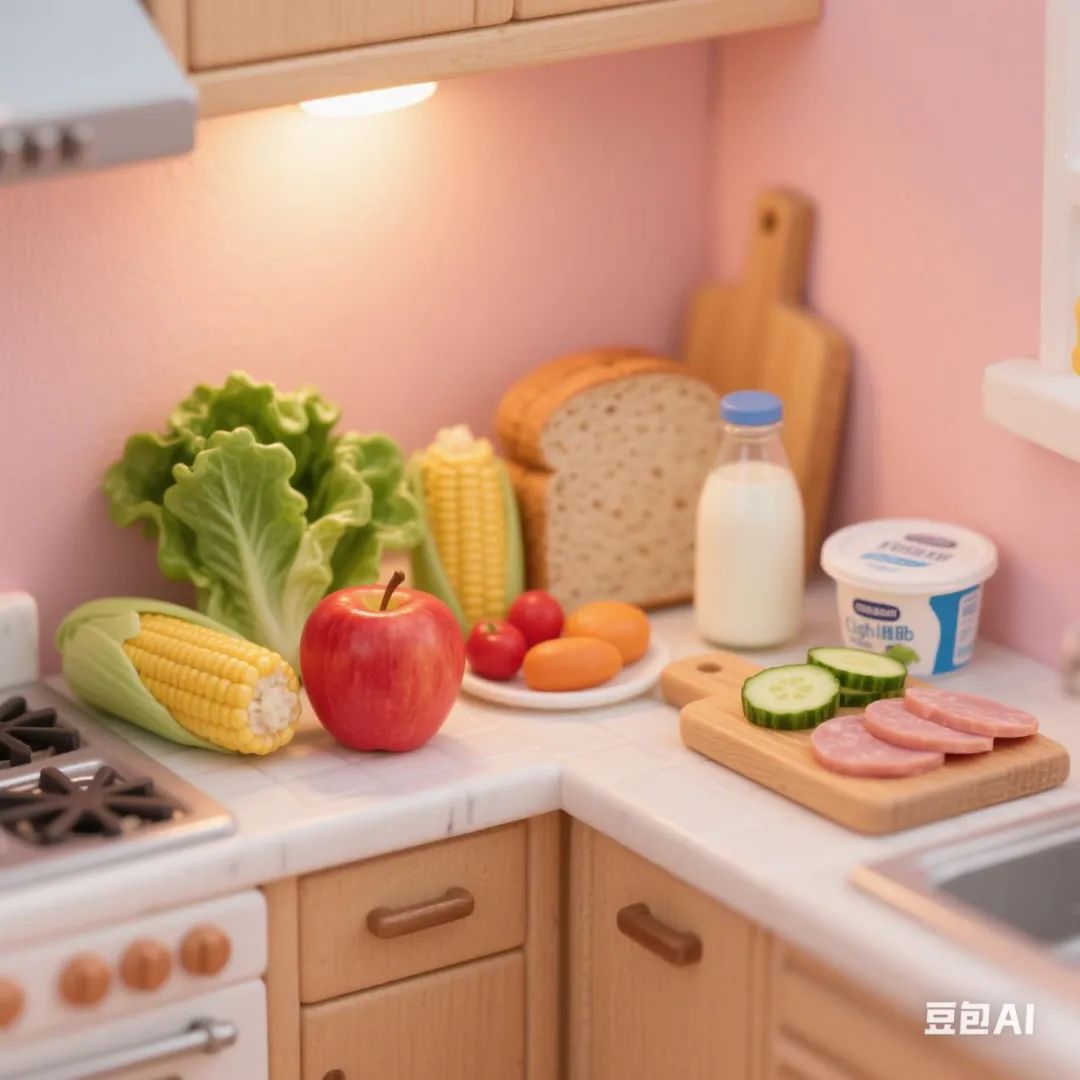
Nutrition is a cornerstone of cancer recovery. A scientifically balanced diet helps patients regain health and provides strong support in the fight against cancer.