"Unveiling the 'Mystery' of Cancer: Scientific Understanding, Rational Response"
"Unveiling the 'Mystery' of Cancer: Scientific Understanding, Rational Response"
As one of the "killers" of women's health, cervical cancer has always attracted much attention. It not only has a high incidence rate, but also has a tendency to become younger, seriously threatening women's life safety and quality of life. Today, let's learn more about cervical cancer and the key to preventing and dealing with it.
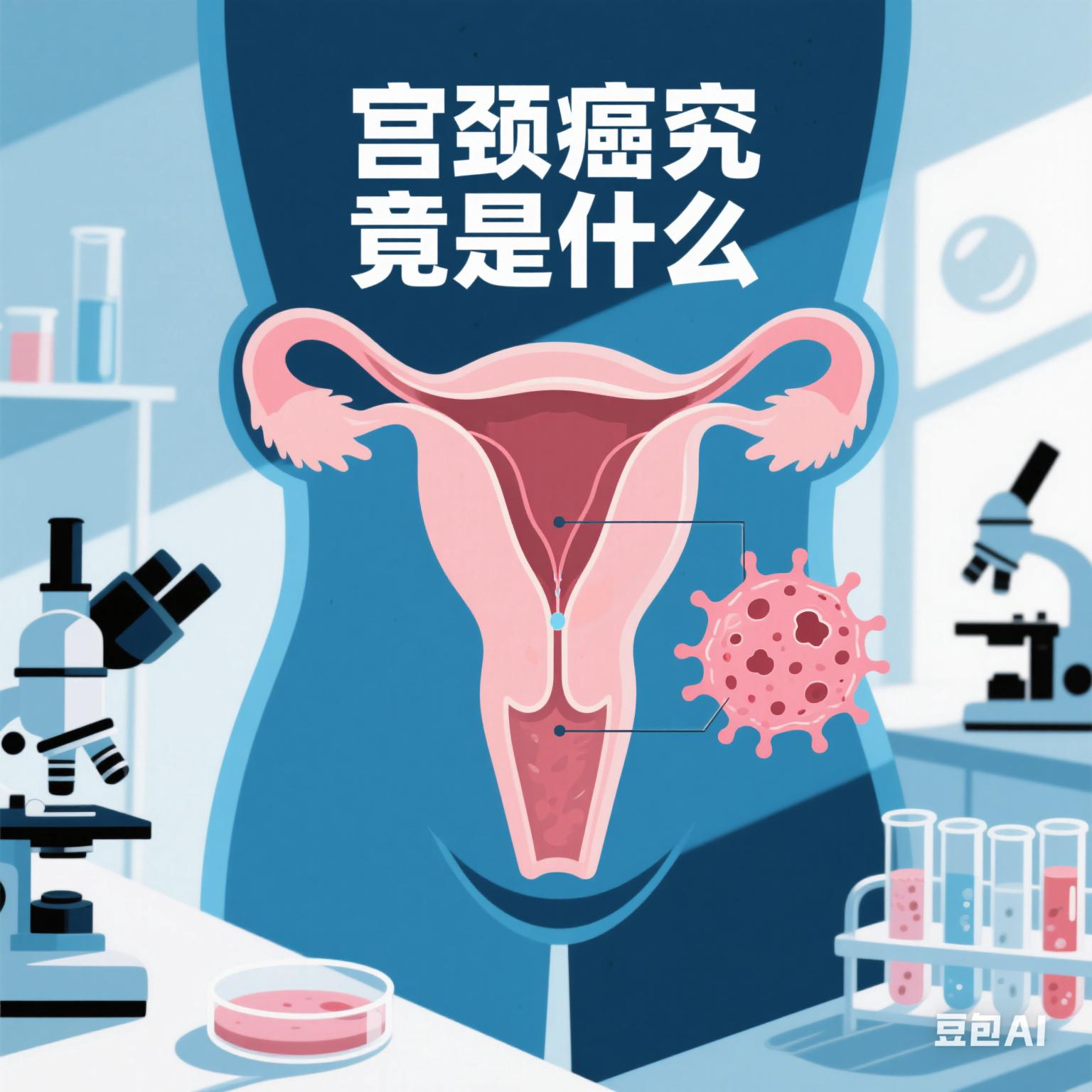
1. What is cervical cancer?
Cervical cancer is a kind of malignant tumour that occurs in the cervix of the uterus, which is one of the most common cancers in gynaecology. The cervix is like the ‘gate’ of the uterus, connecting the vagina and the uterus, where cancer cells grow quietly. The development of cancer cells from normal cervical cells to cancer cells often takes a long process, ranging from a few years to more than ten years. Timely detection and intervention during this process can effectively stop cancer from developing.
2. What causes cervical cancer?
It is now well established that persistent infection with high-risk human papillomavirus (HPV) is the main cause of cervical cancer.There are more than 100 subtypes of HPV in the large family, of which 13 high-risk types are responsible for causing cervical cancer.HPV is mainly transmitted through sexual contact, but of course there is a risk of infection from indirect contact (e.g., sharing towels, toilets, etc.), although the probability of infection is relatively low.
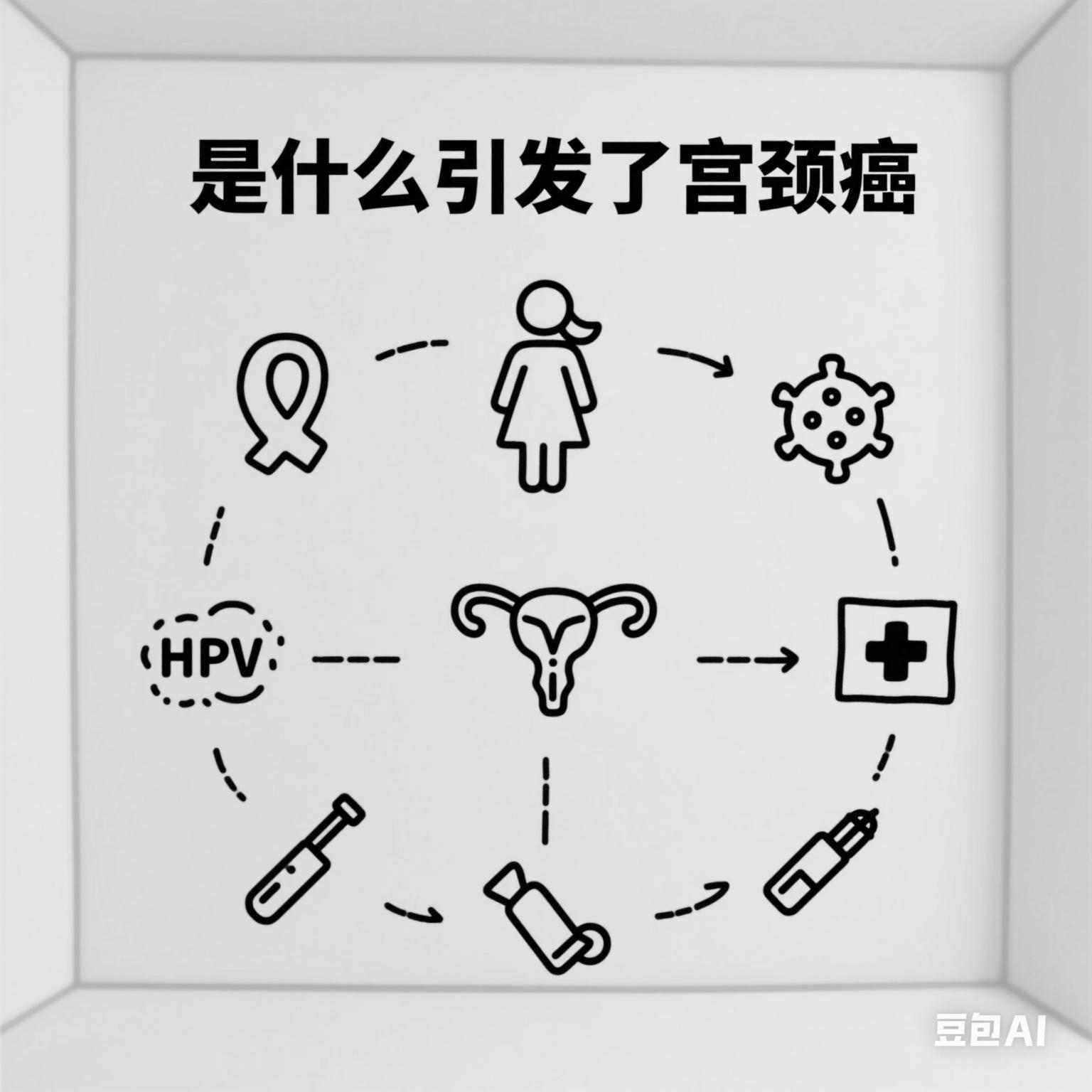
In addition to HPV infection, there are other high-risk factors such as
- Undesirable sexual behaviours: having sex for the first time at an early age (less than 16 years old) and having multiple sexual partners will increase the chances of HPV infection, which in turn will increase the risk of cancer.
- Multiple births: Having too many children or having children too early will cause repeated damage and irritation to the cervix, which will pose a hidden risk of cervical cancer.
- Smoking: Nicotine and other harmful substances in cigarettes will weaken the body's immunity and make the cervix more vulnerable to HPV.
- Abnormal immune system: taking immunosuppressants for a long time and suffering from immunodeficiency diseases will lead to a decline in immunity and make it difficult to resist the attack of HPV.
3. How to detect cervical cancer as early as possible
Early stage cervical cancer usually has no obvious symptoms or only some mild manifestations, which can be easily overlooked. As the disease develops, the following symptoms may appear:
- Abnormal vaginal bleeding: This is the most common symptom, including non-menstrual bleeding, bleeding after sex, postmenopausal bleeding and so on. Even if it is only a small amount of bleeding, it should never be taken lightly.
- Abnormal leukorrhea: leukorrhea increases, the colour is yellow or green, the texture becomes thin like watery or rice slop, and there is also an unpleasant fishy smell.
- Pain: persistent pain in the lower abdomen and lumbosacral region, which may be aggravated during sex, menstruation or defecation.
- Urinary system symptoms: when the tumour invades the bladder, symptoms such as frequent urination, urinary urgency, urinary pain or even haematuria will appear.
- Digestive system symptoms: If the tumour invades the rectum, it may cause constipation, blood in the stool, and a feeling of urgency (having the urge to pass stool but not being able to do so).
Regular cervical cancer screening is the key to early detection of cervical cancer . Regular screening is recommended for all women aged 25 - 65 who are sexually active:
- HPV test: to check for HPV infection and specific subtypes. Persistent infection with high-risk HPV is an important sign of cervical cancer.
- TCT test: A liquid-based thin-layer cell test that collects cervical cells to look for abnormal lesions.
- Colposcopy: If the HPV or TCT test result is abnormal, further colposcopy and, if necessary, tissue biopsy is taken to make a definitive diagnosis.
Generally speaking, HPV test and TCT examination once a year; if the results of two consecutive examinations are normal, the examination can be performed once every 3 - 5 years . High-risk groups (e.g. HPV-infected patients, family history of cervical cancer, etc.) should have their screening frequency increased appropriately.
4. Treatment and prevention of cervical cancer
If unfortunately diagnosed with cervical cancer, don't despair, there are many effective treatments:
- Surgery: Early stage cervical cancer can be treated by surgery to remove the lesion, and according to the condition, total hysterectomy or conical cervical resection can be chosen.
- Radiotherapy: using high-energy rays to kill cancer cells, suitable for middle and late stage cervical cancer or inoperable patients.
- Chemotherapy: using chemotherapy drugs to inhibit the growth of cancer cells, often used in combination with surgery and radiotherapy.
- Targeted therapy and immunotherapy: emerging treatments that target specific points of cancer cells or the immune system to precisely combat cancer cells, with relatively few side effects.
Prevention is more important than treatment:
- HPV vaccination: This is one of the most effective means of preventing cervical cancer. At present, there are bivalent, quadrivalent and nine-valent HPV vaccines, and you can choose to get vaccinated according to your age and situation.
- Maintain a healthy lifestyle: have a regular sexual partner, avoid early sex and multiple partners; pay attention to sexual hygiene and use condoms; stop smoking and limit alcohol consumption; eat a balanced diet with more vegetables and fruits; and insist on exercising to strengthen the immune system.
- Regular Screening: Regular cervical cancer screening for early detection, diagnosis and treatment can nip cancer in the bud.
Although cervical cancer is scary, it is not invincible. Knowing about cervical cancer, active prevention and regular screening are the keys to guard women's health. We hope every woman can pay attention to her own body, stay away from the threat of cervical cancer and have a healthy and beautiful life!
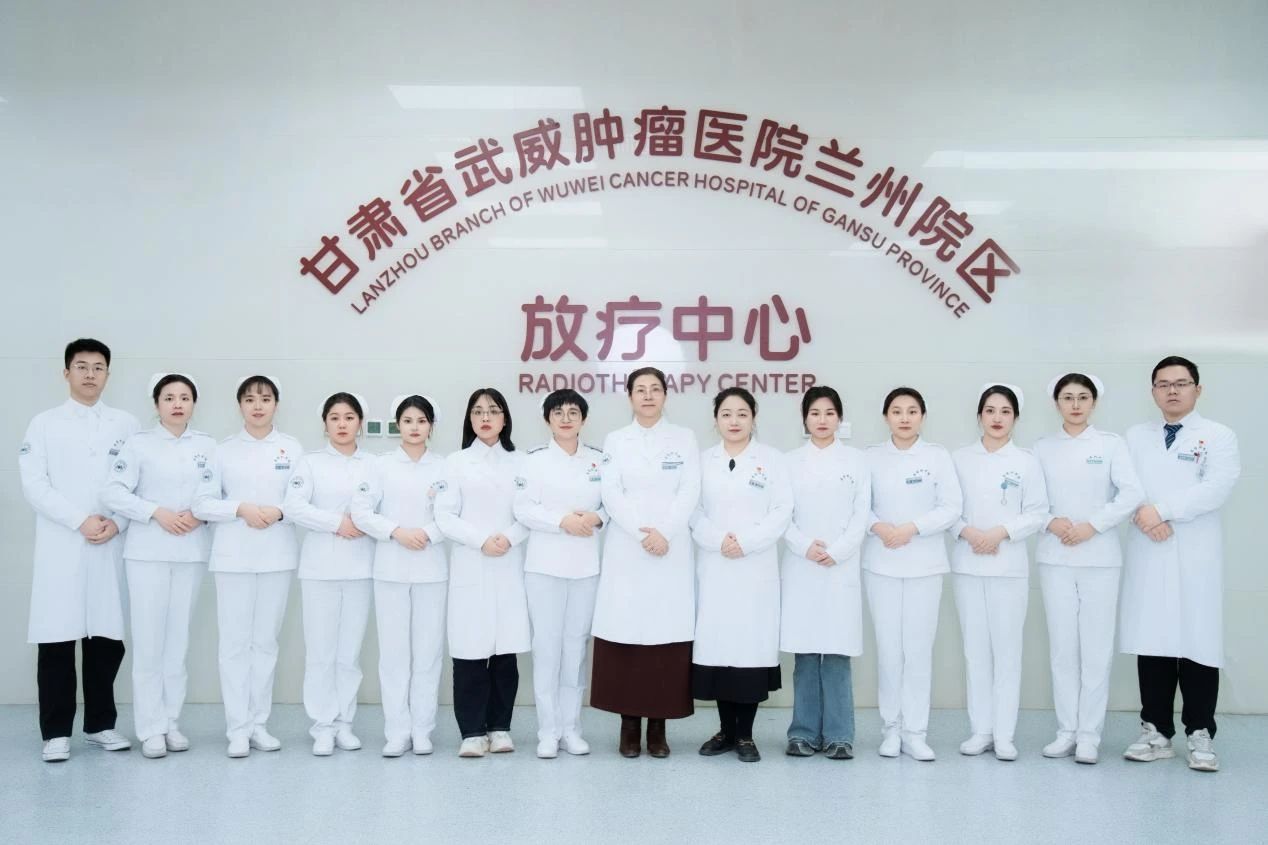
Department Overview
As a radiotherapy specialist of the Gynaecological Oncology Group, Radiotherapy II focuses on the radiotherapy of gynaecological oncology, and is equipped with advanced radiotherapy equipment and professional medical and nursing teams to provide accurate, standardized and individualized comprehensive treatment for gynaecological oncology patients. It actively carries out basic and clinical research related to gynaecological oncology radiotherapy and undertakes a number of scientific research projects. At the same time, it serves as a teaching internship base to deliver talents for the industry. The department aims to improve the cure rate and quality of life of gynecological oncology patients by focusing on patients and supported by advanced technology, and provide high-quality, high-efficiency and humanised medical services for patients.
●Professional Team
There are 13 medical and nursing staff in the department, including 5 physicians and 8 nurses, which is a professional and technical team with rich knowledge reserve and vitality. The director of the department, Dr. Zhao Fengju, has been engaged in radiotherapy for more than 30 years and is a rare oncology specialist in Northwest China. She is the chairman of the brachytherapy committee of Gansu Anti-Cancer Association and the vice-chairman of Northwest China Gynecological Tumour and Brachytherapy Committee and is good at gynecological oncology radiotherapy and chemotherapy as well as immune-targeted comprehensive treatment, and has carried out gynecological oncology external irradiation techniques such as CIRT and IGRT radiotherapy, three-dimensional brachytherapy, inter-group insertion therapy and painless posterior treatment, etc.. Painless afterloading treatment, etc., and has rich clinical practice experience in tumour radiotherapy. Professor Wang Junjie, Chairman of the National Radiotherapy Committee, Director of the Radiotherapy Department of the Third Hospital of Peking University and President of Lanzhou Heavy Ion Centre, Professor Li Sha, Director of the Radiotherapy Department of the General Hospital of the Army Military Command, and Professor Du Lanning of the First Hospital of Lanzhou University provide technical and academic guidance.
●Treatment Scope
The department mainly carries out carbon ion, photon radiotherapy and brachytherapy for various gynecological malignant tumours such as cervical cancer, endometrial cancer, ovarian cancer, vulvar cancer, vaginal cancer, digestive malignant tumours, urological malignant tumours and other malignant tumours. We also provide chemotherapy, targeted therapy, immunotherapy and cellular immunotherapy for various malignant tumours.