Treatment Begins, Care Follows
Treatment Begins, Care Follows
Radiotherapy is like a precise "lightsaber," helping us target and eliminate tumors. Especially for head and neck tumors, radiotherapy has become an extremely important treatment option. Data shows that over 70% of head and neck cancer patients undergo radiotherapy to control the disease, prolong survival, or improve surgical success rates.
However, radiotherapy is not a "universal cure." It is like a "protracted battle," fighting the "fire" while potentially "damaging" the body's normal tissues, leading to a series of side effects. At this point, scientific, standardized, and gentle nursing interventions becomes particularly crucial.
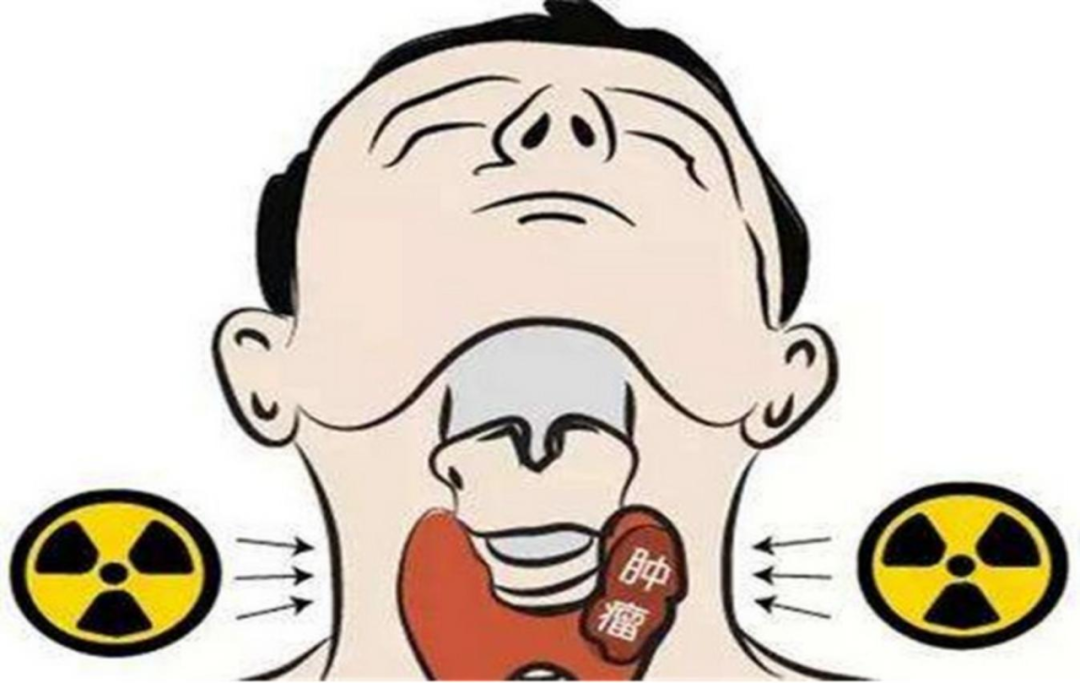
1. Radiotherapy for Head and Neck Tumors
Simply put, radiotherapy uses high-energy rays (such as X-rays or γ-rays) to precisely target tumor cells, damaging their DNA structure and preventing the tumor from regenerating or spreading.
Head and neck tumors refer to tumors occurring in areas such as the oral cavity, nasopharynx, larynx, thyroid, salivary glands, and hypopharynx. Since these regions are concentrated in the body’s "critical pathways"—closely linked to speaking, eating, swallowing, and breathing—the side effects of radiotherapy can be more complex, increasing the difficulty of care.
2. Preparations Before Radiotherapy
Psychological Preparation: Many patients feel nervous or anxious when they hear the word "radiation." In reality, modern radiotherapy technology is highly precise and safe, and most side effects are controllable and manageable. Nurses provide one-on-one communication, health education materials, and patient support meetings to help patients and their families understand the treatment process, potential discomforts, and coping strategies, thereby boosting confidence in the treatment.
Physical Preparation: Oral Assessment: Since radiotherapy can easily cause oral complications, a dental examination is required before treatment. Conditions such as gingivitis, cavities, or residual roots should be addressed as early as possible, including tooth extraction if necessary. Radiotherapy should only begin after the extraction site has fully healed.

1. CT Simulation and Mask Fabrication: To ensure the precision of radiotherapy, patients undergo CT scanning and have a custom immobilization mask made to help the radiation beams hit the target accurately.
2. Removal of Metal Objects: Items such as dentures, earrings, and necklaces must be taken off to avoid interfering with the radiation path.
3. Management of Underlying Conditions: Issues like anemia, electrolyte imbalances, and malnutrition should be corrected before treatment begins.
4. Smoking and Alcohol Cessation: Quitting smoking and drinking can significantly reduce treatment-related complications and improve therapeutic outcomes.
III. Nursing Care During Radiotherapy
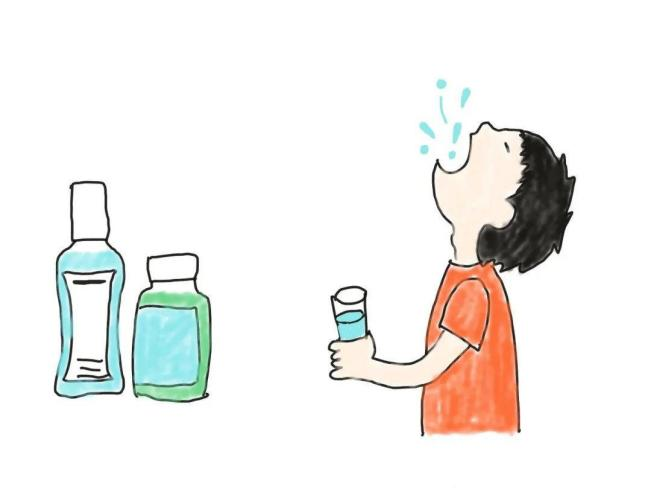
Oral Care: Radiotherapy often affects the salivary glands and oral mucosa, leading to common issues such as xerostomia, oral mucositis, and dysgeusia sensation. Rinse your mouth daily with saline solution, mild tea, or a professional mouthwash recommended by your doctor. Avoid irritating foods like spicy, fried, or overly hot dishes. Brush your teeth promptly after meals using a soft-bristled toothbrush to prevent gum bleeding. If needed, artificial saliva sprays or sugar-free gum can help alleviate dry mouth.
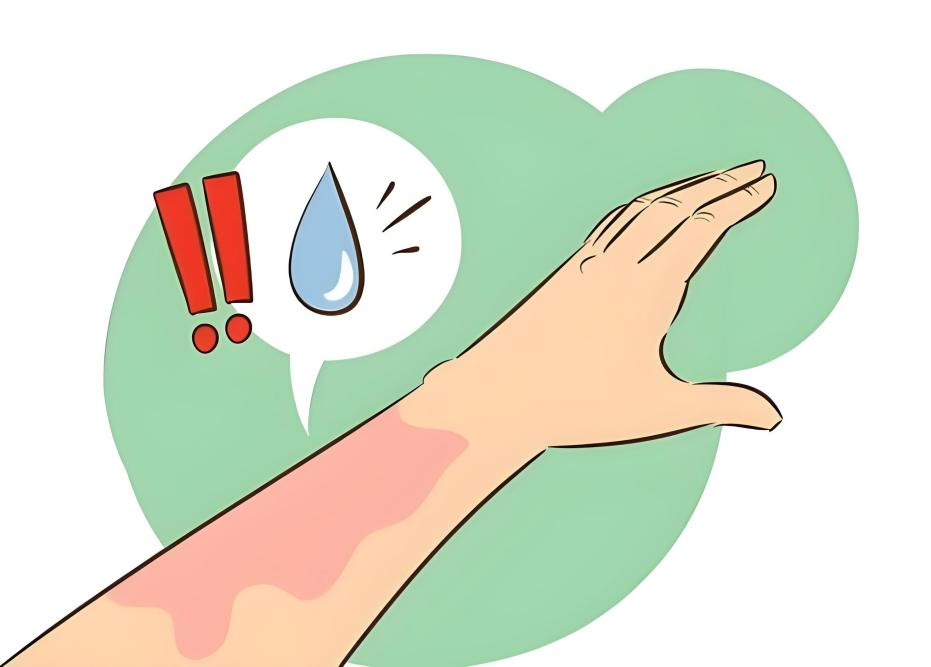
Skin Care: The skin in the head and neck area is relatively thin, and the irradiated region may develop symptoms like erythema, dry desquamation, and pruritus. Wear soft, loose-fitting cotton clothing to minimize friction and irritation. Use lukewarm water for washing—avoid scrubbing, shaving, or applying adhesive tape. Refrain from using harsh cleansing products such as scented soaps, alcohol, or talcum powder. Follow your doctor’s instructions for applying medicated ointments, such as zinc oxide cream or vitamin E cream.
Nutrition and Dietary Care
Radiotherapy often leads to difficulties in swallowing, loss of appetite, nausea, and other symptoms, which can easily result in malnutrition.
Dietary Recommendations:
Opt for soft foods such as steamed egg custard, rice paste, millet porridge, and stewed soups.
Include high-quality protein sources like eggs, milk, tofu, and lean meat.
Eat small, frequent meals to avoid an empty stomach and prevent gastric irritation.
If swallowing difficulties arise, consult a nutrition specialist promptly. If necessary, enteral nutrition support such as nasogastric tube feeding may be used.

Functional Exercises and Complication Prevention
1. Perform daily mouth-opening, chewing, and gentle neck exercises to prevent muscle stiffness and restricted mouth opening.
2. If nasal dryness or crusting occurs, clean and moisturize with saline solution. Patients with nasopharyngeal or nasal cavity cancer are advised to perform nasal irrigation three times daily.
3. Promptly report symptoms such as laryngeal edema, hoarseness, or breathing difficulties to the doctor.
4. In case of severe facial swelling or high fever, rule out infection risks and follow medical instructions for management.

Post-Radiotherapy Care
Skin Care: After completing radiotherapy, the effects of radiation on the skin may persist for 1-2 weeks, so skin care should be continued. Avoid sun exposure, friction, and extreme temperature changes. Continue using medical-grade skincare products. Do not scratch or attempt to remove peeling or scabbing areas on your own.
Post-Radiotherapy Care
Oral Care:
Continue brushing teeth and using mouthwash twice daily to prevent bacterial infections. Avoid tooth extraction for 3 years to prevent radiation-induced osteonecrosis.
Schedule regular dental check-ups to prevent cavities and periodontal disease.
Dietary Care:
Avoid pickled, spicy, or overly hard foods.
Maintain a balanced diet rich in vitamins and minerals.
Keep a regular routine and avoid excessive fatigue.
Follow-up Schedule:
First visit: 1 month after radiotherapy
Years 1-2: Every 3 months
Years 3-5: Every 6 months
After 5 years: Annually
How to Prevent Dry Mouth?
1. Sip warm water frequently in small amounts—don’t wait until you feel thirsty.
2. Eat more fruits (e.g., watermelon, pears, oranges) and vegetables (e.g., cucumber, tomatoes).
3. Avoid spicy, salty, or fried foods, and refrain from smoking and alcohol.
4. Chew sugar-free gum or hawthorn slices to help keep your "saliva switch" turned on.
5. If necessary, consider traditional Chinese medicine (TCM) under a doctor’s guidance to promote fluid production and relieve dryness.
Psychological Care: Radiotherapy is not just a physical challenge but also a psychological "marathon." Some patients may experience emotional lows, anxiety, insomnia, or other mental health issues during treatment.
Nursing Interventions Include:
Building a strong rapport with patients, offering attentive listening and companionship;
Teaching relaxation techniques such as meditation, deep breathing, and music therapy;
Encouraging patients to join support groups to gain peer support;
Seeking timely intervention from a psychologist for significant emotional issues.
Home Care:
Family support is crucial during the radiotherapy journey. Here’s how you can help:
Assist the patient in attending medical appointments, taking medications, and attending follow-up visits on time;
Monitor their diet, sleep, and emotional changes, providing positive encouragement;
Learn basic care skills, such as oral care and nutritional guidance;
Understand the patient’s emotional fluctuations and be a non-judgmental listener.
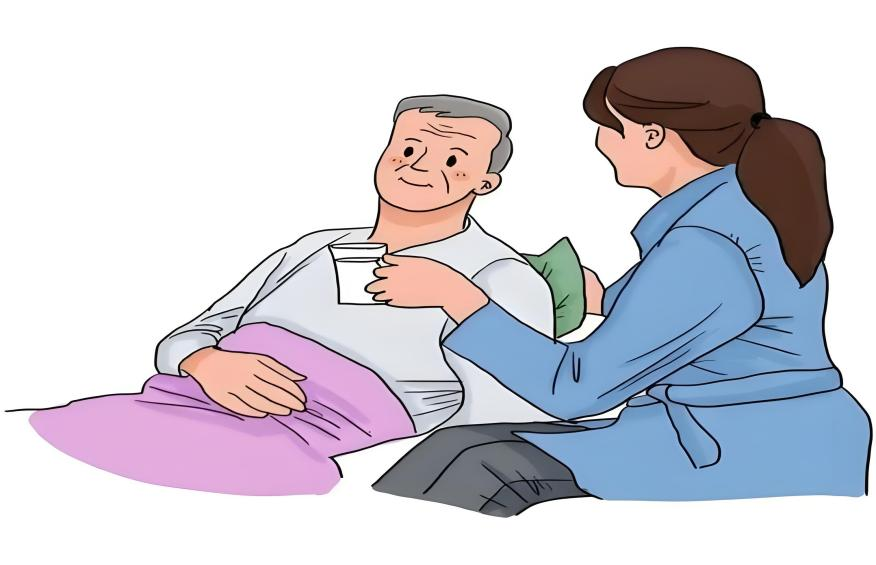
Radiotherapy serves as the "frontline battlefield" in the direct fight against tumors, while nursing care acts as the steadfast "backbone" of daily, quiet support. Although the treatment of head and neck tumors is complex and challenging, under the professional guidance of the medical team and the gentle companionship of family members, patients can safely and steadily complete their treatment and embrace the dawn of recovery. May every friend undergoing radiotherapy move forward with confidence, overcome the disease, and reclaim a healthy, vibrant "head and neck" life, all through the power of scientific care and heartfelt support.
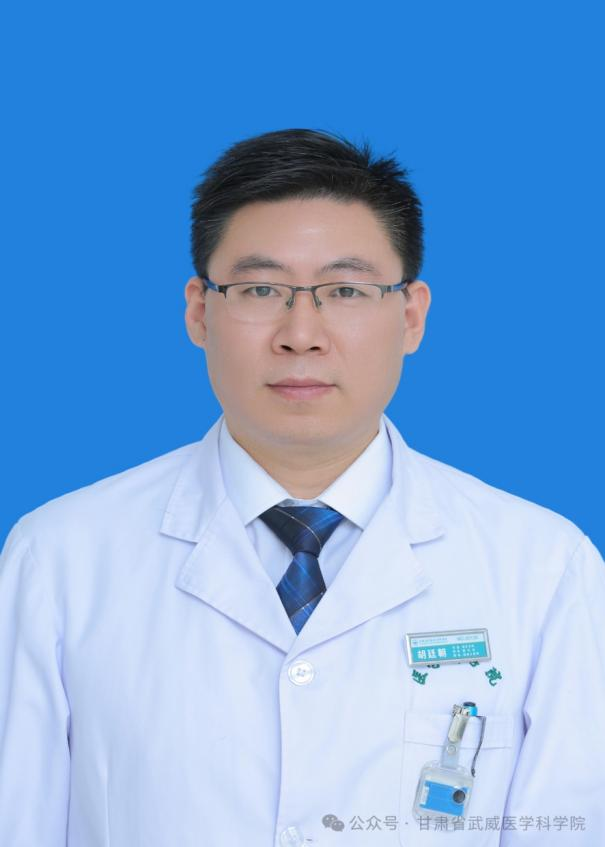
Hu Tingchao, Associate Chief Physician of Radiation Oncology
● Director of Department of Radiation Oncology V (Head and Neck Tumor Radiotherapy) at Gansu Wuwei Cancer Hospital
● Member of the Chinese Anti-Cancer Association
● Committee Member of the Gansu Radiotherapy Committee
● Council Member of the Third Board of the Western Radiotherapy Association
● Committee Member of the Particle Therapy Branch of the China Association of Medical Equipment
Education & Training:
Graduated from the Clinical Medicine Department of Lanzhou University in 2005, with 18 years of experience in radiation oncology. Advanced training was undertaken at Sichuan Cancer Hospital, Japan Fukuoka Tokushukai Medical Center, Shanghai Proton and Heavy Ion Center, and Sun Yat-sen University Cancer Center.
Specializations:
Expertise in comprehensive treatments for head and neck tumors, gliomas, lymphomas, chordomas, and other common malignancies, including radiotherapy, chemotherapy, and targeted therapy.
Precision radiotherapy techniques: 3D conformal radiotherapy (3D-CRT), intensity-modulated radiotherapy (IMRT), volumetric modulated arc therapy (VMAT), stereotactic body radiotherapy (SBRT), image-guided radiotherapy (IGRT), and carbon ion radiotherapy (CIRT). Extensive experience in radiotherapy planning, organ-at-risk protection, and managing side effects.
Research & Publications:
Published over 10 professional papers, authored one medical textbook, holds one utility model patent, led two municipal-level research projects in Wuwei, and contributed to drafting standardized protocols for carbon ion radiotherapy. Recipient of multiple "Outstanding Worker" awards.
About the Department:
Department of Radiation Oncology V (Head and Neck Tumor Radiotherapy) integrates clinical practice, research, and education. Key treated conditions include meningiomas, pituitary adenomas, acoustic neuromas, gliomas, intracranial tumors, nasopharyngeal carcinoma, oral cancer, ocular tumors, laryngeal cancer, hard palate cancer, hypopharyngeal cancer, chordomas, and lymphomas.
Heavy Ion Therapy Advantages:
Specialized for head and neck malignant melanoma, sarcomas, adenoid cystic carcinoma, recurrent head and neck cancers, skull base chordomas, chondrosarcomas, and gliomas.