Health science and technology] Cancer ‘staring’ at young people, this generation of workers panicked
Cancer was once thought to be "exclusive" to the middle-aged and the elderly, but the reality has hit us hard in the face. Nowadays, more and more young people are being ‘targeted’ by cancer and have become the new faces in the ward.
According to relevant research data, between 1990 and 2019, the global diagnosis rate and mortality rate of early-onset cancers (cancers in people under the age of 50) increased by 79% and 28% respectively. In China, the incidence of cancer in young people is also climbing slowly. From 2012 - 2015, the composition ratio of tumour patients under the age of 30 increased from 0.83% to 1.6% for men and from 1.5% to 2.2% for women. The gradual rejuvenation of cancer has become a health crisis that cannot be ignored.
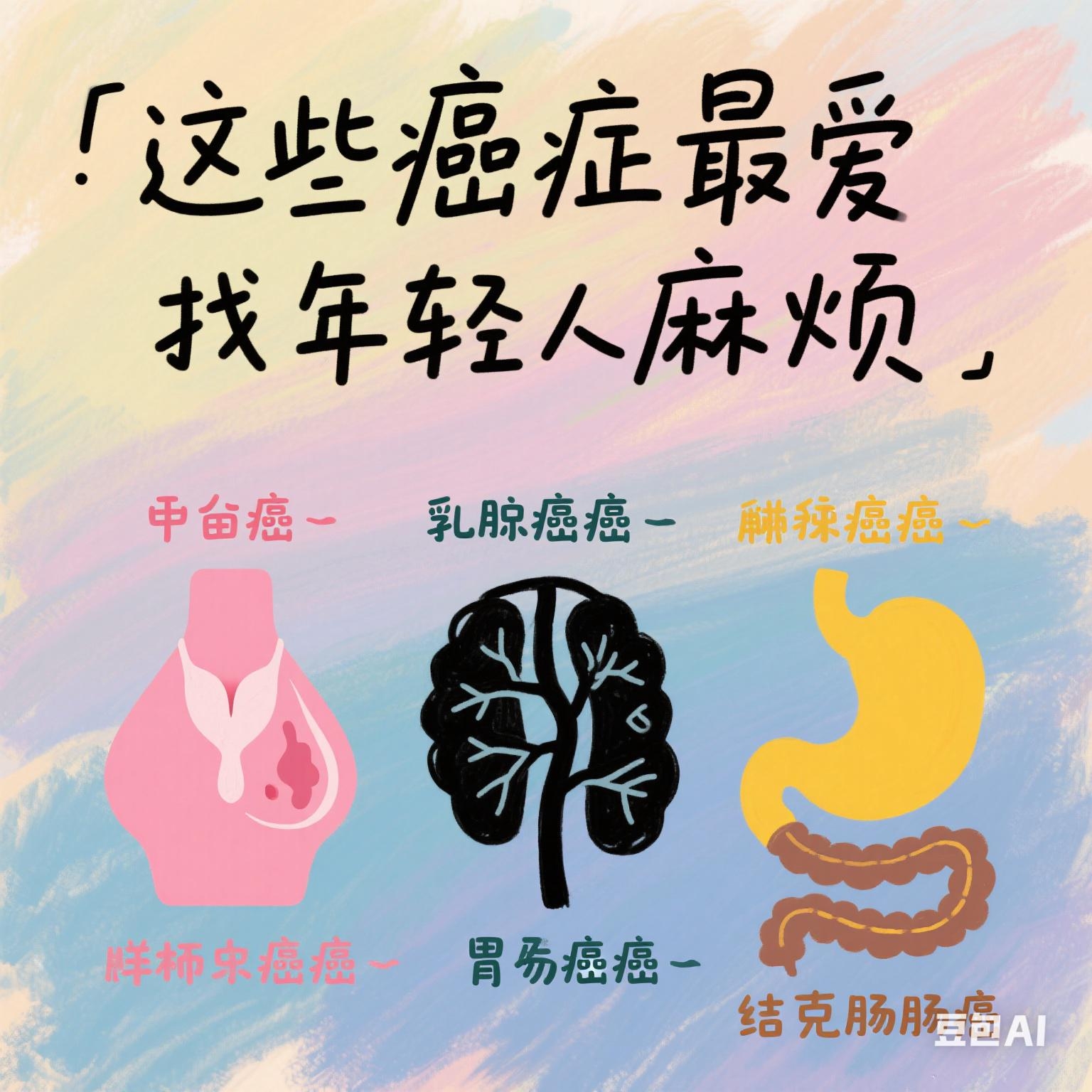
These cancers love to trouble young people.
- Thyroid cancer: it is one of the "high incidence cancers" among young people, especially favouring young women. According to statistics, the incidence rate of thyroid cancer in women is about three times of that in men. Long-term mental stress, endocrine disorders and a history of exposure to radioactive substances in childhood are all triggering factors for thyroid cancer. Many thyroid cancers do not have obvious symptoms in the early stage, and it may just be a small painless lump on the neck, which can be easily ignored.
- Breast cancer: Young women also need to be vigilant. Hereditary factors, hormone imbalance, and poor lifestyle, such as staying up late and eating high-fat foods, can all play a role in breast cancer. Initial symptoms may be small painless lumps felt in the breast, nipple discharge and so on.
- Lymphoma: Young people with relatively active immune systems have an increased chance of developing lymphoma when stimulated by certain factors. For example, prolonged exposure to chemical substances, infection with EBV, etc.. The onset of the disease may be accompanied by painless lymph node enlargement, fever, night sweats, weight loss and other symptoms.
- Stomach cancer: Although it is most common in middle-aged and old people, young people may also increase the risk of stomach cancer if they have an irregular diet, love to eat salted and smoked food, or are infected with Helicobacter pylori. Early symptoms are atypical, and may only include vague pain in the upper abdomen, indigestion and loss of appetite.
- Colorectal cancer: Nowadays, colorectal cancer is increasingly common among young people. Sedentary lifestyle, insufficient dietary fibre intake and obesity are the accomplices of colorectal cancer. In the early stage, there may be blood in stool, change in bowel habit, like diarrhoea and constipation alternately.
Why does cancer favour young people? Lifestyle habits are the "main culprits"?
- Staying up all night as a "common meal": many young people rely on their youth, wantonly squander their health, stay up late to catch up with dramas, play games, work overtime, and go to bed at one or two o'clock in the morning is a common occurrence. Long-term staying up late will disrupt the biological clock, affecting the body's normal metabolism and immune system function, so that cancer cells have a chance to take advantage of.
- Diet "messy": Takeaway has become the main source of diet for many young people, and they eat a lot of high oil, high salt and high sugar foods, but not enough fresh vegetables and fruits. Some people also love to eat pickled, barbecue, fried food, these foods contain nitrites, benzopyrene and other carcinogens, long-term consumption will increase the risk of cancer.
- Lack of exercise "lazy": every day is not sitting in the office, is lying down to brush the mobile phone, a sitting is a whole day, the amount of movement is seriously insufficient. Lack of exercise for a long time, the body's immunity decreases, fat is easy to accumulate, and obesity will further increase the risk of cancer.
- Mental pressure "mountain": in this competitive society, young people are facing multiple pressures such as education, employment, house purchase, marriage, etc., and are in a state of mental tension for a long time. Mental stress can lead to endocrine disorders, immune system disorders, creating conditions for cancer to flourish.
- Unhealthy habits "can not let go": some young people smoke, alcoholism, tobacco nicotine, tar, alcohol metabolites acetaldehyde, are clear carcinogens, will cause damage to a number of organs of the body, increasing the chances of cancer.
Early detection and early treatment, these "warning signals" do not ignore
- Unexplained lumps: If you feel painless lumps in the neck, breasts, armpits, etc., and the lumps are hard, have poor mobility, and increase rapidly within a short period of time, you must consult a doctor in time.
- Persistent pain: headache, chest pain, abdominal pain, bone pain, etc., which lasts for a long time and cannot be relieved by conventional methods.
- Unexplained weight loss: weight loss of more than 10% in a short period of time (e.g. 1 - 3 months) without intentional dieting or increased exercise.
- Abnormal bleeding: blood in stool, blood in urine, coughing up blood, nosebleeds, irregular vaginal bleeding, etc.
- Digestive abnormalities: prolonged dyspepsia, dysphagia, loss of appetite, nausea and vomiting, or changes in bowel habit and character.
- Fever, malaise: repeated low fever, body temperature is usually below 38℃, and accompanied by malaise, fatigue, night sweats and other symptoms .

It's not too late for young people to prevent cancer
- Cultivate healthy living habits: regular work and rest, ensure 7-8 hours of adequate sleep every day; insist on at least 150 minutes of moderate-intensity exercise per week, such as brisk walking, jogging, swimming and yoga; quit smoking and limit alcohol to stay away from the harmful effects of tobacco and alcohol.
- Balanced diet: Eat more fresh vegetables and fruits, whole grains, beans, fish and other nutritious foods, with a daily intake of no less than 500 grams of vegetables and 200-350 grams of fruits; eat less pickled, smoked and fried foods, and reduce the intake of red meat to no more than 75 grams per day.
- Learn to reduce stress and relax: Find ways to reduce stress that suit you, such as meditation, listening to music, travelling, meeting with friends, etc., to maintain a positive and optimistic mindset, and avoid long-term anxiety, depression and other bad moods.
- Regular medical check-ups: Undergo a comprehensive medical check-up once a year, including routine blood tests, urine tests, liver and kidney functions, tumour markers, etc. Young people with family history of cancer, bad lifestyle habits and other high-risk factors can, according to the doctor's advice, increase targeted cancer screening programmes, such as regular breast ultrasound, HPV and TCT tests for women, and prostate-specific antigen (PSA) tests for men.
- Infection prevention: vaccination against hepatitis B and HPV to prevent hepatitis B virus and human papilloma virus infection; pay attention to dietary hygiene to prevent Helicobacter pylori infection.
The rejuvenation of cancer has sounded the alarm that health is the foundation of everything. We hope that every young person will pay attention to it, adopt a healthy lifestyle, have regular medical check-ups and stay away from the threat of cancer. Remember, prevention is always greater than cure!