Dancing with Cancer: How Psychotherapy Illuminates the Path to Hope for Patients
Dancing with Cancer: How Psychotherapy Illuminates the Path to Hope for Patients
While the physical suffering in cancer treatment is undeniably challenging, the psychological torment should never be overlooked. Many cancer patients experience emotional turmoil including anxiety, depression, fear, and even despair after diagnosis. These psychological burdens not only diminish quality of life but may also negatively impact treatment outcomes. If your loved ones are undergoing this arduous journey, understanding their mental state becomes crucial.
I. The "Invisible Wounds" After Diagnosis
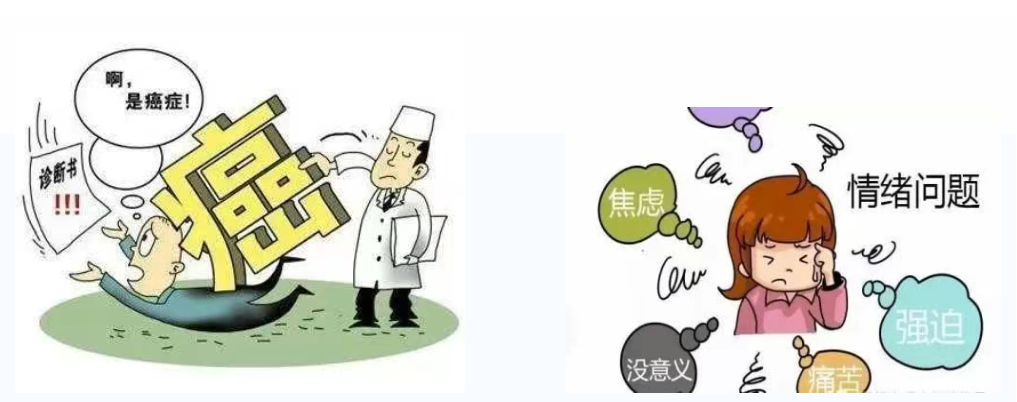
Facing a cancer diagnosis often plunges patients into emotional turbulence:
✓ Shock & Denial: Patients struggle to accept reality, repeatedly questioning diagnostic accuracy
✓ Anxiety & Depression: Treatment side effects, financial pressures, and survival anxiety frequently trigger emotional breakdowns
✓ Anger & Despair: Some blame others or fate, even developing suicidal ideation
Unaddressed psychological responses may exacerbate physical conditions and reduce treatment compliance.
II. Psychological Impacts on Cancer Prognosis
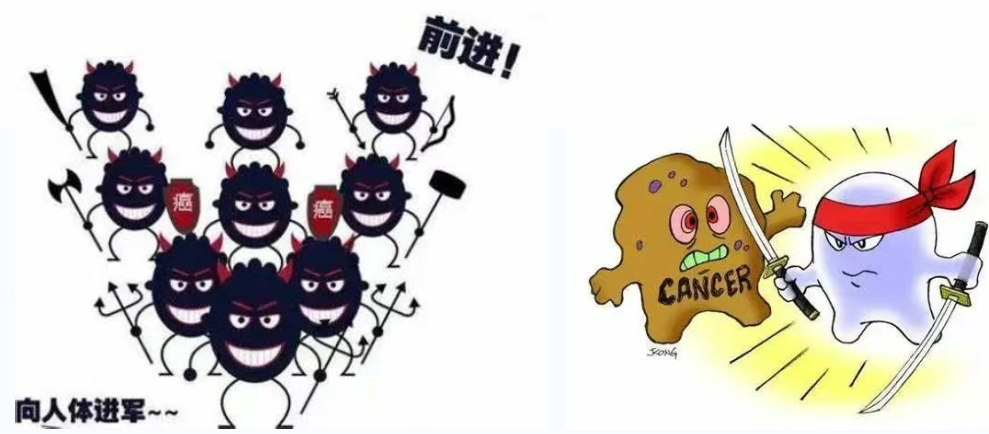
1. Cortisol's "Trojan Horse" Effect
Elevated stress hormones create a cancer-friendly microenvironment:
✓ Stimulates tumor angiogenesis (43%↑ VEGF secretion)
✓ Impairs immune cell function (35%↓ NK cell cytotoxicity)
✓ Promotes metastasis (28%↑ MMP activity)
✓ Chronic stress may activate proto-oncogenes through epigenetic modifications (e.g., DNA methylation)
2. Insomnia's "Endless Night Watch"
Sleep deprivation (<5 hours) increases chemotherapy resistance risk by 2.3-fold through:
✓ HPA axis activation elevating stress hormones
✓ Impaired NK cell activity
✓ Elevated pro-inflammatory factors (e.g., CRP)
✓ Exacerbated treatment side effects
3. Depression's "Silent Quagmire"
Depressed patients show:
✓ 25%↑ mortality rate compared to mentally stable counterparts
✓ 5-fold↑ lung cancer risk in emotionally suppressed males
✓ Impaired immunotherapy response through glucocorticoid-mediated immune suppression
✓ Treatment interruption risks from compounded physical symptoms
III. The Therapeutic Power of Psychotherapy
1. Emotional Regulation:
Alleviates negative emotions, fostering resilience
2. Treatment Adherence Enhancement:
Improves pain tolerance and medical cooperation
3. Holistic Rehabilitation:
Strengthens mind-body connection for comprehensive recovery
IV. Multidimensional Intervention Strategies
1. Cognitive Behavioral Therapy:
Restructures negative thought patterns
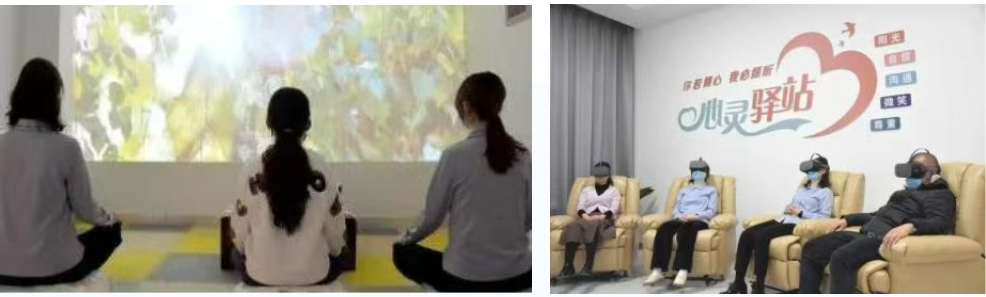
2. Mindfulness-Based Stress Reduction:
Anchors awareness in the present moment
3. EFT-PERMA Integration:
Combines emotional freedom techniques with positive psychology
4. Supportive Psychotherapy:
Provides empathetic listening space
5. Art Therapy:
Facilitates non-verbal emotional expression through creative mediums
V. Practical Recommendations
For Patients:
✓ Practice emotional acceptance and seek micro-joys in daily life
For Families:
✓ Implement 20-minute daily non-medical dialogues (31%↓ pain perception)
✓ Engage in weekly support groups (6.7-month↑ median survival, The Lancet 2023)
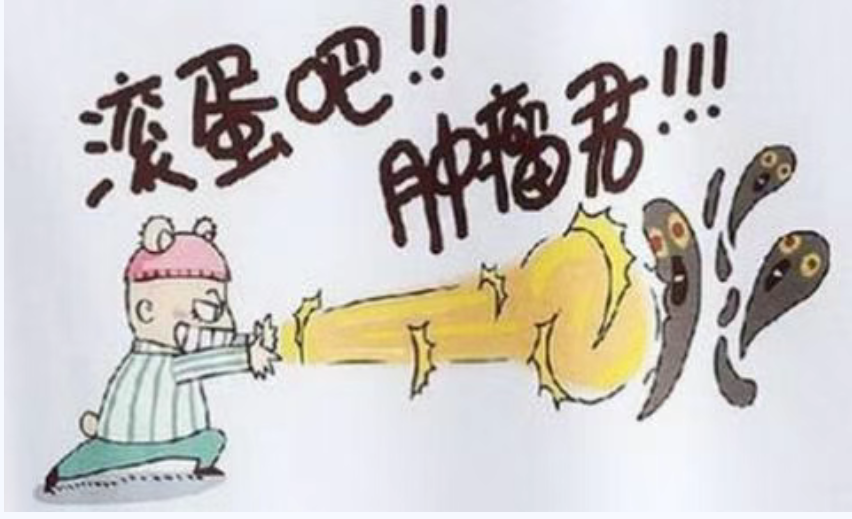
In the intricate dance with cancer, psychotherapy emerges as a vital ally, transforming psychological burdens into stepping stones toward hope. By addressing both visible tumors and invisible wounds, we illuminate the path to comprehensive healing.
Introduction of the Integrated Traditional Chinese and Western Medicine Oncology Rehabilitation Department
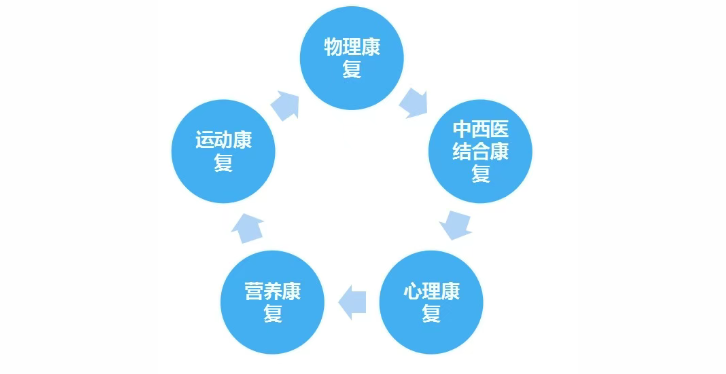
As a flagship specialty of our center, this department integrates medical care, education, and research, focusing on comprehensive oncology rehabilitation through multimodal approaches, including integrated TCM-Western therapy, physical rehabilitation, exercise therapy, psychological rehabilitation, and nutritional support. Adopting an MDT (Multidisciplinary Team) model, we design personalized rehabilitation plans tailored to individual patient needs
Clinical Services
● Integrated TCM-Western Therapy
Combines evidence-based Western protocols with TCM modalities for synergistic effects
● TCM Modalities
Acupuncture, tuina (therapeutic massage), cupping, moxibustion, Gua sha, auricular acupressure, herbal external therapies, medicated hydrotherapy
● Physical and Exercise Rehabilitation
Motor therapy, physical agent therapy (e.g., interferential current, ultrasound), Manual therapy, functional training, Psychological Interventions
● Cognitive Behavioral Therapy (CBT), Mindfulness-Based Stress Reduction (MBSR), Family therapy, group psychotherapy
Scope of Practice
● Comprehensive Rehabilitation Assessment
Evaluates physiological, psychological, social function, and quality of life to guide personalized plans
● Rehabilitation Targets
Oncology-related complications: Chemoradiotherapy-induced nausea/vomiting, diarrhea, fatigue, myelosuppression, lymphedema
Chronic conditions: Joint disorders, lumbar disc herniation, post-stroke paralysis, Parkinson’s disease, neuropathies, chronic pain
Psychosomatic disorders: Anxiety, depression, insomnia comorbid with cancer
Specialty Programs
● TCM-Western Management of Radiation-Induced Proctitis
● Integrates herbal protocols with modern interventions for gastrointestinal toxicity, CBT-MBSR for Anxiety/Depression
● Combines physical therapy with psychological techniques, Cancer-Related Fatigue Rehabilitation, Blends TCM tonification with psychotherapy
● Lymphedema Prevention Post-Radiotherapy, Utilizes lymphatic drainage and compression therapy, Chemotherapy-Induced Hand-Foot Syndrome, Herbal compresses and acupuncture to mitigate symptoms
Multimodal Pain Management, Addresses cancer pain and chronic pain syndromes
Clinical Team
● 10-member multidisciplinary team
● 1 senior physician, 2 intermediate-level specialists, 7 junior clinicians
● Expertise in Western medicine, TCM, rehabilitation, psychology, nutrition
● Advanced Training: Certifications in standardized rehabilitation, meridian hypnotherapy, CBT, MBSR, and psychographic analysis
Facilities & Equipment
Cutting-edge devices: Automated thermostatic wax therapy, WIRA light, shockwave therapy, Lymphatic drainage system, transcranial magnetic stimulation (TMS)
Psychometric tools: Psychological CT, sandplay therapy, polysomnography

Service Philosophy
"Precision in Medicine to Alleviate Suffering, Compassion in Care to Enhance Quality."
Contact Information
Address:
10th Floor, Comprehensive Building, Lanzhou Heavy Ion Hospital
No. 100 Yanbei Road, Chengguan District, Lanzhou, Gansu Province
Physician Office: 0931-2169539
Nursing Station: 0931-2169581