Do You Really Understand the Truth About Cervical Cancer?
Do You Really Understand the Truth About Cervical Cancer?
I. What Causes Cervical Cancer?
The exact causes of cervical cancer are not yet fully understood, but it is believed to be associated with the following factors:
1. Sexual Activity and Childbirth History
• Early initiation of sexual activity (before age 16)
• Multiple sexual partners
• Sexually transmitted infections (STIs)
• Early childbirth (before age 20)
• Multiple pregnancies
• Low socioeconomic status
• Long-term use of oral contraceptives
• Immunosuppressive therapy
These factors increase exposure to carcinogens and weaken the immune system’s ability to clear infections, thereby elevating cervical cancer risk
2. Viral Infection
• High-risk HPV strains: Over 90% of cervical cancers are linked to persistent infections with high-risk human papillomavirus (HPV) types, particularly HPV-16 and HPV-18
• Natural course of HPV:
◦ Most HPV infections resolve spontaneously within 7–12 months.
◦ Persistent infections (lasting >2 years) may lead to precancerous lesions (e.g.cervical intraepithelial neoplasia, CIN).
◦ Co-factors like smoking, STIs, or chronic inflammation significantly increase carcinogenesis risk.
Key Insight: While HPV is the primary driver, cervical cancer development requires a prolonged interplay between viral persistence and environmental/behavioral factors. Regular screenings (Pap smears, HPV tests) and vaccination are critical for early detection and prevention.
II. What Are the Preventive Measures for Cervical Cancer?
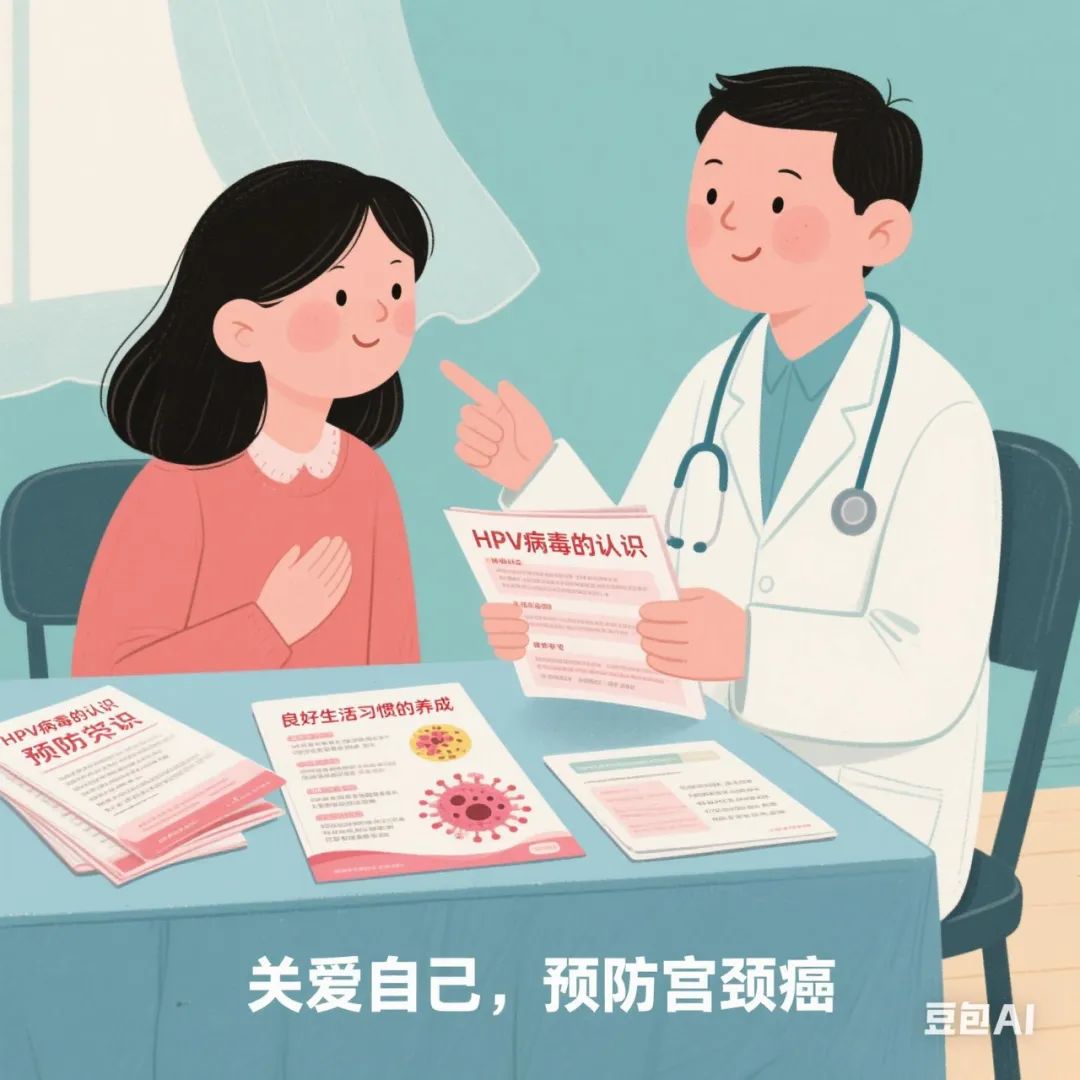
1. HPV Vaccination
The HPV vaccine is a highly effective method to prevent cervical cancer by blocking infections caused by high-risk human papillomavirus (HPV), thereby reducing cervical cancer incidence. Vaccination is recommended within the optimal age range, typically ages 9–14, as early vaccination yields the highest antibody levels.
2. Regular Screening
Routine cervical cancer screening (e.g., ThinPrep Cytologic Test [TCT] and HPV testing) enables early detection of precancerous lesions, allowing timely intervention to prevent progression to cancer.
• Screening Guidelines:
◦ Ages 21–29: TCT every 3 years.
◦ Ages 30–65: Co-testing (TCT + HPV test) every 5 years, or TCT alone every 3 years.
◦ Over 65: Discontinue screening if results have been normal for the past 10 years.
3. Healthy Lifestyle
Strengthening immunity reduces HPV infection risks:
• Balanced Diet: Increase intake of vitamins A/C/E and folate (e.g., leafy greens, whole grains).
• Regular Exercise: Aim for ≥150 minutes of moderate aerobic activity weekly (e.g., brisk walking, swimming).
• Avoid Smoking/Excessive Alcohol: Smoking doubles cervical cancer risk; alcohol metabolites damage cervical cells.
4. Safe Sexual Practices
Reduce HPV exposure through:
• Avoiding early sexual activity (<16 years) and multiple partners.
• Consistent correct use of condoms (reduces HPV transmission risk by 70%).
• Daily genital hygiene (gentle cleansing with water only; avoid douching).
Key Notes:
• HPV vaccination does not replace regular screening, as vaccines do not cover all high-risk HPV types.
• Early detection through screening saves lives—90% of cervical cancers are preventable with timely intervention.
III. Common Treatment Methods for Cervical Cancer
Cervical cancer treatment primarily involves surgery, radiotherapy, chemotherapy, immunotherapy, and targeted therapy. The choice of treatment depends on factors such as tumor stage, patients' general condition, and fertility preservation needs.
1.Early-Stage Cervical Cancer (Stage I-IIA)
Key Notes:
Fertility Preservation: For young patients desiring future pregnancy, options like cone biopsy (for ≤2 cm tumors) or radical trachelectomy may be considered.
Multidisciplinary Approach: Advanced cases (stage IIB-IVA) standardly use concurrent chemoradiotherapy (e.g., cisplatin + radiotherapy), while metastatic disease (IVB) relies on systemic therapies (e.g., immunotherapy with pembrolizumab for PD-L1-positive tumors).
2. Locally Advanced Cervical Cancer (IB3, IIB, III, IVA Stages)
Patients with locally advanced cervical cancer (LACC), including stages IB3, IIB, III, and IVA, often face limited surgical options due to factors such as large tumor size (>4 cm), deep cervical stromal invasion, lymph node metastasis, or parametrial involvement. For these cases, concurrent chemoradiotherapy (CCRT) remains the gold standard per global guidelines.
Advances in Radiation Therapy
Carbon Ion Therapy vs. Conventional Photon Therapy:
Carbon ion radiotherapy has emerged as a superior alternative to traditional photon-based treatments. Unlike photons, which deposit energy diffusely, carbon ions exhibit a Bragg peak effect, concentrating ~80% of their energy at a precise depth. This allows clinicians to "paint" the tumor with high radiation doses while sparing surrounding healthy tissues (e.g., rectum, bladder).
Key biological advantages of carbon ions include:
Higher Relative Biological Effectiveness (RBE): Carbon ions exert ~2–3 times greater tumor-killing power compared to photons (RBE=1), making them especially effective against radioresistant tumors.
Reduced Normal Tissue Toxicity: Clinical studies report minimal acute adverse effects (≤Grade 1), even with hypofractionated regimens (e.g., 72.8 GyE delivered in 28 fractions).
Clinical Outcomes
Survival and Local Control:
Carbon ion-based CCRT achieves a 74.1% 5-year overall survival rate in LACC patients, with no severe (≥Grade 3) acute toxicity observed. By intensifying radiation doses to the tumor while shielding adjacent organs, this approach significantly lowers pelvic recurrence rates compared to conventional photon therapy.
Combination with Chemotherapy:
For bulky tumors (e.g., squamous cell carcinomas ≥6 cm), combining carbon ion therapy with platinum-based chemotherapy (e.g., cisplatin) further enhances efficacy. This strategy addresses micrometastatic disease (the primary cause of 5-year treatment failure) and improves pelvic control by overcoming radioresistance.
Why Carbon Ion Therapy Stands Out
While photon therapy requires prolonged treatment courses (6–7 weeks) and carries higher risks of bowel/bladder complications, carbon ion therapy delivers comparable or superior outcomes in fewer sessions (4–5 weeks). Its precision minimizes long-term morbidities, offering a better quality of life for survivors.
Guideline Recommendations
Recent updates to the NCCN Guidelines and Chinese Consensus on Carbon Ion Radiotherapy endorse carbon ion CCRT for select LACC cases, particularly those involving large tumors, parametrial invasion, or lymph node metastasis. Cost-effectiveness analyses highlight its value: despite higher upfront expenses, reduced hospitalizations and late complications offset long-term costs.
This paradigm shift underscores carbon ion therapy’s potential to redefine standards of care for advanced cervical cancer, balancing efficacy, safety, and patient-centered outcomes.
Departmenrt Introduction
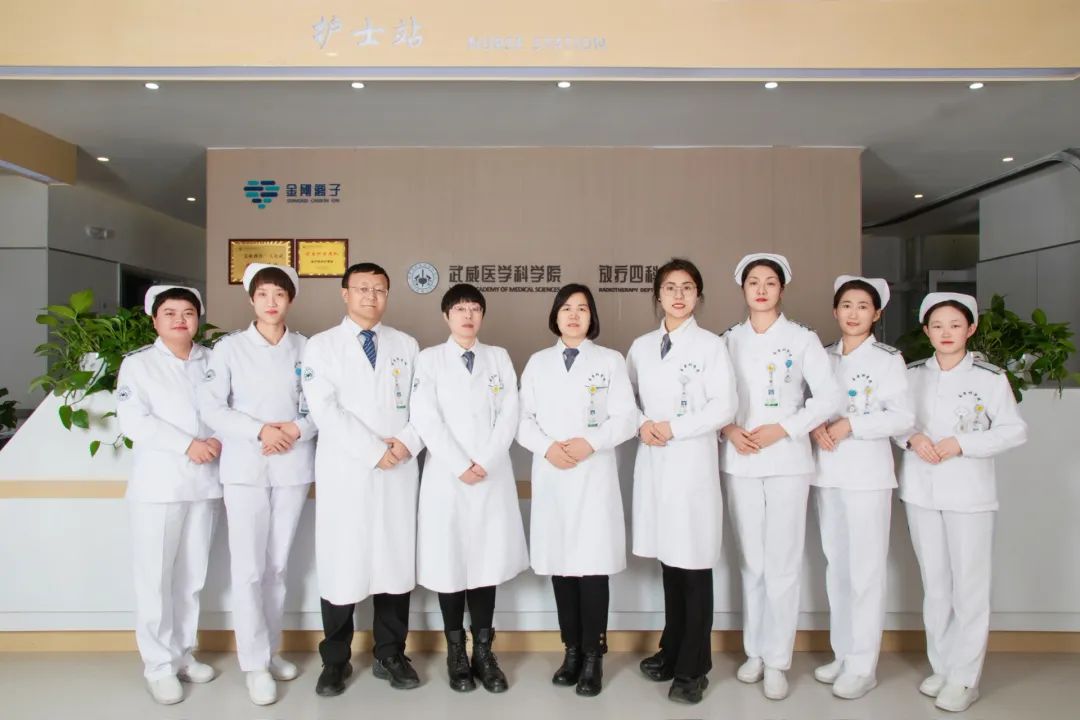
The Department of Radiotherapy IV is to take advantage of photon and carbon ion therapy for two major malignant tumours of gynaecology and breast, including cervical cancer, endometrial cancer, vaginal cancer, vulvar cancer, ovarian cancer, breast cancer, etc., with radical radiotherapy, preoperative neoadjuvant radiotherapy, postoperative adjuvant radiotherapy, chemotherapy, immunotherapy, targeted therapy, endocrine therapy, and the combination of the above therapies. There are 13 medical and nursing staff in the department, including 2 associate senior titles, 1 attending physician and 3 residents. The staff of the department has been trained in Tianjin Cancer Hospital, Beijing Cancer Hospital, Beijing 301 Hospital, Peking University Third Hospital, Shanghai Proton Heavy Ion Hospital and Sichuan Cancer Hospital.
The director of the department, Dr. Dang has the right to be deputy chief physician, has been engaged in radiotherapy for 24 years, and has studied in many famous tertiary hospitals in China, and has rich experience in radiotherapy and comprehensive treatment of gynecological and breast tumours. He is also a member of Radiation Oncology Committee of Gansu Geriatrics Association, a member of Oncology Nutrition Branch of Gansu Nutrition Society, and a part-time teacher of Wuwei Vocational College.
The department employs Prof. Jorg Hauffe from Proton Heavy Ion Centre in Munich, Germany, Prof. Hirohiko Tsuji from Japan who is the first person in the world to treat heavy ion tumors, and Prof. Ren Yimin, the former chairman of Taiwan Tumor Radiation Therapy Committee, to conduct regular visits to the rooms and guide the work of the department. The department carries out clinical work and scientific research and teaching under the guidance of Professor Liu Zi, Chairman of the First Affiliated Hospital of Xi'an Jiaotong University, and Professor Li Sha, Chief Physician of the Radiotherapy Department of the Ninth 40th Hospital of the People's Liberation Army Joint Logistics Force. She has completed 5 provincial and municipal scientific research projects, published more than 10 papers and 3 invention patents. Over the years, the effective comprehensive treatment of tumours has achieved good therapeutic effects and won the praise of the society, peers and patients.