What Are the Differences Between Hemodialysis, Hemofiltration, Hemoperfusion, and Hemodiafiltration?
What Are the Differences Between Hemodialysis, Hemofiltration, Hemoperfusion, and Hemodiafiltration?
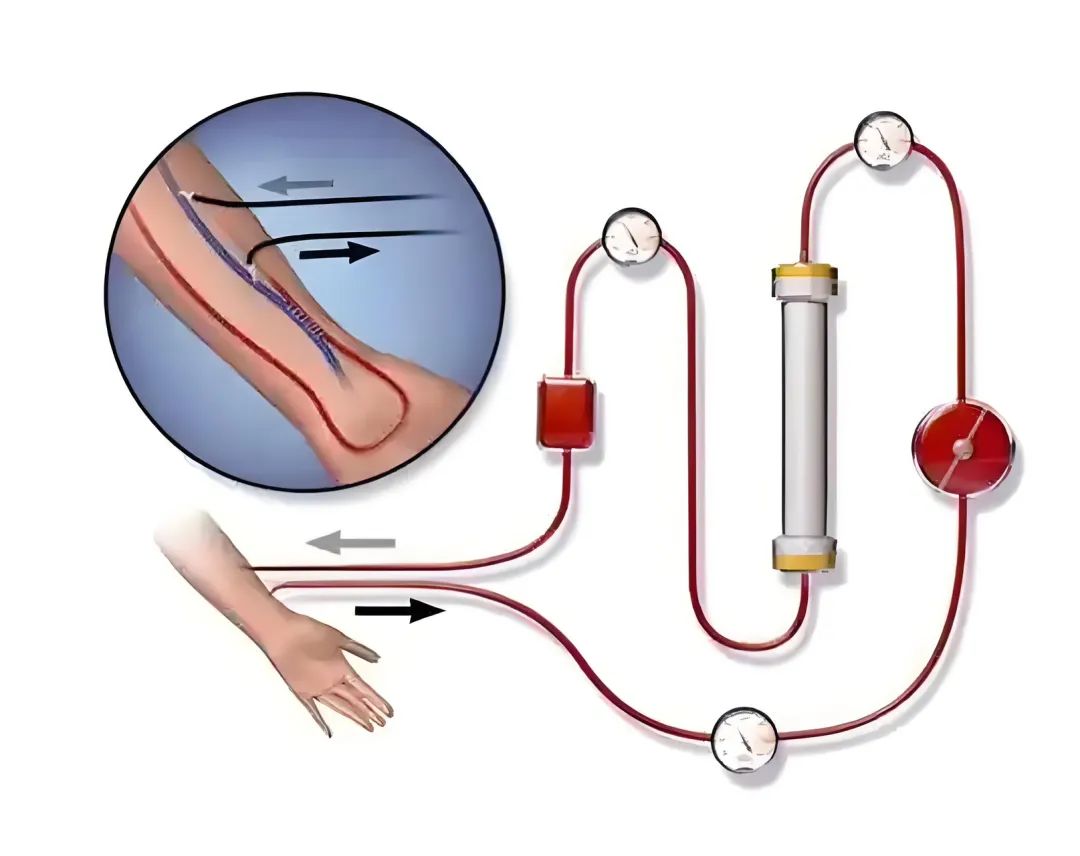
1. Hemodialysis (HD)
Principle: Uses diffusion and convection to remove metabolic waste, toxins, and excess fluid from the blood.
Application: The most common renal replacement therapy for end-stage kidney disease (ESKD). Also used to treat drug or toxin poisoning.
Capabilities:
• Removes small water-soluble toxins.
• Corrects water, electrolyte, and acid-base imbalances.
Limitations: Poor clearance of middle-to-large molecular toxins.
Indications:
• End-stage kidney disease.
• Acute kidney injury.
• Drug/toxin poisoning.
• Severe fluid/electrolyte/acid-base imbalances.
• Refractory hyperthermia/hypothermia, severe edema, heart failure, or liver failure unresponsive to standard treatments.
Contraindications:
• Intracranial hemorrhage or elevated intracranial pressure.
• Uncontrolled severe shock.
• Severe myocardial dysfunction with refractory heart failure.
• Active bleeding.
• Psychiatric instability preventing treatment compliance.
2. Hemofiltration (HF)
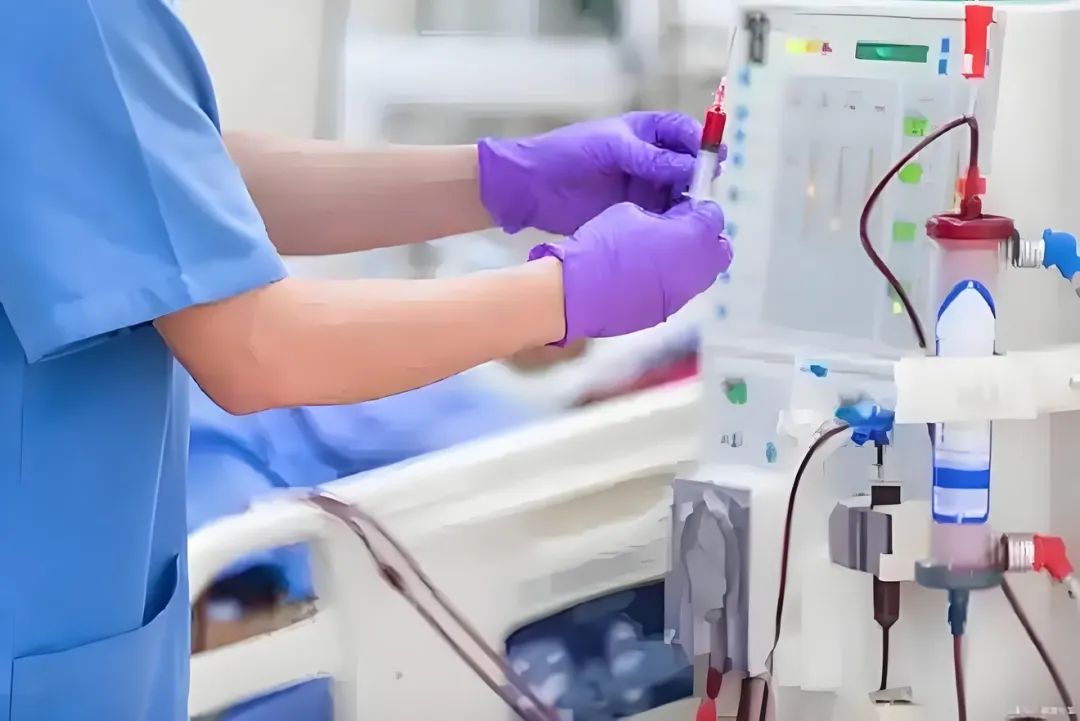
Principle: Mimics glomerular filtration and tubular reabsorption in the kidneys, removing excess fluid and toxins via convective transport.
Advantages Over HD:
• Minimal impact on hemodynamics.
• Higher clearance of middle-molecular toxins.
Indications:
• Hypotension during routine dialysis.
• Refractory hypertension.
• Intractable fluid overload or heart failure.
• Severe secondary hyperparathyroidism.
• Uremic neuropathy, pericarditis.
• Cardiovascular instability, multi-organ dysfunction syndrome (MODS), or critical illness.
Contraindications:
• No absolute contraindications, but use cautiously in:
◦ Near-fatal states with uncorrectable shock.
◦ Mental instability preventing treatment.
3. Hemoperfusion (HP)
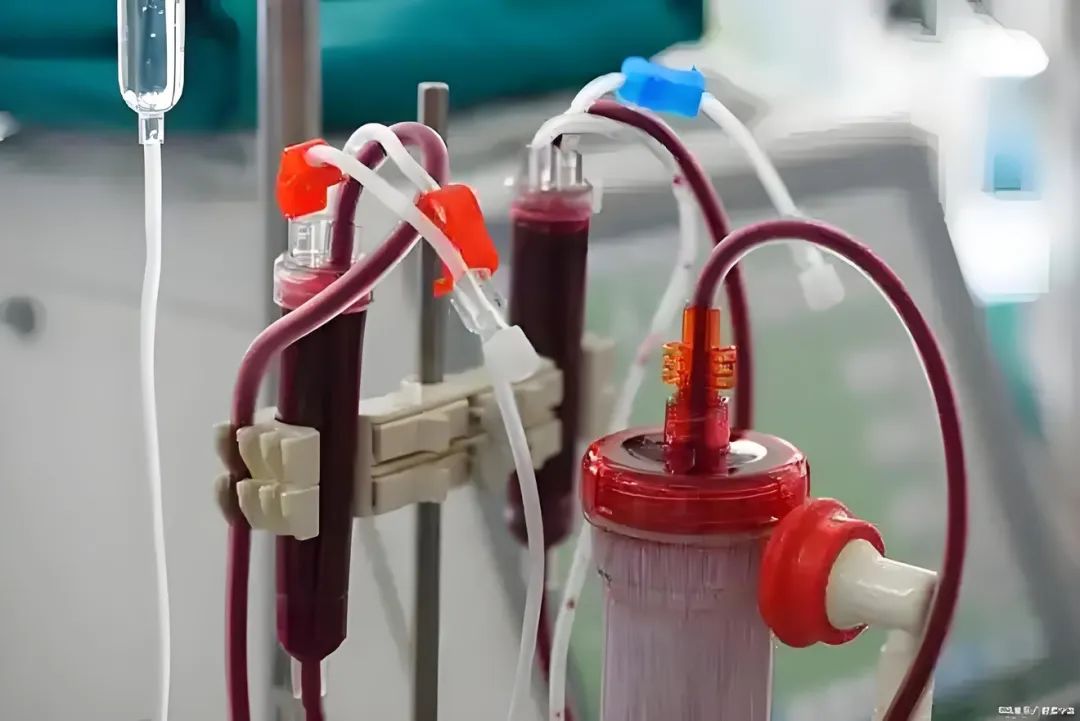
Principle: Blood is passed through a cartridge containing adsorbents (e.g., activated carbon, resin) to bind and remove toxins, drugs, or metabolic waste.
Applications:
• Expanding beyond poisoning to treat severe infections, liver failure, ESKD, autoimmune diseases, etc.
Synergy with HD: Combines with HD to enhance removal of middle-to-large toxins, improving symptoms like hypertension, pruritus, and sleep disorders in uremia patients.
Indications:
• Acute drug/toxin poisoning.
• ESKD with refractory pruritus, hypertension, β2-microglobulinemia, etc.
• Fulminant liver failure, sepsis, autoimmune diseases (e.g., psoriasis).
• Heroin dependence, familial hypercholesterolemia, severe pancreatitis, thyroid storm.
Contraindications:
• Allergy to extracorporeal circuits or adsorbent materials.
4. Hemodiafiltration (HDF)
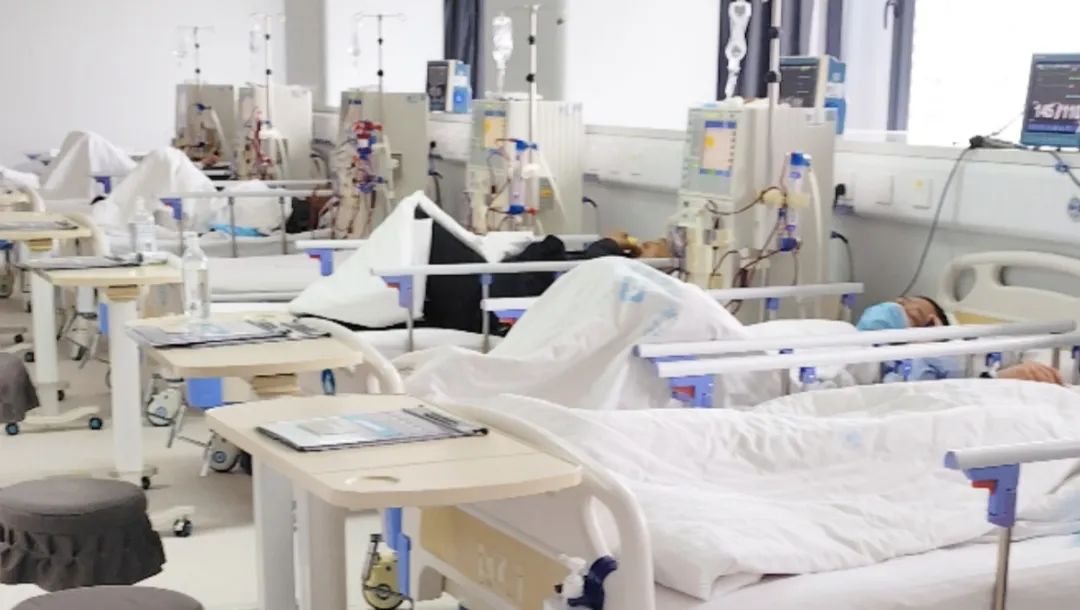
Principle: Combines diffusion (HD) and convection (HF) to enhance solute clearance, removing more middle-to-small molecules per unit time.
Indications:
• Same as HF, but particularly recommended for:
◦ Recurrent dialysis-induced hypotension.
◦ Cardiac comorbidities.
◦ High β2-microglobulinemia, dialysis-related amyloidosis.
◦ Chronic inflammation, poor erythropoietin response, malnutrition.
◦ Restless legs syndrome.
Contraindications:
• No absolute contraindications, but use cautiously in:
◦ First-time induction-phase dialysis patients.
◦ Severe hypotension, shock, or hemodynamic instability.
◦ Arrhythmias or psychiatric instability.
References
Adapted from Standard Operating Procedures for Blood Purification (2021 Edition) and Clinical Practice Guidelines for Quality Control of Hemodiafiltration.
Expert Profile

Wei Jinfen, Director of the Hemodialysis Center, Department of Nephrology, Gansu Wuwei Cancer Hospital
Expertise: Diagnosis and management of acute and chronic glomerular diseases, renal failure, secondary kidney disorders, diabetes. Skilled in vascular access creation (temporary/permanent catheters, fistulas). Focuses on personalized dialysis care and complication prevention.
Specialist clinic hours: Monday to Friday