A Brief Introduction on Intracavitary Radiotherapy for Gynecological Tumors
A Brief Introduction to Intracavitary Brachytherapy for Gynecologic Tumors
Intracavitary brachytherapy (ICBT), a form of intracavitary radiation therapy, is a critical treatment modality for gynecologic malignancies such as cervical cancer, endometrial cancer, and vaginal cancer. By placing radioactive sources directly into natural body cavities adjacent to tumors (e.g., uterine cavity, vagina), it delivers high-dose radiation locally while minimizing damage to surrounding healthy tissues. Below is a detailed overview:
I. Overview and Principles
ICBT falls under brachytherapy, leveraging the principle of radiation dose attenuation with distance. Radioactive sources (e.g., iridium-192, cobalt-60) are placed near the tumor target, achieving "high dose to the target area and minimal damage to surrounding tissues."
● Applicable cancers: Primarily cervical cancer (especially locally advanced stages), and as adjuvant or palliative therapy for endometrial and vaginal cancers.
● Treatment goals:
○ Radical treatment (combined with external beam radiation therapy).
○ Postoperative adjuvant therapy (to reduce recurrence risk).
○ Palliative care (e.g., controlling bleeding or pain).
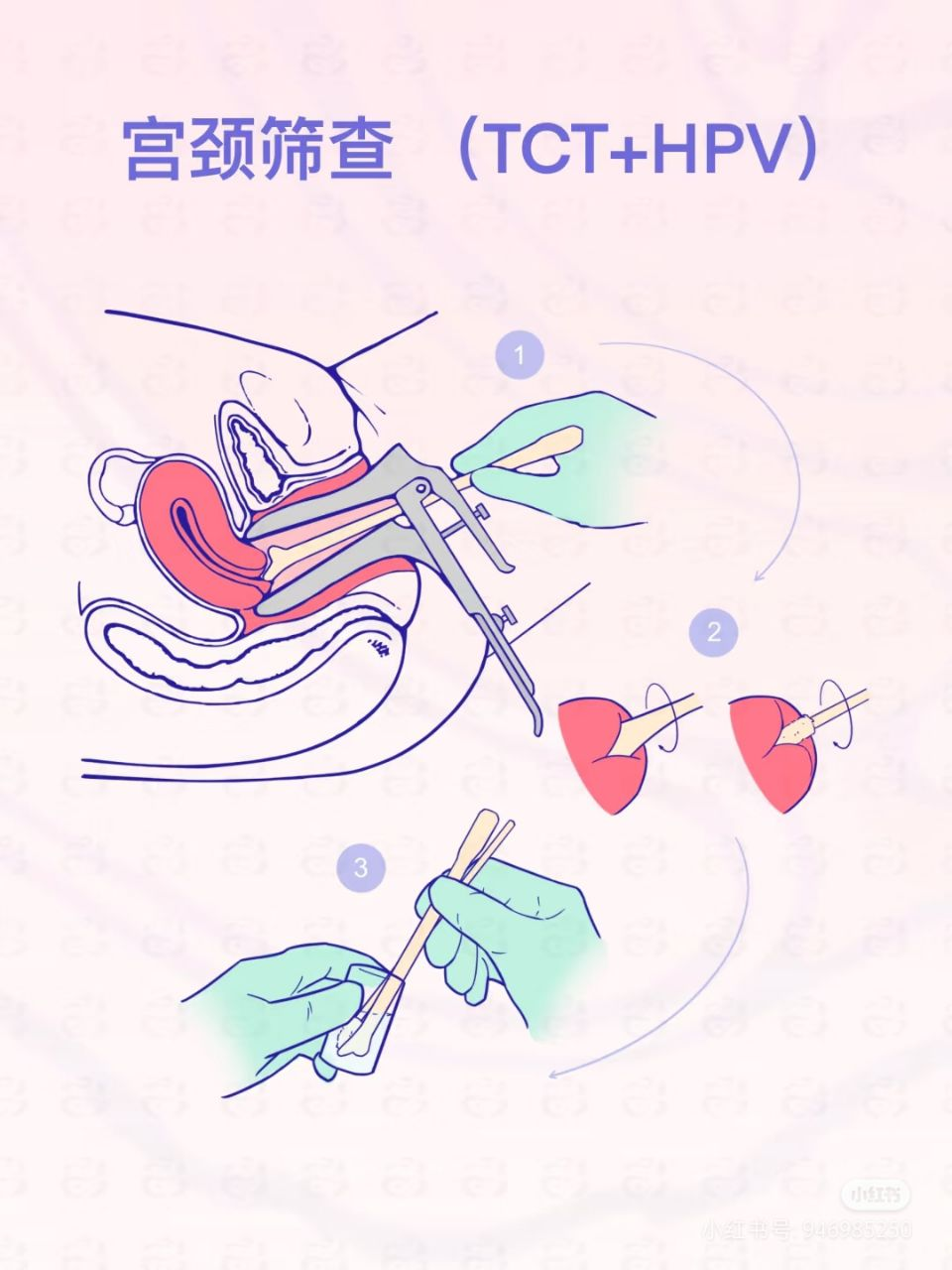
II. Indications
Cervical Cancer
● Radical treatment for stage IB–IVA cervical cancer (combined with external radiotherapy).
● Adjuvant therapy for postoperative high-risk factors (e.g., positive margins, lymph node metastasis).
Endometrial Cancer
● Vaginal cuff irradiation for postoperative intermediate/high-risk patients (e.g., deep myometrial invasion, high-grade tumors).
Vaginal Cancer
● Radical radiotherapy for early-stage vaginal cancer or localized boost for advanced cases.
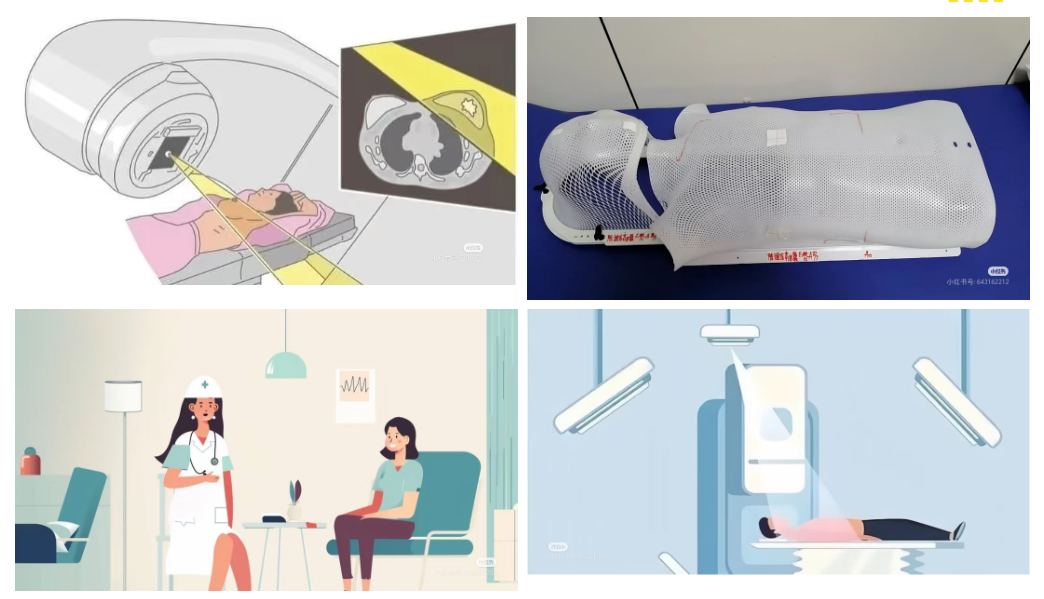
III. Technical Methods
● Applicator types:
○ Intrauterine tube + vaginal applicators (e.g., Fletcher-Suit system): Used for cervical cancer to mimic uterine anatomy.
○ Vaginal cylinder: Suitable for postoperative vaginal cuff irradiation in endometrial cancer.
IV. Imaging-Guided Techniques
● 2D planning: Traditional X-ray-based targeting using point doses (e.g., A-point, B-point). Simple but less precise.
● 3D planning (3D-IGBT): CT/MRI-guided target delineation optimizes dose distribution (e.g., GTV, CTV), significantly reducing radiation to the rectum and bladder.
● Dose modes:
○ High-dose-rate (HDR): Short sessions (minutes), administered fractionally in outpatient settings.
○ Pulsed-dose-rate (PDR): Mimics traditional low-dose-rate therapy for select cases (e.g., large tumors).
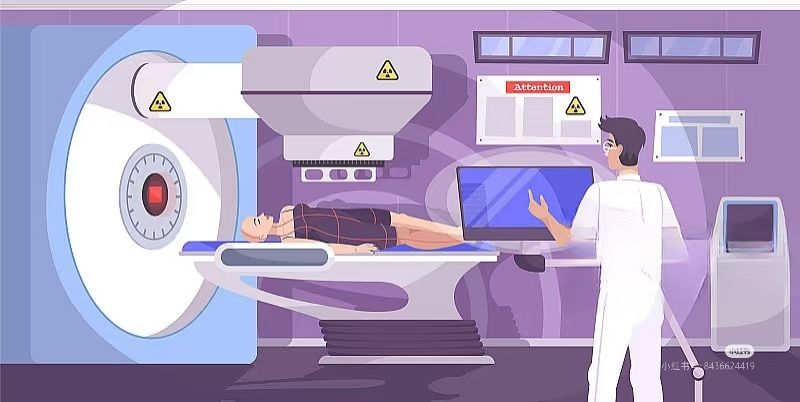
V. Advantages and Limitations
Advantages
● High local control rates (e.g., >90% 5-year local control in cervical cancer).
● Superior protection of normal tissues (e.g., bladder, rectum).
● Short treatment duration (HDR sessions are outpatient).
Limitations
● Strict eligibility criteria (e.g., large tumor volume may hinder applicator placement).
● High technical demands (3D planning requires collaboration between imaging and physics teams).
VI. Complication Management
Acute reactions: Radiation proctitis, cystitis (managed symptomatically).
Late complications:
● Vaginal stenosis (requires long-term dilator use).
● Rectovaginal or vesicovaginal fistula (rare, may require surgery).
● Ovarian failure (ovarian transposition should be considered in young patients).
VII. Progress and Future Directions
● Imaging advancements: Real-time MRI guidance, AI-assisted target delineation.
● Novel radioisotopes: Longer-half-life isotopes like ytterbium-169 (Yb-169).
● Personalized therapy: Dose adjustment based on molecular subtyping (e.g., radiation-sensitive tumors).
● Combined therapy optimization: Synergy with immunotherapy/targeted agents (e.g., PD-1 inhibitors to sensitize tumors).
Conclusion
Intracavitary brachytherapy remains irreplaceable in gynecologic cancer treatment, particularly for cervical cancer radical therapy. Advances in imaging and radiotherapy physics have enhanced efficacy and reduced complications via 3D individualized protocols. Future multidisciplinary collaboration and technological innovation will further drive precision oncology in this field.
Introduction to the Department of Radiation Oncology IV
The Department of Radiation Oncology IV mainly provides photon and carbon ion therapy for two major malignant tumors in gynecology and breast, namely cervical cancer, endometrial cancer, vaginal cancer, vulvar cancer, ovarian cancer and breast cancer. Treatment methods include radical radiotherapy, preoperative neoadjuvant radiotherapy, postoperative adjuvant radiotherapy, chemotherapy, immunotherapy, targeted therapy, endocrine therapy, and combinations of the above treatments.
There are 13 medical staff members in the department, including 2 with associate senior titles, 1 attending physician and 3 resident physicians. The staff of the department have successively studied in Tianjin Provincial Cancer Hospital, Beijing Cancer Hospital, Beijing 301 Hospital, Peking University Third Hospital, Shanghai Proton and Heavy Ion Hospital, and Sichuan Provincial Cancer Hospital.
Dr. Dang Youquan, Associate Chief Physician and Director of the Department, has been engaged in radiation oncology for 24 years. She completed advanced training at several nationally renowned tertiary hospitals and specializes in radiotherapy and comprehensive treatment for gynecological and breast tumors. Her current academic roles include:
● Committee Member of the Ion Radiotherapy Branch, China Medical Equipment Association
● Standing Council Member of the Western Oncology Specialist Alliance
● Standing Committee Member of the Brachytherapy Committee, Gansu Anti-Cancer Association
● Committee Member of the Radiation Oncology Branch, Gansu Geriatrics Society
● Committee Member of the Oncology Nutrition Branch, Gansu Nutrition Society
● Part-time Lecturer at Wuwei Vocational College
The department has established long-term collaborations with internationally renowned experts, such as Prof. Jörg Hauffe from the Munich Proton Therapy Center (RPTC), Germany, Prof. Hirohiko Tsujii, globally recognized as the "pioneer of heavy-ion cancer therapy" from Japan's QST Hospital (formerly the National Institute of Radiological Sciences), and Prof. Yi-Min Jen, former Chairman of the Radiotherapy Committee of the Taiwan Society for Therapeutic Radiology and Oncology. Under the guidance of domestic authorities, including Prof. Liu Zi, Chair of the Gynecologic Oncology Committee at Xi'an Jiaotong University First Affiliated Hospital, and Prof. Li Sha, Chief Radiation Oncologist at the 940th Hospital of the PLA Joint Logistics Support Force.
The department has achieved remarkable academic results, including the completion of 5 provincial and municipal research projects, the publication of over 10 peer-reviewed papers in domestic and international journals, and the acquisition of 3 invention patents for radiotherapy innovations.
The department currently offers advanced radiotherapy technologies practiced globally, including heavy-ion radiotherapy, image-guided intensity-modulated radiotherapy (IGRT), intensity-modulated conformal radiotherapy (IMRT), stereotactic radiotherapy (SRS/SBRT), three-dimensional conformal radiotherapy (3DCRT), volumetric modulated arc therapy (VMAT/Rapid Arc), four-dimensional adaptive radiotherapy, image-guided 3D brachytherapy, 3D-printed template-guided interstitial brachytherapy, bladder volume monitoring-guided gynecologic radiotherapy, and preoperative/postoperative radiotherapy. These technologies are integrated with surgery, chemotherapy, hyperthermia, molecular targeted therapy, immunotherapy, and traditional Chinese medicine, thus forming a comprehensive cancer treatment model. Over years of practice, this evidence-based multimodal approach has demonstrated remarkable efficacy, earning widespread recognition from patients, peers, and the broader community.
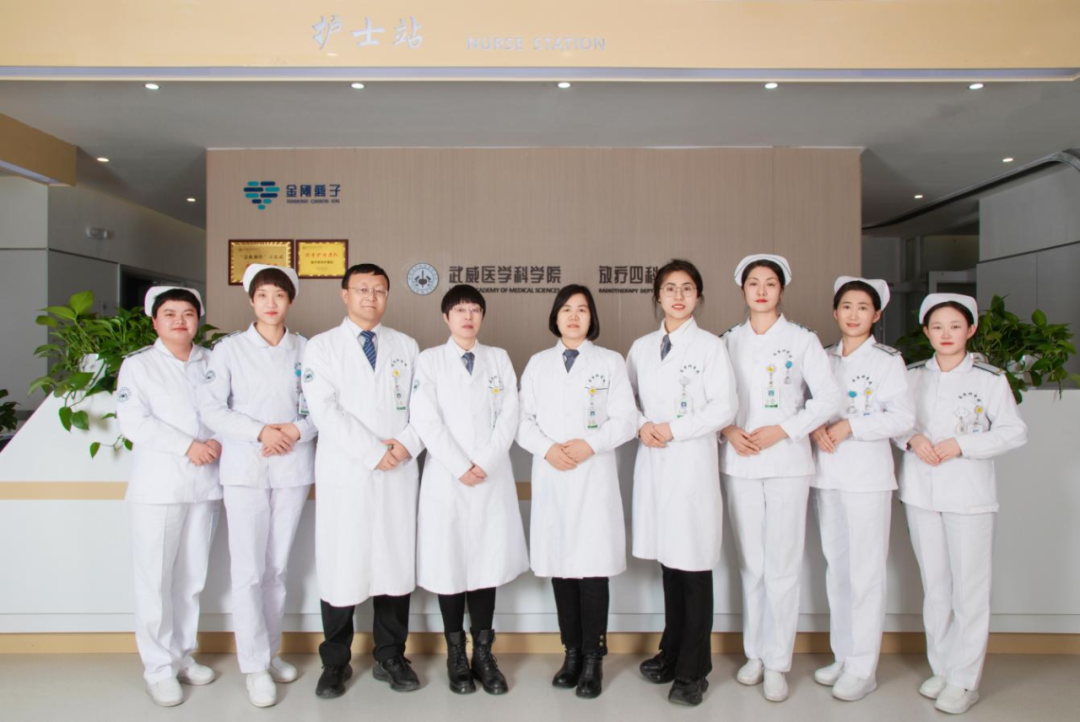
Department of Gynecologic & Breast Malignant Tumor Heavy Ion Therapy