New Hope in Pancreatic Cancer Treatment—Frequently Asked Questions About Heavy Ion Therapy for Pancr
Pancreatic cancer is known as the "king of cancers" due to its high malignancy. Once diagnosed, it seems as if life has entered a countdown. Is this really?
According to statistics, the survival period for pancreatic cancer is approximately 6-14 months, with a low 5-year overall survival rate (about 10%). More than half of patients are diagnosed at an advanced stage. However, with the application of heavy ion therapy and the use of emerging drugs, the survival period for patients has significantly improved, now reaching 21.2-34.5 months.

What symptoms might appear before a pancreatic cancer diagnosis?
Most pancreatic cancer patients experience dull or aching pain in the upper abdomen and lower back before diagnosis, which progressively worsens, with more noticeable pain at night. They may also suffer from fatigue, poor appetite, and jaundice (yellowing of the skin and sclera). Some patients experience significant weight loss in a short period, while others exhibit abnormal blood sugar levels, including previously well-controlled diabetics whose blood sugar becomes difficult to manage. However, clinically, most patients who seek medical attention after these symptoms appear are already at a locally advanced stage, making radical surgery unlikely. This is one of the reasons pancreatic cancer is so challenging to treat.

How can pancreatic cancer be screened during physical exams?
Statistics show that the tumor marker CA19-9 has a positivity rate of up to 90% in patients with advanced pancreatic cancer. Therefore, individuals with a family history of gastrointestinal or other cancers among their immediate relatives should include this test in routine physical exams. However, this marker can also yield false positives. If the CA19-9 level is significantly elevated without the aforementioned symptoms, it is advisable to seek further evaluation at a specialized hospital, including abdominal ultrasound and, if necessary, full abdominal CT or MRI.
What treatment options are available after a pancreatic cancer diagnosis?
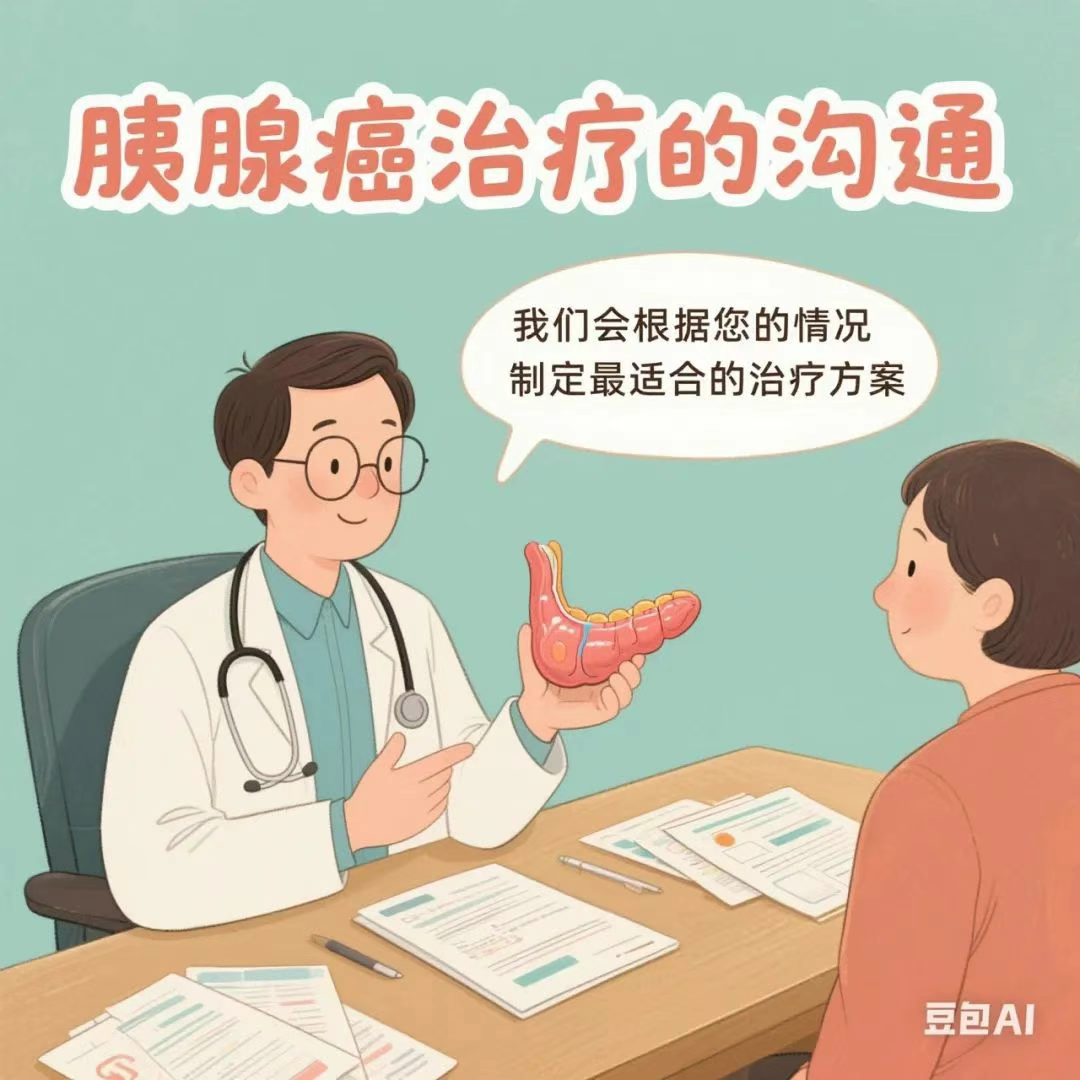
If diagnosed with pancreatic cancer, do not panic. Be sure to visit an oncology specialist for comprehensive staging examinations to pursue curative treatment. Even if the cancer is locally advanced (with vascular invasion) and unresectable, heavy ion therapy combined with chemotherapy, immunotherapy, targeted therapy, and other treatments can significantly extend survival time.
What are the advantages of heavy ion therapy?
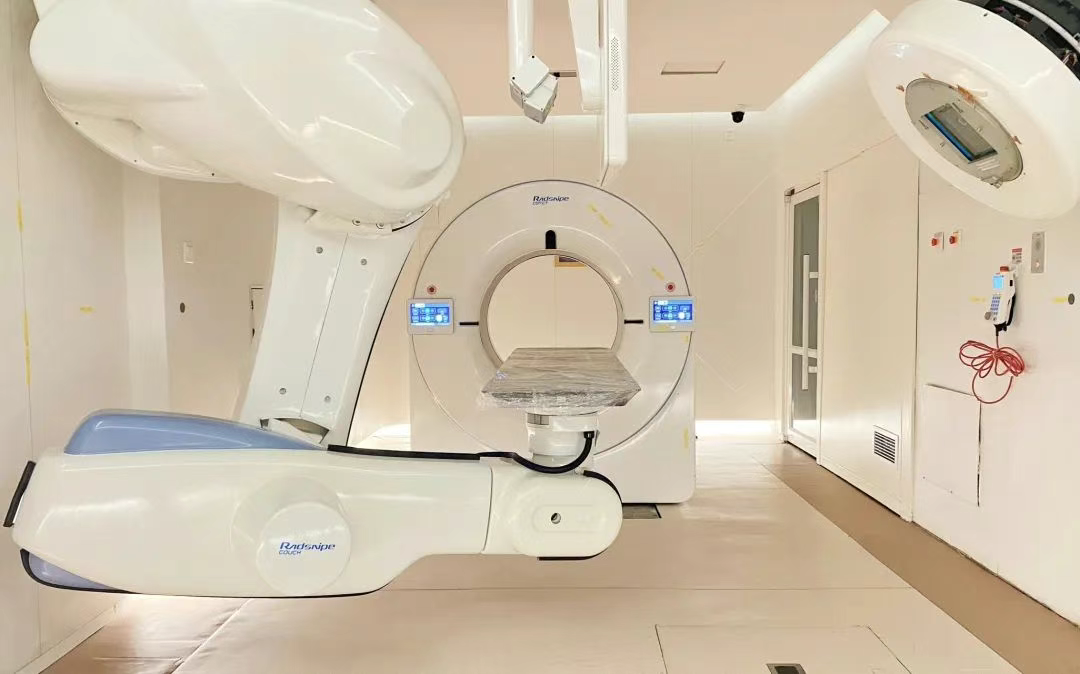
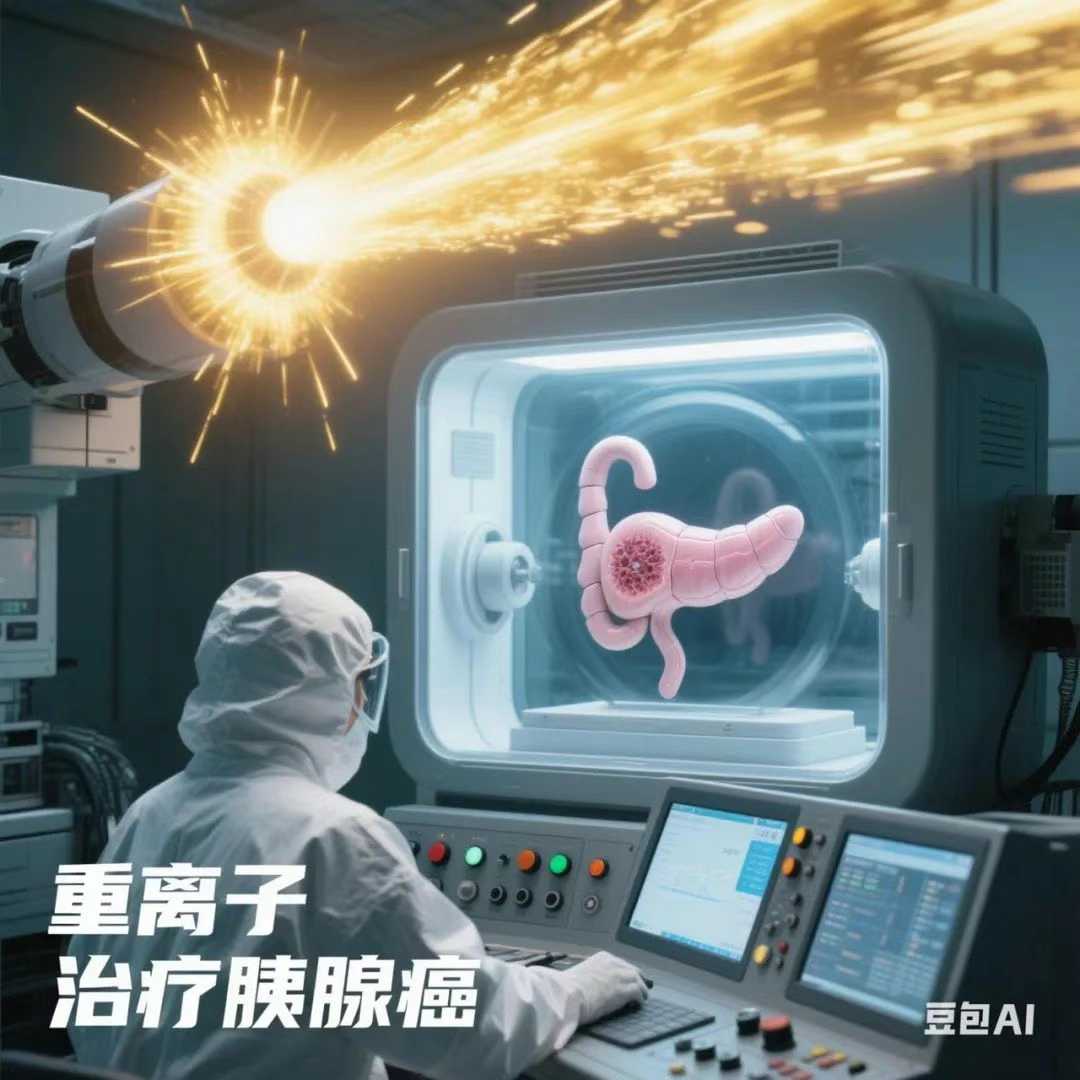
Heavy ion therapy offers dual advantages in physics and biology, protecting surrounding normal tissues while delivering precise and effective direct damage to tumor cells. It is hailed as the most advanced radiotherapy technology of the 21st century. Imagine heavy ions (commonly carbon ions) with "superhero" properties being accelerated to 70% of the speed of light in a giant "electromagnetic slingshot" (particle accelerator ring). Like hypersonic missiles with precision guidance, they strike the tumor's stronghold while gently passing through normal cells like a cat's paw. Once they reach the targeted cancer cells, they deliver a "knockout punch," using radiation energy to directly break the DNA double strands—the "criminal chains" of tumor cells—rendering them incapable of replication and leading to apoptosis. The most remarkable aspect is that tumors typically resistant to conventional radiotherapy (e.g., pancreatic cancer, cholangiocarcinoma, sarcoma, chordoma, etc.) are defenseless against this "indirect attack." Meanwhile, surrounding normal tissues remain unharmed due to the "precision-guided missile" effect. Additionally, the high-dose "high-explosive" effect significantly reduces the number of treatments (sometimes just a few sessions), earning it the title of the "sixth-generation fighter jet" of radiotherapy.
Why is heavy ion therapy the best method for treating pancreatic cancer?
Except for early-stage patients who still qualify for surgery, most pancreatic cancer cases are diagnosed with vascular invasion, making surgery impossible. For inoperable patients, treatment options typically include conventional photon radiotherapy, proton therapy, and chemotherapy. However, the pancreas is a hypoxic organ insensitive to conventional radiotherapy. Due to insufficient blood supply, conventional photon and proton radiotherapy lose much of their effectiveness, leading to radiation resistance (conventional X-ray and proton radiotherapy rely on oxygen-derived free radicals to indirectly inhibit tumors under oxygen-sufficient conditions). This greatly diminishes their efficacy, akin to scratching an itch through a boot, while also causing unnecessary damage to surrounding tissues. In contrast, heavy ion therapy does not depend on oxygen-derived free radicals. Instead, it directly damages tumor cells by breaking DNA double strands, ensuring effective control of all treated tumor cells (regardless of hypoxia or sensitivity to conventional radiotherapy). This is the fundamental reason heavy ion therapy can effectively treat radiotherapy-resistant tumors like pancreatic cancer and the key difference between proton and heavy ion therapy (both proton and heavy ion therapies have Bragg peaks and protect normal tissues, but proton therapy lacks efficacy against radiotherapy-resistant tumors). For resectable pancreatic cancer, studies show that heavy ion therapy followed by surgery achieves 5-year local control and overall survival rates of 100% and 52%, respectively—nearly double the 5-year overall survival rate of surgery alone (20%-30%).

What other advantages does heavy ion therapy offer for pancreatic cancer?
Heavy ion therapy for pancreatic cancer not only targets the primary tumor but also simultaneously treats surrounding lymph nodes in the peripancreatic, retroperitoneal, and hepatogastric regions. It can address both enlarged positive lymph nodes and prophylactically treat high-risk lymphatic drainage areas. This approach is akin to not only cutting off the visible "weeds" (tumor) but also thoroughly removing the potentially residual "roots" (high-risk areas) and preventively "burning" the surrounding region to eliminate any residual "seeds." This is why heavy ion therapy achieves high local control rates and prolonged survival in pancreatic cancer.
Pancreatic cancer is characterized by neural invasion, with early symptoms often including back pain due to a tumor or metastatic lymph nodes compressing or encasing nerves, causing severe pain and reduced quality of life. Heavy ion therapy provides significant pain relief, greatly improving patients' quality of life and allowing them to live with hope and dignity.
Heavy ion therapy for pancreatic cancer requires only 12-16 sessions. Each treatment is as simple as a CT scan, delivering precise radiation to the tumor without pain, incisions, or surgery. Most patients experience only mild fatigue and gastrointestinal discomfort, with minimal weight loss during treatment. Compared to surgery and other treatments, it is almost imperceptible. Only when combined with synchronous chemotherapy do patients experience related side effects, but even elderly patients tolerate it well.
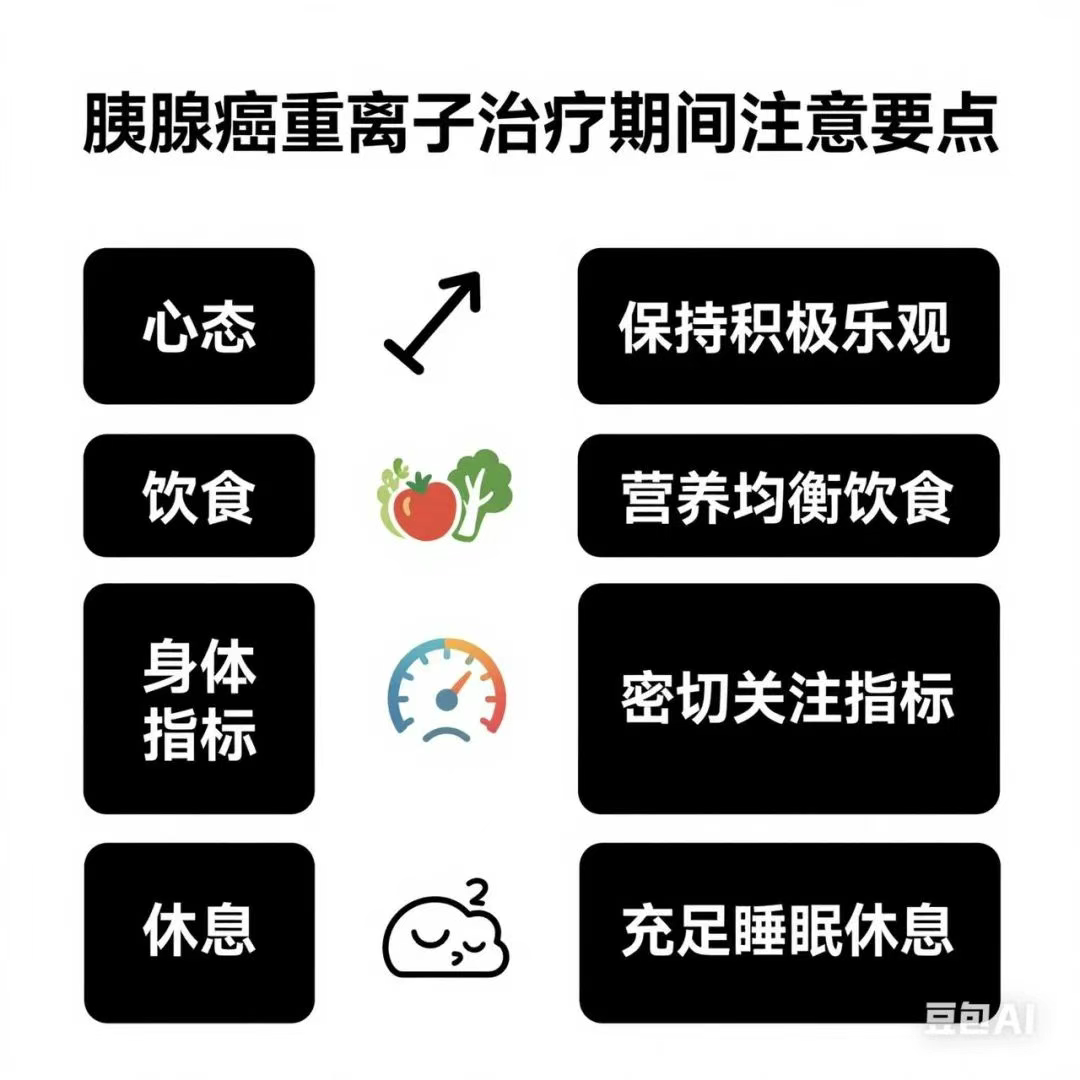
What should pancreatic cancer patients pay attention to during heavy ion therapy?
During treatment, patients are advised to avoid spicy, irritating, or hard-to-digest foods. Dry, hard, or gas-producing foods—such as hot pot, spicy soups, pancakes, nuts, and legumes—are not recommended during treatment and for one month afterward.
Is chemotherapy or other treatments still needed after heavy ion therapy for pancreatic cancer?
Heavy ion therapy is a localized treatment (like using a torch to remove a visible wasp nest), offering excellent control in the treated area. However, tumor cells may still attempt to spread through surrounding blood vessels and lymphatic systems (like bees in the air seeking new nesting sites). Systemic drug therapies (e.g., chemotherapy, immunotherapy, targeted therapy, anti-angiogenic drugs) are essential to control tumor dissemination and metastasis (like regularly spraying insecticide to eliminate residual bees). After heavy ion therapy, pancreatic cancer patients still require standardized, periodic chemotherapy cycles. Regular follow-up examinations are also necessary to detect disease progression early and intervene promptly, enabling long-term survival with the tumor.