Head and Neck Tumor Radiotherapy-Related Oral Mucositis Prevention and Care Tips
Head and Neck Tumor Radiotherapy-Related Oral Mucositis Prevention and Care Tips
1. What is radiotherapy-induced mucositis in head and neck tumors?
Radiotherapy-induced mucositis refers to acute mucous membranes caused by radiation therapy, including oral mucositis, pharyngeal mucositis, and laryngeal mucositis.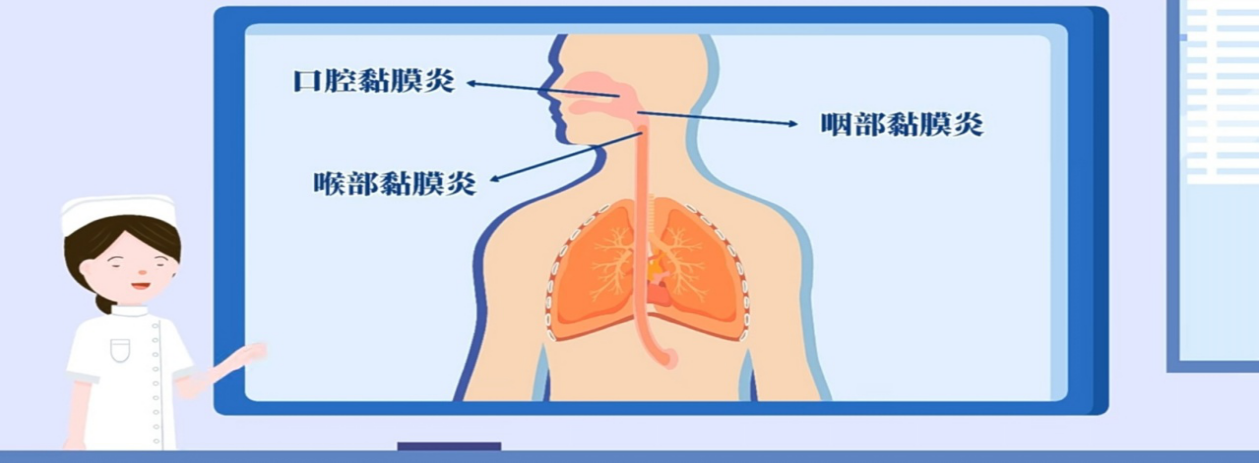
2. How common is this condition?
Over 80% of patients undergoing head and neck radiotherapy develop mucositis, with oral mucositis being the most common. Severe mucositis occurs in approximately 50% of patients.
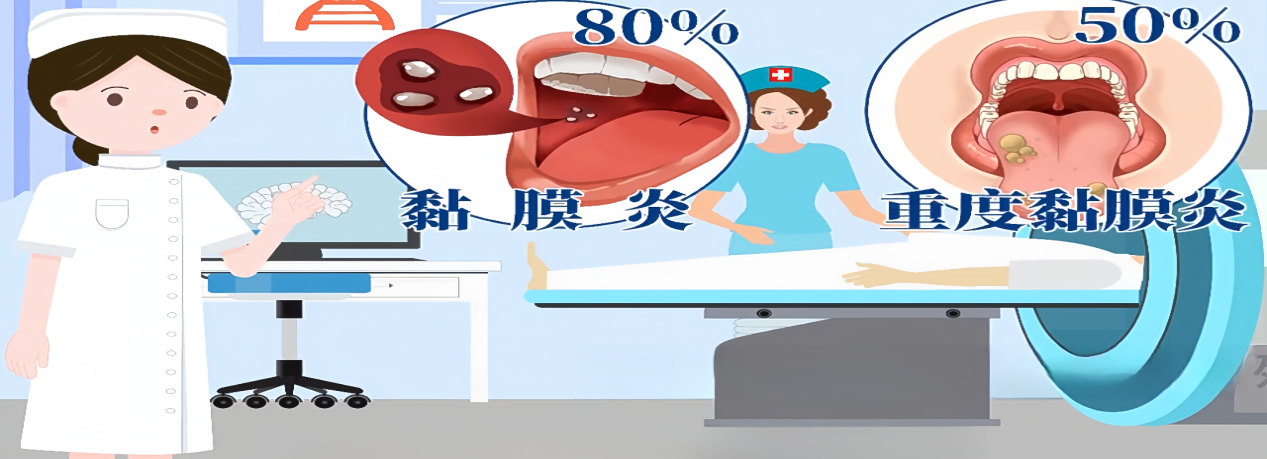

黏膜炎的发生,主要受放疗的剂量、部位合并化疗或靶向治疗等影响。
3. Who is at higher risk of developing mucositis?
Risk factors include:
· Radiation dose and treatment site.
· Concurrent chemotherapy or targeted therapy.
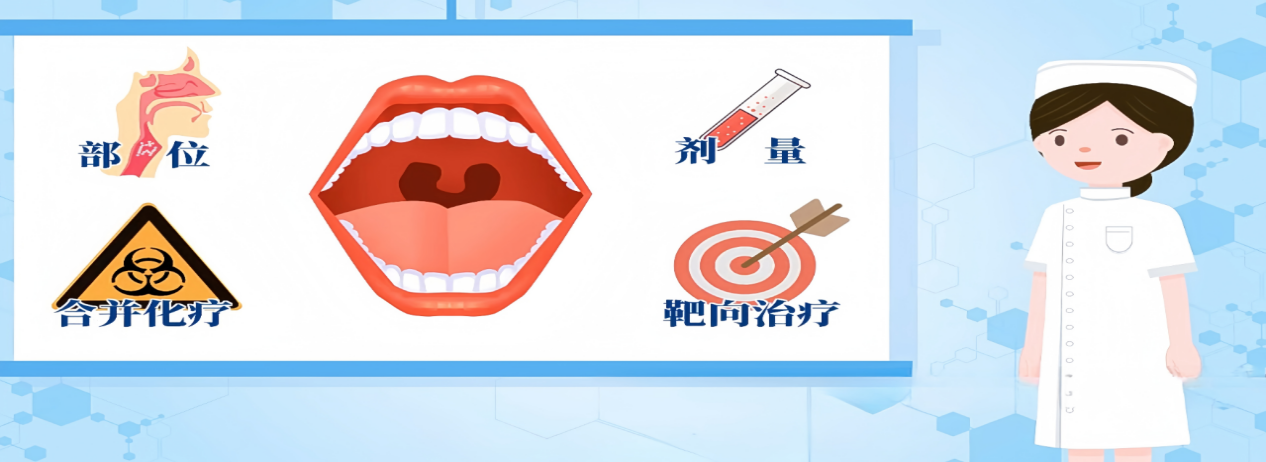
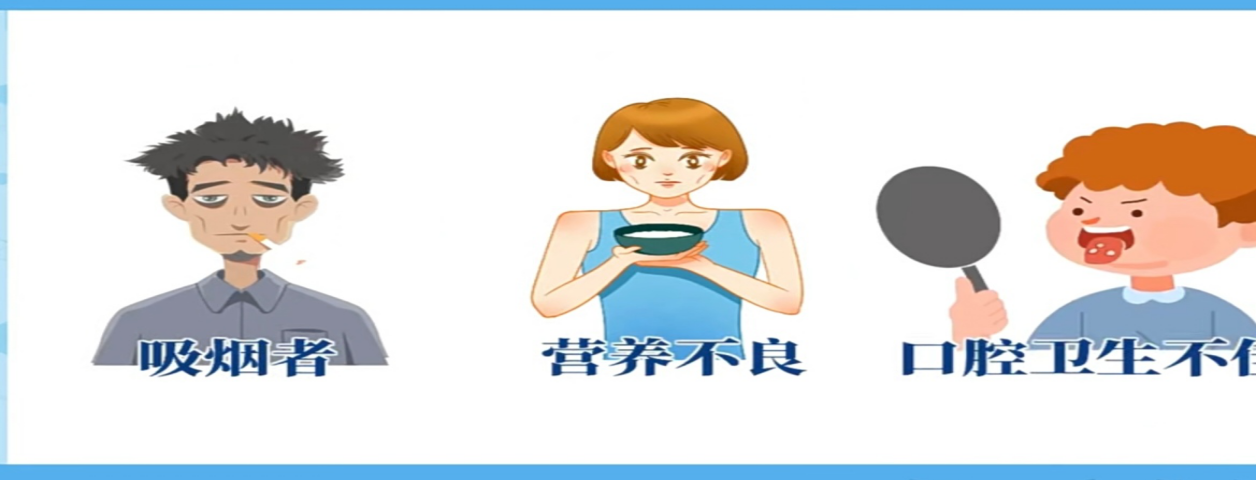
· Poor nutritional status, smoking, or inadequate oral hygiene (higher incidence and severity).
4. Symptoms of mucositis
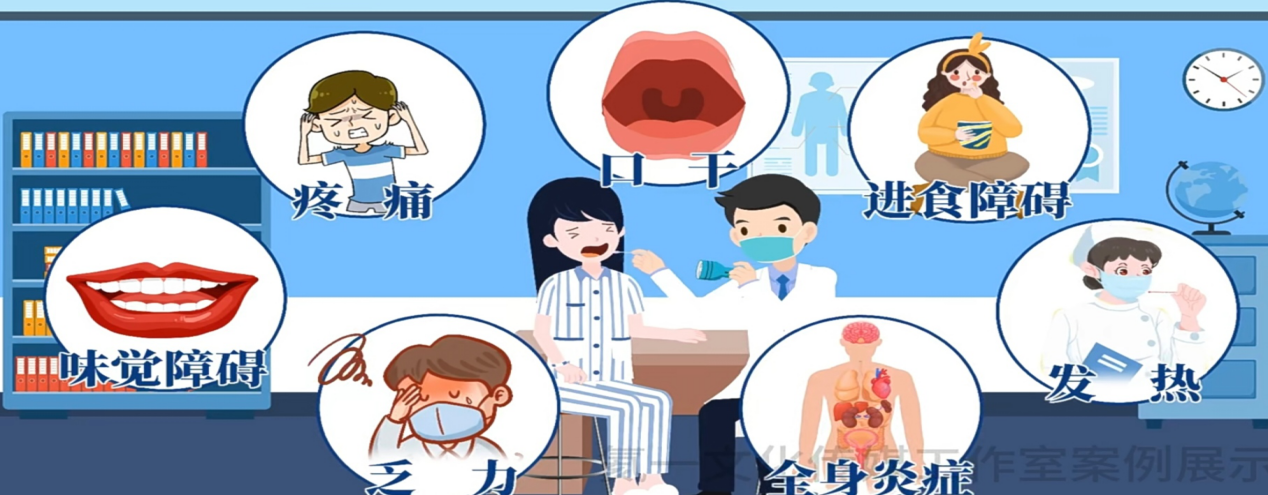
· Oral pain, dry mouth, difficulty eating, and altered taste.
· Fever, fatigue, and systemic inflammatory responses.
· Severe cases may lead to treatment interruptions, reducing efficacy.
5. Oral care to reduce mucositis risk
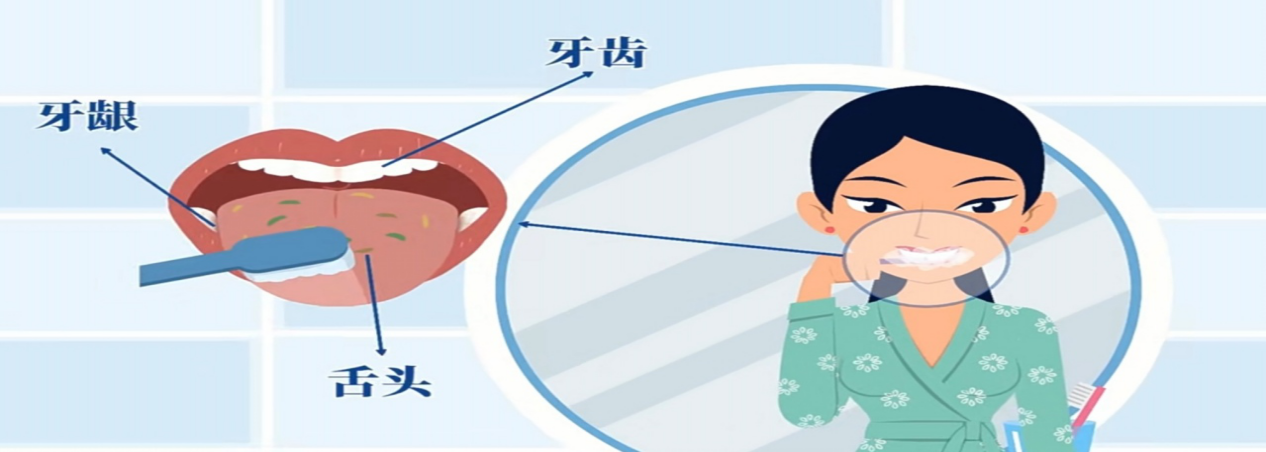
Daily brushing: Gently brush teeth, gums, and tongue after meals and before bed using a soft-bristled toothbrush. Rinse the brush thoroughly after each use.
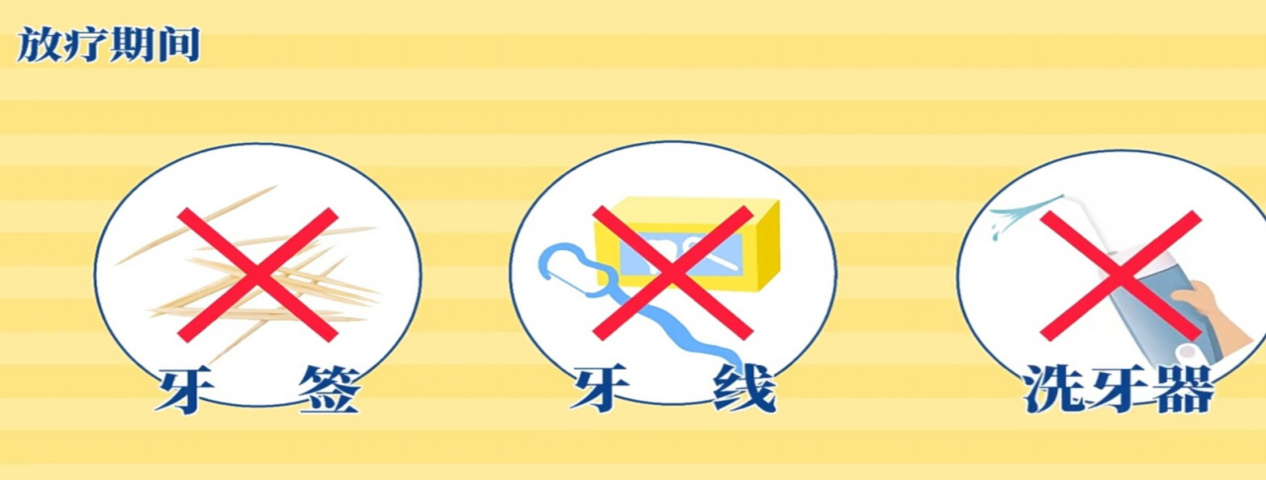
(1) Avoid dental floss, toothpicks, or water flossers during radiotherapy.
(2) Denture care: Ensure dentures fit comfortably. Rinse dentures after every meal and clean them thoroughly twice daily.
Rinse mouth: Rinse with water at least 4 times daily.
(3) Lifestyle adjustments: Quit smoking, alcohol, and vaping.
6. Dietary recommendations
Good nutrition combats infections and supports mucosal healing.
Avoid: Hot, rough, hard foods; spicy, salty, or acidic items.

Opt for: Soft, small, easy-to-swallow foods. Chew slowly.
Nutrient-dense choices: Eggs, milk, meats, fresh vegetables, and fruits to ensure adequate calorie, protein, and vitamin intake.

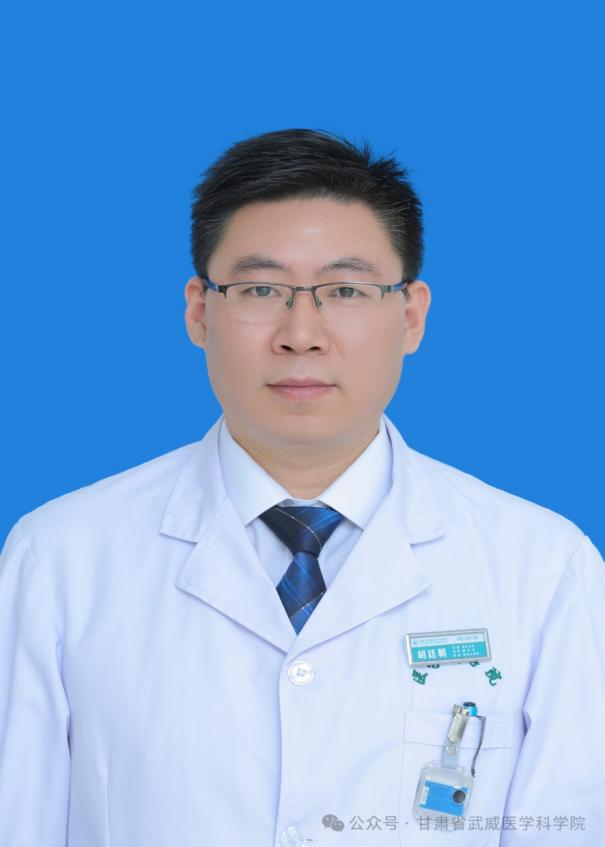
Hu Tingchao, Associate Chief Physician of Radiation Oncology
Position: Director, Department of Radiation Oncology V (Head and Neck Tumor Radiotherapy), Gansu Wuwei Cancer Hospital.
Memberships:
Chinese Anti-Cancer Association.
Gansu Radiation Therapy Committee.
Board Member, Western Radiation Therapy Association (3rd Term).
Member, Particle Therapy Committee, China Medical Equipment Association.
Education:
Graduated from Lanzhou University Medical School (2005).
18 years of experience in tumor radiotherapy.
Advanced training at Sichuan Cancer Hospital, Japan’s Fukuoka Texas Hospital, Shanghai Proton and Heavy Ion Center, and Sun Yat-sen University Cancer Center.
Clinical Expertise:
Comprehensive treatment (radiotherapy, chemotherapy, targeted therapy) for head/neck tumors, gliomas, lymphomas, chordomas, etc.
Advanced techniques: 3D-CRT, IMRT, VMAT, SBRT, IGRT, and carbon ion radiotherapy (CIRT). Expertise in treatment planning, organ preservation, and side-effect management.
Research & Publications:
Authored over 10 papers, 1 monograph, and 1 utility patent.
Led 2 Wuwei municipal research projects; contributed to carbon ion therapy guidelines.
Recipient of multiple "Outstanding Worker" awards.
Department of Head and Neck Tumor Radiotherapy (Department V)
Focus: Clinical care, research, and education.
Treated Conditions: Meningioma, pituitary tumor, acoustic neuroma, glioma, nasopharyngeal carcinoma, oral cancer, ocular tumors, laryngeal cancer, chordoma, and lymphomas.
Carbon Ion Therapy Advantages: Effective for head/neck melanoma, sarcoma, adenoid cystic carcinoma, recurrent tumors, skull base chordoma, chondrosarcoma, and gliomas.