Precision Treatment: Guardian of Life
Precision Treatment: Guardian of Life
Dear patients, are you seeking a more precise and safer approach to cancer treatment? Today, we invite you to explore the Third Department of Radiation Oncology/Minimally Invasive Intervention at Gansu Wuwei Cancer Hospital (Lanzhou Branch), where our cutting-edge technologies and patient-centered services stand ready to safeguard your health journey!
Excellence in Expertise
Integrity in Ethics
Dedication in Service
Trust in Practice
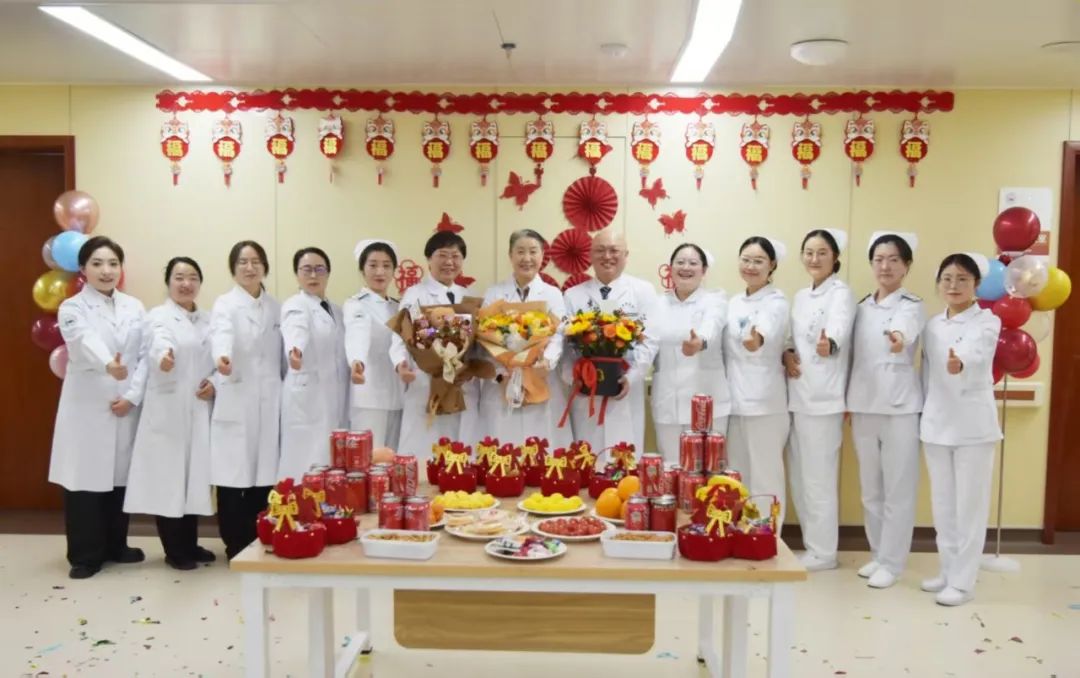
The Radiotherapy Department III/Minimally Invasive Interventional Department of Lanzhou Campus, Gansu Wuwei Cancer Hospital, has 12 medical staff, including 3 with senior professional titles. The department offers advanced radiotherapy technologies such as Proton Therapy, Photon Therapy (3D-CRT, IMRT, IGRT, VMAT, SBRT), and Brachytherapy. It also provides mainstream oncological treatments including minimally invasive procedures, interventional therapy, chemotherapy, targeted therapy, and immunotherapy.
- The main scope of treatment
The department carries out heavy ion treatment of more than 50 kinds of solid tumors such as glioma, lung cancer, pancreatic cancer, liver cancer, gastric cancer and photon three-dimensional adaptive IMRT therapy.
- Characteristic technology and services
Heavy ion and photon radiotherapy:
(1)Heavy ion therapy: the "directional blasting" of tumor heavy ion therapy is one of the most advanced radiotherapy technologies in the world, and is known as the "sharp weapon for cancer treatment". Heavy ion Radiation therapy Center of Gansu Wuwei Cancer Hospital is a leading heavy ion treatment base in China, with international advanced heavy ion medical devices.
(2)Photon radiotherapy: it is a radiotherapy technology using high-energy X-rays or γ-rays to treat tumors, which is one of the most widely used radiotherapy methods. It produces high-energy photon beams through a linear accelerator, which directly irradiates the tumor site and destroys the DNA of tumor cells, thereby inhibiting tumor growth or killing tumor cells.
Characteristics of radiotherapy:
(1)Precision Strike: Heavy ion therapy leverages the "Bragg peak" characteristic of heavy ions to instantly release energy upon reaching the tumor site, achieving "targeted destruction." Modern photon radiotherapy techniques (such as intensity-modulated radiation therapy IMRT and stereotactic body radiation therapy SBRT) can precisely adjust the radiation dose based on the shape and location of the tumor, maximizing protection for surrounding normal tissues.
(2)Extensive adaptation: suitable for a variety of solid tumors, especially the tumors with deep location and many surrounding important organs, such as central nervous system tumors, head and neck tumors, thoracic and abdominal tumors, etc.
(3)Advantages of treatment: compared with traditional radiotherapy, heavy ion therapy can significantly reduce the recurrence rate of tumors and improve the quality of life of patients.
Minimally invasive intervention and diagnosis: accurate, efficient and rapid recovery
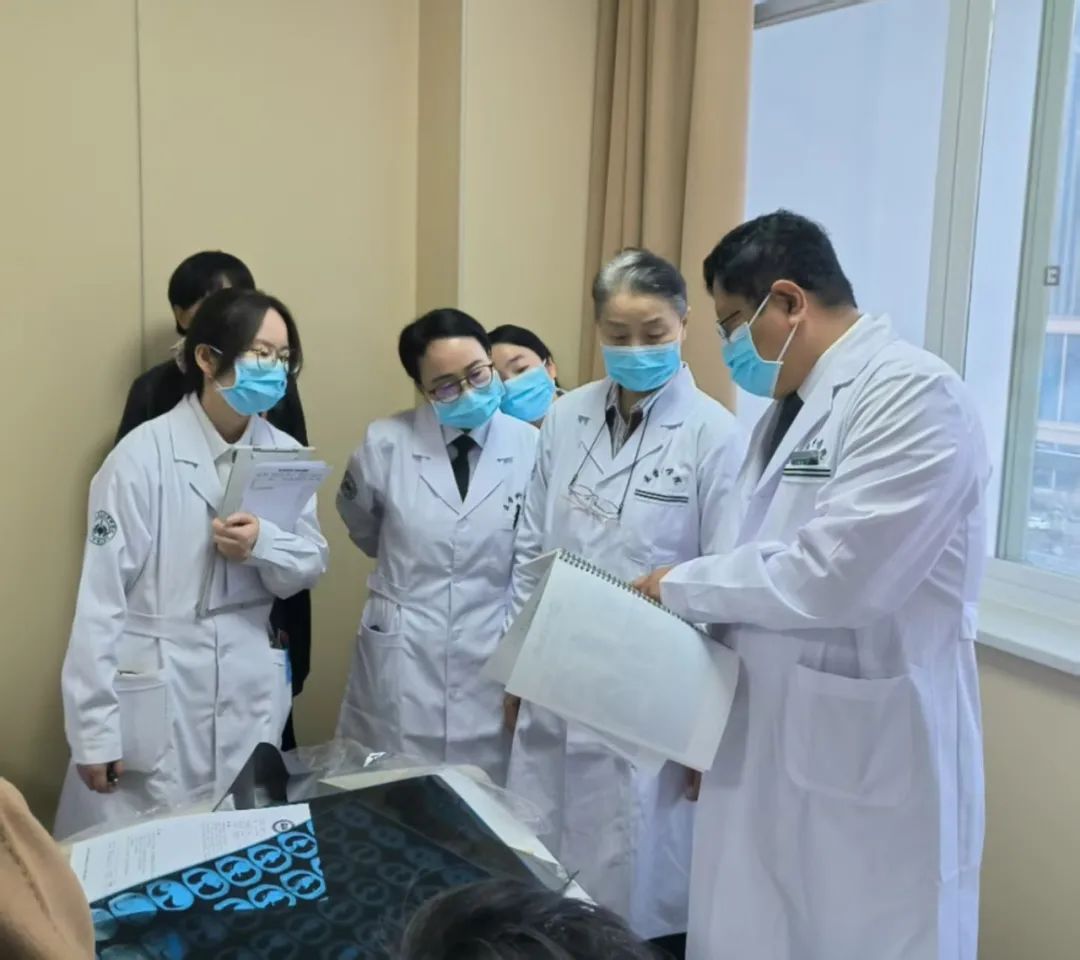
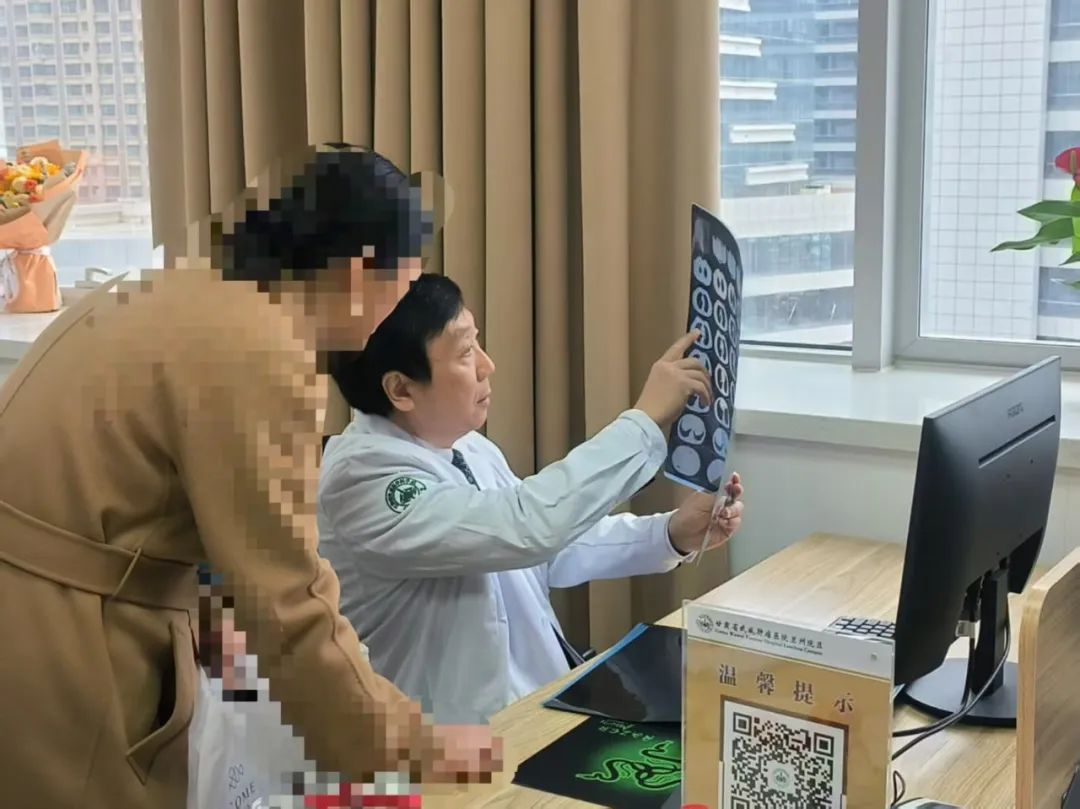
Minimally invasive interventional diagnosis and treatment is a minimally invasive diagnosis and treatment technology through image guidance (such as CT, ultrasound and X-ray). Doctors use imaging equipment to accurately locate the tumor, and then use a puncture or catheter to directly effect the treatment on the lesion. It is characterized by small trauma, quick recovery and strong pertinence, especially for patients who are inoperable or not suitable for systemic treatment.
Common tumor interventional treatment methods mainly include the following types:
(1)Radioactive particle implantation
Radioactive particles were implanted directly inside the tumor to kill the tumor cells by continuous ray release. Precise tumor strike through a highly conformal dose distribution is especially suitable for local control of anatomical complex locations. With the development of molecular imaging and functional imaging, individualized dose painting (Dose Painting) based on tumor heterogeneity may be realized in the future to further improve the efficacy.
(2)In vivo percutaneous biopsy is an imaging-guided biopsy of lesion tissue for pathological analysis. Percutaneous biopsy is an irreplaceable diagnostic tool in modern medicine and provides the core basis for precision medicine. Its value in disease diagnosis, treatment decision-making and prognosis assessment far outweighs its risk.
(3)Hepatic artery chemoembolization (TACE) injected chemotherapy drugs into the blood artery of the tumor and used the blood supply to cut off with embolic agent to achieve the effect of "starvation" of the tumor. With its minimally invasive, accurate and repeatable nature, TACE has become the core treatment method for middle and advanced liver cancer. Providing more treatment options for patients.
(4)Hepatic arterial perfusion chemotherapy (HAIC) HAIC has become one of the core means in the treatment of advanced liver cancer through precise local high-concentration chemotherapy, low systemic toxicity and extensive indications. Its synergistic effect with multiple therapies further broadens the clinical application scenario and provides patients with higher survival benefits and surgical possibilities.
(5)Tumor ablation kills tumor cells by thermal energy (radiofrequency ablation, microwave ablation) or freezing.
Main characteristics of minimally invasive interventional diagnosis and treatment:
(1)Accurate positioning: Combined with image guidance technology, minimally invasive intervention can accurately locate lesions, accurately kill the surrounding tissues with little damage, ensuring the treatment effect while protecting healthy tissues.
(2)Widely used: suitable for liver cancer, lung cancer, pancreatic cancer and other solid tumors, especially for patients who are operable or not willing to undergo surgery.
(3)Rapid rehabilitation: minimally invasive interventional treatment with less trauma, rapid postoperative recovery, greatly reduces the hospital stay and treatment pain.
- Combining heavy ion therapy with minimally invasive interventional therapy: the efficacy of 1 + 1> 2
The combination of heavy ions and minimally invasive intervention provides a more comprehensive and accurate treatment plan for cancer patients.
1、Complementary advantages: heavy ion therapy is good at accurately striking deep tumors, while minimally invasive intervention is suitable for efficient control of local lesions. The combination of the two can achieve all-round treatment.
2、Improve efficacy: combined treatment can significantly improve the local control rate of tumor, reduce the risk of recurrence, and reduce the damage to normal tissue.
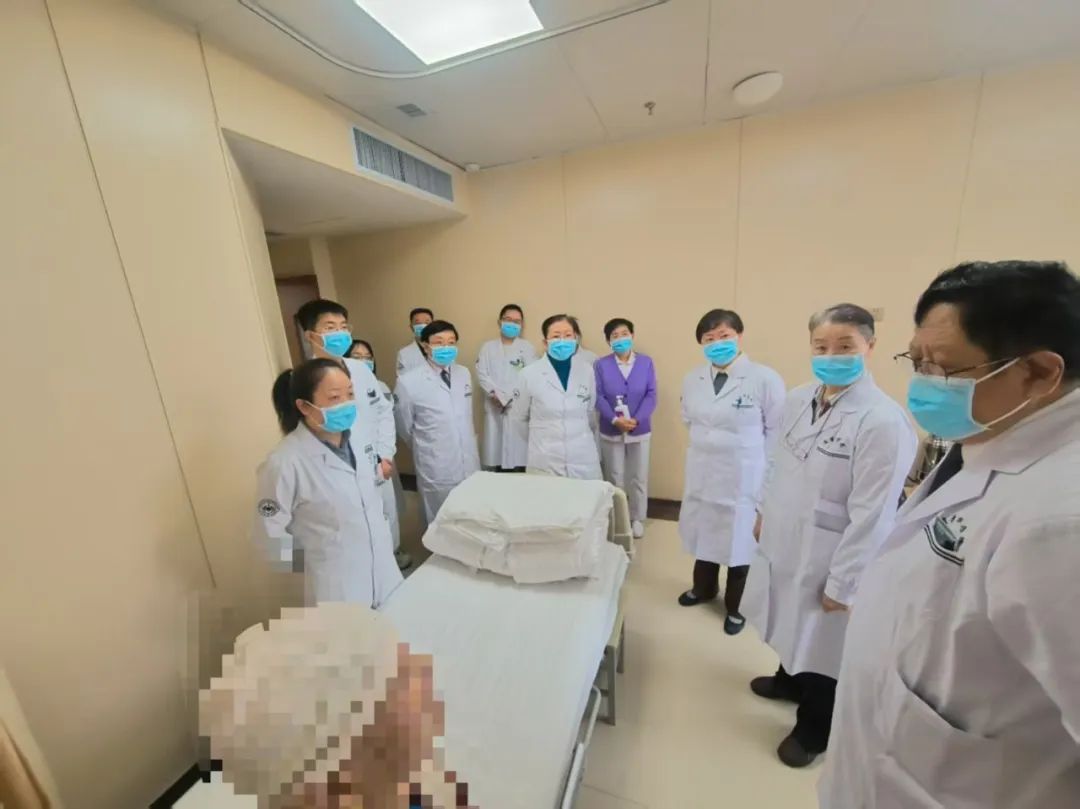
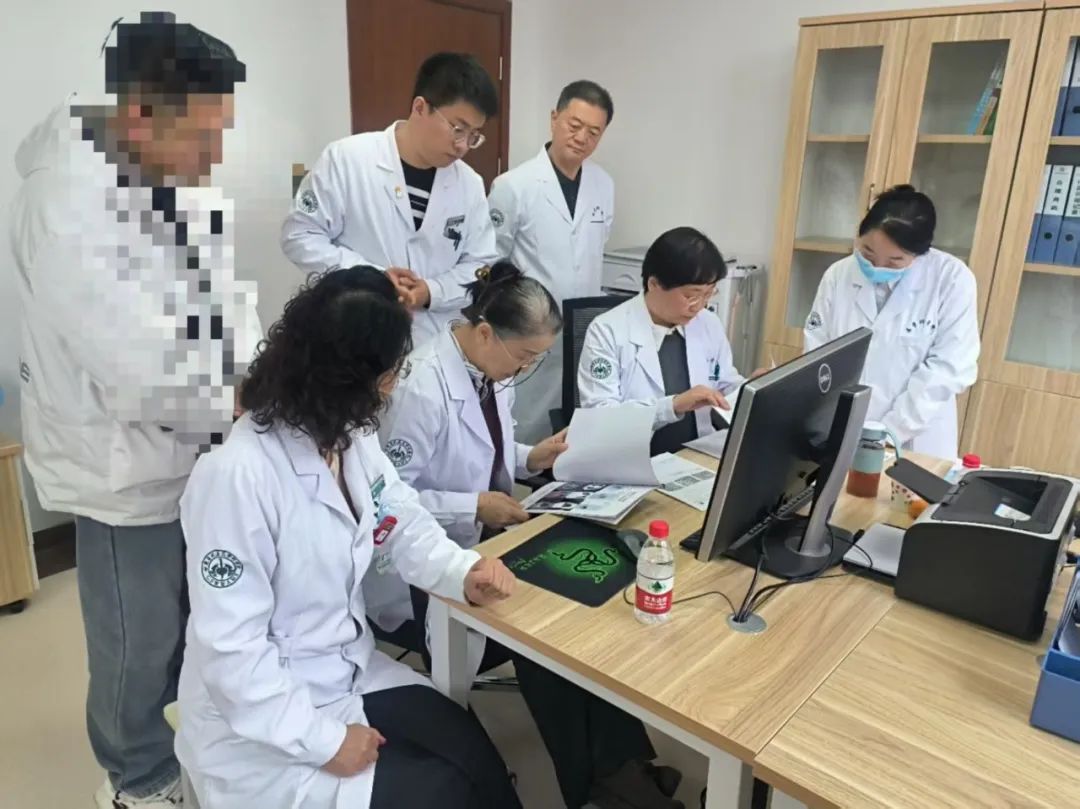
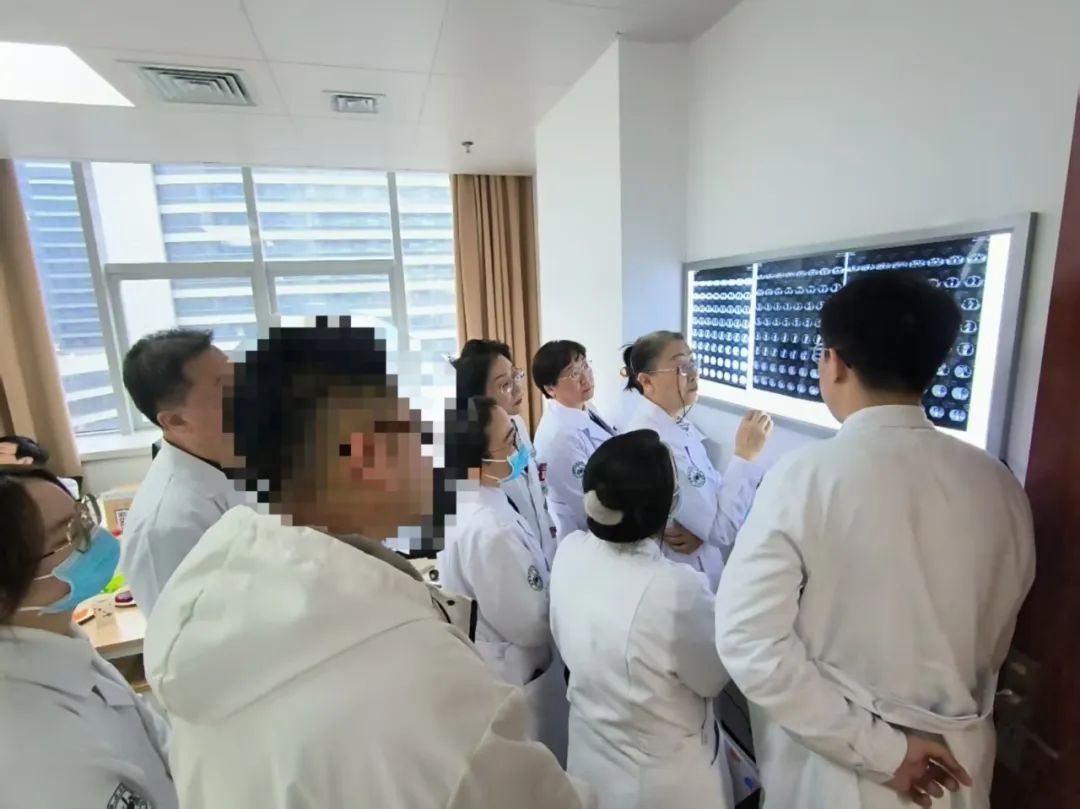
3、Personalized plan: According to the specific condition of the patient, we customize the most suitable treatment plan through multidisciplinary consultation to ensure the maximum treatment effect.
Contact Information
Consultation number: +86189 9353 9935 Head Nurse Li
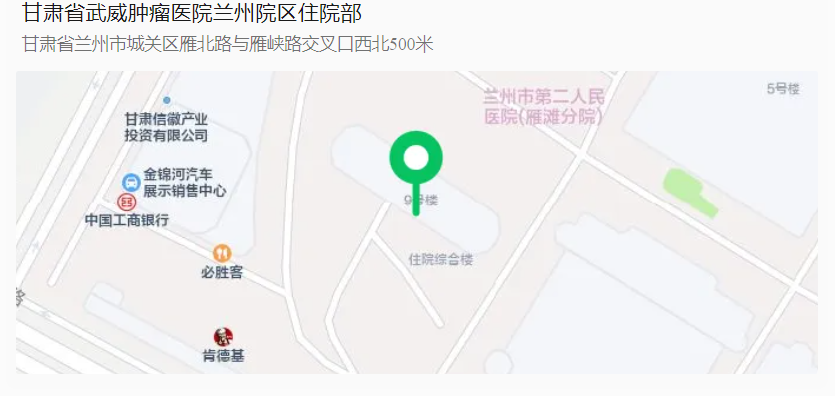
Address: 8th floor, inpatient complex building, Lanzhou Campus, Gansu Wuwei Cancer Hospital