How Do Patients with Head and Neck Tumors Undergoing Radiotherapy Perform Oral Function Exercise Rou
How Do Patients with Head and Neck Tumors Undergoing Radiotherapy Perform Oral Function Exercise Routines?
Head and neck tumors are one of the common malignant tumors. Currently, radiotherapy is an important treatment modality for head and neck tumors. After radiotherapy, patients may develop complications such as difficulty in opening the mouth (especially those with pre-existing limited mouth opening before treatment), xerostomia, radiation-induced oral mucositis, swallowing disorders, tinnitus, stiffness of the neck muscles, and limited neck movement. Studies have shown that strengthening functional exercises in the early stage of radiotherapy can effectively delay or reduce the occurrence of these complications and improve the quality of life.
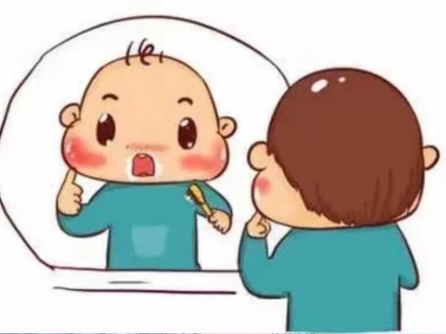
Common complications of head and neck tumors include dysphagia, difficulty in opening the mouth, speech disorders, and limited neck movement.
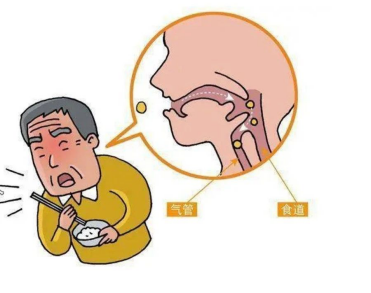
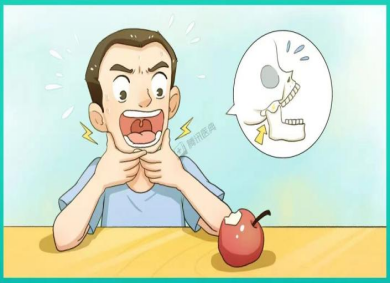

The above-mentioned complications that occur after radiotherapy for head and neck tumors affect the quality of life of patients. However, through active and effective functional exercises, the occurrence of complications can be prevented, and the development or aggravation of complications can be controlled.
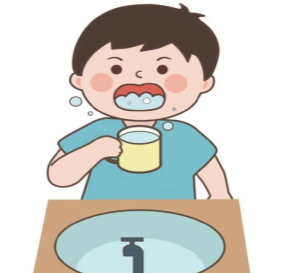
1.Mouthrinsing Exercise:
Purpose: To remove food residues between the teeth, achieving the goals of refreshing the mouth, cleaning the teeth, and exercising the gum muscles.
Method: After each meal, rinse the mouth with warm water (35-40°C). Combine cheek puffing and sucking, and gargle thoroughly for 1-3 minutes.
2.Mouth Opening Exercise:
Purpose: To prevent difficulty in opening the mouth caused by fibrosis of the temporomandibular joint.
Method: Open the mouth as wide as possible, hold for 5 seconds, and then close it (insist on doing this 100 times each in the morning, noon, and evening).

3.Teeth Tapping Exercise:
Purpose: To move the temporomandibular joint; to strengthen the teeth and exercise the masticatory muscles.
Method: Move the upper and lower teeth left and right and bite gently, just like chewing gum. Finally, end by licking around the teeth and gums 3-5 times with the tongue.

4.Cheek Puffing Exercise:
Purpose: To prevent fibrosis of the temporomandibular joint and its surrounding muscle tissues, increase the pressure in the tympanic cavity, and reduce ear complications.
Method: Close the mouth, then puff out the cheeks to the maximum extent, hold for 5 seconds, and then expel the air.

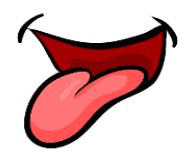
5.Tongue Popping Exercise:
Purpose: To prevent the degeneration of the tongue, oral mucosa, and masticatory muscles.
Method: Slightly open the mouth and let the tongue flick in the mouth to make a "da-da" sound.
6.Swallowing Exercise:
Purpose: To relieve dry mouth and tongue, exercise the muscles of the tongue, teeth, and cheeks, and prevent dysphagia caused by the degeneration of oral functions.
Method: Perform the swallowing exercise to make the saliva go down the throat.

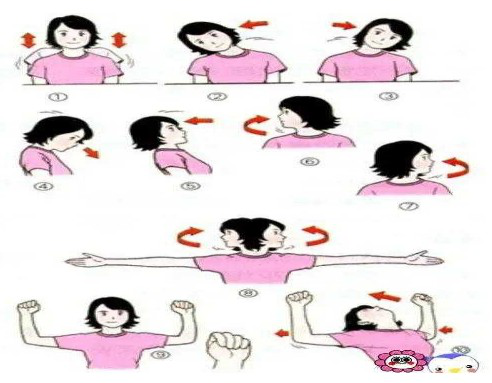
7.Neck Exercise:
Purpose: To effectively prevent and treat fibrosis of the neck soft tissues.
Method: Bend the head and neck to the left (right), lower (raise) the head, and rotate 360°. The movement speed should be slow, and the range of motion should not be too large (patients with severe hypertension and cervical spondylosis should do this exercise with caution. Do it once in the morning and once in the evening, based on the maximum tolerance of the body. If dizziness occurs during the exercise, stop immediately).
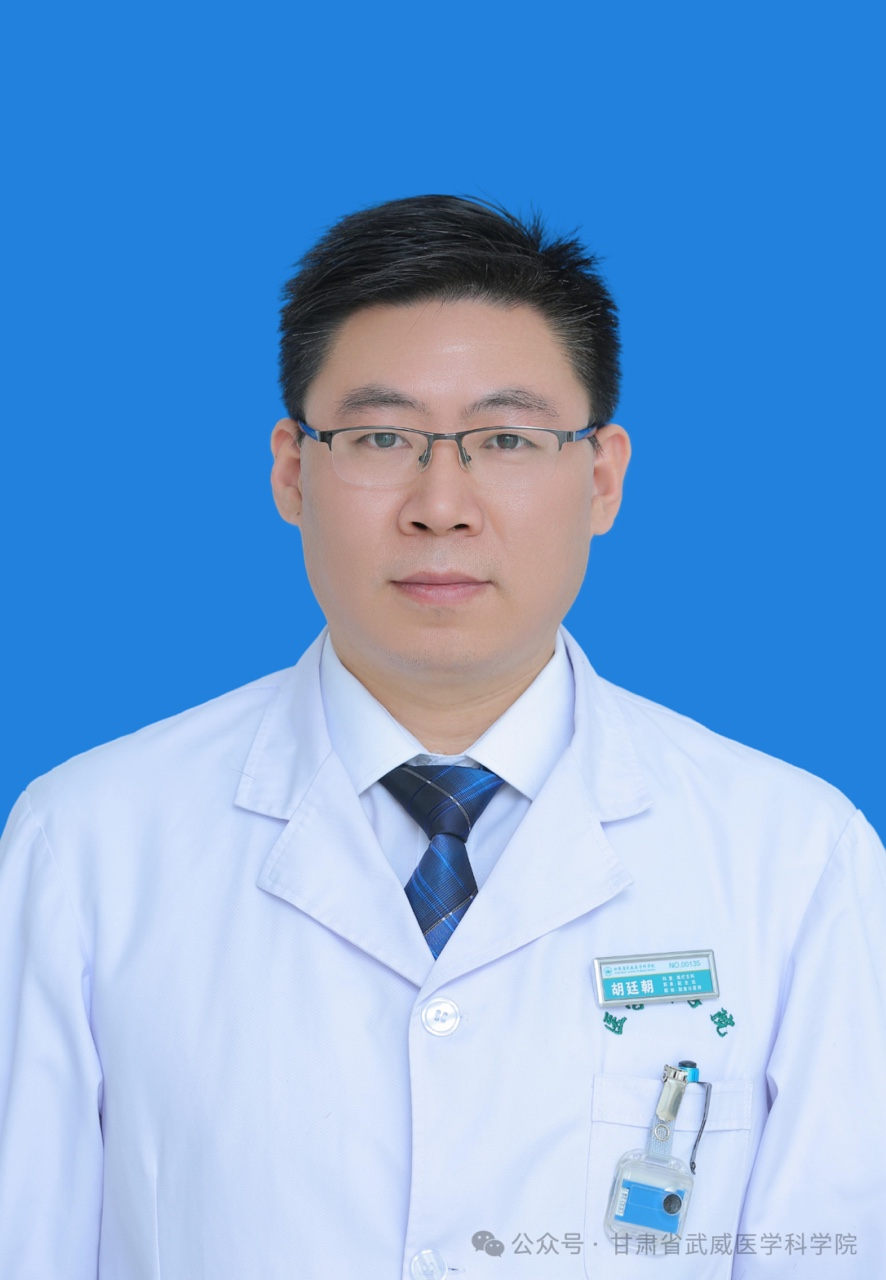

Hu Tingchao, Deputy Chief Physician of Radiation Oncology
● Director of the Fifth Department of Radiotherapy (Radiotherapy for Head and Neck Tumors) at Gansu Wuwei Cancer Hospital
● Member of the Chinese Anti-Cancer Association
● Member of the Radiation Therapy Committee of Gansu Province
● Council Member of the Third Council of the Western Radiation Therapy Association
● Member of the Particle Therapy Branch of the Chinese Medical Equipment Association
Learning Experience:
Graduated from the Department of Clinical Medicine of Lanzhou University in 2005, and has been engaged in tumor radiotherapy for 18 years. He has received further training in tumor radiotherapy at Sichuan Cancer Hospital, Fukuoka Tokushukai Hospital in Japan, Shanghai Proton and Heavy Ion Hospital, and the Cancer Center affiliated to Sun Yat-sen University in Guangzhou.
Professional Expertise:
Proficient in the comprehensive treatment of various common malignant tumors such as head and neck tumors, gliomas of the brain, lymphomas, chordomas, etc., including radiotherapy, chemotherapy, and targeted therapy.
Precise tumor treatment: Three-dimensional conformal radiotherapy (3D-CRT), intensity-modulated conformal radiotherapy (IMRT), volumetric modulated arc therapy (VMAT), stereotactic body radiation therapy (SBRT), image-guided radiation therapy (IGRT), and carbon ion radiotherapy (CIRT) technologies. He has rich experience in radiotherapy treatment planning design, protection of normal organ functions, and alleviation and management of radiotherapy side effects.
Scientific Research Papers:
He has published more than ten professional papers, served as the chief editor of one published monograph, obtained one utility model patent, presided over and completed two scientific research projects at the Wuwei city level, participated in the compilation of the standard process for carbon ion radiotherapy, and has been awarded the title of "Advanced Worker" by the hospital for many times.
The Department of Radiotherapy for Head and Neck Tumors (the Department of Radiation Oncology V) is a specialized inpatient department integrating clinical practice, scientific research, and teaching.
Main Admitted Diseases: Meningioma, pituitary adenoma, acoustic neuroma, glioma of the brain, intracranial tumor, nasopharyngeal carcinoma, oral cancer, ocular tumor, laryngeal cancer, hard palate cancer, hypopharyngeal cancer, chordoma, and lymphomas in various parts of the body.
Diseases with Advantages in Heavy Ion Therapy: Malignant melanoma of the head and neck, sarcoma of the head and neck, adenoid cystic carcinoma, recurrent head and neck cancer, chordoma of the skull base, chondrosarcoma, glioma of the brain.