Professor Yang Jian from the First Affiliated Hospital of Zhejiang University Visits Our Hospital
Professor Yang Jian from the First Affiliated Hospital of Zhejiang University Visits Our Hospital for Cardiovascular Disease Diagnosis and Treatment Guidance
The momentum of the Golden Autumn diagnostic and treatment campaign continues unabated. On October 12, Professor Yang Jian, Deputy Director of the Department of Cardiology at the First Affiliated Hospital of Zhejiang University School of Medicine and a doctoral supervisor, once again traveled to Wuwei to visit Gansu Wuwei Cancer Hospital. Focusing on interventional diagnosis and treatment of cardiac arrhythmias, he conducted surgical demonstrations and clinical teaching, contributing to the enhancement of regional cardiovascular disease diagnostic and treatment capabilities.
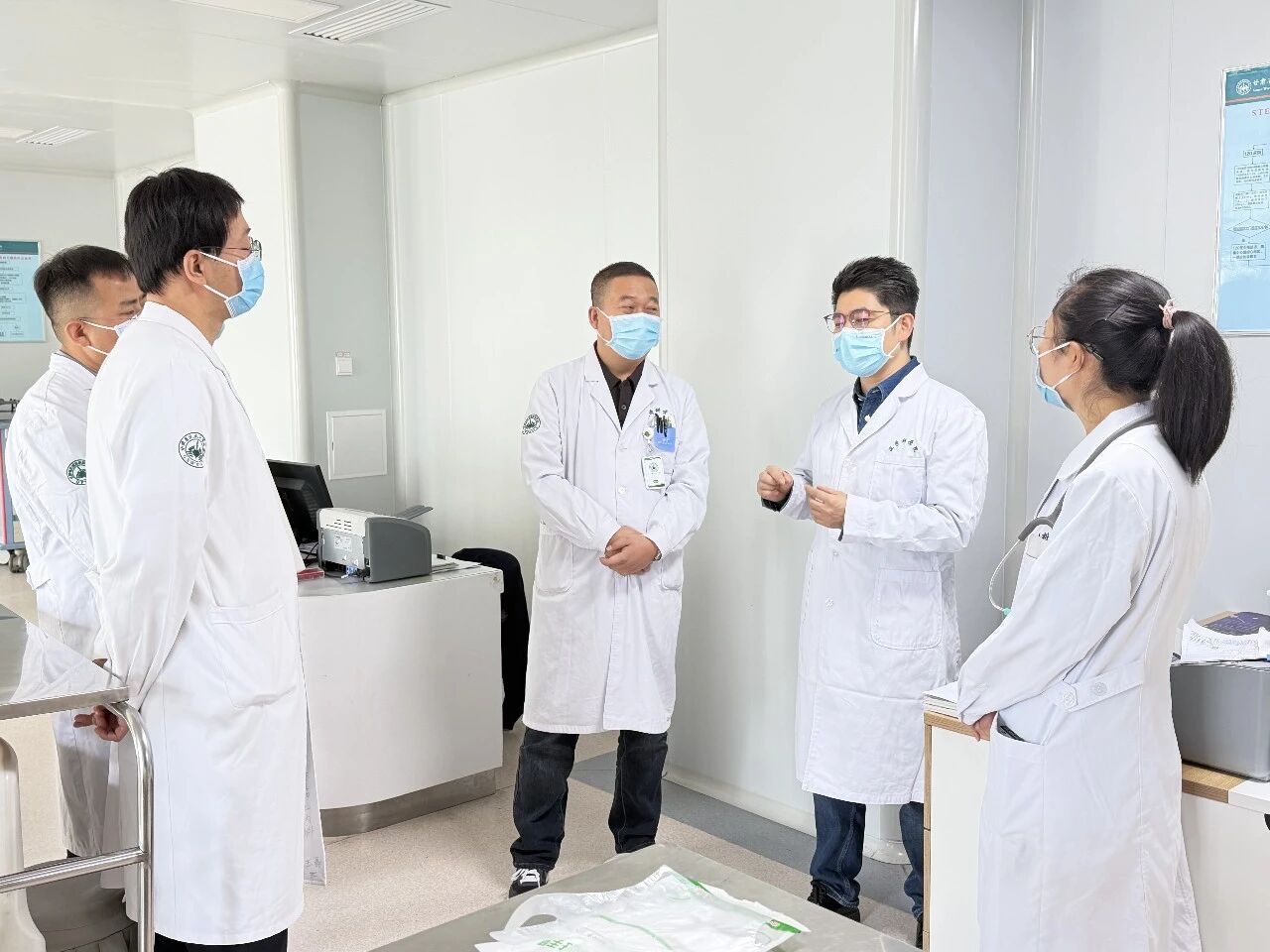
Professor Yang Jian comes from the First Affiliated Hospital of Zhejiang University School of Medicine — a top‑tier institution for cardiovascular disease diagnosis and treatment in China — and is a long‑term collaborating expert with our hospital's Department of Cardiology. As Deputy Director of the Department of Cardiology and a doctoral supervisor, he has long been deeply engaged in the fields of arrhythmia radiofrequency ablation, pacing and implantable devices, and atrial fibrillation stroke prevention. He has accumulated extensive experience in catheter ablation for complex arrhythmias including atrial fibrillation, atrial flutter, premature ventricular contractions, ventricular tachycardia, and supraventricular tachycardia. He was among the first in Zhejiang Province to perform radiofrequency ablation for vasovagal syncope. He is a core figure in the field of cardiac electrophysiology, combining clinical strength with academic influence.
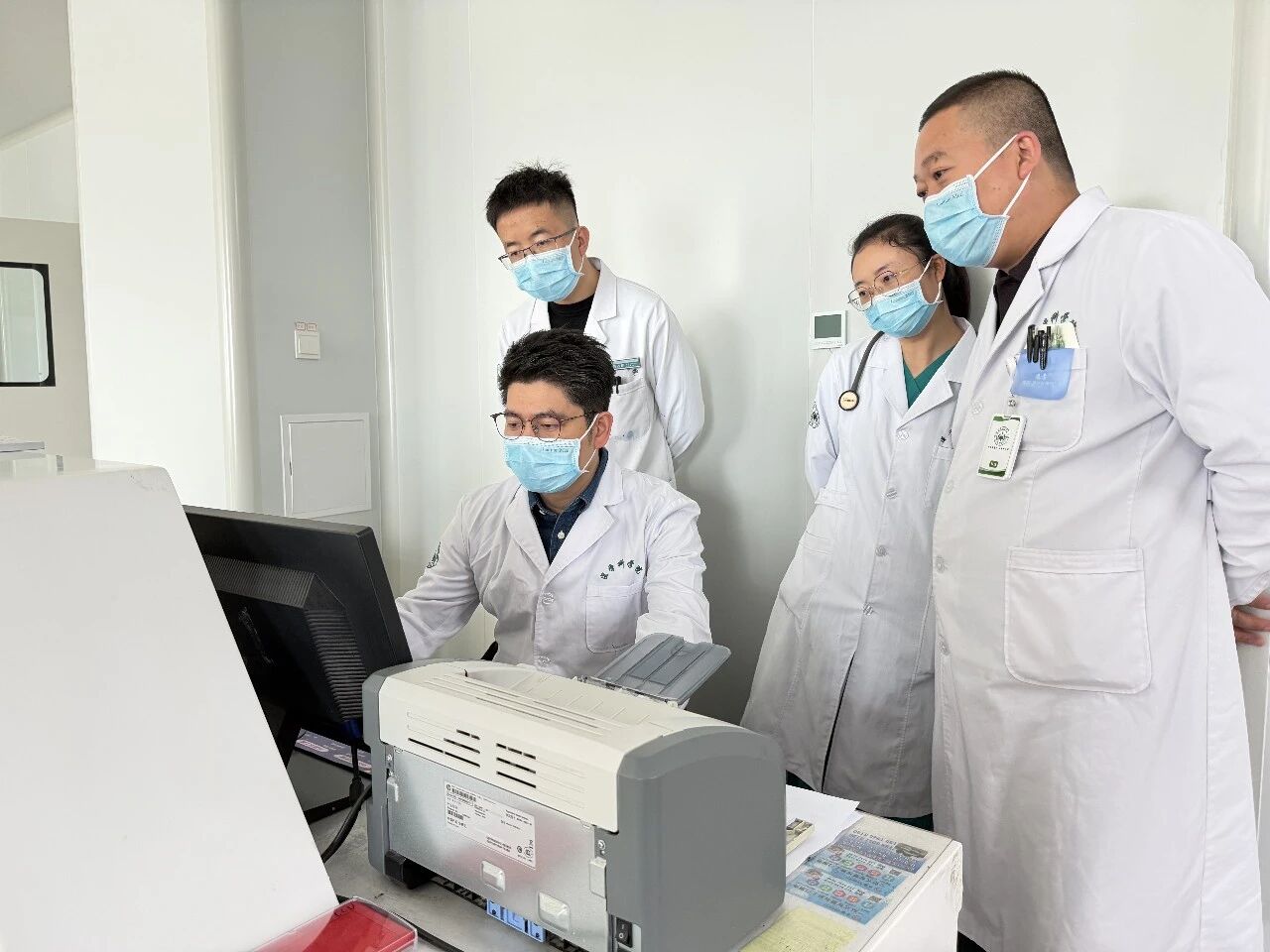
On that day, Professor Yang Jian performed a one‑stop procedure of "intracardiac electrophysiological study + radiofrequency ablation + left atrial appendage closure" for a patient with atrial fibrillation poorly controlled by medication. During the procedure, he precisely mapped the atrial substrate and pulmonary vein potentials through intracardiac electrophysiological study, verified the continuity of the ablation line point by point, and completed pulmonary vein isolation. He then performed left atrial appendage closure to build an additional line of defense against stroke for the patient. Throughout the procedure, he explained to young physicians the key points of pulmonary vein isolation, the approach to identifying non‑pulmonary vein trigger sites, and the indications and technical skills for left atrial appendage closure. The procedure was completed successfully, with the patient's vital signs stable throughout.
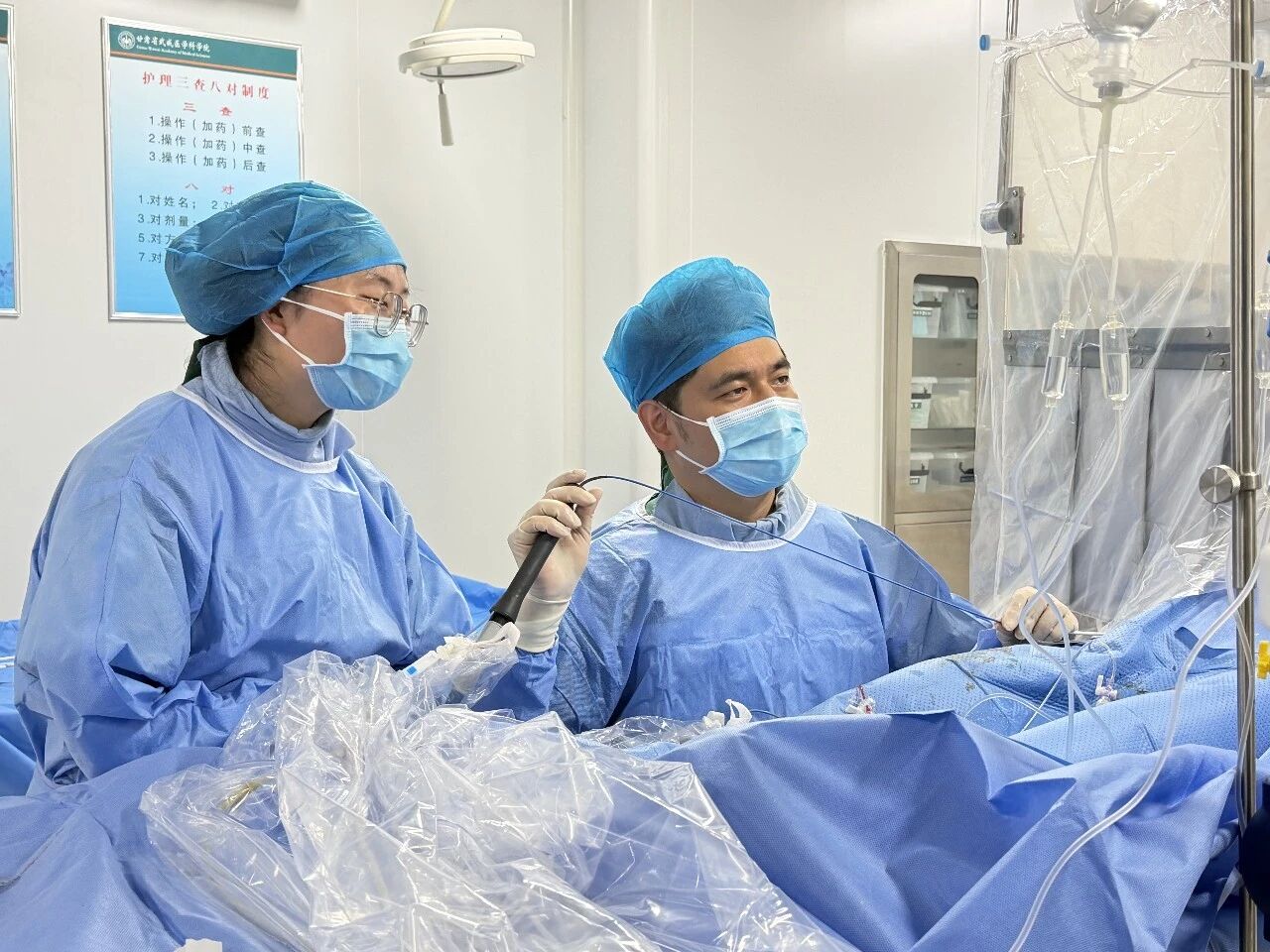
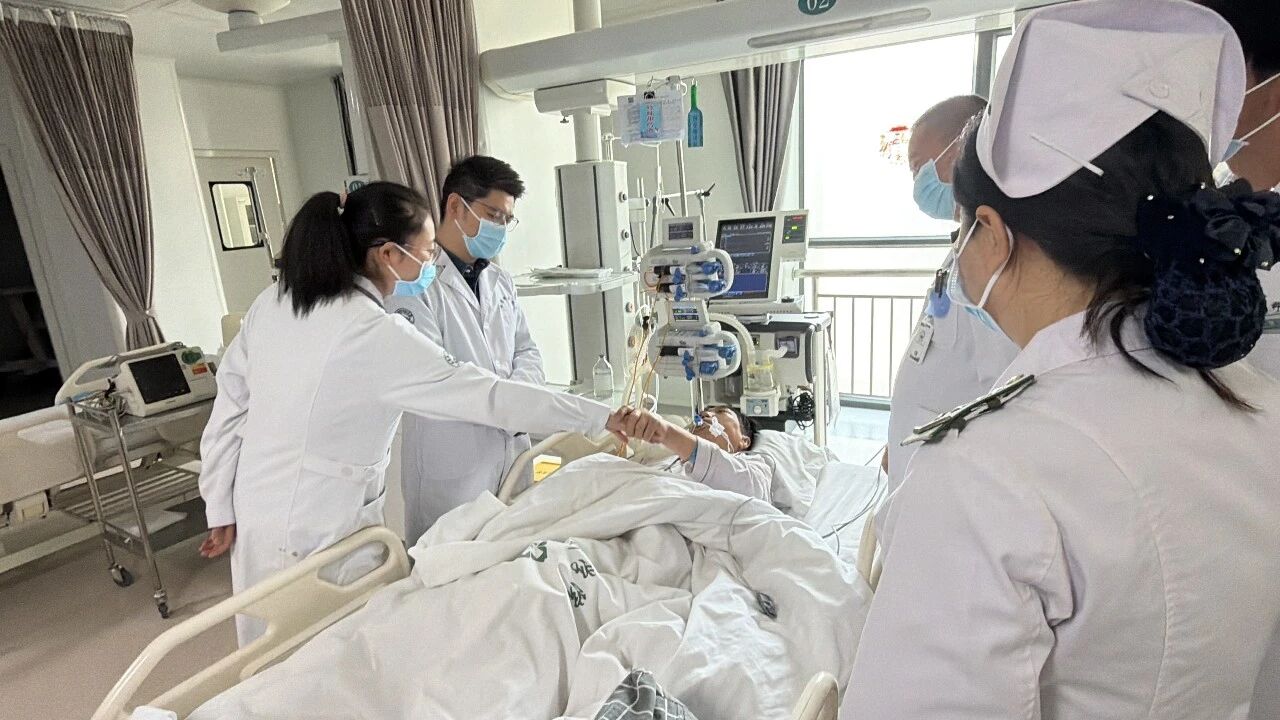
The next morning, Professor Yang Jian returned to the cardiology ward to specifically check on the patient who had undergone surgery the previous day. He first verified the patient's postoperative electrocardiogram, vital signs, and medication status with the attending physician, then walked to the bedside and leaned in to ask about the patient's sleep the previous night and whether palpitations had recurred. The patient reported a peaceful night after surgery with no recurrence of the previous palpitations. He repeatedly emphasized to the team: "In the diagnosis and treatment of arrhythmias, we must not only focus on abnormal electrical signals but also see the person behind the signals. No matter how beautifully the surgery is performed, it must ultimately come down to the patient's quality of life." This rigorous, pragmatic, and excellence‑driven approach also set an exemplary standard for the department's young physicians to learn from and follow.
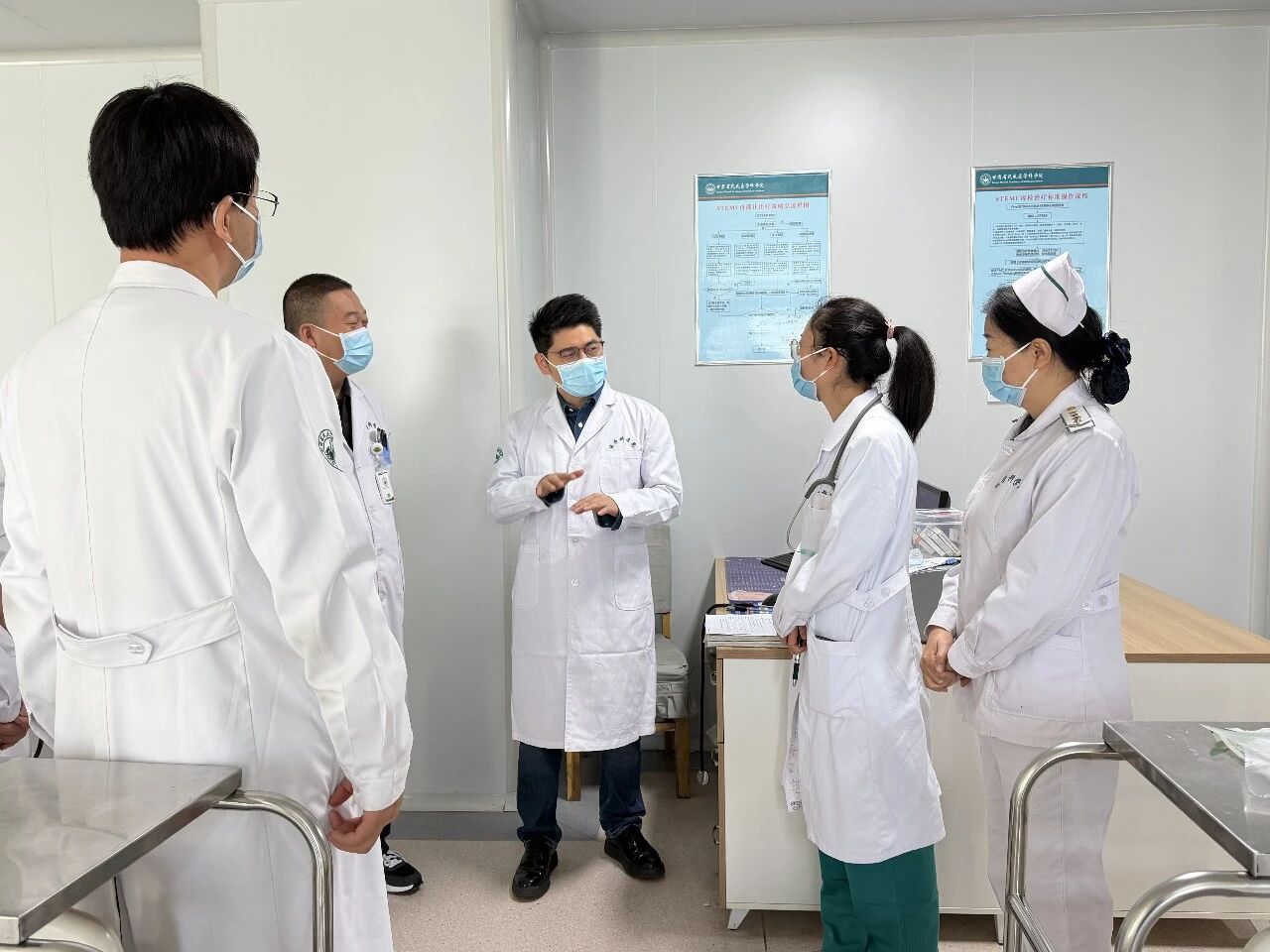
From surgery to ward rounds, Professor Yang Jian's visit to Wuwei is a vivid microcosm of Gansu Wuwei Cancer Hospital's efforts to "bring top‑tier medical resources to the doorsteps of the people." Our hospital's Departments of Cardiovascular Medicine and Neurology, both established nearly forty years ago and both municipal‑level key disciplines, have accumulated deep expertise in chronic disease management and interventional diagnosis and treatment. At the same time, the hospital is actively exploring the clinical application of domestically produced heavy ion technology in the field of complex cardiovascular diseases, gradually forming a diagnostic and treatment framework in which conventional intervention and heavy ion specialty treatment complement each other — building a solid health defense for the people of the region.
Writer: Yang Yang
First Review: Yang Yang
Second Review: Guo Yishan
Third Review: Cai Qinghua