Provincial Renowned Neurosurgery Expert Professor Chai Erqing Visits Our Hospital for Consultations
Provincial Renowned Neurosurgery Expert Professor Chai Erqing Visits Our Hospital for Consultations and Teaching
In golden October, medical care benefits the people. The "Golden October National Renowned Cardiovascular and Cerebrovascular Disease Expert Large‑Scale Diagnostic and Treatment Campaign" at Gansu Wuwei Cancer Hospital continues to welcome a succession of distinguished physicians. On October 11, Professor Chai Erqing, Vice President of Gansu Provincial Hospital and a renowned neurosurgery authority in the province, visited our hospital to conduct consultations, teaching ward rounds, and technical assistance — providing precise treatment for patients with complex neurological conditions and supporting the high‑quality development of our hospital's neuromedicine specialty.
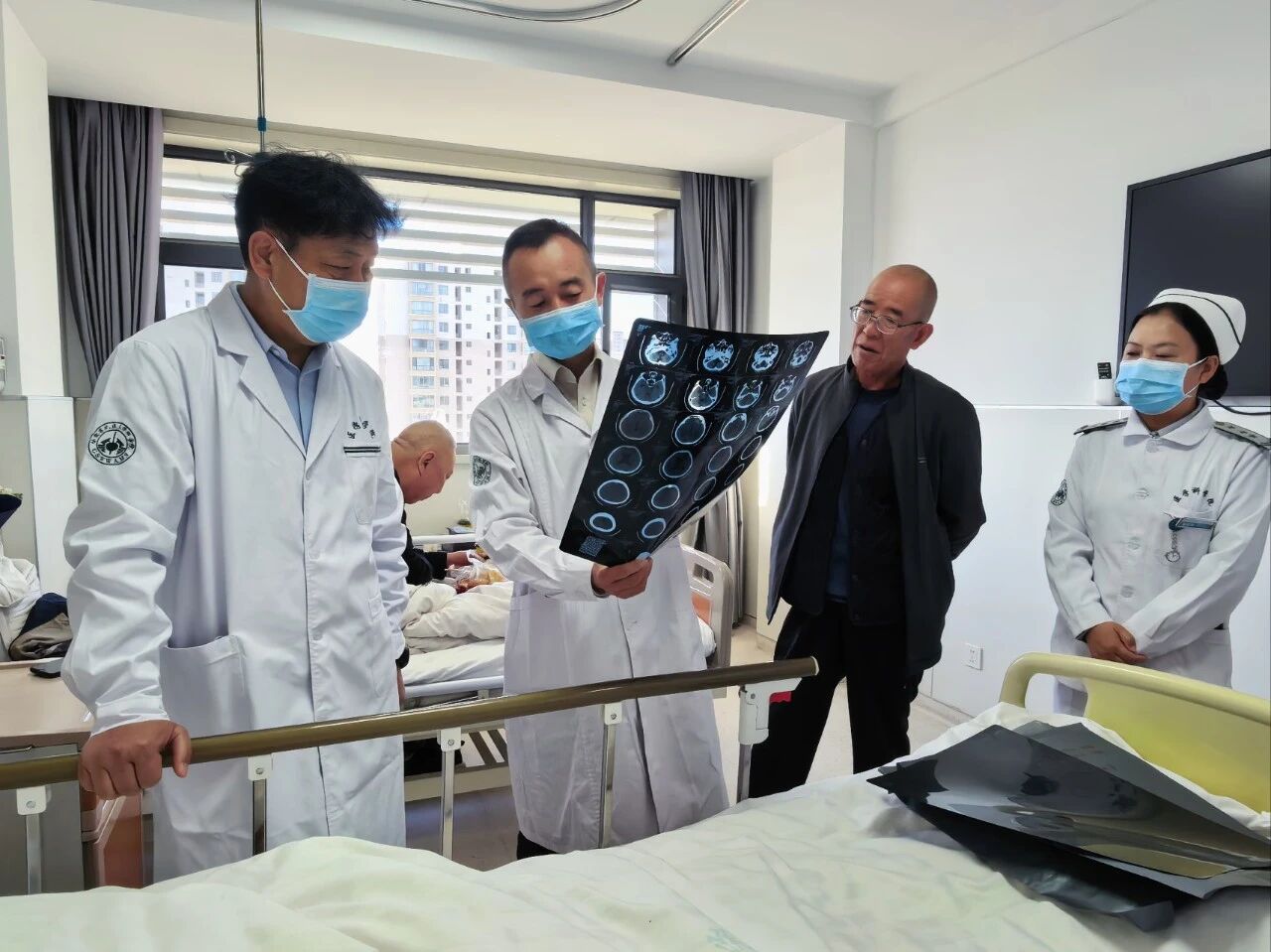
Professor Chai Erqing holds an MD and PhD, is a doctoral supervisor, and is a Leading Talent of Gansu Province and a Key Talent in the Health Sector. He currently serves as a Member of the Party Committee and Vice President for Clinical Affairs at Gansu Provincial Hospital, Leader of the Neuroscience Discipline, and Director of the Provincial Cerebrovascular Clinical Laboratory and the Neurointervention Quality Control Center. He also holds multiple academic positions including Member of the Neurosurgery Branch of the Chinese Medical Association and Director of the Chinese Stroke Association. He has long been engaged in neurosurgery clinical practice, research, and teaching, specializing in the management of critical neurological conditions and cerebrovascular disease research. He has profound expertise in interventional and hybrid surgical treatment of complex cerebrovascular diseases such as cerebral aneurysms and cerebrovascular malformations, and is a leading authority in the field of neurointervention in Gansu Province.
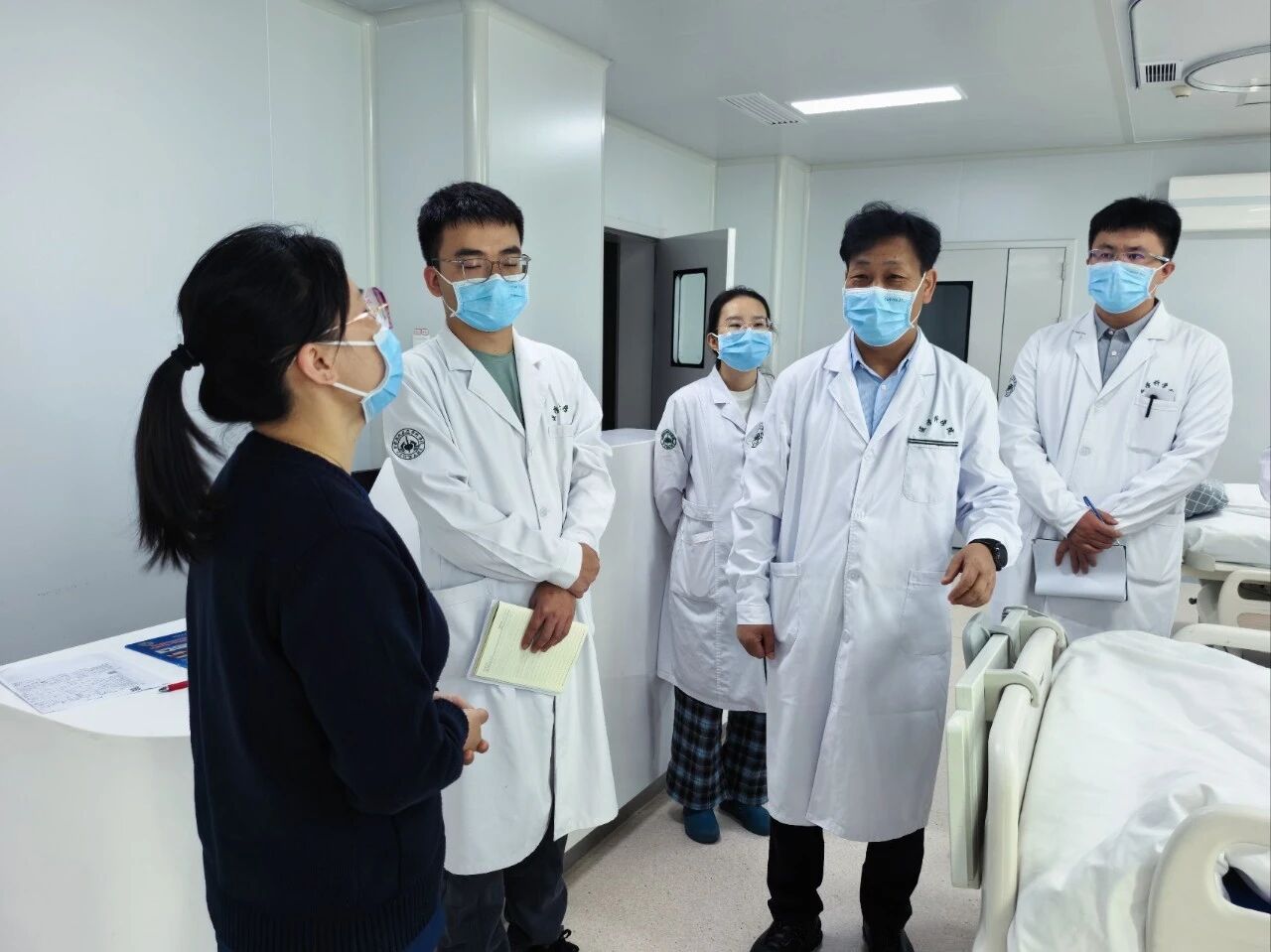
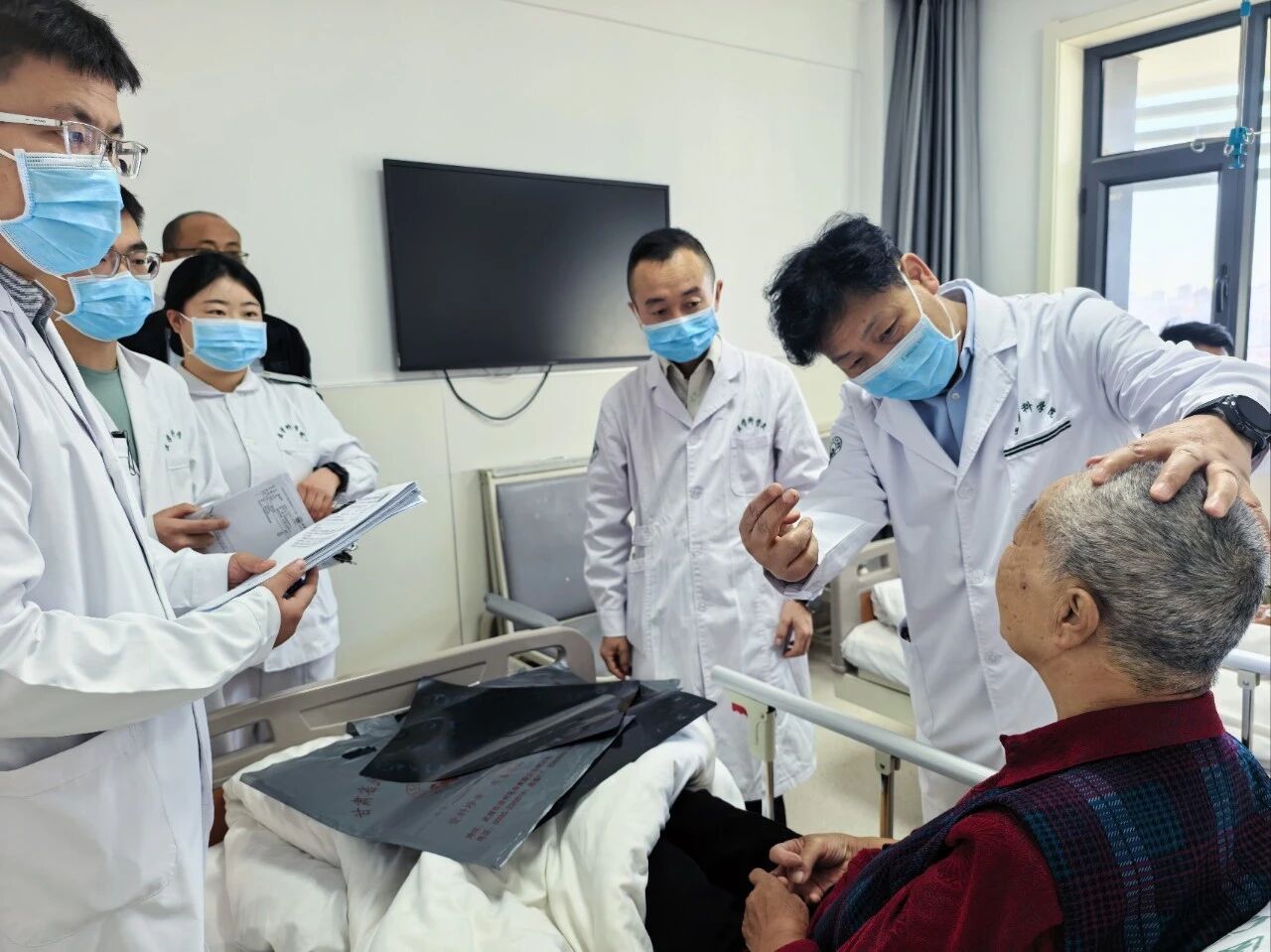
During the ward rounds, Professor Chai Erqing went deep into the wards of our hospital's Neuromedicine Center, reviewing the medical records of each hospitalized patient one by one, inquiring in detail about their conditions, treatment history, and recovery status, and precisely analyzing their conditions and identifying diagnostic and treatment challenges in conjunction with imaging findings. He developed individualized, standardized, and refined comprehensive diagnosis, treatment, and rehabilitation plans for each patient.
Subsequently, he proceeded to the interventional operating room to perform cerebrovascular interventional treatment, analyzing imaging characteristics in real time and providing detailed guidance on key procedural points. Through an immersive teaching model combining "bedside rounds + hands‑on practice," he generously shared his expertise, effectively broadening the clinical perspectives of the department's medical staff and providing valuable reference for the standardized management of complex neurological diseases at our hospital.
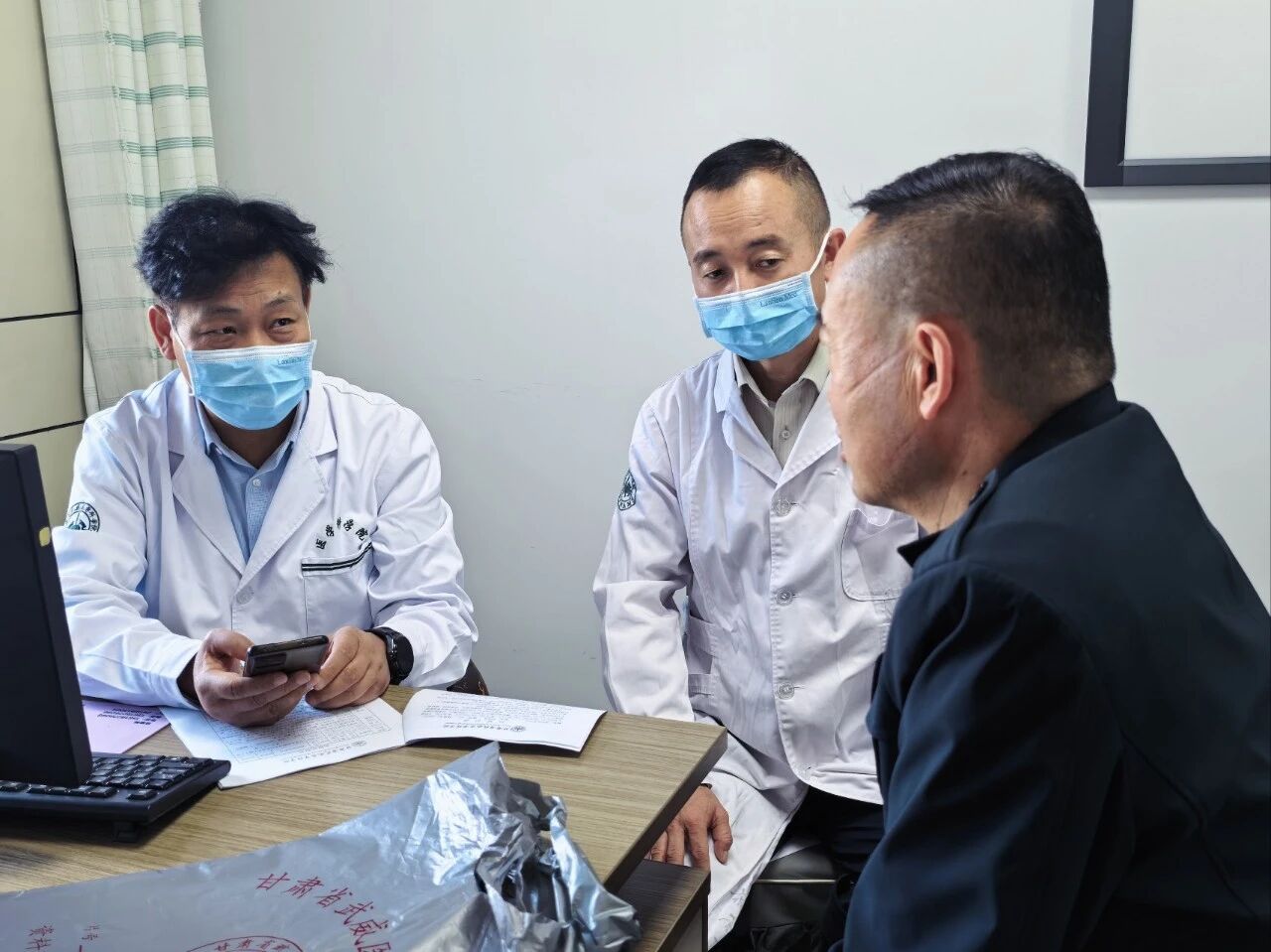
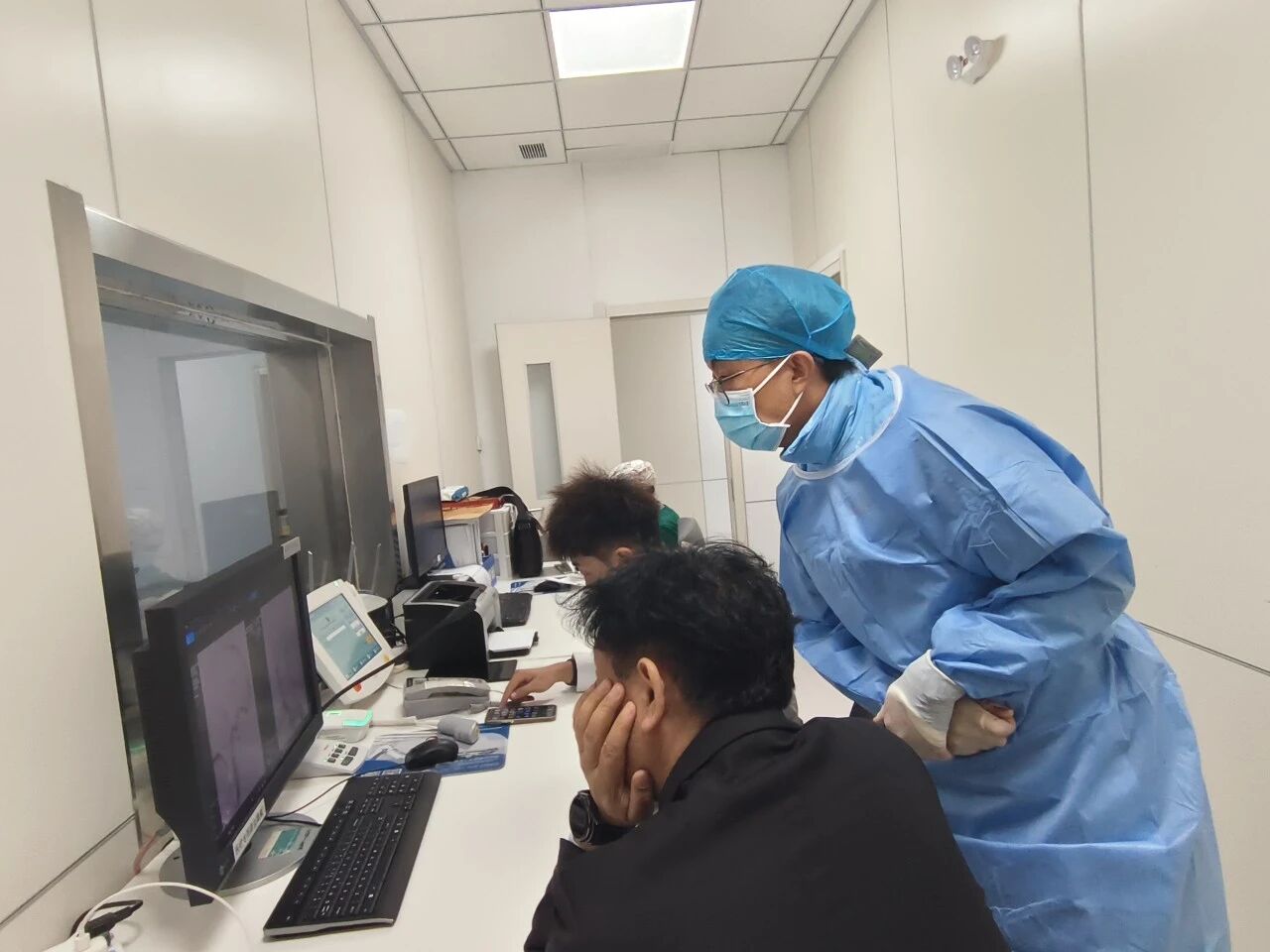
In recent years, grounded in the healthcare needs of the regional population and leveraging the technical advantages of domestically produced heavy ion technology — a "great national instrument" — our hospital has continued to expand its diagnostic and treatment boundaries. It has innovatively applied heavy ion therapy to complex benign diseases such as cerebrovascular malformations, Parkinson's disease, epilepsy, Alzheimer's disease, and cardiac arrhythmias, establishing a differentiated diagnostic and treatment system of "conventional precision care + heavy ion specialty treatment." At the same time, the hospital continues to attract expertise and build capacity, routinely inviting top expert teams from within and beyond the province for consultations, teaching, academic exchange, and technical assistance — enabling more patients with complex conditions to access high‑level, individualized comprehensive treatment plans without leaving the Hexi region.
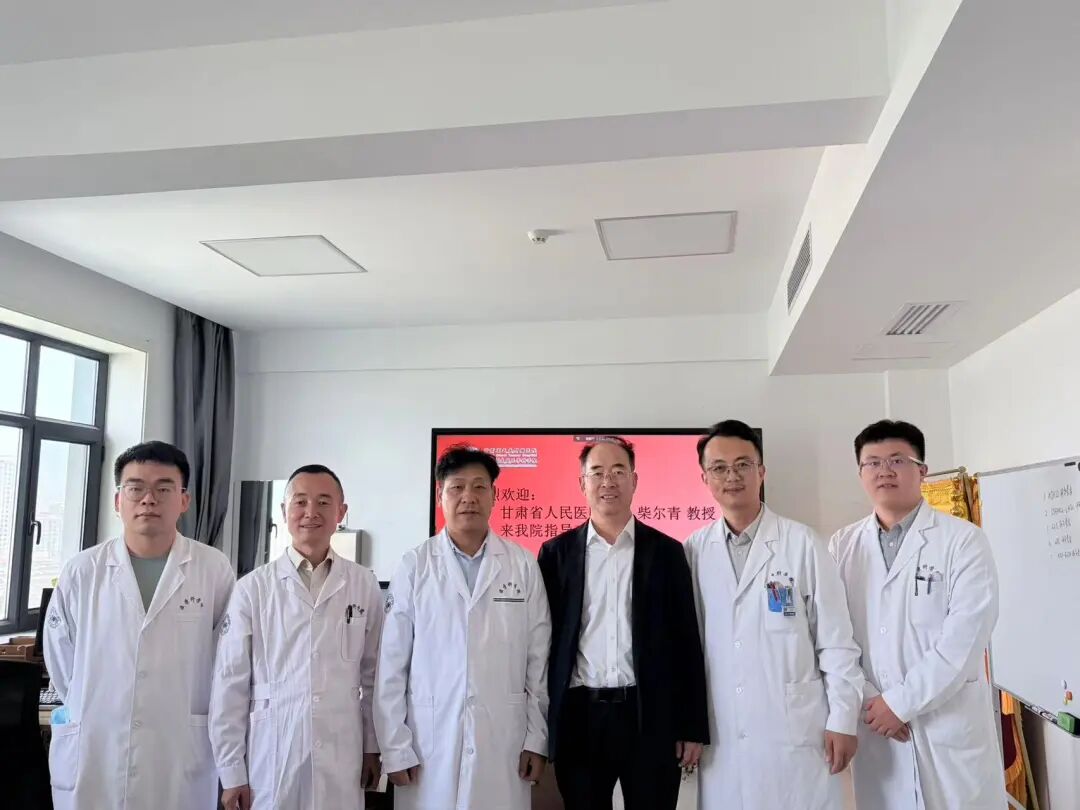
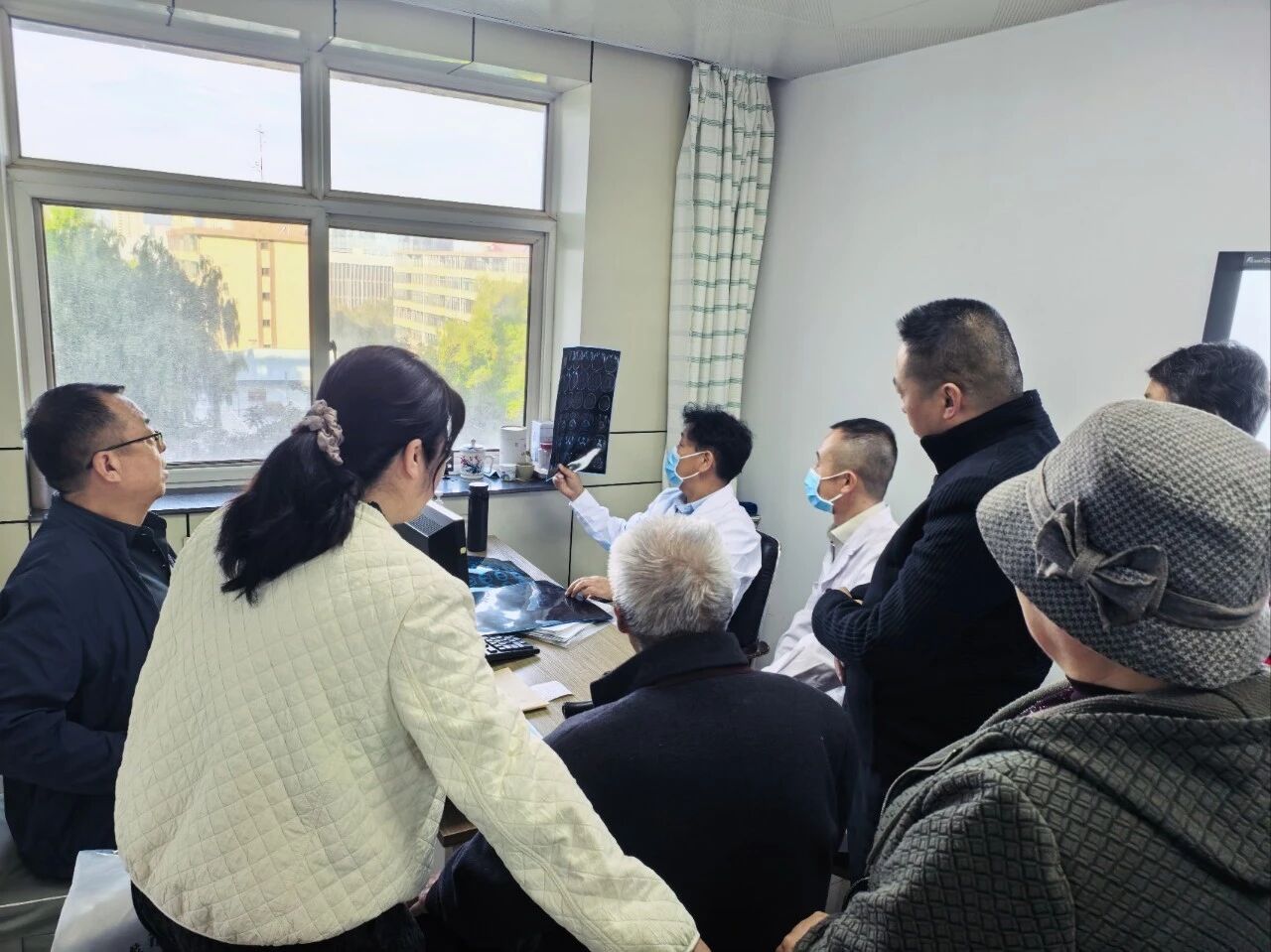
Going forward, Gansu Wuwei Cancer Hospital will continue to uphold a people‑centered health approach, deepen the connectivity, distribution, and sharing of high‑quality medical resources, and routinely carry out renowned expert consultations, teaching ward rounds, and surgical guidance activities. The hospital will continue to strengthen its heavy ion specialty brand, refine neurological and cardiovascular‑cerebrovascular diagnostic and treatment techniques, reinforce its disciplinary foundation, and build a strong talent pipeline — continuously improving its whole‑life‑cycle health service system and safeguarding the lives and health of the people of the Hexi region with more professional, higher‑quality, and more compassionate medical services.
Writer: Du Xiaoting
First Review: Du Xiaoting
Second Review: Guo Yishan
Third Review: Cai Qinghua