Second Patient Treated with Radium [²²³Ra] Precision Therapy at Gansu Wuwei Cancer Hospital
Second Patient Treated with Radium [²²³Ra] Precision Therapy at Gansu Wuwei Cancer Hospital
From Marie Curie's discovery of radium to the emergence of alpha‑emitting radionuclides as precision tools for treating bone metastases, every step forward in nuclear medicine has extended the horizon for patients with complex and advanced diseases. Gansu Wuwei Cancer Hospital continues to make steady progress in this cutting‑edge field.
Following the successful completion of the first radium [²²³Ra] radionuclide therapy in Gansu Province on June 29, the Department of Nuclear Medicine at Gansu Wuwei Cancer Hospital, in collaboration with the First Radiotherapy Center as a multidisciplinary team, successfully administered radium [²²³Ra] therapy to another patient with advanced prostate cancer and extensive bone metastases on August 26. This achievement marks a transition from "first breakthrough" to "routine clinical application" of standardized alpha‑radionuclide cancer therapy in the province, and reflects the growing maturity of multidisciplinary collaboration in precision alpha‑radionuclide therapy at the hospital.
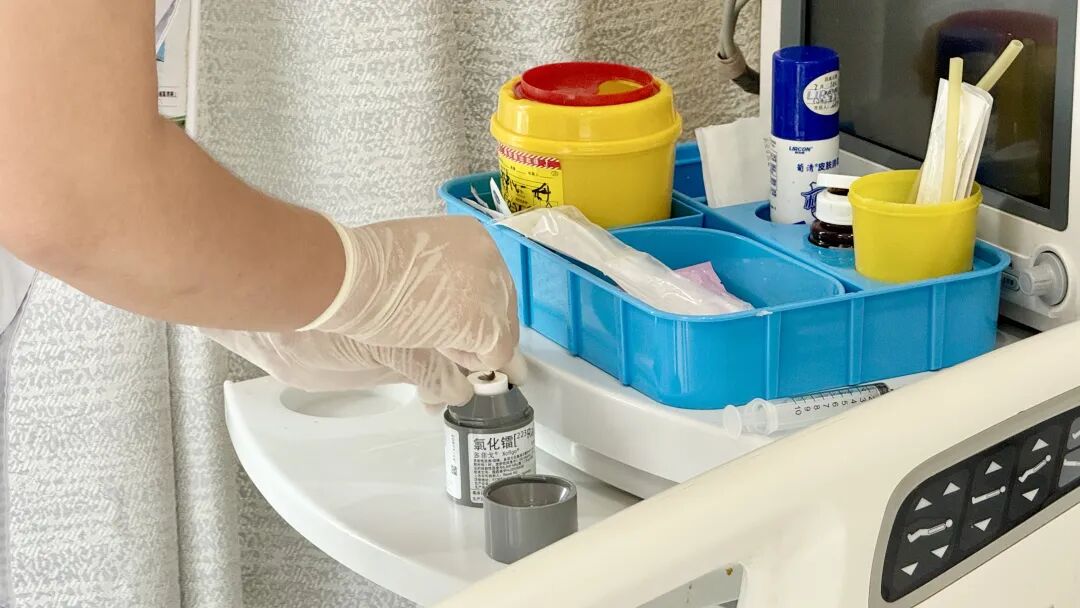
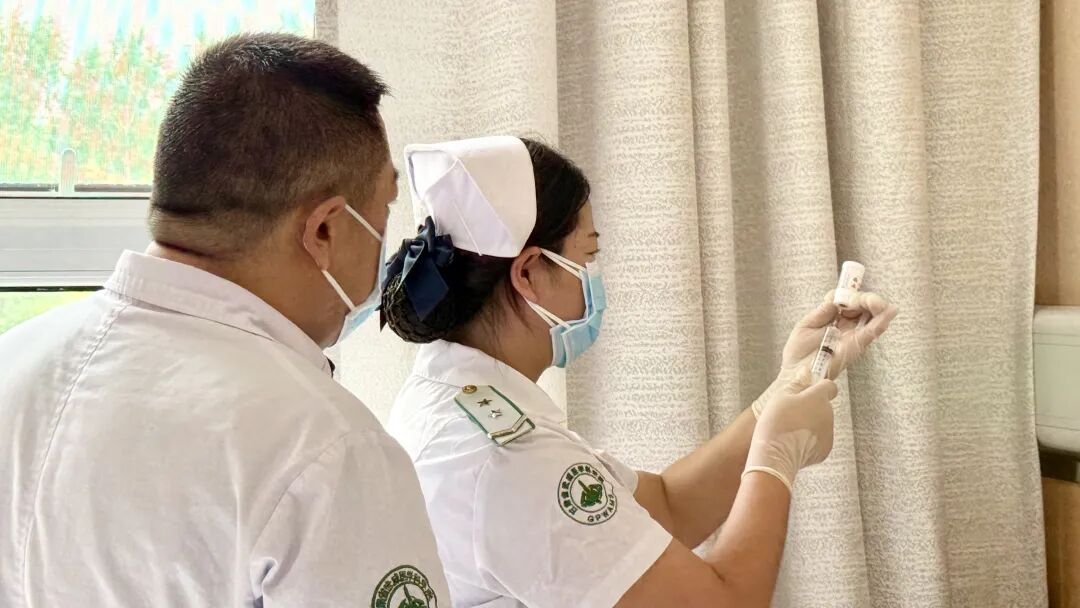
The patient, Mr. Zhao, a 74‑year‑old male, was admitted with "7 years post‑prostatectomy." He had previously received multiple lines of endocrine therapy, with recent progressive elevation of PSA and whole‑body bone scan showing extensive bone metastases. The patient was admitted to the First Radiotherapy Center at the Wuwei Heavy Ion Center on July 29. After a confirmed diagnosis, the MDT team developed an individualized radium [²²³Ra] treatment plan based on molecular imaging findings from the Department of Nuclear Medicine, target volume assessment from the First Radiotherapy Center, and individualized radiation dose calculations. The entire treatment was carried out by specialized nuclear medicine staff under strict radiation safety monitoring, and was completed simply through intravenous infusion. The successful treatment and follow‑up of the first patient at our hospital provided practical experience for this second case.
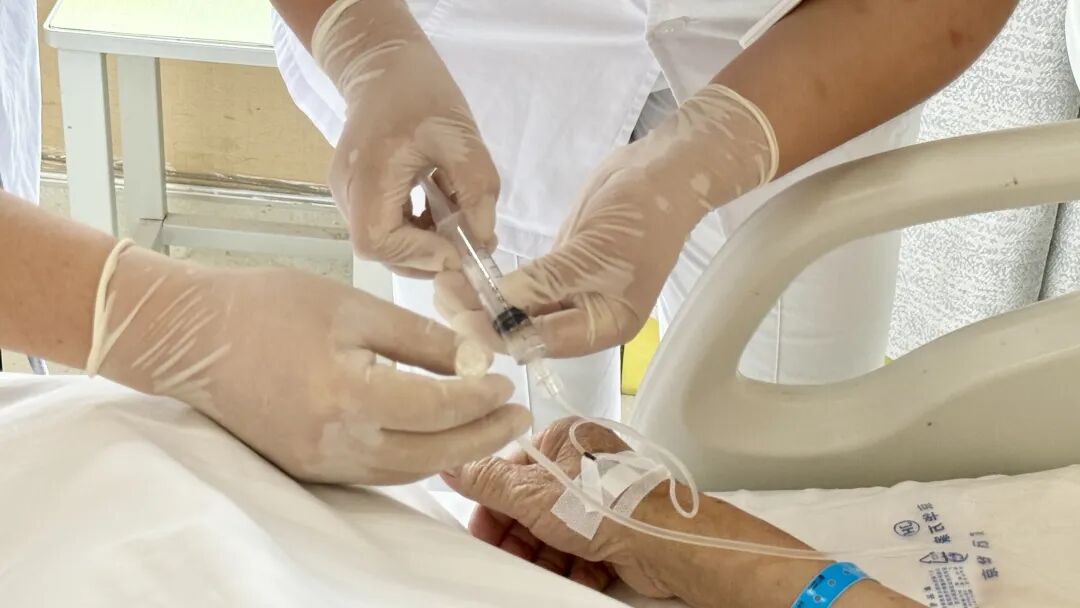
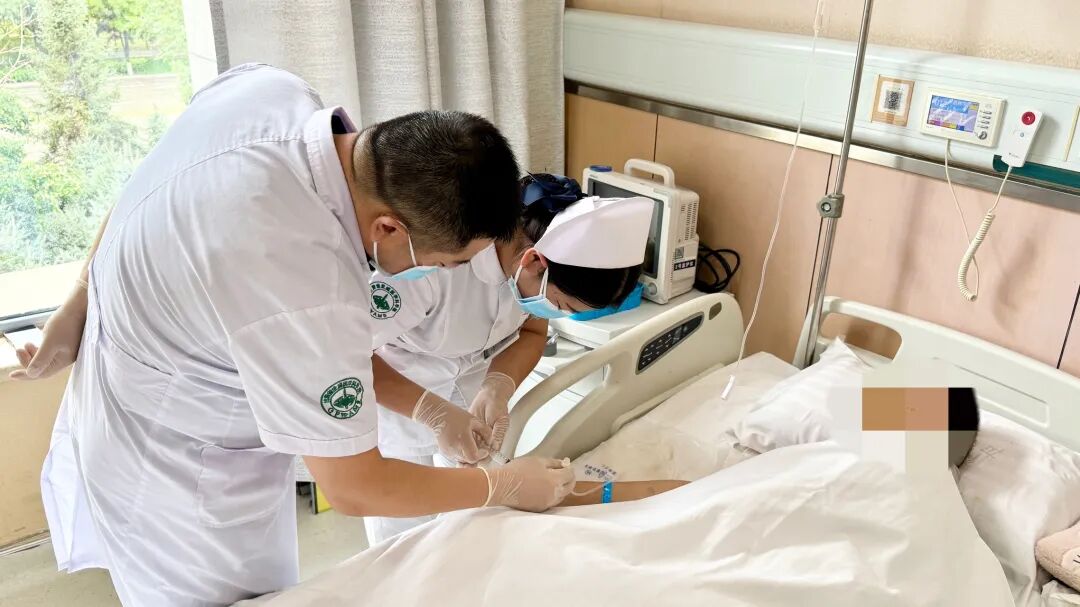
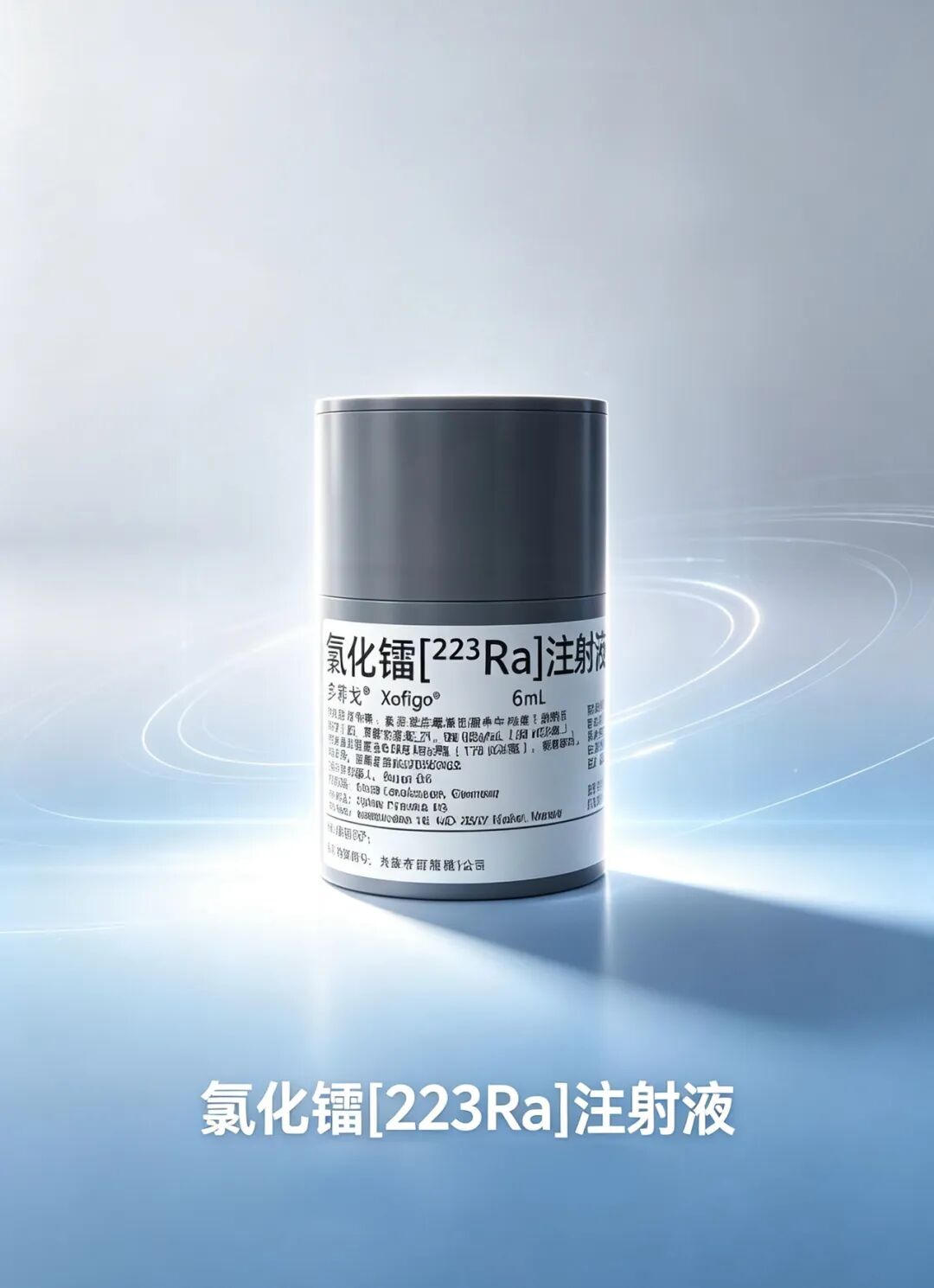
Radium [²²³Ra] is an innovative alpha‑emitting radionuclide therapeutic agent. Once administered, it exhibits high bone‑seeking affinity, accumulating at active sites of bone metastasis and emitting high‑energy alpha particles. Its radiation range is extremely short — only penetrating a few cell layers — enabling precise destruction of metastatic lesions while maximizing protection of bone marrow and surrounding healthy tissues, with notable safety advantages. Prostate cancer at an advanced stage is highly prone to bone metastases, which often cause intractable bone pain, pathological fractures, spinal cord compression, and other severe complications, significantly impairing patients' quality of life and shortening survival. Radium [²²³Ra] is an important therapeutic option in such cases. It mimics the body's calcium metabolism, actively binding to hydroxyapatite in bone and accumulating at sites of bone metastasis. The high‑energy alpha particles it emits have a range of approximately 100 microns, allowing them to act locally on tumor cells with minimal impact on normal tissues and bone marrow, making it a clinically valuable treatment with strong targeting and well‑controlled toxicity.
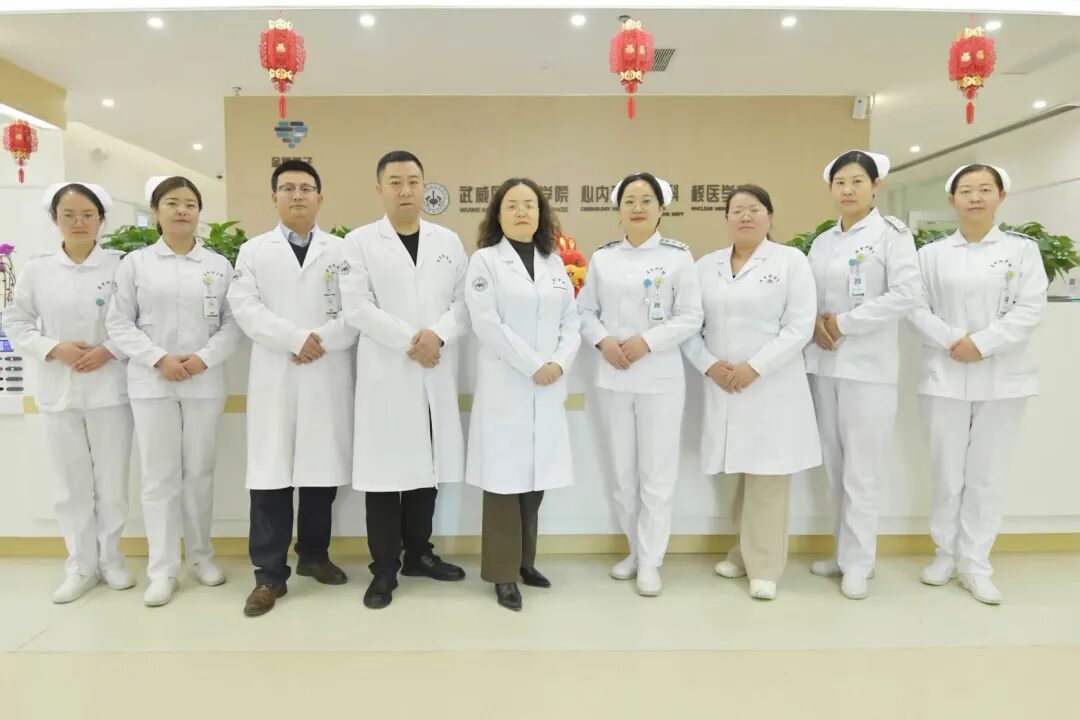
The Department of Nuclear Medicine at Gansu Wuwei Cancer Hospital was established in 1983. It is the first nuclear medicine department in Wuwei and the one with the most comprehensive range of radionuclide therapies in western Gansu. The hospital is equipped with a GE Discovery 710 Super‑Iterative PET‑CT — the fourth PET/CT in Gansu Province and the only one in a prefecture‑level city hospital — along with a GE Hawkeye 4 dual‑probe SPECT, forming a robust molecular imaging diagnostic system. Leveraging its advanced equipment and in‑house radiopharmaceutical preparation platform, the department has maturely implemented a wide range of radionuclide diagnostic and therapeutic procedures, including ¹³¹I therapy for hyperthyroidism, ⁹⁰Sr‑⁹⁰Y radionuclide applicator therapy for keloids and hemangiomas, ⁸⁹Sr therapy for bone metastases, ¹²⁵I seed implantation therapy, ¹³¹I therapy for differentiated thyroid cancer, and ⁹⁰Y resin microsphere interventional therapy for liver cancer — benefiting over 10,000 patients to date. The hospital successfully performed the first domestically produced Yttrium‑90 microsphere interventional procedure for liver cancer in the Gansu‑Qinghai‑Ningxia‑Xinjiang region, ushering in a new era of precision radionuclide intervention for liver cancer in the region. The recent introduction of ²²³Ra therapy brings new hope to patients with advanced bone metastases; ¹⁷⁷Lu therapy will offer another major benefit for patients with metastatic prostate cancer. In the future, the successive implementation of new targeted radionuclide therapies — such as ²²⁵Ac‑based targeted therapy and ²¹¹At astatine‑targeted radiotherapy — will elevate radionuclide therapy in Gansu Province to a nationally advanced level.
The successful administration of radium [²²³Ra] to the second patient represents an important step in the hospital's efforts to move alpha‑radionuclide therapy from technological breakthrough to routine clinical application, and is another practical example of deepening multidisciplinary collaboration between the Department of Nuclear Medicine and the First Radiotherapy Center. Going forward, the hospital will continue to build on the Department of Nuclear Medicine's years of technical expertise, introduce more cutting‑edge targeted radionuclide technologies, and routinely implement multidisciplinary collaborative care models. With standardized and precise nuclear medicine services, the hospital aims to serve as a leading nuclear medicine center in Northwest China, addressing regional gaps in advanced cancer care, protecting the health of the people, and contributing to the high‑quality development of cancer prevention and treatment across Gansu Province and the wider Northwest region.
Writer: Guo Yishan, Duan Shengyu
First Review: Yang Yang
Second Review: Guo Yishan
Third Review: Cai Qinghua
Treatment plans are tailored to each individual patient.
Gansu Wuwei Cancer Hospital (Wuwei Academy of Medical Sciences)
(甘)医广【2025】第11-14-387号