From the Hexi Corridor to the World: Overseas Chinese Media Explore Wuwei Heavy Ion Center
From the Hexi Corridor to the World: Overseas Chinese Media Explore Wuwei Heavy Ion Center
On August 13, representatives from overseas Chinese-language media outlets across Italy, Spain, Thailand, Egypt, Australia, and other countries visited the Wuwei Heavy Ion Center at Gansu Wuwei Cancer Hospital. They conducted an on-site tour of the domestically developed carbon-ion therapy system—a facility boasting complete independent intellectual property rights—and immersed themselves in a major breakthrough of China's self-reliant innovation in high-end medical equipment.
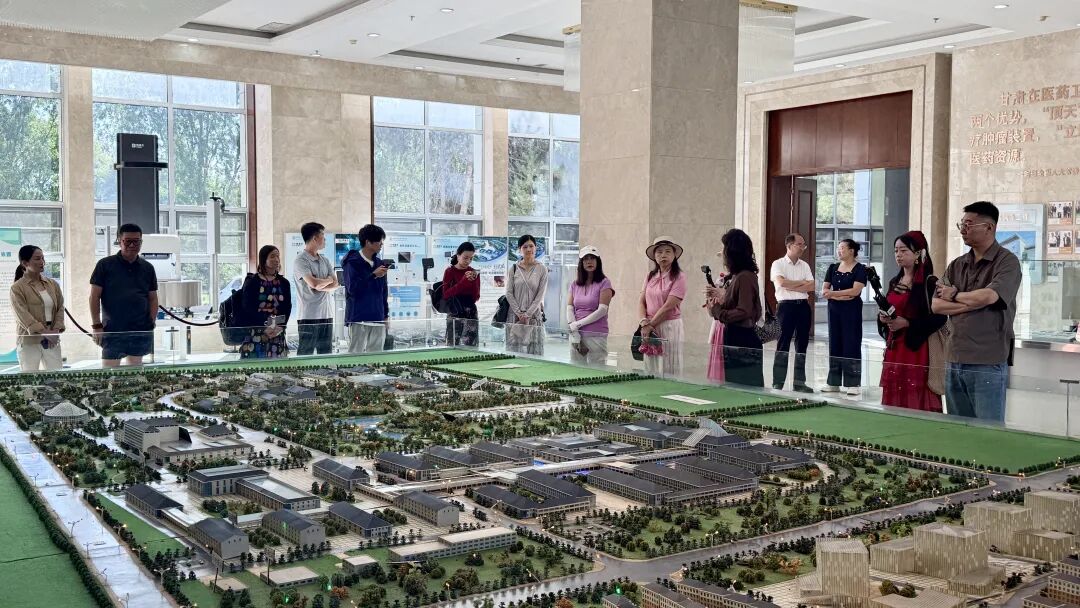
During the visit, media representatives toured the sand table model room, the central control room, the treatment hall, and the inpatient department. They systematically learned about the principles of heavy ion therapy, the operational workflow of the equipment, and its clinical outcomes. Leveraging the domestic heavy ion platform, the center has pioneered several original techniques, including precision treatment under ventilator management, bladder cancer treatment under bladder volume control, and single-fraction treatment using interposed spacers between organs and tumors. These innovations offer outstanding therapeutic advantages for tumors that respond poorly to conventional radiotherapy. For certain types of cancer, the local control rate can exceed 95%, with clinical efficacy and patient survival rates reaching internationally advanced levels.
Media representatives highly praised the independent innovation achievements of the domestic carbon-ion therapy system. This "national treasure"—equipped with complete independent intellectual property rights—has effectively addressed the shortcomings of domestic high-end radiotherapy equipment, establishing a "Chinese solution" for cancer treatment and injecting strong Chinese momentum into global radiotherapy innovation.
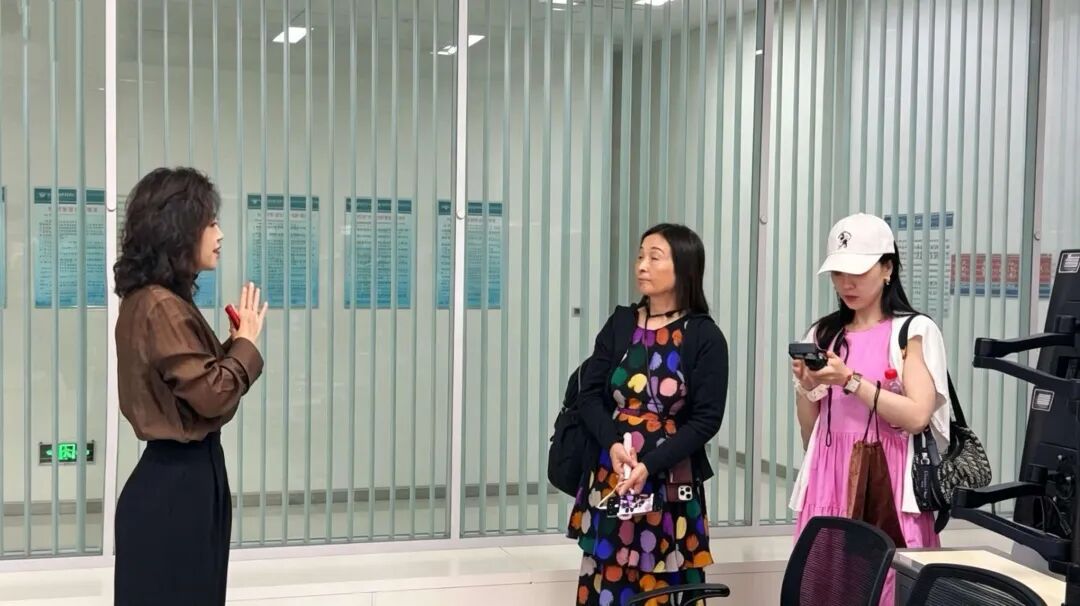
Wang Jingye, Editor-in-Chief of Thailand's Taiya Media, admitted that this was her first visit to Wuwei. Previously unaware that such a "treasure hospital" was hidden in this ancient Silk Road city, she was deeply impressed upon witnessing multiple world-first technologies. She stated that heavy ion therapy benefits patients from many countries and serves as excellent material for external communication. She plans to actively promote the center's innovative achievements to overseas audiences, letting the world see the hard power of China's scientific and technological innovation in the life and health sector.
Tang Mingtao, Deputy Head of Canada's Soloo Media, remarked with surprise that it was hard to imagine such a high-level medical innovation emerging from a Silk Road city in the Hexi Corridor. The multiple global firsts completely reshaped his preconceived notions about western Chinese cities. He expressed his hope to share this story of Chinese medical breakthroughs with Chinese communities in North America.
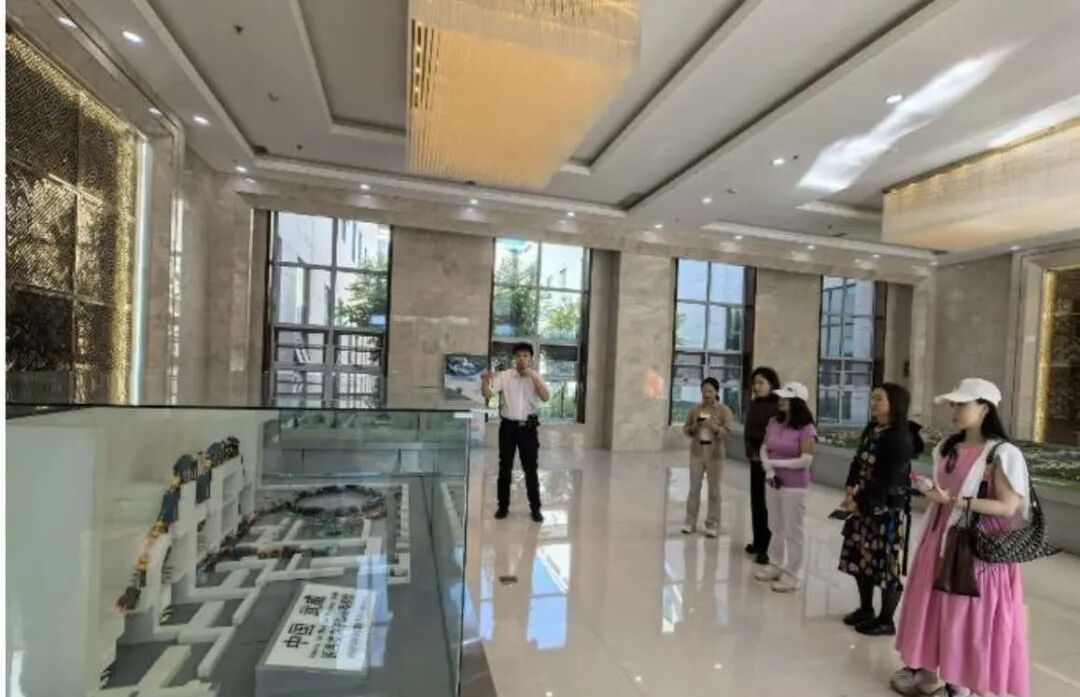
This visit constituted a key event of the overseas Chinese media tour in Wuwei. The concentrated visit by overseas Chinese media marks that the Wuwei Heavy Ion Center is accelerating its transformation from a singular cancer treatment hub into an international window for technology showcase, experience sharing, and brand communication. This serves not only as a vivid practice for overseas Chinese media to tell China's story well but also injects new communication momentum into bringing Chinese high-end medical equipment and clinical protocols to the world.
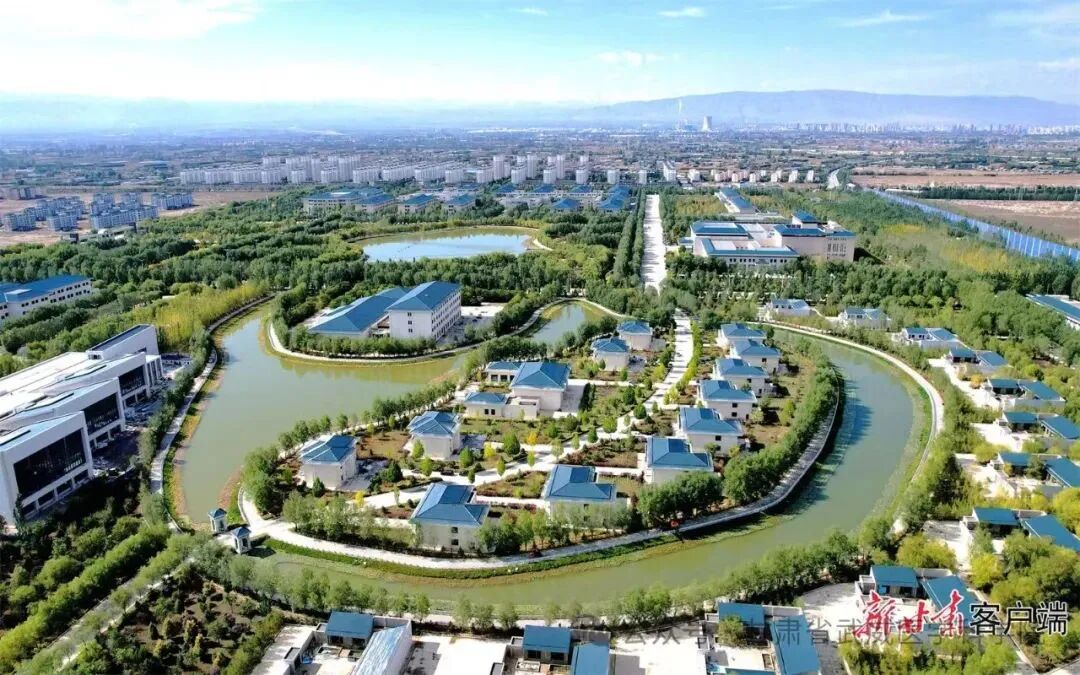
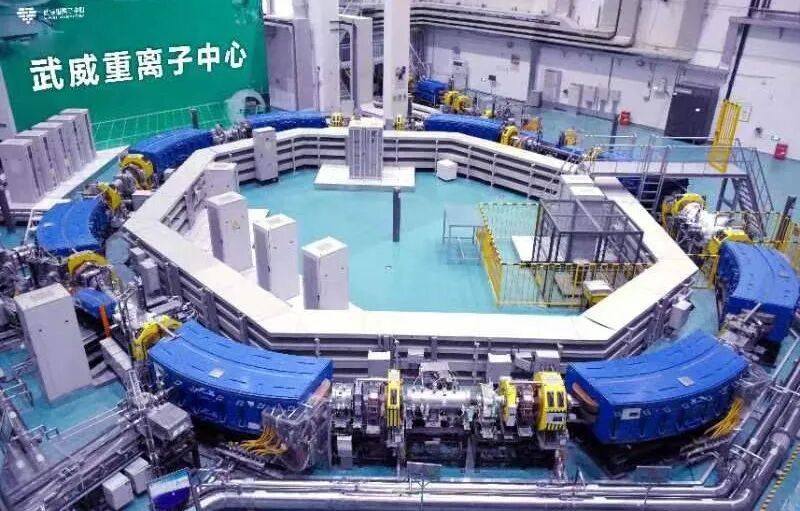
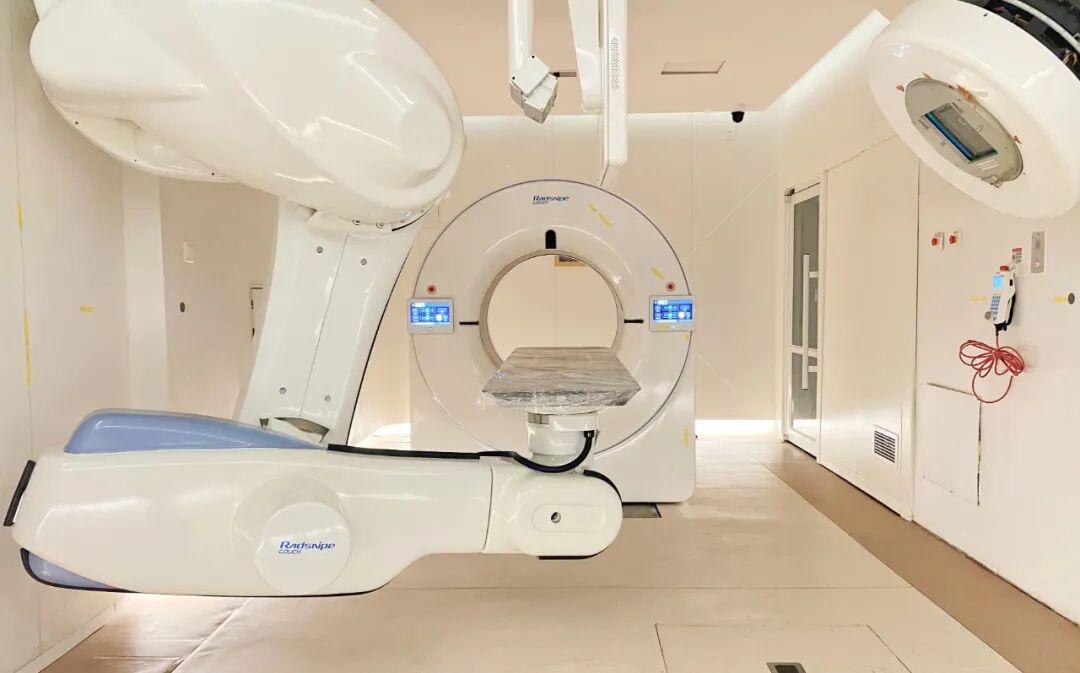
"Gathering global cutting-edge technologies to benefit cancer patients worldwide." Seizing the opportunity of this visit, the Wuwei Heavy Ion Center will continue to align China's heavy ion technology standards with international norms, showcasing to the world the developmental achievements of Chinese high-end medical equipment—evolving from following to leading in certain areas. By providing quality cancer diagnosis and treatment services, the center aims to contribute to building a global community of health for all, allowing more patients worldwide to share in the innovative fruits of China's precision medicine.
Writer: Duan Shengyu and Guo Yishan
First Review: Duan Shengyu
Second Review: Guo Yishan
Third Review: Cai Qinghua