Thoracic Surgery Quality Control Annual Meeting Held at Our Hospital
Thoracic Surgery Quality Control Annual Meeting Held at Our Hospital
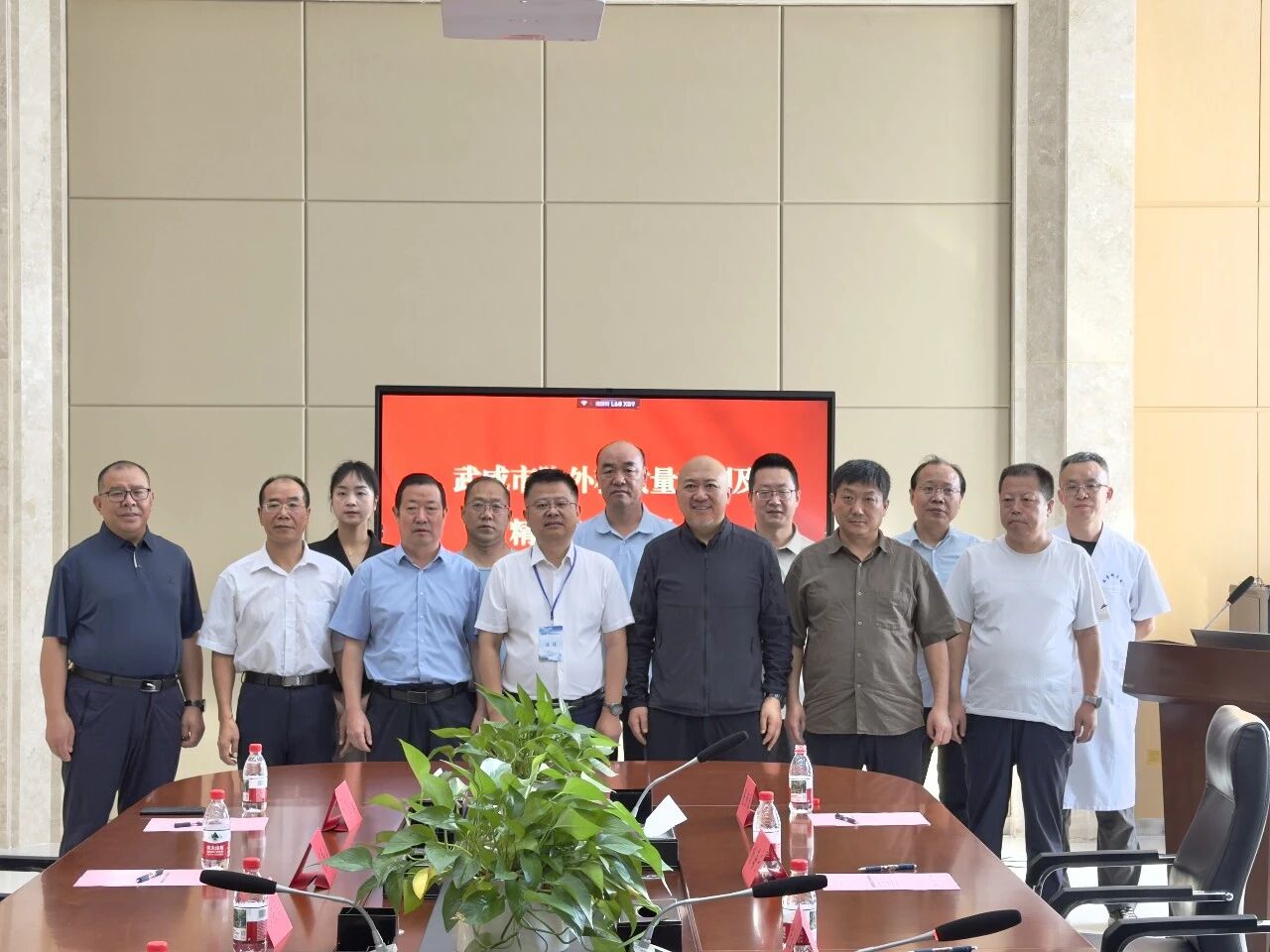
On August 8, the 2026 Annual Meeting of Thoracic Surgery, organized by the Wuwei Thoracic Surgery Medical Quality Control Center and hosted by Gansu Wuwei Cancer Hospital, was successfully held in Conference Room 2 of the Heavy Ion Campus Main Building. Leading thoracic surgery experts from across the province and beyond, along with key medical and nursing staff from the city, gathered to promote the standardization, precision, and homogenization of thoracic surgery care in the region, injecting new momentum into the high‑quality development of thoracic surgery in the city.
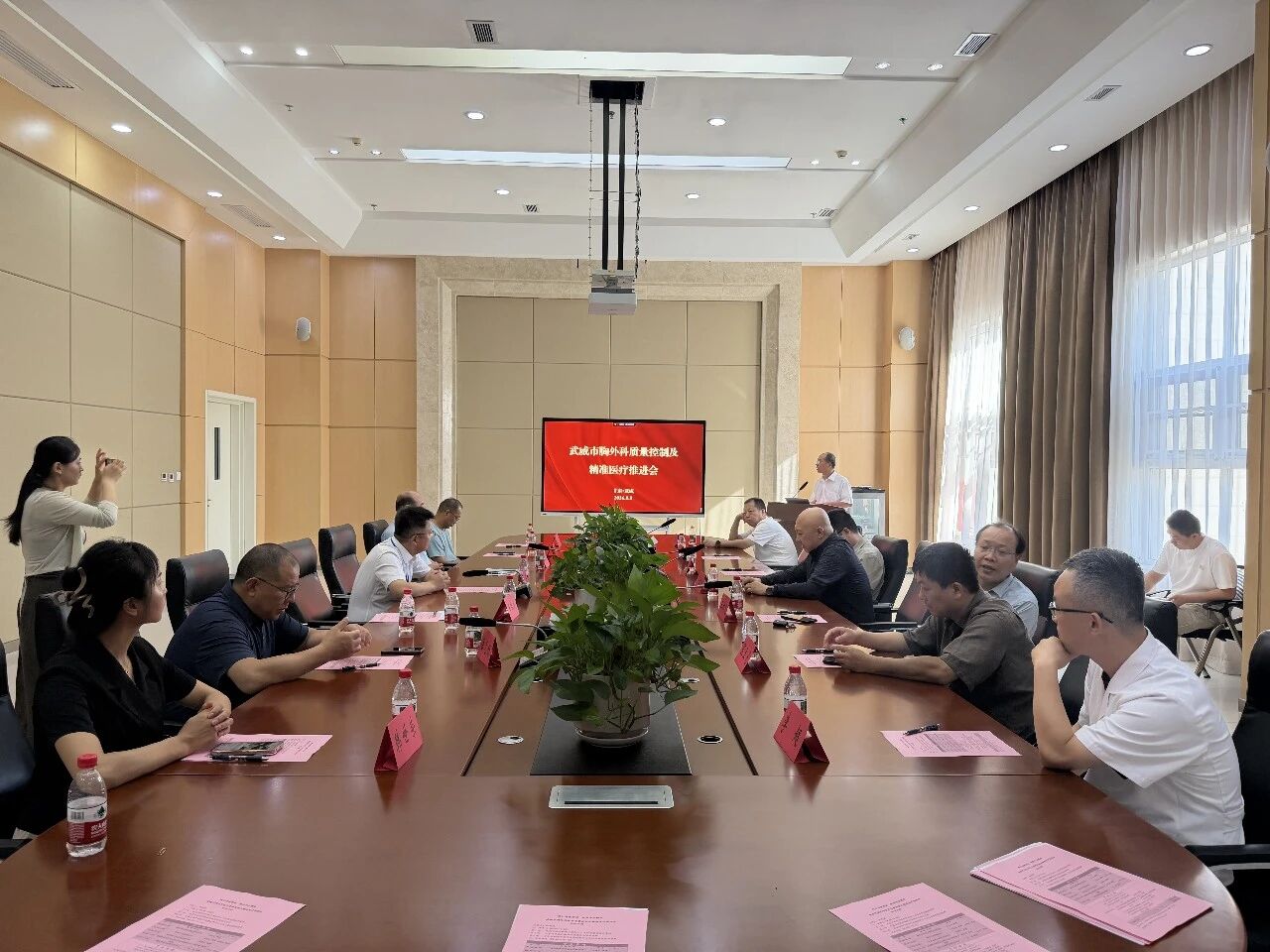
The conference was chaired by Professor Zhang Yingguo, Director of the Department of Thoracic Surgery at Gansu Wuwei Cancer Hospital. Speeches were delivered by Nie Peng, Vice President of Gansu Wuwei Cancer Hospital, and Professor Ma Minjie, Director of the Gansu Thoracic Surgery Medical Quality Control Center. They focused on themes including standardization of discipline development, the synergistic advantages of the heavy ion platform and multidisciplinary collaboration, and provincial‑level academic coordination, working to build consensus and chart the course for the high‑quality development of thoracic surgery across the city.
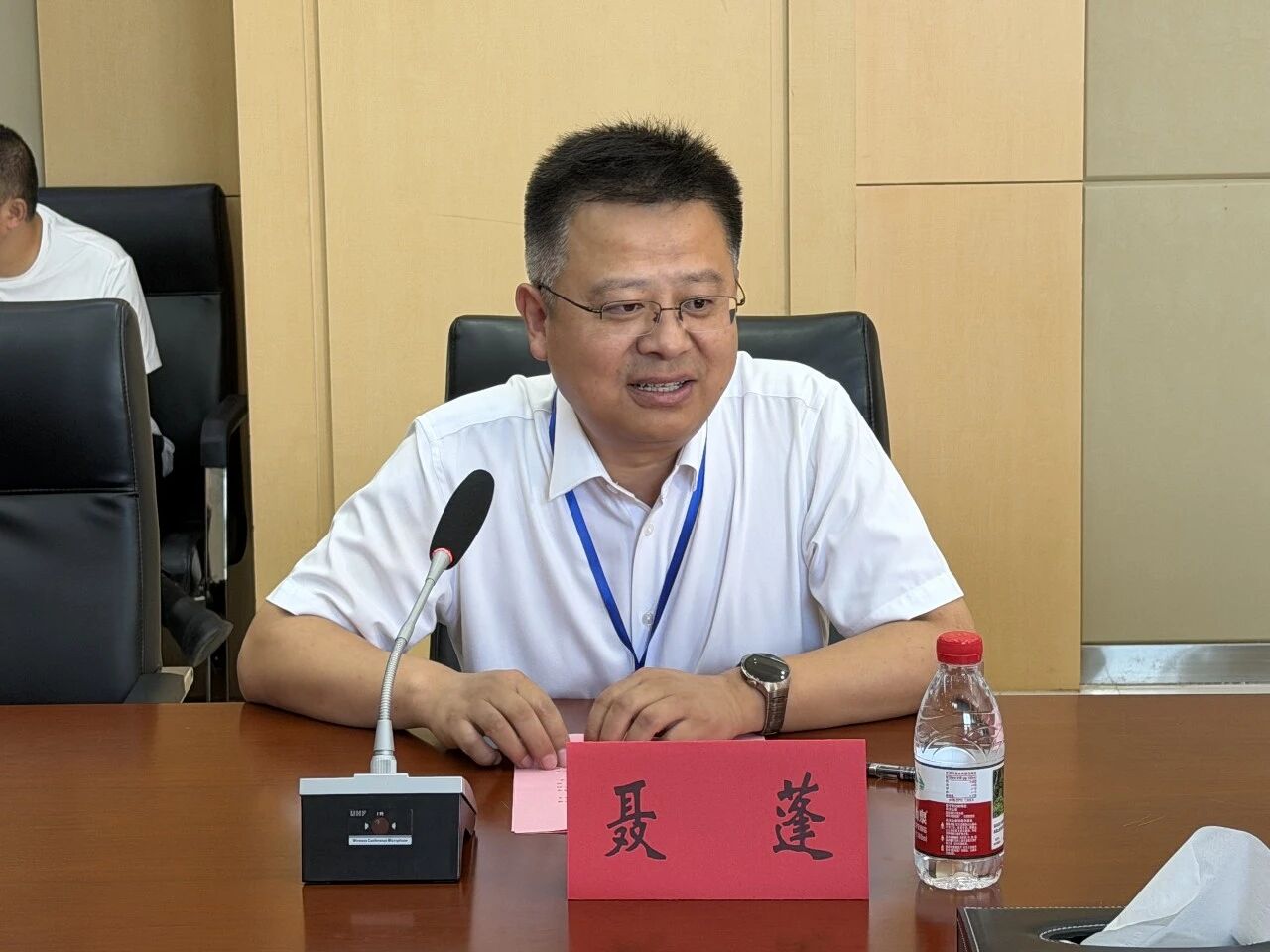
Nie Peng, Vice President of Gansu Wuwei Cancer Hospital, delivering a speech
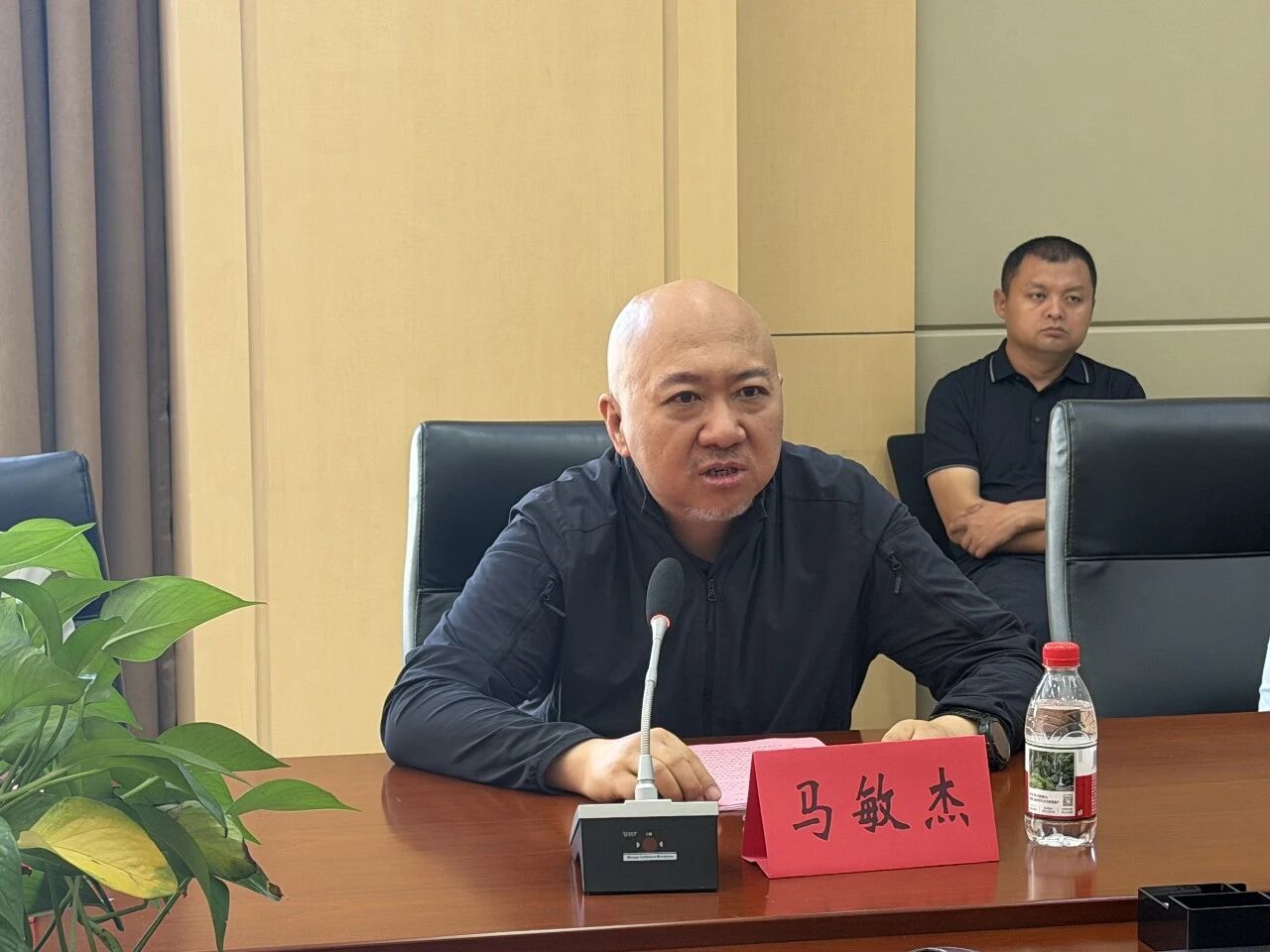
Professor Ma Minjie, Director of the Gansu Thoracic Surgery Medical Quality Control Center, delivering a speech
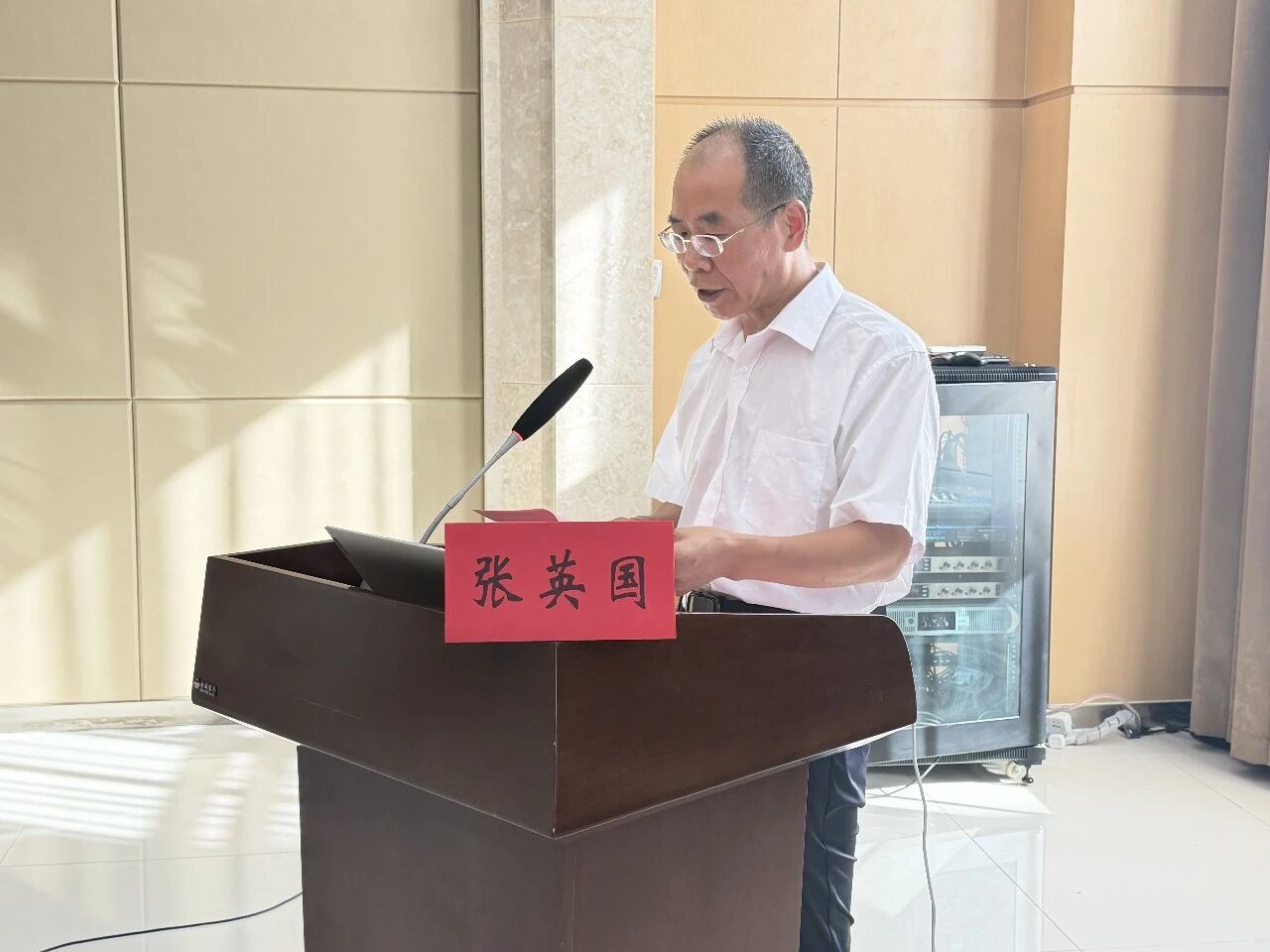
Professor Zhang Yingguo, Director of the Department of Thoracic Surgery at Gansu Wuwei Cancer Hospital, delivering a speech
The development of thoracic surgery relies on the strengthening of standardized diagnostic and treatment systems and breakthroughs in precision techniques. During the academic lecture session, Professor Wang Shuangyuan systematically presented a multidimensional preoperative risk assessment system, emphasizing the use of quantitative screening across cardiac, pulmonary, physical, and nutritional dimensions to achieve early risk identification and individualized care, providing a scientific basis for perioperative safety management. Professor Wang Jiqing analyzed precision treatment strategies for pulmonary nodules, sharing insights into individualized surgical planning and minimally invasive techniques. Professor Zhang Bowen elaborated on the diagnosis and management of postoperative complications in esophageal cancer, covering early recognition and management of anastomotic leaks, pulmonary infections, and other critical issues. Professor Xu Xiandong interpreted key points of deep vein thrombosis prevention and treatment guidelines, outlining core aspects of perioperative thromboprophylaxis. Professor Li Chao shared expert consensus on precision management of pulmonary nodules, offering a standardized pathway for the full‑course management of pulmonary nodules. The lectures were clinically grounded and aligned with current advances, providing a solid theoretical and technical foundation for the overall improvement of thoracic surgery care.
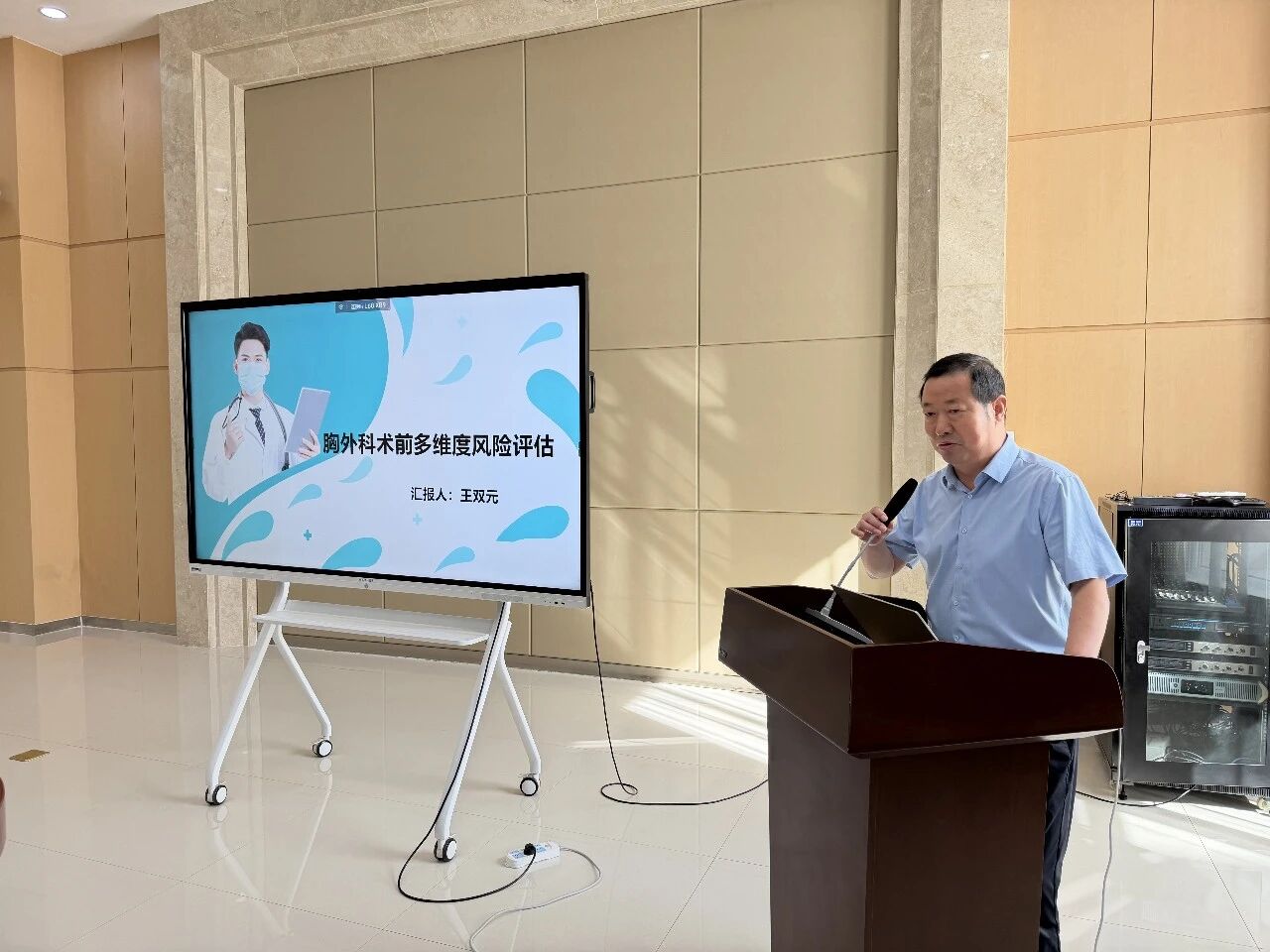
Professor Wang Shuangyuan from Wuwei Liangzhou Hospital, delivering a lecture on Multidimensional Preoperative Risk Assessment in Thoracic Surgery
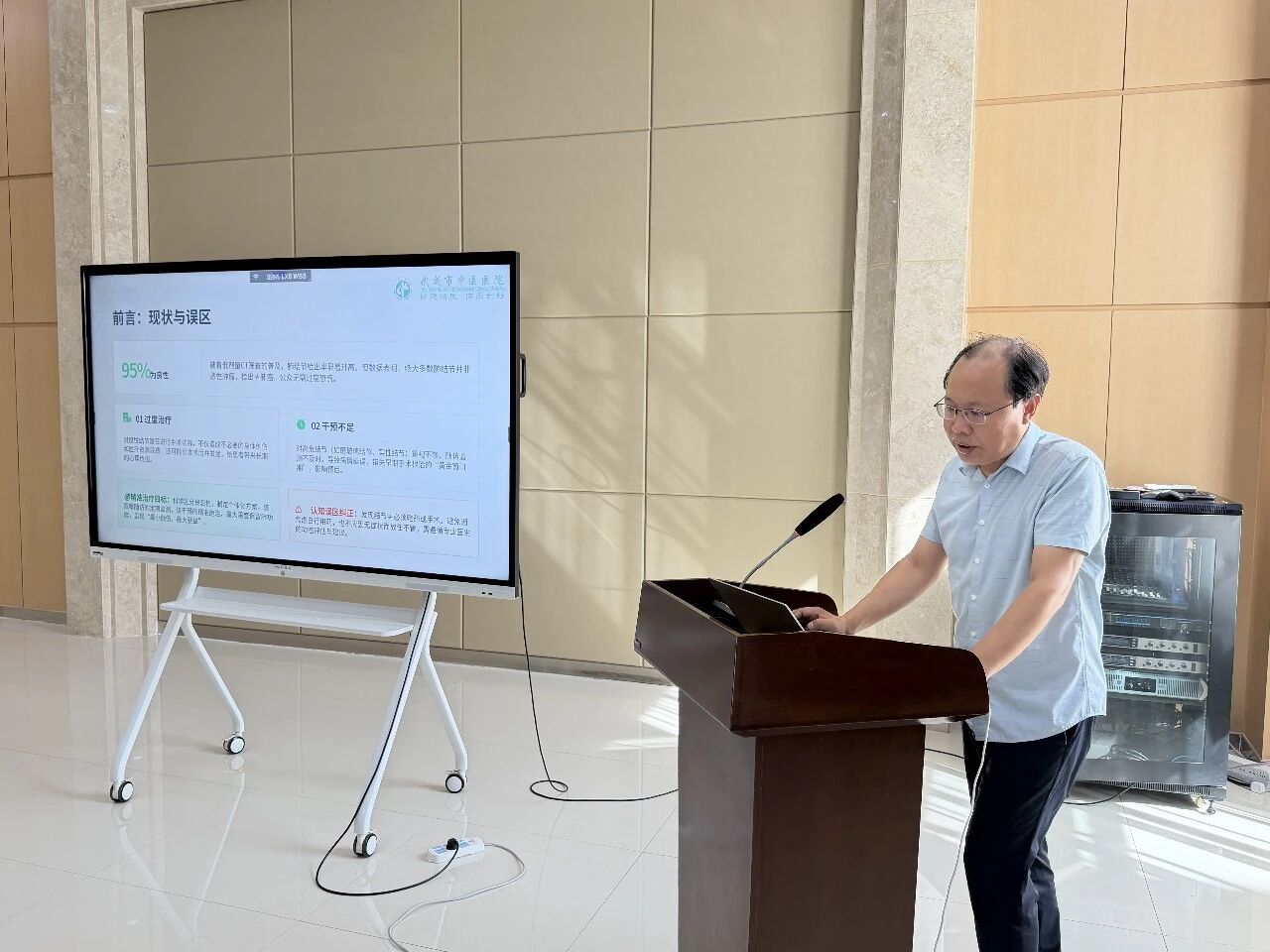
Professor Wang Jiqing from Wuwei Traditional Chinese Medicine Hospital, delivering a lecture on Precision Treatment of Pulmonary Nodules
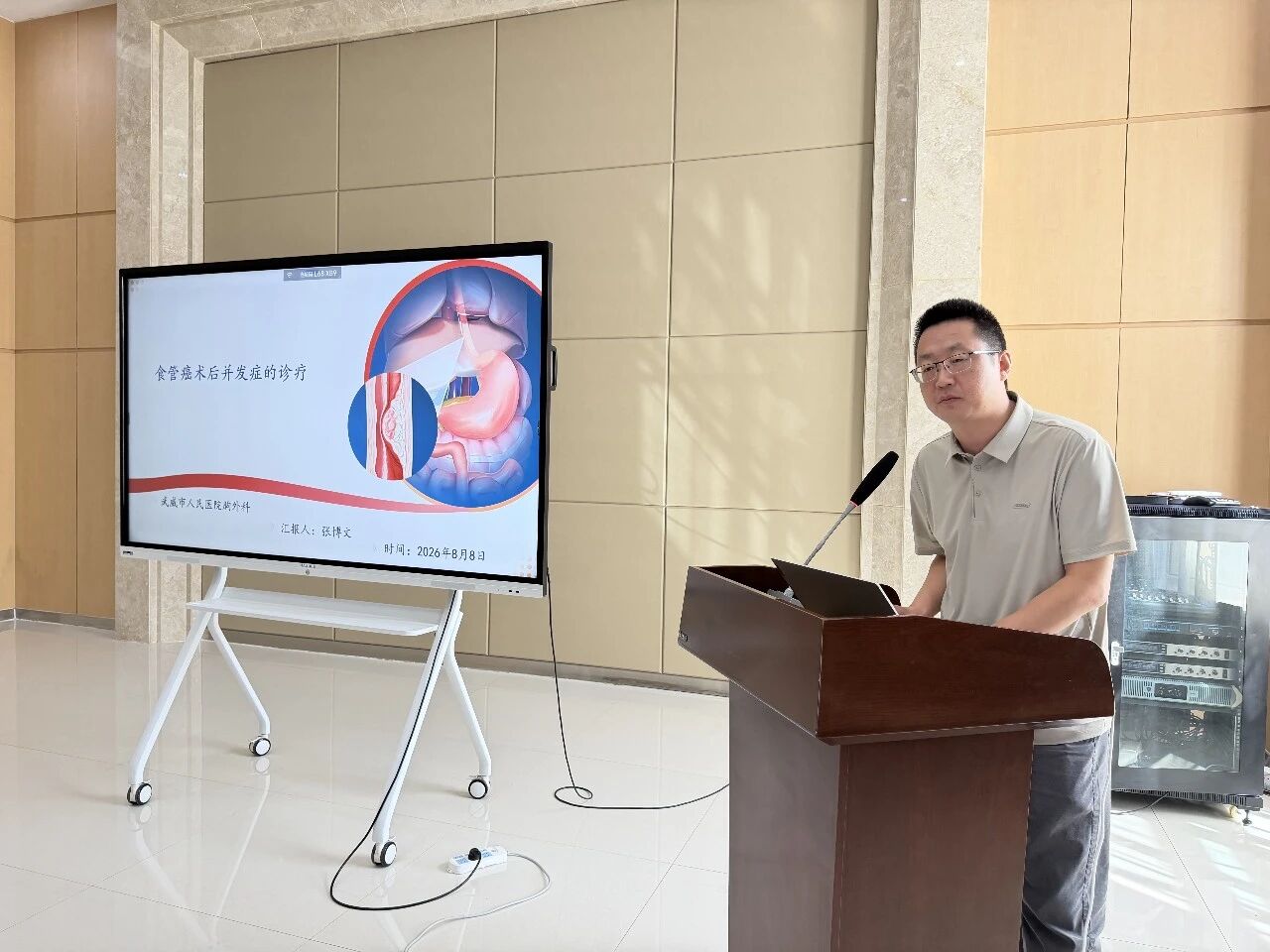
Professor Zhang Bowen from Wuwei People's Hospital, delivering a lecture on Diagnosis and Management of Postoperative Complications in Esophageal Cancer
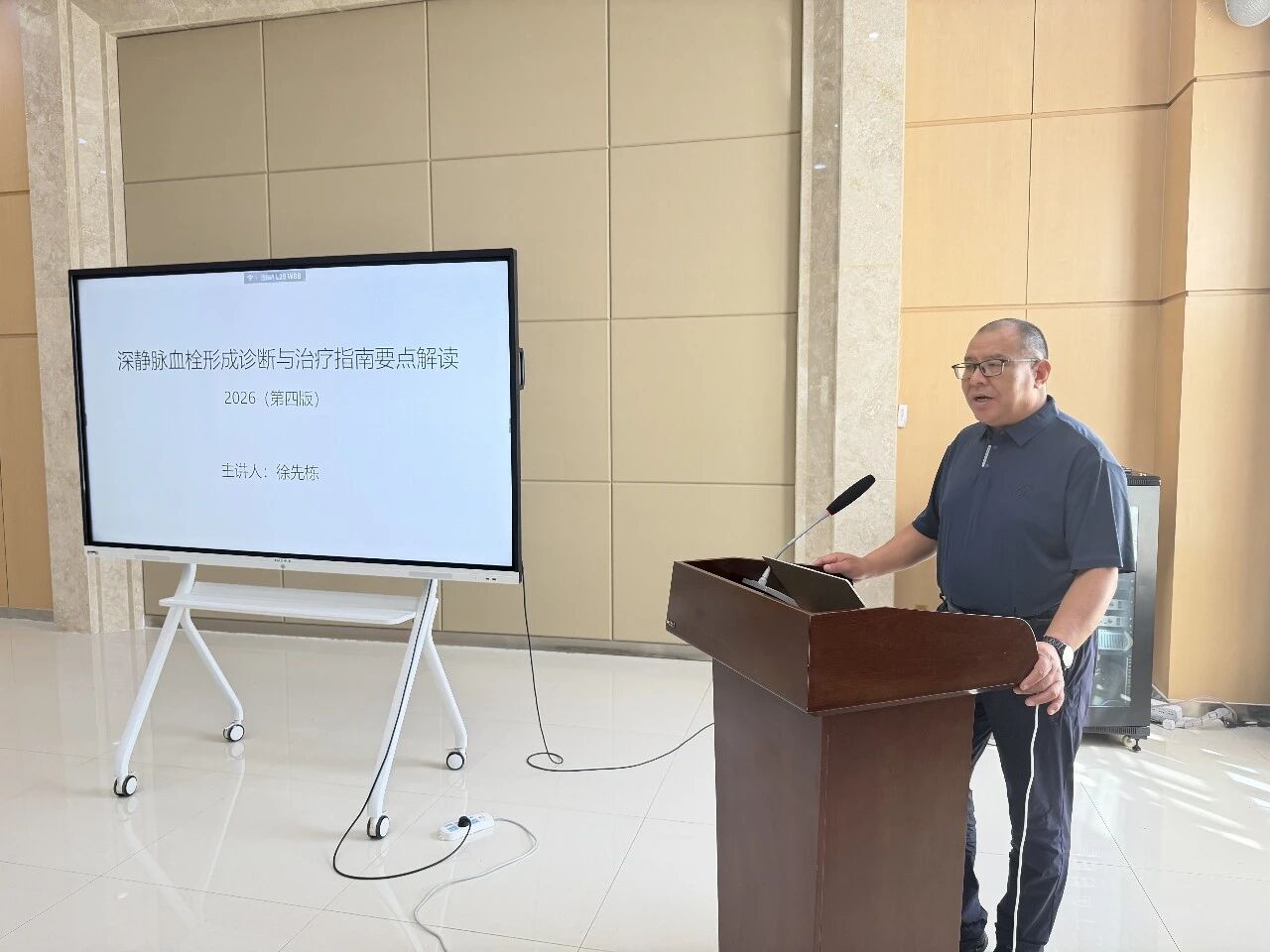
Professor Xu Xiandong from Minqin County People's Hospital, delivering a lecture on Key Points in the Diagnosis and Treatment Guidelines for Deep Vein Thrombosis
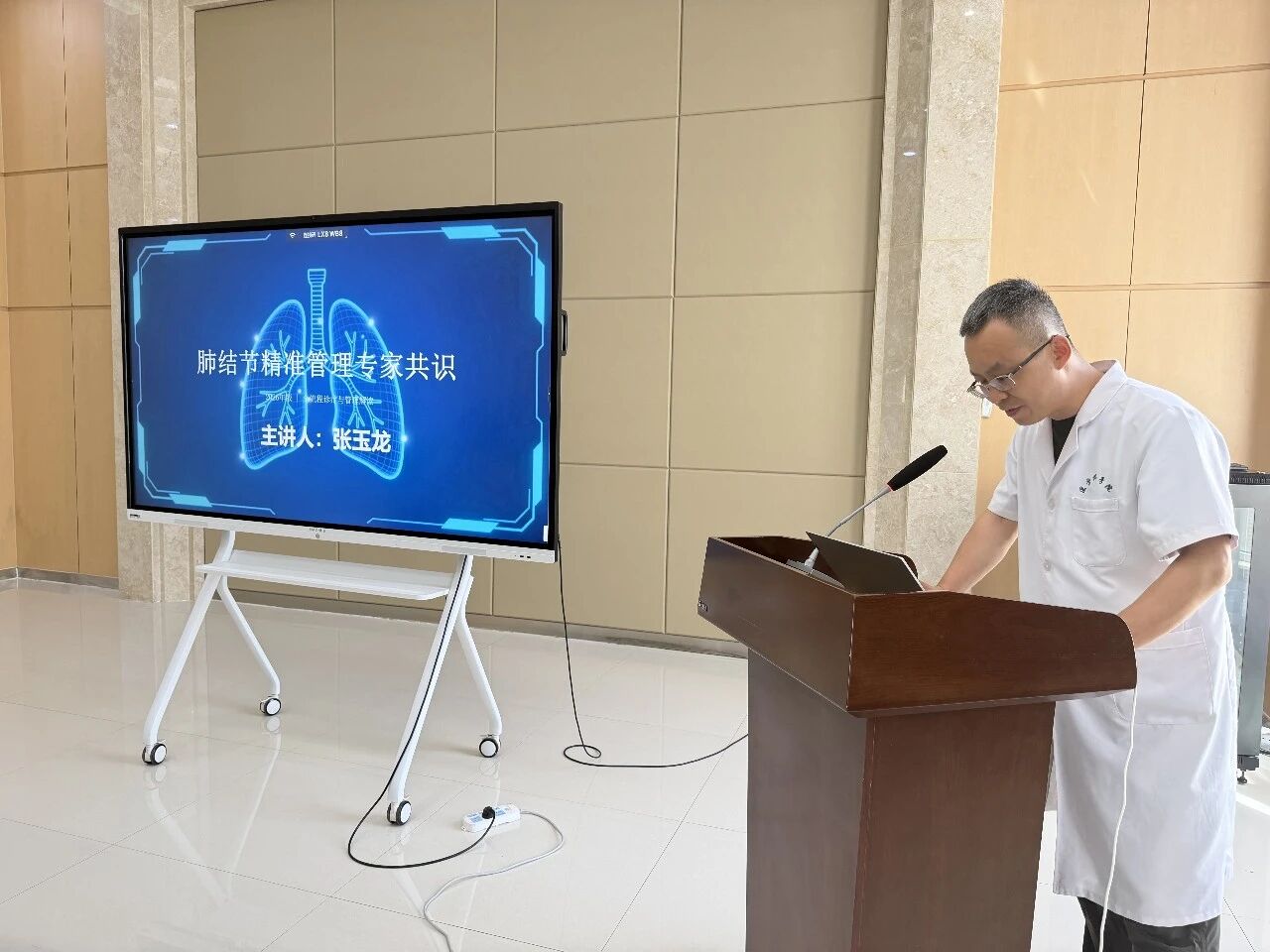
Professor Zhang Yulong from Gansu Wuwei Cancer Hospital, delivering a lecture on Expert Consensus on Precision Management of Pulmonary Nodules
During the discussion session, attending experts engaged in multidimensional academic dialogue on key topics including individualized treatment strategies for lung cancer, post‑operative management decisions for high‑risk stage I lung adenocarcinoma patients, and safety‑related trade‑offs in thoracic surgery. Professors Wu Zhijian, Zhang Xiaoru, and Zhang Bowen, drawing on their extensive clinical experience and the latest research advances, engaged in in‑depth exchanges. The discussions featured both productive debates and sharing of practical experience, generating consensus on multiple fronts and offering new insights for the overall improvement of thoracic surgery care in the region.
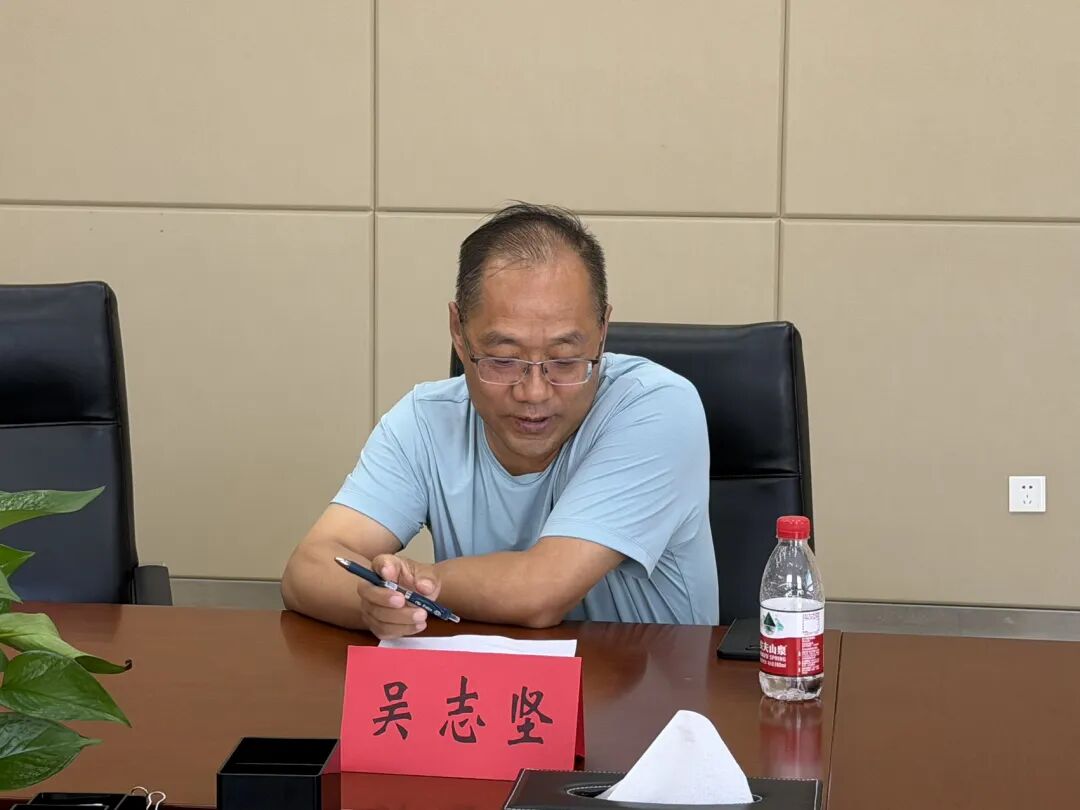
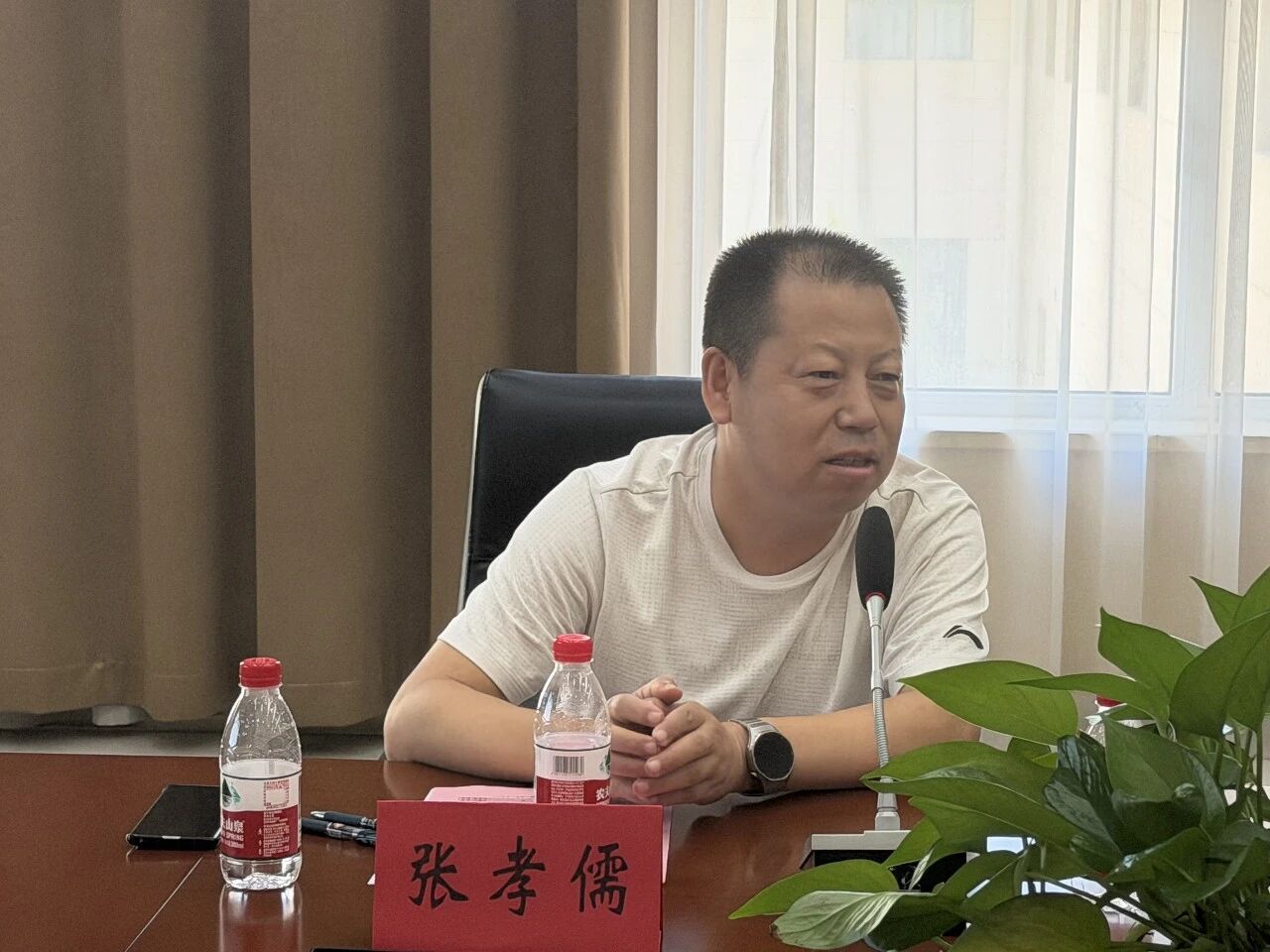
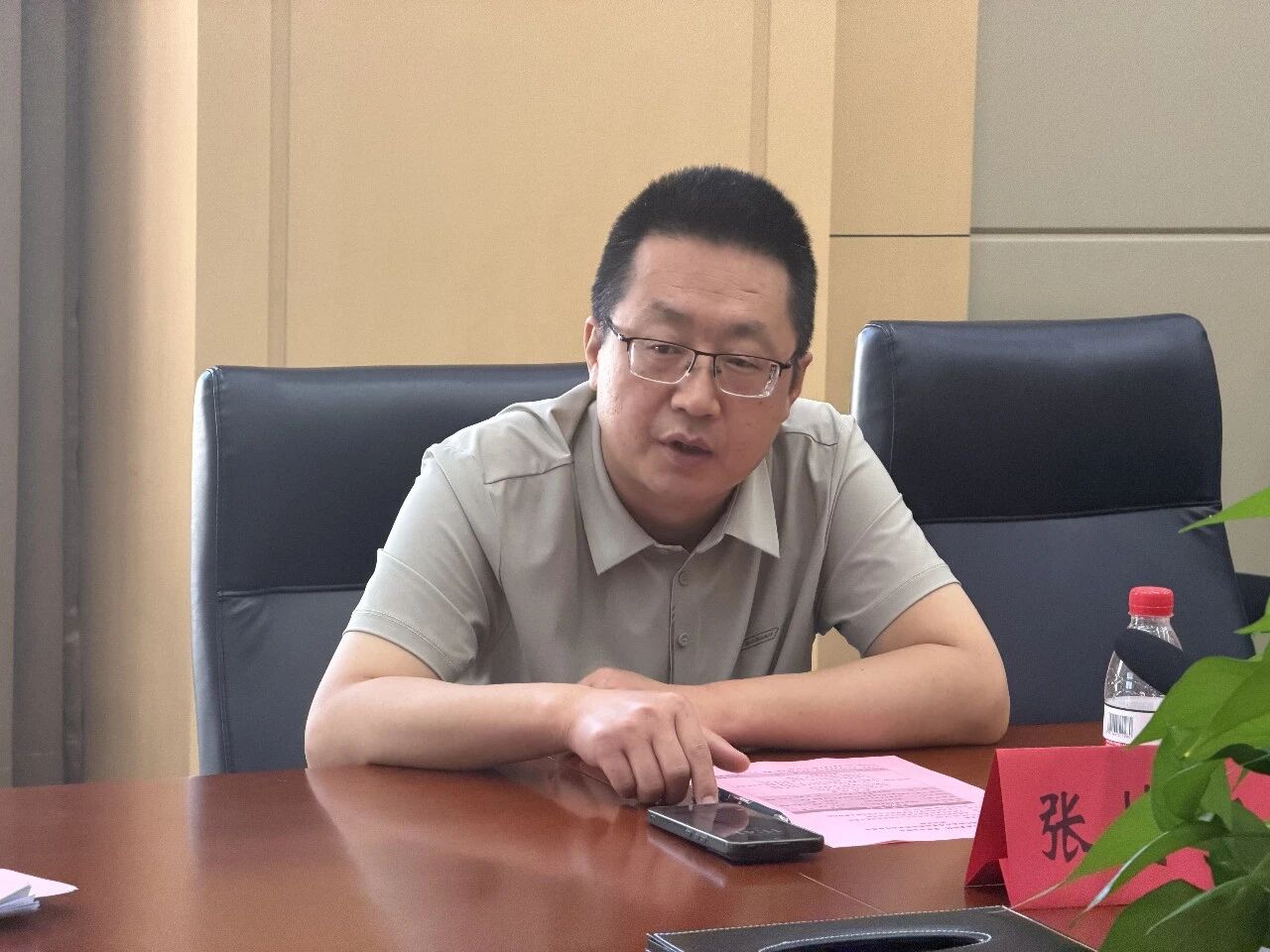
Discussion Experts
As a municipal‑level key thoracic surgery discipline with 38 years of development, our Department of Thoracic Surgery has established a reputation that extends across the Hexi region and surrounding areas. The department consistently ranks among the top prefecture‑level hospitals in the province in terms of annual minimally invasive surgery volume. It offers a full range of routine and high‑difficulty thoracic surgeries, including procedures involving the esophagus, cardia, mediastinum, diaphragm, trachea, lungs, chest wall, and pleura. The department has developed three core specialty strengths: standardized diagnosis and treatment of thoracic tumors, minimally invasive enhanced recovery surgery, and management of complex and critical thoracic conditions. It maintains long‑term, in‑depth collaboration with leading thoracic surgery teams from institutions including the Cancer Hospital of the Chinese Academy of Medical Sciences, Shanghai Pulmonary Hospital, The First Hospital of Lanzhou University, and Lanzhou University Second Hospital, continuously contributing to the high‑quality, coordinated development of thoracic surgery care in the region.
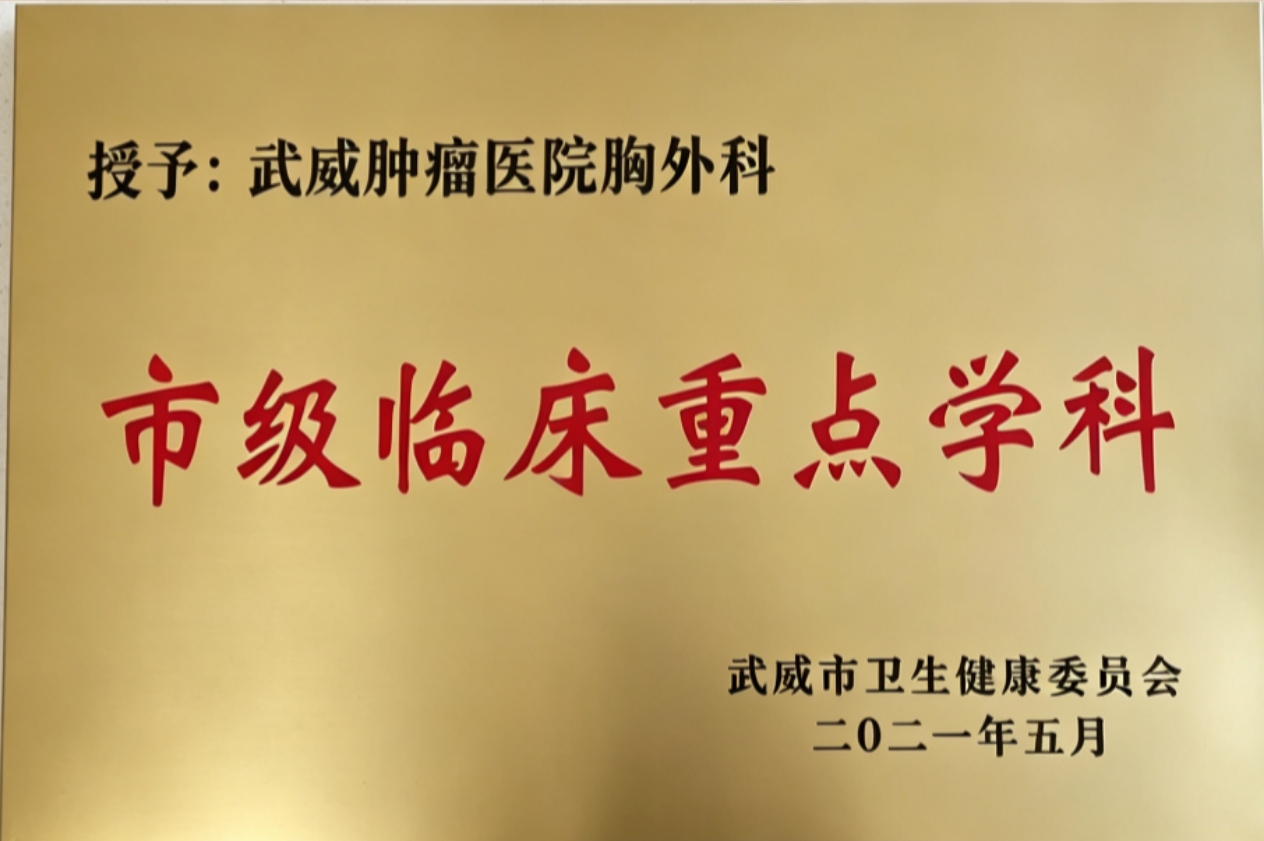
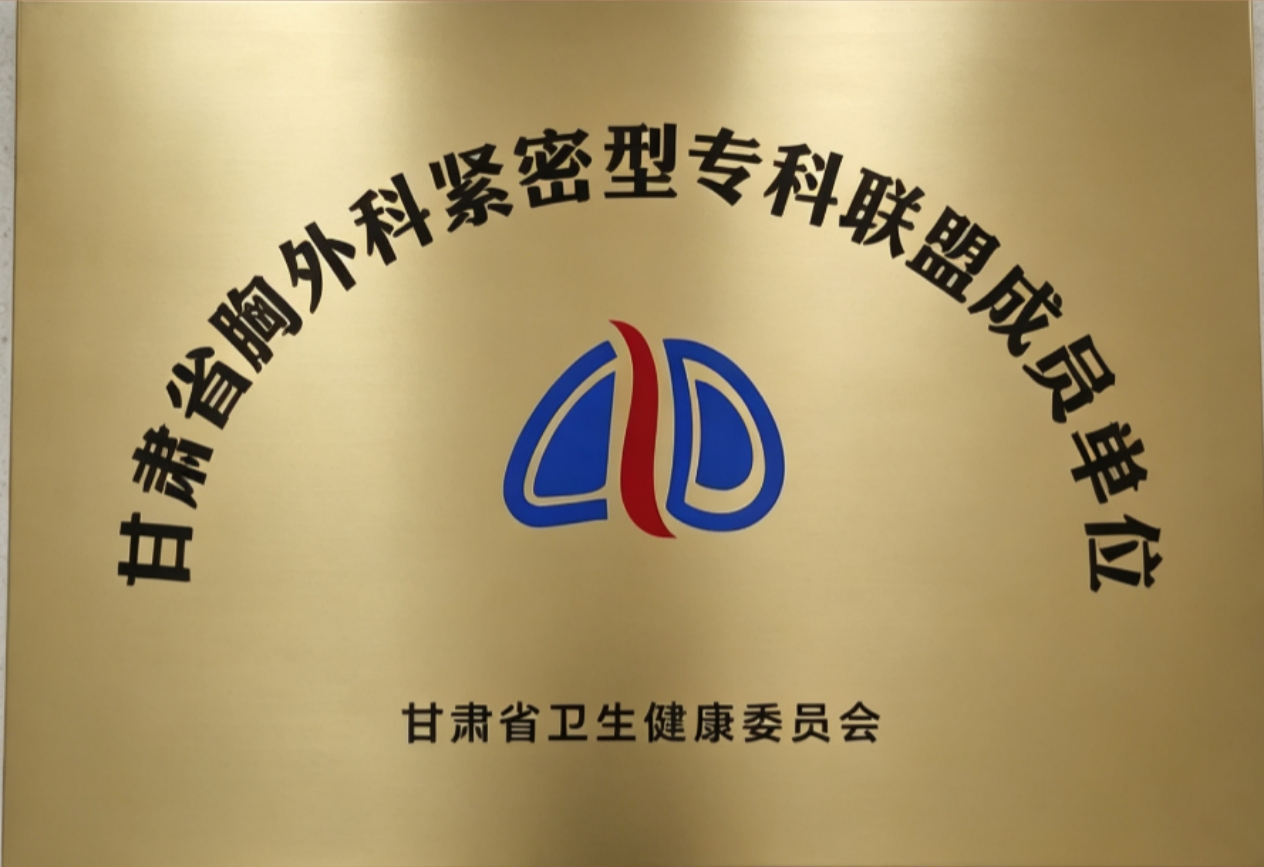
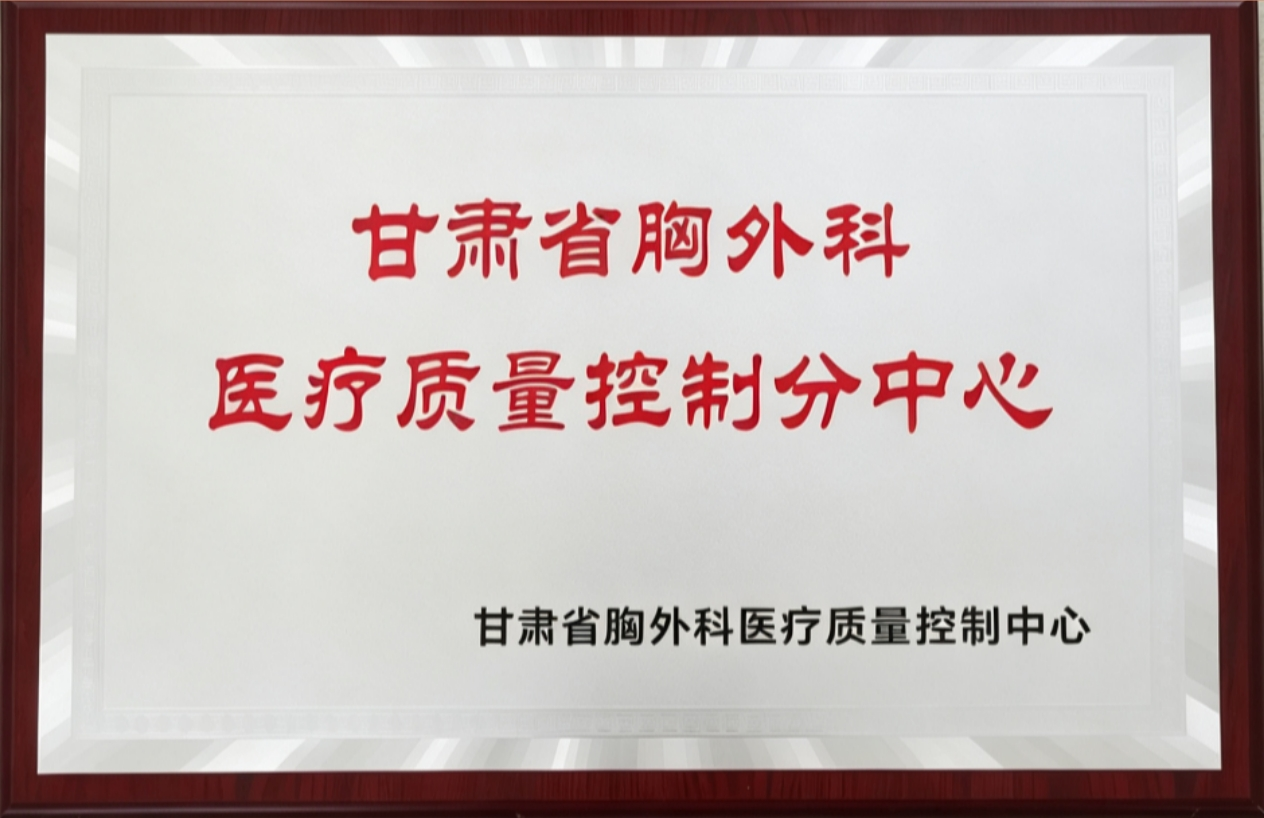
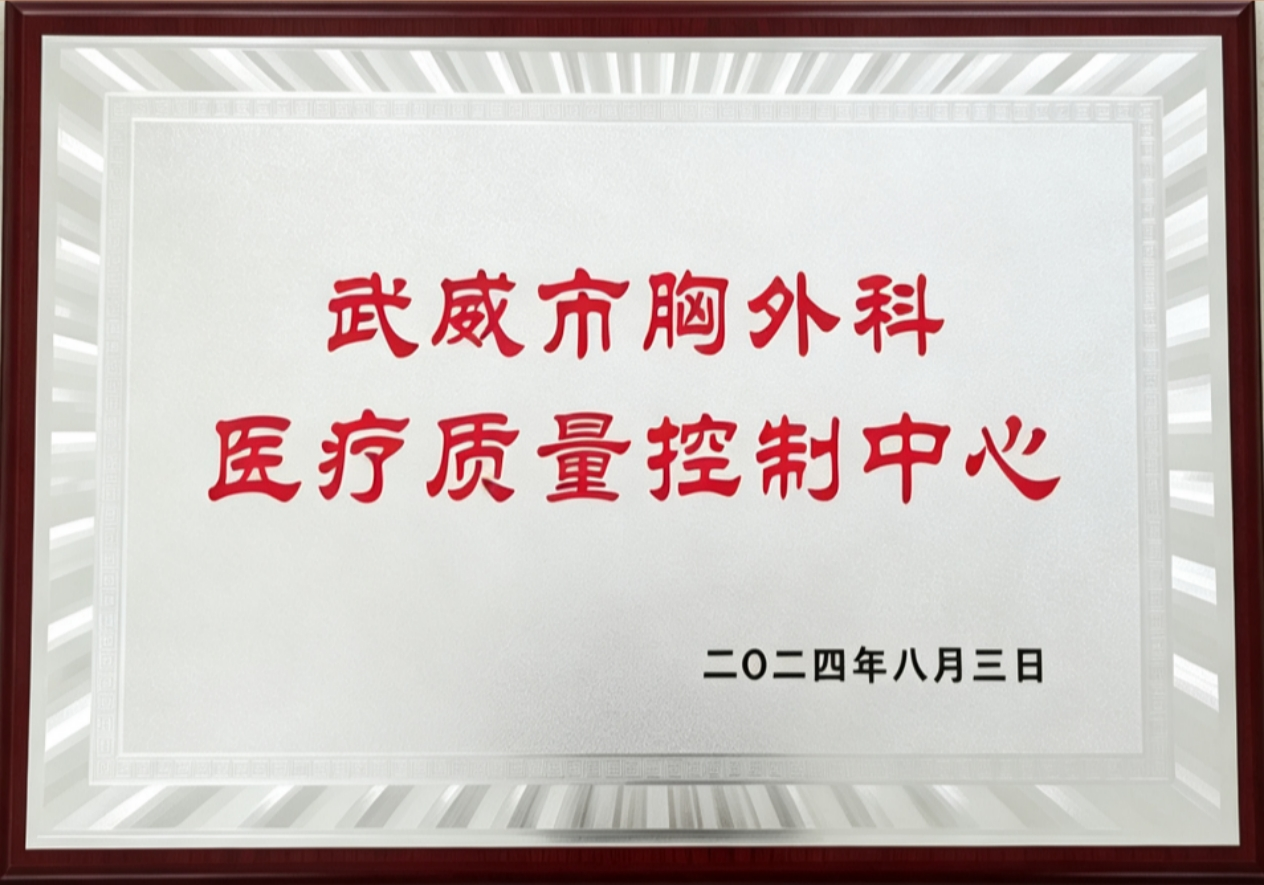
Guarding every breath and honoring every trust is the unwavering commitment of our Department of Thoracic Surgery — and a reflection of our hospital's mission to advance the Healthy China strategy. As the host institution of the regional thoracic surgery quality control center, our hospital will continue to build collaborative bridges with top domestic medical institutions, bringing cutting‑edge concepts and technologies to the grassroots level. We will regularly conduct diagnostic and treatment training and quality control supervision, embedding standardized safety principles into every surgical procedure. We will continue to refine our multidisciplinary collaboration and perioperative management systems, safeguarding the life and health of every patient with professional expertise and compassionate care.
Writer: Han Shirong, Yang Yang
First Review: Yang Yang
Second Review: Guo Yishan
Third Review: Cai Qinghua
Gansu Wuwei Cancer Hospital (Wuwei Institute of Medical Sciences)
(甘)医广【2025】第11-14-387号