TCM Mentorship Program Mid-Term Evaluation Held at Gansu Wuwei Cancer Hospital
TCM Mentorship Program Mid-Term Evaluation Held at Gansu Wuwei Cancer Hospital
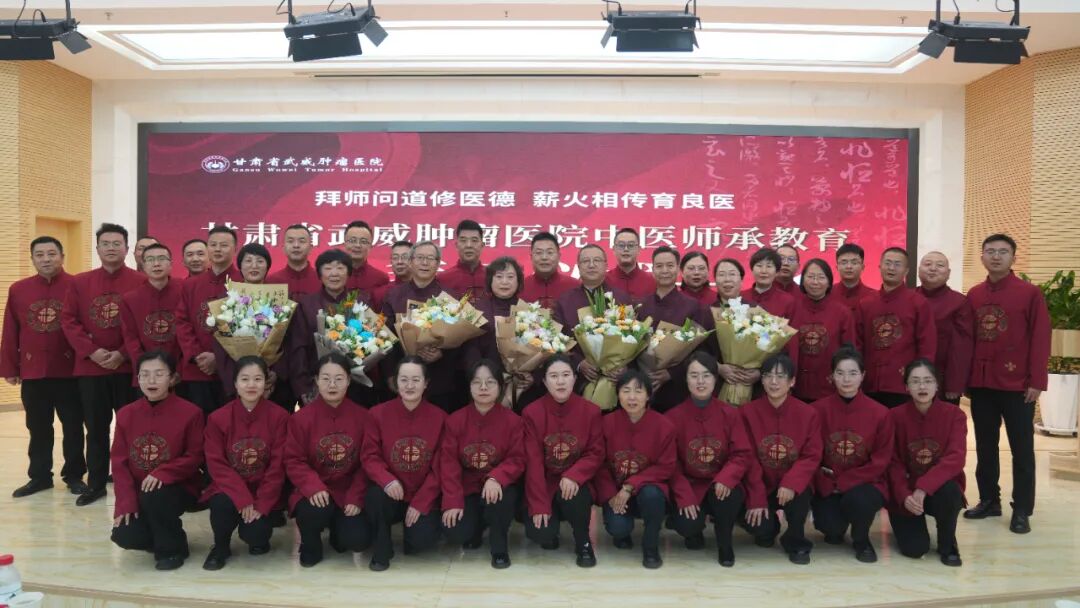
On July 24, the Mid-Term Evaluation Meeting for the First Year of the Traditional Chinese Medicine (TCM) Mentorship Program at Gansu Wuwei Cancer Hospital was successfully convened in Conference Room 8 of the Heavy Ion Campus Main Building. Aligned with the national “15th Five-Year Plan” for TCM development and the high-quality requirements of mentorship education, the meeting systematically reviewed the progress of the past year. This evaluation served not only as a thorough academic check but also as a vivid example of how the hospital—a regional cancer hub operating two heavy-ion therapy systems—is actively integrating TCM into modern oncology practice.
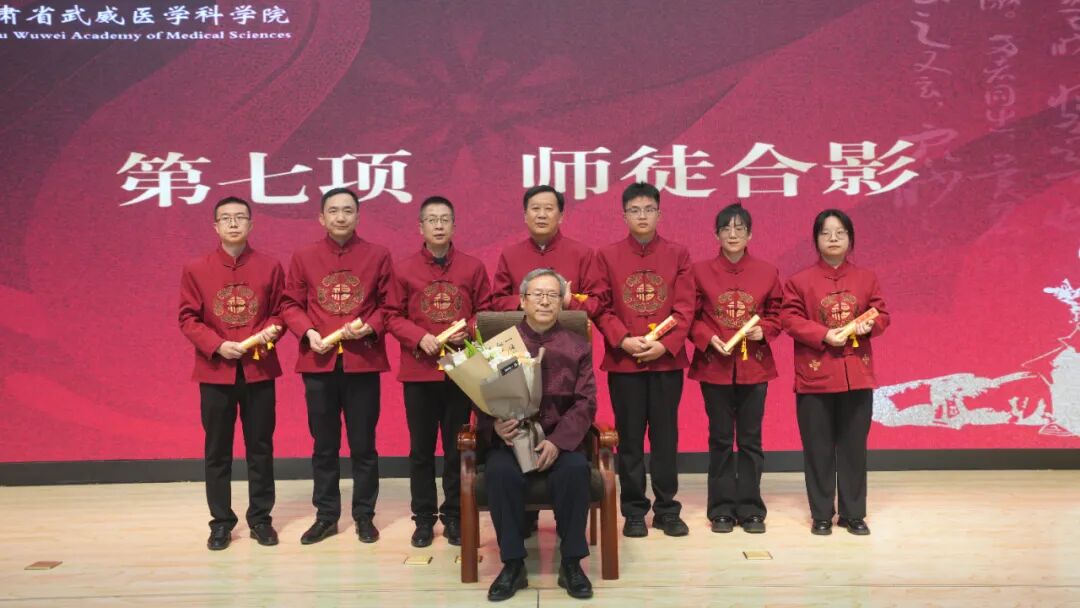
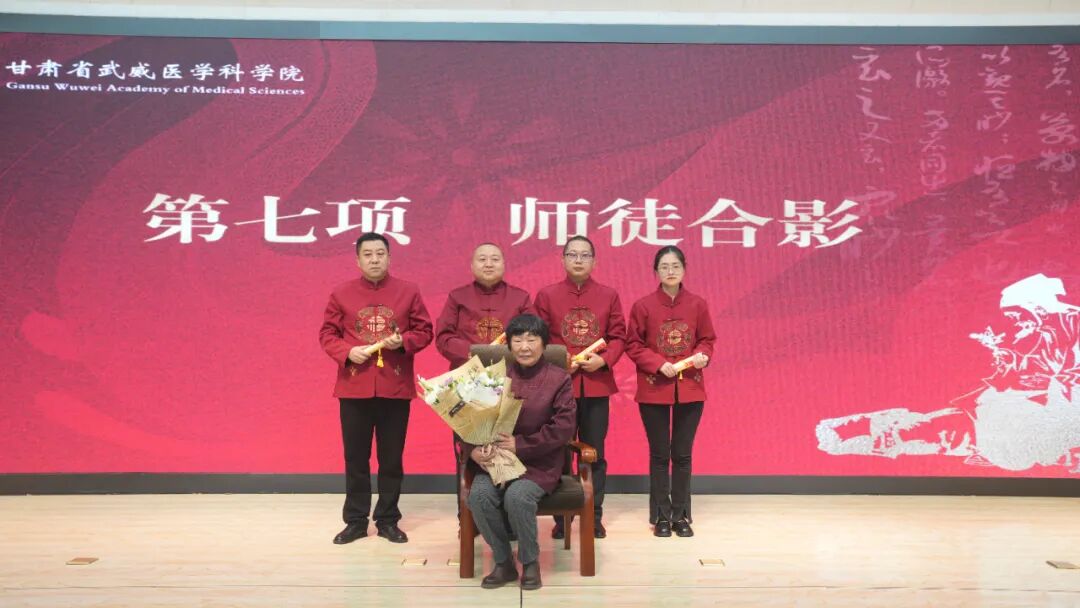
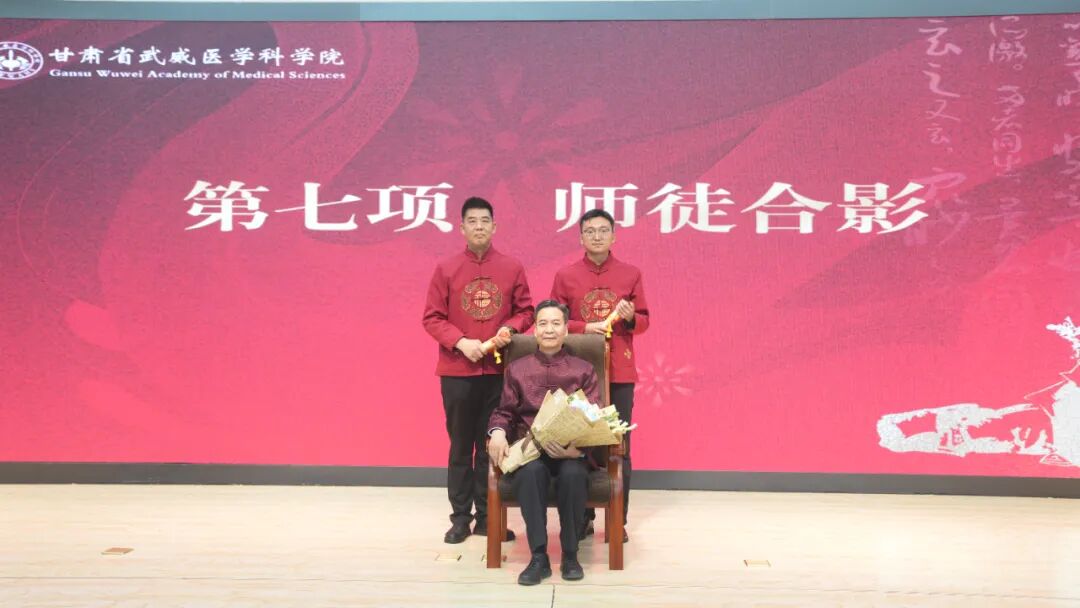
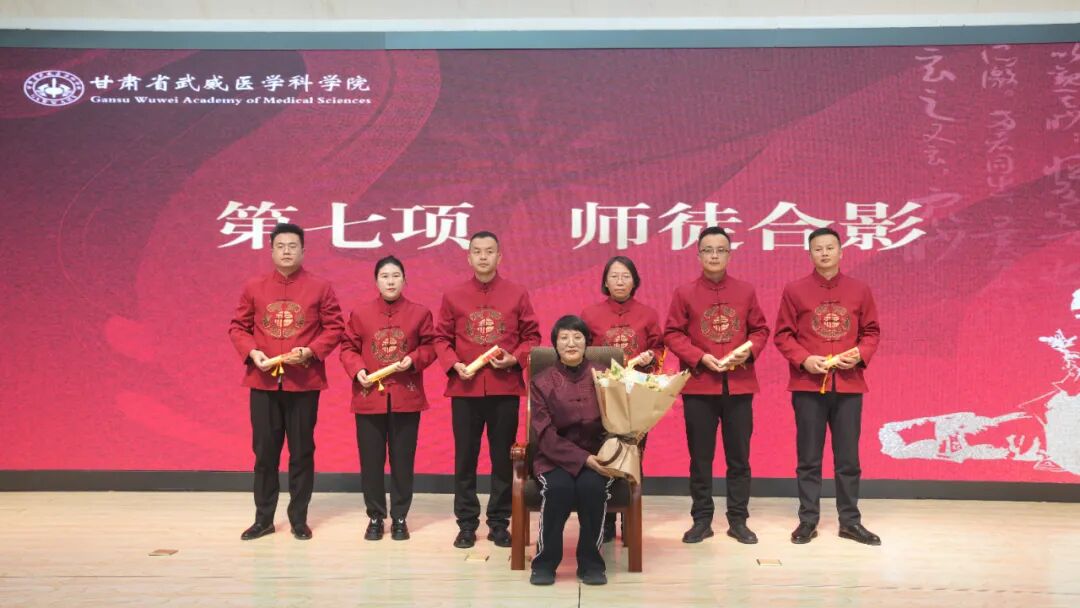
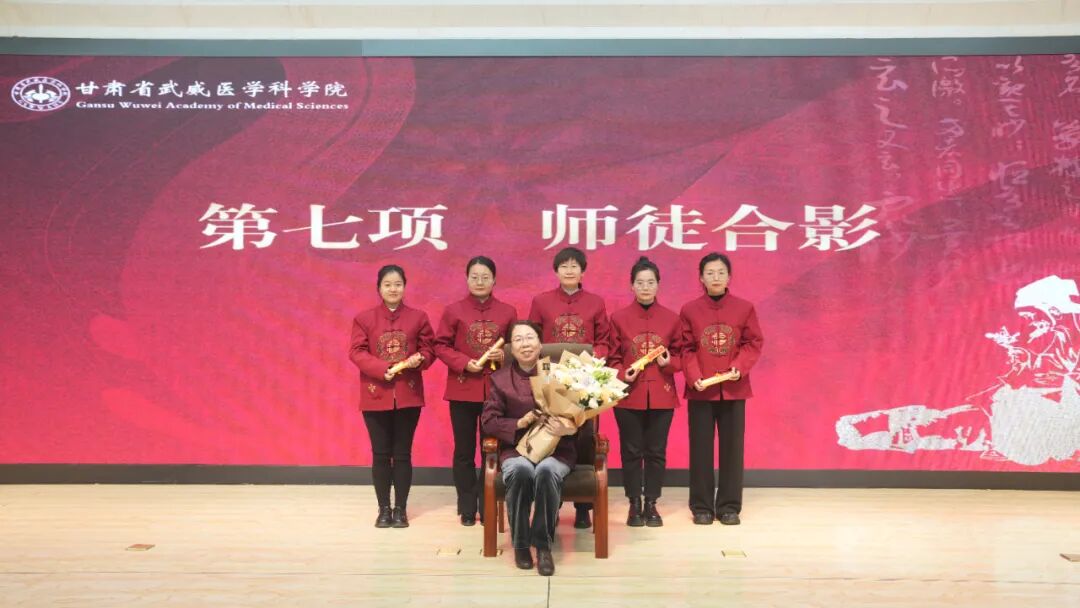
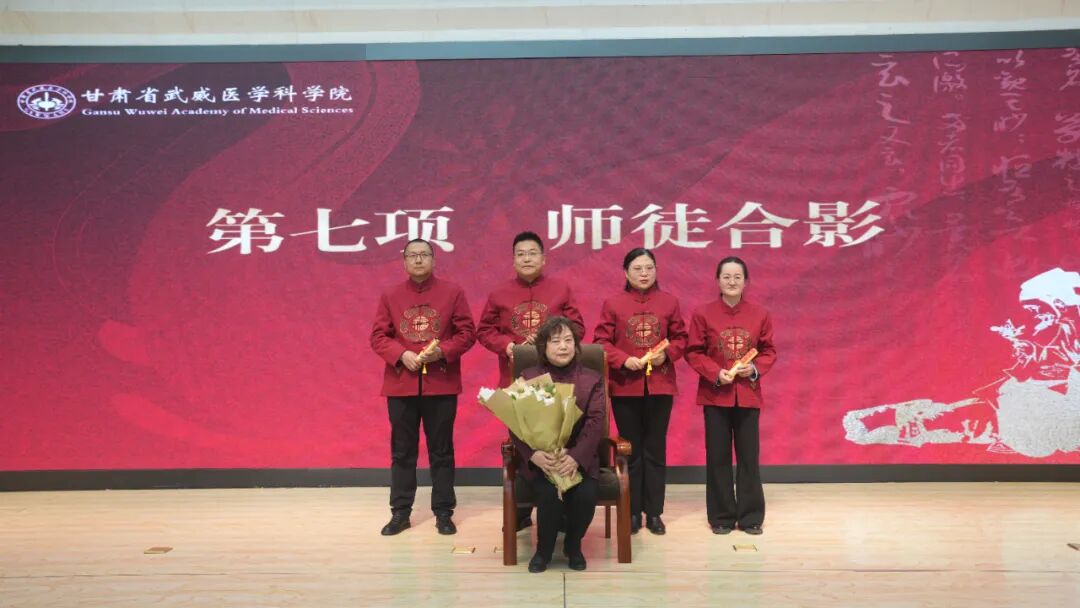
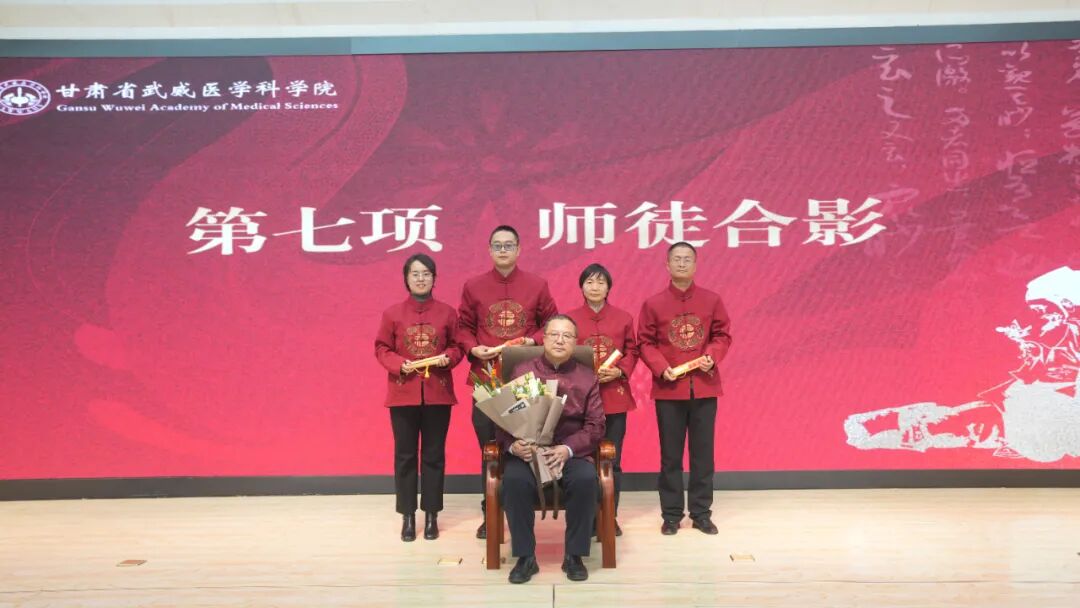
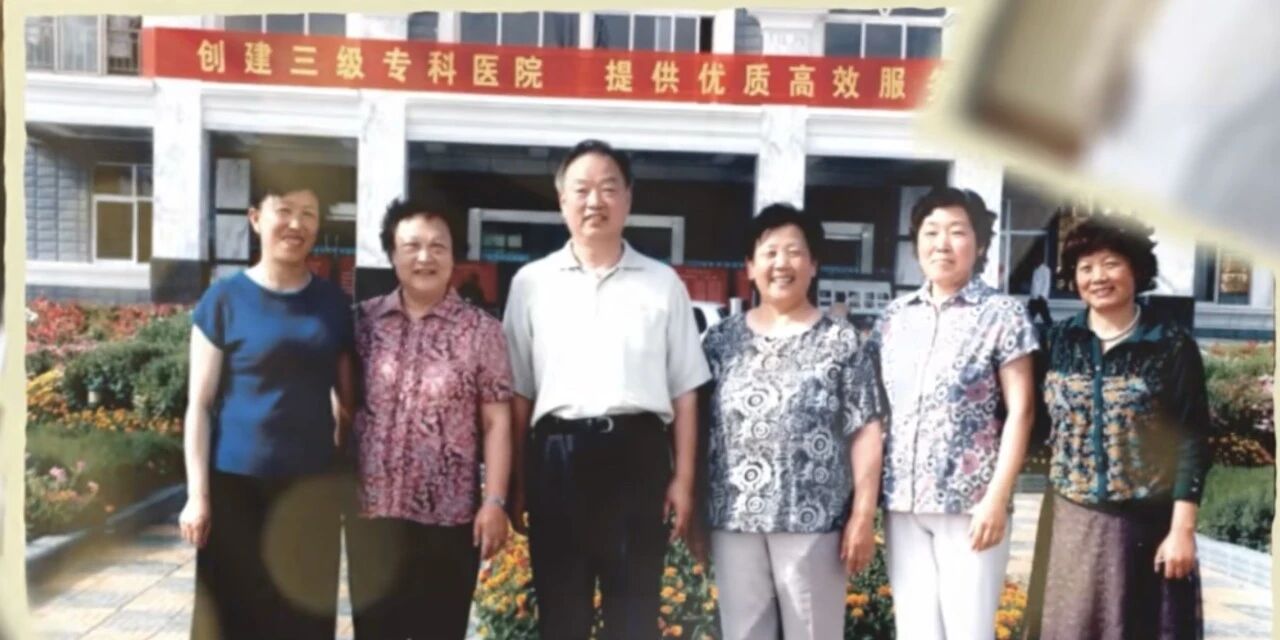
Since the hospital's founding, the seeds of traditional Chinese medicine have taken root and flourished on this fertile ground of medical practice. Early pioneers — such as Liu Shuqin, Zhao Mingfang, and Yuan Yongyi — dedicated themselves to the spirit of "great medicine with great compassion," delving deeply into ancient texts and transforming classical wisdom into effective clinical remedies. Through their skill and compassion, they laid a strong foundation for the hospital's TCM department and ensured the enduring continuity of TCM practice at our institution.
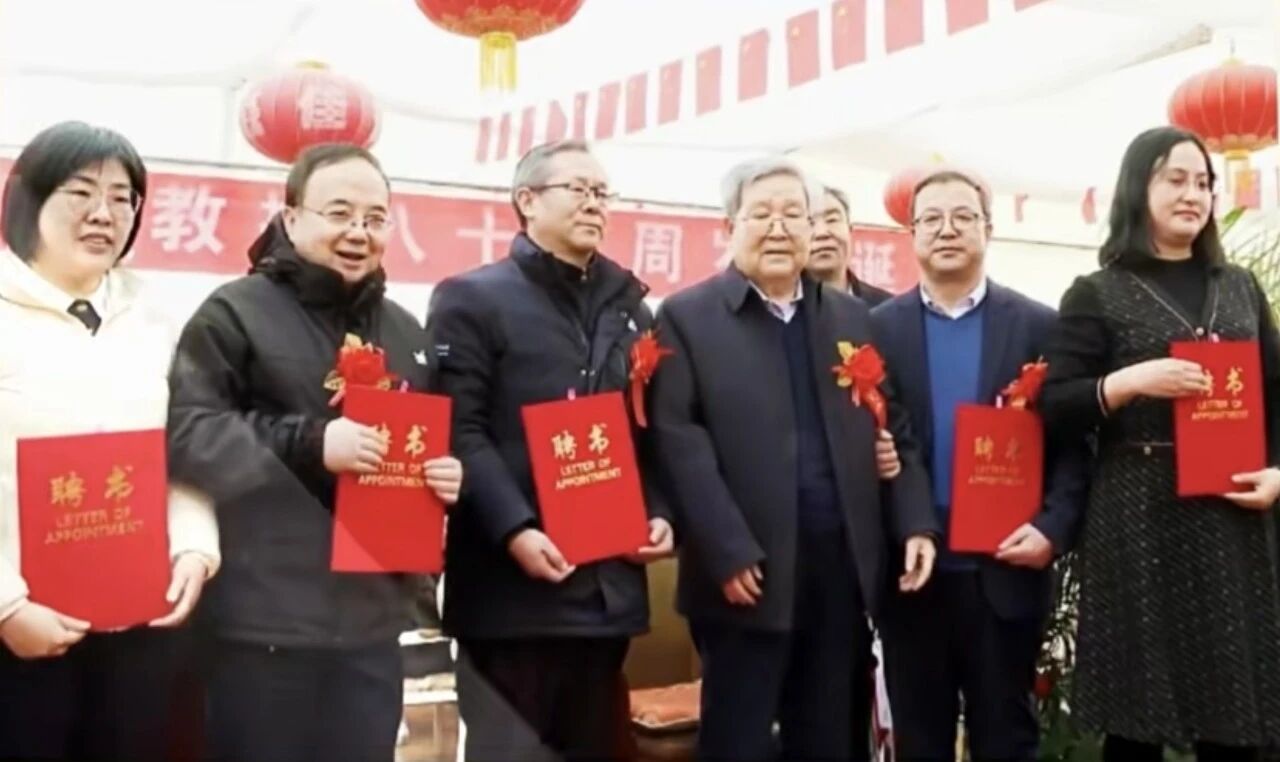
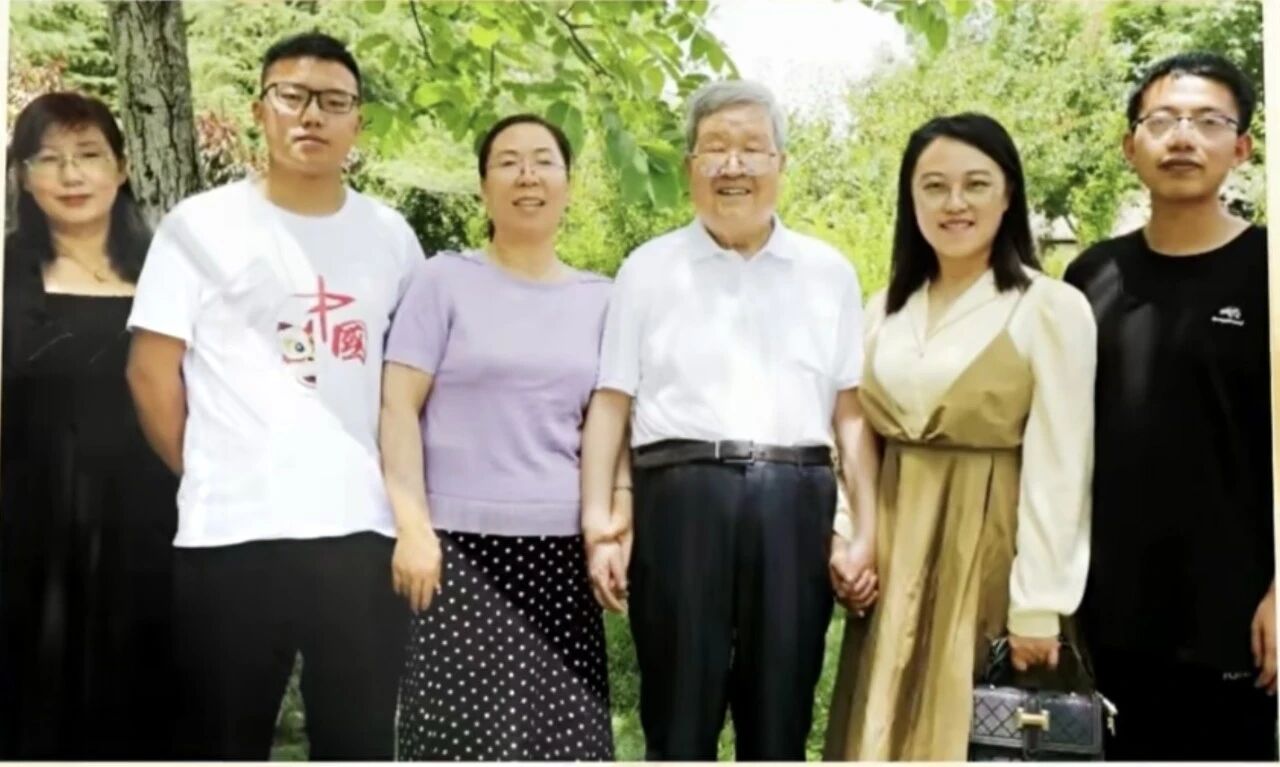
**Inheritance and innovation begin with talent.** The hospital's "Professor Pei Zhengxue Clinical Experience Inheritance Base for Integrated Traditional Chinese and Western Medicine" has been formally established and operates effectively, translating Professor Pei's academic thought and clinical expertise into practice in tumor diagnosis and treatment. Under Professor Pei's direct guidance, ten disciples, including Li Yinghong and Chen Yuxia, have successfully completed their training and have become key practitioners in the field of integrated TCM‑Western medicine. Nationally renowned TCM expert Professor Mi Denghai and Professor Cao Jingyu, a direct disciple of Professor Pei, continue to work at the clinical frontline, driving the widespread adoption of integrated TCM‑Western medicine in cancer care. Provincial‑level TCM experts, including Chief Physicians Wang Lanying, Zhao Mingfang, and Wang Yuming, have provided strong support, further strengthening the hospital's foundation in TCM‑based cancer care and building a multi‑level, high‑caliber TCM talent pipeline.
Innovation is also driven by opportunity, and breakthroughs emerge from integration. With the clinical introduction of China's first heavy ion system at our hospital, the TCM department has been a pioneer in developing a "TCM + heavy ion" whole‑life‑cycle cancer treatment model. By combining the holistic regulatory strengths of TCM with the precision of heavy ion therapy, the hospital has created a distinctive "Chinese solution" for cancer care that stands at the forefront of medicine. This approach has attracted patients from across China and around the world, offering renewed hope to countless patients.
This mid‑term evaluation served as a vivid reflection of the mentorship program's progress. Apprentice physicians took the stage one by one, presenting their gains from the past six months — covering insights from following their mentors, reflections on classical texts, and outcomes from clinical practice — with well‑documented content and illustrative case examples. Professor Mi Denghai encouraged the apprentices to deeply internalize the "sixteen‑character principle": "Western medicine for diagnosis, TCM for syndrome differentiation, TCM as the primary treatment, Western medicine as a supplement." Professor Wang Lanying offered the guidance: "Be diligent and persistent; accumulate knowledge steadily before making an impact." Professor Cao Jingyu provided targeted instruction on the TCM treatment of gastrointestinal tumors and respiratory diseases. Professor Wang Yuming guided his group to focus on treating insomnia and anxiety induced by radiotherapy and chemotherapy, with the goal of developing distinctive acupuncture‑based therapies. All mentors acknowledged the progress made by their apprentices, while also pointing out the need for further refinement in pulse diagnosis accuracy. They emphasized the importance of repeatedly cross‑referencing classical theory with clinical practice to strengthen diagnostic skills.
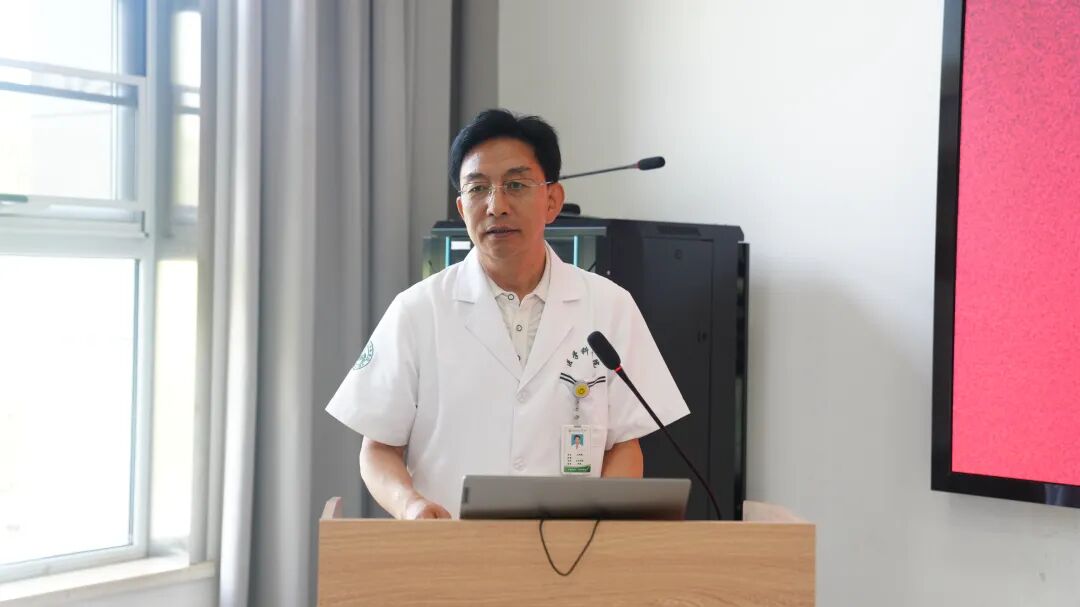
Ye Yancheng, President of Gansu Wuwei Cancer Hospital, delivering a speech
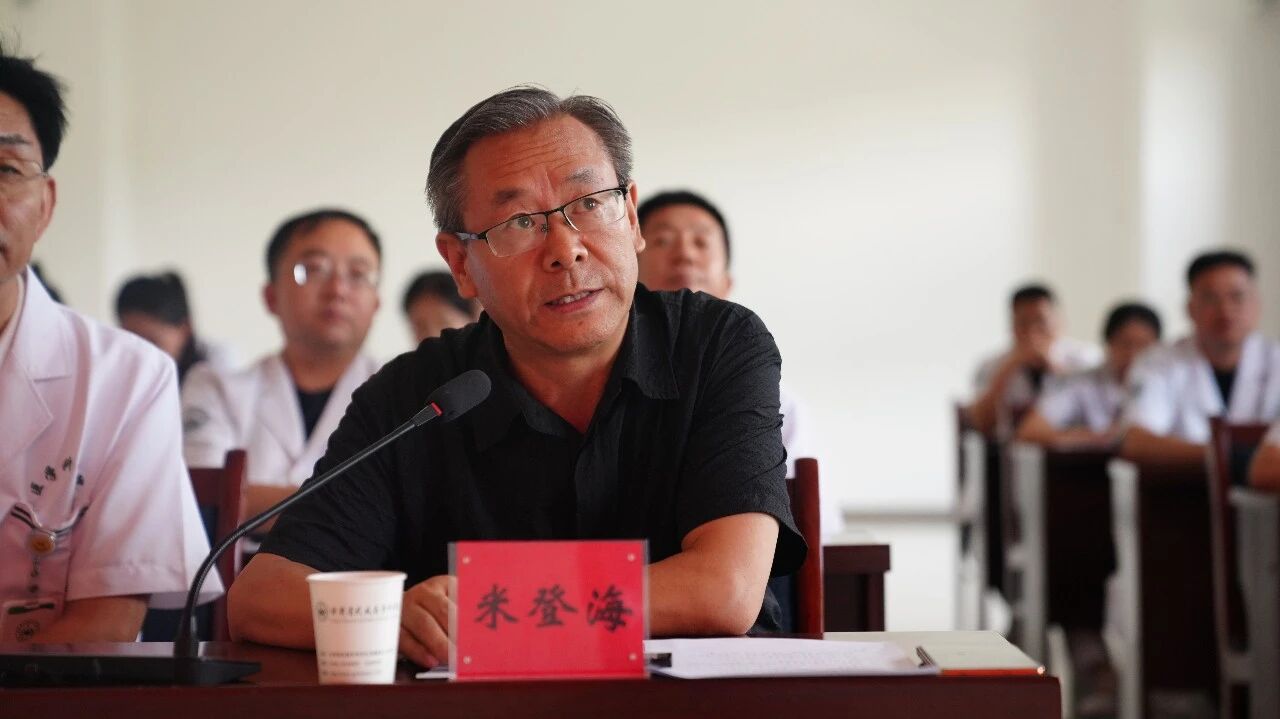
Professor Mi Denghai, a National-Level TCM Mentorship Instructor, delivering on-site comments
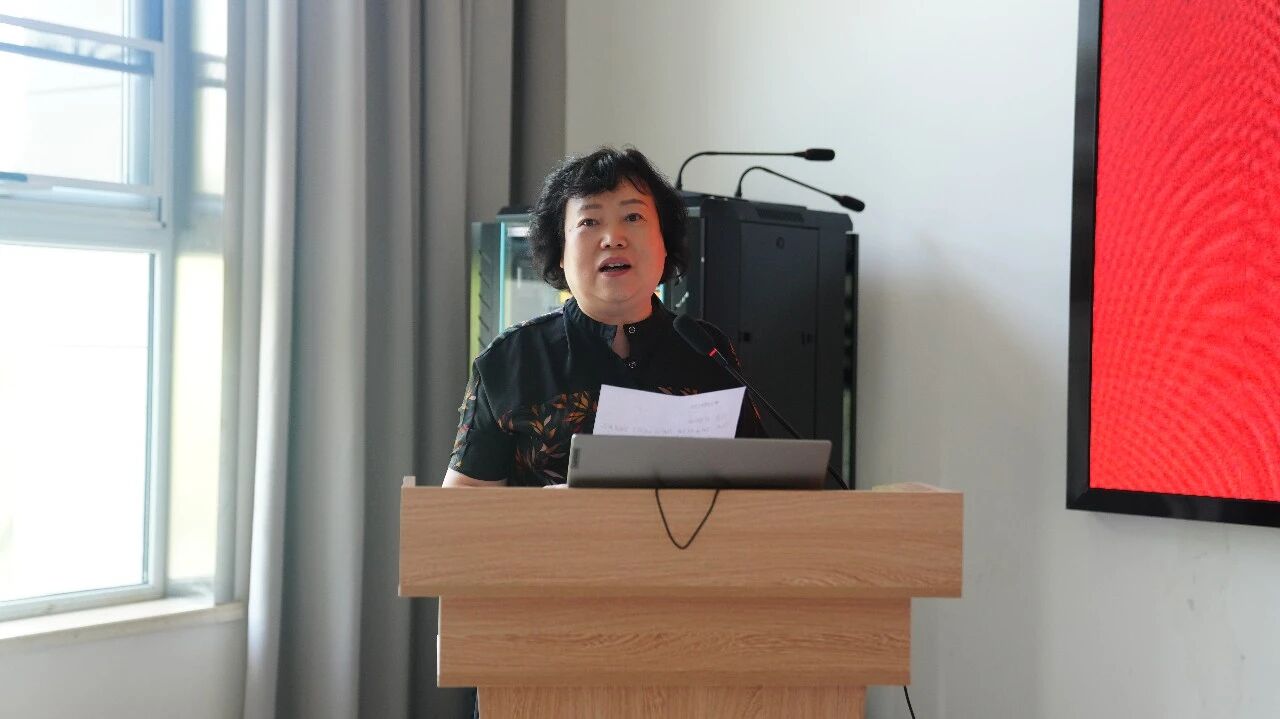
Professor Wang Lanying, a renowned TCM physician of Gansu Province, delivering on‑site comments
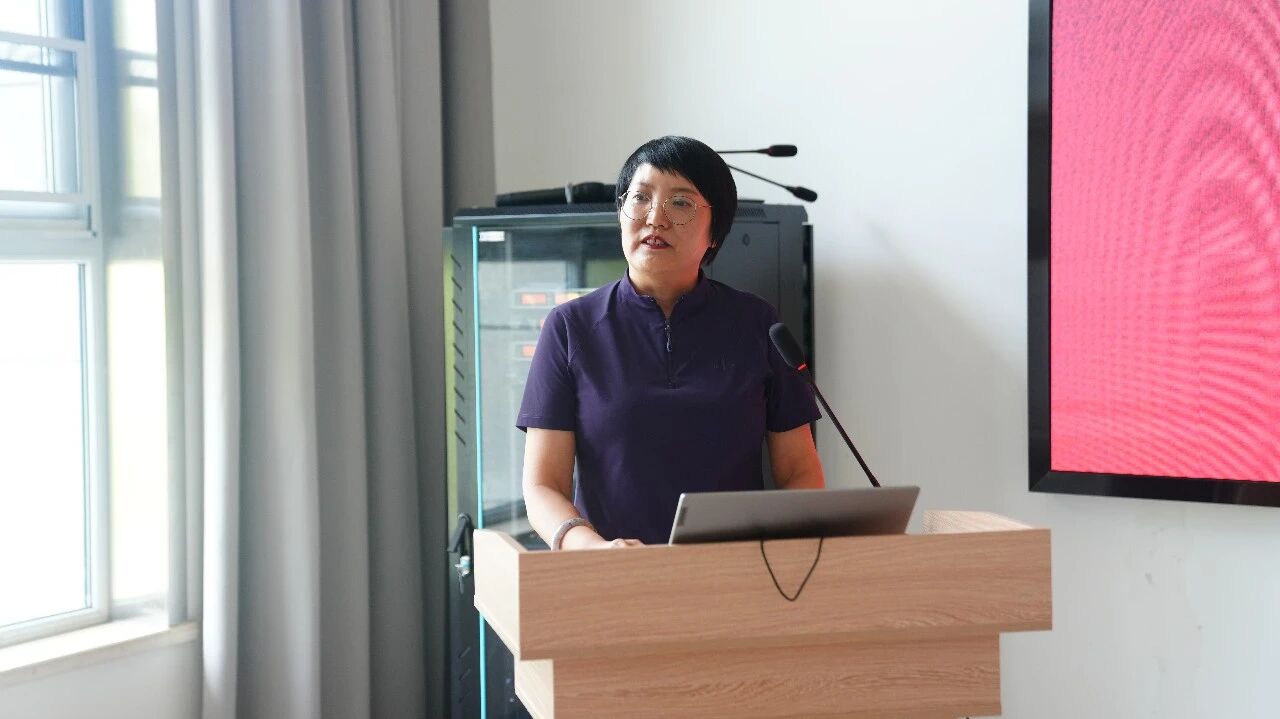
Professor Cao Jingyu, a renowned TCM physician of Gansu Province, delivering on-site comments
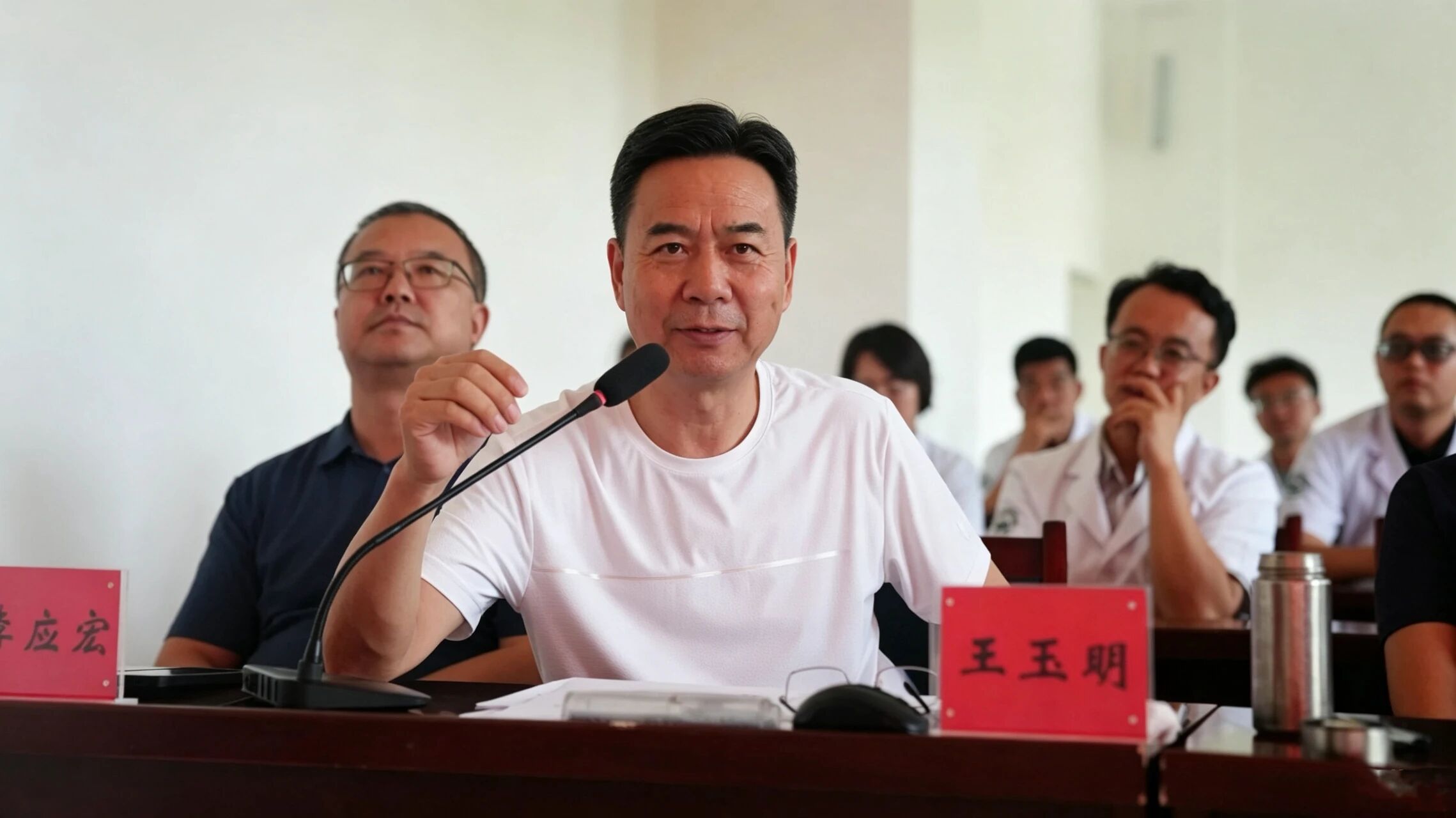
Professor Wang Yuming, a renowned TCM physician of Gansu Province, delivering on-site comments
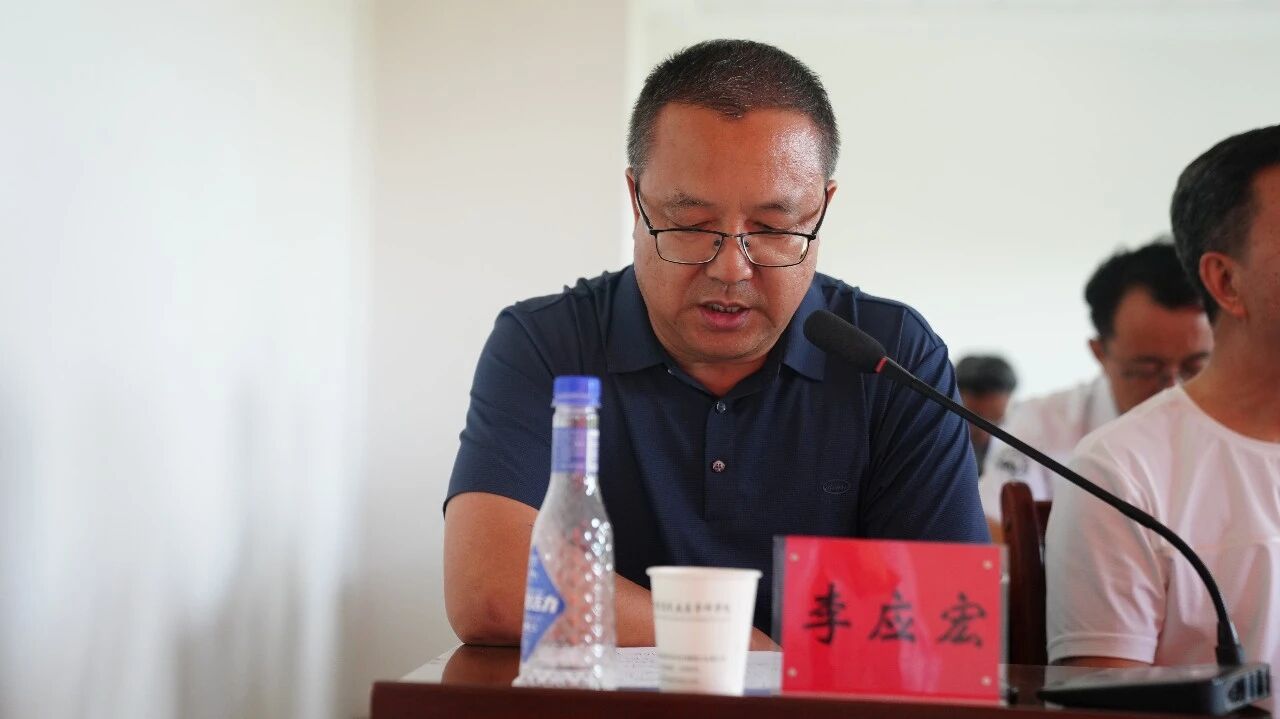
Li Yinghong, Director of the Department of Integrated Traditional Chinese and Western Medicine at Gansu Wuwei Cancer Hospital, delivering on-site comments
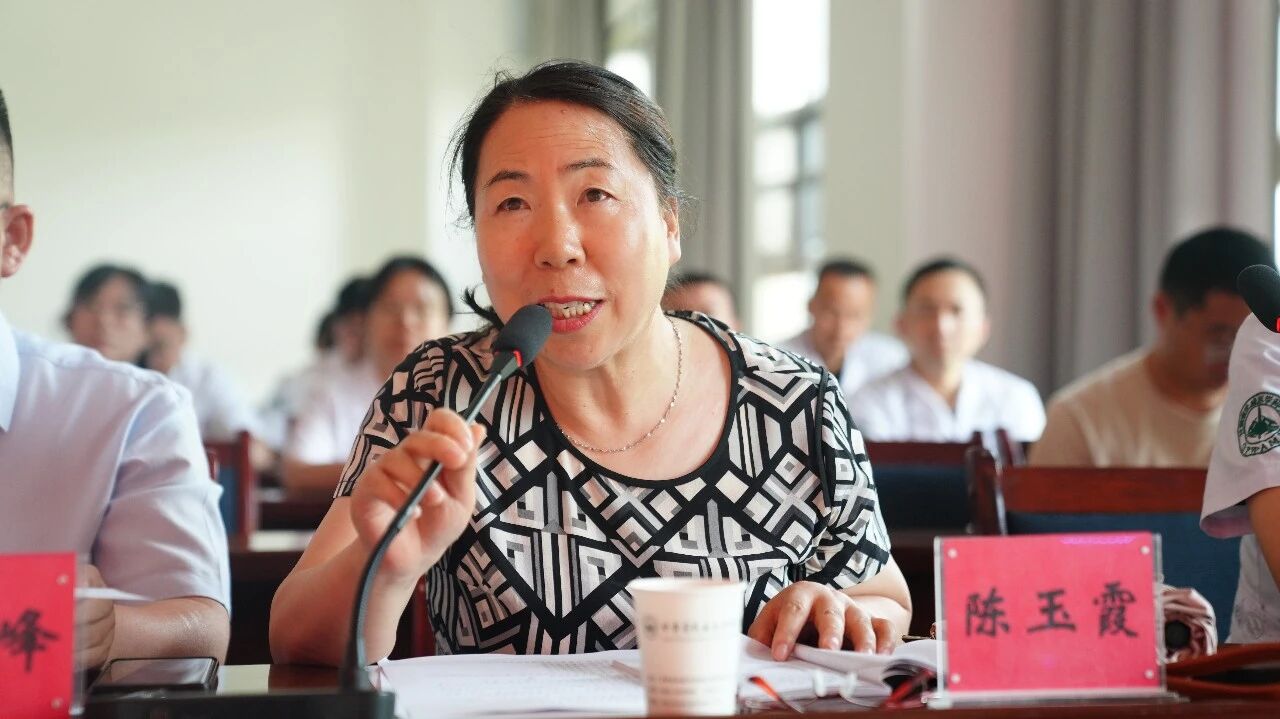
Professor Chen Yuxia, Director of the Department of Traditional Chinese Medicine at Gansu Wuwei Cancer Hospital, delivering on-site comments
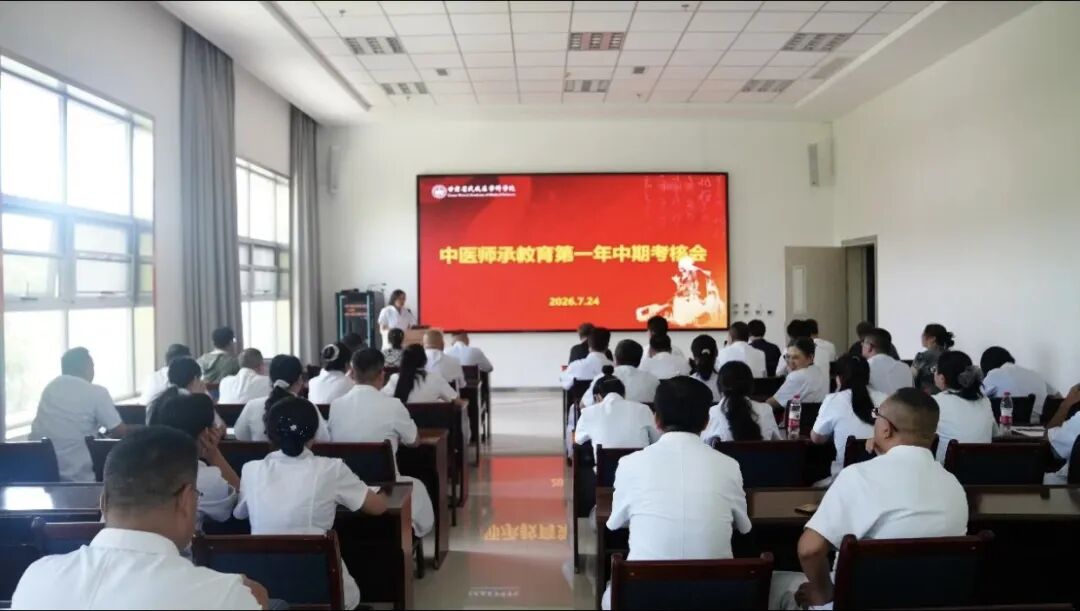
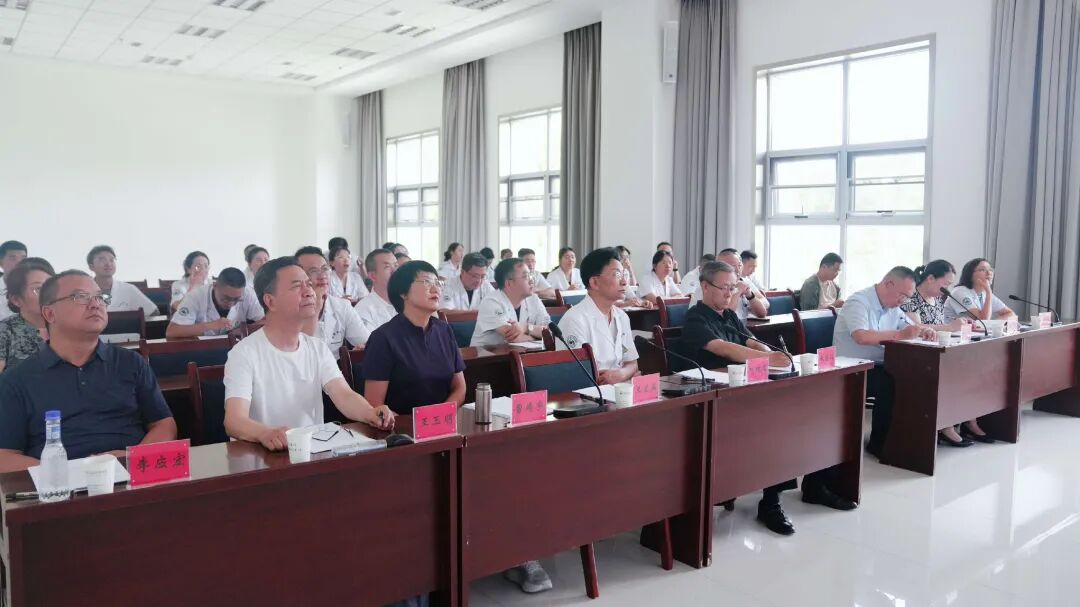
Passing the torch, upholding tradition, and innovating for the future. This mentorship evaluation was not only an assessment of progress achieved to date, but also a fresh starting point for the continued integration of traditional Chinese and Western medicine. The apprentices will carry forward their mentors' guidance, deepen their study of classical texts, and ground their practice in clinical experience. By integrating the core strengths of TCM with the distinctive features of heavy ion therapy, they will continue to enrich the integrated TCM‑Western oncology care system, ensuring that the millennia‑old legacy of Chinese medicine brings lasting benefit to more patients.
Writer: Guo Yishan, Yang Yang
First Review: Duan Shengyu
Second Review: Guo Yishan
Third Review: Cai Qinghua
Gansu Wuwei Cancer Hospital (Wuwei Institute of Medical Sciences)
(甘)医广【2025】第11-14-387号