The Charge Sounds Again: A Full-Scale Offensive Against Digestive Tract Cancer
The Charge Sounds Again: A Full-Scale Offensive Against Digestive Tract Cancer
--Wuwei Cohort Study on Environmental Factors and Digestive System Tumors Officially Launched
On July 23, the launch meeting for the "Wuwei Cohort Study on Environmental Factors and Digestive System Tumors" was held at the Heavy Ion Center of Gansu Wuwei Cancer Hospital. The study is jointly organized by the Environmental Oncology Committee of the China Anti‑Cancer Association, Lanzhou University, Lanzhou University Second Hospital, and Gansu Wuwei Cancer Hospital. A clarion call resounded once again across Wuwei — marking a new phase in the region's digestive cancer prevention efforts, transitioning from early diagnosis and treatment to environmental tracing and source‑level interception. This represents a strategic upgrade in the region's cancer prevention efforts and a full‑scale offensive against digestive tract cancers.
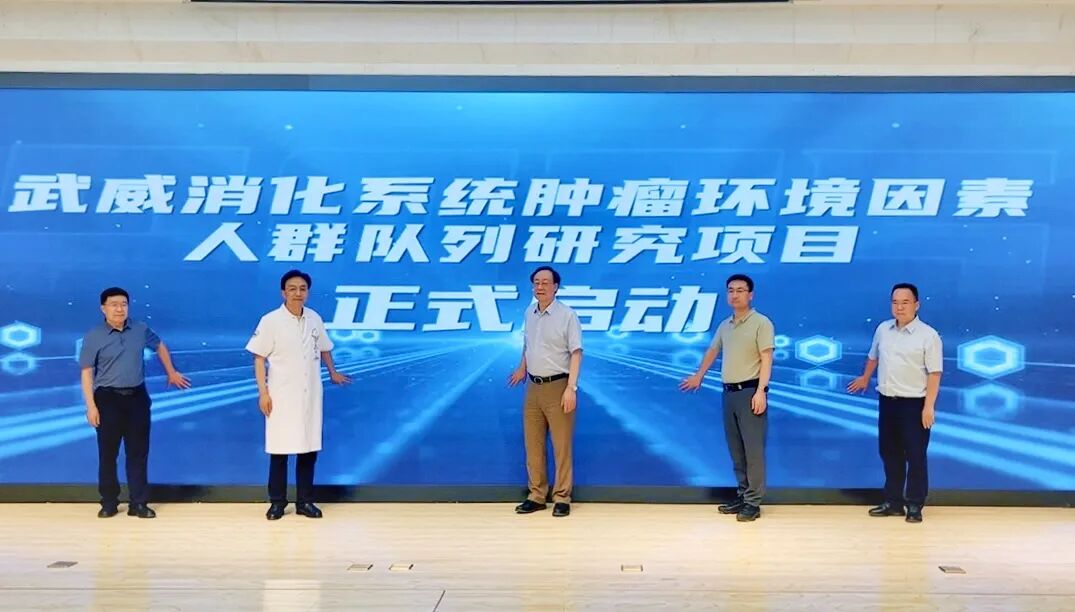
Twenty years ago, Wuwei sounded the first clarion call in the fight against upper gastrointestinal cancer. Under the strong leadership of Party committees and governments at all levels, Gansu Wuwei Cancer Hospital took the lead in establishing a five‑tier prevention and control system based on "government leadership, institutional implementation, and public participation." At the national level, project funding and policy support are provided; at the provincial level, top‑level design, research, and technology dissemination are supported by affiliated hospitals of Lanzhou University and multiple provincial‑level hospitals; at the municipal level, Gansu Wuwei Cancer Hospital serves as the core, fully responsible for screening implementation, clinical diagnosis and treatment, and grassroots staff training; at the county‑level, as a transfer hub, it coordinates mobilization efforts and connects townships to implement basic screening tasks; township health centers carry out health education and preliminary screening, organizing residents to participate in cancer prevention programs; and at the village level, village doctors and village committees conduct household visits to accurately notify high‑risk individuals of free screening, reaching the "last mile" of grassroots cancer prevention services. This comprehensive, layered grid‑based prevention and control system has facilitated the continuous downward distribution of high‑quality medical resources, giving rise to the distinctive "Wuwei Model."
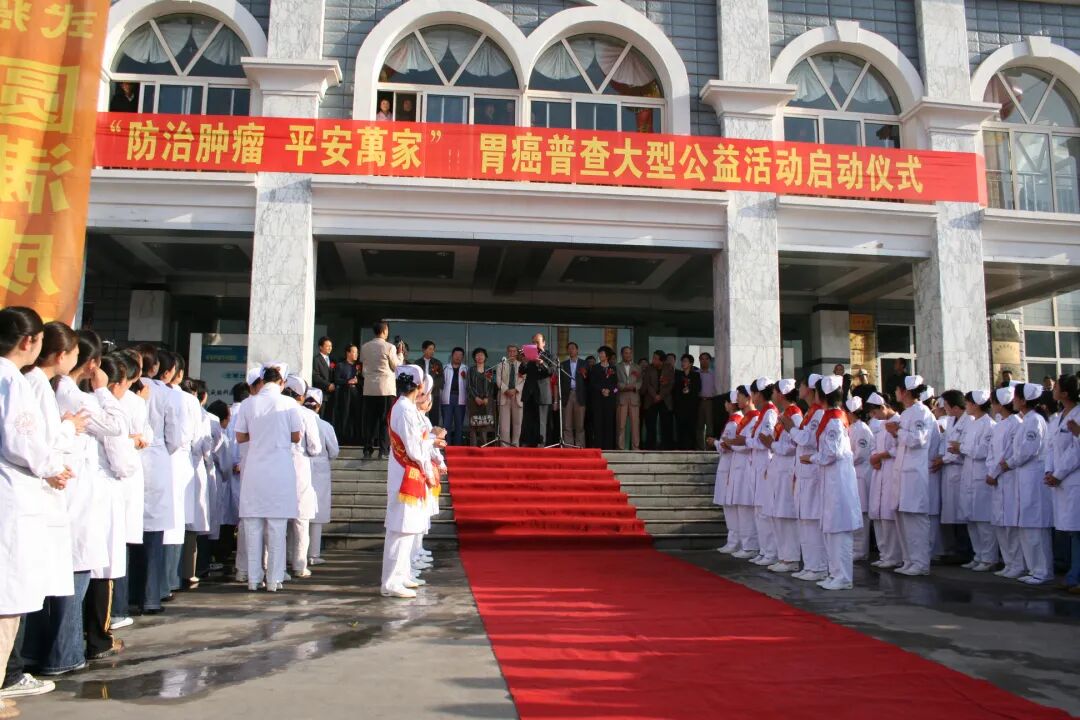
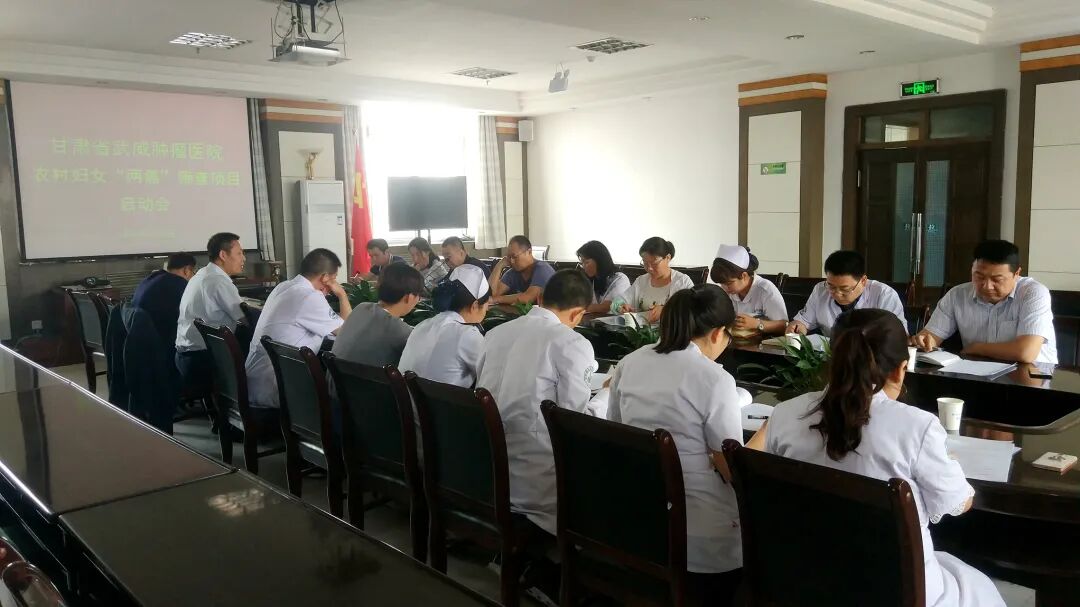
Two decades of dedicated effort have yielded remarkable results. The incidence of upper gastrointestinal cancer in Wuwei has dropped by nearly 50% compared to 2006. Public awareness campaigns, prevention and control efforts, and changes in environmental factors and lifestyle habits have benefited more than one million residents, helping tens of thousands stay free from the threat of cancer and enabling thousands of patients with early‑stage cancer to return to healthy lives. Supported by the robust five‑tier prevention and control system, the mission of "detecting one cancer early, saving one life, and bringing happiness to one family" has become a tangible public health benefit, with a significant reduction in regional cancer mortality.
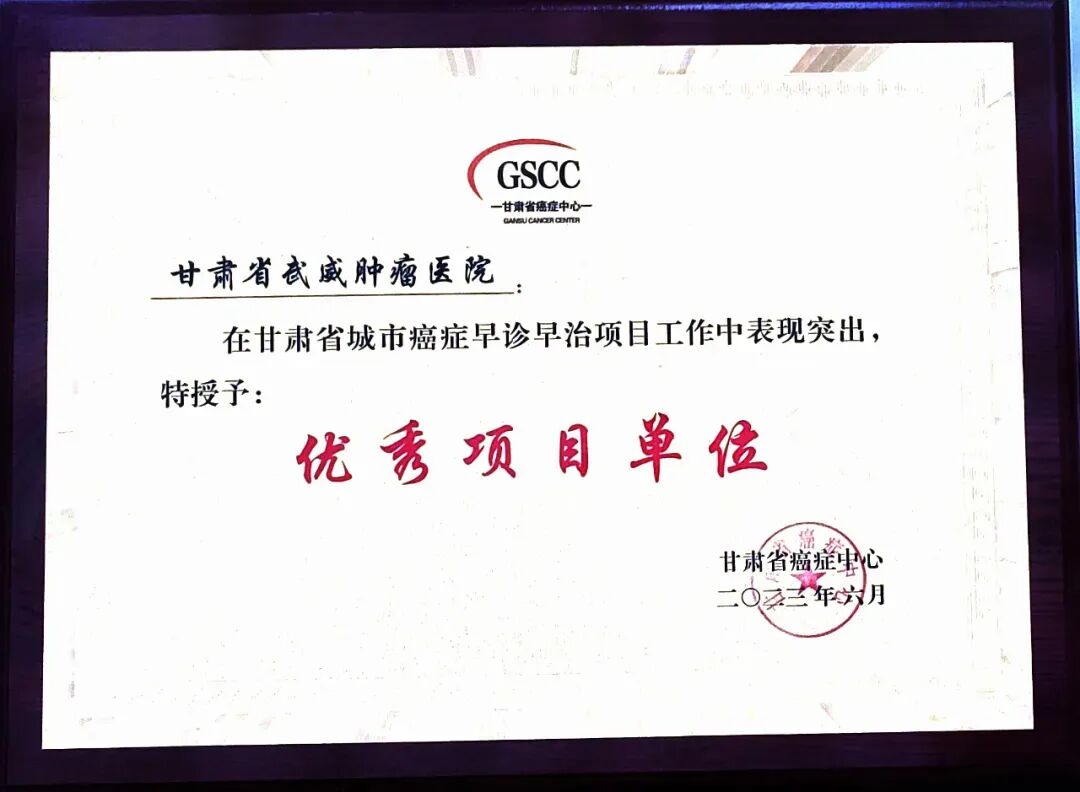
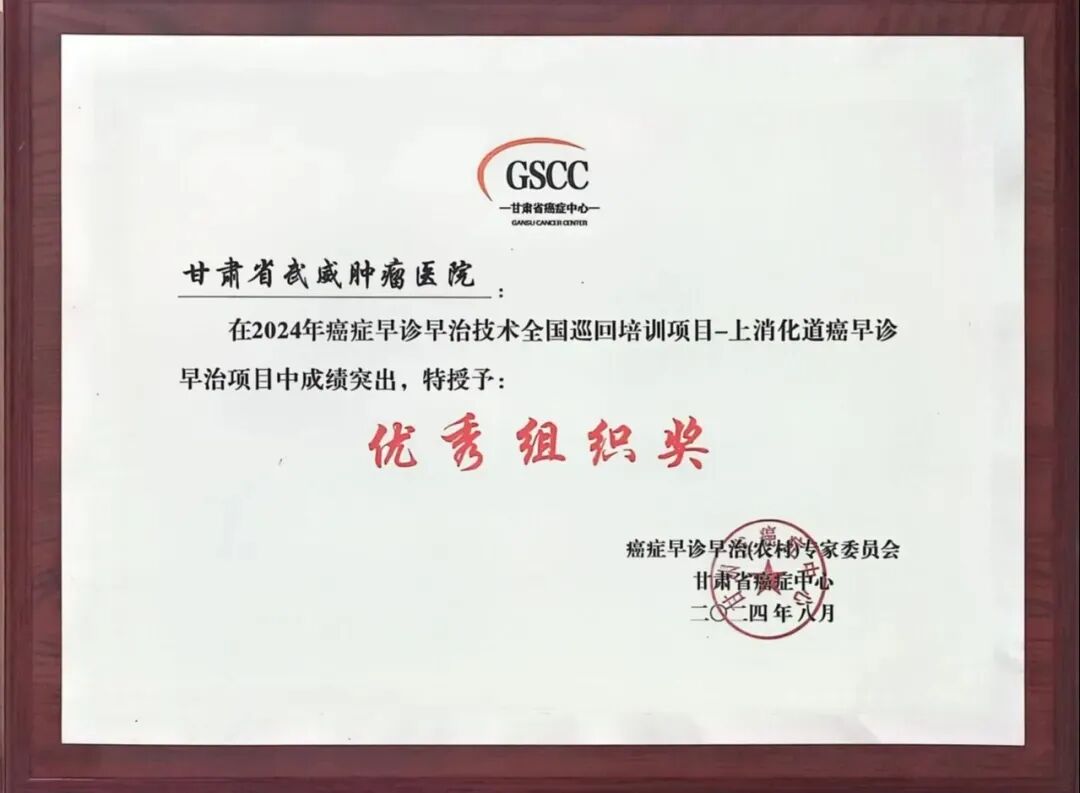
These achievements represent a vivid embodiment of the "people first, life first" philosophy, a powerful response to the Healthy China strategy, and an outstanding report card delivered by the Party and government to the people. This is a systematic, multi‑sector collaborative effort led by the government — a people‑centered project that brings high‑quality medical resources to the grassroots level and directly benefits the public. It also represents a conceptual shift from "treating disease" to "preventing disease." The Wuwei Model has powerfully demonstrated that as long as we stay committed to a people‑centered health approach, no challenge is insurmountable.
Now, the clarion call has sounded once again as Wuwei launches a full‑scale offensive against digestive tract cancers. The Environmental Oncology Committee of the China Anti‑Cancer Association, Lanzhou University, Lanzhou University Second Hospital, and Gansu Wuwei Cancer Hospital have joined forces to systematically identify and address the root causes of cancer from an environmental perspective. The study will employ cutting‑edge technologies such as molecular genetics to systematically analyze the interactions between environmental risk factors and environmental response genes in gastric carcinogenesis. It will establish a foundational database of environmental response gene polymorphism distribution in the Wuwei population, identify gastric cancer susceptibility genes associated with high‑risk environmental factors, and screen for specific biological targets. By integrating multidimensional factors — including environment, diet, and psychosocial influences — this new research paradigm aims to precisely identify the causes of cancer and intercept tumor development at its source through multi‑factorial prevention. This represents a strategic upgrade in prevention philosophy.
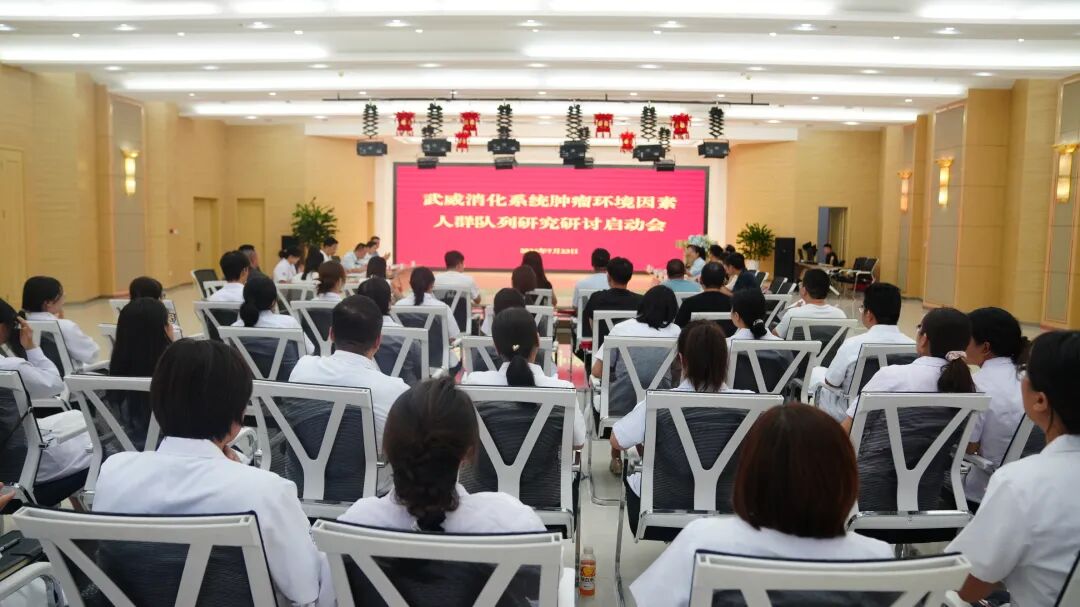
At the meeting, Professor Li Yumin, Chair of the Environmental Oncology Committee of the China Anti‑Cancer Association and Director of the National Clinical Key Specialty in General Surgery at Lanzhou University Second Hospital, stated in his address that 70% of tumors are related to environmental factors. Building on our hospital's 20‑year gastric cancer cohort study foundation, the two sides will conduct collaborative research on environmental oncology to prevent cancer at the source and develop a localized model for cancer prevention. Hu Junguo, Director of the Department of Public Health at our hospital, presented the interim results of the rural upper gastrointestinal cancer early diagnosis and treatment program. Professor Huang Zeping, Deputy Director of the Graduate Office at Lanzhou University Second Hospital, provided a detailed introduction to the overall cohort study design.
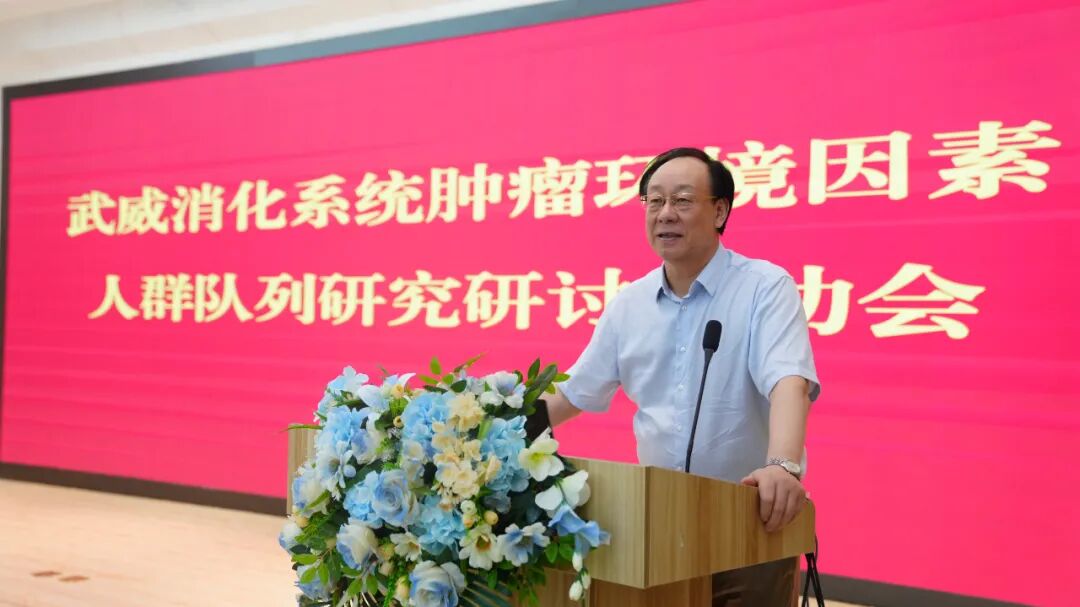
Professor Li Yumin, Chair of the Environmental Oncology Committee of the China Anti‑Cancer Association and Director of the National Clinical Key Specialty in General Surgery at Lanzhou University Second Hospital, delivering a speech
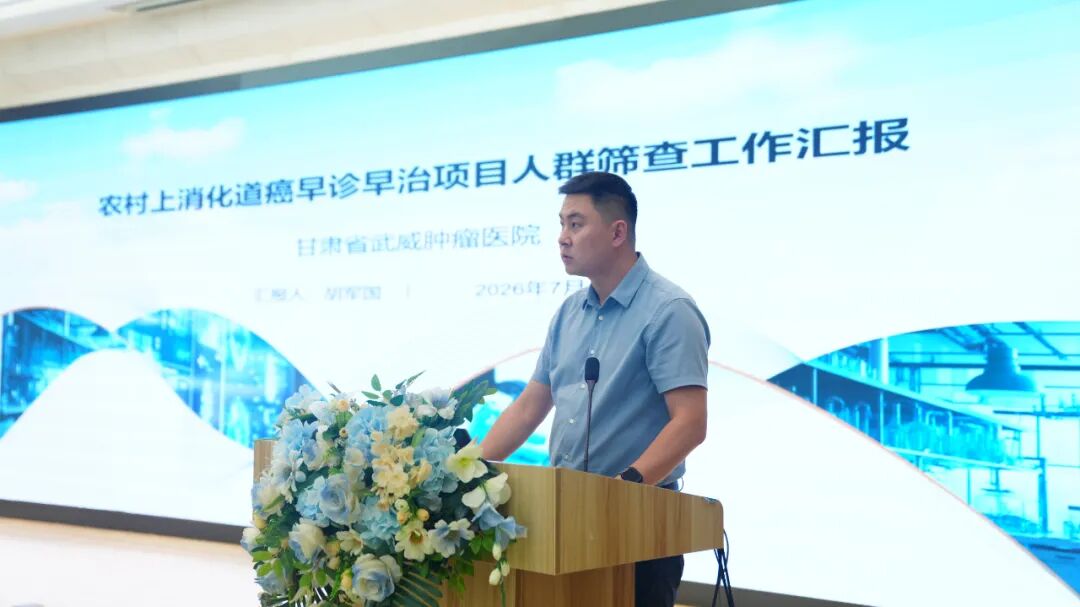
Hu Junguo, Director of the Department of Public Health at Gansu Wuwei Cancer Hospital, presenting Report on Population Screening for the Rural Upper Gastrointestinal Early Diagnosis and Treatment Program
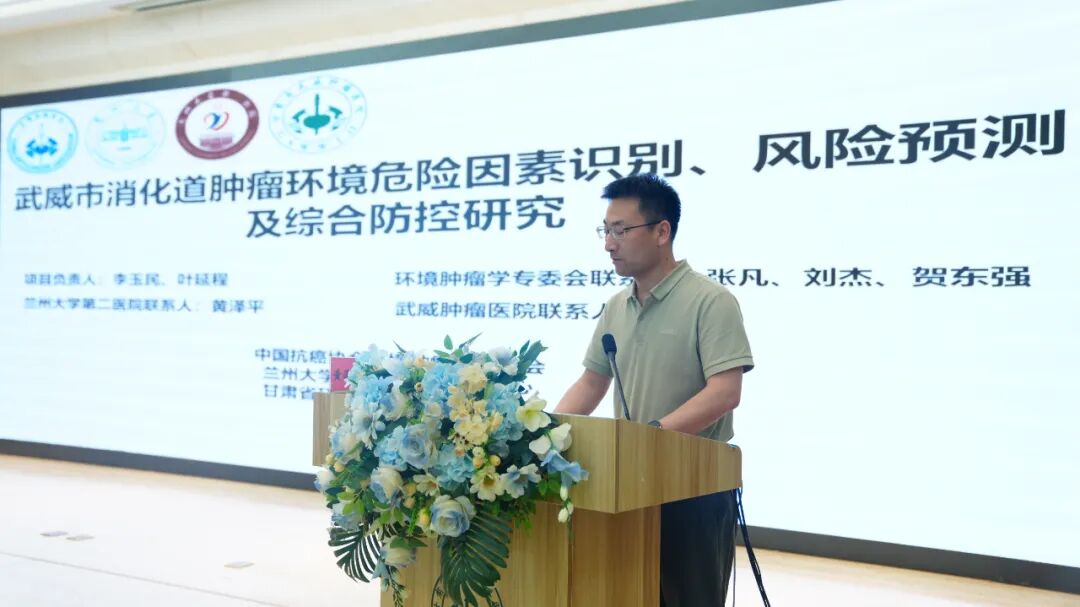
Professor Huang Zeping, Deputy Director of the Graduate Office at Lanzhou University Second Hospital, presenting Research on Identification of Environmental Factors, Risk Prediction, and Comprehensive Prevention and Control of Gastrointestinal Tumors in Wuwei City
Blocking causative factors and reducing disease incidence is the highest expression of a people's hospital's commitment to the people. The launch of the Wuwei Cohort Study on Environmental Factors and Digestive System Tumors is a necessary upgrade built on two decades of solid data and outstanding clinical achievements. It will not only further improve the full‑chain system of screening, diagnosis, treatment, and research for digestive diseases in Wuwei and the broader Northwest region, but also provide highly valuable "Wuwei experience" and scientific evidence for gastric cancer prevention and control in high‑incidence areas nationwide and globally.
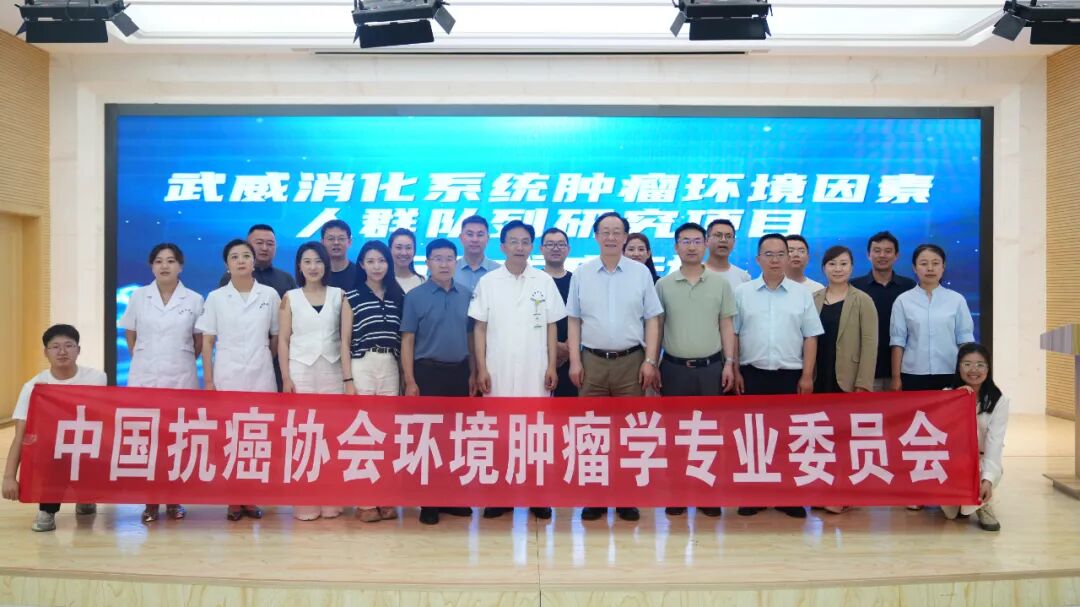
此次会议,兰州大学第二医院科研团队相关人员出席会议,甘肃省武威肿瘤医院相关科室负责人参加会议。
r**WriteThe meeting was attended by members of the research team from Lanzhou University Second Hospital, as well as the heads of relevant departments from Gansu Wuwei Cancer Hospital.: Guo Yishan, Duan Shengyu
**First Review:** Yang Yang
**Second Review:** Guo Yishan
**Third Review:** Cai Qinghua
Gansu Wuwei Cancer Hospital (Wuwei Institute of Medical Sciences)
(甘)医广【2025】第11-14-387号