Dean Wang Junjie’s Visit: Advancing Precision Radiotherapy for Cancer Patients
Dean Wang Junjie’s Visit: Advancing Precision Radiotherapy for Cancer Patients
July in Lanzhou — summer at its peak, with warm breezes drifting through the city. Inside the Radiotherapy Department of Gansu Wuwei Cancer Hospital's Lanzhou Campus, the day's work unfolded with quiet precision: case discussions, ward rounds, and patient consultations all moving forward with a blend of clinical rigor and genuine human warmth.
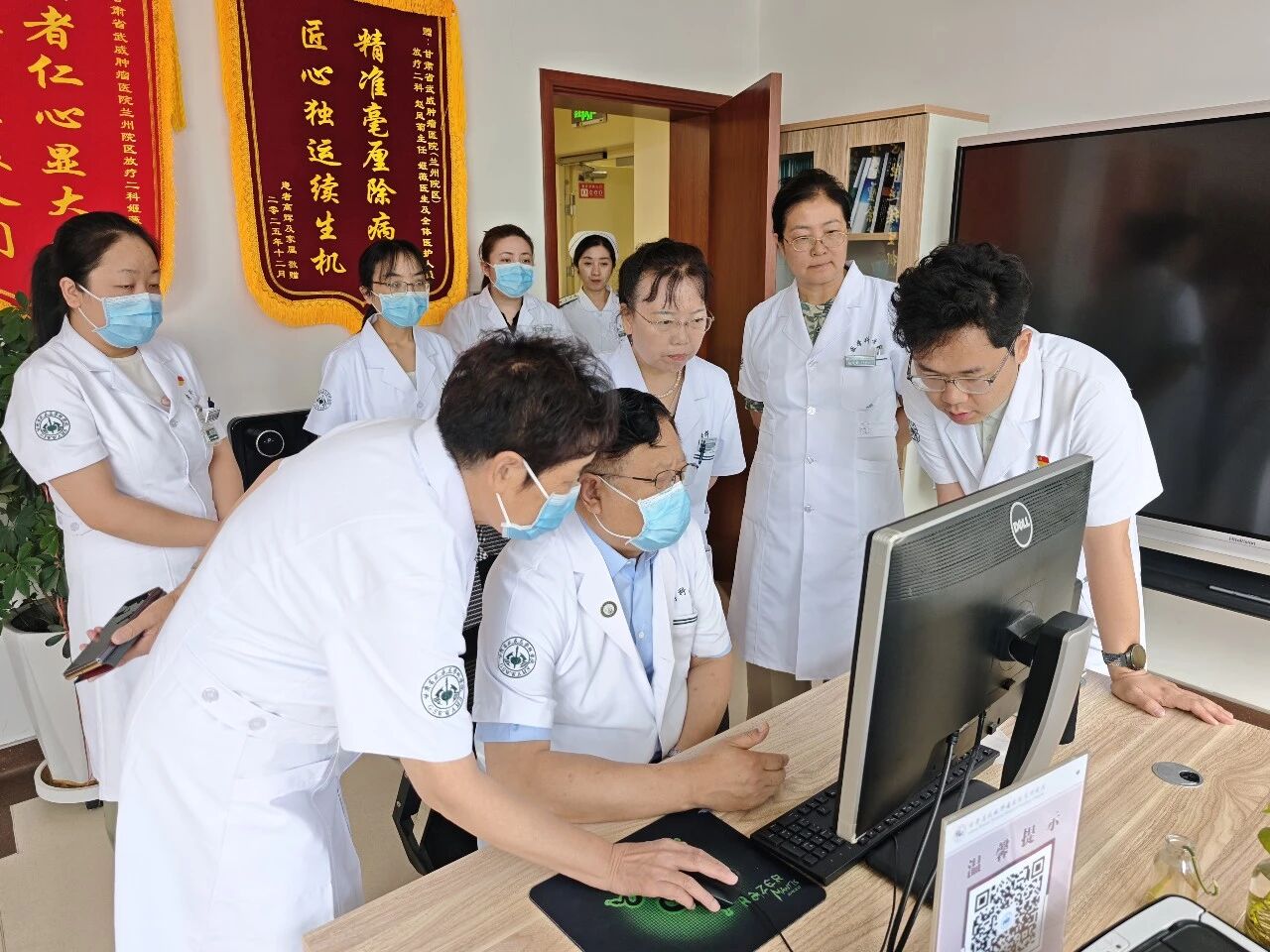
Dean Wang Junjie arrived early and headed straight to the radiotherapy unit for a full schedule of expert rounds, outpatient clinics, and multidisciplinary team conferences. As the head of Radiotherapy at Peking University Third Hospital, chair of the Chinese Medical Association's Radiation Oncology Branch, and dean of our Lanzhou Campus, he brings over thirty years of experience in precision radiotherapy, particle-based minimally invasive treatments, and heavy-ion clinical applications. He is widely recognized as a pioneer in radioactive seed implantation in China, has led the creation of multiple national consensus guidelines, authored hundreds of research papers, and holds several patented clinical innovations. His expertise in complex solid tumors and advanced metastatic cancers is among the best in the country. Since our Lanzhou Campus opened, he has made it his mission to be here regularly — guiding departmental growth, seeing difficult cases in person, and bringing state-of-the-art radiotherapy techniques to the Gansu region, so that patients in the Northwest can receive top-tier cancer care close to home.
Thorough Rounds, Genuine Care — Putting Patients First
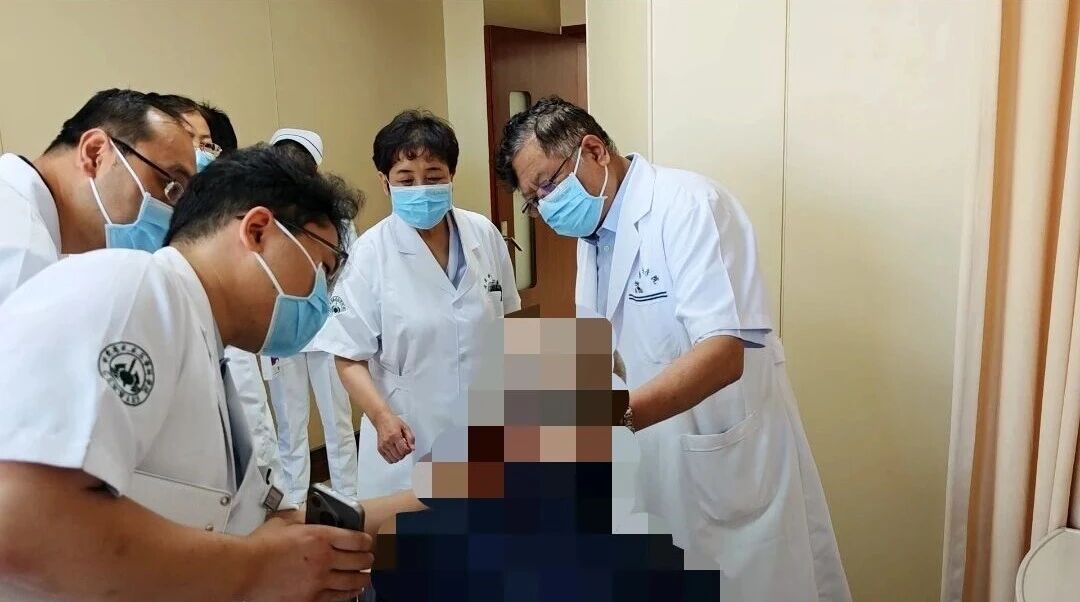
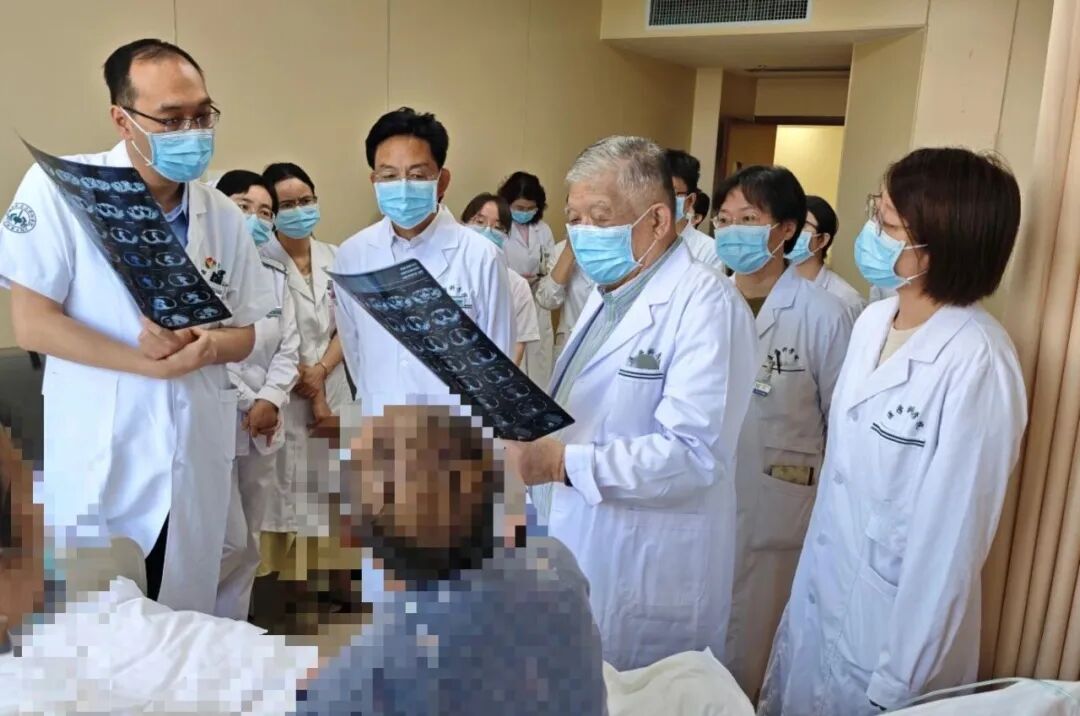
Before rounds, Dean Wang Junjie led the team in a morning case review, analyzing challenging cases through imaging and treatment histories, and exchanging ideas with junior doctors. He then took the team into the wards for bedside visits.
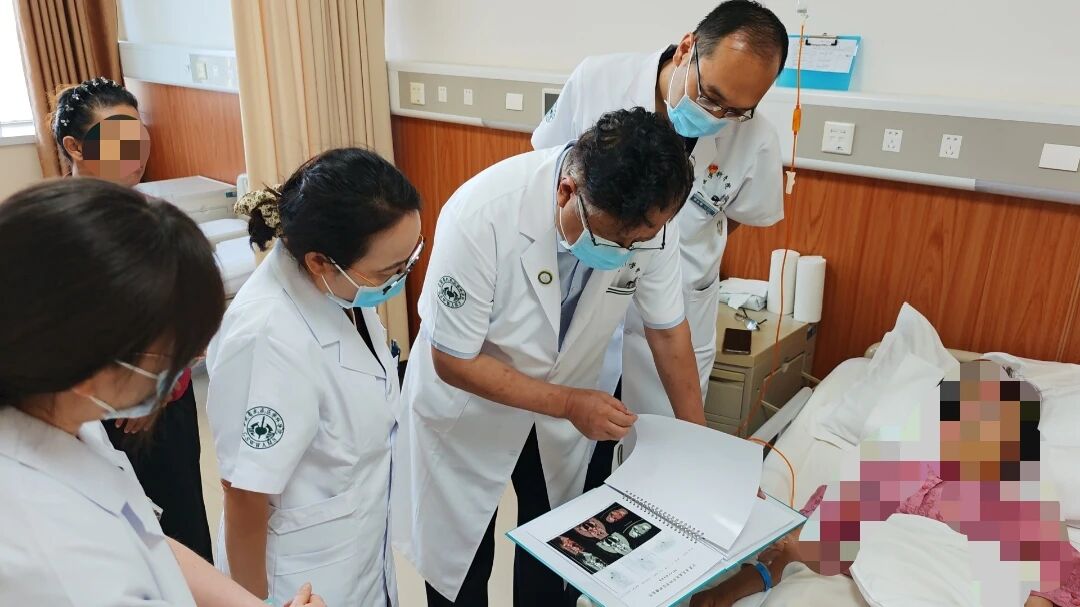
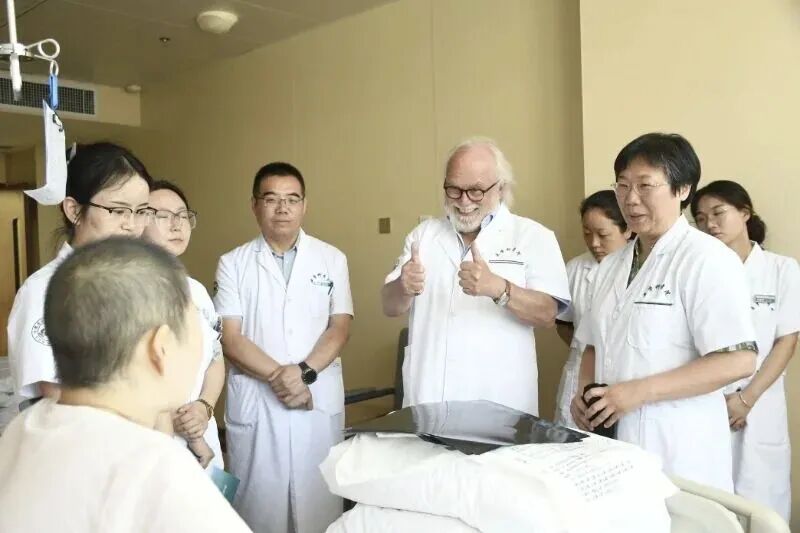
In each room, Dean Wang greeted patients with a warm smile, patiently inquiring about their diet, sleep, and pain levels, while carefully examining physical reactions. He explained treatment timelines and side-effect management in clear terms — tailored to heavy-ion and SBRT plans. For an elderly postoperative lung cancer patient requiring heavy-ion consolidation, he reviewed scans in detail, spoke slowly about target volume advantages, and eased their anxiety. For a pancreatic cancer patient in severe pain, he adjusted symptomatic support step by step and emphasized holistic physical and psychological care to the team.
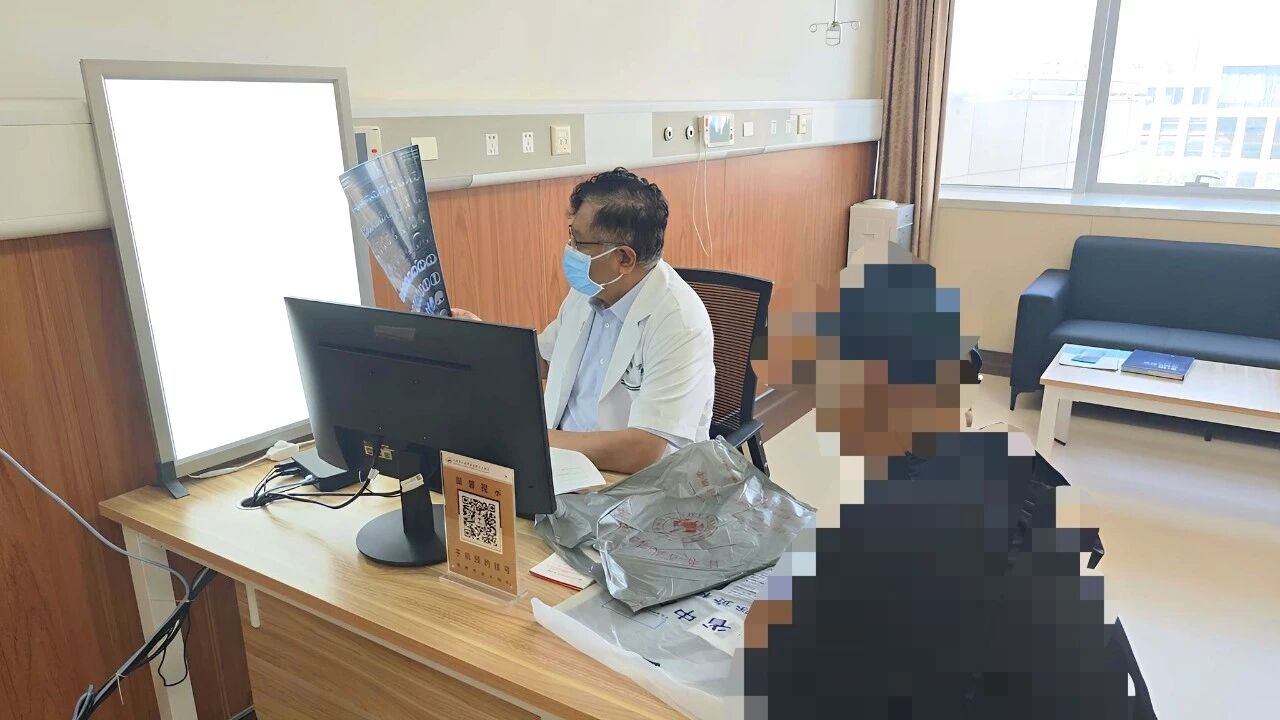
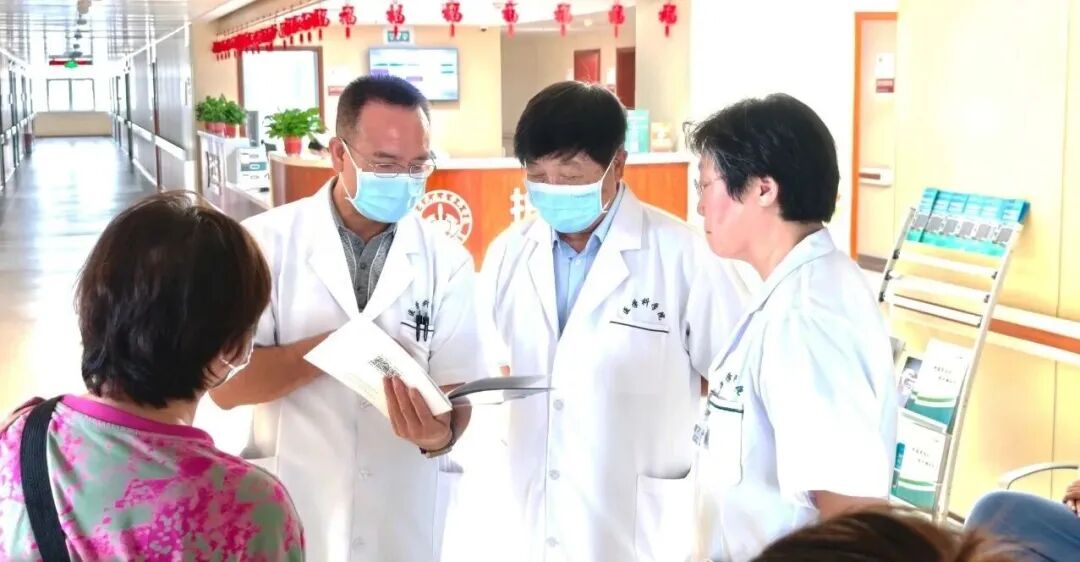
In the outpatient clinic, Professor Wang saw patients who had come from distant locations specifically for his expertise. He meticulously examined each patient's diagnostic materials and formulated personalized, comprehensive treatment strategies incorporating advanced modalities such as heavy-ion radiotherapy. He never simplified the communication process, instead articulating the principles of radiotherapy, expected therapeutic effects, and post-treatment precautions in a thorough yet accessible manner. He placed great emphasis on respecting the preferences of both patients and their families, ensuring that each encounter combined state-of-the-art technology with compassionate, patient-centered care.
MDT Consultations — Precision Plans Balancing Efficacy and Quality of Life
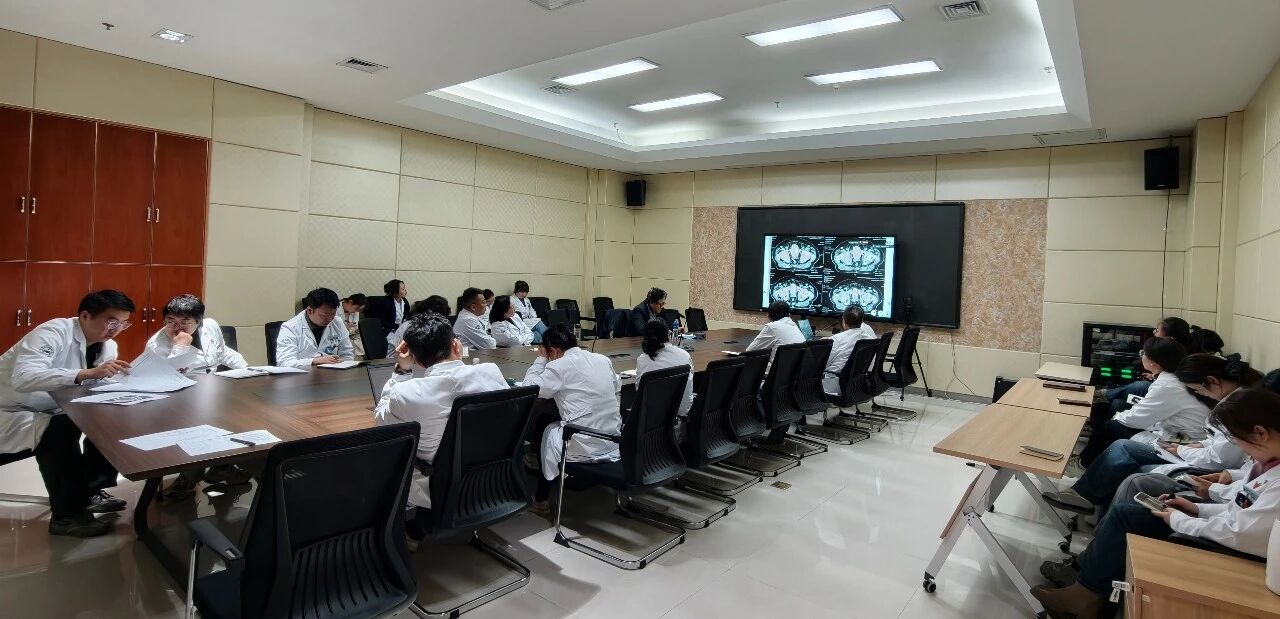
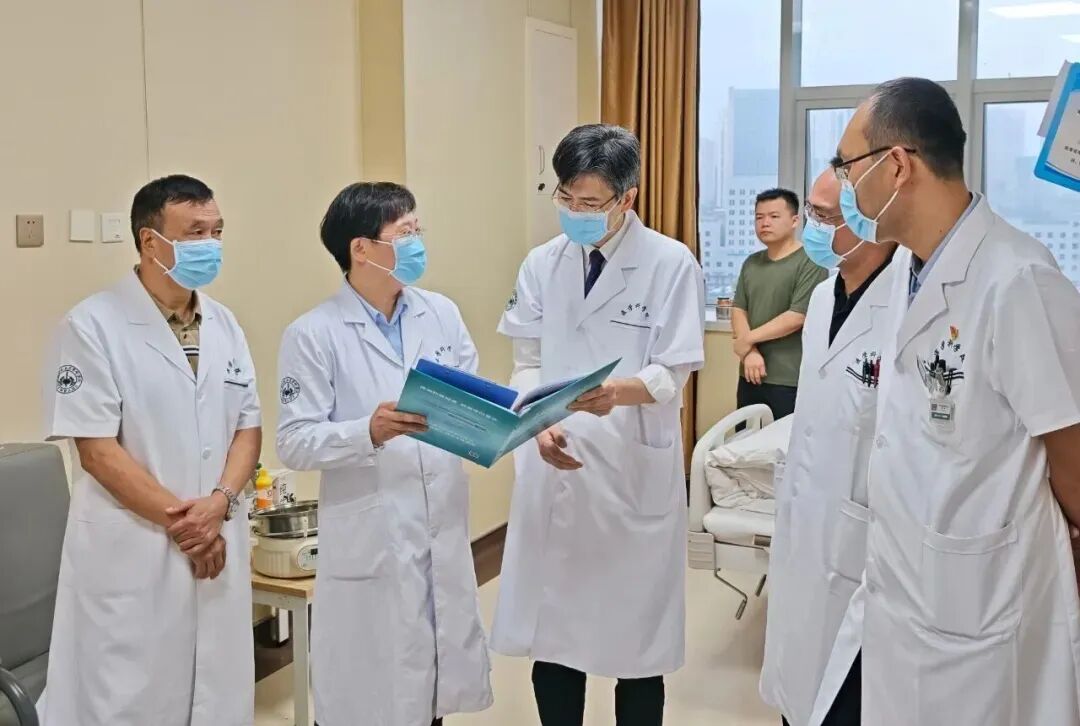
In response to the large number of complex and refractory cancer cases at the Lanzhou Campus, Dean Wang has consistently championed a standardized multidisciplinary team (MDT) model. For each challenging case, he convened senior physicians from radiotherapy, medical oncology, surgical oncology, gastroenterology/cancer rehabilitation, and diagnostic imaging to jointly assess conditions including lung cancer, liver cancer, and glioma. During each session, he carefully weighed input from all specialties, drawing on his own extensive experience with over ten thousand cases of minimally invasive radiotherapy and heavy-ion therapy. He balanced considerations of radiation dose, target volume protection, systemic immunity, and nutritional support — repeatedly comparing the benefits and risks of different treatment pathways — and rejected one-size-fits-all protocols in favor of individualized, patient-specific strategies. At the conclusion of each conference, he consistently emphasized to the team that while heavy-ion therapy offers significant advantages, the goal should never be merely tumor regression alone — priority must be given to preserving normal organ function, minimizing treatment-related damage, and safeguarding the patient's long-term quality of life. He also stressed the importance of thorough communication with patients and families to address their concerns and ensure full understanding of the treatment plan.
Built for Gansu, Serving the Northwest — World-Class Cancer Care, Close to Home
Ever since the Lanzhou Campus opened its doors and the second homegrown heavy-ion system went into operation, Professor Wang Junjie has been a regular presence here — leading rounds, seeing patients, teaching, and driving research. He's been the engine behind our precision radiotherapy program's rapid growth.
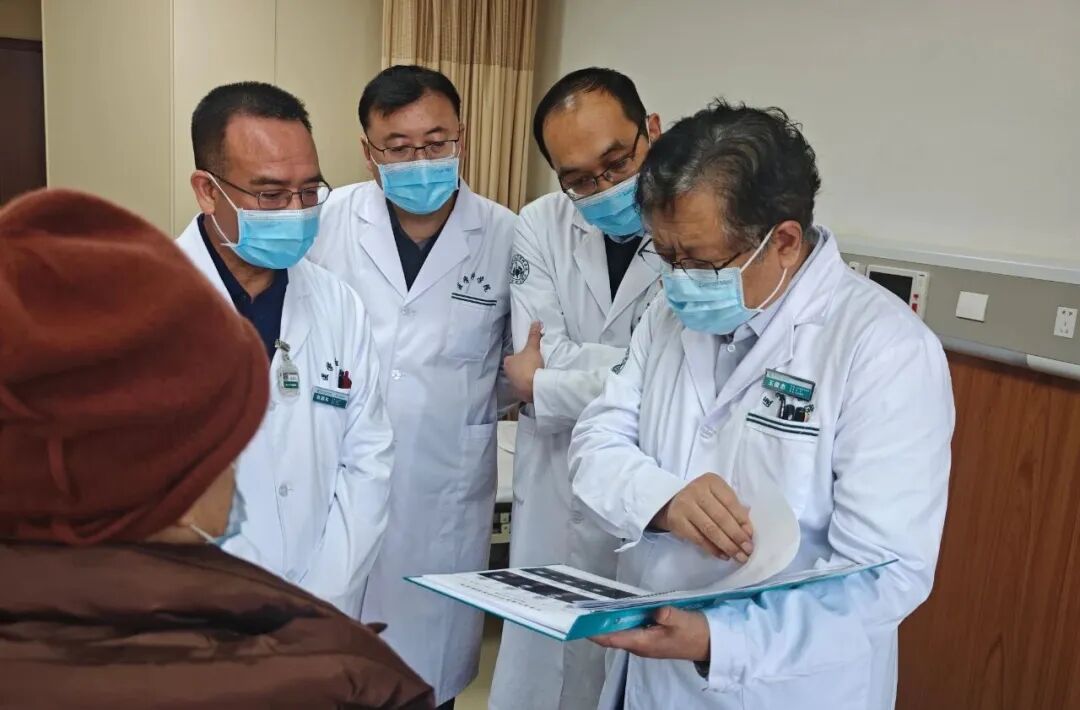
Day in and day out, he and his team have put the full power of domestic heavy-ion technology, SBRT, and minimally invasive particle implants to work — tackling tough, treatment-resistant cancers that didn't respond to standard approaches. The results: shorter treatment times, fewer side effects, and a huge relief for patients across the Northwest who no longer have to travel long distances for advanced care. Through his expert workstation platform, he's kept a steady flow of knowledge and collaboration between Beijing and Gansu — bringing in the latest radiation oncology practices, elevating our standards, and building a comprehensive system that cares for patients not just during treatment but throughout their entire recovery journey. Step by step, he's steering the Lanzhou Campus toward becoming the go-to precision cancer center for Northwest China.
Prof. Shen Wenjiang,Lifetime Emeritus Professor, Department of Radiation Oncology, Peking University Health Science Center
Prof. Wang Junjie,President, Lanzhou Heavy Ion Center, Gansu Wuwei Cancer Hospital
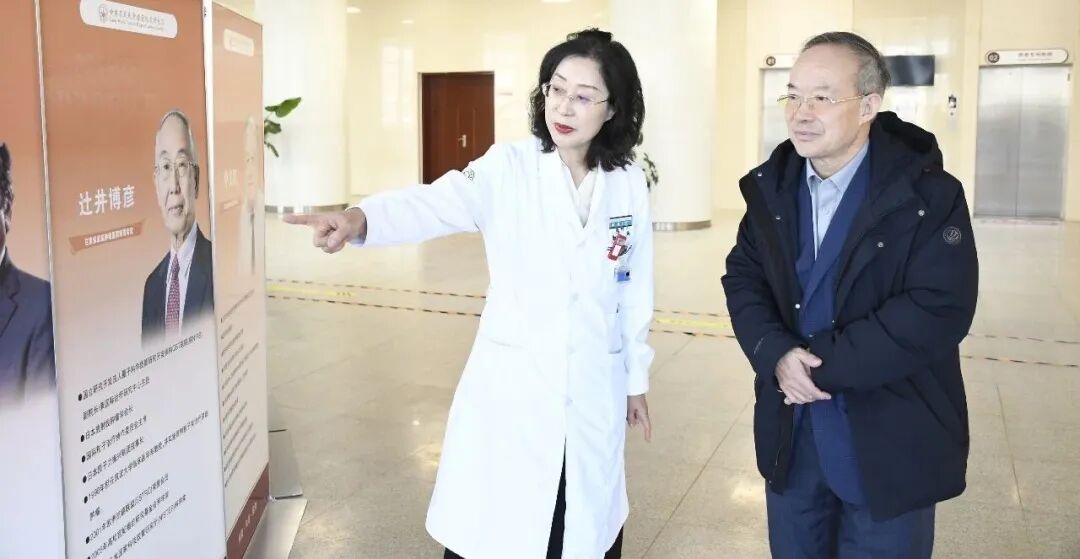
Prof. Ma Lulin,Former Director of Urology, Peking University Third Hospital; National Leader in Urological Oncology
Prof. Xu Bo,Department of Radiation Oncology, Peking University Cancer Hospital
Prof. Yasuo Yoshioka,Renowned Japanese Expert in Brachytherapy and Oncology
Prof. George Kovács,Director, Luebeck Center for Brachytherapy (Germany); Director of Educational Programs, Università Cattolica del Sacro Cuore (Italy)
Looking to the future, the Lanzhou Campus of Gansu Wuwei Cancer Hospital will keep building on its model of regular, on-site expert care — further solidifying its position as a leader in heavy-ion precision radiotherapy. We will continue to sharpen our clinical skills, refine every aspect of patient care, and ensure that both world-class expertise and domestically developed advanced cancer-fighting technology remain at the heart of what we do. Our commitment is clear: to protect the health and well-being of communities across the Yellow River region, and to stay true to our core mission — "Bringing the world's most advanced technologies to every cancer patient who needs them."
Writer: Liu Qiong
First Review: Liu Qiong
Second Review: Guo Yishan
Third Review: Cai Qinghua