Professor Wang Ping's Wuwei Clinical Visit – A Thousand‑Mile Journey to Save Lives
Professor Wang Ping's Wuwei Clinical Visit – A Thousand‑Mile Journey to Save Lives
A clinical path stretching from south to north — connecting Guangzhou in the Lingnan region to Liangzhou in the Hexi Corridor. In the heat of July, Professor Wang Ping from the First Affiliated Hospital of Guangzhou Medical University arrived as scheduled at the Second Department of Hepatobiliary Surgery at Gansu Wuwei Cancer Hospital. In the wards, he carefully analyzed complex cases; in the operating room, he demonstrated surgical techniques with hands‑on instruction. The dedication of this visiting specialist has brought a new ray of hope to patients with hepatobiliary diseases in the Hexi region.

Decades of Dedication, Pioneering Minimally Invasive Techniques to Solve Complex Problems
Professor Wang Ping is a nationally renowned expert in hepatobiliary and pancreatic surgery. He serves as Chair of the Endoscopic Surgery Branch of the Guangzhou Medical Association and Chair of the Hepatolithiasis Prevention and Treatment Committee of the Guangdong Provincial Grassroots Medical Association. With decades of clinical and research experience in hepatobiliary and pancreatic surgery, he has focused on the challenging problem of complex hepatolithiasis. He developed the original percutaneous transhepatic one‑stage biliary fistulation (PTOBF) technique, which uses a minimally invasive puncture tract to replace traditional open surgery, offering a new therapeutic option for many patients previously deemed inoperable.
True Expertise Lies in the Details – Treating Patients Like Family
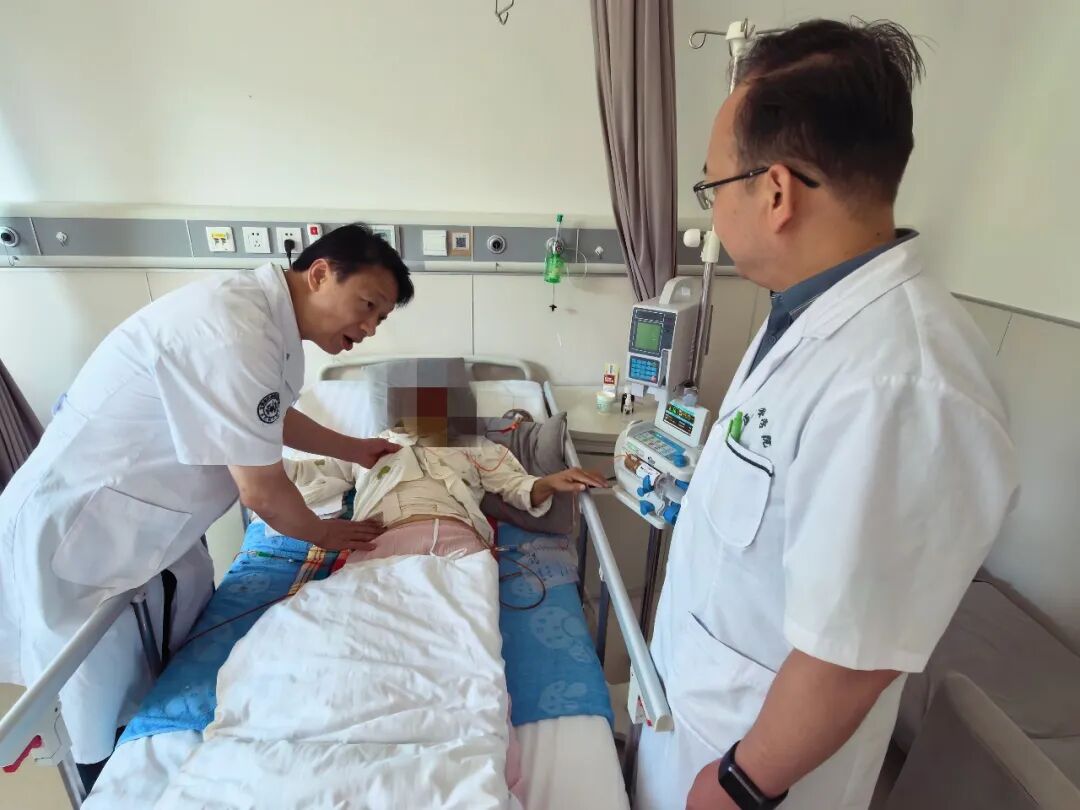
When faced with a 61‑year‑old patient from Xinjiang, Mr. Zhang, Professor Wang Ping was exceptionally thorough. He carefully reviewed the patient's extensive medical records — cholecystectomy, total hysterectomy, ERCP, open choledocholithotomy with T‑tube drainage — five major surgeries clearly documented. As he examined the crisscrossing scars on the patient's abdomen, he gently asked about his symptoms. While the family recounted five years of suffering, Professor Wang gave the patient a reassuring pat on the shoulder: "Don't worry. This time, we won't take the old path."
During ward rounds, he patiently answered family members' questions and comforted patients, ensuring that every hospitalized patient experienced professional yet compassionate medical care.。
Multidisciplinary Collaboration for Precision Care and Recovery
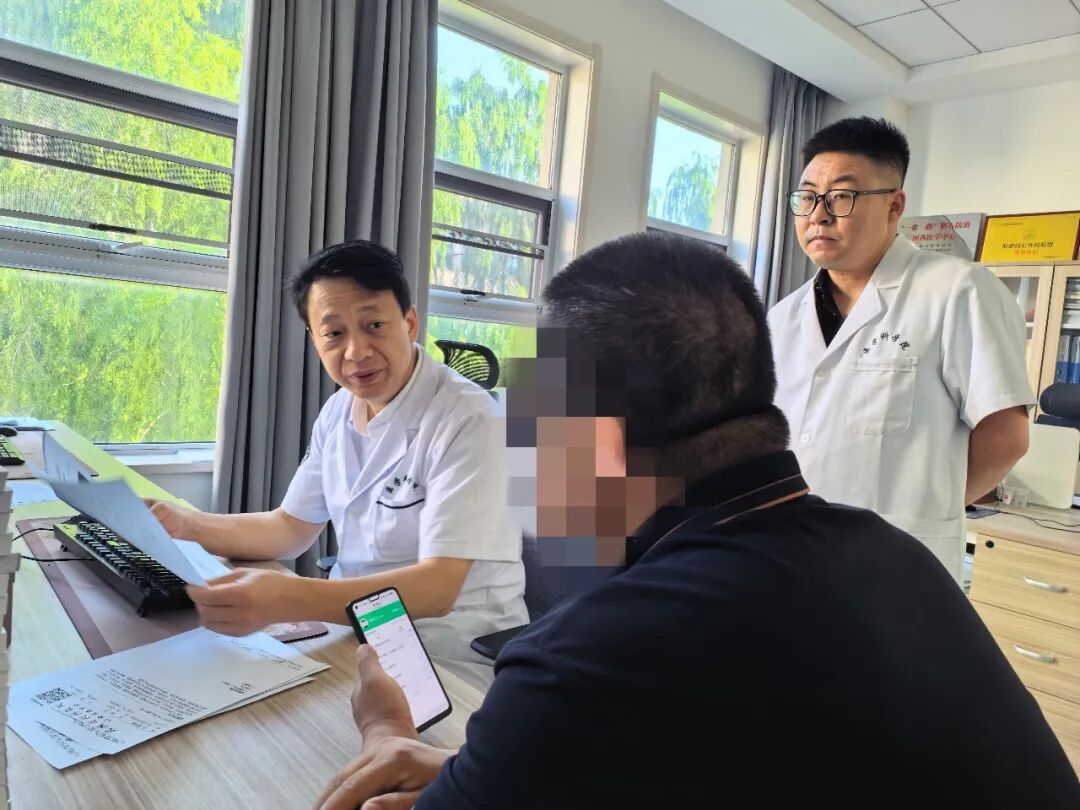
When faced with complex cases, Professor Wang Ping would engage in in‑depth discussions with the Director of the Second Department of Hepatobiliary Surgery and the Director of the Department of Ultrasound Medicine to assess the feasibility and approach for minimally invasive surgery. He listened carefully to the analysis of each specialist and, drawing on his decades of clinical experience, guided experts from different departments to weigh the options and repeatedly refine the plan, ultimately developing an individualized, comprehensive treatment strategy best suited to the patient.
For patients with concurrent intrahepatic bile duct stones, choledochojejunostomy anastomotic stones, and strictures, Professor Wang organized multidisciplinary consultations to discuss surgical strategies and risk management. After each consultation, he emphasized the importance of thoroughly communicating the treatment plan to the patient and their family, respecting the patient's preferences, and ensuring that care is both professionally precise and humanely compassionate.
Imparting Knowledge, Nurturing the Next Generation, and Staying True to the Original Aspiration
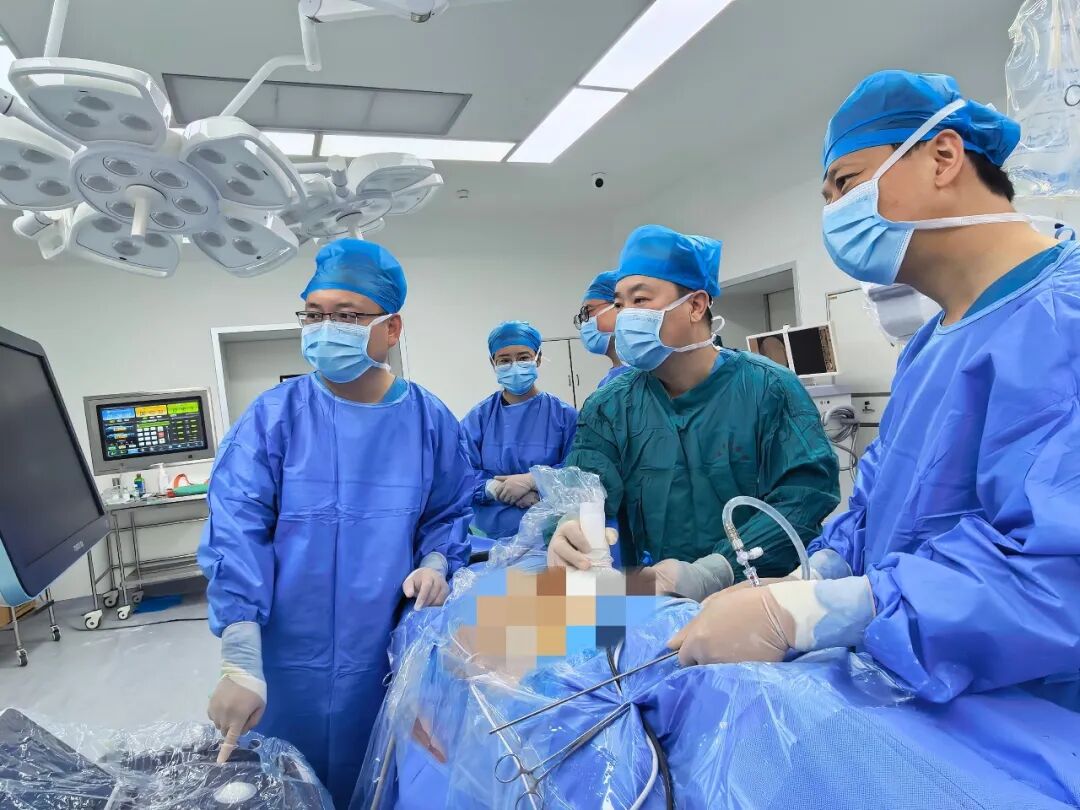
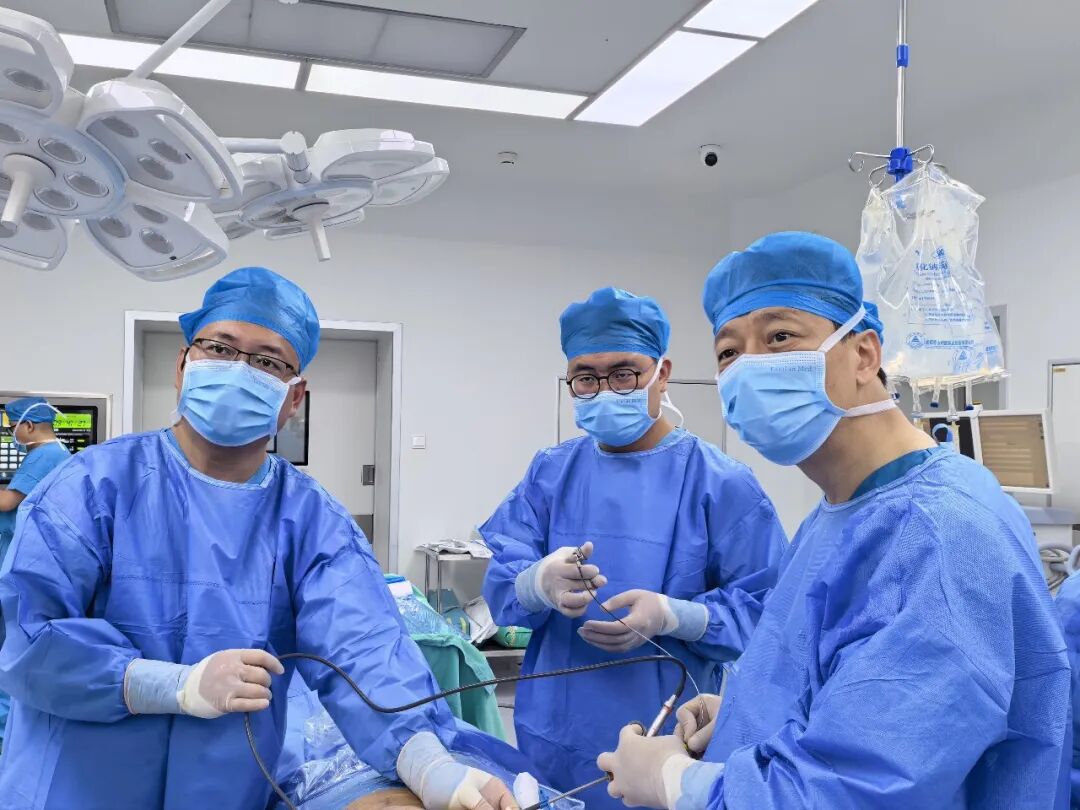
In the operating room, Professor Wang Ping performed a PTOBF procedure on a patient with complex hepatolithiasis, with Director Wang Shipeng from the Department of Ultrasound Medicine providing intraoperative localization support. Drawing on his extensive anatomical knowledge and experience in minimally invasive surgery, he precisely located the stones and strictures, and carefully controlled every step of the procedure — puncture, tract establishment, cholangioscopy, lithotripsy, stone extraction, and stricture dilation — each performed with standardized precision, through an abdominal wall puncture site of just 0.4 mm.
Throughout the procedure, he explained key technical points to the surgical team, including puncture angle selection, pathway planning, and risk management strategies, sharing his clinical experience and minimally invasive philosophy.
He often reminds young surgeons: "Minimally invasive is not just about a 'small incision'; it is a philosophy. Every step must be refined and precise. Treat every operation as if it were your first — that is how we honor our responsibility to the patient."
A Dedication That Crosses Thousands of Miles – Building Hope for Life Together
In the Hexi region, the incidence of hepatolithiasis and hepatobiliary tumors is relatively high. In the past, many patients with severe conditions had no choice but to travel far from home for treatment — facing long distances, high costs, and extended treatment timelines. Some even missed the optimal surgical window due to reliance on unproven folk remedies.
Through changing seasons, this expert from the Lingnan region has continued his commitment to Wuwei. He regularly visits to provide consultations, perform surgeries, and conduct ward rounds, and his busy presence has become a warm and inspiring fixture at Gansu Wuwei Cancer Hospital. More important than the expert's regular visits, however, is the fact that the expertise has truly taken root here.
Professor Wang Ping's regular clinical, educational, and surgical guidance at our hospital vividly embodies and puts into practice the mission of Gansu Wuwei Cancer Hospital: "Gathering world‑leading technologies to benefit cancer patients everywhere." Looking ahead, the hospital will continue to deepen exchanges and collaboration with top medical professionals both domestically and internationally. Renowned experts from various fields will be regularly invited to the hospital for outpatient consultations, ward rounds, teaching, mentoring, and research guidance. These efforts will comprehensively enhance the professional competence and clinical abilities of the medical and nursing teams, further strengthen the hospital's advantages in key specialties such as heavy ion therapy, and safeguard the life and health of the people in the region with more advanced medical skills, higher quality services, and deeper humanistic care.
Writer: Du Xiaoting
First Review: Du Xiaoting
Second Review: Guo Yishan
Third Review: Cai Qinghua