Integrated Care for End-of-Life: CACA Hospice Care Tour (Gansu) & Academic Forum Concludes in Wuwei
Integrated Care for End-of-Life: CACA Hospice Care Tour (Gansu) & Academic Forum Concludes in Wuwei
Editor’s Note: When cancer reaches an advanced stage, “fighting” is no longer the only priority. Statistics show that among cancer patients who die, one‑third do so from fear and anxiety, one‑third from the physical damage caused by overly aggressive treatment, and only one‑third from the natural progression of the disease itself. As such, how to reduce suffering and preserve dignity during the cancer journey becomes an even more crucial question.
In confronting the disease, we firmly reject a purely destructive approach to managing local symptoms. Our core principle is to protect the patient's organ integrity and basic functions throughout treatment, minimizing additional harm to the body.
The fight against cancer should not be defined by cold instruments and anxious waiting, but by human warmth, familiar companionship, and the dignity of being truly valued. The integration of heavy ion therapy and hospice care is building a solid foundation of support for this dignity.
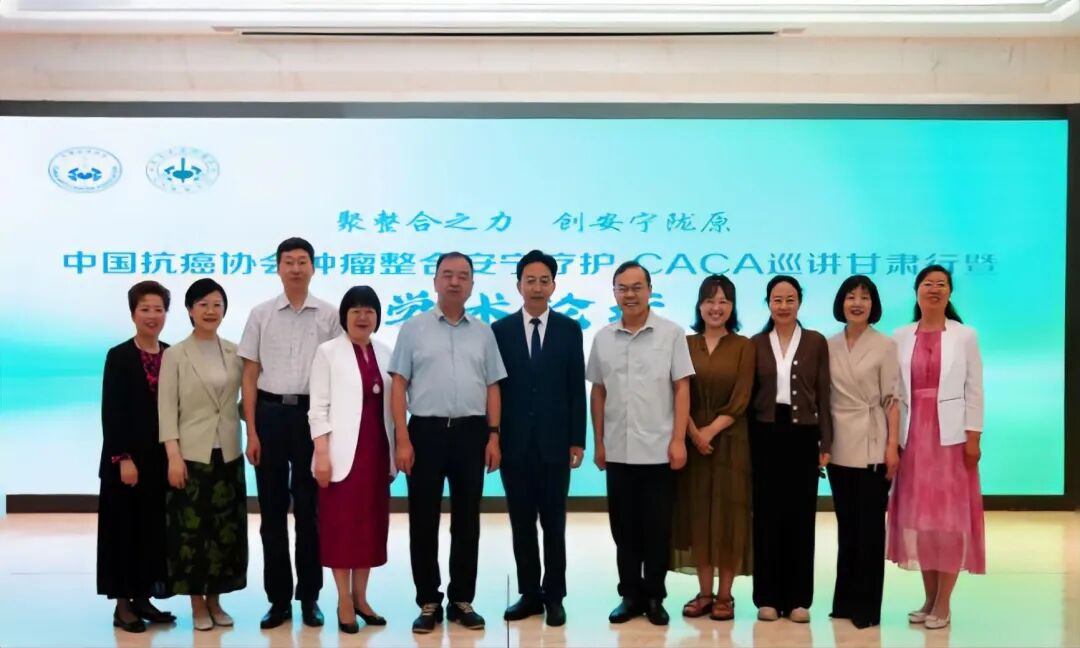
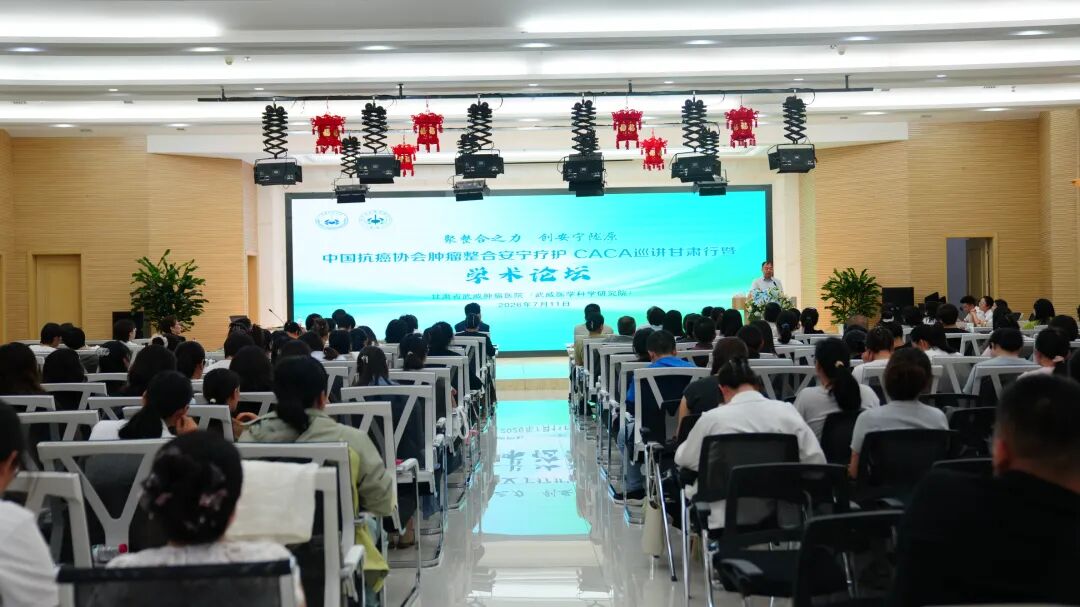
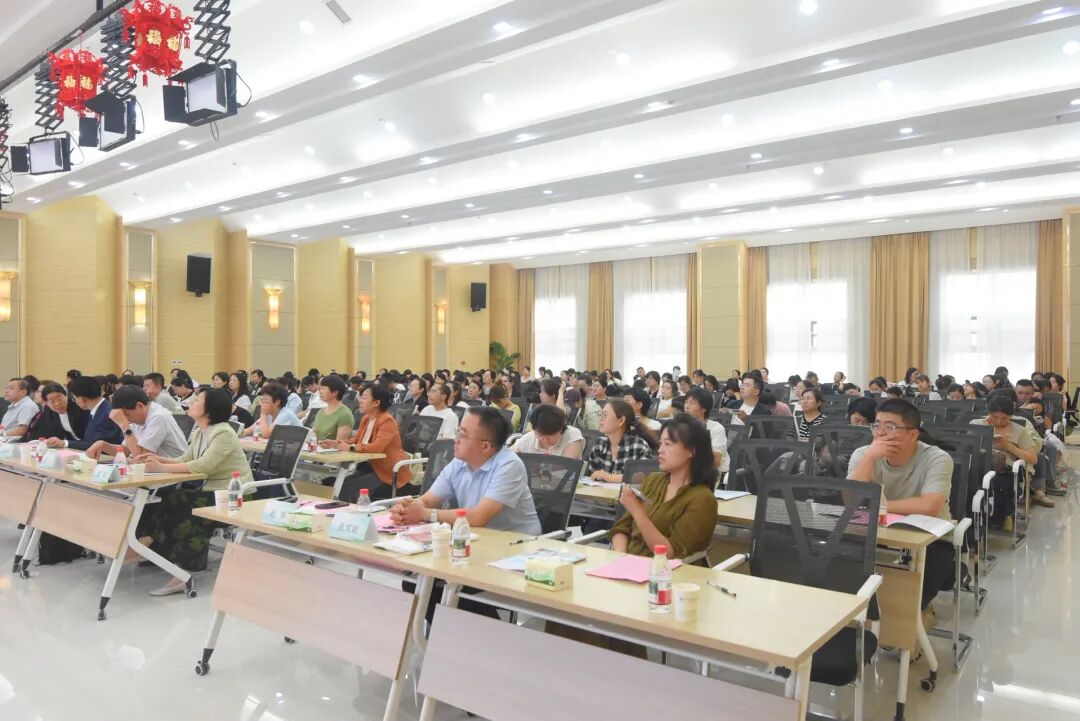
On July 11, the "CACA (China Anti-Cancer Association) Tour on Integrated Hospice Care — Gansu Stop and Academic Forum" was held at the Wuwei Heavy Ion Center. Top experts in hospice care from across the country, along with colleagues from medical institutions at all levels in the province, gathered to explore guideline implementation, interdisciplinary integration, and clinical practice. The forum injected new momentum into the high‑quality development of hospice care in Northwest China.
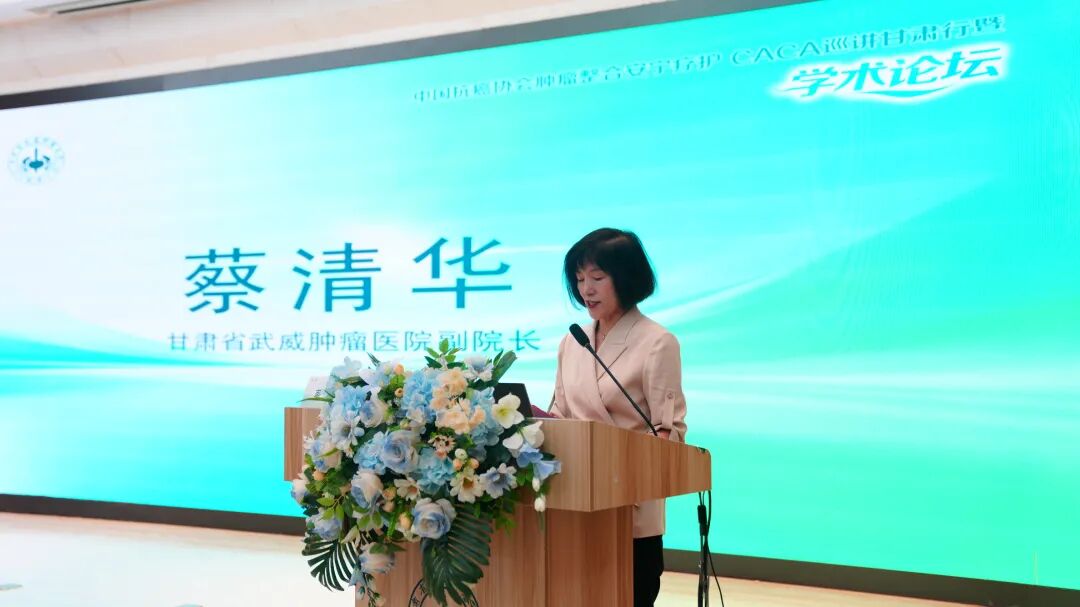
Vice President Cai Qinghua presided over the meeting
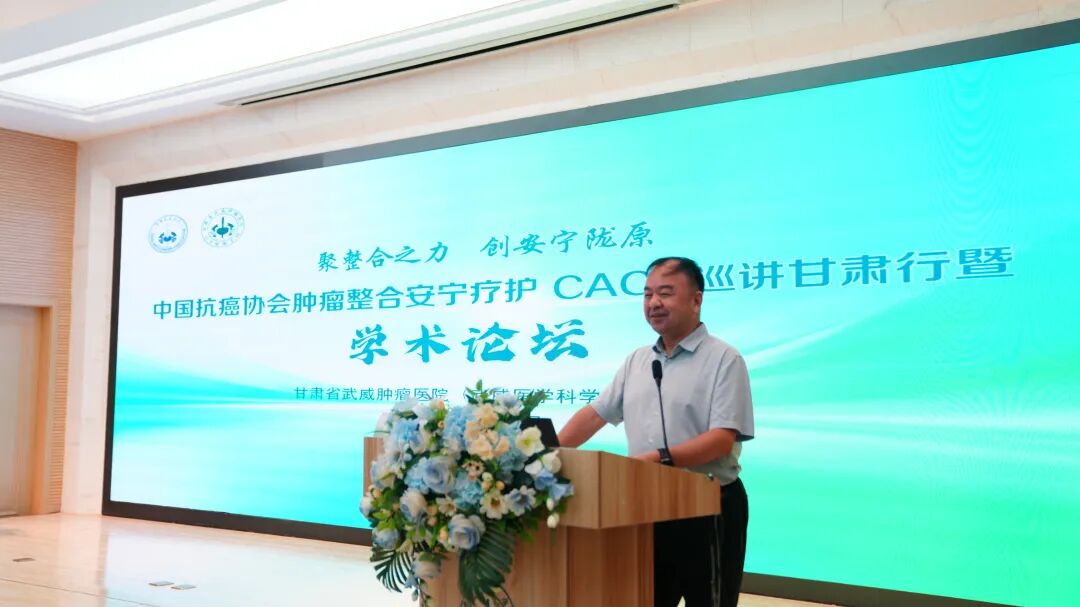
President Xiang Hua delivering a speech
At the conference, Ye Yancheng, President of Gansu Wuwei Cancer Hospital, noted in his address that the hospital is closely aligned with the Healthy China strategy. It has taken the lead in establishing a standardized hospice care ward, developed an integrated multidisciplinary team covering pain management, psychological intervention, and rehabilitation nursing, and, drawing on its core strengths in precision heavy ion therapy, has pioneered a distinctive care pathway in Northwest China that integrates precision cancer therapy with hospice care.
The CACA tour’s stop in Wuwei represents a key opportunity for high‑quality national medical resources to be brought to Northwest China. The hospital will use this forum as a catalyst to promote the clinical translation of guidelines and help primary‑care facilities strengthen their hospice care services.
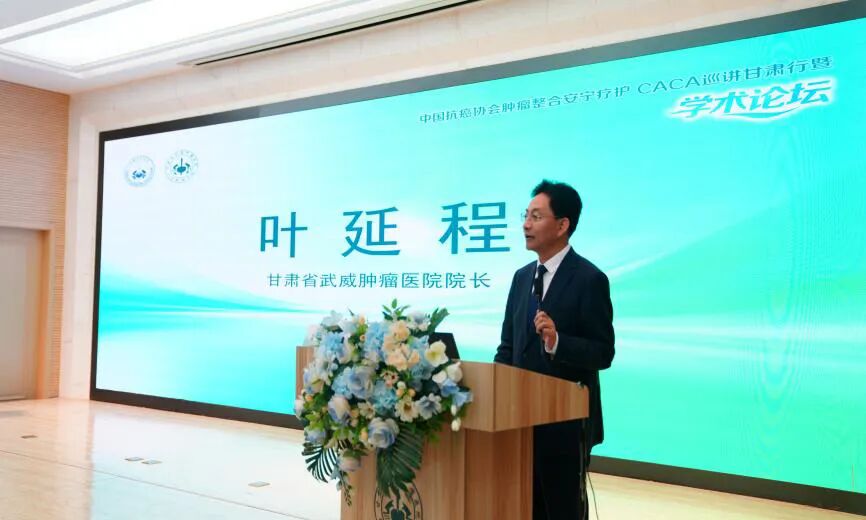
President Ye Yancheng delivering a speech
Heavy ions are regarded as the most ideal radiotherapy modality of the 21st century, largely due to their unique physical advantage — the Bragg peak. Heavy ion therapy exploits the precise deposition of energy at the end of the particle range and its high relative biological effectiveness (with an RBE value more than 2.5 times that of photons), enabling the disruption of double‑stranded DNA in tumor cells during division and leading to effective tumor cell killing. This approach offers high precision, a short treatment course, favorable outcomes, and minimal side effects.
For a long time, heavy ion therapy technology was monopolized by a few developed countries, with core equipment and clinical standards controlled externally. In recent years, through independent research and clinical innovation, the Institute of Modern Physics of the Chinese Academy of Sciences, in collaboration with Gansu Wuwei Cancer Hospital, has transformed China's position in heavy ion therapy from "follower" to "forerunner." This effort has not only broken the international monopoly on technology and equipment but has also led the development of an independent technical standards system. Importantly, the concept of "comprehensive whole‑life‑cycle care" has been integrated into the entire treatment process, making this cutting‑edge 21st‑century technology a Chinese solution that balances efficacy and humanistic care in global oncology, bringing new hope to patients at home and abroad.
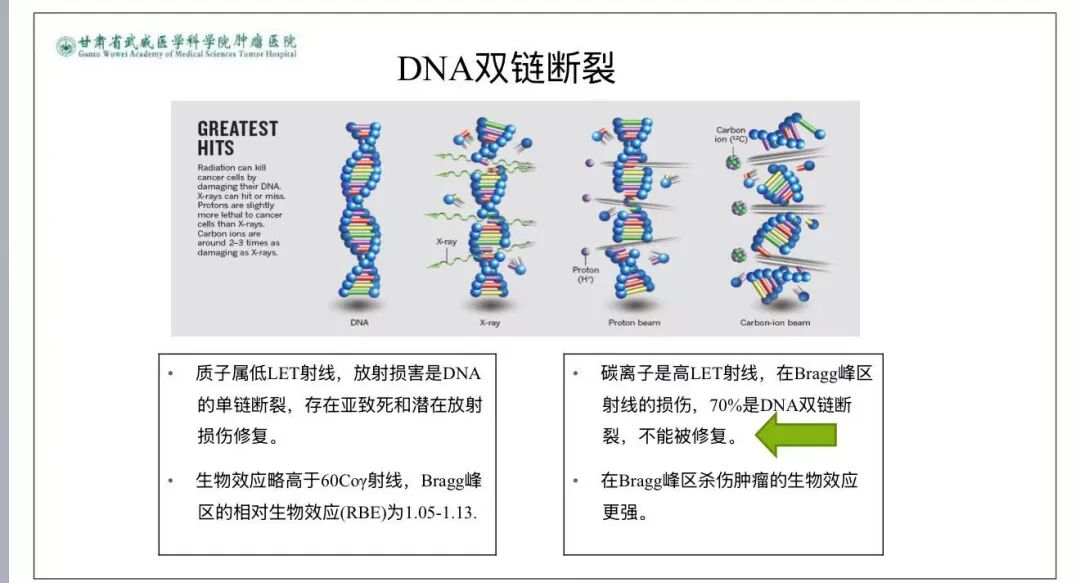
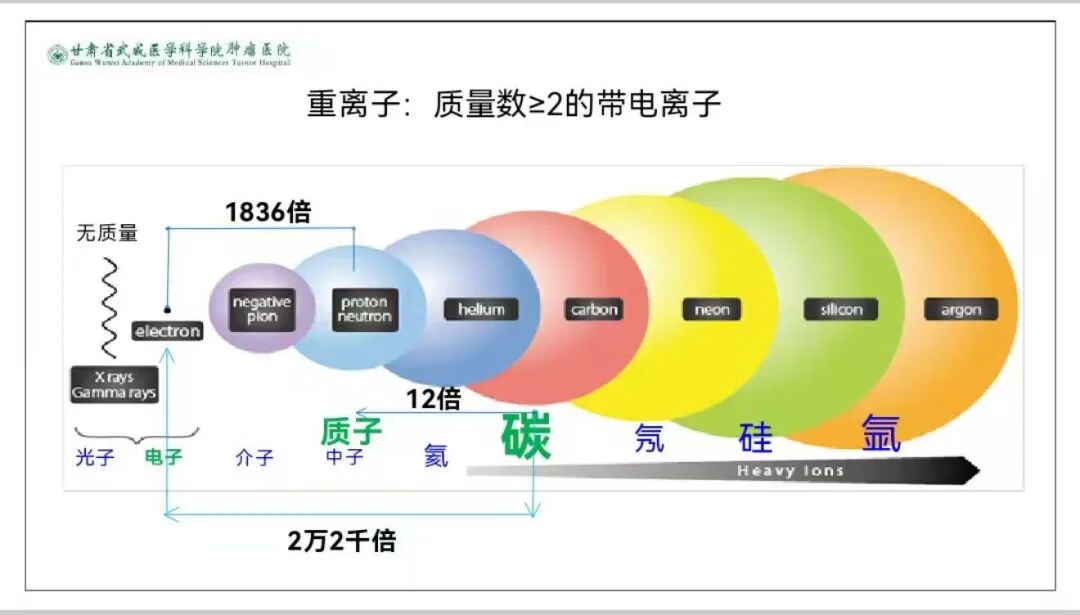
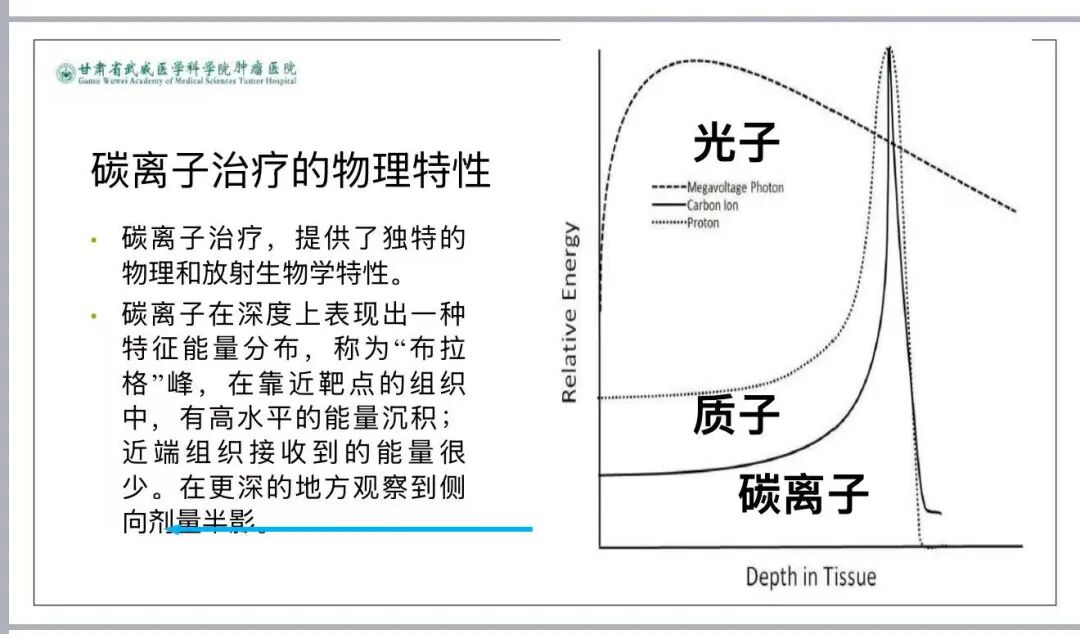
As a core clinical practice platform in China's heavy ion therapy field, the Heavy Ion Center of Gansu Wuwei Cancer Hospital — after eight years of construction and five years of clinical practice — has achieved dual breakthroughs in breaking monopolies and setting standards. On the one hand, it has successfully brought into operation China's first and second heavy ion tumor therapy systems supported by independent technology, becoming the only hospital in the world operating two heavy ion therapy systems and completely eliminating reliance on foreign equipment. On the other hand, through technological innovation, the center has established multiple independent diagnostic and treatment standards. It has pioneered globally the use of precision heavy ion therapy under ventilator control, precision therapy for bladder cancer under controlled bladder capacity, and single‑session therapy using surgically implanted spacers between organs and tumors — with relevant technical specifications filling domestic gaps and serving as industry reference standards. The center has also developed China's first 360‑degree rotatable and height‑adjustable ion radiotherapy chair, performed the world's first heavy ion therapy for cardiac tumors, and pioneered the integration of heavy ion therapy with comprehensive whole‑life‑cycle physical and mental health management. These achievements have further expanded the application boundaries and efficacy standards of heavy ion therapy, advancing China's heavy ion technology from "existence" to "excellence" and then to "leadership."
At the same time, the clinical capacity and impact of standard implementation at the Wuwei Heavy Ion Center have continued to advance. From treating just 7 tumor types during the clinical trial phase in 2018, the center now provides precision treatment for over 50 types of tumors, each with diagnostic and treatment protocols tailored to the characteristics of Chinese patients. Annual treatment volumes have surged from 200 cases to nearly 1,000, with treatment efficiency and outcomes reaching internationally advanced levels. To date, the center has successfully treated more than 3,000 patients, covering all provinces and municipalities across China (including Taiwan, Hong Kong, and Macao), as well as patients from numerous countries, including Belgium, Australia, South Korea, Malaysia, Vietnam, Singapore, Canada, Jordan, and Serbia. The international recognition and influence of China's heavy ion technology standards continue to grow.
The dual achievement of clinical efficacy and low toxicity has made heavy ion therapy a solid foundation for hospice care. Data show that patients with high‑grade glioma treated with heavy ion therapy achieve a median overall survival of 28 months — double that of conventional regimens — without an increase in severe adverse effects such as late radiation‑induced brain necrosis. Patients with locally advanced pancreatic cancer have a median survival of 19 months, approximately 8 months longer than with conventional chemoradiotherapy, with no grade 3 or higher gastrointestinal toxicity throughout treatment. For liver cancer patients, the 2‑year overall survival rate reaches 86.58%, matching the highest international standards. Behind these figures lies the achievement of a key goal in cancer treatment: patients no longer have to choose between "enduring pain to fight cancer" and "tolerating side effects," but can truly receive treatment without compromising their quality of life.
Today, the Wuwei Heavy Ion Center continues to expand the frontiers of "technology plus humanistic care." It has brought in internationally renowned experts from Japan, Germany, and other countries to optimize diagnostic and treatment standards, built a comprehensive, whole‑life‑cycle health management system covering prevention, treatment, and rehabilitation, and further refined services such as physical and mental wellness and sleep therapy, extending holistic care to every patient.
In clinical practice, it is essential for patients to have early access to information about the most advanced treatment options and to choose personalized therapeutic approaches. This enables precise tumor treatment while minimizing harm to the body, and from the outset, helps prevent treatment‑related side effects that could compromise quality of life. Minimally invasive or non‑invasive techniques such as heavy ion radiotherapy offer patients a reliable way to actively prevent disease progression to end‑stage. From preventing deterioration, to preserving bodily function during treatment, to providing whole‑life‑cycle care during recovery — China's heavy ion therapy protects the dignity of life through a combination of advanced technology and human compassion.
The forum also featured presentations and exchanges from a number of nationally renowned experts. Professor Xiang Hua, Executive Director of the CACA Hospice Care Committee and President of Hunan Cancer Hospital, delivered a keynote on the clinical translation of the CACA guidelines. Professor Lu Guijun from Beijing Tsinghua Changgung Hospital, Chair of the CACA Social Support in Hospice Care Committee, and Professor Chen Yongyi, former Vice President of Hunan Cancer Hospital and Chair of the CACA Hospice Nursing Committee, shared insights on discipline development and integrated care pathways in hospice care. Professor Jiao Caihong, Vice President of Longnan People's Hospital, presented practical experience in integrating primary‑level medical and nursing care with hospice services.
Other experts, including Professor Zhou Ning, Director of the Pain and Hospice Care Department at Eastern Theater Command Air Force Hospital; Professor Yuan Ling, Deputy Director of Nursing at Nanjing Drum Tower Hospital and Vice Chair of the CACA Hospice Nursing Committee; Professor Tang Jun, Deputy Director of Nursing at the Gansu Hospital of Sun Yat‑sen University Cancer Center and Chair of the Gansu Hospice Care Committee; and Director Wu Chengbin, Head of the Hospice Care Ward at Gansu Wuwei Cancer Hospital, engaged in in‑depth discussions on topics including ethics and law in hospice care, a tripartite collaborative service model, Internet‑based nursing practice, and hospice ward development.
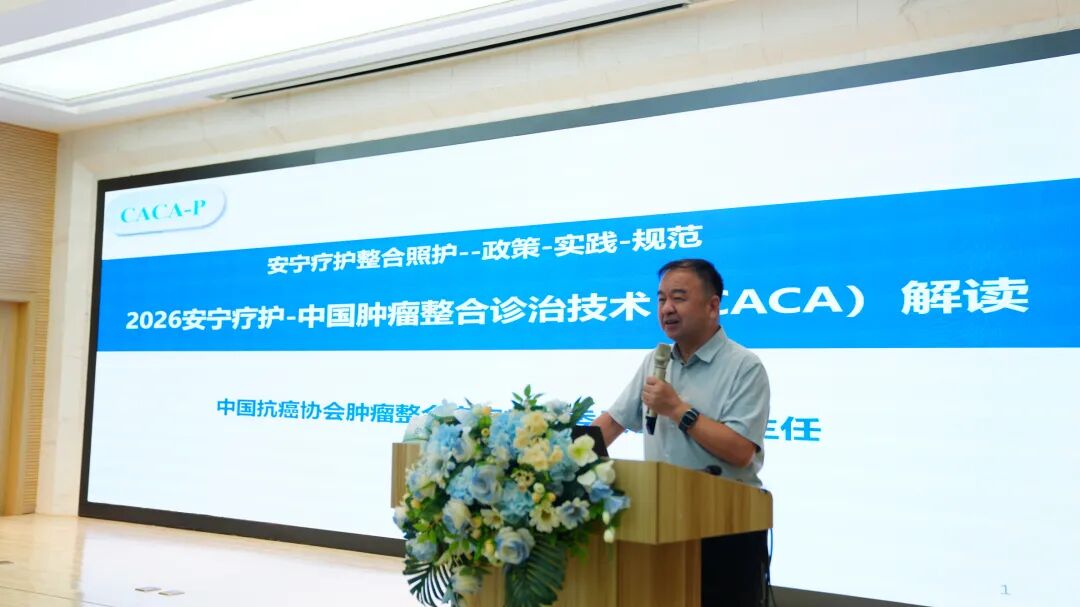
Lectures by Professor Xiang Hua
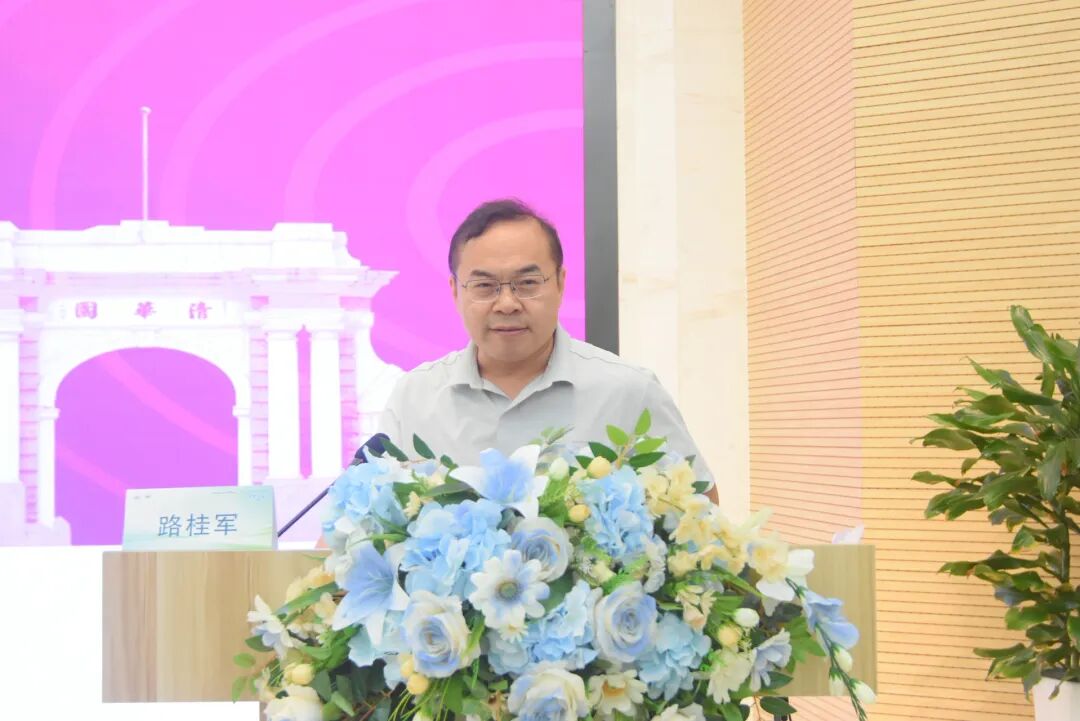
Lectures by Professor Lu Guijun
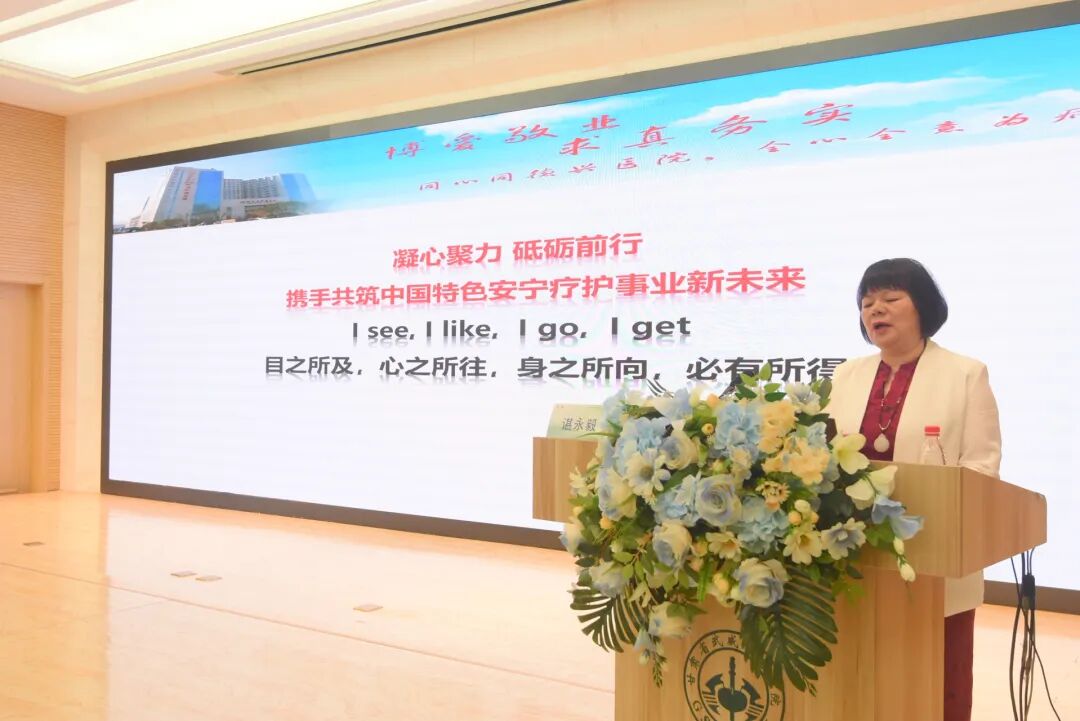
Lecture by Professor Chen Yongyi
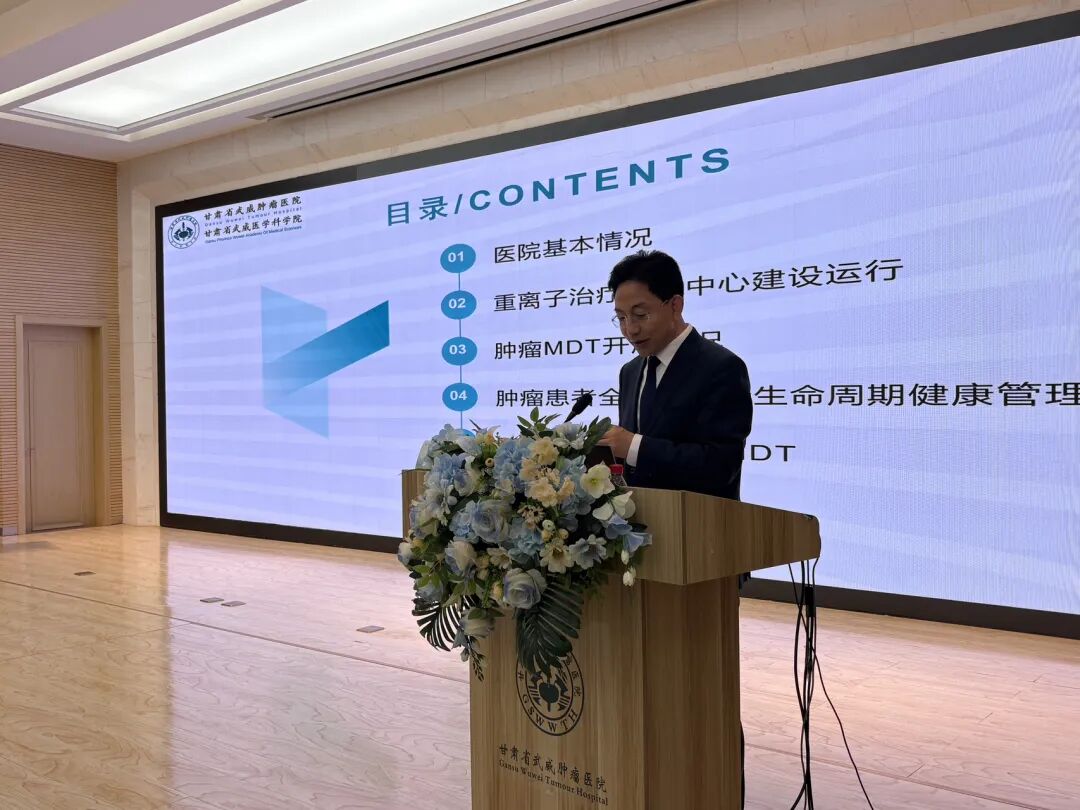
Lecture by Professor Ye Yancheng
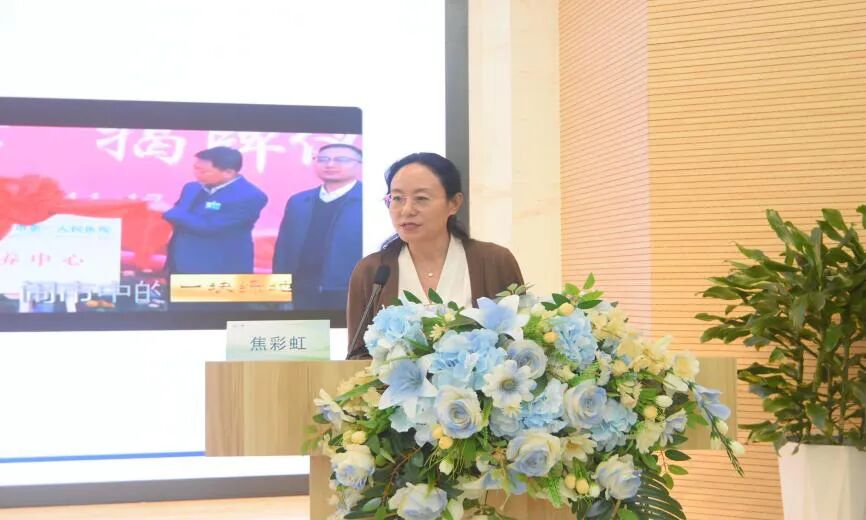
Lecture by Professor Jiao Caihong
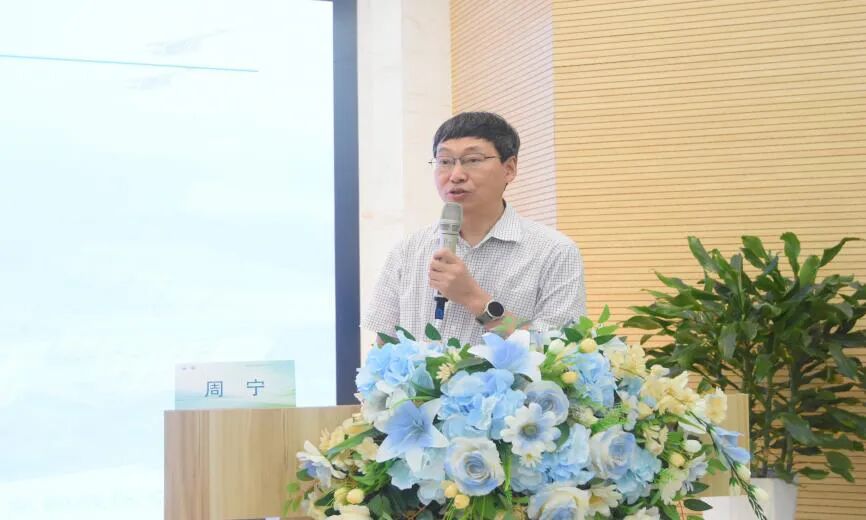
Lecture by Professor Zhou Ning
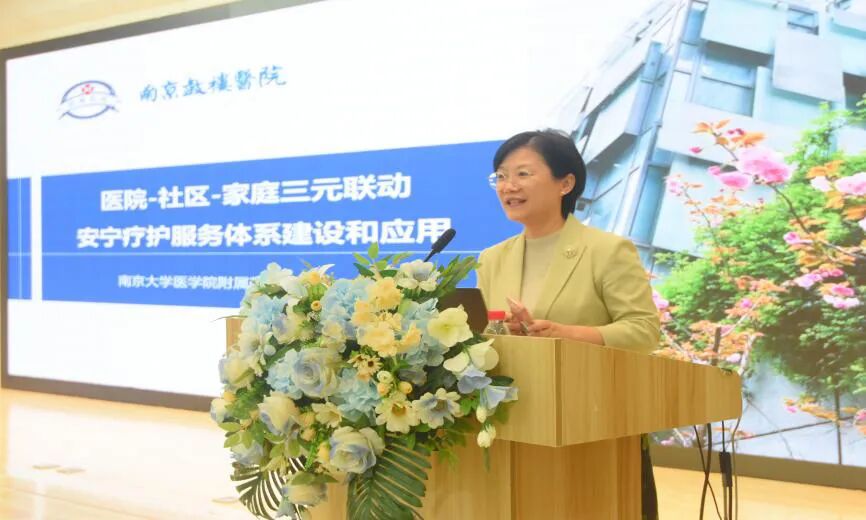
Lecture by Professor Yuan Ling
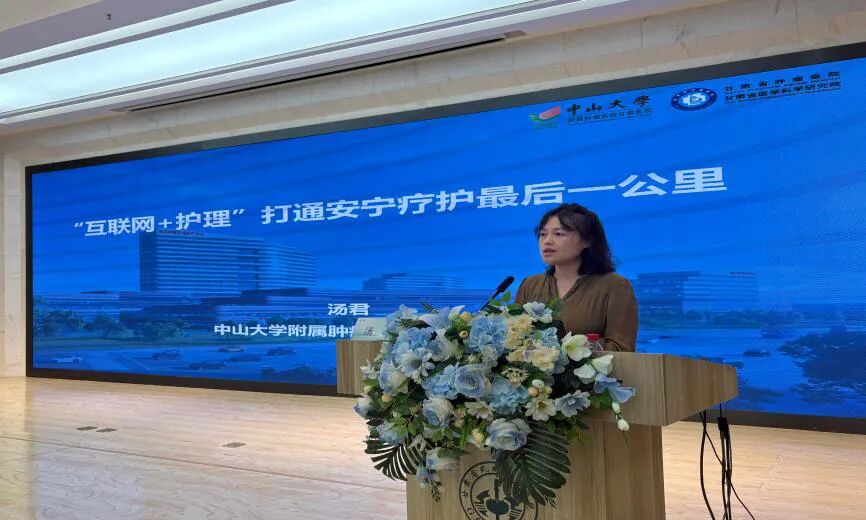
Professor Tang Jun delivers lectures
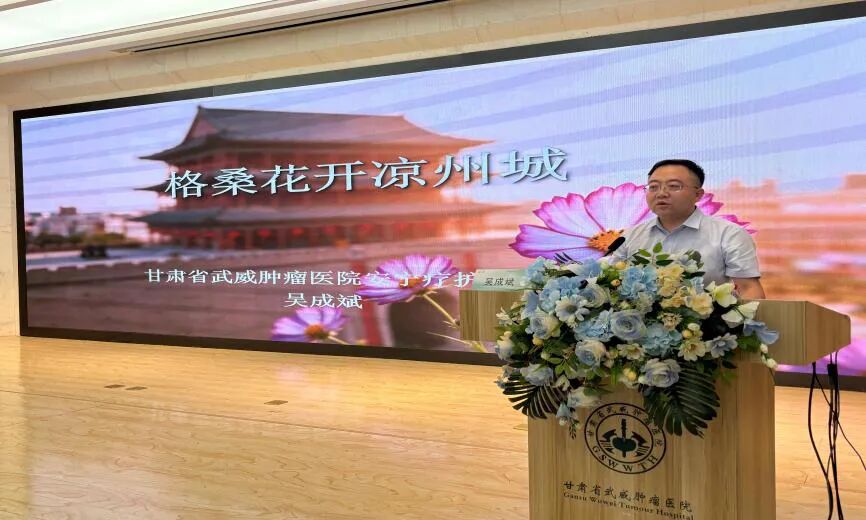
Lectures by Professor Wu Chengbin
During the practical guidance session, the expert team visited the Geriatrics/Hospice Care Ward, the Pain Department, the Physical and Mental Sleep Center, and the Heavy Ion Center to provide on‑site guidance. By translating theoretical standards into practical clinical "toolkits," the team effectively bridged the "last mile" from guideline to service delivery.
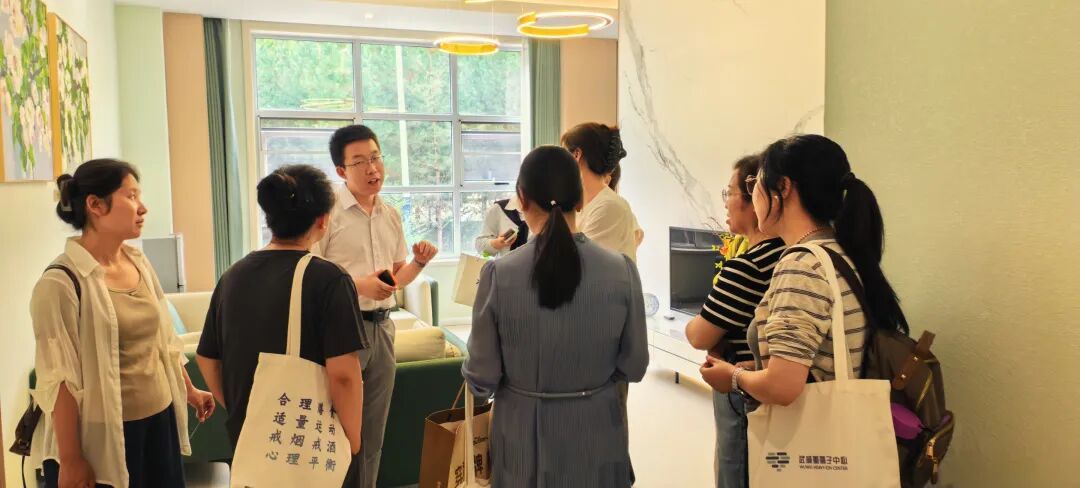
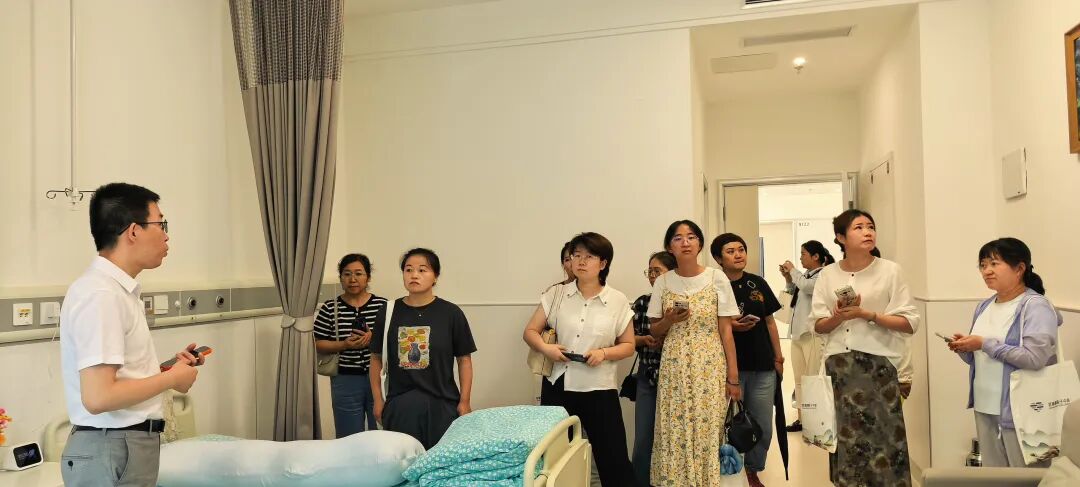
At the close of the forum, Cai Qinghua, Vice President of Gansu Wuwei Cancer Hospital, delivered a concluding summary. She noted that the forum successfully integrated academic depth, disciplinary breadth, and humanistic warmth, fully embodying the core principles of hospice care: integration, whole‑course care, and compassion. Gansu Wuwei Cancer Hospital will take this forum as an opportunity to continue advancing the implementation of the CACA guidelines, give full play to its role as a leading regional hospital, contribute "Wuwei strength" to addressing the gaps in cancer care services in Northwest China, and ensure that life is met with dignity, warmth, and light — even at its end.
Writer: Guo Yishan, Bao Shanfang
First Reviewer: Yang Yang
Second Reviewer: Guo Yishan
Third Reviewer: Cai Qinghua