A Successful Conclusion to the 2026 National Million
Advancing Stroke Prevention and Disability Reduction: A Successful Conclusion to the 2026 National Million
-Person Disability Reduction Project Key Techniques Training Course (Phase IV) & Wuwei Neurological Disease Management Symposium
To implement the Healthy China Initiative and advance the National Million-Person Disability Reduction Project, the 2026 National Million-Person Disability Reduction Project Key Techniques Training Course (Phase IV), held concurrently with the Wuwei Neurological Disease Management Symposium, successfully convened from July 11–12 at the Heavy Ion Center of Gansu Wuwei Cancer Hospital (Wuwei Academy of Medical Sciences). The event was organized by the National Health Commission’s Medical Science and Technology Development Research Center and the National Expert Committee on the Million-Person Disability Reduction Project, and co-hosted by the Gansu Provincial Expert Committee on the Million-Person Disability Reduction Project, Lanzhou University Stroke Institute, and Gansu Wuwei Cancer Hospital. It brought together neurologists, specialists, and frontline healthcare professionals from across the province and beyond for systematic academic exchange and case-based discussions.
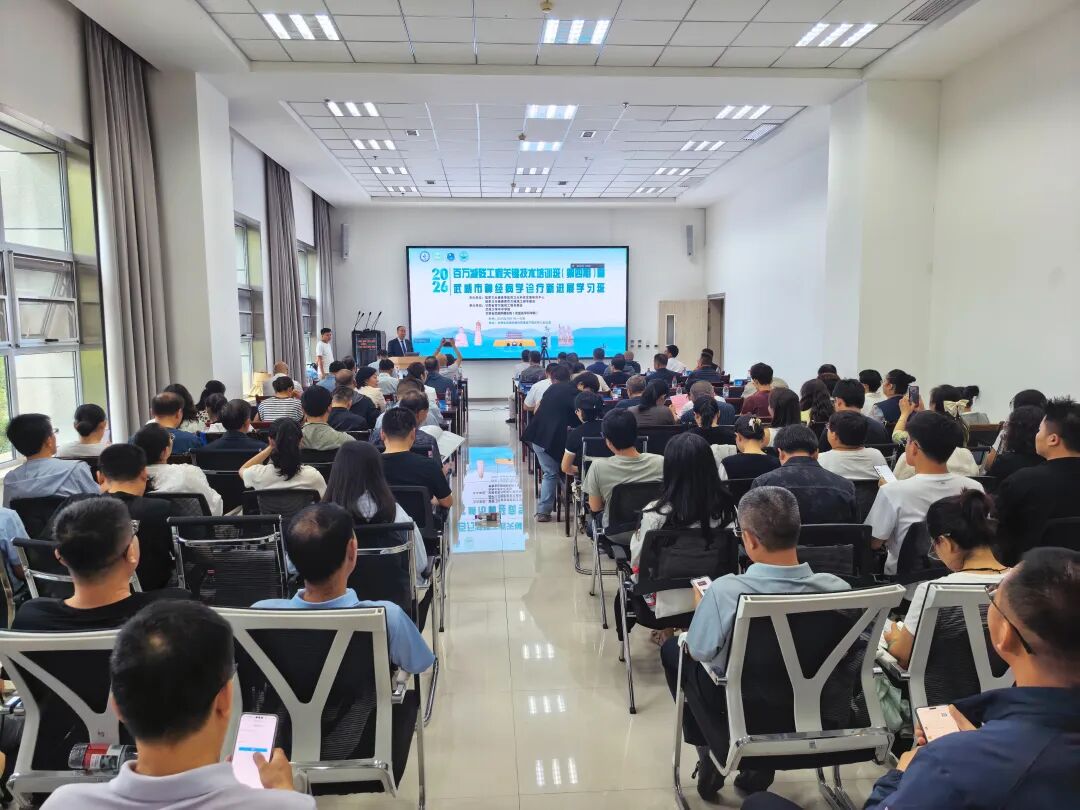
The symposium commenced on the morning of July 11, with Ren Baolong, Labor Union Chairperson and Director of Neurology at Gansu Wuwei Cancer Hospital, presiding over the opening ceremony. Following a group photo, remarks were delivered by Cai Qinghua, Vice President of Gansu Wuwei Cancer Hospital; Gu Youquan, Dean of Lanzhou University Stroke Institute; and Yin Meng, Project Supervisor of the Stroke Program at the NHC Medical Science and Technology Development Research Center. The speakers emphasized the pivotal role of this training in strengthening stroke prevention and control efforts across Wuwei and Gansu Province. Highlighting stroke as a condition marked by high incidence, severe disability, and significant mortality, they underscored the urgency of standardized treatment, multidisciplinary collaboration, and community-based screening. Participants were encouraged to fully engage with the latest clinical insights and translate them into improved local practices, thereby tangibly reducing stroke-related disability and deepening the impact of the provincial disability reduction initiative.
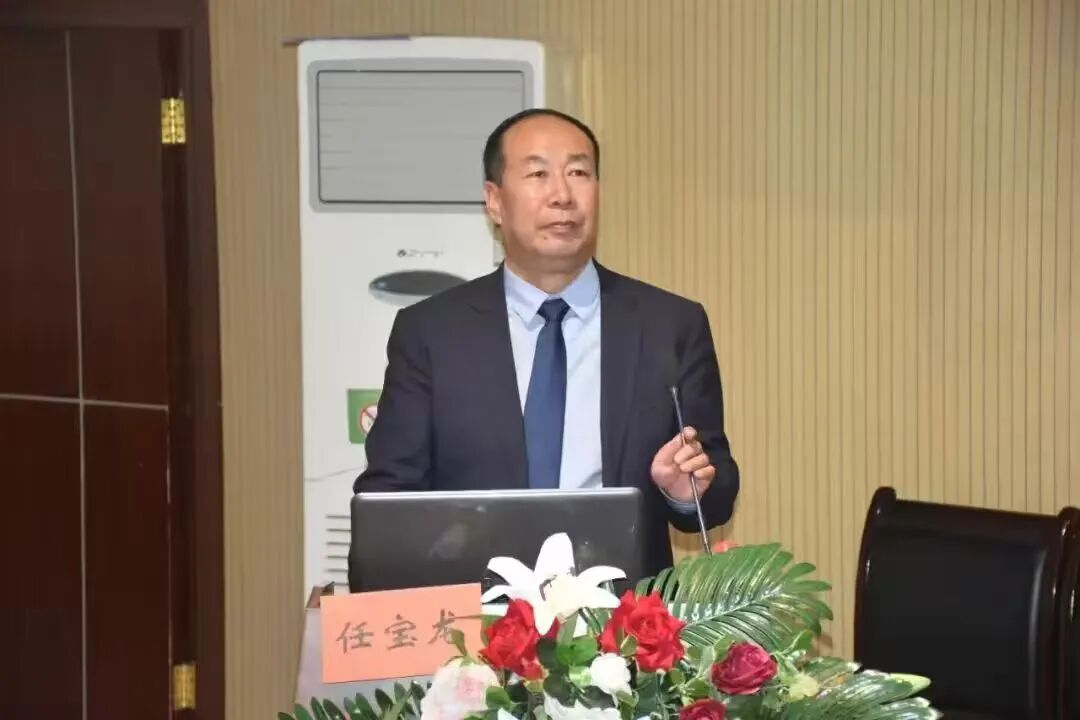
Ren Baolong, Labor Union Chairperson and Director of Neurology, Gansu Wuwei Cancer Hospital
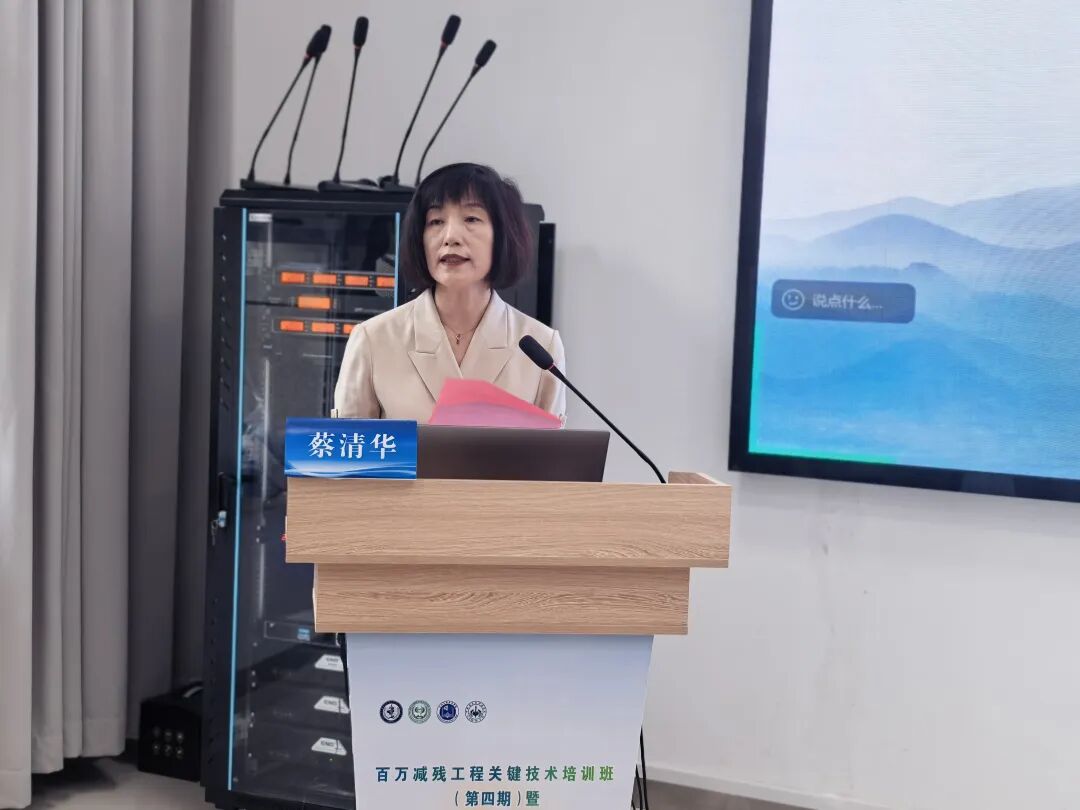
Cai Qinghua, Vice President, Gansu Wuwei Cancer Hospital
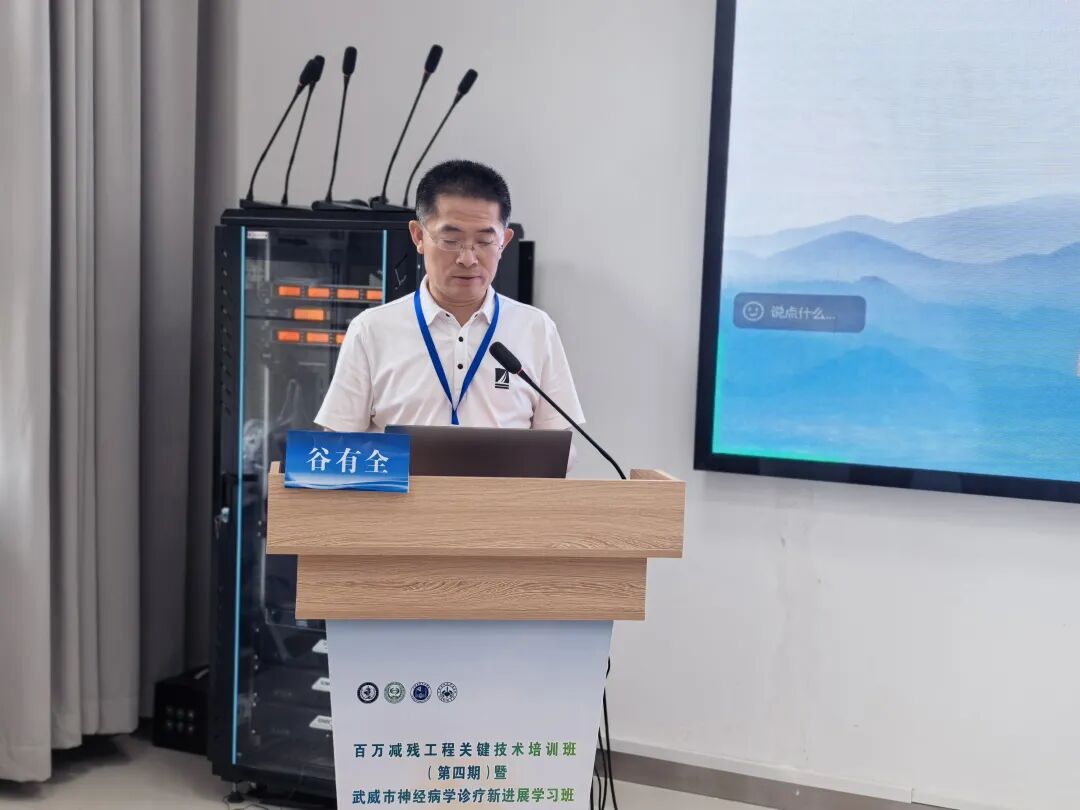
Gu Youquan, Dean, Lanzhou University Stroke Institute
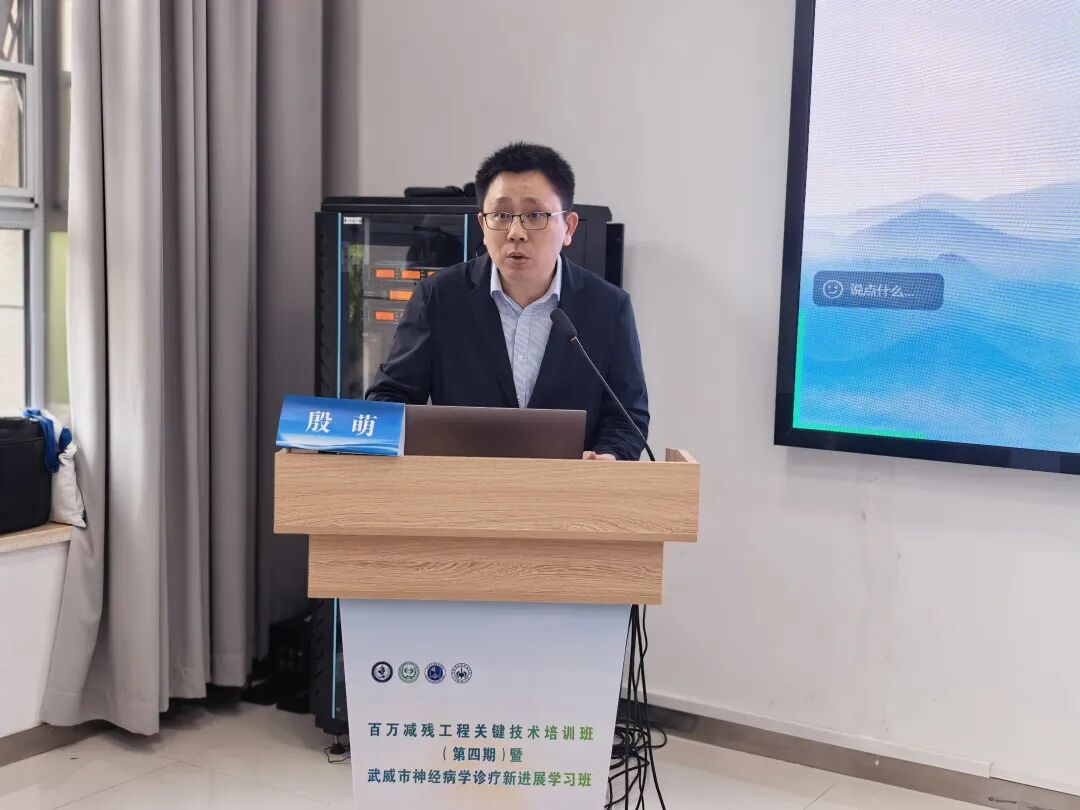
Yin Meng, Project Supervisor, Stroke Program, Medical Science and Technology Development Research Center, National Health Commission
The curriculum was intensive and comprehensive, featuring lectures by leading experts from prominent institutions in Beijing, Shanxi, Henan, Ningxia, Xinjiang, Sichuan, Shaanxi, and throughout Gansu. Sessions addressed critical clinical topics, including endovascular therapy for acute posterior circulation ischemic stroke, carotid artery stenting, flow-diverter devices for complex cerebral aneurysms, interventional diagnosis and treatment of dural arteriovenous fistulas, and key techniques in intravenous thrombolysis and mechanical thrombectomy. Faculty shared frontline surgical experiences and advanced procedural strategies, offering detailed guidance on managing technical challenges, navigating preoperative counseling, and preventing postoperative complications. Additional sessions explored the practical integration of artificial intelligence in acute ischemic stroke interventions, demonstrating how intelligent systems can streamline clinical workflows. A dedicated segment on hyperbaric oxygen therapy reviewed its neurological applications and clinical protocols. Experts also presented updates on Gansu’s progress in the Million-Person Disability Reduction Project, elaborated on protocols for establishing stroke emergency绿色通道 (Green Channels), outlined regional stroke center development plans, and disseminated practical methods for rapid stroke recognition—ensuring cutting-edge concepts were adapted to grassroots clinical settings.
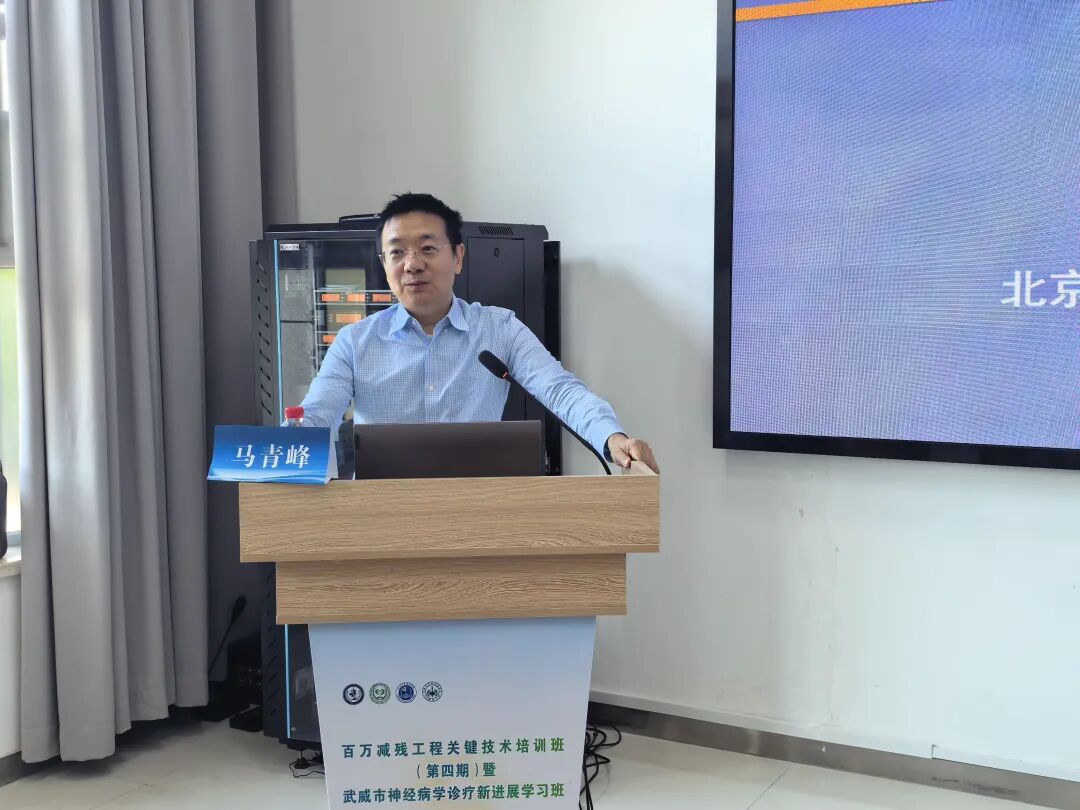
Ma Qingfeng, Professor, Xuanwu Hospital, Capital Medical University: Building Efficient Stroke Green Channels
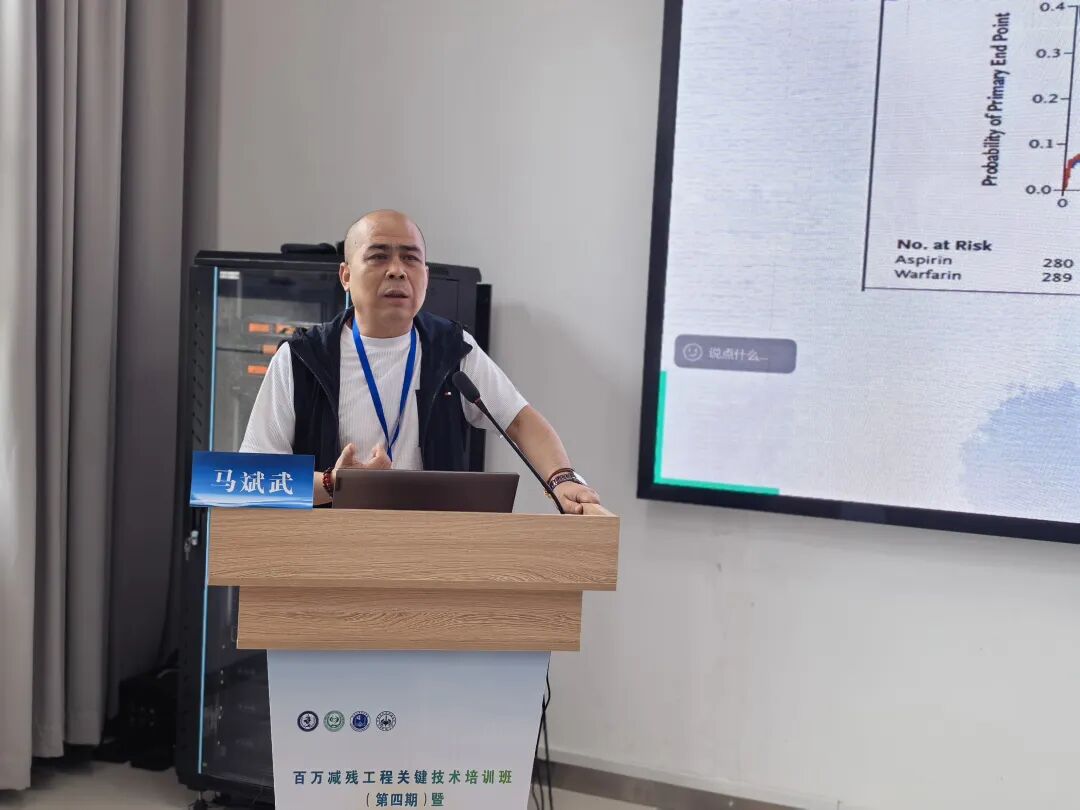
Ma Binwu, Professor, General Hospital of Ningxia Medical University: Mechanism-Based Strategy Selection for Endovascular Treatment in sICAS Patients: Insights from CISS-LAA Classification
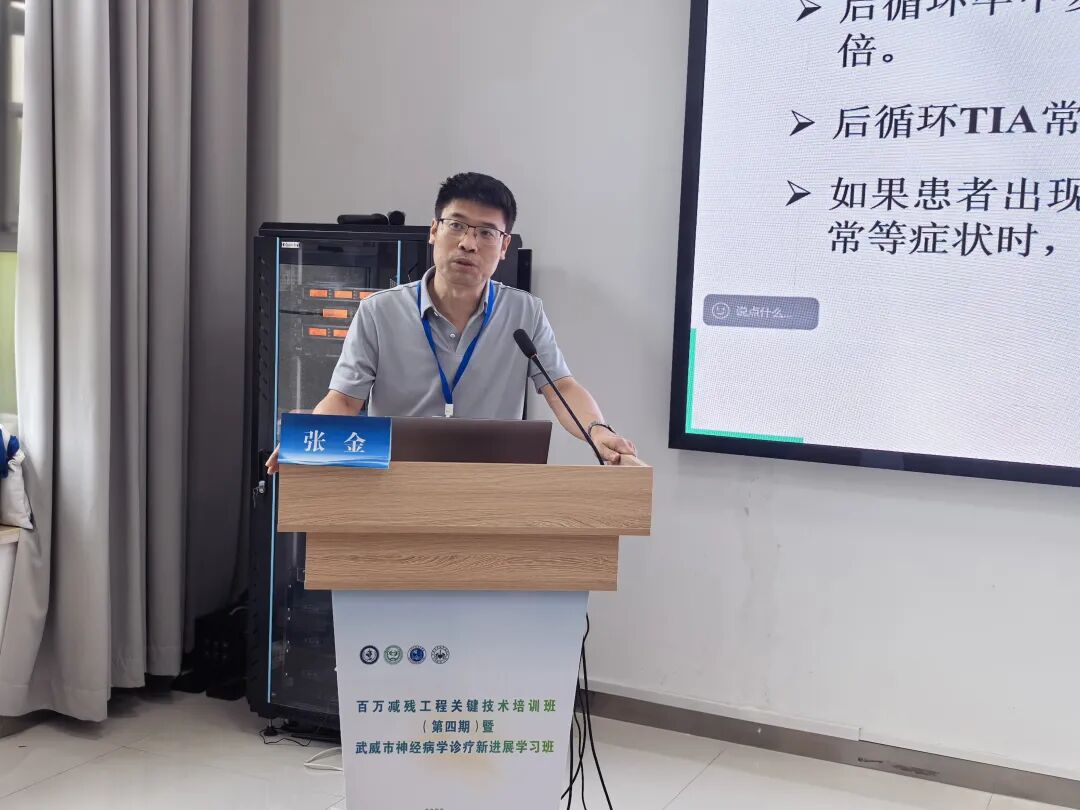
Zhang Jin, Professor, First Hospital of Shanxi Medical University: Endovascular Therapy for Acute Posterior Circulation Ischemic Stroke
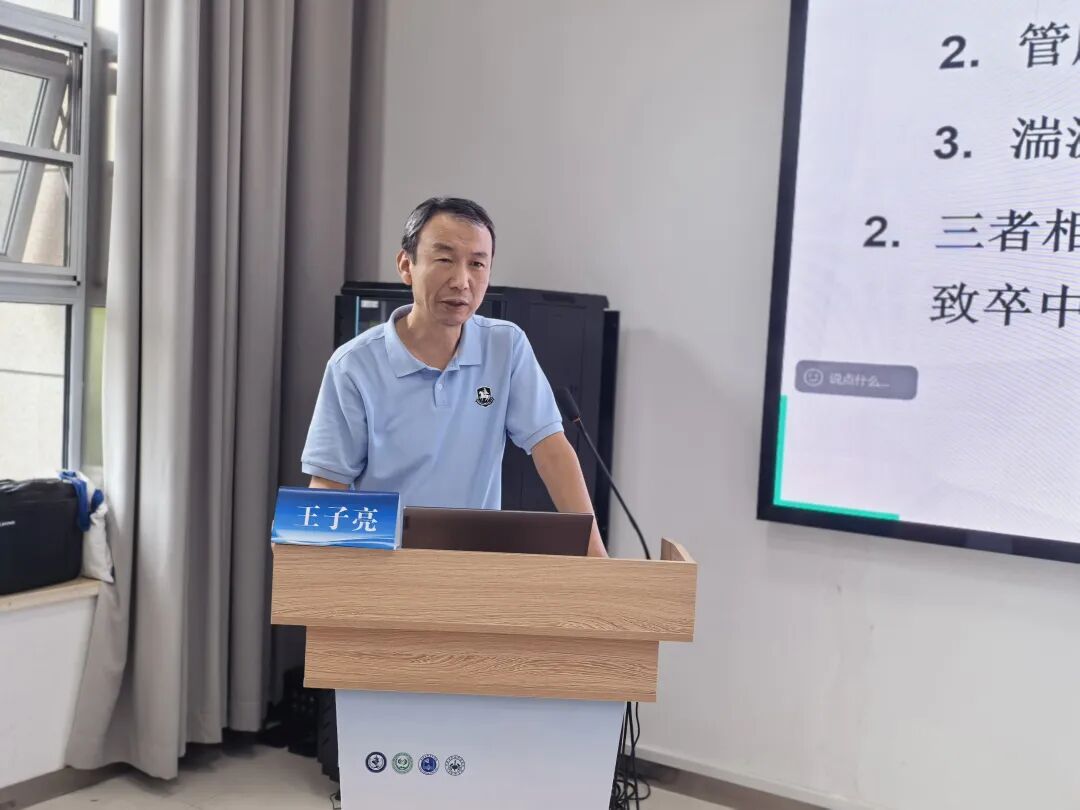
Wang Ziliang, Professor, Henan Provincial People's Hospital: Carotid Artery Stenting for Arterial Stenosis
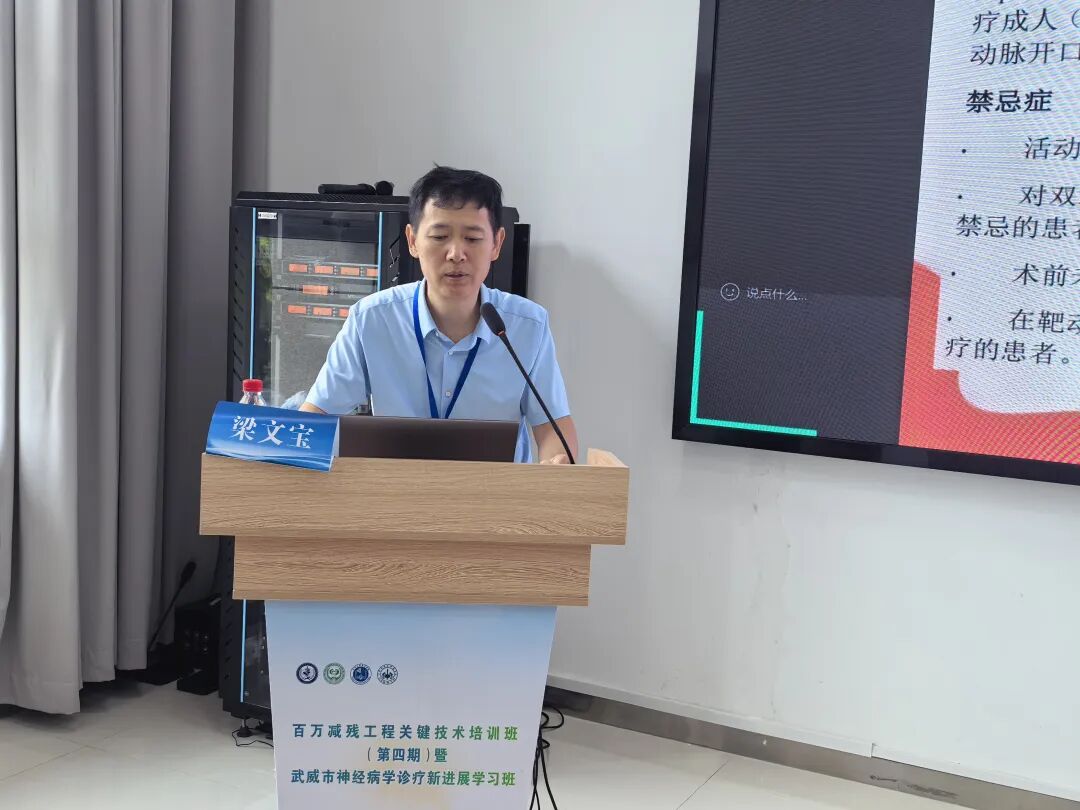
Liang Wenbao, Professor, Affiliated Hospital of Traditional Chinese Medicine, Xinjiang Medical University: Clinical Experience with Flow-Diverter Devices in Complex Cerebral Aneurysms
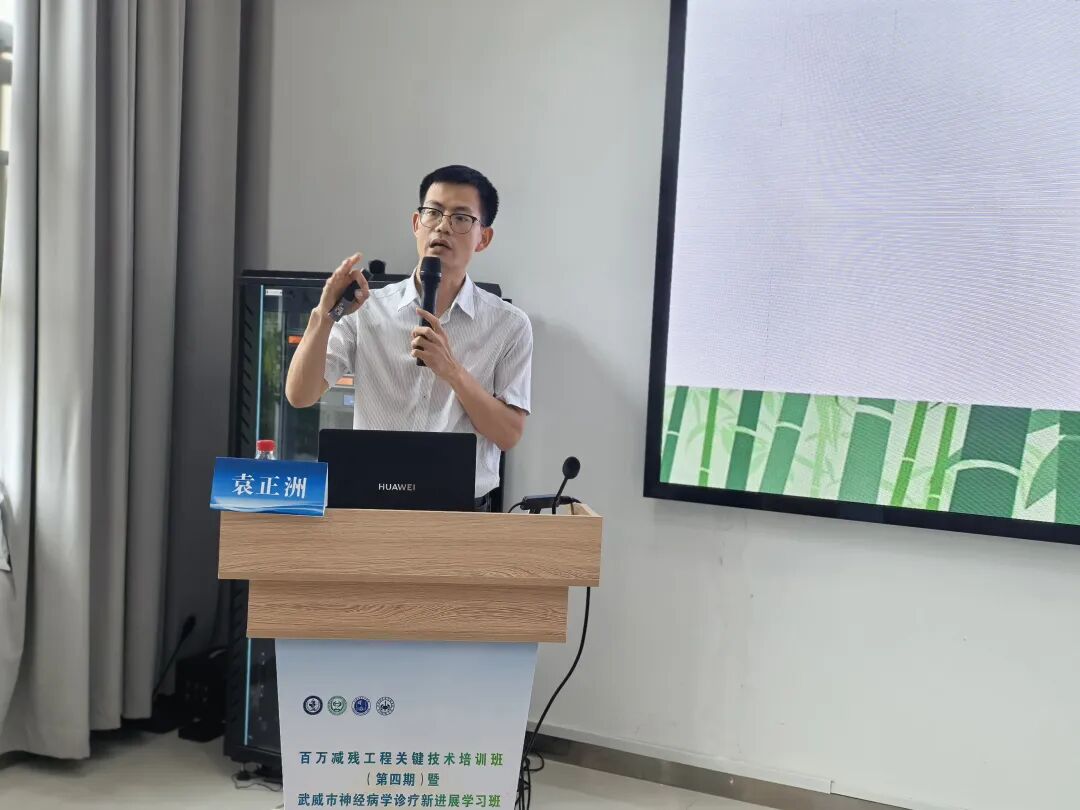
Yuan Zhengzhou, Professor, Affiliated Hospital of Southwest Medical University: Artificial Intelligence in Endovascular Treatment of Acute Ischemic Stroke
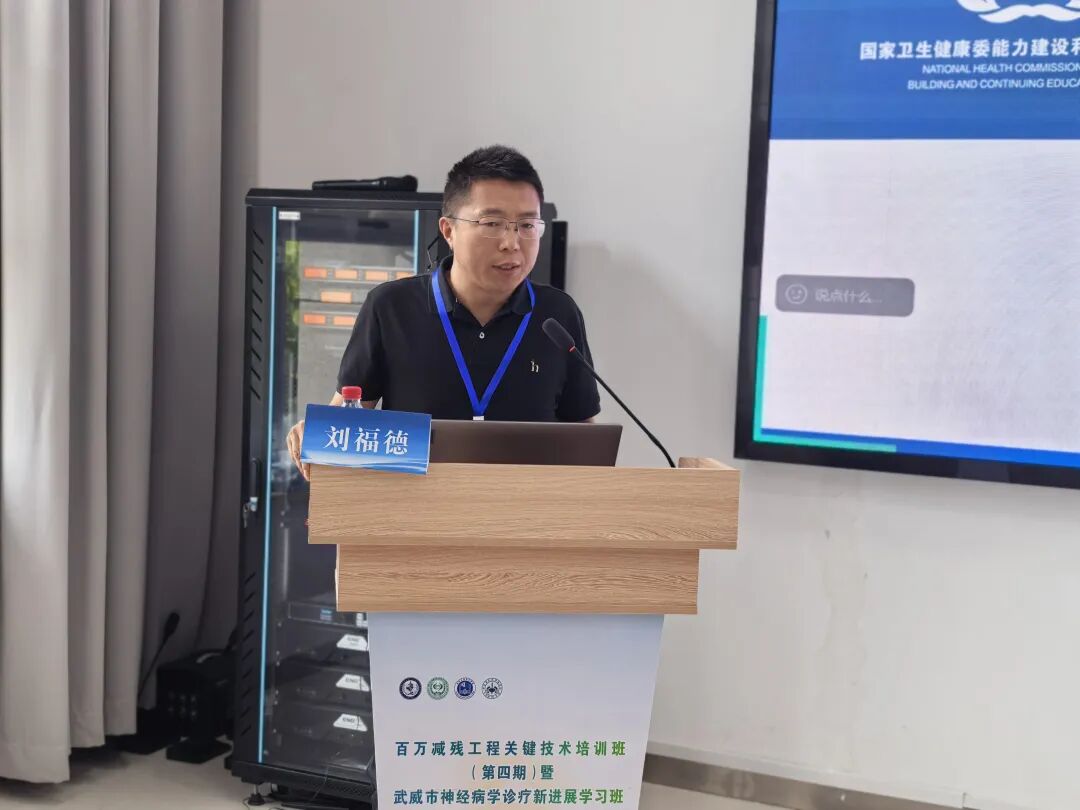
Sun Yaxuan, Professor, Shanxi Provincial People's Hospital (Virtual Presentation): Interpreting Clinical Outcomes of the “Reverse Bridging” Thrombectomy Strategy
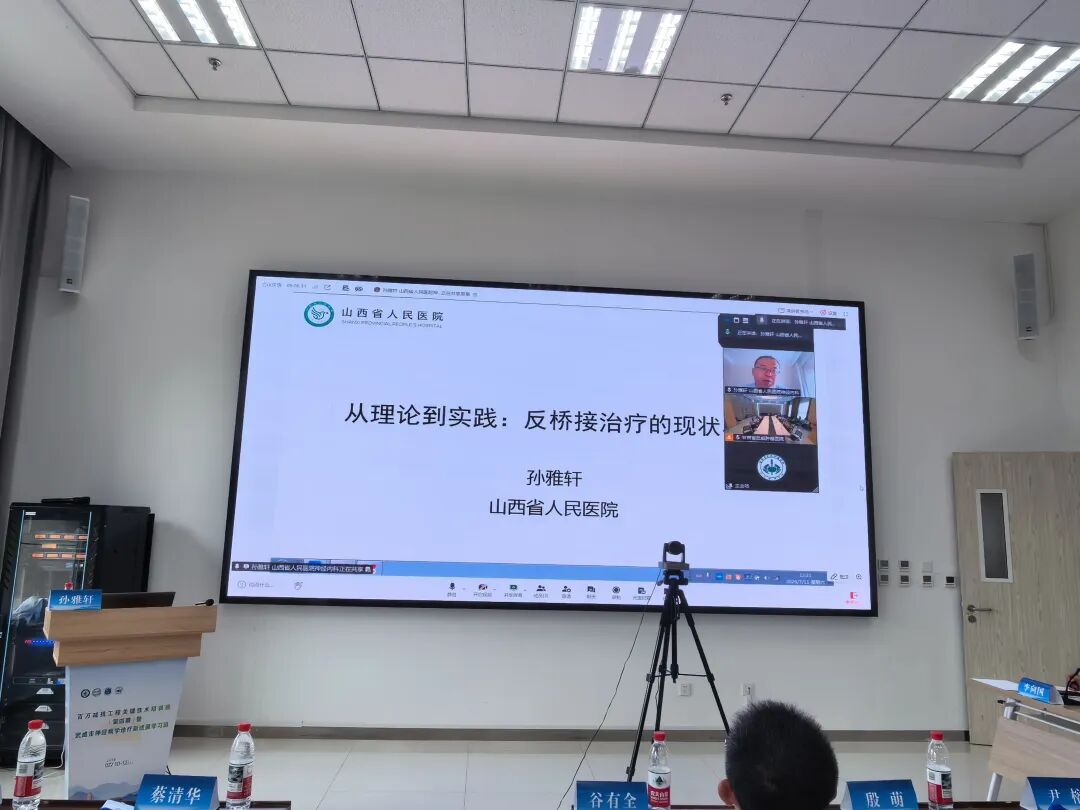
Sun Yaxuan, Professor, Shanxi Provincial People's Hospital (Virtual Presentation): Interpreting Clinical Outcomes of the “Reverse Bridging” Thrombectomy Strategy
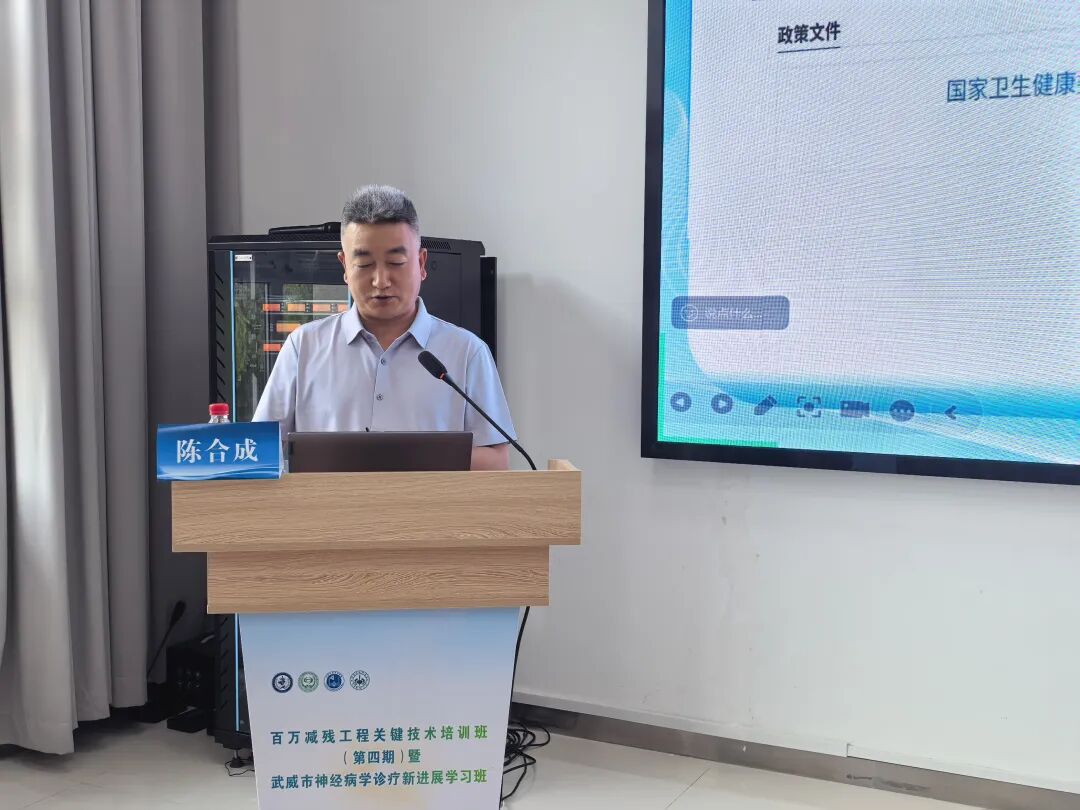
Chen Hecheng, Professor, Gansu Provincial People's Hospital: Interventional Diagnosis and Management of Dural Arteriovenous Fistulas
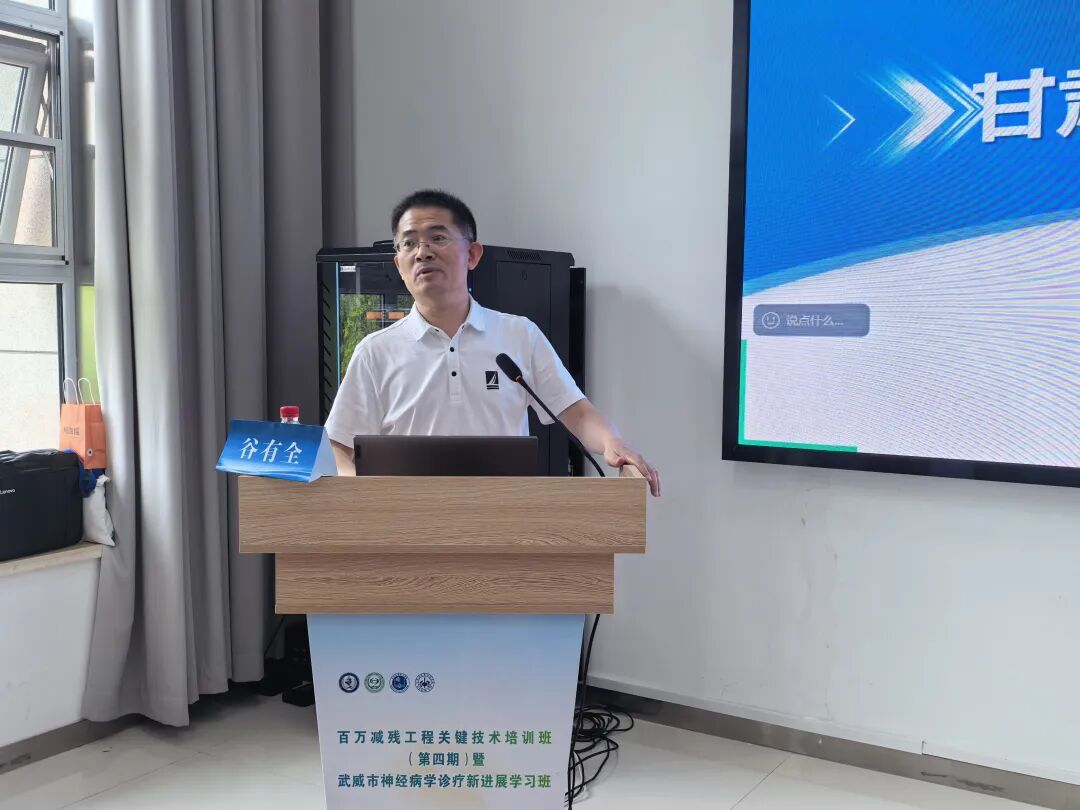
Gu Youquan, Professor, Lanzhou University Stroke Institute: Progress Report on Gansu’s Million-Person Disability Reduction Initiative
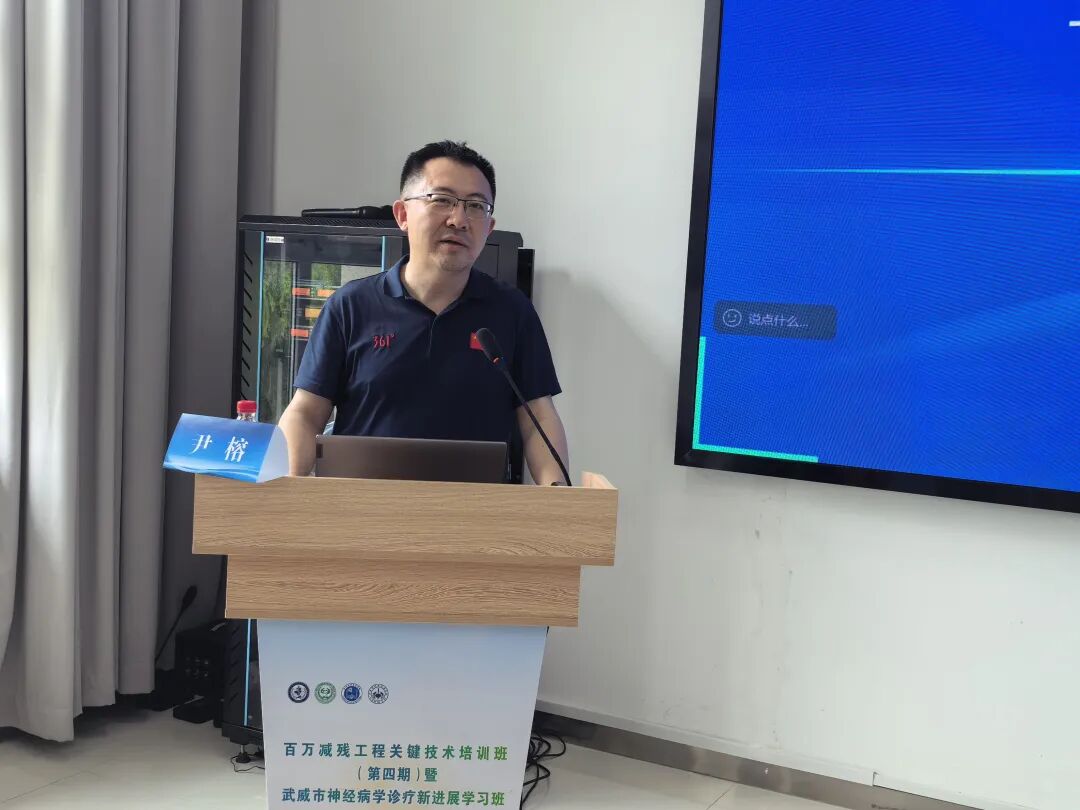
Yin Rong, Professor, Gansu Provincial Central Hospital: Practical Strategies for Public Stroke Recognition Campaigns
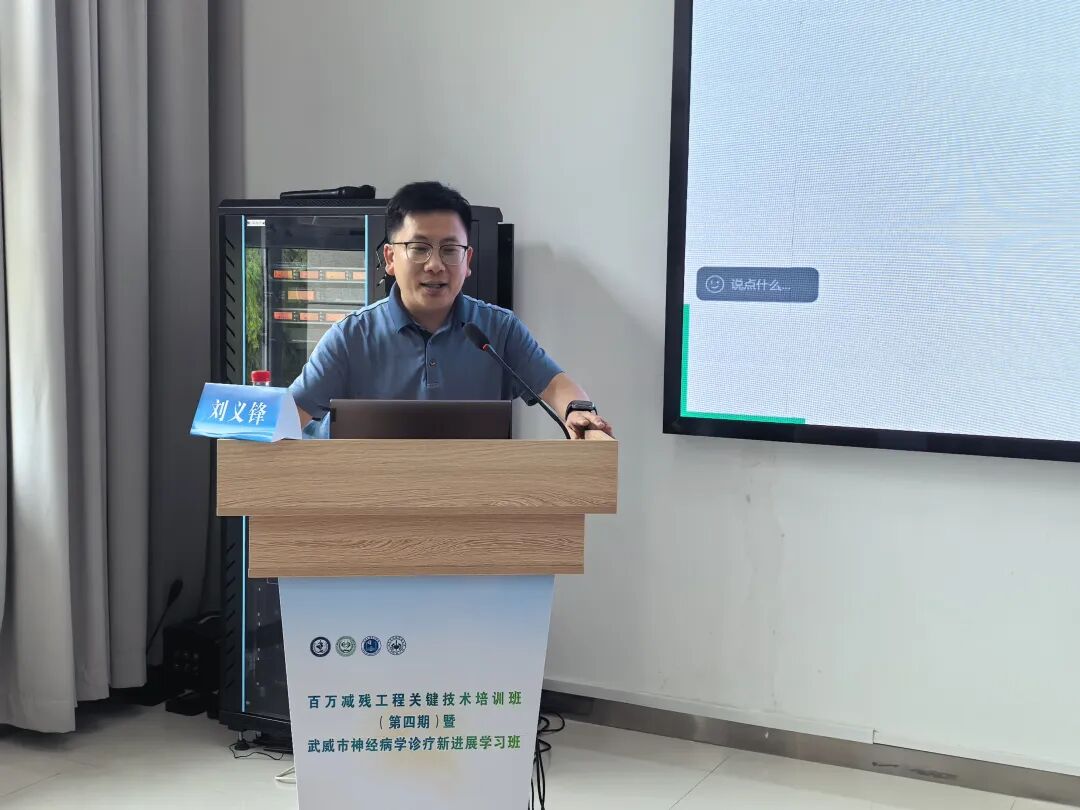
Liu Yifeng, Professor, Nanyang Central Hospital: Effective Preoperative Communication: Counseling for IV Thrombolysis and Thrombectomy
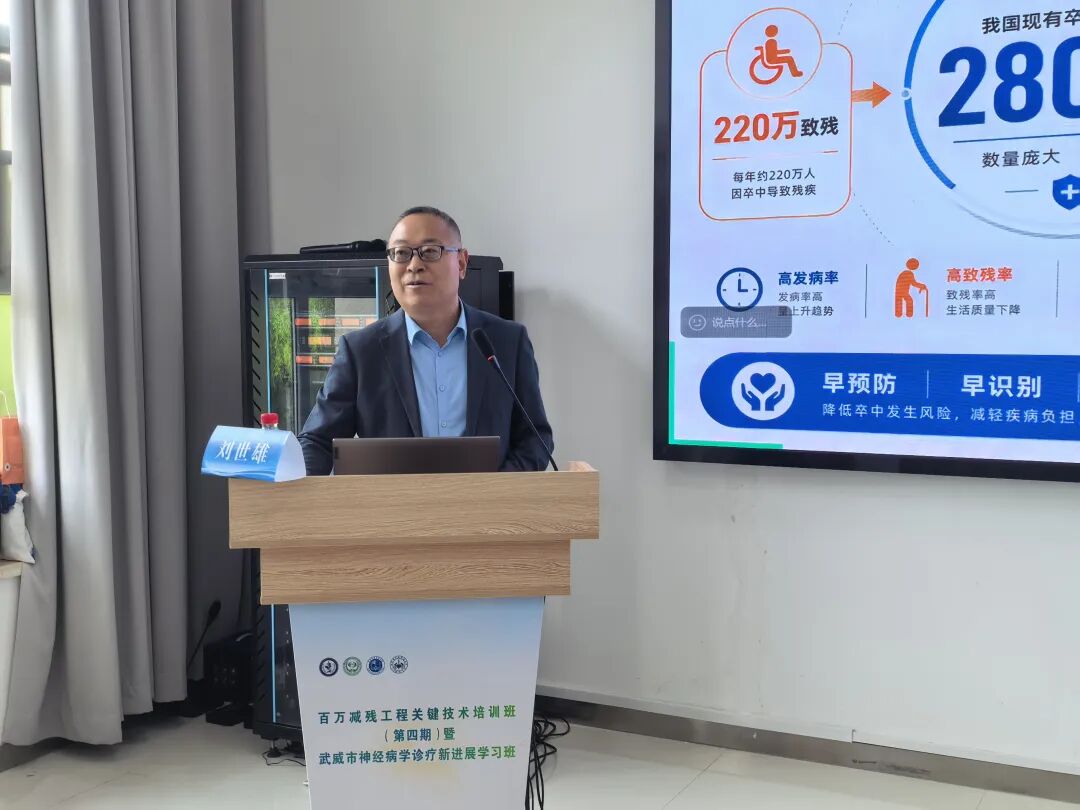
Liu Shixiong, Professor, First Hospital of Lanzhou University: Clinical Applications of Hyperbaric Oxygen Therapy in Neurology
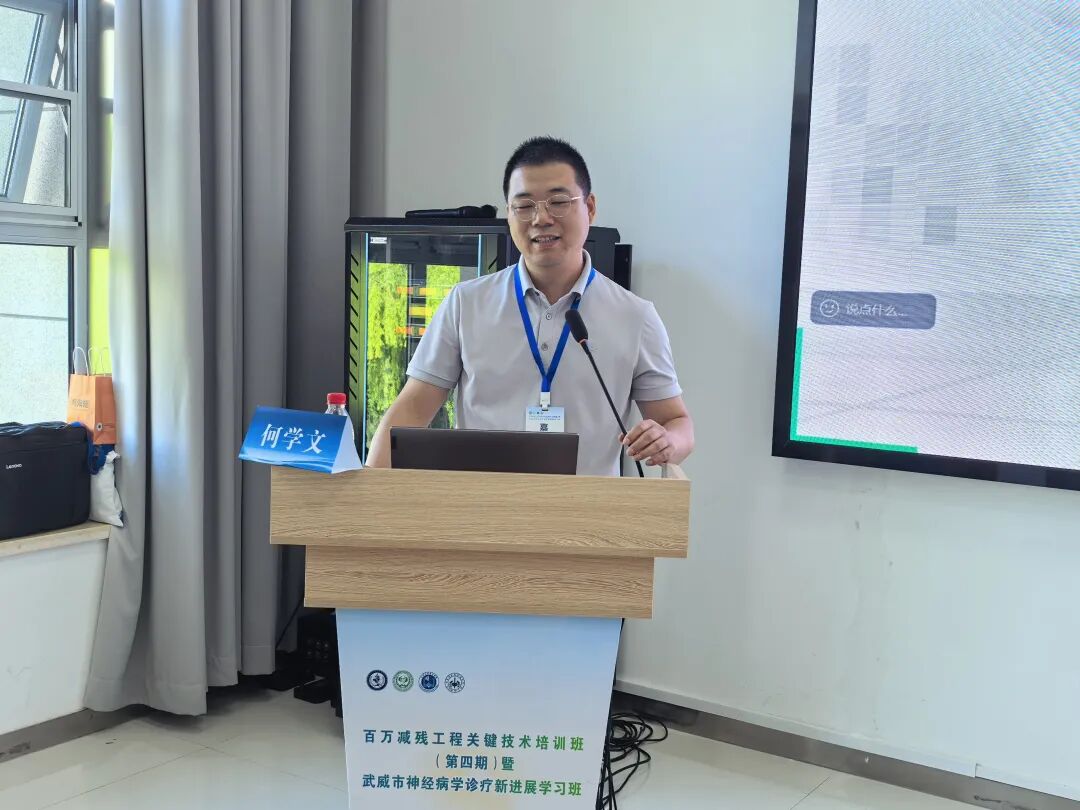
He Xuewen, Professor, First Hospital of Lanzhou University: Prevention and Management of Complications in Endovascular Treatment of Acute Ischemic Stroke
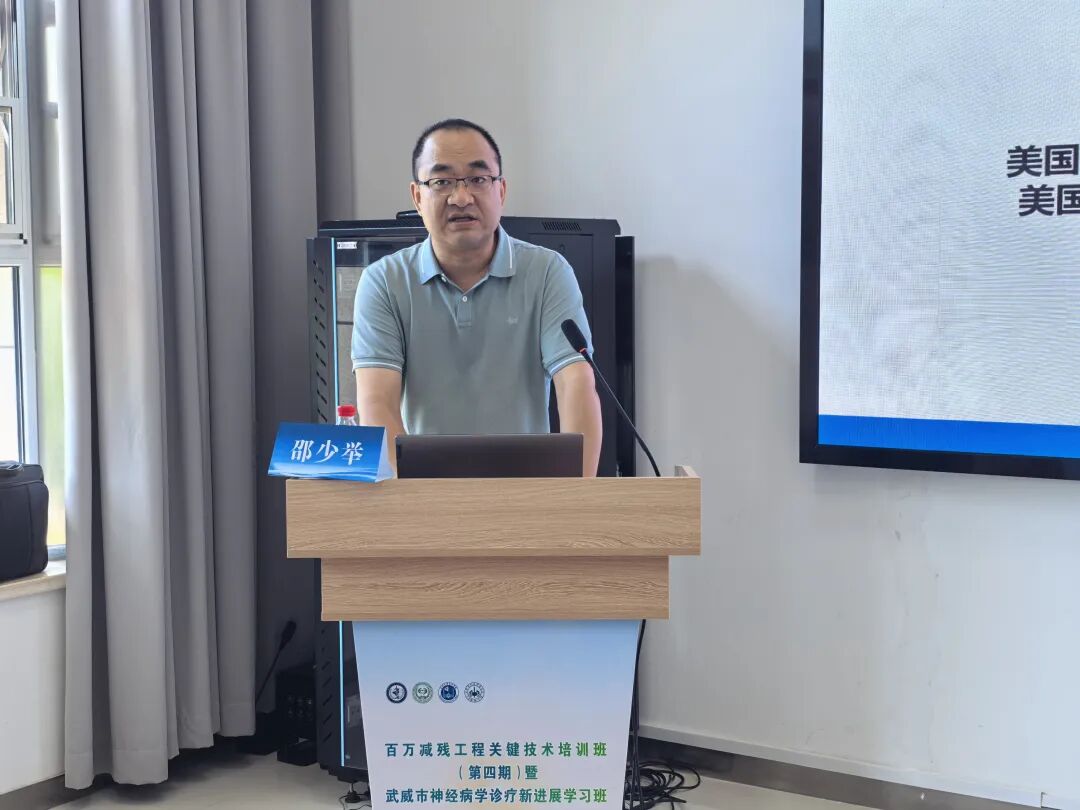
Shao Shaoju, Professor, 940th Hospital of Joint Logistics Support Force: 2026 AHA/ASA Guidelines for the Management of Acute Ischemic Stroke: Interpretation and Implications
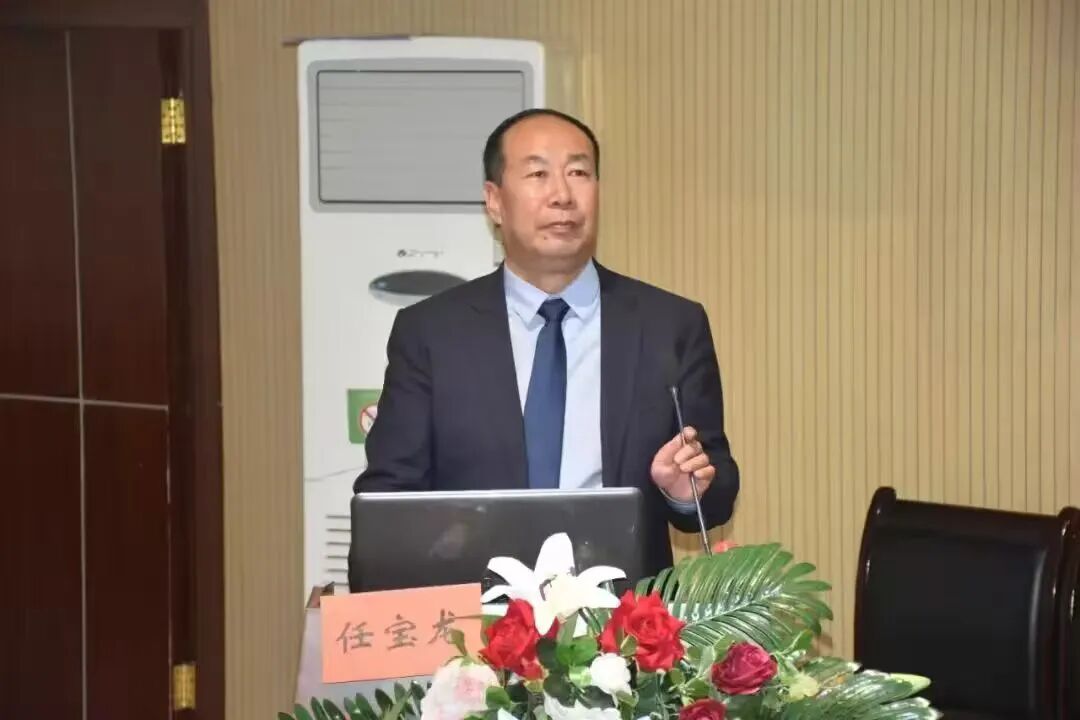
Ren Baolong, Director of Neurology, Gansu Wuwei Cancer Hospital: Development and Progress of the Stroke Center at Wuwei Cancer Hospital
The agenda on July 12 focused on interactive case-based learning. Five physicians from Wuwei Traditional Chinese Medicine Hospital, Gansu Wuwei Cancer Hospital, Wuwei People’s Hospital, and Liangzhou Hospital presented representative complex cases, walking through diagnostic and therapeutic pathways while highlighting strengths and areas for refinement. Each presentation was moderated by a specialist who facilitated discussion and provided tailored recommendations. These locally relevant case studies offered immediate, actionable insights for primary care providers.
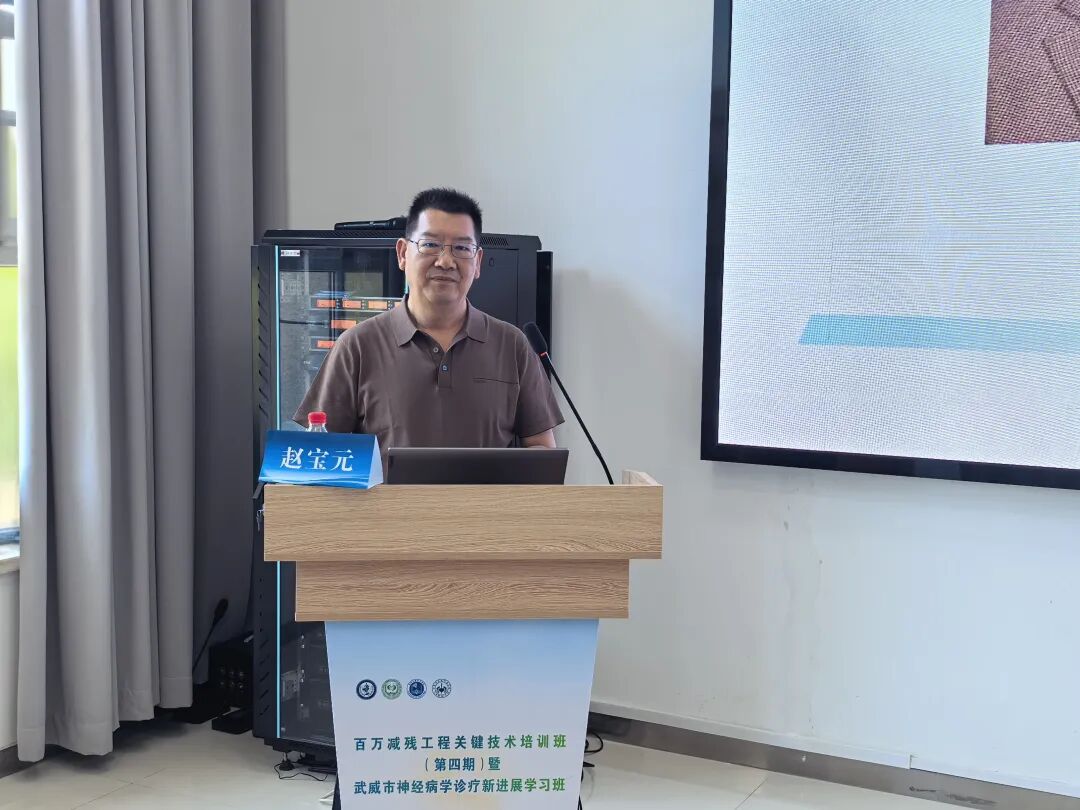
Zhao Baoyuan, Director, Wuwei Traditional Chinese Medicine Hospital: Management of Post-Thrombolytic Hemorrhage and Thrombectomy in Tortuous Vessels: A Case Analysis
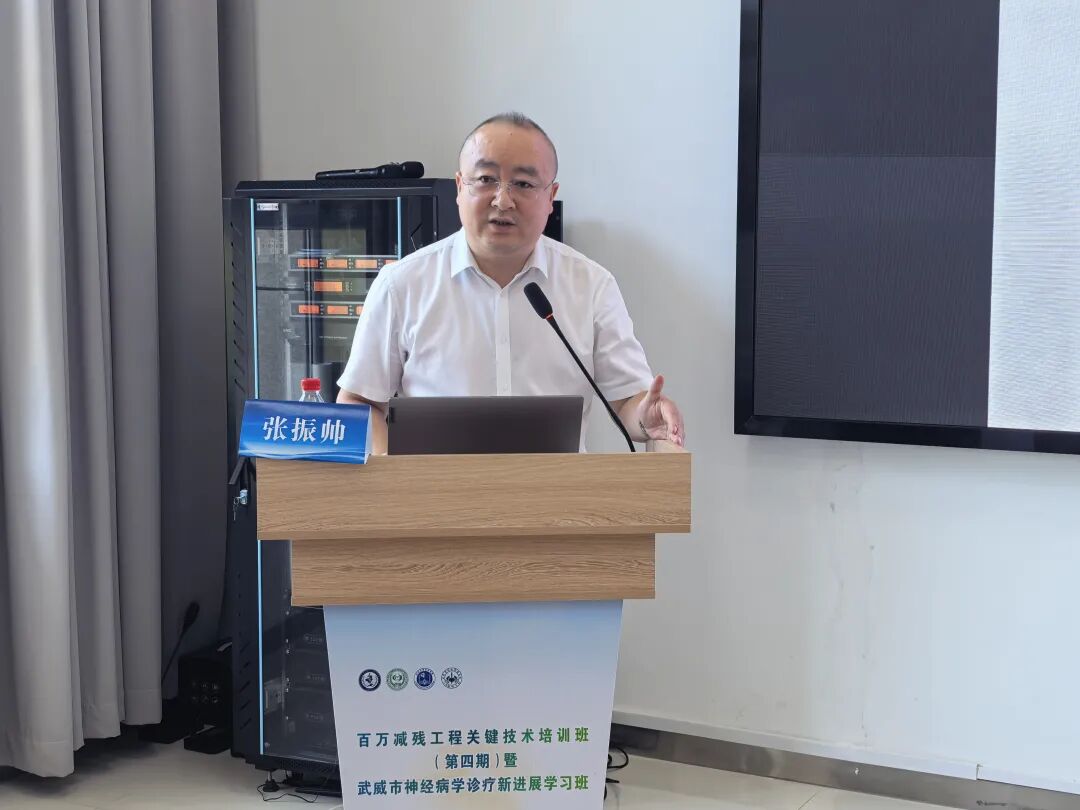
Zhang Zhenshuai, Director, Gansu Wuwei Cancer Hospital: Recognition and Management of Acute Stroke
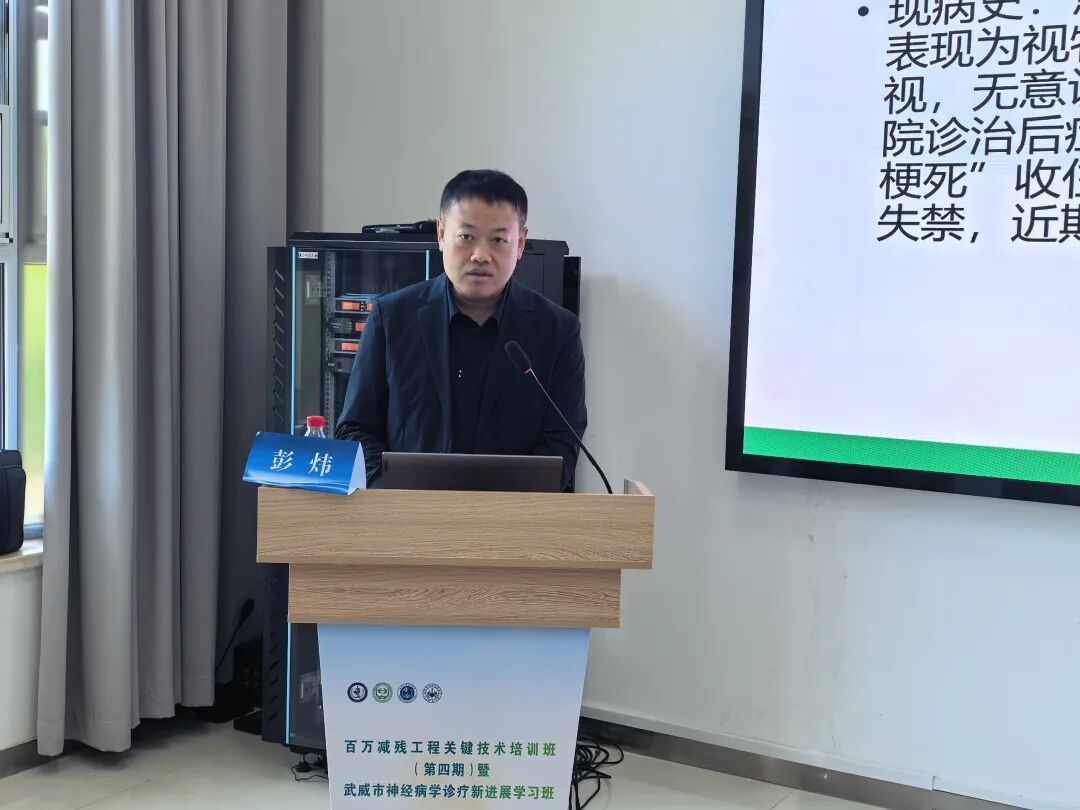
Peng Wei, Director, Wuwei People's Hospital: Miller Fisher Syndrome with Concurrent Acute Basilar Artery Occlusion: Mechanical Revascularization
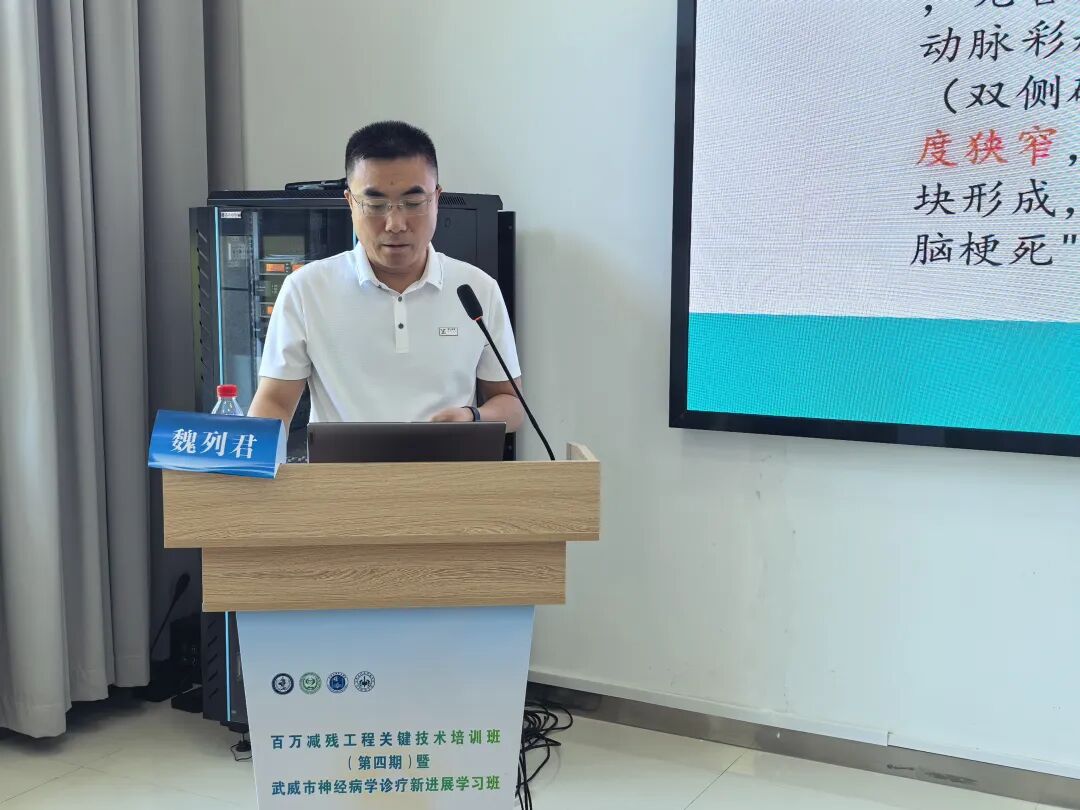
Wei Liejun, Director, Wuwei Liangzhou Hospital: A Case of Chronic Right Subclavian Artery Occlusion Treated via a Combined Antegrade and Retrograde Approach
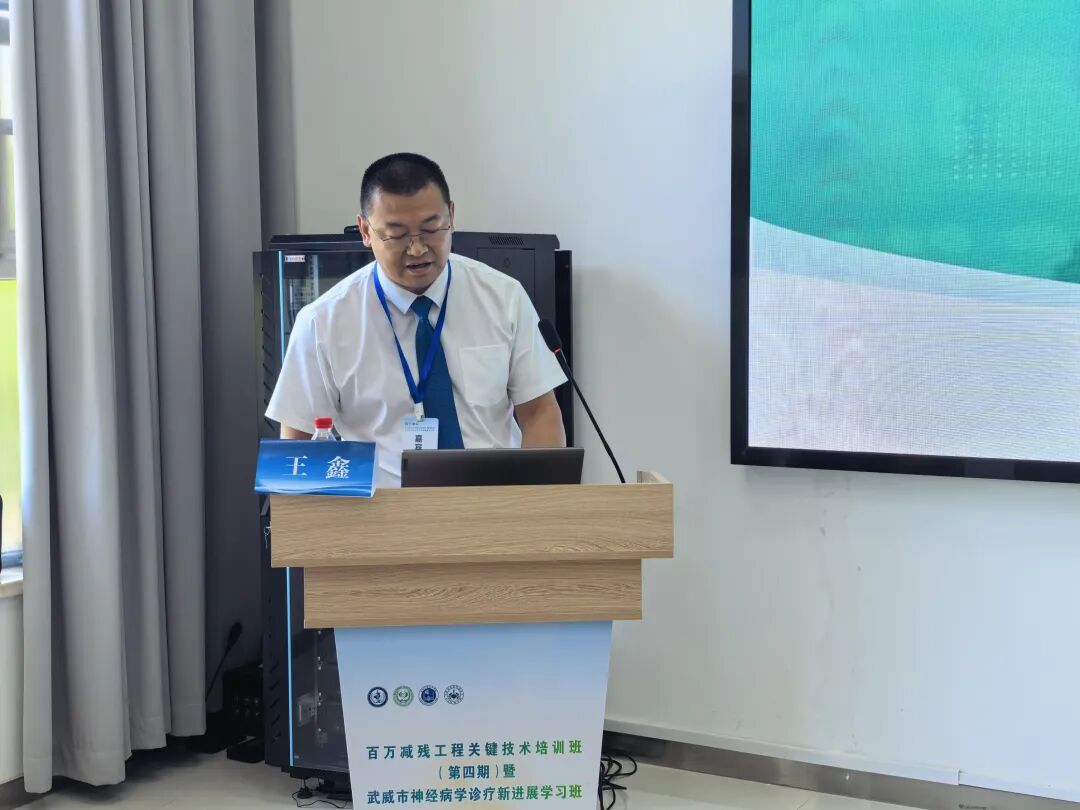
Wang Xin, Director, Gansu Wuwei Cancer Hospital: Unraveling Trousseau’s Syndrome
Due to high registration demand, a parallel (breakout venue) was established to ensure optimal learning conditions. This auxiliary hall broadcast all keynote lectures, case discussions, and summary sessions in real time, with dedicated staff managing logistics and audiovisual support. This arrangement allowed full participation without compromising the quality or pace of the program, ensuring all attendees could benefit comprehensively from the advanced content.
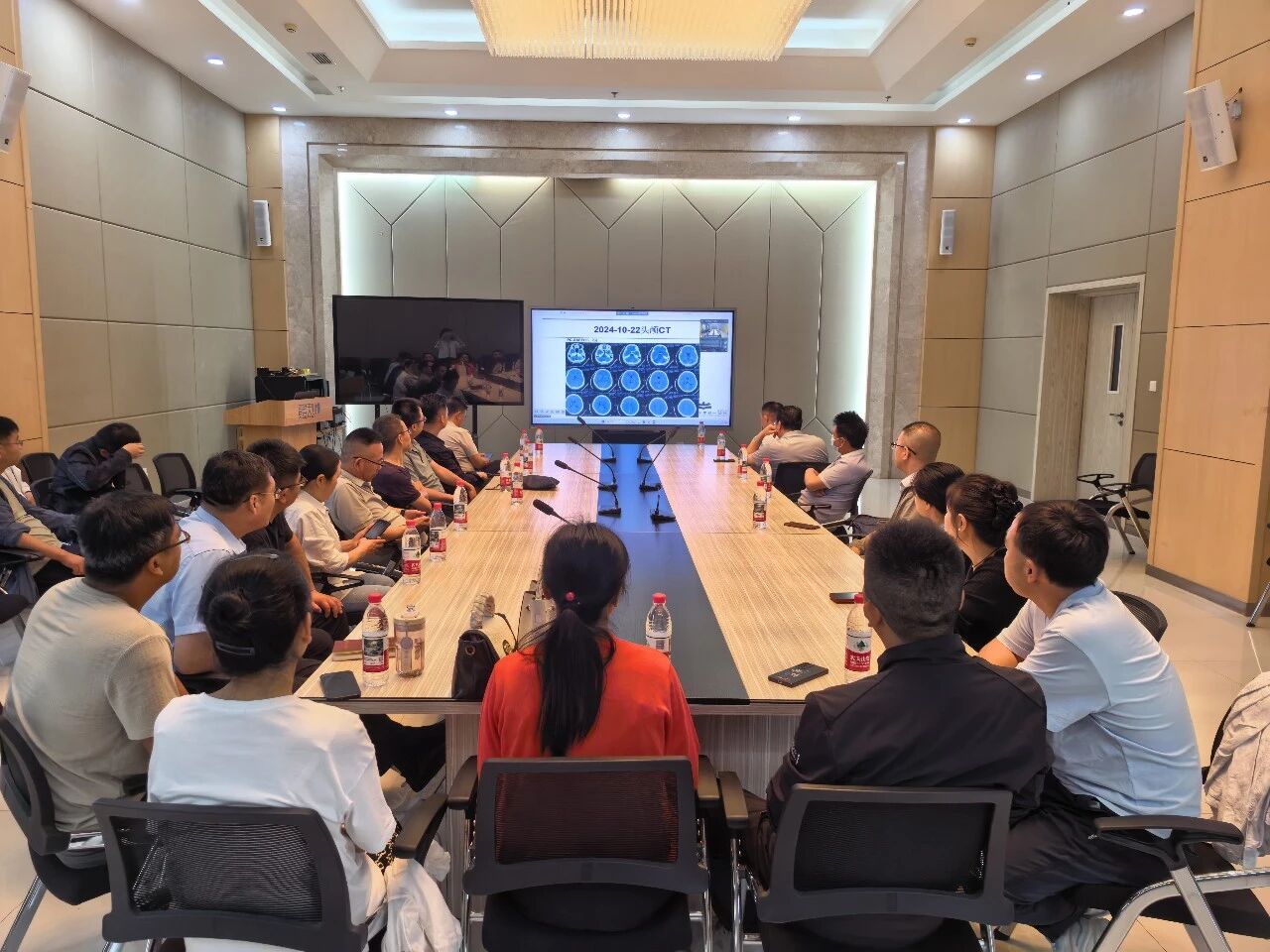
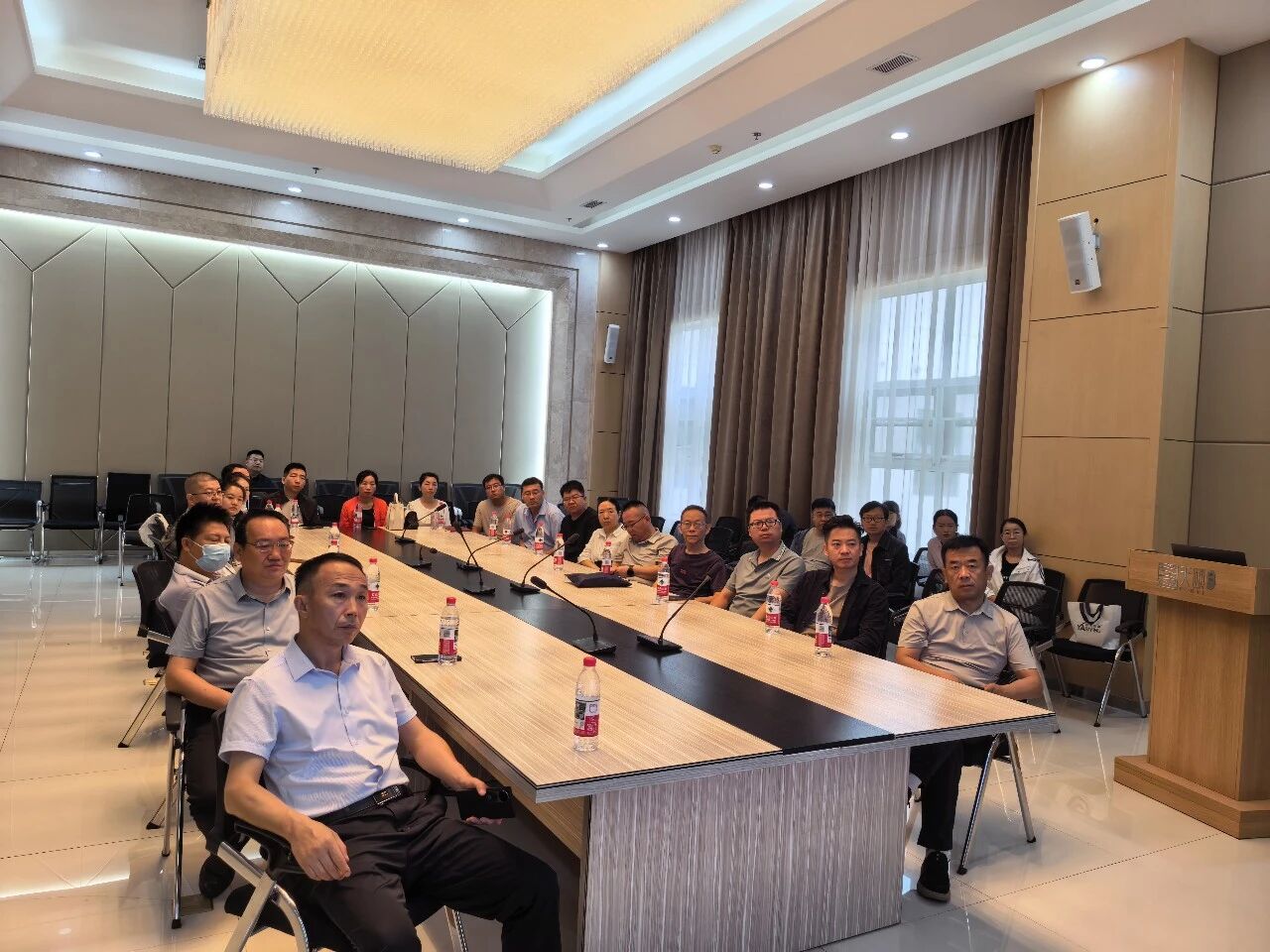
Parallel Session Venue
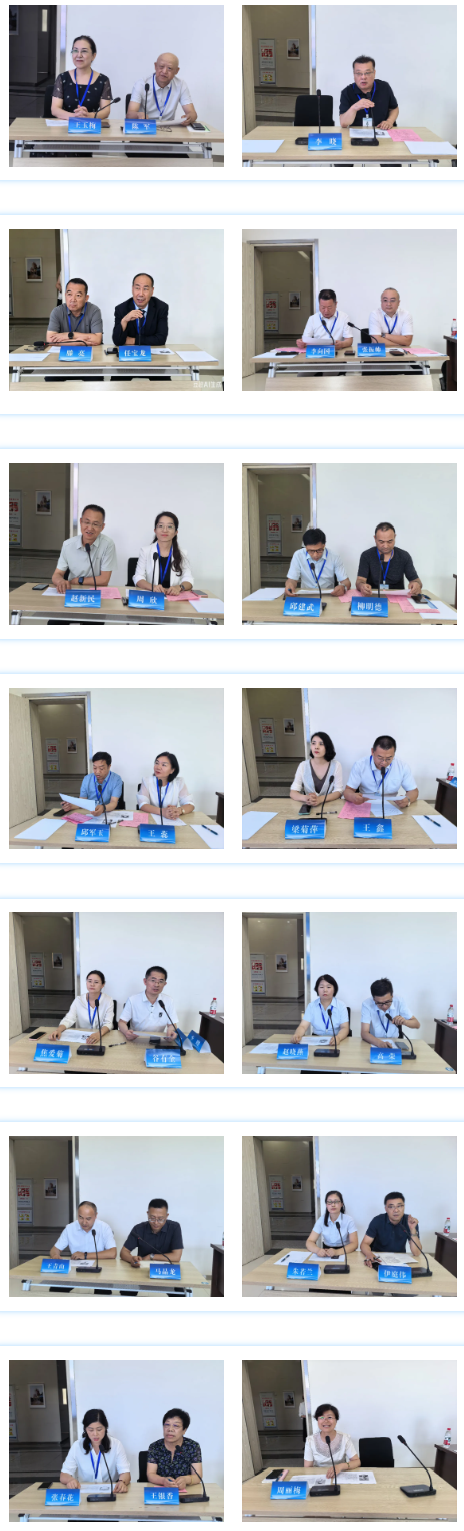
Session Moderators
Following the case discussions at noon on July 12, Ren Baolong chaired a concluding session that synthesized key takeaways from the two-day program and charted actionable directions for advancing stroke care in Wuwei. The symposium then drew to a successful close.
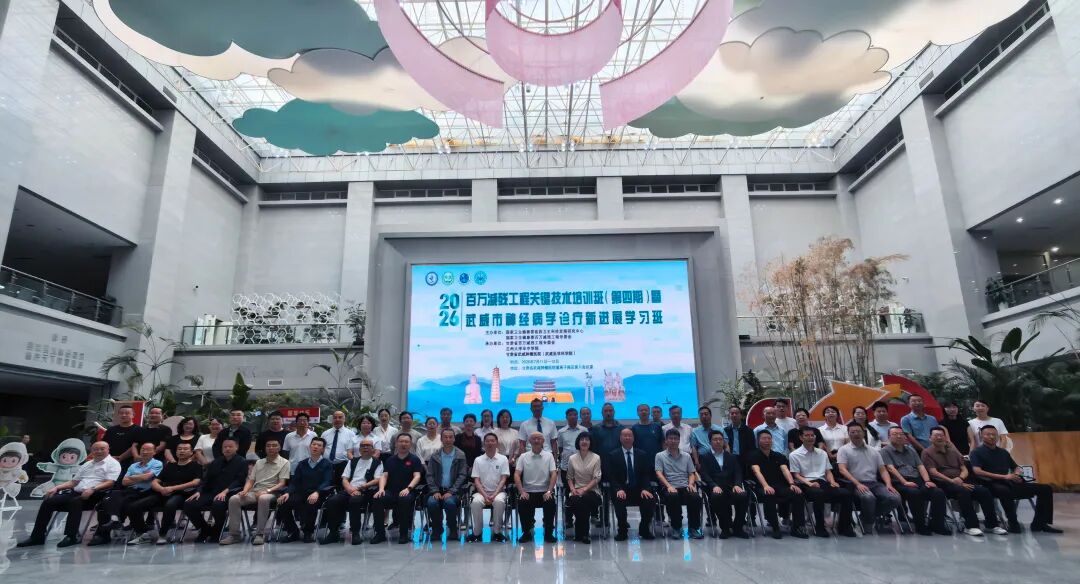
Hosting this premier academic event in Wuwei significantly enhanced access to high-level stroke care resources for the region. Moving forward, medical institutions across Wuwei will leverage this opportunity to translate knowledge into practice—further optimizing stroke Green Channel protocols, standardizing intravenous thrombolysis and endovascular procedures, implementing robust data-driven quality control, and expanding public education on stroke recognition. Through these concerted efforts under the Million-Person Disability Reduction Project, the region aims to elevate its overall capacity for stroke prevention and management, delivering more specialized, standardized neurological care to safeguard cerebrovascular health across the Hexi Corridor, contributing meaningfully to the broader goals of Healthy Gansu and Healthy China.
Drafted by: Ren Baolong
Reviewed by: Du Xiaoting, Guo Yishan
Final Approval by: Cai Qinghua