Gansu's First Alpha & Beta: Wuwei's Nuclear Medicine Journey
Gansu's First Alpha & Beta: Wuwei's Nuclear Medicine Journey
Editor's Note: In the world of subatomic particles, alpha (α) particles are the "precision wall‑breakers" with short range and powerful destructive capability, while beta (β) particles are the versatile, gentle "veteran fighters" with broad clinical applications. In Wuwei, a key town on the Hexi Corridor, these two core particles — each capable of reshaping the landscape of cancer diagnosis and treatment — have come together in a remarkable clinical encounter, made possible by decades of expertise accumulated at the Department of Nuclear Medicine of Gansu Wuwei Cancer Hospital.
From the early establishment of beta‑emitting radionuclide therapies for broad‑based patient care in western China, to the introduction of cutting‑edge alpha‑emitting therapies that fill a provincial gap, the department has built a comprehensive, full‑chain radionuclide service system, integrating heavy ion therapy and nuclear medicine in a synergistic approach. This has established a leading molecular diagnostics and targeted internal radiotherapy system in Northwest China. With robust nuclear medicine capabilities, the department is safeguarding the health of people in Gansu and beyond, setting a benchmark for the high‑quality development of regional nuclear medicine.
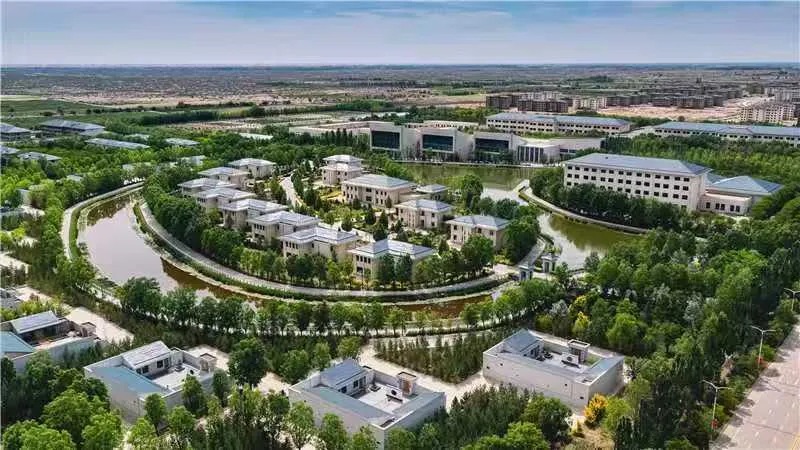
Strategic Layout: Dual‑Hub Coordination Between Lanzhou and Wuwei to Build a Regional Nuclear Medicine Network
In recent years, Gansu Wuwei Cancer Hospital has actively seized the strategic opportunities presented by the province's nuclear industry development, establishing a dual‑hub collaborative framework for nuclear medicine in Lanzhou and Wuwei. With heavy ion therapy as the cornerstone, the hospital has extended its medical nuclear technology value chain, building high‑standard nuclear medicine departments in both cities and creating a comprehensive, integrated nuclear medicine system that combines precision external‑beam heavy ion radiotherapy with complementary targeted internal radionuclide therapy.
The Wuwei campus's Department of Nuclear Medicine, established in 1993, was the first specialized nuclear medicine department in Wuwei and offers the most comprehensive range of radionuclide preparations in western Gansu. Its hardware configuration ranks among the top of prefecture‑level hospitals in the province, featuring the GE Discovery 710 Super‑Iterative PET‑CT — the fourth such device in Gansu and the only one in a prefecture‑level city hospital — along with a GE Hawkeye 4 dual‑probe SPECT. Together with an in‑house radiopharmaceutical preparation platform, these resources form a standardized, comprehensive molecular imaging diagnostic system.
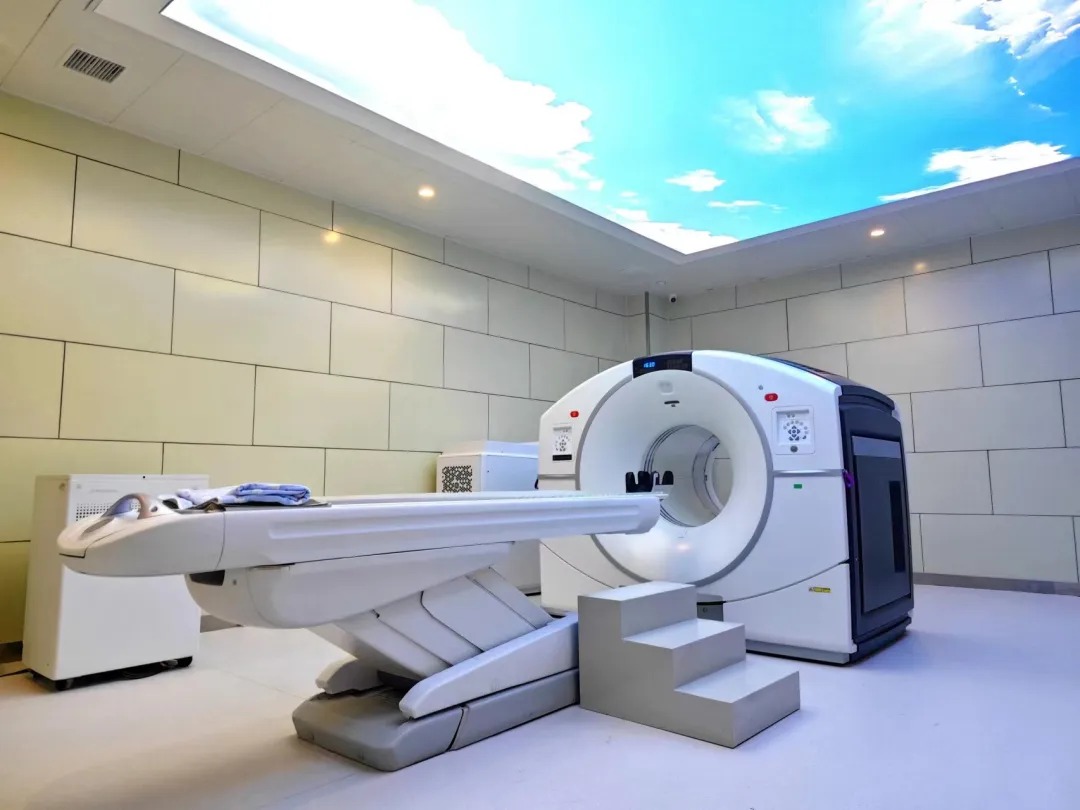
PET/CT
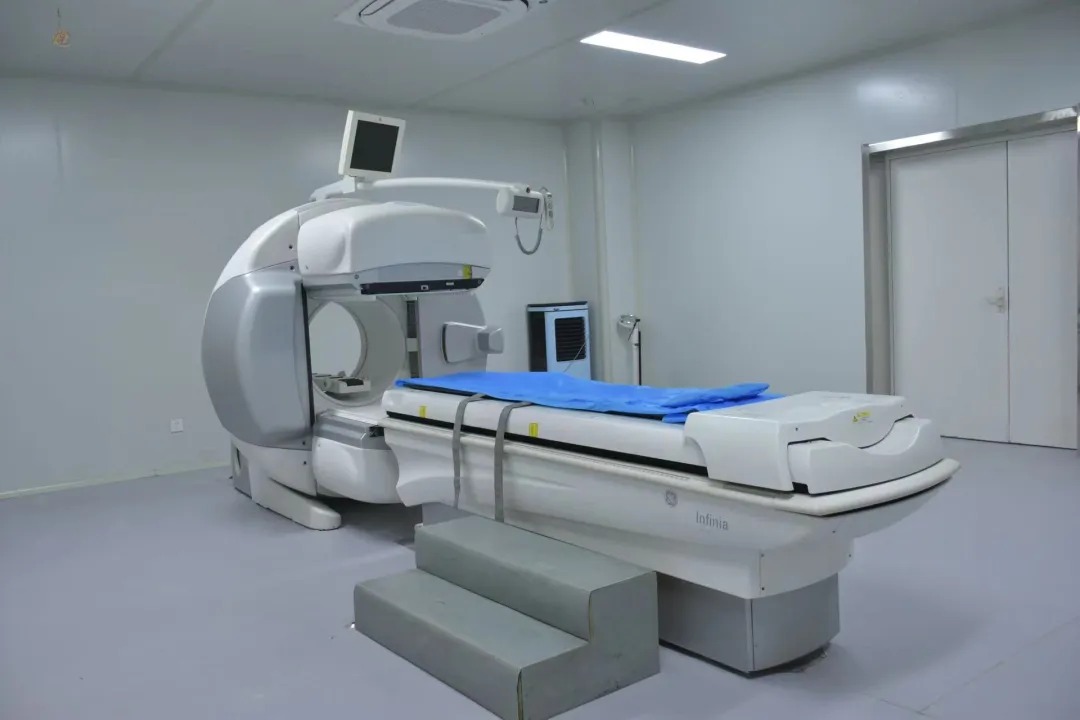
SPECT/CT
The Nuclear Medicine Department at the Lanzhou campus, drawing on decades of experience from the Wuwei campus, has introduced a domestically produced United Imaging uMI Vista high‑end digital PET‑CT, significantly enhancing diagnostic imaging and research capabilities in oncology, cardiology, and neurology. In parallel, the department has established a strategic partnership with Lanzhou Second People's Hospital to jointly build a provincial‑capital PET‑CT and integrated nuclear medicine demonstration center, addressing gaps in high‑end nuclear medicine services in the provincial capital. This creates a dual‑track service model: "deep grassroots coverage in Hexi, provincial‑level outreach from the capital."
Both centers operate a unified, full‑spectrum radionuclide diagnostic and therapeutic program, covering ¹³¹I, ⁸⁹Sr, ¹²⁵I, ²²³Ra, ¹⁷⁷Lu, ⁹⁰Sr-⁹⁰Y, and ⁹⁰Y. With a comprehensive technical system and broad range of services, they enable coordinated deployment of nuclear medicine resources across Gansu Province.
Building on Solid Equipment: Advanced Hardware Foundation for Diagnosis and Treatment
Leveraging advanced imaging equipment at both campuses and in‑house radiopharmaceutical preparation capabilities, the department has established a solid hardware foundation for clinical development. The Wuwei campus, with its comprehensive hardware infrastructure, routinely performs a wide range of radionuclide diagnostic and therapeutic services: ¹³¹I (iodine‑131) therapy for hyperthyroidism and differentiated thyroid cancer; ⁹⁰Sr‑⁹⁰Y (strontium‑90‑yttrium‑90) applicator therapy for hemangiomas and keloids; ⁸⁹Sr (strontium‑89) therapy for symptomatic relief of extensive bone metastases; and ¹²⁵I (iodine‑125) seed implantation, along with ⁹⁰Y (yttrium‑90) resin microsphere interventional therapy for liver cancer. To date, these services have benefited over 10,000 patients.
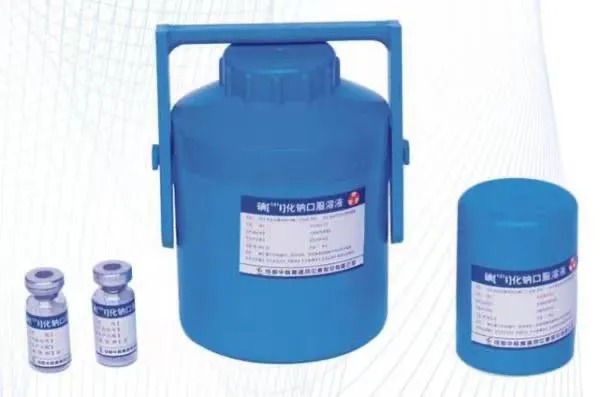
¹³¹I therapy for hyperthyroidism
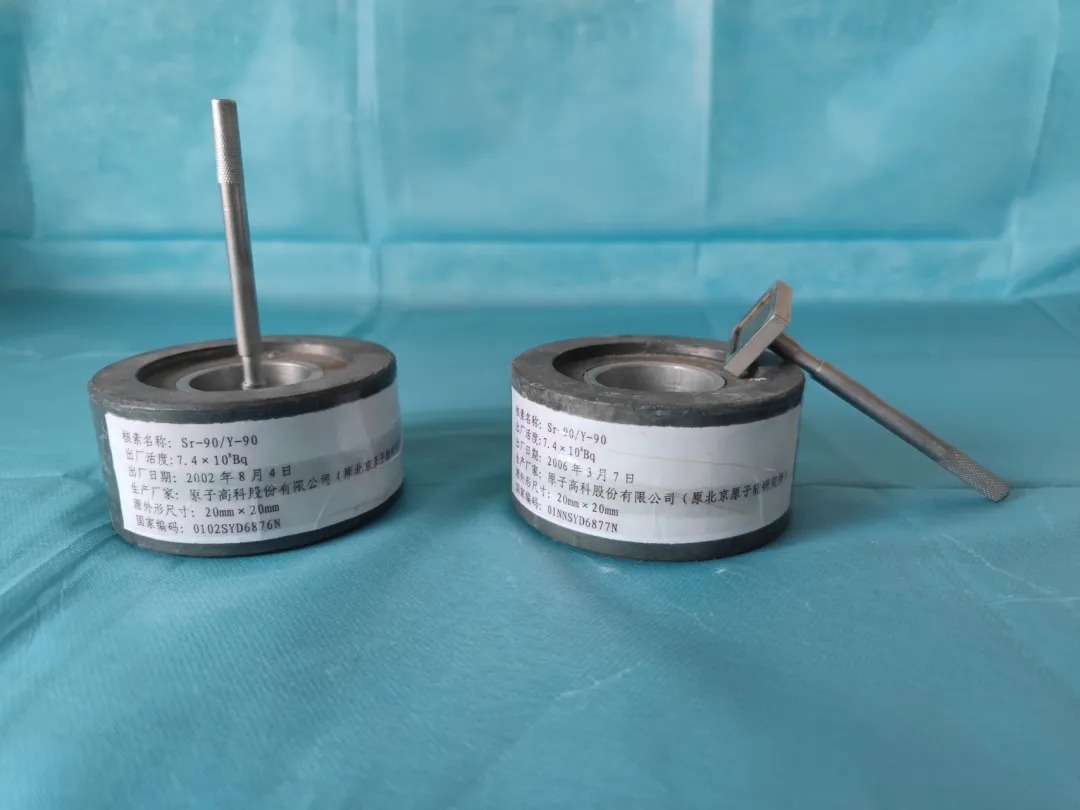
⁹⁰Sr‑⁹⁰Y radionuclide applicator therapy
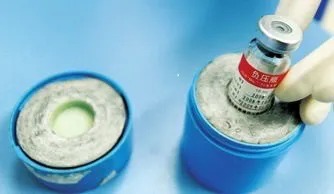
⁸⁹Sr therapy for bone metastases

¹²⁵I seed implantation therapy
The hospital successfully performed the first domestically produced ⁹⁰Y (yttrium‑90) microsphere interventional procedure for liver cancer in the Gansu‑Qinghai‑Ningxia‑Xinjiang region, advancing regional liver cancer care into a new era of precision radionuclide intervention. Currently, ²²³Ra (radium‑223) has been introduced into clinical use, offering an additional therapeutic option for patients with advanced multiple bone metastases. The ¹⁷⁷Lu (lutetium‑177) therapy program is currently being prepared for implementation and will benefit patients with metastatic prostate cancer. In the future, targeted therapies using ²²⁵Ac (actinium‑225) and ²¹¹At (astatine‑211) will gradually be translated into clinical practice, helping elevate the overall standard of radionuclide diagnosis and therapy in Gansu Province to a level comparable with leading domestic institutions.
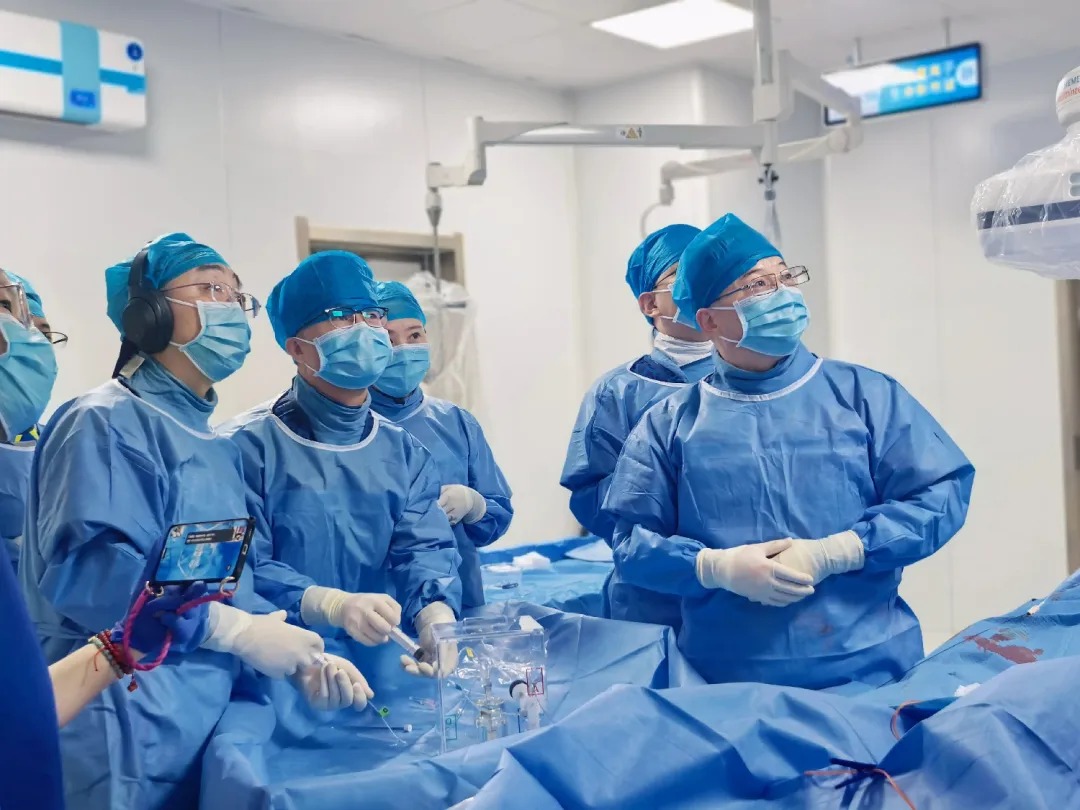
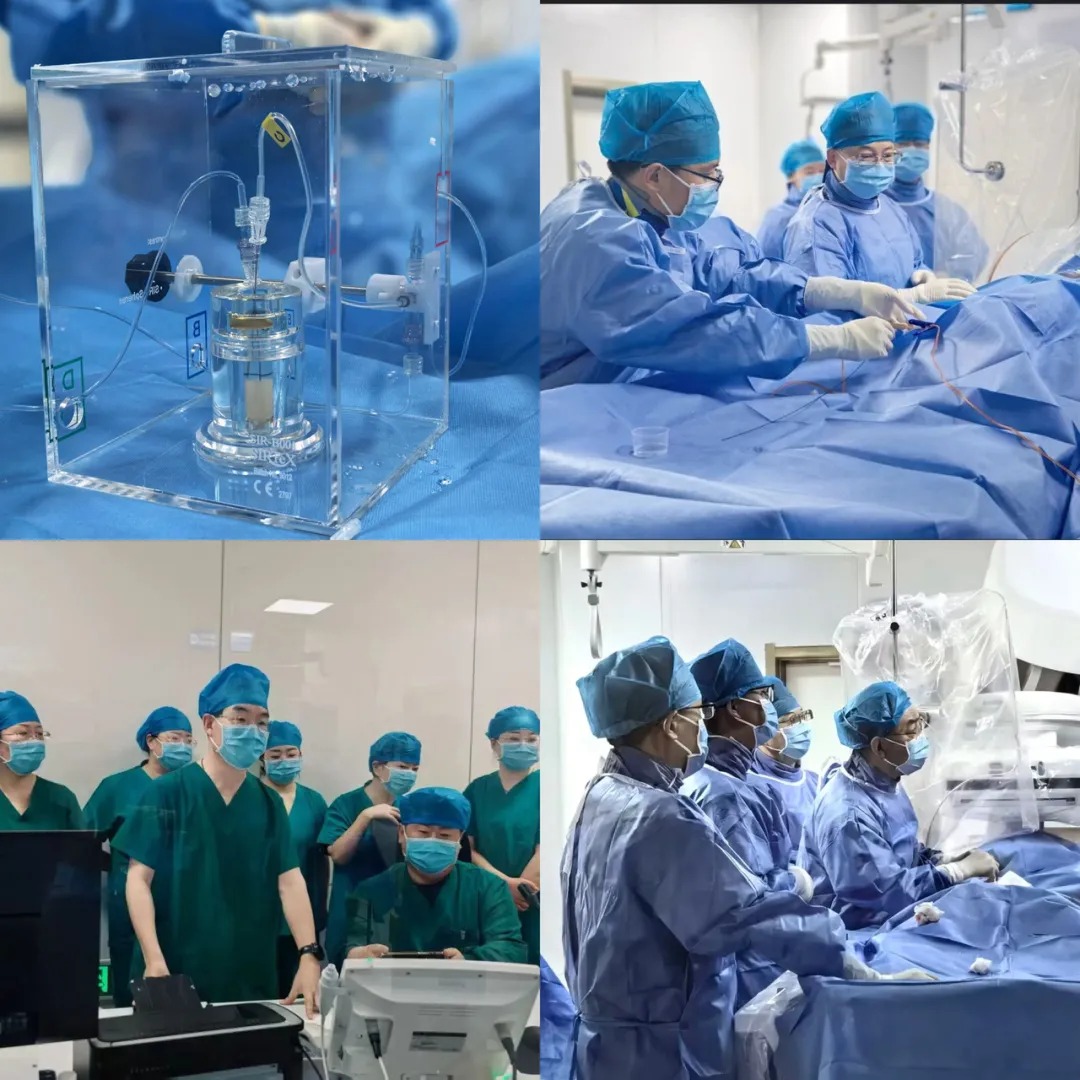
⁹⁰Y resin microsphere interventional therapy
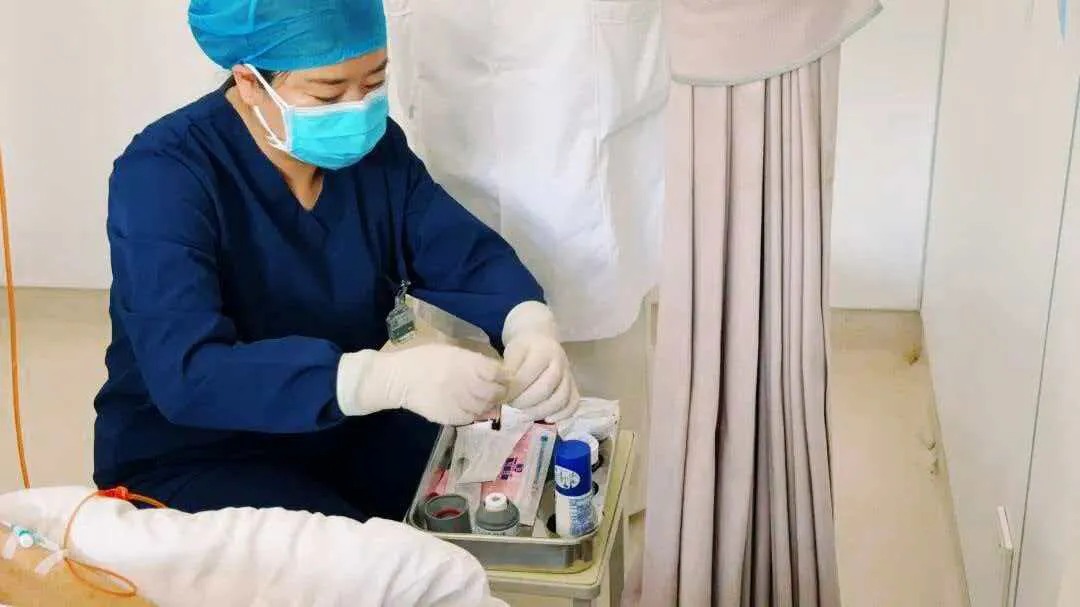
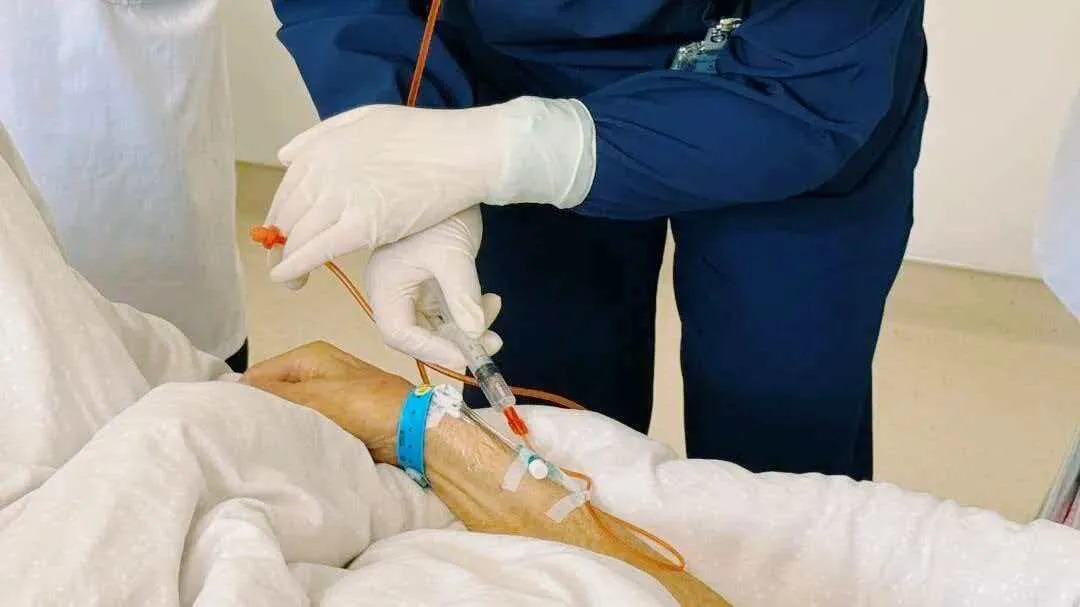
²²³Ra (radium‑223) – already in clinical use
Technological Breakthrough: Two Types of Particles Converge to Achieve a Leap in Specialty Capabilities
In its early development, the hospital took the lead in promoting beta‑emitting radionuclide therapy across the Hexi region, using several established radionuclide technologies to serve a large number of patients with thyroid disorders and bone metastases from cancer. This effectively reduced the need for patients in the Hexi area to travel across provinces for treatment, making the hospital a pioneer in the standardized clinical application of beta‑emitting nuclides in western China.
For a long time, however, the clinical introduction of alpha‑emitting nuclides in Gansu's grassroots healthcare settings was hindered by complex preparation processes, stringent quality control requirements, and cumbersome clinical access procedures. Alpha particles have a range of only about 100 microns and can act on the double‑stranded DNA structure of tumor cells, making them particularly promising for treating small and diffuse metastatic lesions.
In line with the province's nuclear industry development strategy, and building on the hospital's clinical data from over 3,000 heavy ion therapy cases and a dual‑system heavy ion therapy platform, the department established a specialized task force comprising nuclear physicists, pharmacists, clinicians, and radiation protection specialists. The team developed a fully closed‑loop management system covering radionuclide drug storage, dispensing, administration, and waste decay, and built dedicated radionuclide therapy wards along with a comprehensive radiation monitoring system.
After multiple rounds of technical refinement, case validation, and qualification review, the hospital completed the first standardized clinical application of ²²³Ra in Gansu Province in June 2026, achieving the historic integration of both alpha‑ and beta‑emitting therapeutic nuclides within the same institution and department.
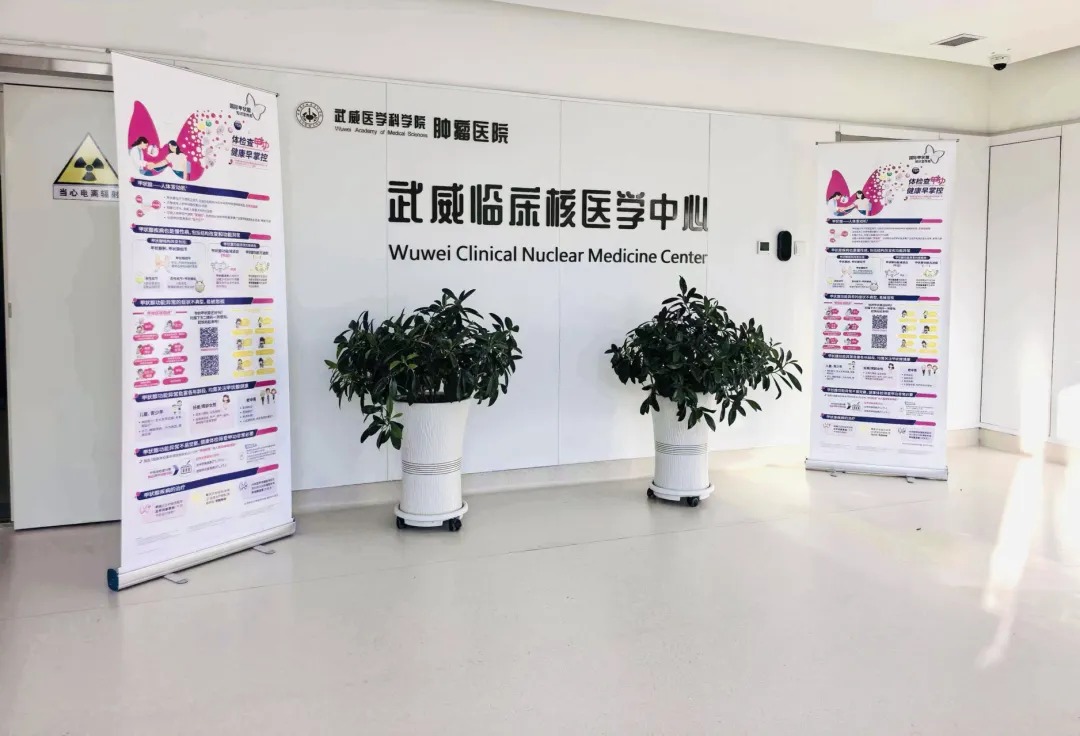
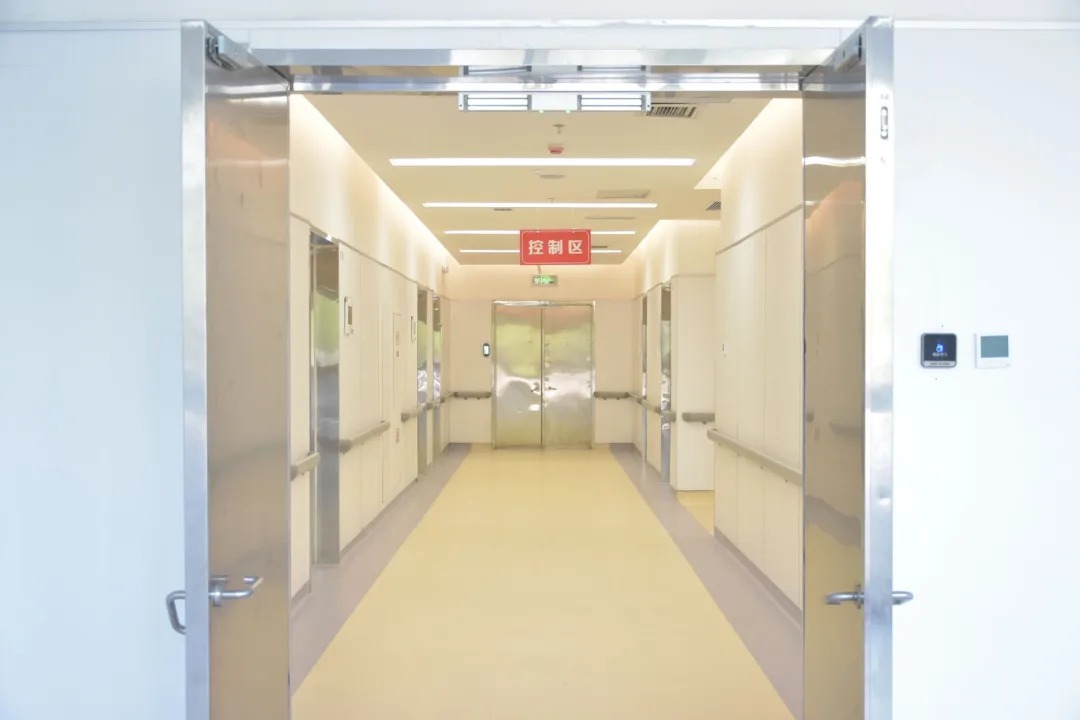
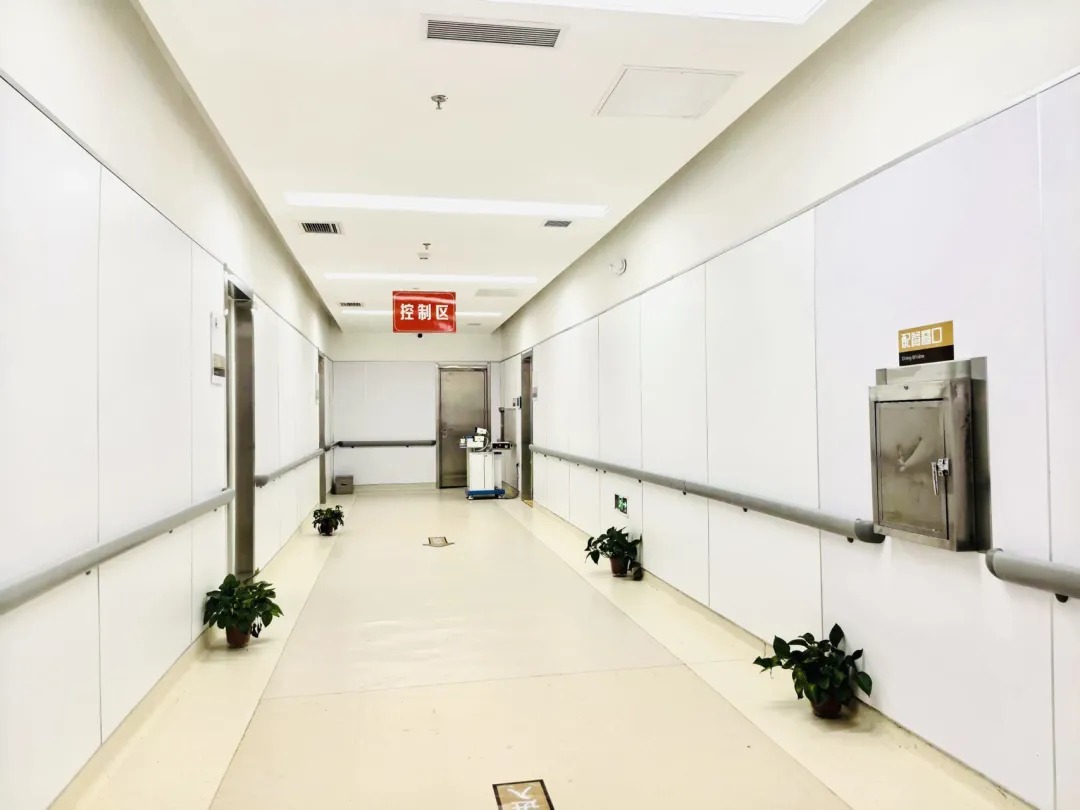
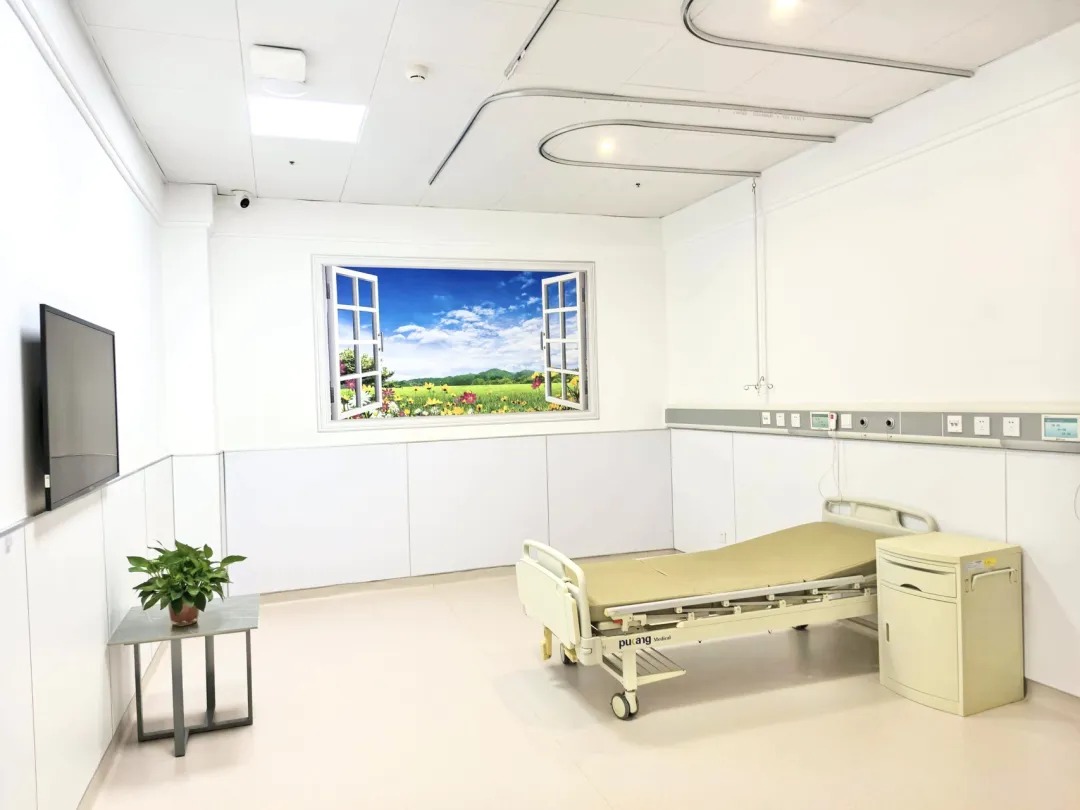
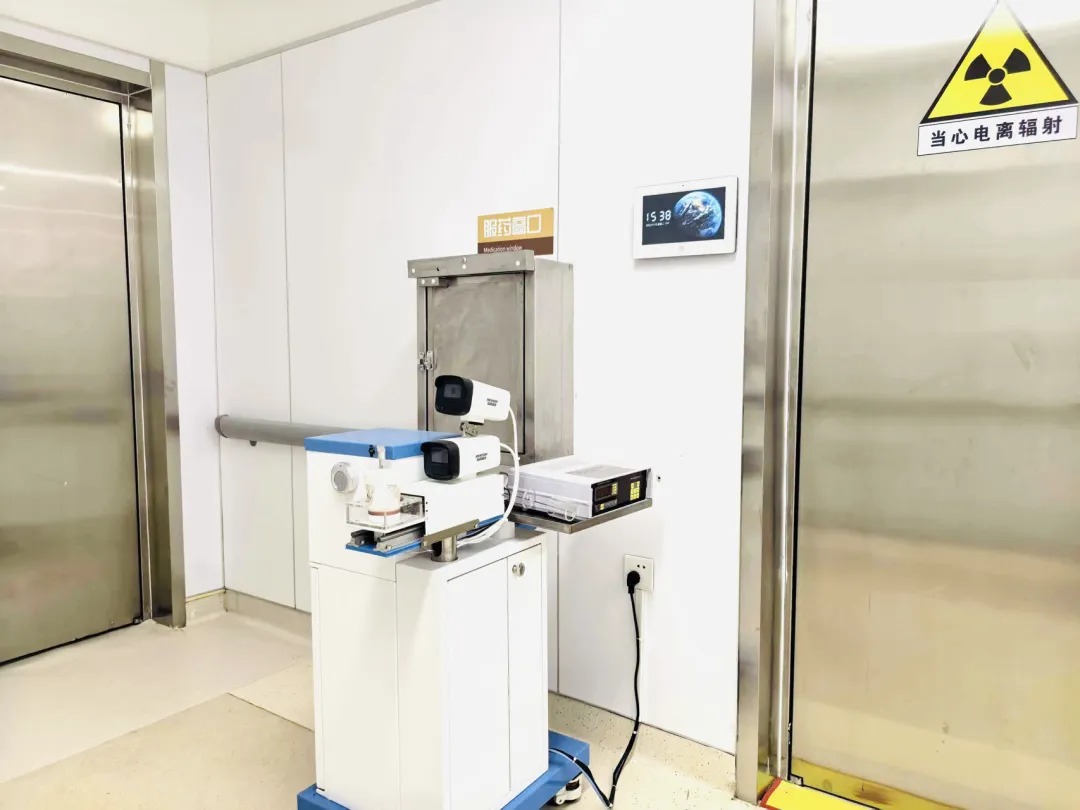
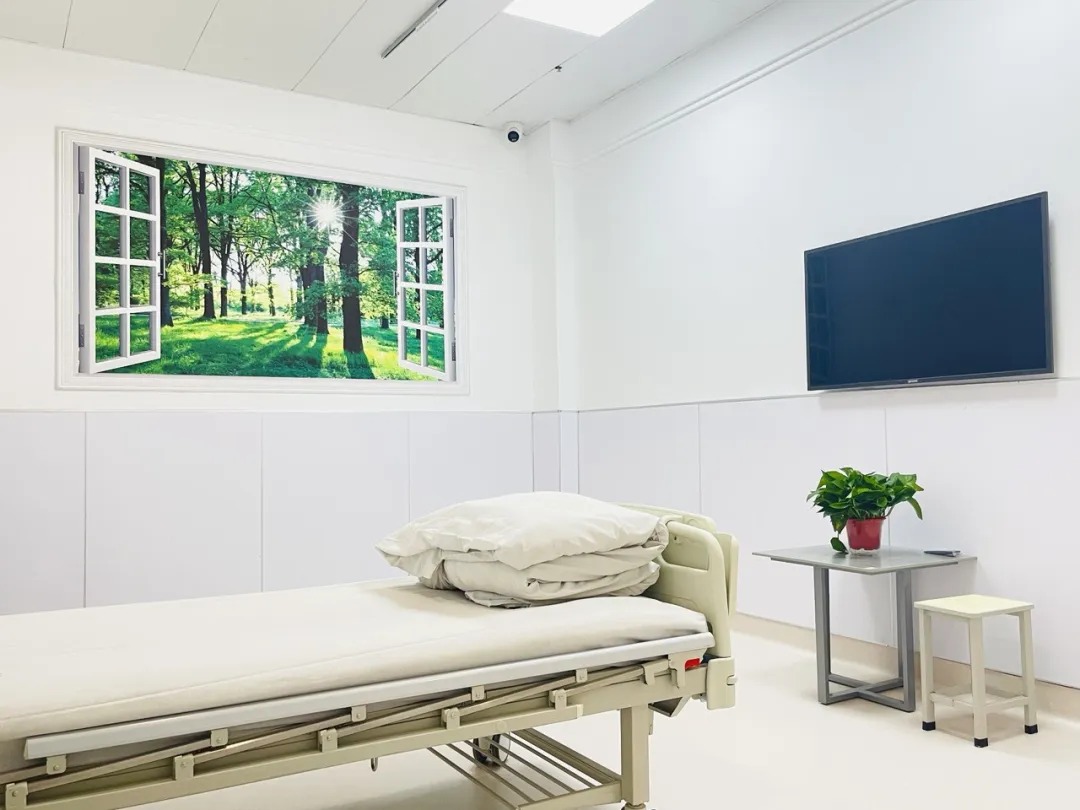
Radionuclide Therapy Ward
Talent Development: Building a Tiered Workforce to Strengthen the Discipline from Within
Long‑term, sustainable development of the specialty depends on a systematic approach to talent development. The Department of Nuclear Medicine has established a structured team spanning senior, mid‑career, and junior professionals, including senior academic leaders, full‑time nuclear physicists, radiation protection technologists, and specialized nursing staff. In line with the industry standards set by the Chinese Society of Nuclear Medicine, the department has developed a full‑process quality control system, covering radionuclide dose calculation, patient radiation isolation, and post‑treatment follow‑up, ensuring rigorous adherence to medical safety standards.
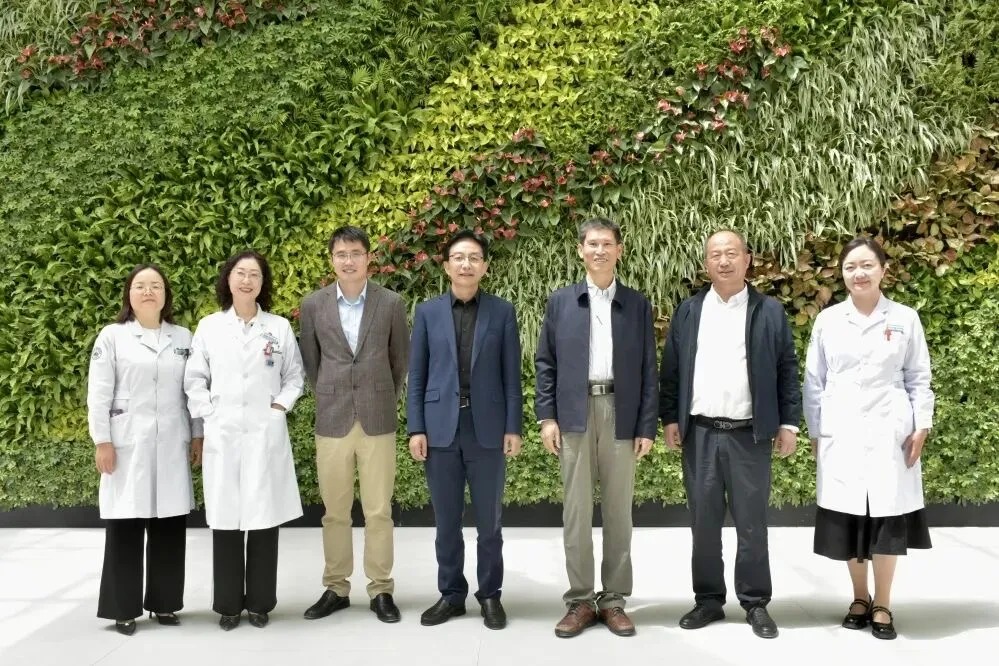
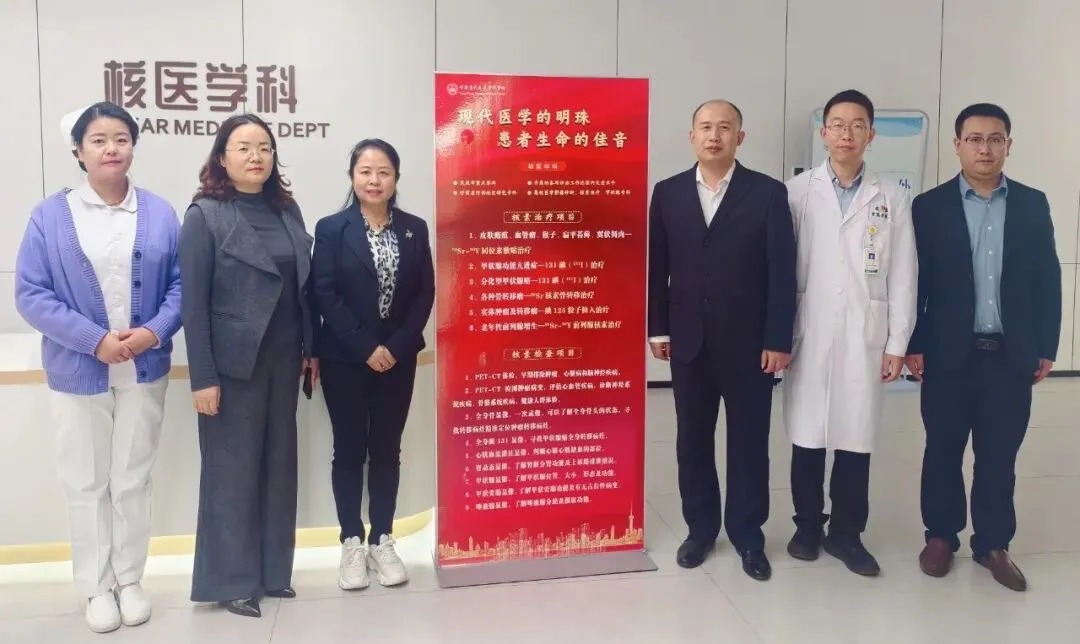
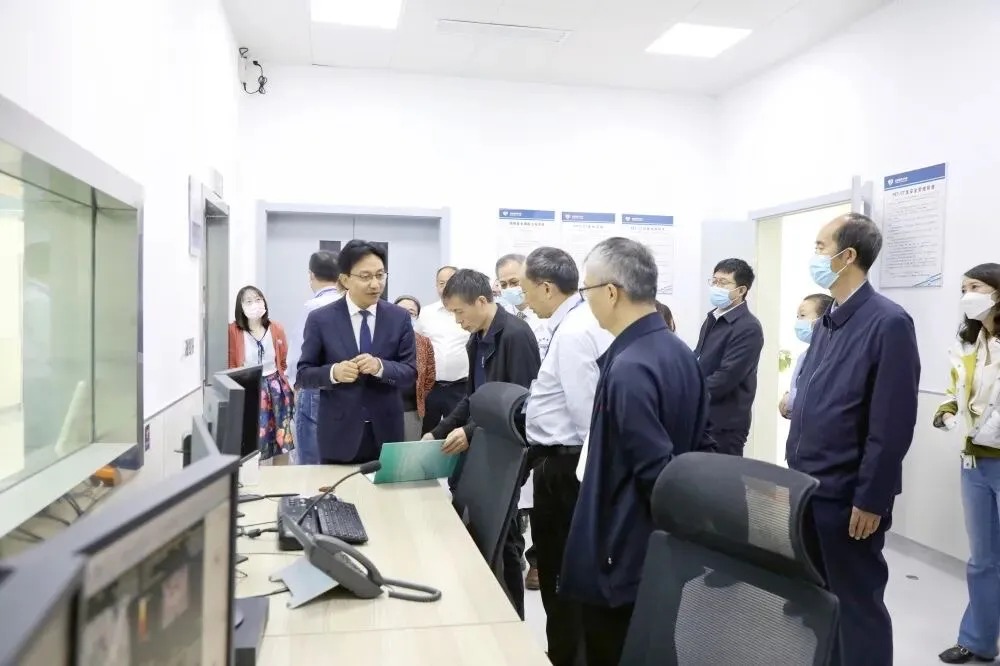
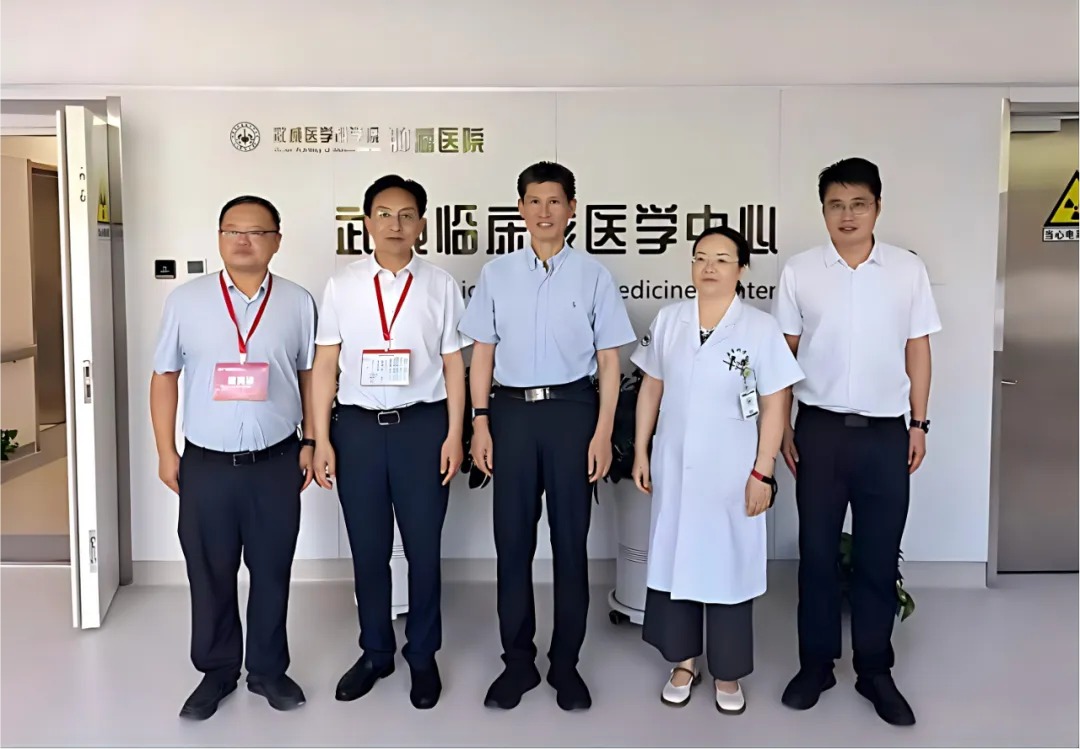
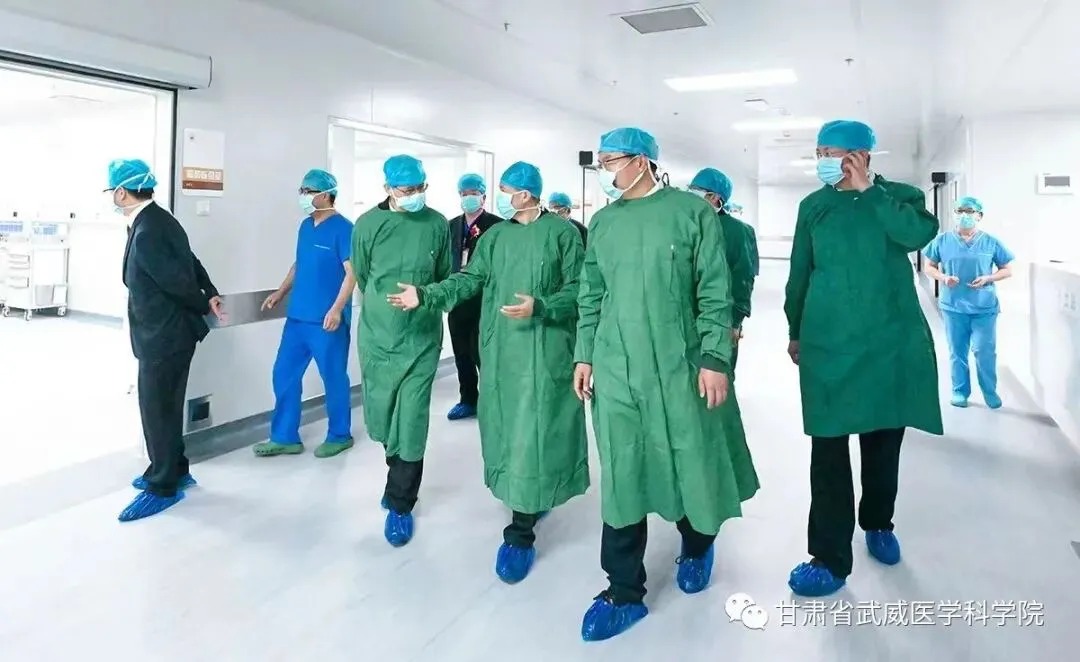
Multiple Academicians Visit Our Hospital for Guidance and Express Interest in Future Collaboration
While strengthening internal talent development, the Department of Nuclear Medicine regularly organizes professional training sessions and hands‑on skills drills to continuously enhance staff competence through standardized education. Supported by a well‑structured workforce, the department is capable of managing the full spectrum of radionuclide diagnosis and therapy, equipment maintenance, and radiation protection across the Lanzhou‑Wuwei dual‑center model, providing adequate personnel support for synchronized technological upgrades at both sites.
In parallel with clinical services, the department is actively engaged in public health education, regularly conducting community‑ and county‑level outreach programs to demystify nuclear medicine and address public concerns about radiation. These efforts help residents in the Gansu‑Qinghai‑Ningxia‑Xinjiang region and surrounding areas access integrated nuclear medicine services locally, significantly reducing the time and financial costs of seeking care outside the region. The department has established a three‑pronged service framework: essential beta‑radionuclide therapies for routine needs, alpha‑radionuclide therapies for complex and refractory diseases, and high‑end molecular imaging for precise localization. This enables the department to provide molecular imaging screening for over ten organs and systems, covering the radionuclide therapy needs of multiple cancer types, and addressing the gap in high‑end radionuclide therapy resources in remote areas of Northwest China.
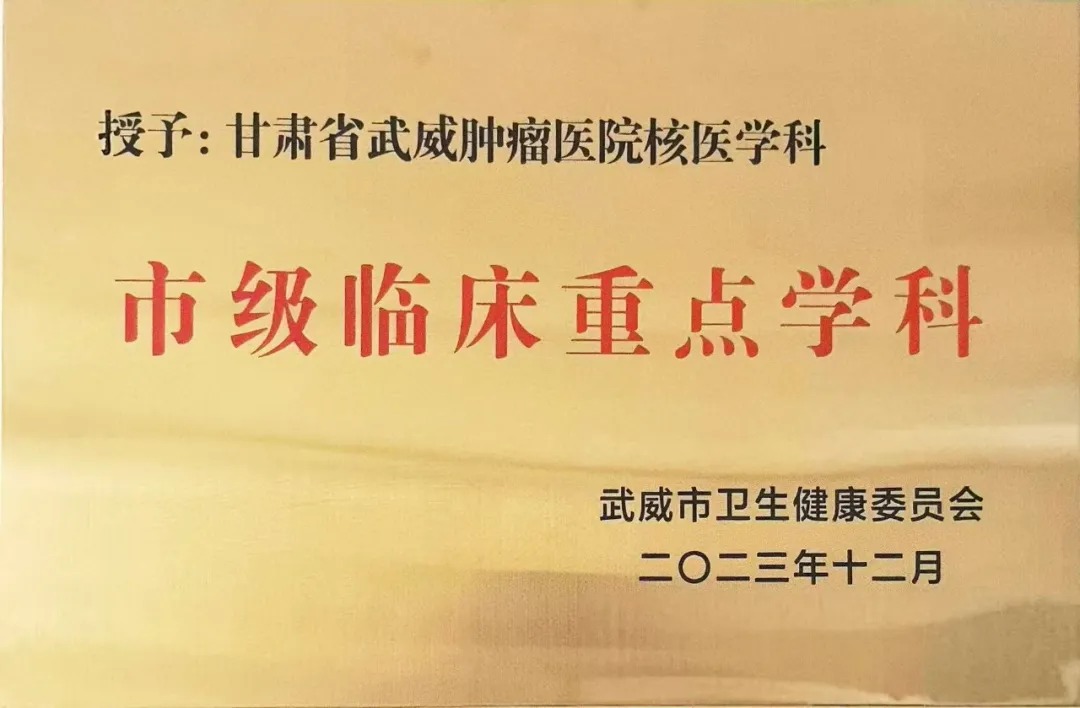
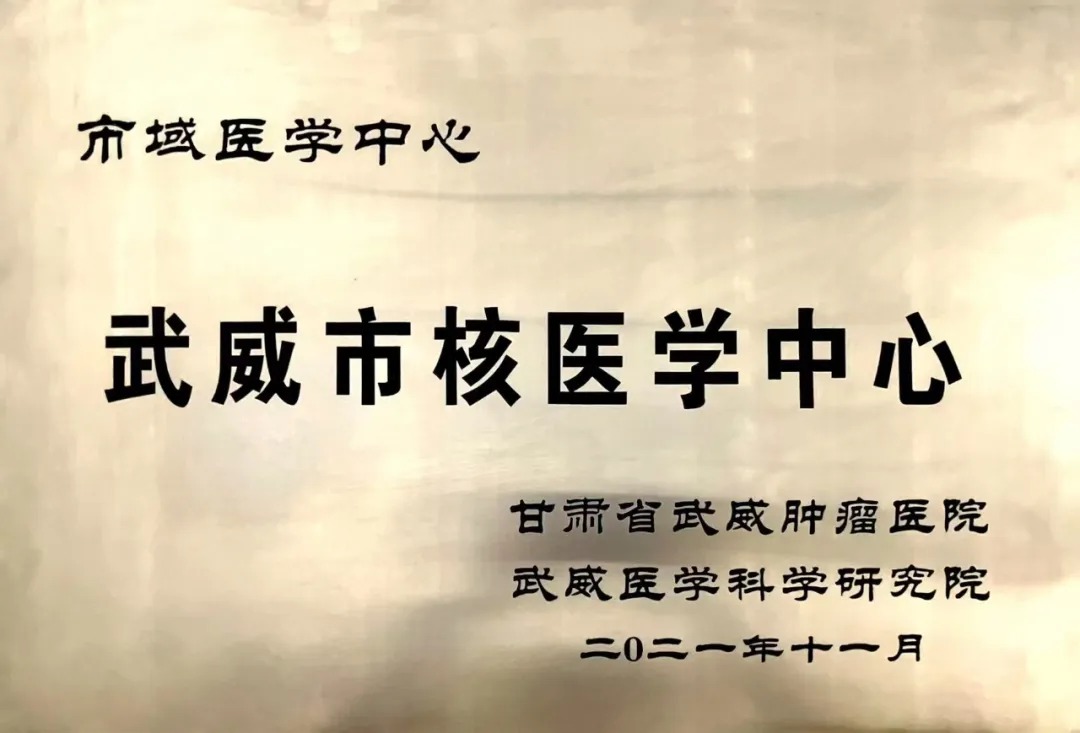
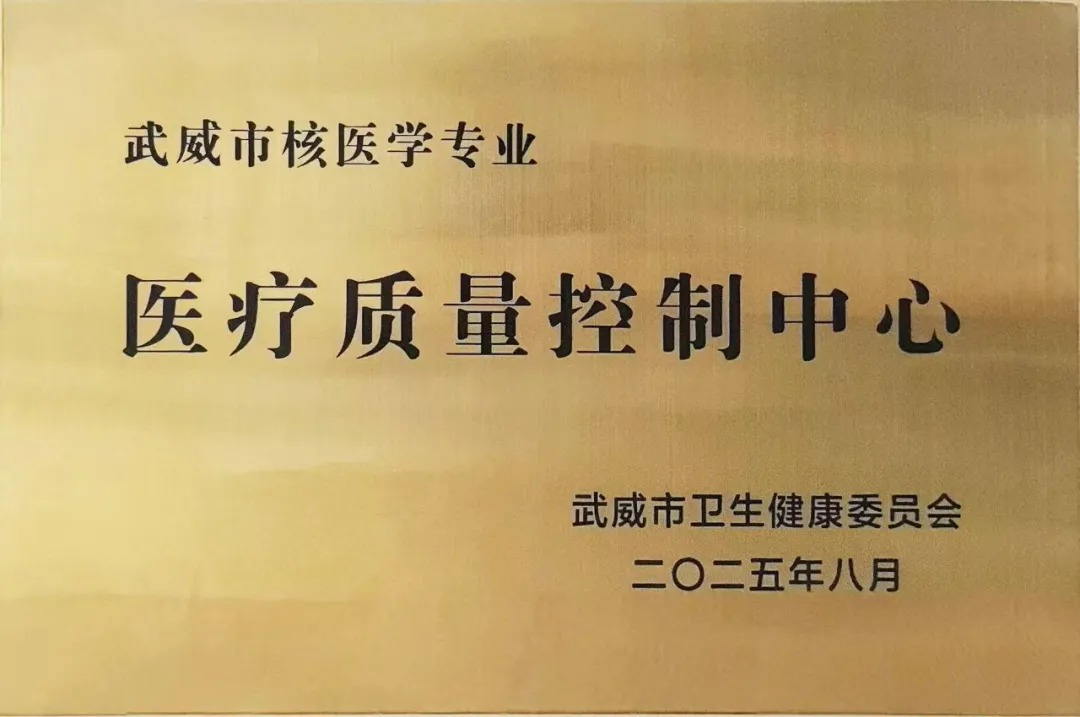
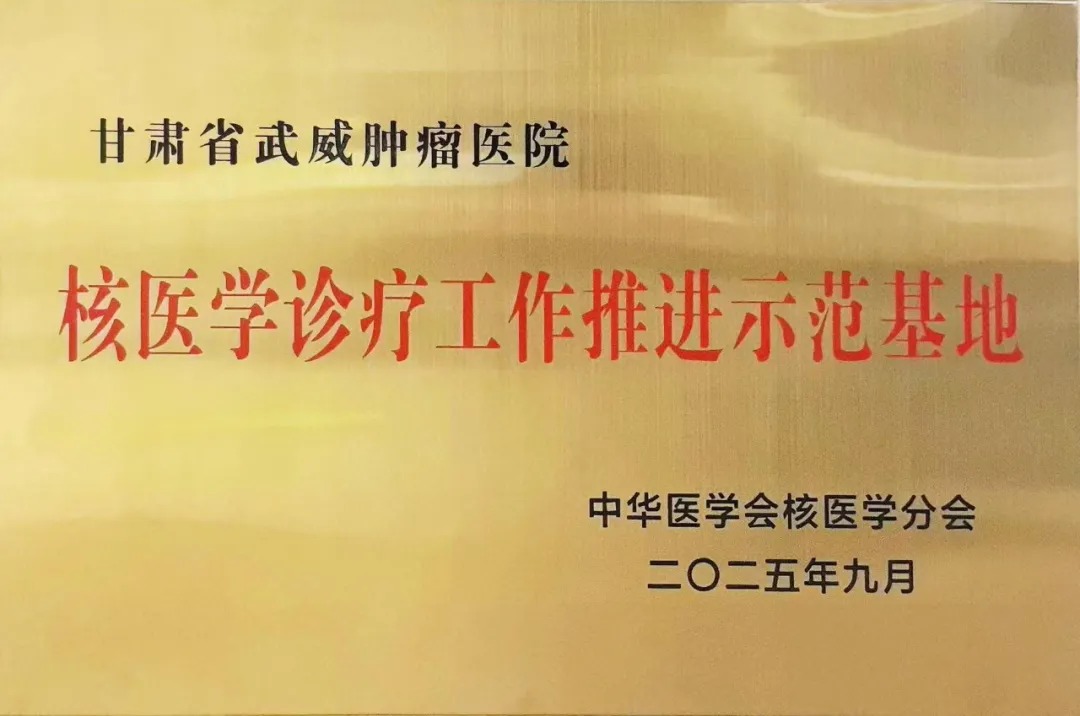
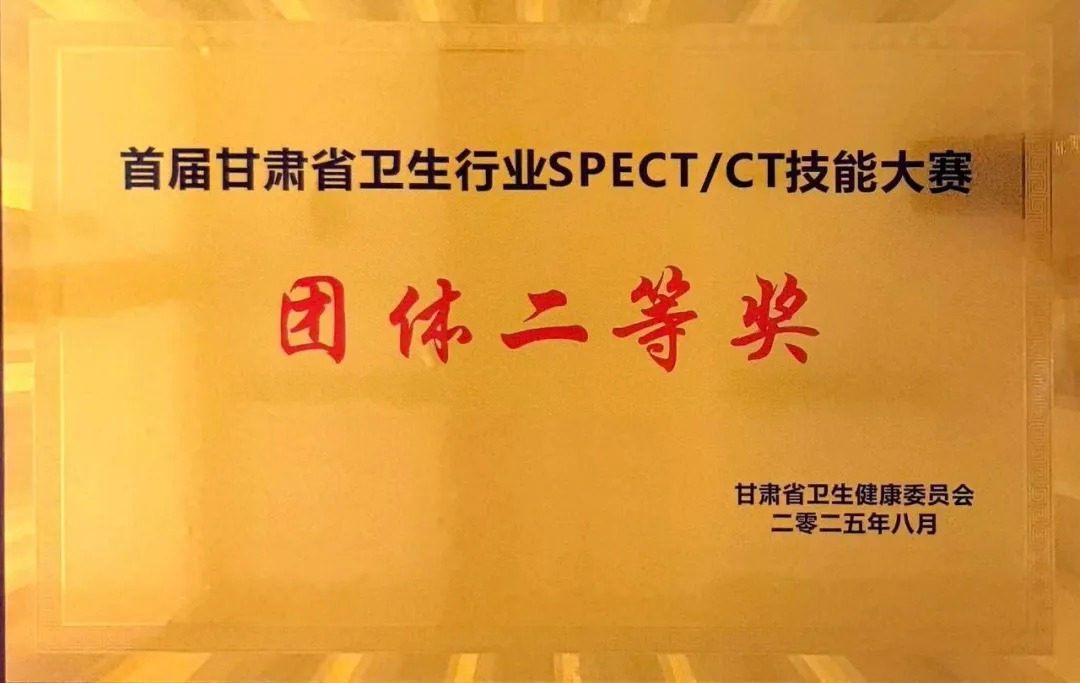
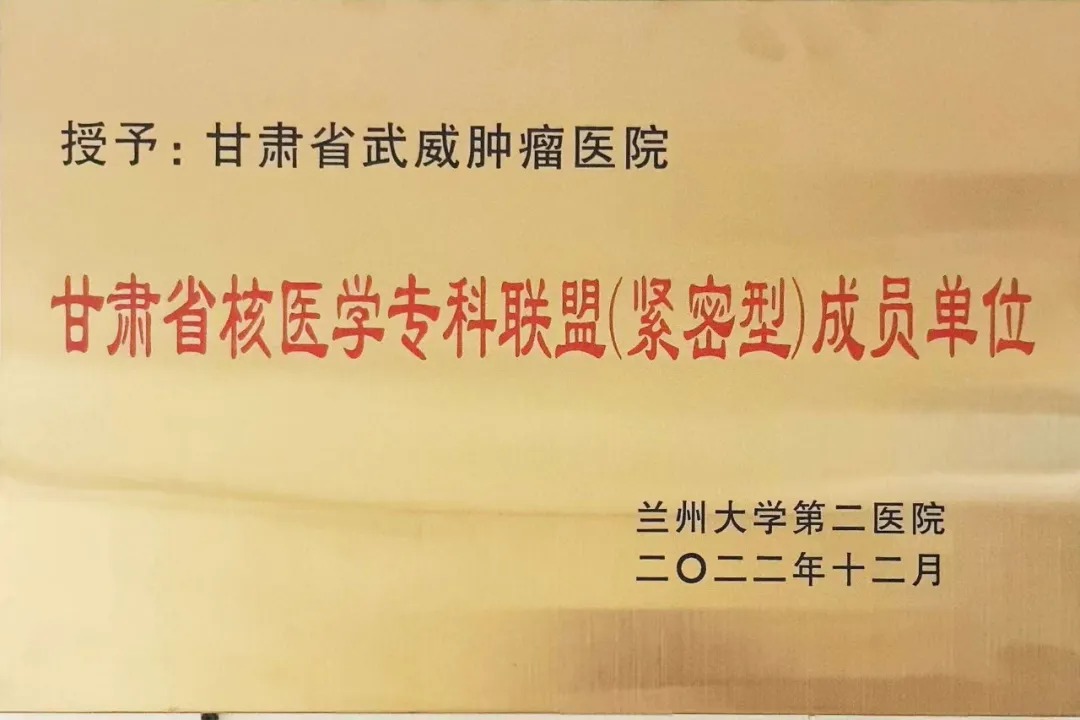
Nuclear Medicine Department Honors
Looking Ahead: Charting the Course to Build a Western Nuclear Medicine Hub
Building on the strategic framework for Gansu's nuclear medicine industry, Gansu Wuwei Cancer Hospital is integrating high‑quality medical resources across Lanzhou and Wuwei in a coordinated effort, seizing the critical window of industrial development to drive concentrated progress. The hospital is accelerating the clinical translation of innovative alpha‑emitting radionuclides and targeted radiopharmaceuticals, and establishing cutting‑edge programs such as neuroendocrine tumor diagnosis and therapy, with the goal of building a closed‑loop, whole‑life‑cycle nuclear medicine prevention and treatment system for cancer. Leveraging its foundational role as the birthplace of domestically developed heavy ion technology, the hospital is deepening its commitment to nuclear medicine innovation, strengthening its clinical capacity to treat complex and critical cases in Northwest China, and striving to establish a benchmark nuclear medicine diagnosis and treatment center in the western region. Through high‑level nuclear medicine services, the hospital is dedicated to building a strong health defense for the diverse populations of Northwest China.
Writer: Guo Yishan
First Review: Duan Shengyu
Second Review: Guo Yishan
Third Review: Cai Qinghua