Advancing Minimally Invasive Care and Specialty Development
Advancing Minimally Invasive Care and Specialty Development – Professor Li Dawei from Fudan University Shanghai Cancer Center Visits Our Hospital for Guidance and Exchange
On June 27, the Department of Gastrointestinal Surgery at our hospital invited Professor Li Dawei, Chief Physician in the Colorectal Surgery Department at Fudan University Shanghai Cancer Center, to participate in a series of activities, including a master‑level ward round symposium, bedside ward rounds, and minimally invasive surgical guidance. Through these exchanges, he brought cutting‑edge academic concepts and mature clinical techniques to support the continued improvement of our hospital's standardized gastrointestinal surgical oncology care.
Professor Li Dawei is a Chief Physician, Doctoral Supervisor, and recipient of the Shanghai Outstanding Academic Leader award. He completed advanced training at the M.D. Anderson Cancer Center in the United States and holds key positions in multiple national colorectal oncology professional societies. He has long‑standing expertise in laparoscopic minimally invasive colorectal cancer surgery, NOSES (Natural Orifice Specimen Extraction Surgery), and comprehensive management of pelvic and neuroendocrine tumors. He has led five National Natural Science Foundation projects and has published multiple research findings in internationally leading journals, including Nature series. He has received a First‑Class Shanghai Science and Technology Progress Award, with both clinical practice and research achievements well‑recognized in the field.
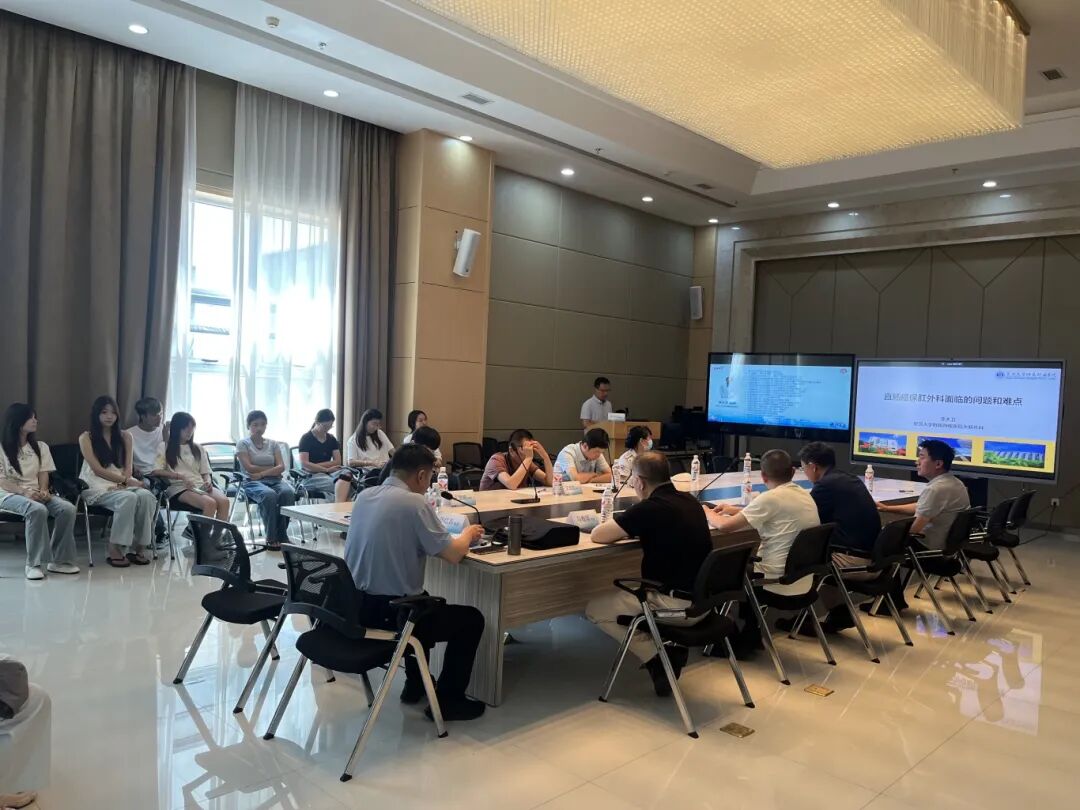
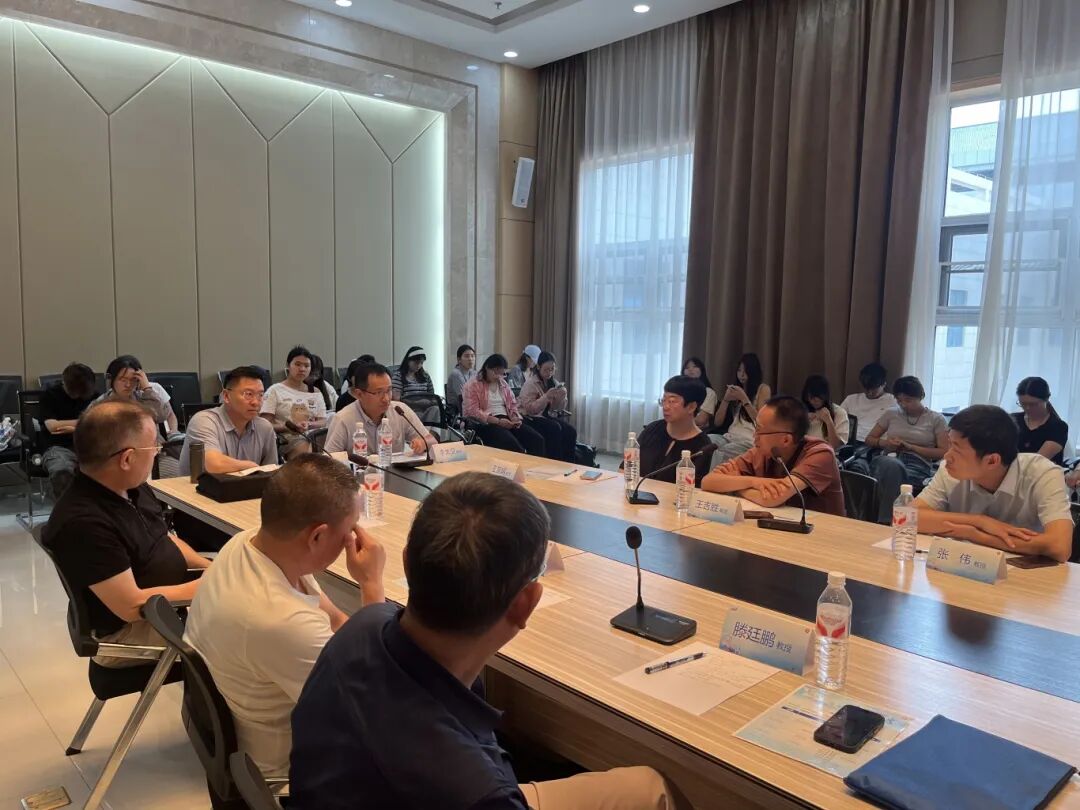
The core focus of this exchange was a high‑level academic symposium on master‑level ward rounds. On the afternoon of June 27, the symposium was held in Meeting Room 3 on the third floor of the Heavy Ion main building. It was jointly chaired by Professor Chen Hongbing from our hospital's Department of Gastrointestinal Surgery and Professor Li Dawei from the Colorectal Surgery Department at Fudan University Shanghai Cancer Center. Experts from our hospital's departments of Gastrointestinal Surgery, Radiotherapy, Medical Oncology, Minimally Invasive Oncology, and Abdominal Surgery attended the session.
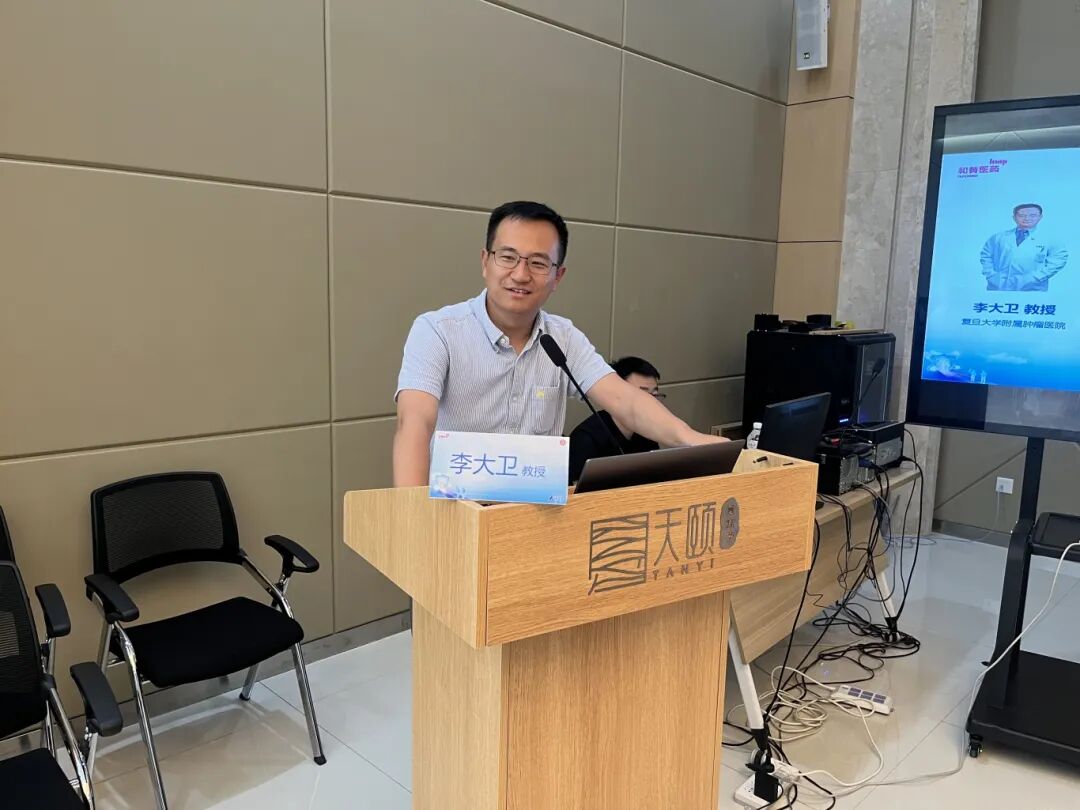
During the symposium, Professor Li Dawei delivered a special lecture titled "New Advances and Reflections in Sphincter‑Preserving Surgery for Rectal Cancer." Grounded in the latest international research and enriched with a wealth of clinical cases, he systematically discussed key topics including the selection of indications for sphincter‑preserving surgery, core points in minimally invasive techniques, and protection of anal function. He also addressed the clinical application of laparoscopic and NOSES (Natural Orifice Specimen Extraction Surgery) techniques in real‑world scenarios, sharing practical insights and approaches drawn from his frontline experience.
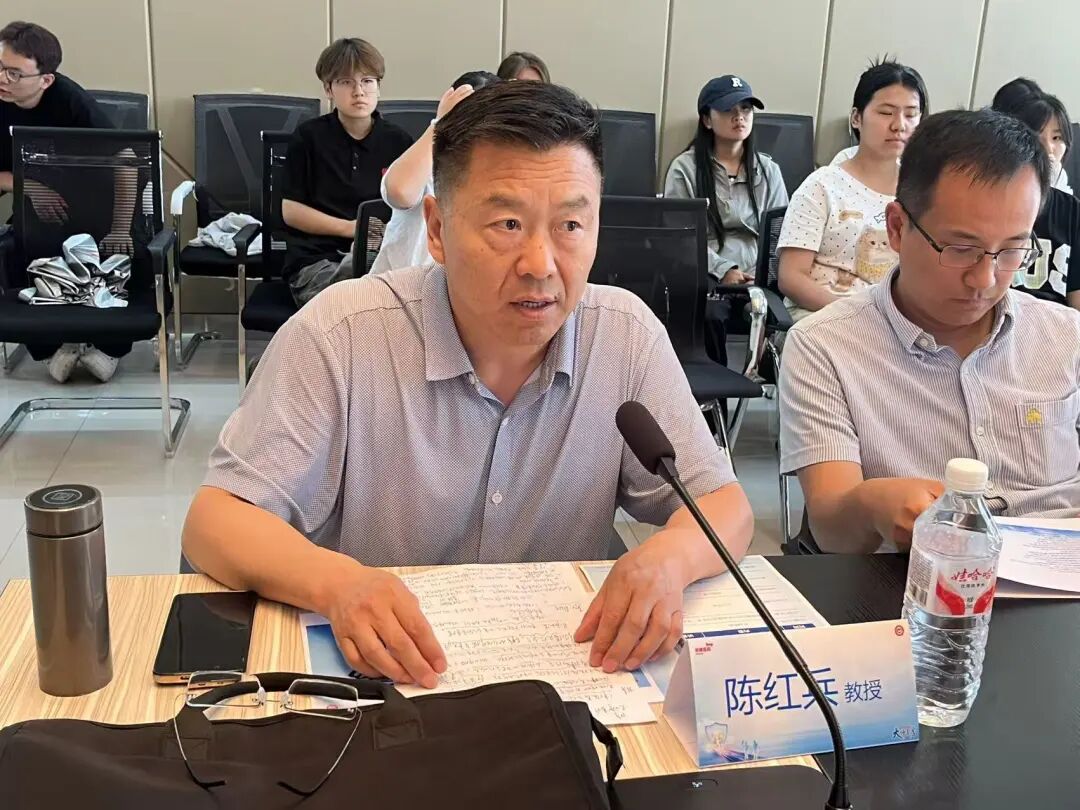
Following the lecture, Professor Ma Youguo (First Department of Radiotherapy), Professor Tao Jichun (Abdominal Surgery), Professor Teng Tingpeng (Minimally Invasive Oncology Center), Professor Wang Huijuan (Medical Oncology), and Professor Wang Jisheng (Gastrointestinal Surgery) engaged in in‑depth discussions on complex clinical cases, technical challenges in surgery, and perioperative management optimization. In response to specific questions and clinical difficulties raised by frontline practitioners, Professor Li Dawei provided practical, actionable solutions and insights for each case.
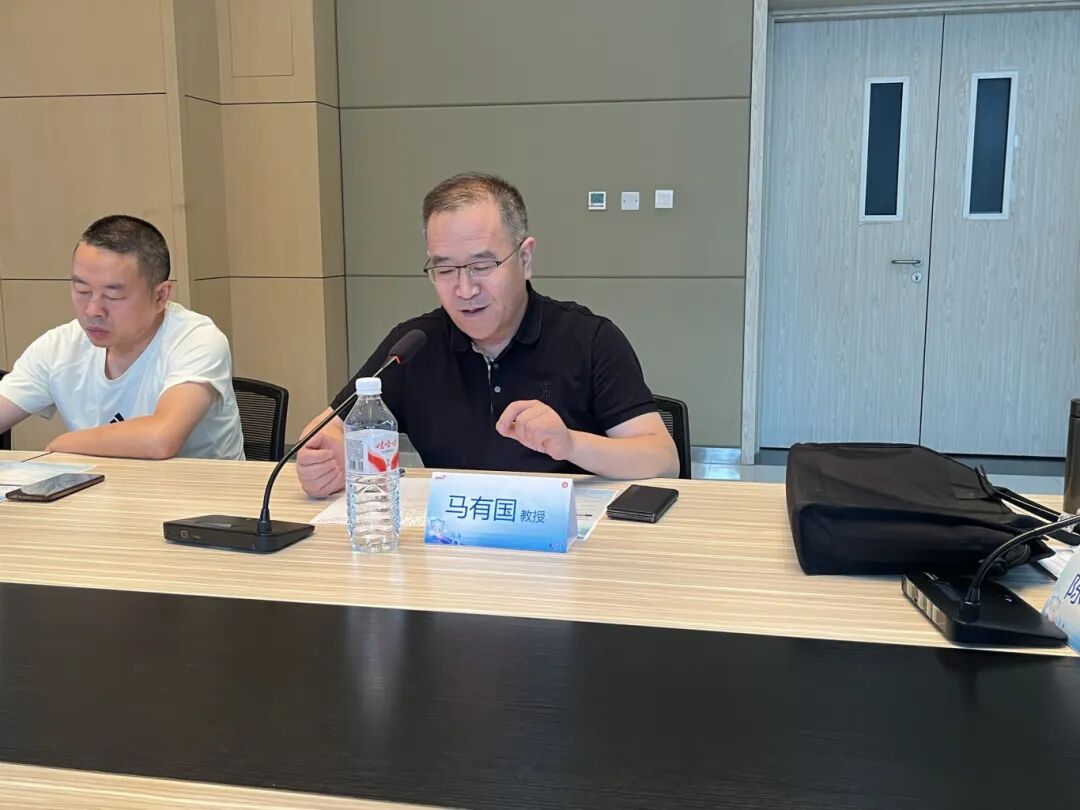
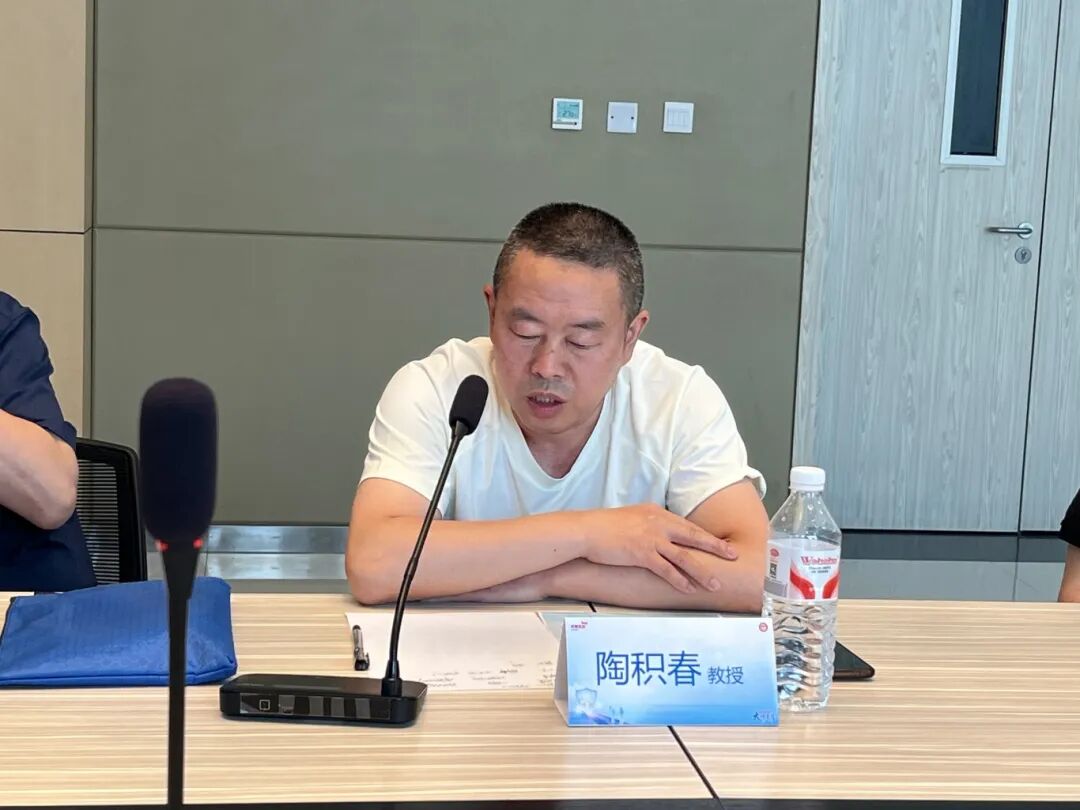
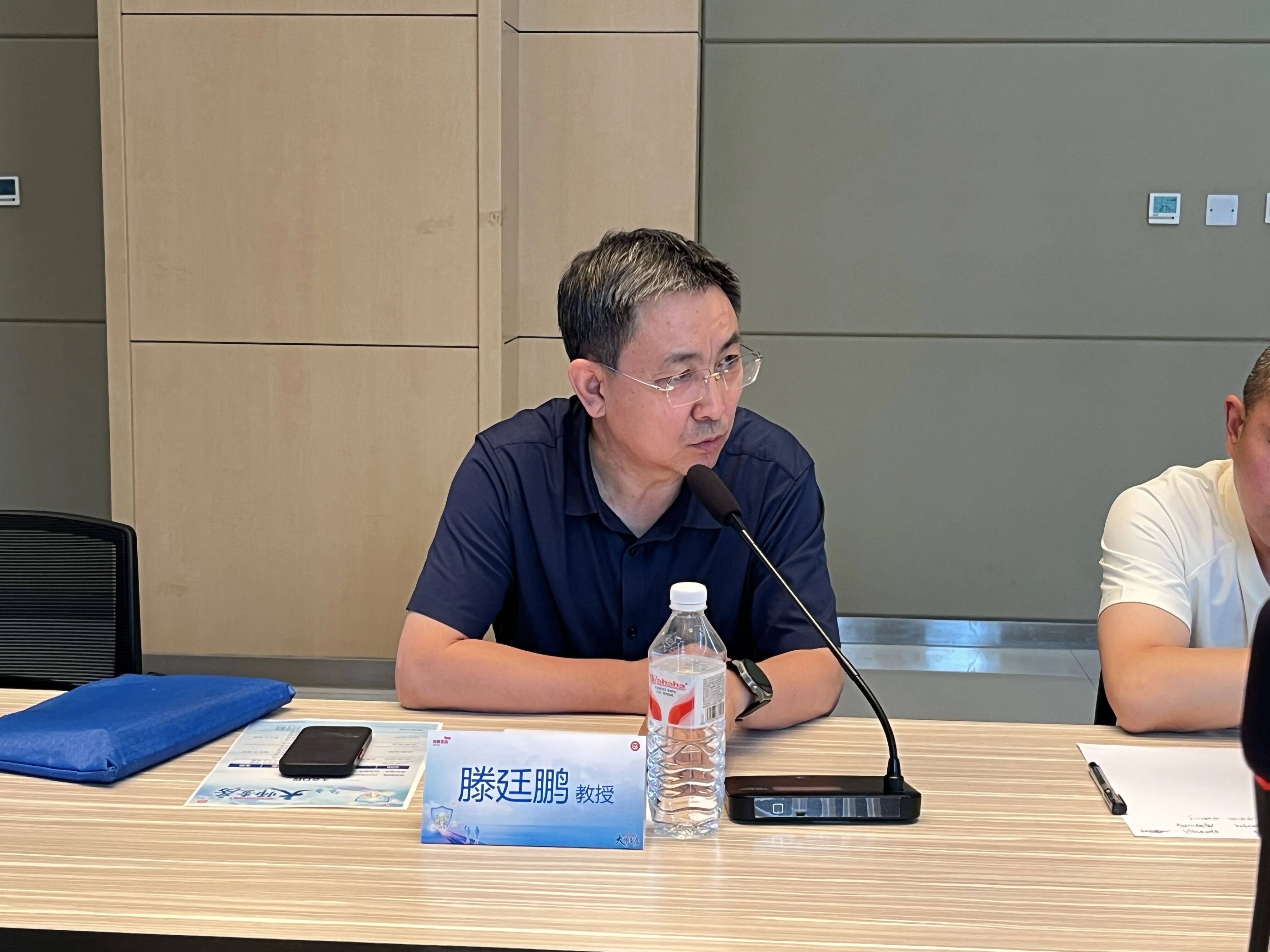
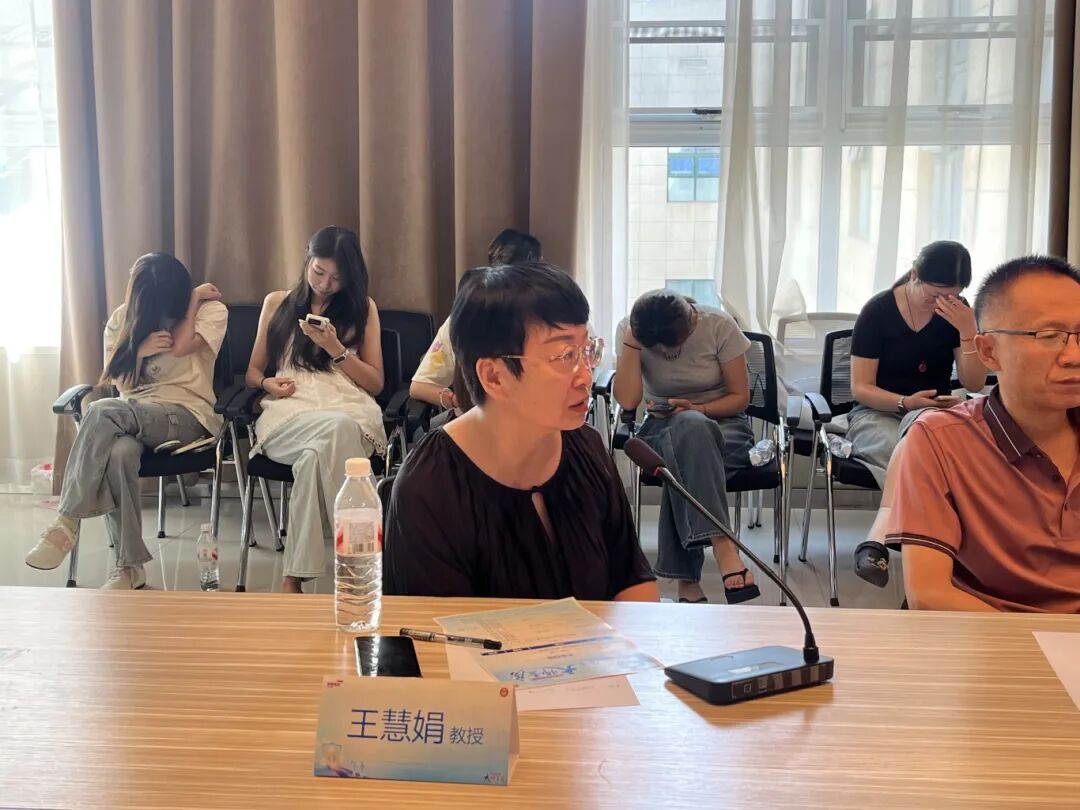
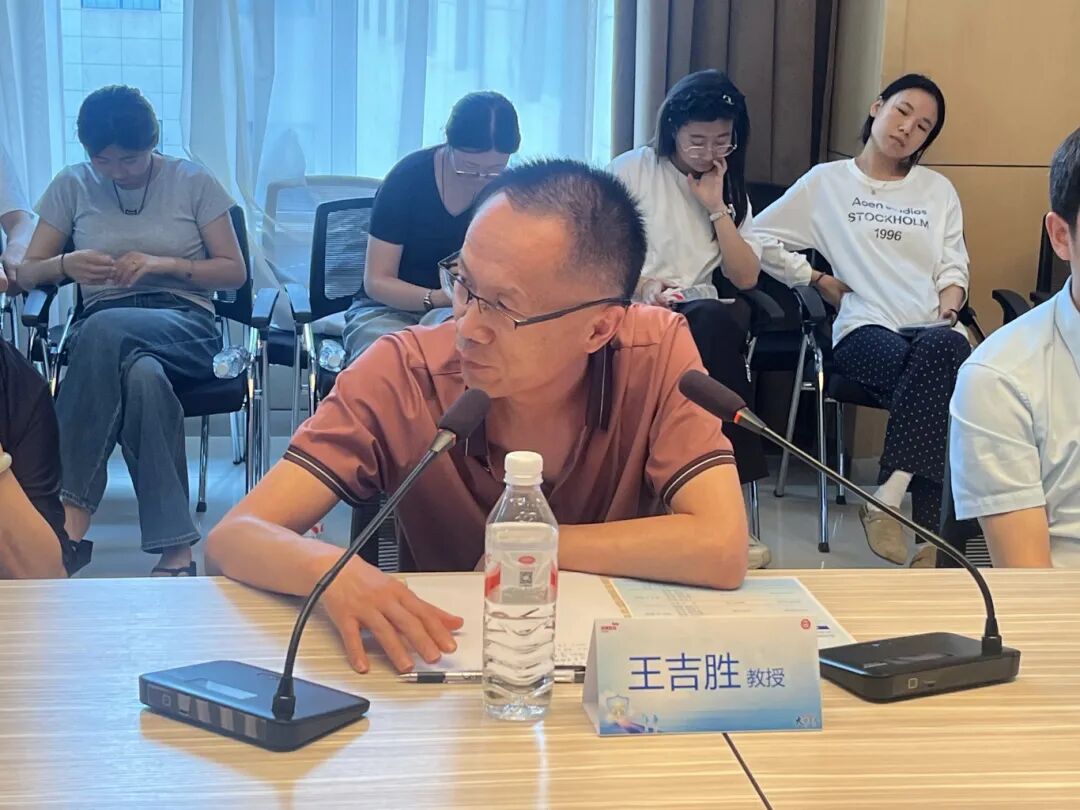
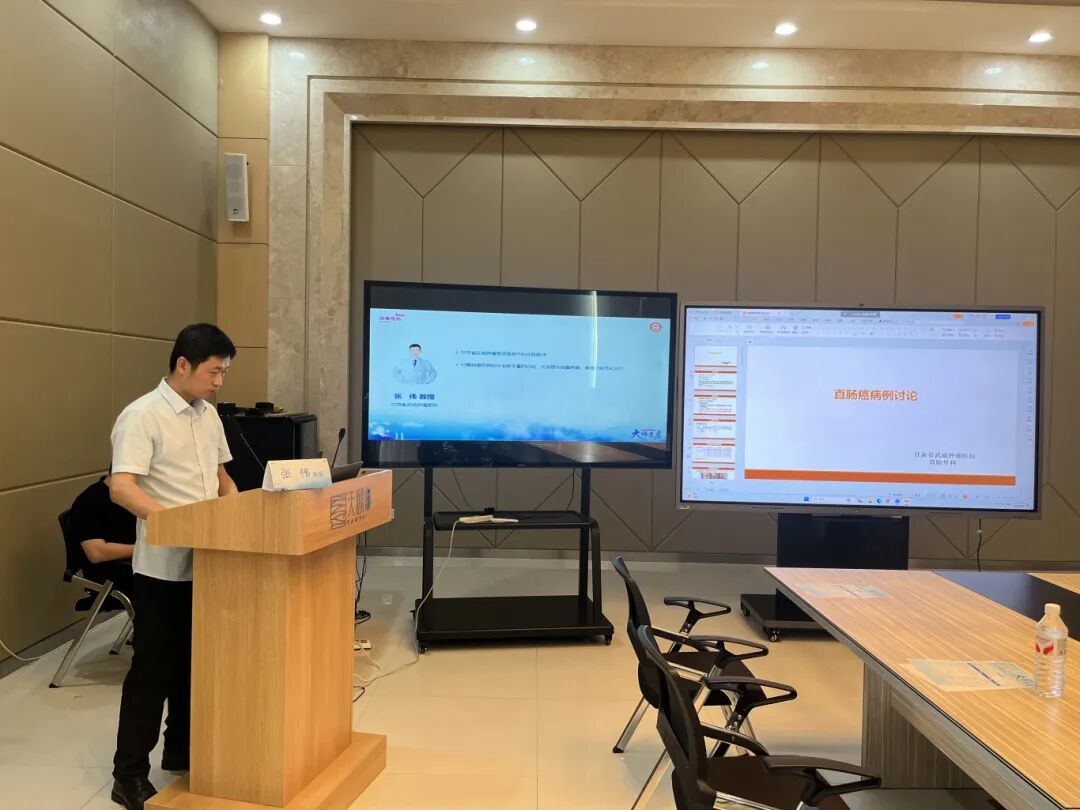
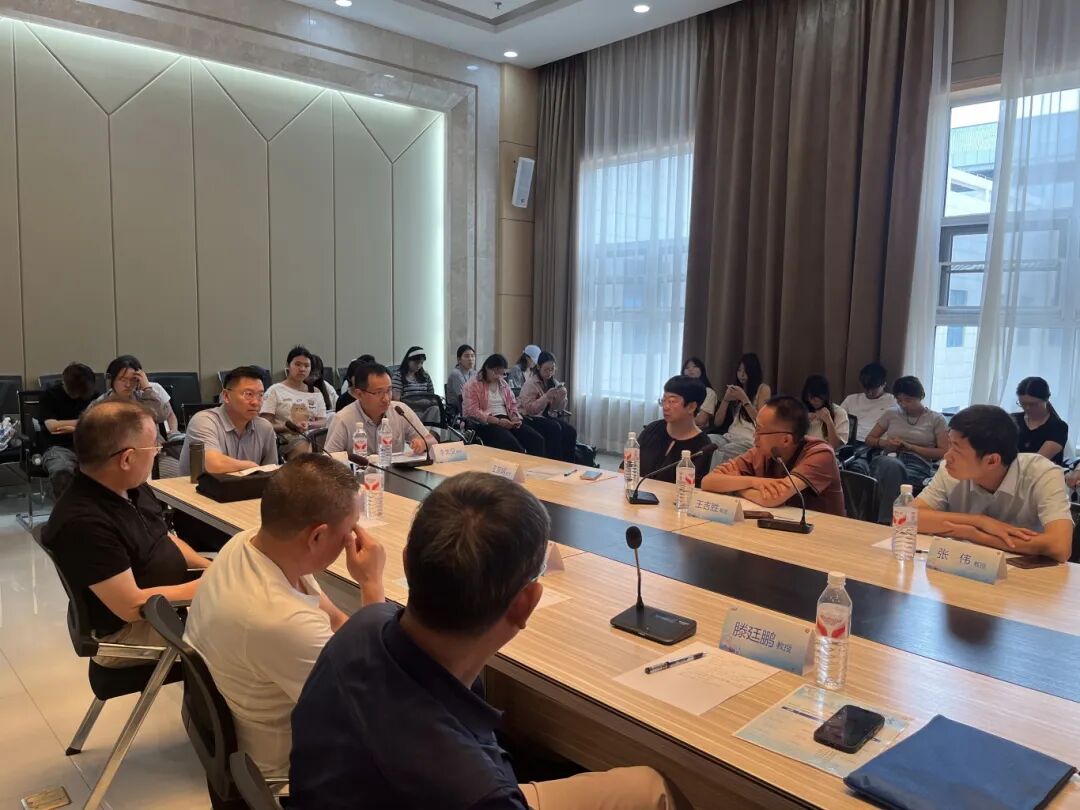
After Professor Zhang Wei from our Department of Gastrointestinal Surgery presented a typical complex case from the department, all experts jointly reviewed the entire diagnostic and treatment process, identifying a standardized management pathway and establishing a clear reference model for managing similar cases in the future.
At the conclusion of the symposium, the two chairing professors summarized the key takeaways from the discussions and encouraged all medical and nursing staff to translate the technical insights gained from this exchange into their daily clinical practice.
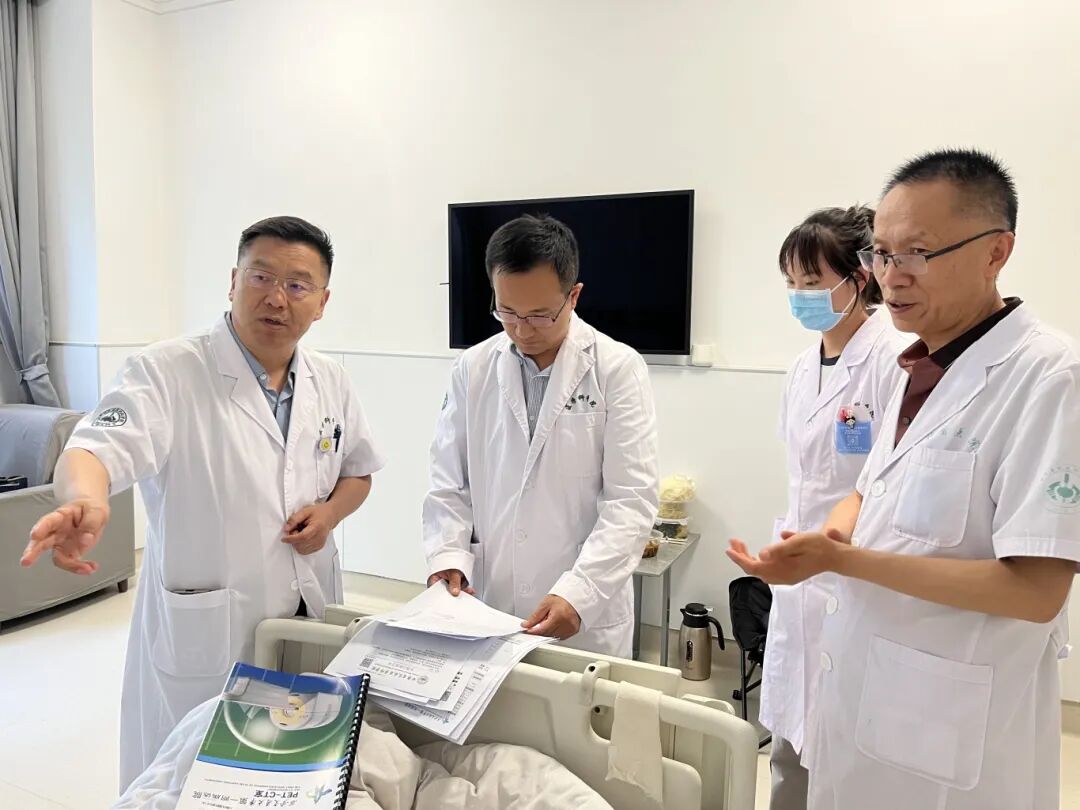
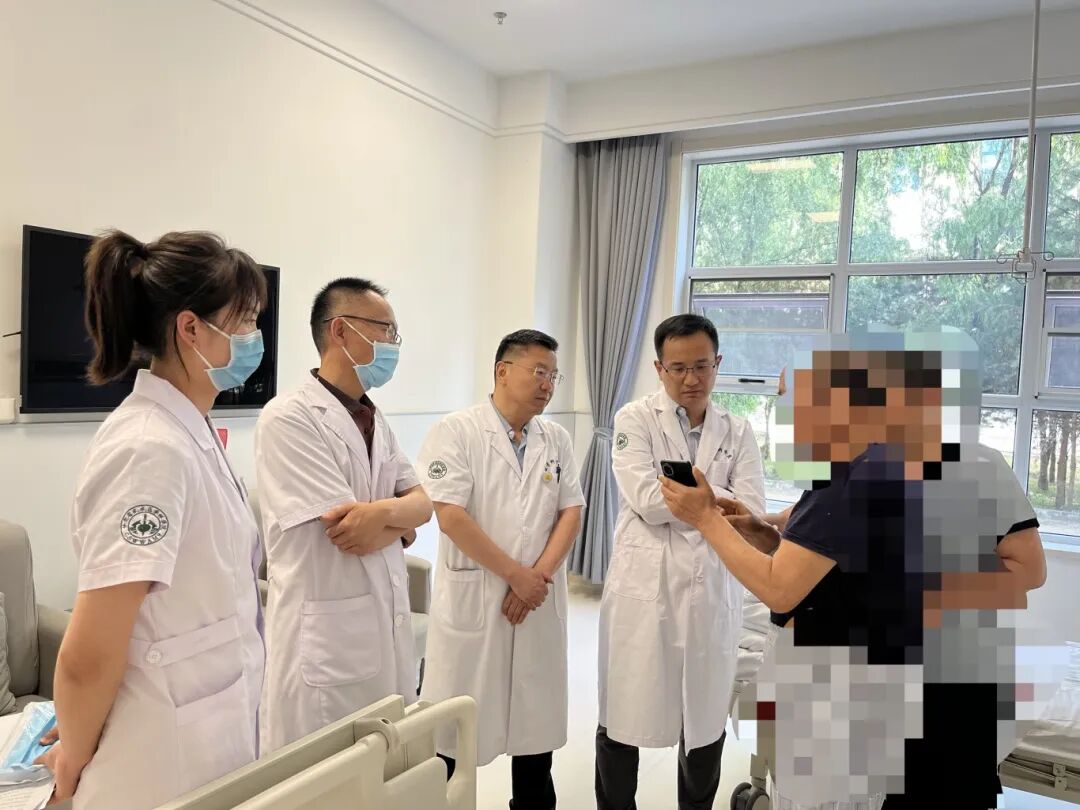
Following the academic symposium, Professor Li Dawei conducted bedside teaching rounds in the inpatient ward. He performed detailed physical examinations on postoperative patients one by one. Using real‑world cases, he exchanged practical experience with the medical and nursing team on enhanced recovery and refined perioperative management, collaboratively identifying areas for clinical optimization and refining ward‑based diagnostic and treatment workflows.
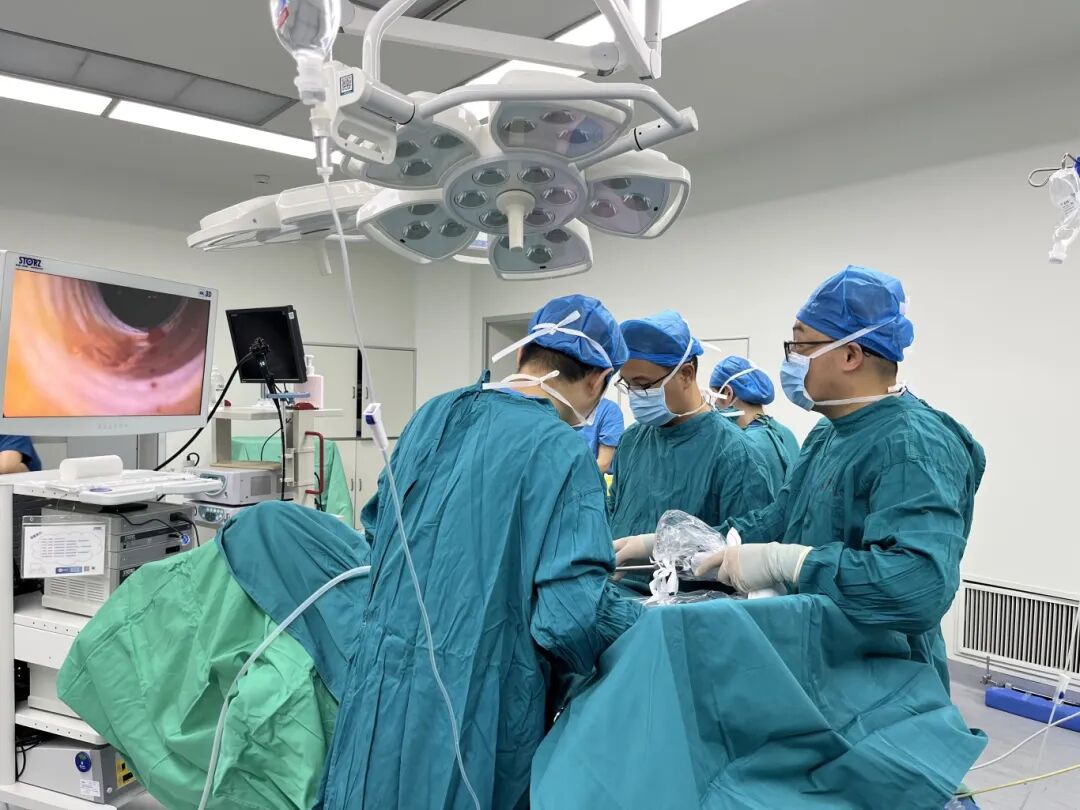
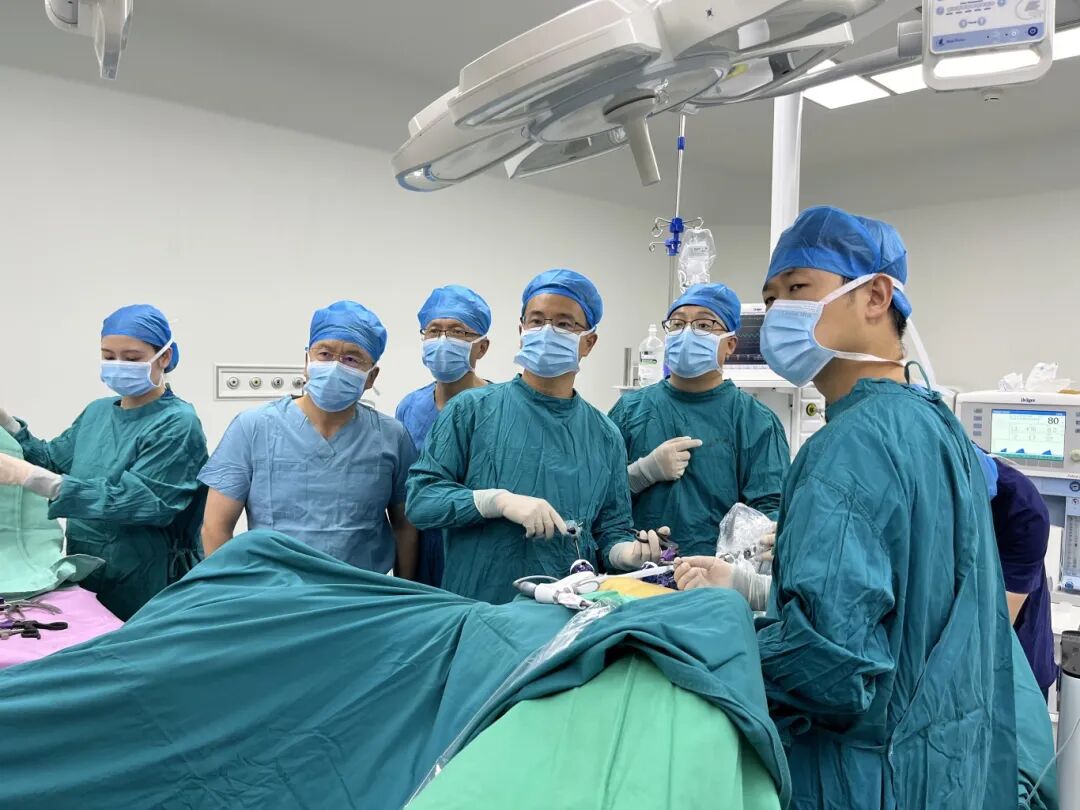
Professor Li Dawei then proceeded to the operating room to provide hands‑on surgical guidance. He performed live demonstrations of standardized minimally invasive procedures, clearly illustrating key technical details in precise anatomical dissection, single‑port laparoscopic techniques, and NOSES (Natural Orifice Specimen Extraction Surgery) procedures. At the same time, he demonstrated essential intraoperative risk‑prevention strategies and engaged the department team in practical discussions on standardized clinical techniques. For complex colorectal and pelvic tumor cases managed by the department, Professor Li used the surgeries to illustrate the clinical reasoning behind multidisciplinary management and treatment approaches. He addressed specific questions raised by the team, demonstrated detailed procedural standards, and shared proven practical techniques, providing comprehensive and targeted guidance to enhance the team's clinical competence.
This expert on‑site exchange event provided an excellent platform for learning and collaboration across relevant departments. As the only hospital in Northwest China equipped with two heavy (carbon) ion therapy systems, our hospital will take this opportunity to continue inviting leading oncologists from across the country to conduct ward rounds, surgical demonstrations, and academic seminars. Through these efforts, we will further standardize minimally invasive diagnosis and treatment for colorectal and pelvic tumors, strengthen our multidisciplinary care framework, and leverage a combination of therapeutic modalities — including heavy ion radiotherapy and minimally invasive surgery — to provide personalized care for gastrointestinal cancer patients in Northwest China, thereby safeguarding the health of the regional population.
Writer: Zhang Jie
First Reviewer: Zhang Jie
Second Reviewer: Guo Yishan
Third Reviewer: Cai Qinghua
Gansu Wuwei Cancer Hospital (Wuwei Institute of Medical Sciences)
(甘)医广【2025】第11-14-387号