Low-Dose Radiation Therapy for Arthritis
I. Pathogenesis of Arthritis
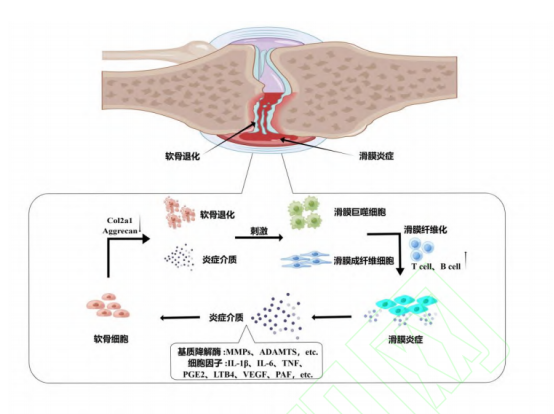
Arthritis is a complex condition involving the degradation of joint structures, primarily driven by inflammatory processes, mechanical stress, and genetic predispositions. Key mechanisms include synovial inflammation, cartilage breakdown, and aberrant immune responses.
II. Pathology, Risk Factors, Clinical Manifestations, and Treatment of Arthritis
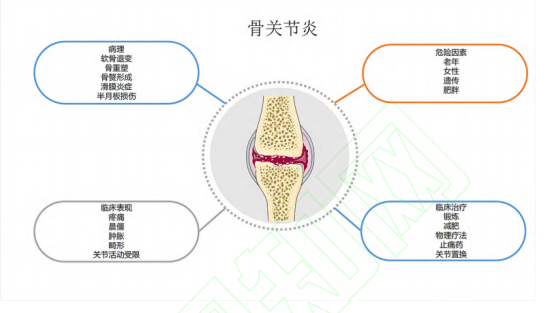
Pathology: Characterized by synovial hyperplasia, cartilage erosion, subchondral bone sclerosis, and osteophyte formation.
Risk Factors: Aging, obesity, joint injury, genetic predisposition, and metabolic disorders.
Clinical Manifestations: Pain, stiffness, reduced range of motion, joint swelling, and functional impairment.
Treatment: Includes nonpharmacological interventions (exercise, physiotherapy), pharmacological therapies (NSAIDs, corticosteroids), and surgical options (joint replacement).
III. What is Low-Dose Radiation Therapy (LDRT)?
Current clinical treatments for osteoarthritis (OA) pain—such as exercise therapy, physiotherapy, NSAIDs, and intra-articular injections—often fail to provide satisfactory long-term pain relief and carry risks with prolonged use. LDRT has emerged as a promising alternative for managing pain in joint diseases. Studies indicate that LDRT significantly alleviates pain for up to 6 months, with effects persisting in some cases for 1 year. However, conflicting evidence exists; for example, in hand OA patients, 28% responded to LDRT at 6 months versus 31% in the sham group, with similar rates at 12 months (31% vs. 27%). In Germany, LDRT is widely used for benign diseases, accounting for over one-third of annual radiotherapy cases, with more than 10,000 OA patients receiving LDRT to improve pain and joint mobility.
IV. Reference Protocols for Low-Dose Radiation Therapy
The German Society for Radiation Oncology (DEGRO) recommends LDRT protocols for OA:
Dose: 0.5–1 Gy per joint (hip or knee), total dose 3–6 Gy, administered 2–3 times weekly.
Mechanisms of LDRT in Knee Osteoarthritis
Anti-Inflammatory Effects of LDRT
While high-dose radiotherapy (RT) promotes pro-inflammatory cytokine production, LDRT exerts anti-inflammatory effects by modulating immune responses. Key mechanisms include:
Macrophage Polarization: LDRT drives macrophages toward the anti-inflammatory M2 phenotype, reducing pro-inflammatory cytokines (e.g., IL-6, IL-17A) and increasing anti-inflammatory cytokines (e.g., IL-4).
Endothelial Cell Regulation: LDRT suppresses adhesion molecules (e.g., ICAM, VCAM) and stimulates TGF-β1 production, reducing leukocyte recruitment.
Oxidative Stress Reduction: LDRT inhibits iNOS expression, lowering nitric oxide (NO) and reactive oxygen species (ROS) levels, thereby mitigating tissue damage.
Clinical Evidence for LDRT in OA Pain Relief
OA pain arises from innervated structures (subchondral bone, synovium) and neuroimmune interactions. Pro-inflammatory cytokines (TNF-α, IL-1β) sensitize nociceptive neurons, while nerve growth factors (NGF, BDNF) modulate neuronal hyperexcitability. Central sensitization and chronic pain pathways are key targets of LDRT.
Mechanistic Insights from Preclinical Studies
Immune Modulation: In K/BxN arthritis models, LDRT (0.5 Gy) shifts immune cell populations (CD8+ to CD4+ T cells) and reduces dendritic cells.
Cartilage Protection: LDRT (0.25–1 Gy) downregulates MMP-13 and ADAMTS5 (cartilage-degrading enzymes) while upregulating collagen type II (Col2a1) and aggrecan in chondrocytes.
Animal Models: In OA rats, LDRT (0.5 Gy × 5 fractions) reduces synovial and spinal inflammatory markers (CCL2, IL-1β) and improves pain thresholds.
V. Adverse Effects of LDRT
Acute Reactions: Mild and transient (e.g., localized erythema, dryness). LDRT minimizes damage to healthy tissues, with fewer systemic effects (e.g., nausea, alopecia) compared to conventional RT.
Carcinogenic Risk: Theoretical risk remains debated. Current evidence suggests low malignancy potential due to low doses and joint-specific targeting, but long-term studies are needed.
VI. Future Perspectives for LDRT in Knee Osteoarthritis
LDRT shows promise in alleviating pain, reducing inflammation, and improving quality of life with a favorable safety profile. Despite limited global adoption, emerging modalities (e.g., proton/heavy-ion therapy) may enhance efficacy. Further research should optimize dosing regimens and validate long-term outcomes.
Adapted from: Ma GR, Yang YZ, Meng X, Gao YT, Li SZ, Guo HZ, Jin XD. Low-Dose Radiation Therapy for Osteoarthritis [J/OL]. Progress in Biochemistry and Biophysics. https://doi.org/10.16476/j.pibb.2023.0432