Postoperative Rehabilitation Exercise Precautions for Varicose Veins Surgery
Rehabilitation exercises after varicose veins surgery are crucial for recovery. However, these exercises should not be performed carelessly. Proper precautions ensure safety and effectiveness, helping the body heal faster. Below are detailed guidelines:
1. Follow Medical Advice to Avoid Complications

Adhere to Exercise Timing and Intensity
Your doctor will create a personalized rehabilitation plan based on your surgical method, wound healing progress, and overall health. Strictly follow the prescribed exercise schedule, intensity, and frequency. Do not start exercising prematurely or overexert yourself, as this may cause wound reopening or complications.
Special Considerations for Comorbidities
If you havepre-existing medical conditions(e.g., heart disease, hypertension, diabetes mellitus, your doctor will adjust your rehabilitation plan accordingly. Follow these instructions meticulously to avoid delayed recovery or exacerbation of symptoms
.
2. Monitor Wounds to Prevent Infection
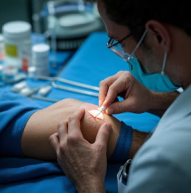
Keep the Area Clean and Dry
During exercises, ensure the incision site remains clean and dry. Sweat or dirt exposure raises infection risks. If the wound gets wet, gently pat it dry with a clean towel and disinfect with antiseptic solution.
Check Healing Progress Regularly
Inspect the wound before and after exercising. Erythema,edema, bleeding, discharge, or worsening pain may indicate impaired healing or infection. Stop exercising immediately and seek medical help if these signs appear.
3. Gradual Progression: Avoid Overexertion
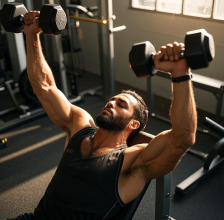
Start Slow and Build Gradually
Increase exercise duration and intensity incrementally. Severe leg pain, excessive swelling, or prolonged fatigue after training signal overtraining syndrom: reduce intensity promptly.
Manage Exercise Frequency
Begin with short sessions (e.g., 15 minutes twice daily). Gradually extend duration and frequency as your body adapts. Allow adequate rest between sessions to prevent exhaustion.
4. Recognize Warning Signs and Respond Promptly
Watch for Abnormal Symptoms
Stop exercising immediately if you experience dizziness, palpitations, dyspnea, numbness, sharp pain, or sudden swelling. Rest and seek medical attention if symptoms persist.
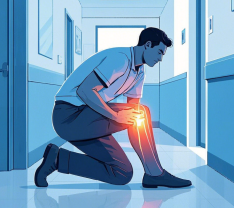
Respect Pain Signals
Mild discomfort during exercise is normal, but severe or disproportionate pain may indicate wound damage, muscle strain, or other issues.Cease exercises and consult your doctor.
5. Optimize Safety with Proper Gear and Environment

Wear Appropriate Clothing
Choose loose, breathable attire to avoid restricting blood flow. Use medical compression stockings to reduce swelling and improve circulation.
Ensure a Safe Environment
Exercise in well-lit low-friction areas (e.g., living rooms, flat outdoor paths) to minimize fall risks.
6. Combine Rehabilitation Strategies for Better Results

Prioritize Nutrition and Rest
Consume protein-rich foods (e.g., eggs, milk), vitamins, and minerals (fruits, leafy greens) to support healing. Ensure 7–9 hours of sleep nightly for optimal recovery.
Attend Follow-Up Appointments
Regular checkups allow doctors to assess vascular recovery via ultrasound and adjust your rehabilitation plan. Never skip these appointments.
By adhering to these precautions, postoperative recovery can be accelerated and complications minimized. Always consult your doctor with any concerns during rehabilitation.