Heavy Ions Meet Nuclear Medicine: Lighting the Path to Life
Heavy Ions Meet Nuclear Medicine: Lighting the Path to Life
A Conference on Green Medical Access Models for Heavy Ion and Nuclear Medicine Cancer Therapies Concludes Successfully in Jiuquan
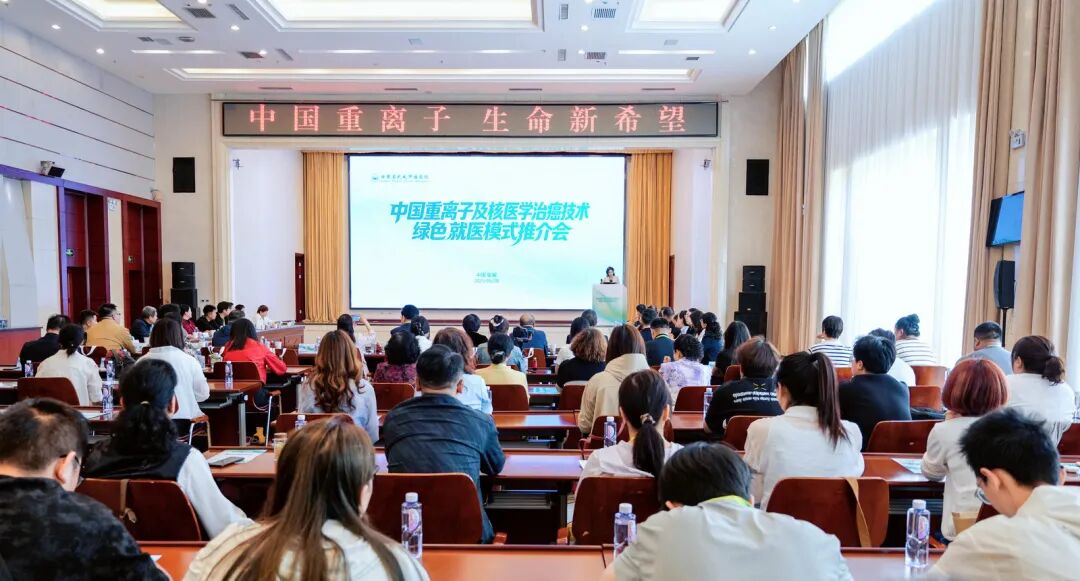
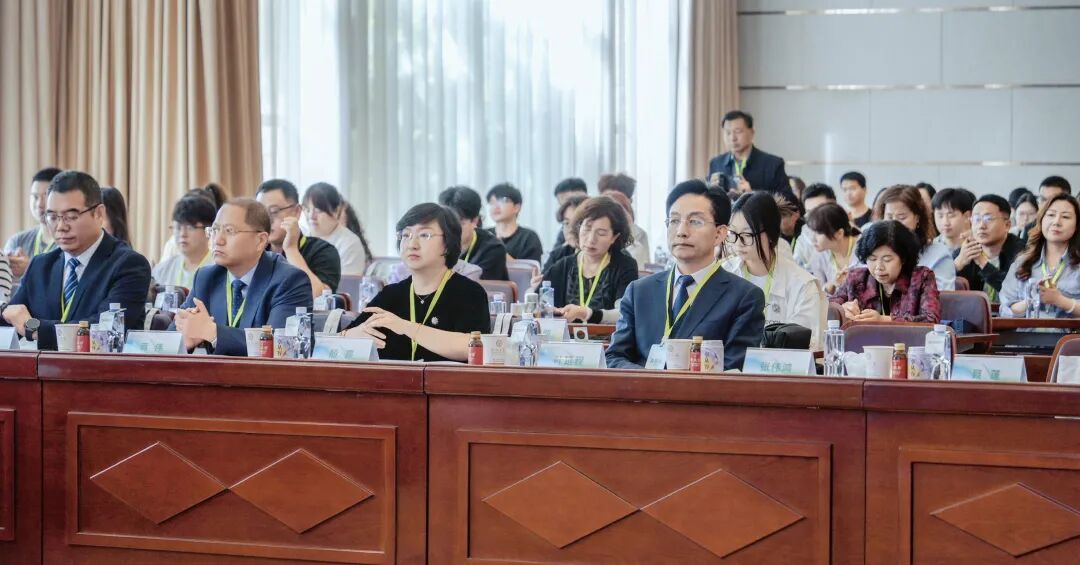
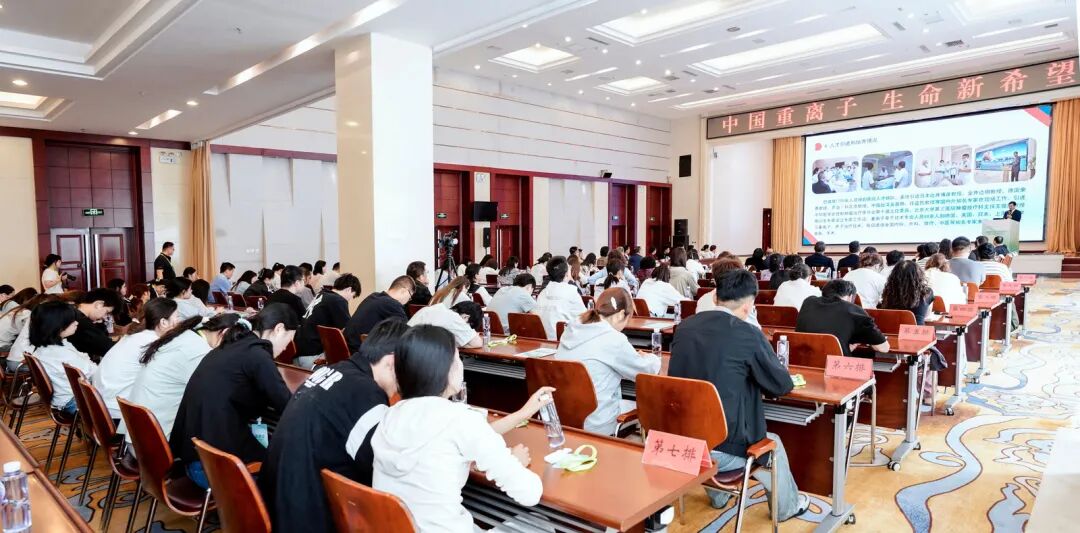
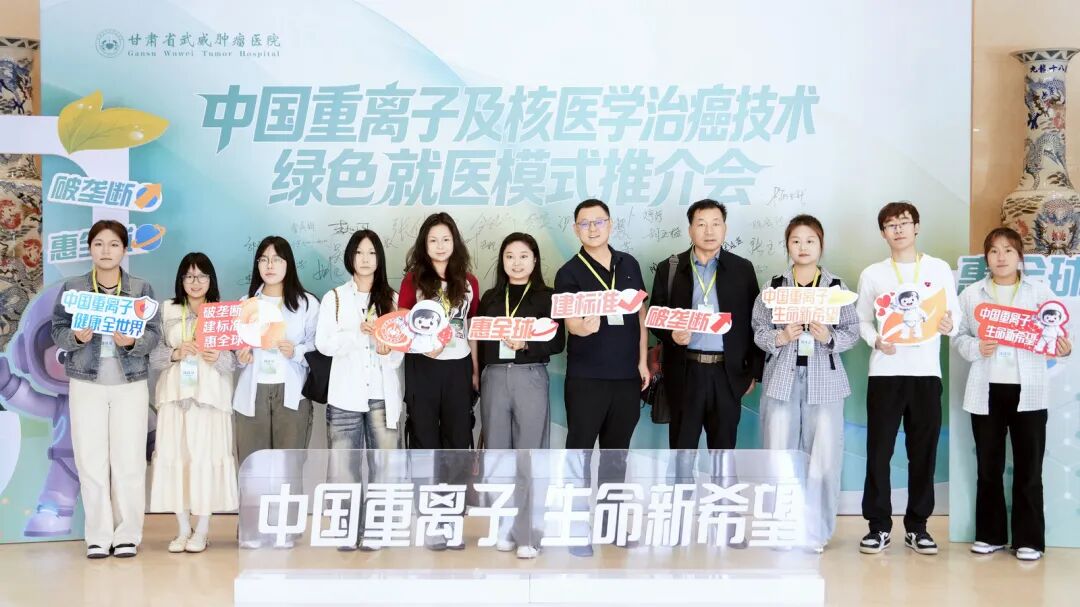
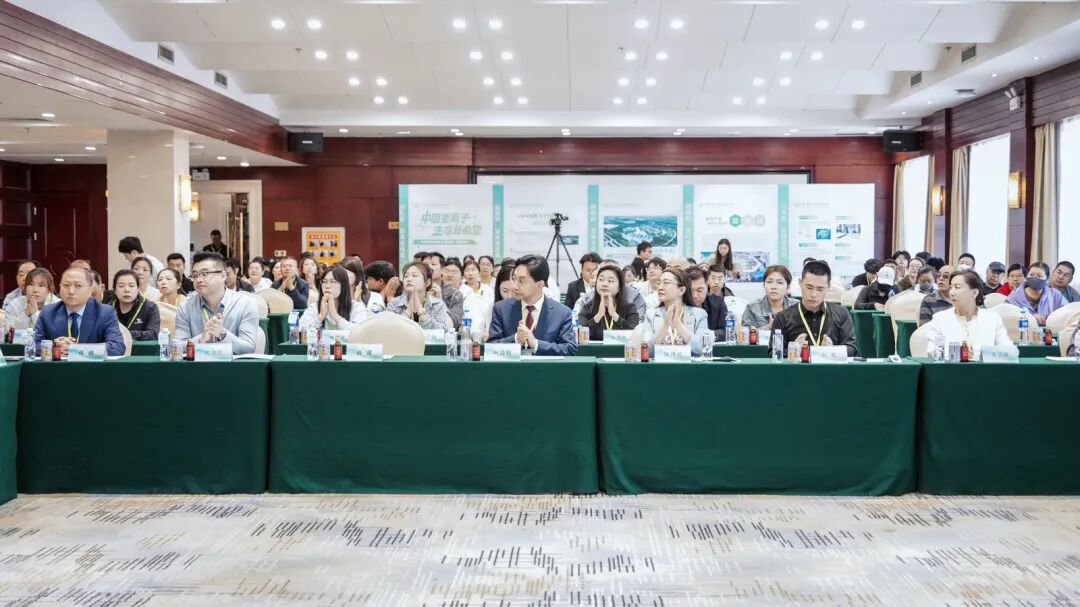
Nestled against the majestic, ink-dark Qilian Mountains, the historic Silk Road hub of Jiuquan is embracing a new era of innovation. On May 30, the China Heavy Ion and Nuclear Medicine Cancer Treatment Technology Conference concluded successfully in Jiuquan. The event brought together over a dozen leading medical experts from across the region, with coverage provided by major media outlets including CRI Online, People's Daily Online, Xinhua Net, China National Radio, Phoenix New Media, Gansu Daily, and the Jiuquan Integrated Media Center.
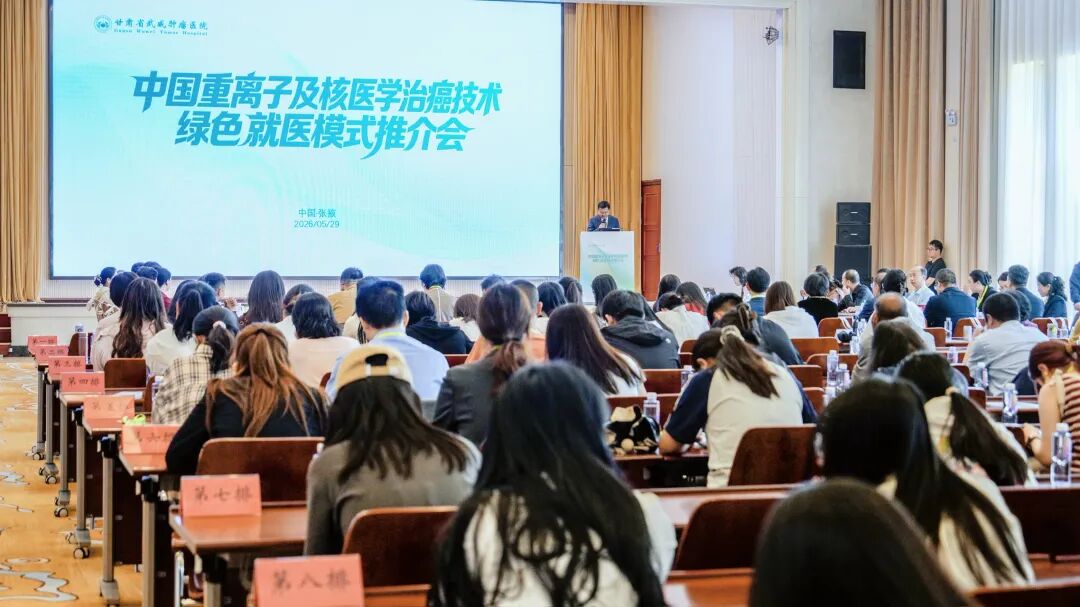
Cancer prevention and treatment represent a critical pillar of public welfare. Gansu Wuwei Cancer Hospital has pioneered a comprehensive, modern oncology system that integrates the entire spectrum of cutting-edge technologies—from nuclear diagnostics and radionuclide therapy to photon radiotherapy and heavy ion treatment. The hospital champions a holistic, full-life-cycle approach to health management, combining heavy ion radiotherapy and nuclear targeted therapies with supportive care such as psychosomatic rehabilitation, sleep medicine, nutritional support, traditional Chinese medicine, physiotherapy, and biologic immunotherapy.
Driven by the mission to "harness global frontier technologies to benefit cancer patients worldwide," the hospital aspires to become a premier global destination for tumor treatment. By aggregating top-tier expert resources, it is solidifying a robust defense against cancer in Northwest China.
The institution attributes its success to a strategic focus on specialized disciplines. It has meticulously developed three core brand systems: oncology, digestive diseases, and cardiovascular and cerebrovascular diseases, creating a collaborative and multi-tiered network of specialties. Currently, the hospital boasts six provincial-level and 14 municipal-level key disciplines, while two national-level key disciplines are progressing steadily with significant milestones achieved. Its clinical capabilities now rank among the most advanced in the country.
Further bolstering its standards, the hospital is deepening its digital intelligence infrastructure. By implementing rigorous, closed-loop quality control across the entire medical process, it leverages smart management to enhance diagnostic precision and safeguard patient safety, laying a solid foundation for the standardized application of novel clinical technologies.
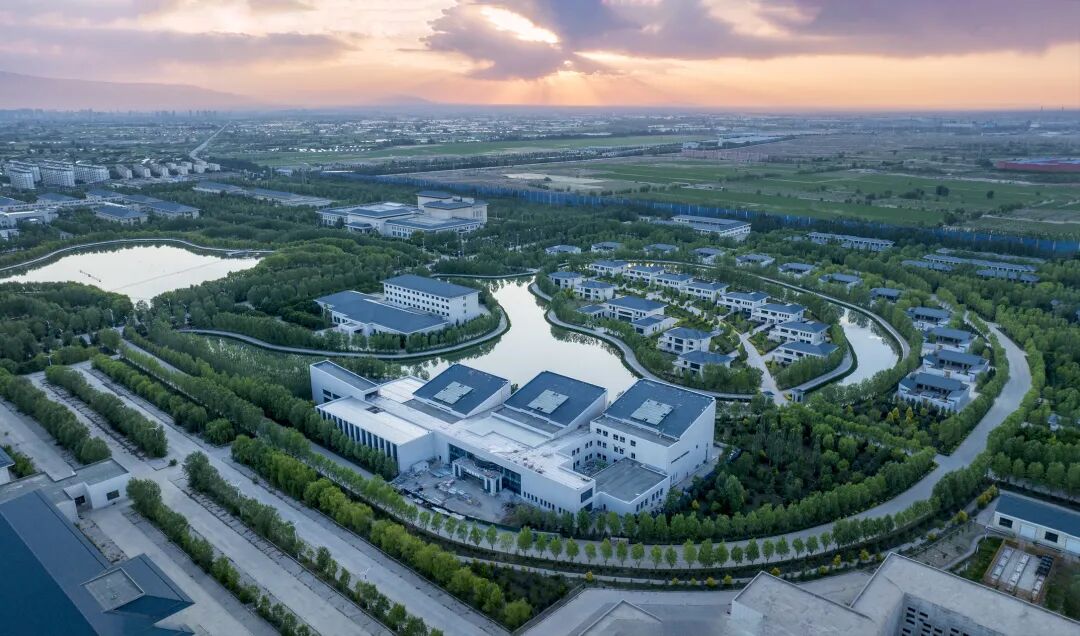
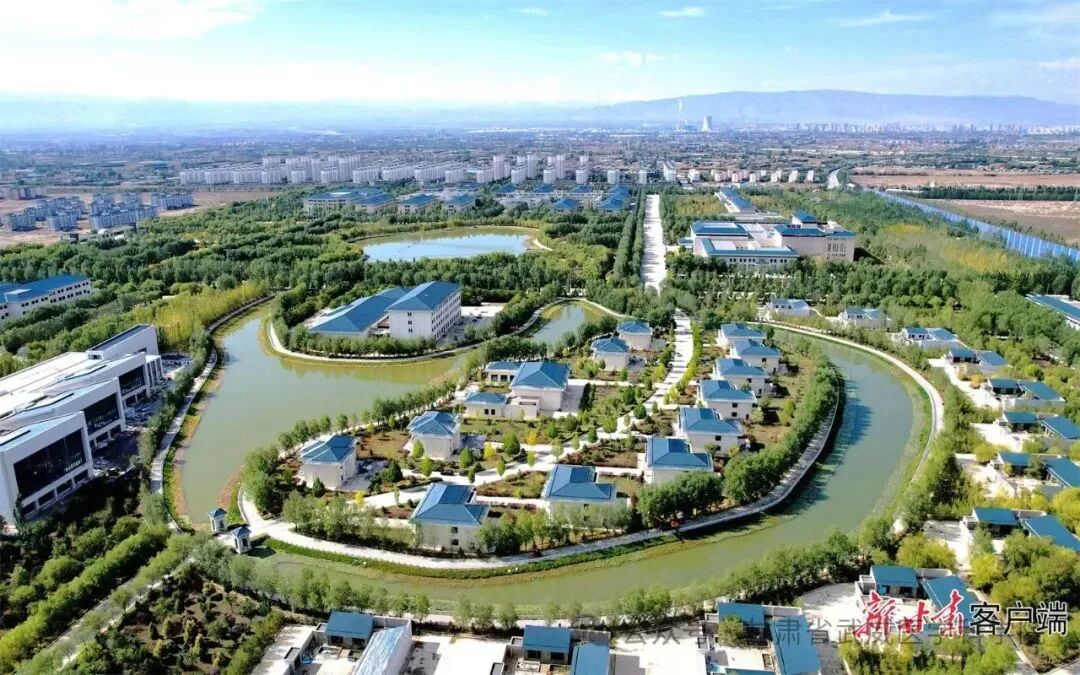
Aerial View of Wuwei Heavy Ion Center
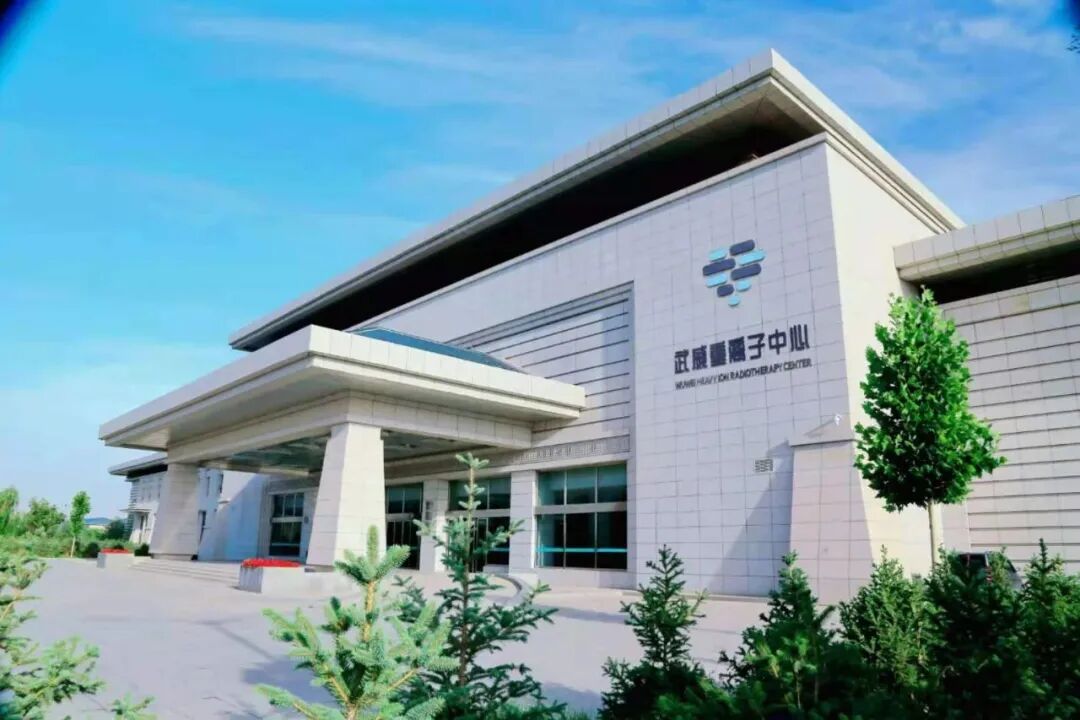
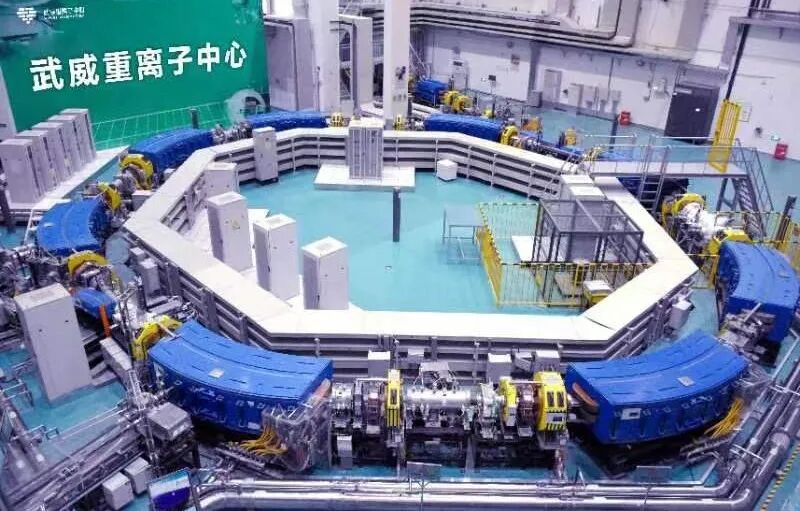
Main Building of Heavy Ion Center
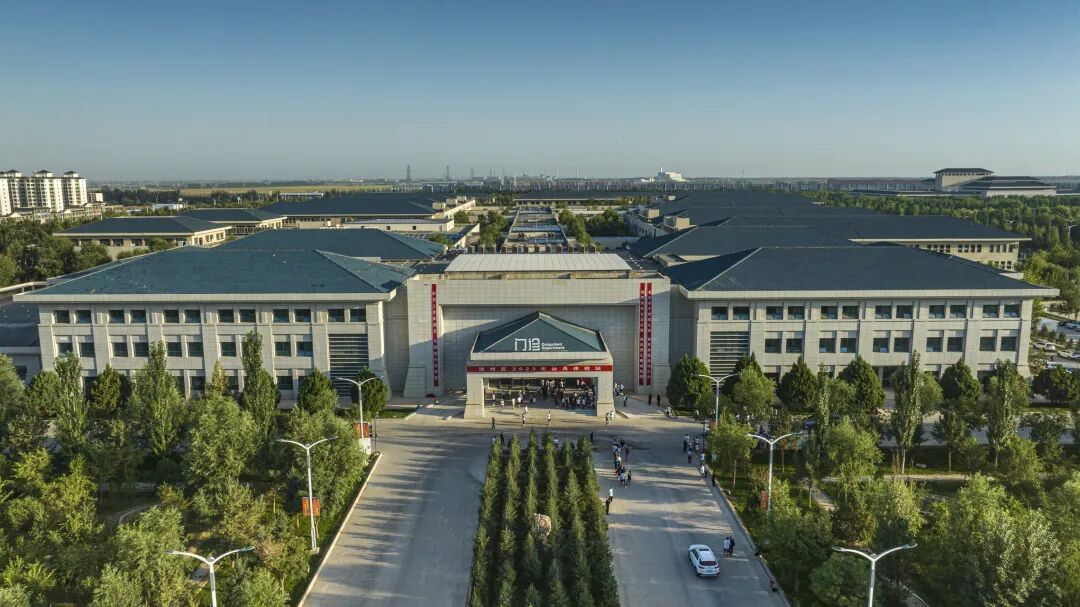
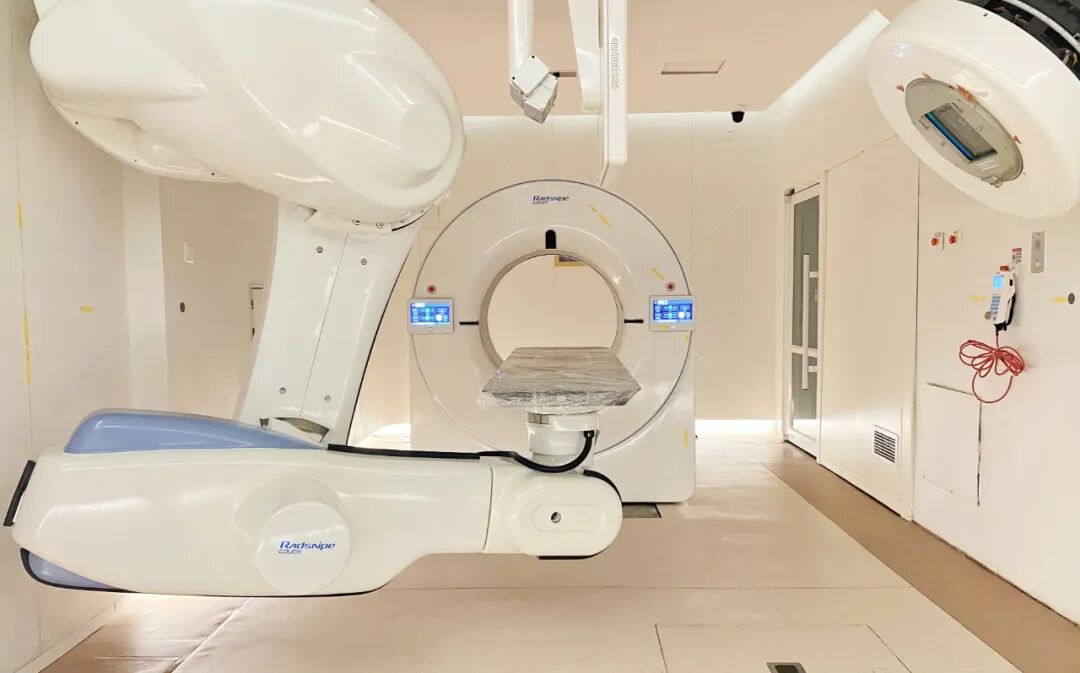
Wuwei Heavy Ion Center Outpatient Department
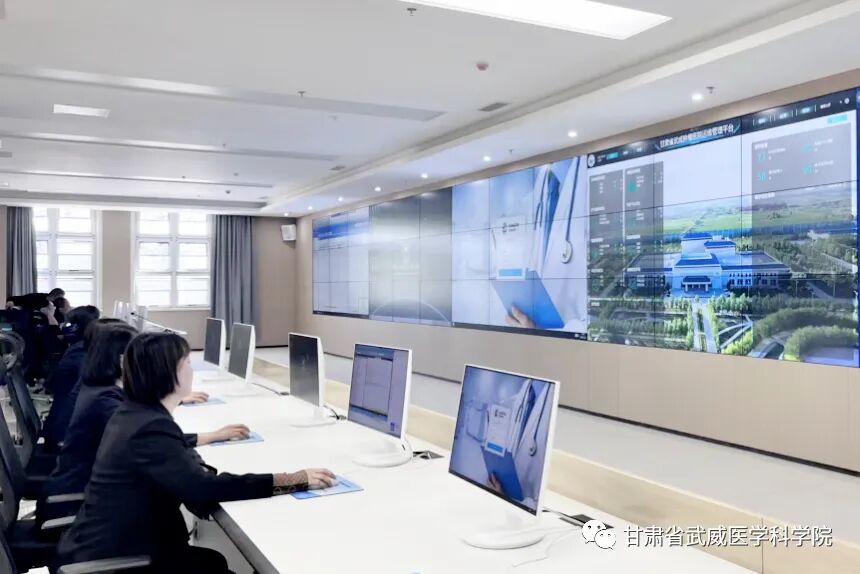
Wuwei Heavy Ion Smart Hospital Command Center
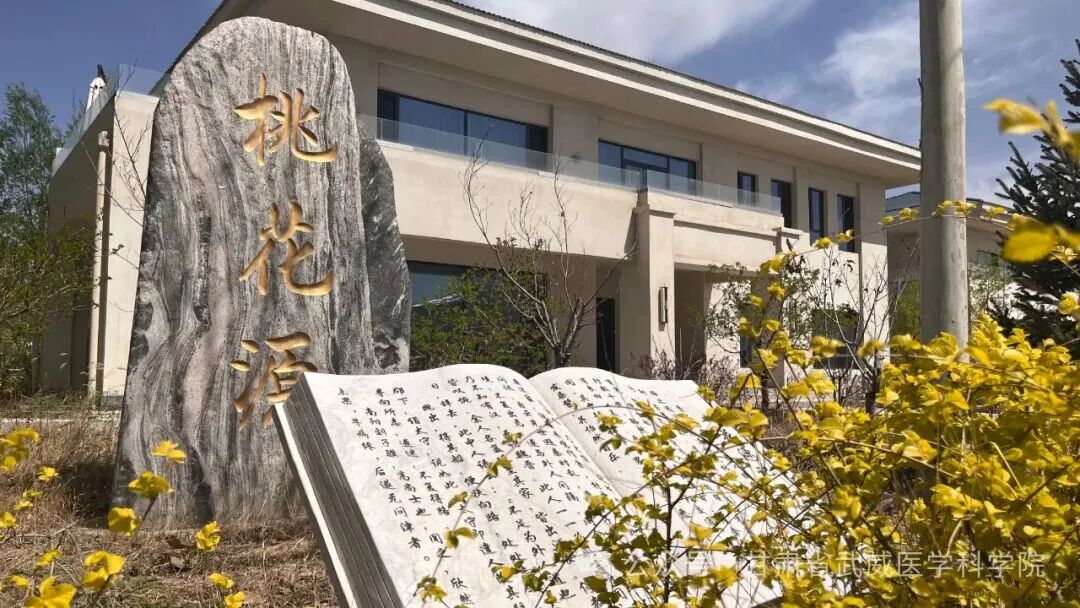
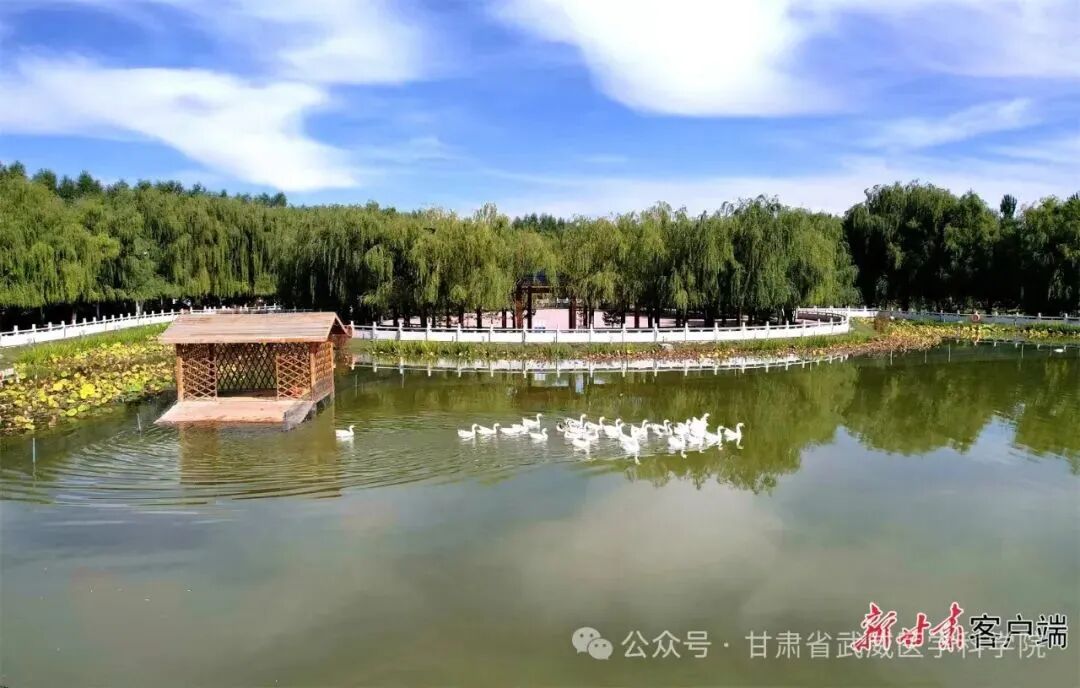
Taohuayuan Island, China Heavy Ion Health Town
In the field of nuclear medicine diagnostics, the hospital is equipped with a GE‑Discovery 710 Super‑Iterative PET‑CT. This device is the fourth PET/CT in Gansu Province and the only one in prefecture‑level hospitals across the province. Together with the GE‑Hawkeye 4 dual‑probe SPECT, the hospital has established a comprehensive nuclear medicine molecular imaging diagnostic system.
PET‑CT can be used for whole‑body precision cancer screening, differentiation of benign and malignant lesions, preoperative staging, monitoring of tumor recurrence, and evaluation of chemoradiotherapy efficacy. It enables specific targeted imaging of brain tumors, prostate cancer, neuroendocrine tumors, and gastrointestinal tumors. It also holds unique value in the early diagnosis of epilepsy, Alzheimer's disease, and severe heart failure. Gallium‑68 imaging is well‑suited for the diagnosis and quantitative assessment of advanced prostate cancer and neuroendocrine tumors, providing precise imaging support for lutetium‑177 therapy.
SPECT can perform whole‑body bone scans, thyroid imaging, renal dynamic studies, myocardial perfusion imaging, parathyroid imaging, iodine‑131 scintigraphy, and hepatopulmonary imaging, providing reliable evidence for the diagnosis and standardized treatment of tumors and endocrine diseases.
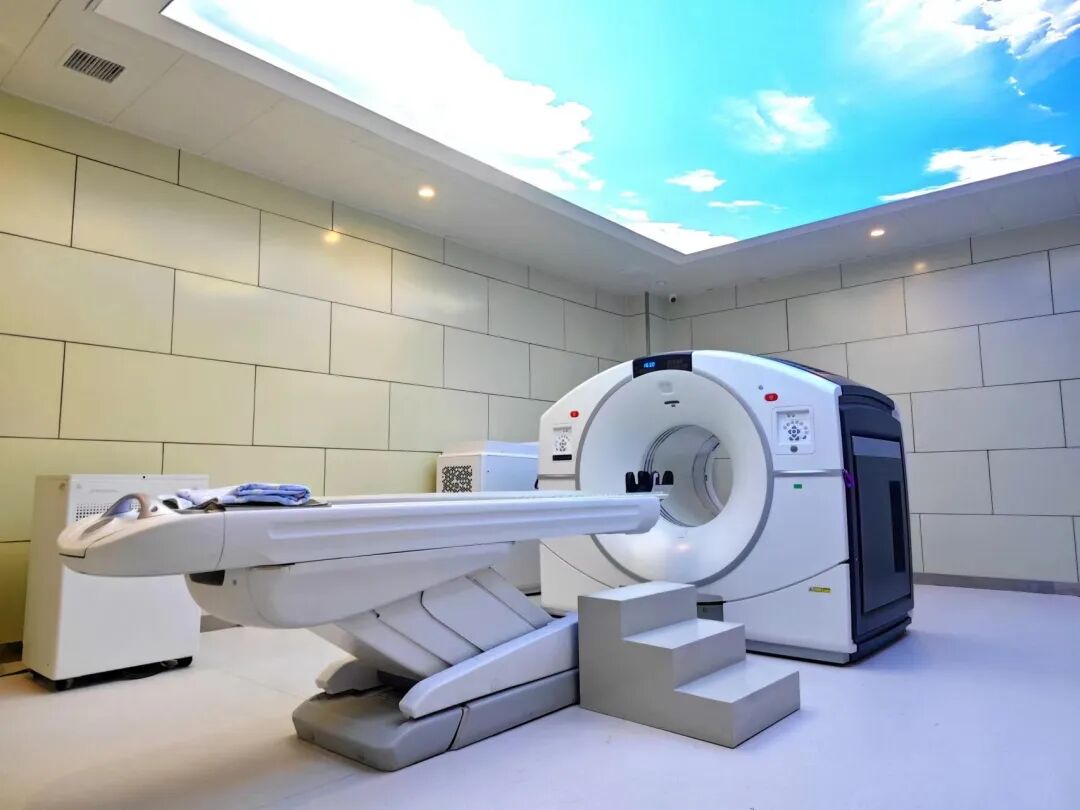
PET/CT
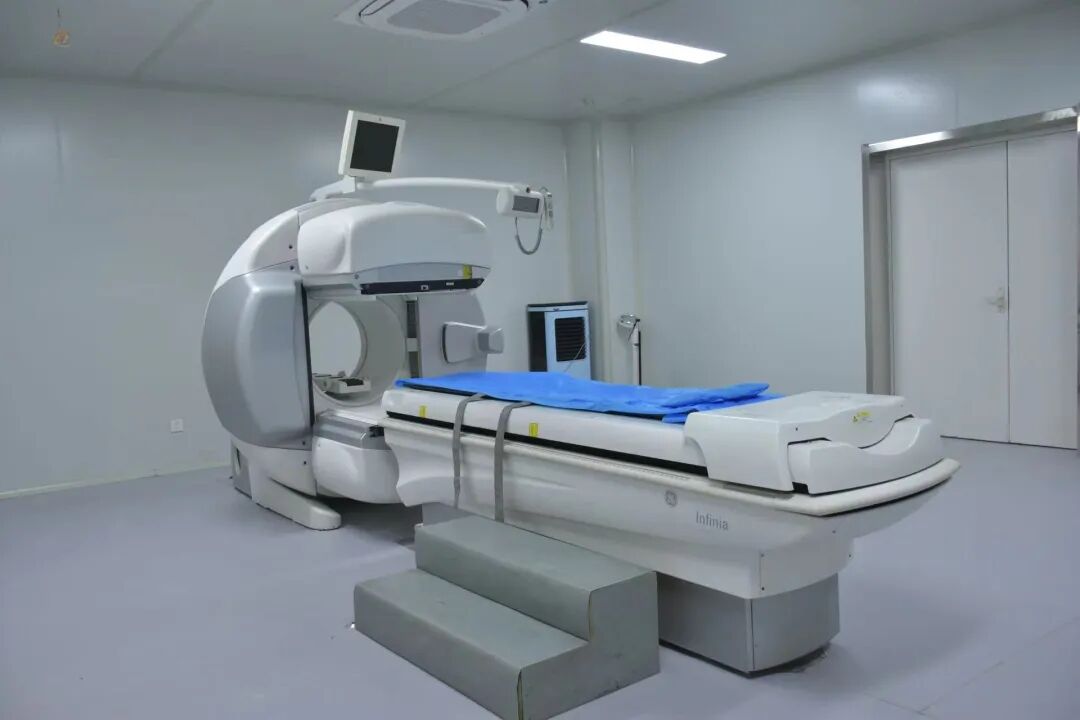
SPECT/CT
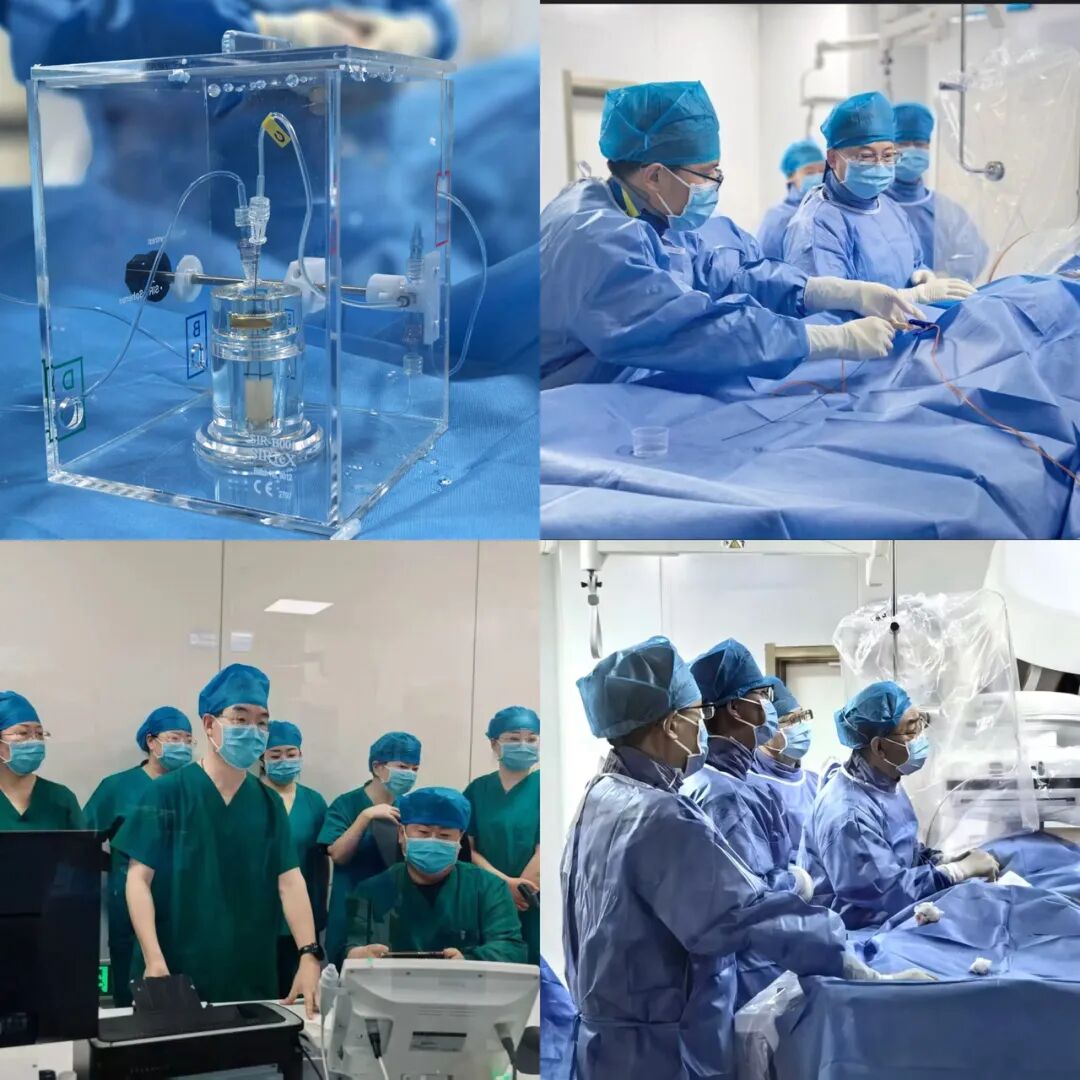
Leveraging advanced equipment and an in‑house radiopharmaceutical preparation platform, the hospital has maturely implemented a range of radionuclide diagnostic and therapeutic techniques, including ¹³¹I therapy for hyperthyroidism, ⁹⁰Sr-⁹⁰Y radionuclide applicator therapy for keloids and hemangiomas, ⁸⁹Sr therapy for bone metastases, ¹²⁵I seed implantation therapy, ¹³¹I therapy for differentiated thyroid cancer, and ⁹⁰Y resin microsphere interventional therapy for liver cancer, benefiting over 10,000 patients. The hospital successfully performed the first domestically produced Yttrium‑90 microsphere interventional procedure for liver cancer in the Gansu‑Qinghai‑Ningxia‑Xinjiang region, marking a new era of precision radionuclide intervention for liver cancer. The upcoming clinical application of ²²³Ra therapy brings new hope to patients with advanced bone metastases; ¹⁷⁷Lu therapy will offer another major benefit to patients with metastatic prostate cancer. In the future, the successive implementation of novel targeted radionuclide therapies such as ²²⁵Ac targeted therapy and ²¹¹At astatine‑targeted radiotherapy will elevate radionuclide therapy in Gansu Province to a nationally advanced level.

¹³¹I hyperthyroidism treatment
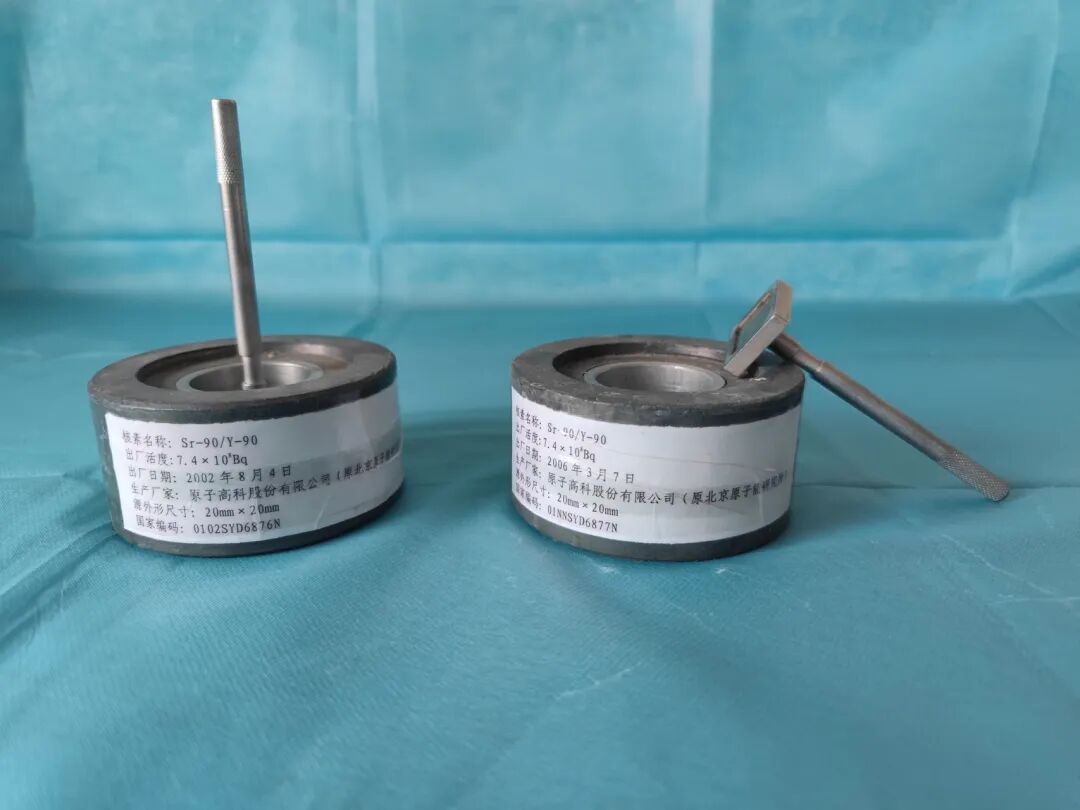
⁹⁰Sr-⁹⁰Y nuclide application therapy
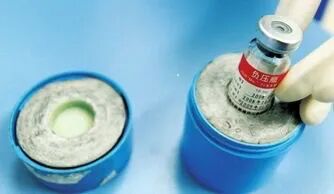
⁸⁹Sr Treatment of bone metastatic cancer

¹²⁵I seed implantation therapy
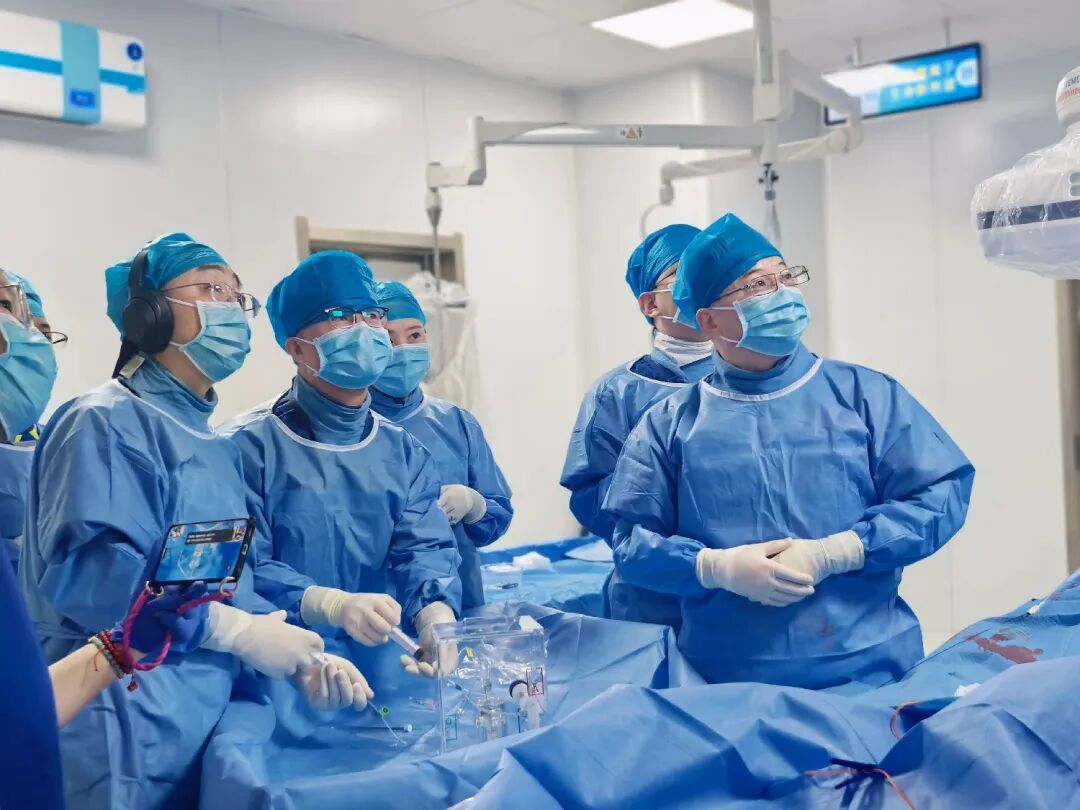
⁹⁰Y Resin microsphere interventional therapy
In the field of tumor radiotherapy, the hospital is equipped with a range of cutting‑edge devices, including the Varian VitalBeam medical linear accelerator, the Elekta Infinity four‑dimensional image‑guided linear accelerator, a Siemens 64‑slice dedicated radiotherapy simulation CT, a 3.0T magnetic resonance simulation positioning system, a Varian Iridium‑192 brachytherapy afterloader, and a helical tomotherapy system. These enable the routine implementation of advanced techniques such as image‑guided radiotherapy, stereotactic body radiotherapy, three‑dimensional brachytherapy, and lattice radiotherapy. Relying on refined and individualized treatment planning, the hospital addresses a wide variety of clinical scenarios, including curative treatment for early‑stage tumors, palliative care for advanced disease, and management of complex and refractory tumors. Notably, emerging radiotherapy techniques such as spatially fractionated radiotherapy and lattice radiotherapy provide new strategies and technologies for large, advanced, and previously untreatable refractory tumors.
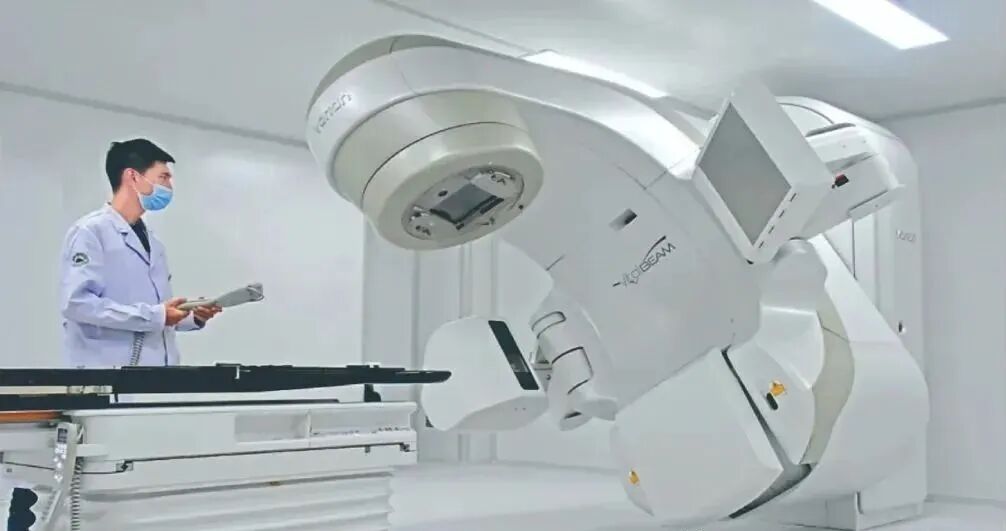
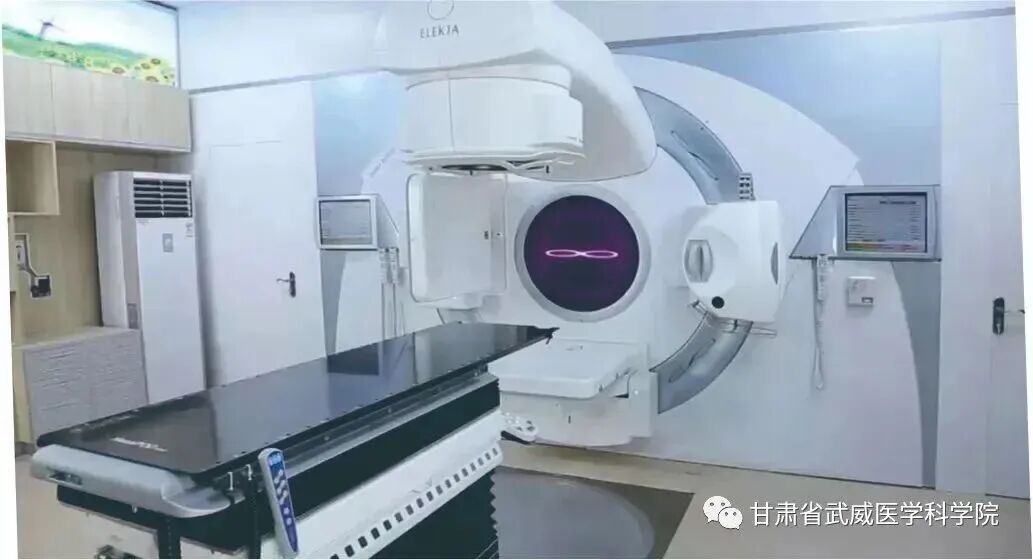
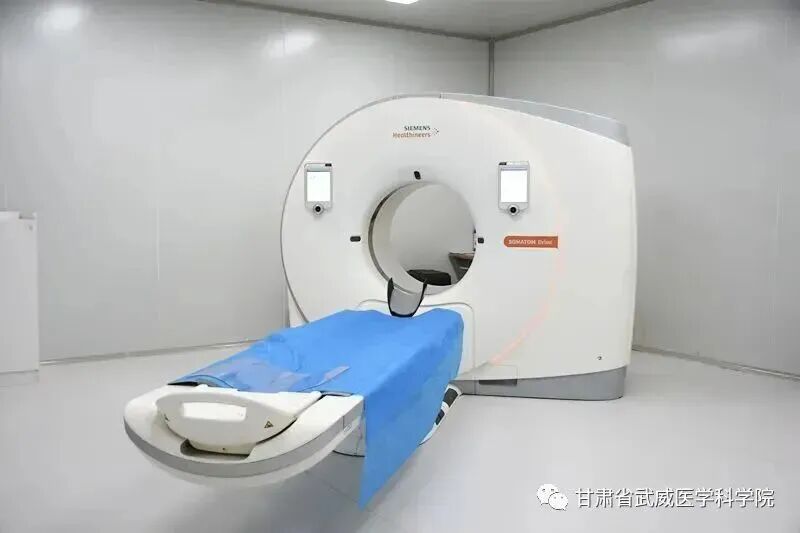
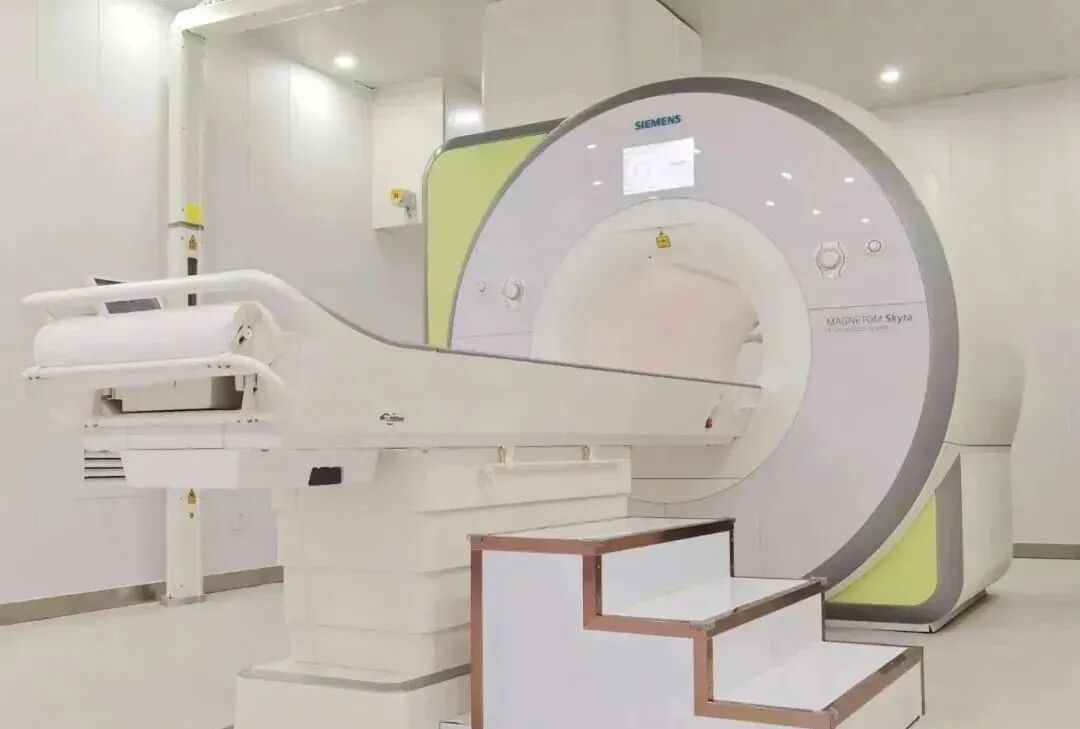
As the birthplace of domestically produced heavy ion technology and the "Jinggangshan" of ion radiotherapy in China, and as the only hospital in the world operating two heavy ion treatment systems simultaneously, the hospital has formed a dual‑center linkage structure with Wuwei and Lanzhou as twin hubs, creating an "integrated body with two wings" pattern. Leveraging nine world‑first or domestically first heavy ion cancer treatment technologies—including precision heavy ion therapy under ventilator control, bladder cancer treatment with precise bladder capacity management, and single‑fraction treatment using surgically implanted spacers between organs and tumors—the hospital has brought new hope to patients for whom conventional radiotherapy was ineffective. Due to its unique physical and biological advantages, heavy ion therapy is indicated for over 50 types of malignant tumors. To date, the Wuwei Heavy Ion Center and Lanzhou Heavy Ion Center of Gansu Wuwei Cancer Hospital have successfully treated more than 2,800 patients from all provinces and municipalities across China, as well as from Hong Kong, Macao, Taiwan, and countries including Belgium, Australia, South Korea, Malaysia, Canada, Vietnam, Singapore, Thailand, New Zealand, Jordan, and Serbia. For many tumor types, the treatment outcomes have surpassed the international level in this field.
To ensure that advanced medical technologies truly benefit more patients, Gansu Wuwei Cancer Hospital has innovatively established a full‑chain "medical + insurance + aviation" support system. In collaboration with China Life Insurance, the hospital has introduced a "million‑level medical insurance + green access channel for heavy ion therapy," providing up to 5.55 million RMB in medical coverage and one‑stop reimbursement services, thereby alleviating the financial burden on patients.
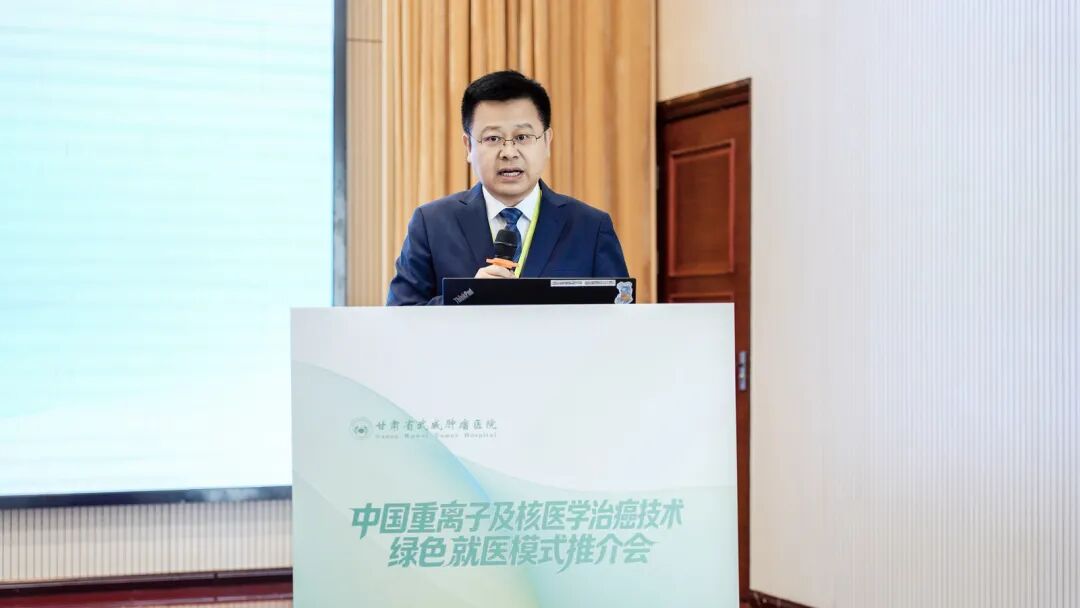
Nie Peng, Vice President of Gansu Wuwei Cancer Hospital, presided over the conference
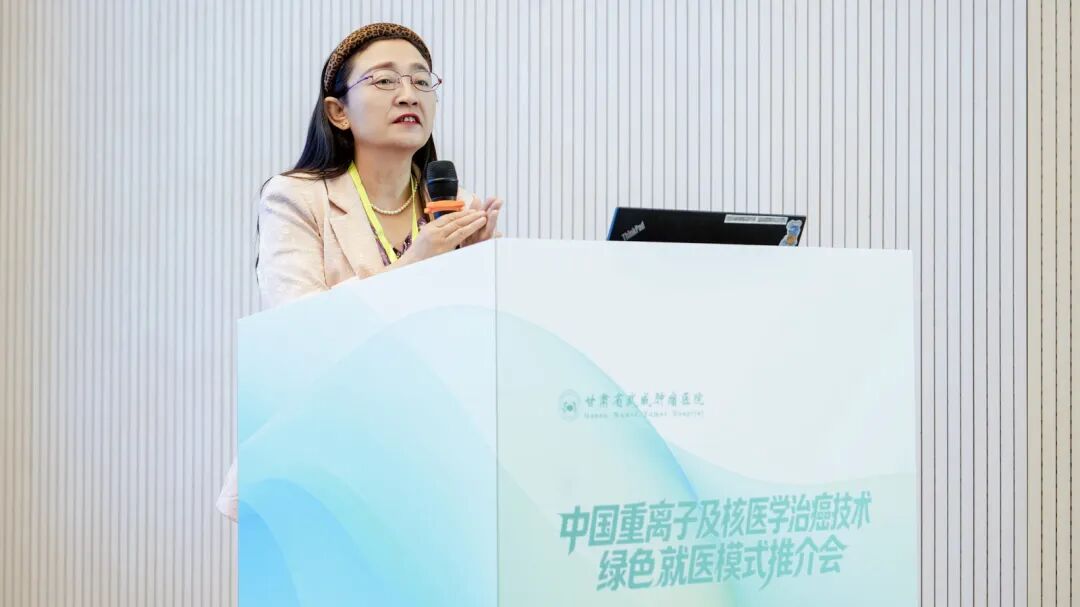
Zhang Weihong, Secretary of the Party Committee of Gansu Wuwei Cancer Hospital, delivered the opening remarks.
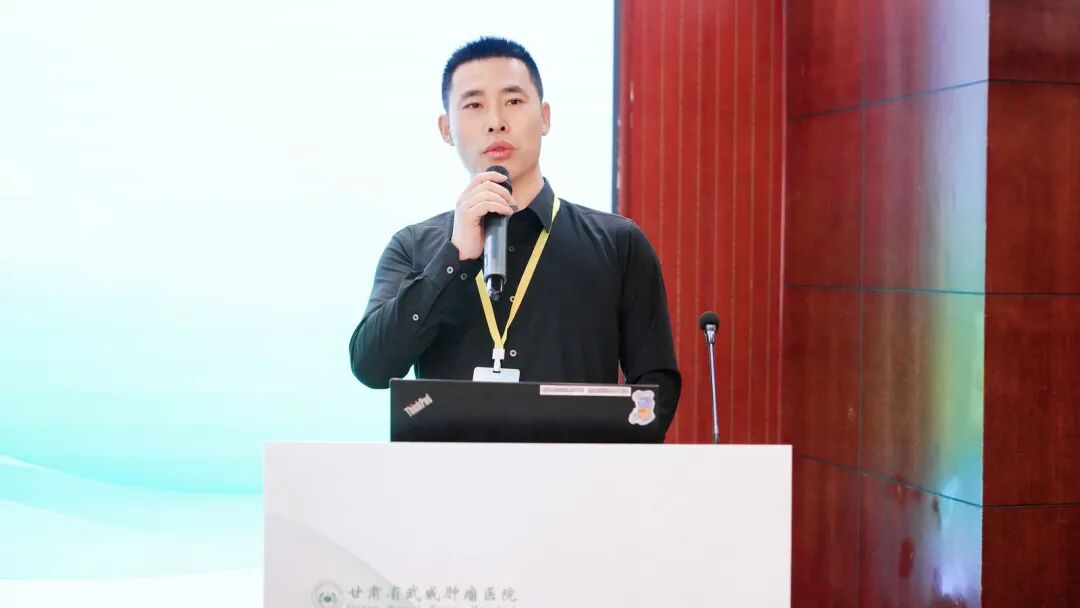
Professor Zhao Qian, Vice President of Jiuquan Second People's Hospital, delivered a speech.
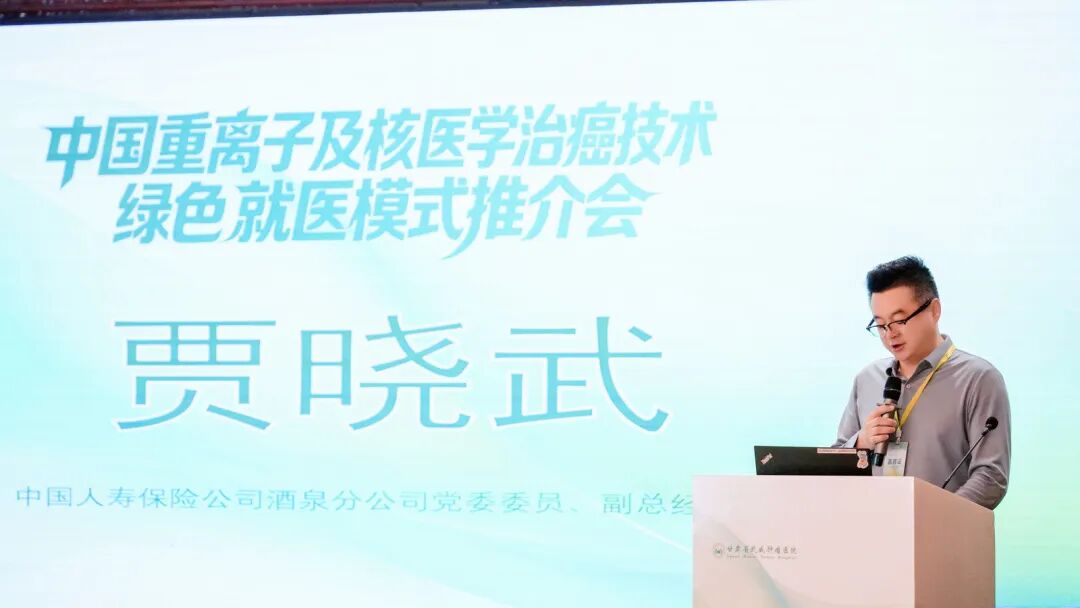
Mr. Jia Xiaowu, Member of the Party Committee and Deputy General Manager of China Life Insurance Company's Jiuquan Branch, addressed the conference.
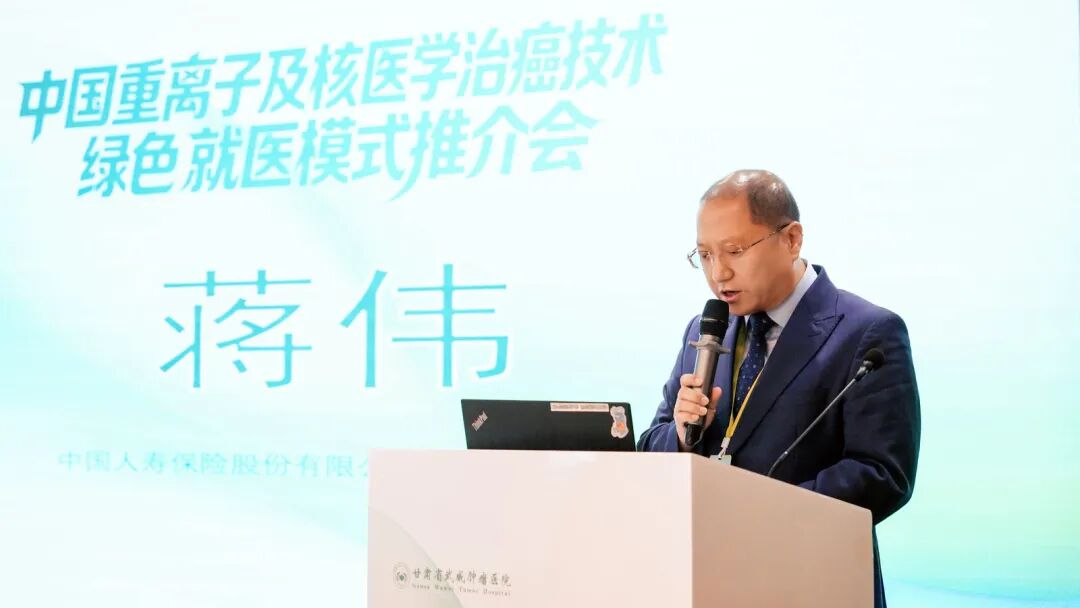
Mr. Jiang Wei, Project Lead for the "Million Medical + Heavy Ion Green Medical Access" initiative (Wuwei Branch) at China Life, unveiled the details of this exclusive insurance scheme.

On behalf of China Southern Airlines Group Culture & Media Co., Ltd., Ms. Zhang Jie, Staff Member of the Publicity Department at Gansu Wuwei Tumor Hospital, introduced the Green Medical Access Aviation Premium Service.
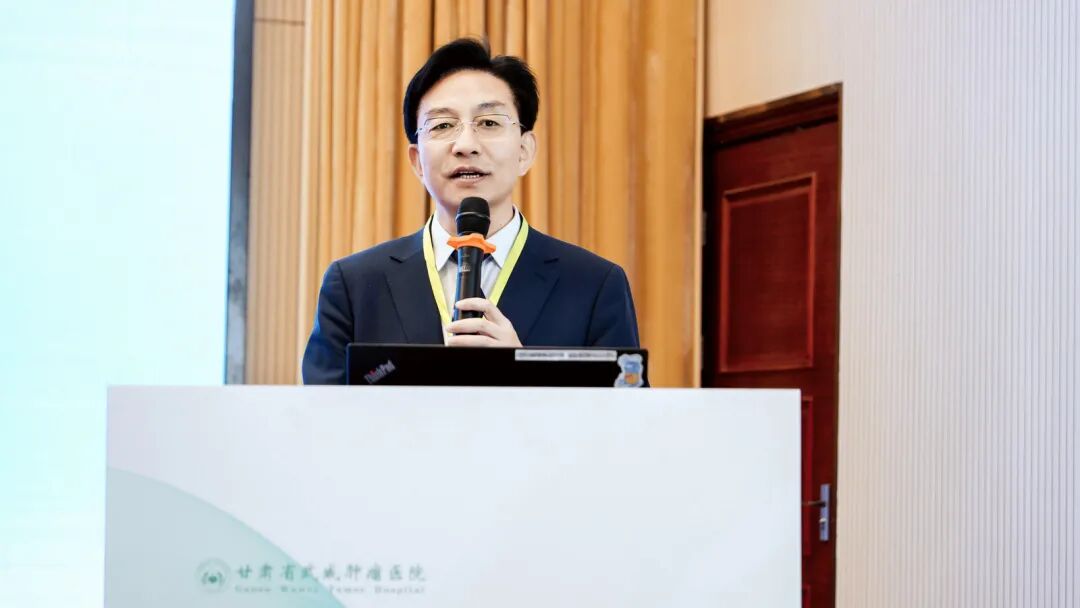
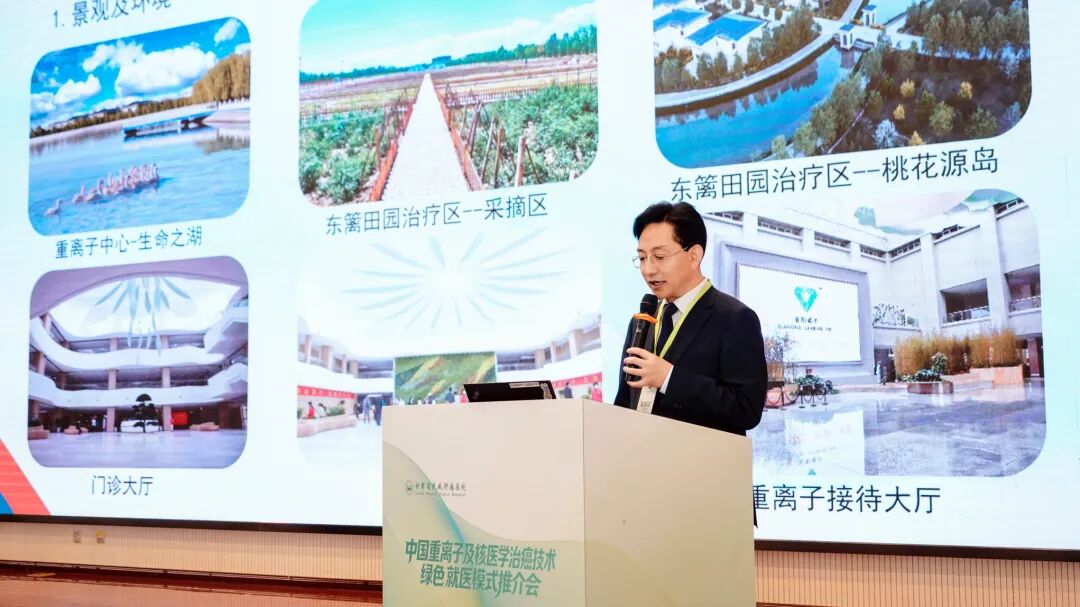
Ye Yancheng, President of Gansu Wuwei Cancer Hospital, delivered a keynote report titled Clinical Applications of New Technologies in Heavy Ion Radiotherapy and Nuclear Medicine.
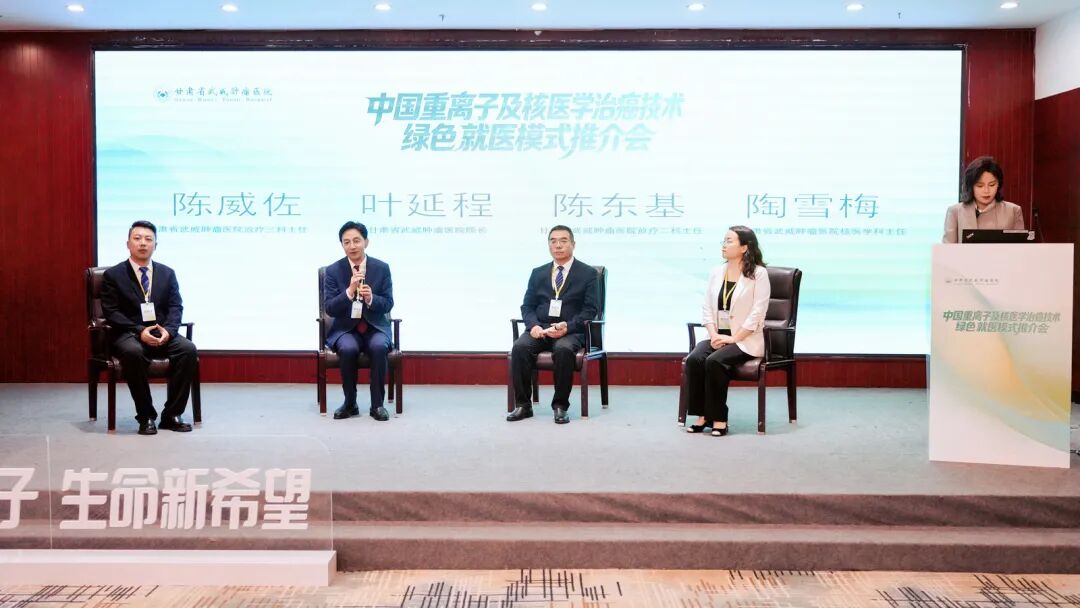
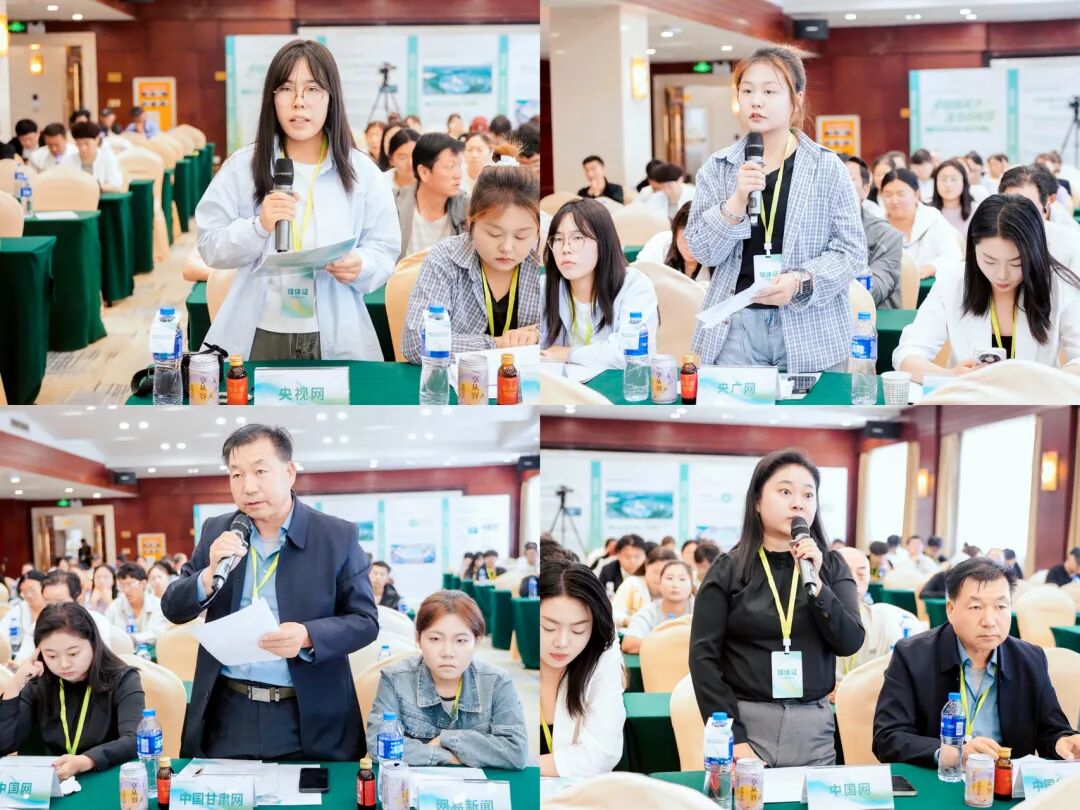
The session concluded with a Q&A segment, where experts addressed inquiries from the press.
The successful convening of this summit has brought world-class tumor diagnosis and treatment technologies, alongside accessible healthcare services, closer to the communities of the Hexi region. Moving forward, Gansu Wuwei Cancer Hospital will continue to deepen its technical expertise and refine its services. With robust medical capabilities, the hospital remains committed to safeguarding public health, contributing significantly to the advancement of cancer prevention in Northwest China, and striving to write a new chapter in the national "Healthy China" initiative.
Conference Highlights
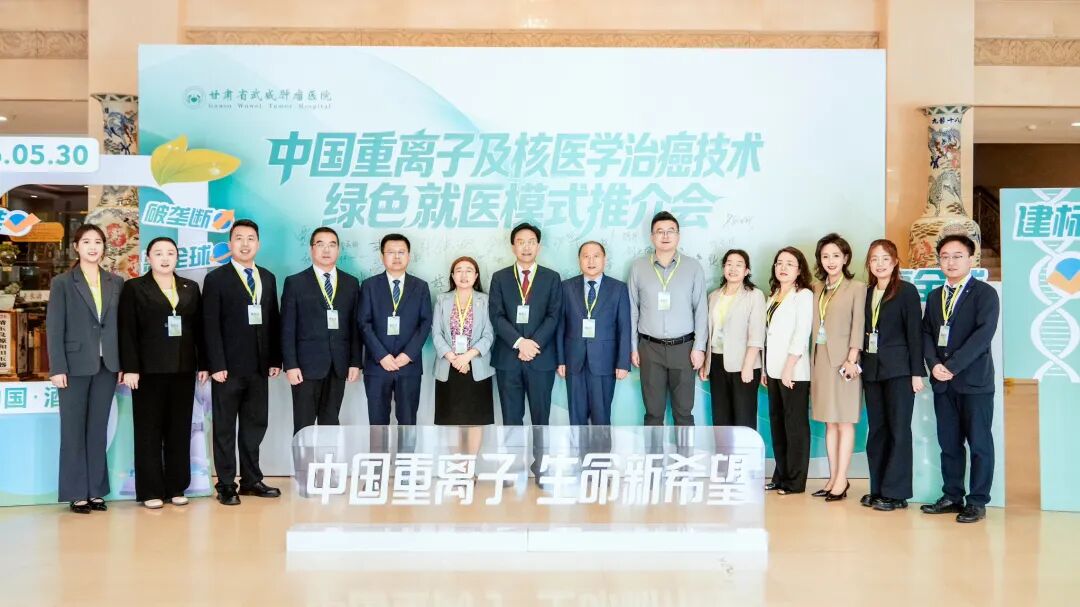
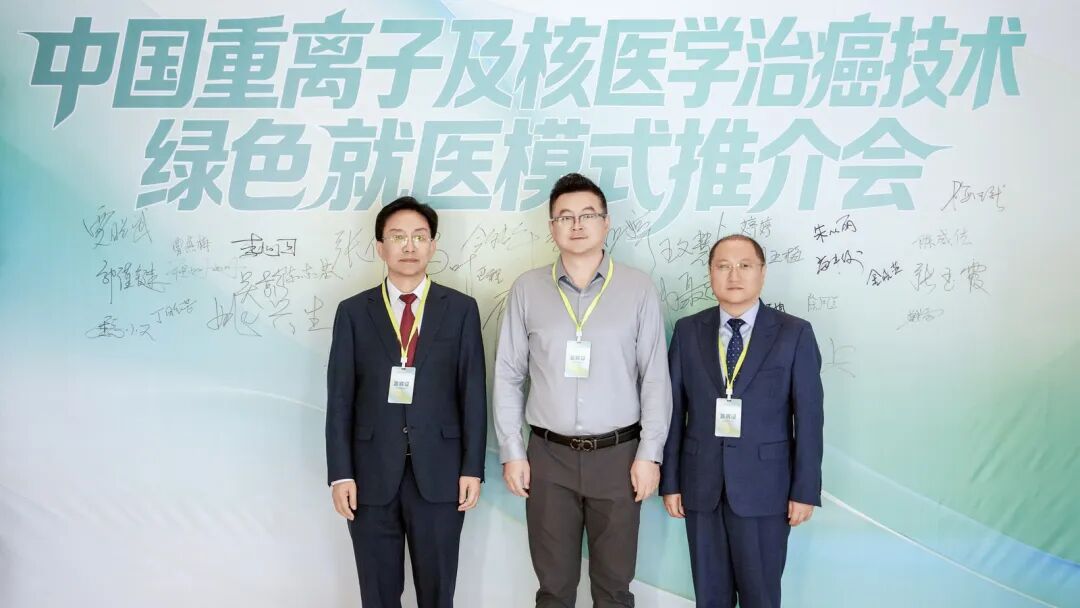
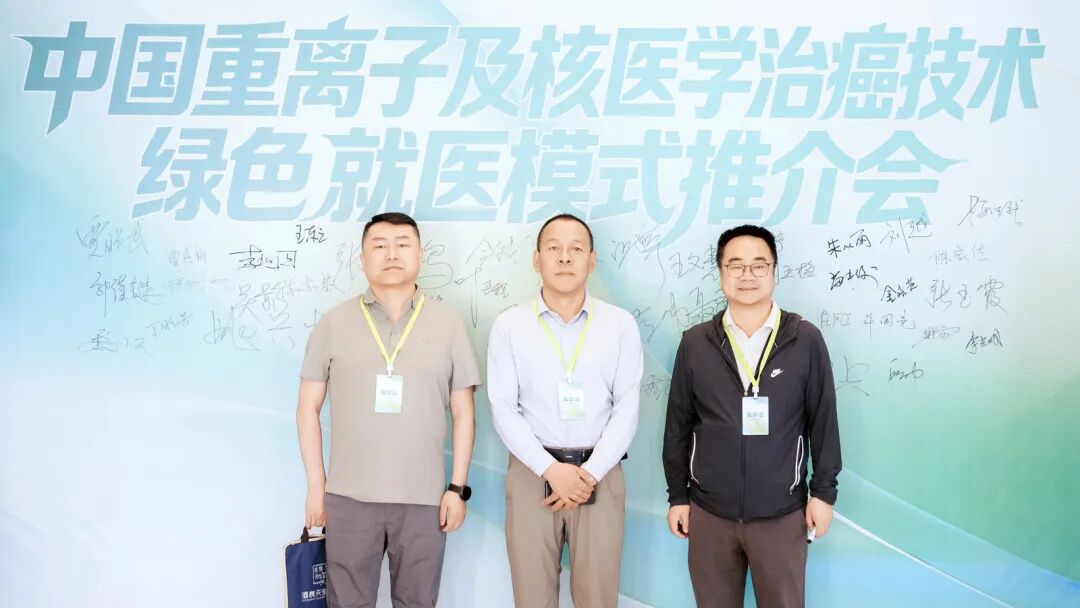

Writer: Guo Yishan
First Review: Duan Shengyu
Second Review: Guo Yishan
Final Review: Cai Qinghua