A Comprehensive Overview of Knee Osteoarthritis
A Comprehensive Overview of Knee Osteoarthritis
Knee osteoarthritis (OA) is a common condition among middle-aged and elderly individuals. As a multifactorial disease, it is associated with various factors such as age, hormonal levels, body weight, trauma, metabolism, autoimmune disorders, gender, and occupation. Clinically, it primarily manifests as joint pain, limited walking function, joint swelling and deformity, bowlegs (O-shaped legs), knock-knees (X-shaped legs), K-shaped legs, and morning stiffness.
I. Common Deformities with Illustrative Examples
Common Joint Deformities
Genu Varum (Bowlegs): Characterized by medial bone defects in the knee joint, the lower limb alignment deviates toward the medial side of the knee. The primary site of joint destruction is the medial compartment, leading to significant pain in the medial knee.
Genu Valgum (Knock-Knees): Characterized by lateral bone defects in the knee joint, the lower limb alignment deviates toward the lateral side of the knee. The primary site of joint destruction is the lateral compartment, leading to significant pain in the lateral knee.
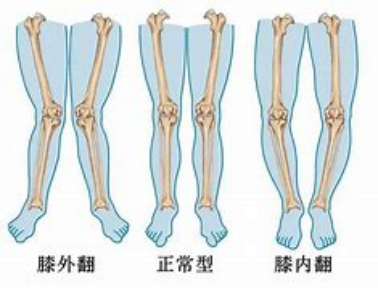
Common Lower Limb Deformities
Bowlegs (O-shaped legs): Bilateral genu varum deformity.
Knock-Knees (X-shaped legs): Bilateral genu valgum deformity.
K-shaped legs: Unilateral genu valgum deformity with a normal contralateral knee.
Asymmetric Deformities: Unilateral genu valgum combined with contralateral genu varum.
II. Imaging Modalities for Knee Osteoarthritis
X-ray, CT, and MRI can all be used for the diagnosis of knee osteoarthritis.
X-ray: X-ray is the most commonly used imaging modality for diagnosing knee osteoarthritis.
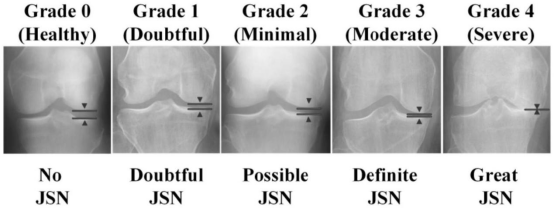
The Kellgren-Lawrence grading system is widely used to classify the severity of knee osteoarthritis into five levels (0 to 4):
Grade 0: Normal appearance on X-ray, with no significant changes, osteophytes, or joint space narrowing.
Grade 1: Mild osteophytes visible at the joint margins.
Grade 2: Noticeable osteophytes without joint space narrowing.
Grade 3: Moderate joint space narrowing.
Grade 4: Severe joint space narrowing or complete loss, with subchondral bone sclerosis.
This grading system provides a straightforward method for assessing disease severity.
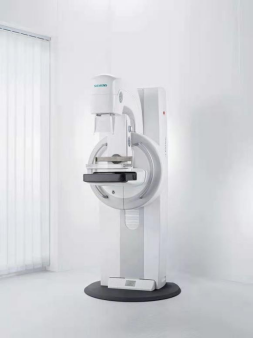
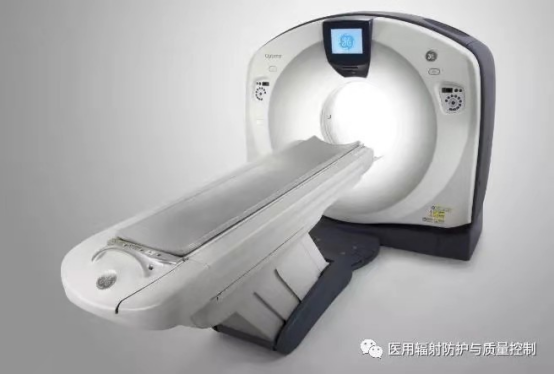
CT (Computed Tomography):
CT is often used to evaluate structural changes in the bones associated with knee osteoarthritis, including osteophytes, subchondral cysts, and subchondral bone sclerosis. Changes in joint space between bones are also considered structural changes. CT outperforms other imaging tools (such as X-ray and MRI) in detecting these structural changes. Therefore, CT is recommended for structural analysis of knee osteoarthritis.
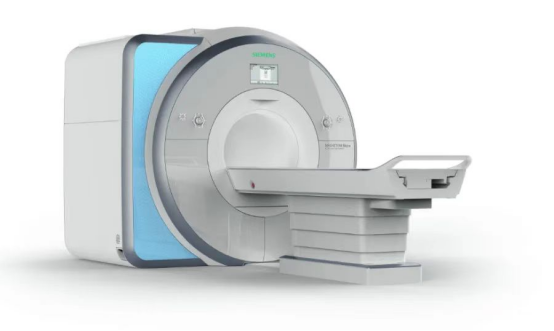
MRI (Magnetic Resonance Imaging):
MRI is primarily used to assess soft tissue injuries in the knee joint, subchondral bone cystic changes, meniscal extrusion, intra-articular cruciate ligament injuries, extra-articular collateral ligament injuries, bone hyperplasia, joint effusion, and changes in the infrapatellar fat pad.
MRI is particularly useful for the early diagnosis and evaluation of knee osteoarthritis, especially in cases where X-ray and CT fail to show significant joint space narrowing or localized cartilage damage.
III. Stepwise Treatment Approach
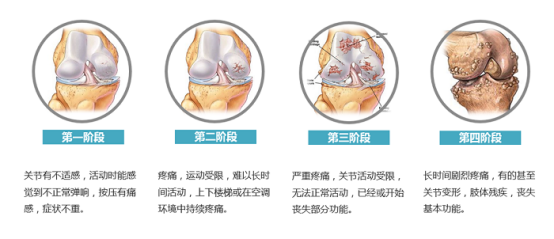
The primary goals of knee osteoarthritis treatment are to alleviate pain, maintain or improve joint function, and protect joint structures. Treatment strategies are tailored to the clinical stage of the disease, emphasizing both standardized and individualized approaches.
Stage 1 - Preclinical Phase:
Focuses on foundational treatments, including health education and prevention, exercise therapy, physical therapy, and assistive devices for mobility support.
Stage 2 - Early or Mild Phase:
Emphasizes reparative treatments, such as cartilage-repairing medications, intra-articular injections (e.g., hyaluronic acid, corticosteroids), and cartilage repair procedures (e.g., platelet-rich plasma [PRP], stem cell therapy).
Stage 3 - Moderate Phase:
Prioritizes pain management, including analgesic medications (e.g., NSAIDs, anti-anxiety/depression drugs, traditional Chinese medicine). Patients who have not undergone reparative treatments may still be considered for such therapies after consultation. Minimally invasive interventions (e.g., radiofrequency therapy, joint lavage), joint debridement, and osteotomy may also be employed.
Stage 4 - Severe Phase:
Focuses on reconstructive treatments, such as joint replacement surgery.
IV. Non-Conventional Treatments
Low-Dose Radiation Therapy (LDRT): Low-dose radiation therapy can significantly alleviate knee pain and improve quality of life.Extensive research has been conducted abroad, particularly in Germany, where clinical guidelines for low-dose radiation therapy in osteoarthritis have been established.
High-Frequency Thermotherapy: Clinical observations suggest that high-frequency thermotherapy can reduce knee pain and decrease the need for analgesic medications.