Scientific Dietary Guide to Cancer Prevention: How to Eat to Keep Cancer Cells at Bay!
Scientific Dietary Guide to Cancer Prevention: How to Eat to Keep Cancer Cells at Bay!
The Chinese character for "cancer" (癌) contains three "mouths" (口), symbolically hinting at the profound connection between diet and cancer development. Modern medical research confirms that dietary habits significantly influence cancer risk—unhealthy eating patterns may promote cancer cell growth, while scientifically chosen foods can help reduce this risk. Below are 8 types of foods supported by multiple studies for their potential anti-cancer properties. Add them to your healthy diet today!
1. Broccoli: Activates Detox Enzymes, Blocks Cancer Cell Proliferation
Broccoli is rich in sulforaphane, which activates detoxifying enzymes like glutathione transferase to enhance carcinogen metabolism. It also inhibits histone deacetylase, blocking cancer cell proliferation.
Evidence:
A 2019 study in Cancer Prevention Research found that broccoli extract reduces breast cancer cell activity (in vitro).
Epidemiological data show that consuming ≥3 servings of cruciferous vegetables (e.g., broccoli) weekly is linked to a lower lung cancer risk.
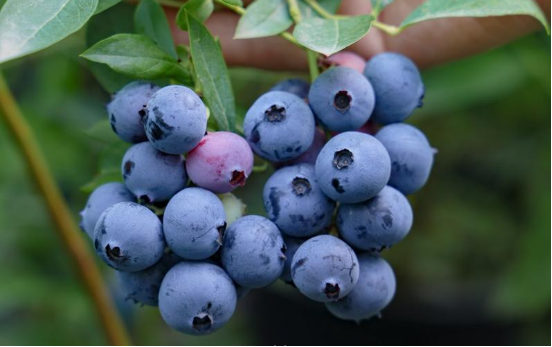
2. Blueberries: Scavenge Free Radicals, Induce Cancer Cell Apoptosis
Blueberries contain anthocyanins and ellagic acid, which neutralize free radicals, inhibit tumor blood vessel formation, and induce apoptosis in colon cancer cells.
Evidence:
A 2020 animal study in Nutrition and Cancer showed blueberry extract suppresses colon cancer growth in mice.
The U.S. Nurses’ Health Study found a 34% lower colorectal cancer risk in those with high anthocyanin intake.
3. Garlic: Inhibits H. pylori, Reduces Gastric Cancer Risk
Garlic’s allicin and organosulfur compounds suppress Helicobacter pylori activity (a major risk factor for gastric cancer) and block nitrosamine carcinogen synthesis.
Evidence:
A study in Shandong, China (a high-risk gastric cancer region), found that eating raw garlic ≥2 times weekly reduced gastric cancer risk by 44% (International Journal of Cancer).
The WHO classifies garlic as a “potential anti-cancer food.”
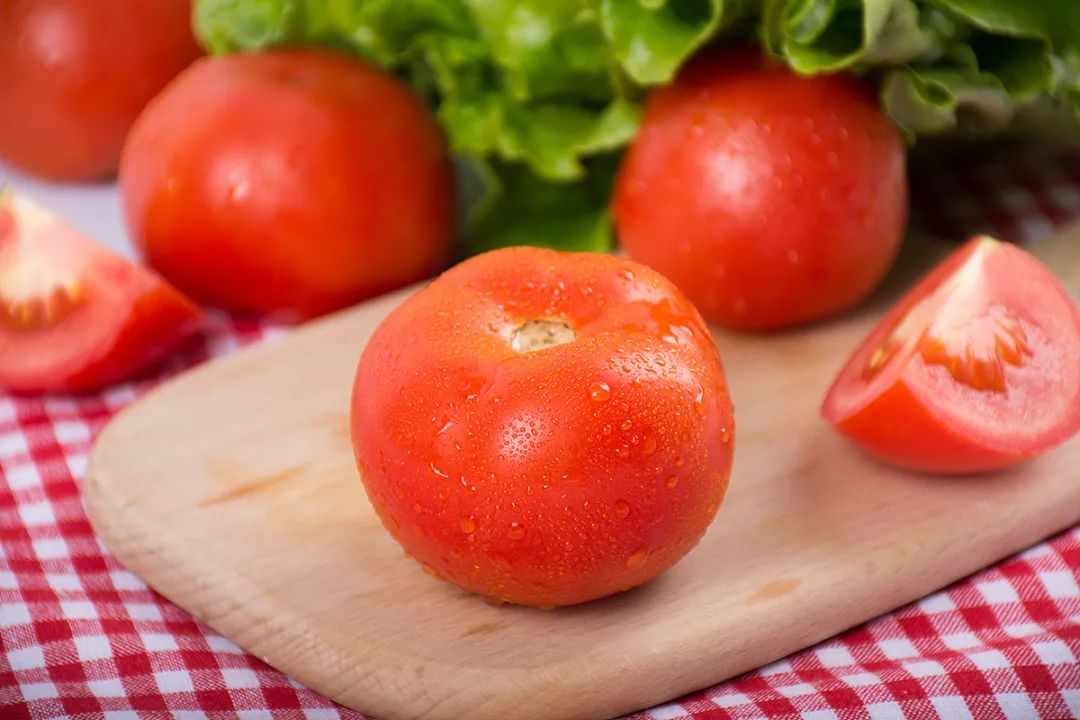
4. Tomatoes: Powerful Antioxidant, Slows Prostate Cancer Progression
Lycopene, a potent antioxidant in tomatoes, inhibits the insulin-like growth factor (IGF-1) signaling pathway, slowing prostate cancer cell proliferation.
Evidence:
Harvard University research linked ≥10 weekly servings of tomato products to a 35% lower prostate cancer risk (JNCI).
A 2021 in vitro study confirmed lycopene reduces breast cancer cell invasiveness (Molecular Nutrition & Food Research).
5. Soy Products: Plant Protein for Comprehensive Cancer Defense
A 2024 study in Nutrients highlighted soy’s anti-cancer benefits:
Daily intake of 150g soy products → 35% lower cancer risk.
100g tofu daily → 32% risk reduction.
30g soy milk daily → 46% risk reduction.
6. Green Tea: Delays Cancer Cell "Immortality," Enhances Radiotherapy
Green tea’s EGCG (epigallocatechin gallate) suppresses telomerase activity (delaying cancer cell immortality) and downregulates COX-2 (reducing inflammation).
Evidence:
A Japanese cohort study found women drinking ≥5 cups of green tea daily had a 22% lower breast cancer risk (Breast Cancer Research).
Clinical trials confirm EGCG enhances radiotherapy sensitivity (Cancer Medicine, 2020).
7. Mushrooms: Natural Immune Modulators
A 2021 study in Advances in Nutrition revealed that eating 18g of mushrooms daily reduces overall cancer risk by 45%, with notable benefits for breast cancer prevention.
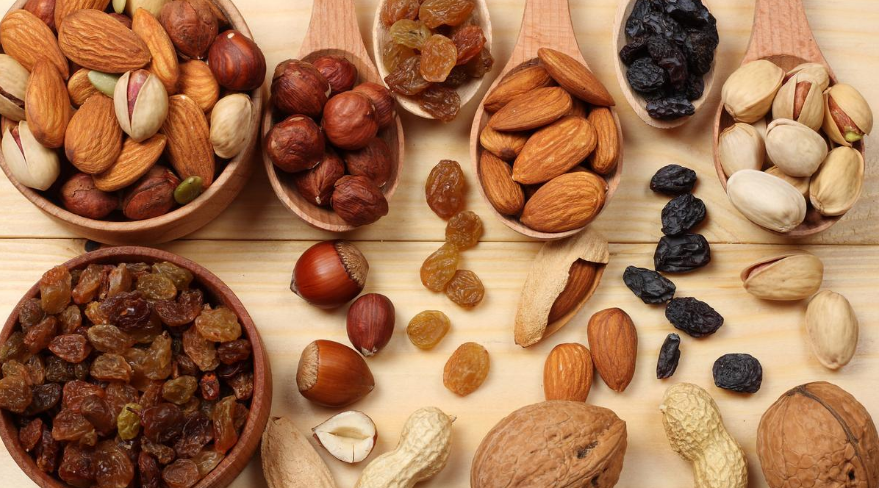
8. Nuts: Lower Breast Cancer Recurrence and Mortality
A 2021 study in International Journal of Cancer found:
≤17g nuts weekly → 45% lower breast cancer recurrence risk.
>17g weekly → 52% lower recurrence and 26% lower mortality risk.
Key Reminders for a Cancer-Preventive Diet
Food Is Not a Substitute for Treatment: Anti-cancer foods complement—not replace—medical care.
Balance Is Essential: Prioritize diverse vegetables, whole grains, and lean proteins; avoid excess sugar, fat, and processed foods.
Personalize Your Choices: Consult a doctor if you have digestive issues or allergies.
Note: Cancer risk is influenced by genetics, environment, and lifestyle. A healthy diet is vital but must be paired with exercise, avoiding smoking/alcohol, and regular check-ups. Seek medical advice if unwell.
(Images sourced from the internet. Contact us for removal if copyrighted.)