Understanding Varicose Veins: More Than Just a Cosmetic Concern
Varicose veins are often dismissed as a mere aesthetic issue, but the reality is far more serious. While they may affect the appearance of your legs, their impact on your health can be significant. This common condition occurs when veins become enlarged, swollen, and twisted, often causing discomfort or pain. Left untreated, varicose veins can lead to more severe complications, such as blood clots, skin ulcers, or chronic venous insufficiency.
It’s crucial to recognize the signs early and take proactive steps to manage or treat this condition. From lifestyle changes to medical interventions, addressing varicose veins is not just about improving how your legs look—it’s about safeguarding your overall health. Let’s dive deeper into what causes varicose veins, how to prevent them, and when to seek professional help. Your health deserves attention, so don’t overlook this important issue!
"The dangers of varicose veins are no joke—they can seriously impact your health."
A major blow to your appearance and a crushing hit to your confidence
Imagine this: once smooth and flawless legs now marred by twisted, bulging veins that look like squiggly worms. It’s enough to make anyone cringe. Take my friend, for example—she used to love wearing short skirts, but ever since developing varicose veins, those stylish outfits have been tucked away in the closet. Even in the summer, she covers up completely, terrified of anyone noticing the visible veins on her legs. Over time, her confidence has taken a nosedive, and she’s become noticeably more withdrawn than before.
Uncomfortable legs that disrupt your daily life
At first, it might just be a feeling of heaviness or aching in your legs after standing for long periods, as if you’re carrying sandbags around your calves—definitely uncomfortable. But as the condition progresses, the pain can become more intense. Take, for example, a teacher who, due to the nature of their job, has to stand for hours while teaching. Unfortunately, they developed varicose veins, and now even standing for a short while becomes unbearable, forcing them to frequently sit down and rest. This not only disrupts their teaching flow but also impacts the quality of their work.
Due to poor blood circulation caused by varicose veins, the skin on your legs can start to 'act up.' At first, you might notice dark patches and discoloration—once smooth and fair skin becomes dry, rough, and dark, almost like tree bark. The constant itching can be unbearable, tempting you to scratch, but doing so can easily break the skin. If the condition worsens, it can even progress to what’s often referred to as a 'chronic leg ulcer,' a condition so severe that it can make walking incredibly difficult. At this stage, your quality of life takes a significant hit, and simple daily activities like walking or running errands can become a distant dream.
Blood Clots Strike: A Life-Threatening Risk
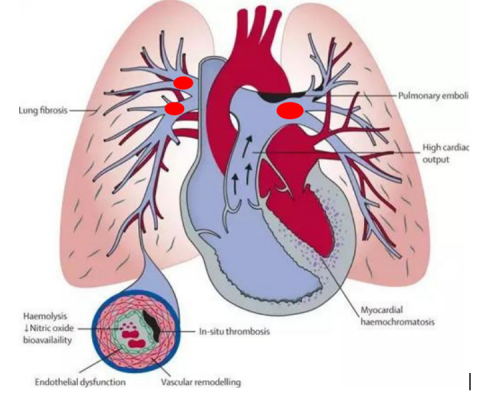
This is the most terrifying risk of varicose veins. When a blood clot forms in a varicose vein, it’s like planting a ticking time bomb in your body. If the clot breaks loose and travels to the lungs, it can cause a pulmonary embolism, leading to sudden symptoms like difficulty breathing, chest pain, or coughing up blood. This situation is extremely dangerous and, in severe cases, can be life-threatening, striking without warning.

Preventing Varicose Veins: These Methods Really Work
Don’t Stay Still—Move Around!
Whether you’re on your feet all day as a service worker or sitting for long hours at a desk job, it’s important to make a habit of moving regularly. If you’ve been standing too long, try simple exercises like raising your heels—lift them, hold for 3-5 seconds, and repeat 10-15 times. This helps contract your calf muscles and improves blood flow. You can also bend your knees or do a few gentle squats. For those sitting too long, get up and take a short walk, stretch your back with a twist, and loosen up your arms to relax your upper body. Doing these small movements every 1-2 hours can keep your body energized and significantly lower your risk of developing varicose veins.
Moderate Exercise for Stronger, Healthier Legs
Exercise is a powerful way to prevent varicose veins. Activities like walking, jogging, swimming, or cycling are excellent options. Aim for 3-5 sessions per week, with each lasting about 30 minutes. During exercise, the muscles in your legs rhythmically contract and relax, acting like a natural 'pump' to help blood flow more efficiently back to the heart. This reduces pressure on the veins in your legs, keeping them stronger and healthier.


Manage Your Weight to Lighten the Load on Your Legs
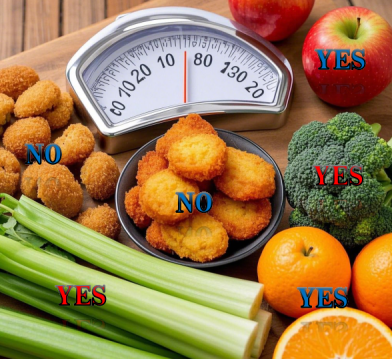
Carrying extra weight puts added pressure on your legs, increasing the risk of varicose veins. That’s why it’s important to adopt a lighter, healthier diet. Cut back on fried foods like crispy fried chicken, French fries, and sugary treats like rich cream cakes—all high in calories. Instead, load up on fiber-rich fruits and vegetables, such as celery, broccoli, apples, and oranges. Aim to stop eating when you’re about 70-80% full, especially during dinner. Maintaining a healthy weight not only lightens the load on your legs but also helps prevent varicose veins.

Elevate Your Legs for a Restful Night’s Sleep
When sleeping or resting, try placing a thin pillow under your feet to elevate your legs by 15-20 centimeters. This simple trick helps blood flow back more easily to your heart, reducing pressure on your veins. When you wake up the next morning, your legs will feel light and refreshed, as if fully recharged, ready to tackle the day ahead. Over time, this habit can significantly lower your risk of developing varicose veins.
Wear Compression Socks for Double the Prevention
For those with a family history of varicose veins or jobs that require long hours of standing, wearing compression socks can be a great preventive measure. However, it’s important to choose the right ones under a doctor’s guidance. Start by selecting the appropriate pressure level—usually categorized as mild (class 1), moderate (class 2), or firm (class 3)—based on your symptoms. Make sure to measure your legs accurately to ensure a proper fit; socks that are too tight can restrict blood flow, while those that are too loose won’t provide the needed support. When it comes to material, opt for cotton-rich compression socks in the summer for better breathability and comfort. In colder months, choose blends like nylon-spandex for added warmth.
Your health is your greatest asset—only with a healthy body can you truly enjoy life. The good news is, varicose veins are both preventable and manageable. By taking proactive steps now, you can avoid the discomfort and complications they bring. If you notice symptoms like bulging veins, aching, or heaviness in your legs, don’t wait—see a doctor right away. Early detection and treatment can make all the difference.