The Bragg Peak: The Magical Energy Peak Leading Liver Cancer Heavy Ion Therapy
The Bragg Peak: The Magical Energy Peak Leading Liver Cancer Heavy Ion Therapy
Heavy ion therapy, particularly carbon ion therapy, is one of the most advanced radiation technologies today. Its fundamental difference from traditional X-ray radiotherapy lies in its unique physical characteristic: the Bragg Peak. This property allows it to demonstrate exceptional advantages in liver cancer treatment. So, what is the Bragg Peak? The Bragg Peak is the core physical property of heavy ion therapy. It enables radiotherapy to be as precise as a "surgical scalpel," maximizing the protection of normal organs while ensuring therapeutic efficacy. When heavy ions enter the human body, their energy loss is not uniform. Upon initial entry, energy loss is minimal, causing little impact on superficial tissues. As they penetrate deeper, their energy loss gradually increases. Upon reaching a specific depth—namely, the location of the tumor—the energy release peaks. This is the Bragg Peak. After passing this peak, the energy rapidly drops to nearly zero, preventing damage to healthy tissues behind the tumor.
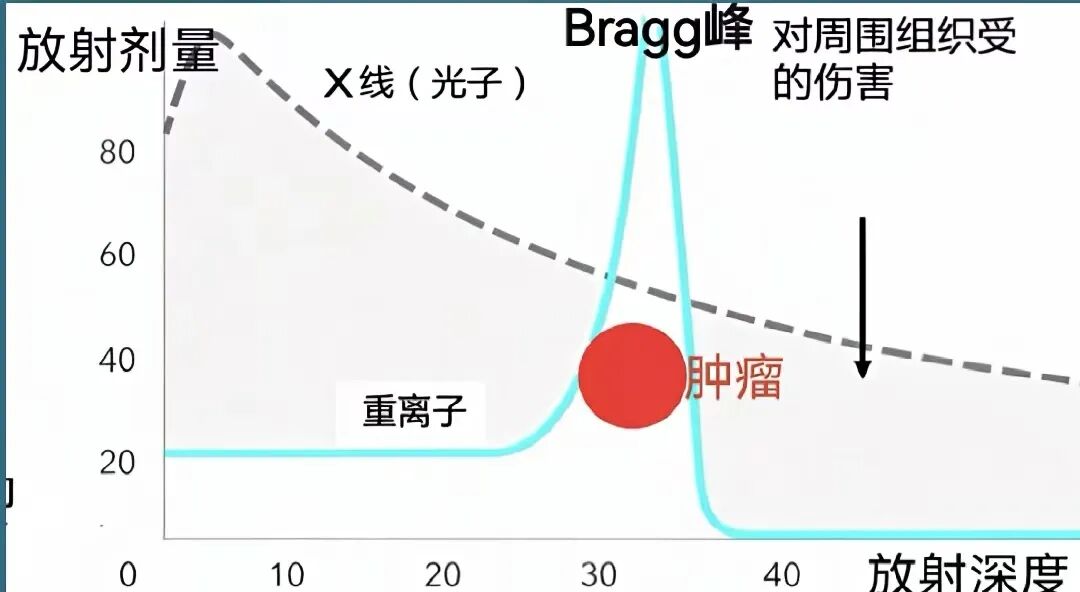
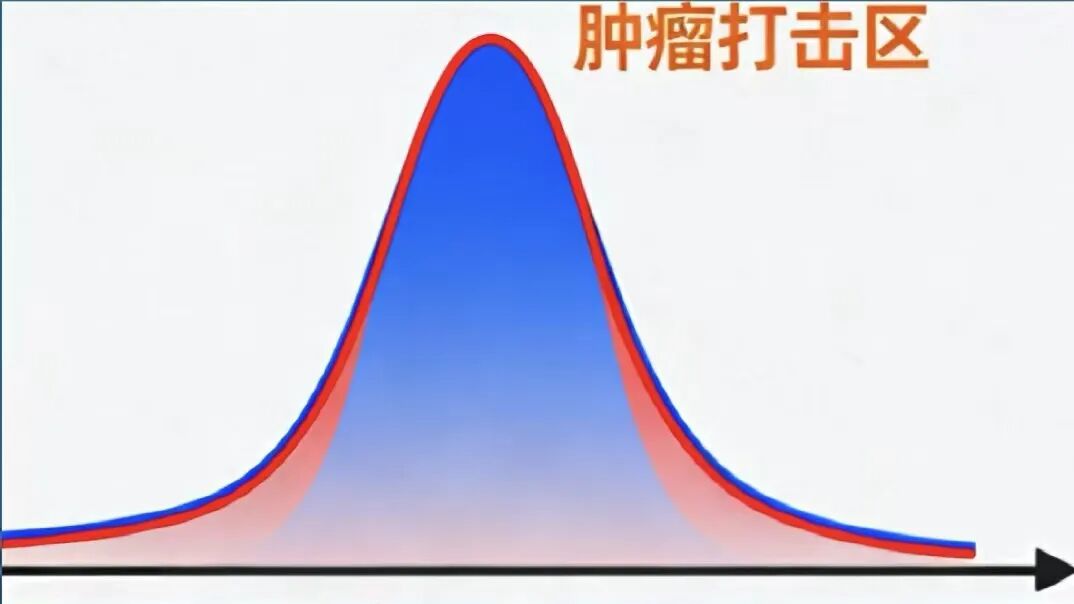
If conventional radiotherapy is likened to an artillery shell intended to destroy an underground command center, it inevitably causes damage to the ground and the area surrounding the command center. In contrast, heavy ions are like missiles that explode precisely at the designated command center, with minimal impact on the ground and surrounding areas. Hepatocytes (liver cells) have low tolerance to radiation, and tumors are often located near major blood vessels and other organs, making them susceptible to unintended damage from traditional radiotherapy. The advantage of the Bragg Peak lies in its ability to deliver precise irradiation, concentrating the maximum energy on the tumor while minimizing damage to normal liver tissue and surrounding organs like the gastrointestinal tract and kidneys.
Of course, it is crucial to remember that liver cancer treatment must not rely on a single-modality approach. The key lies in undergoing systemic, comprehensive treatment—including active liver function preservation, safeguarding quality of life, etiological treatment, and localized therapy—all under the comprehensive guidance and care of hepatology specialists and a multidisciplinary team (MDT).

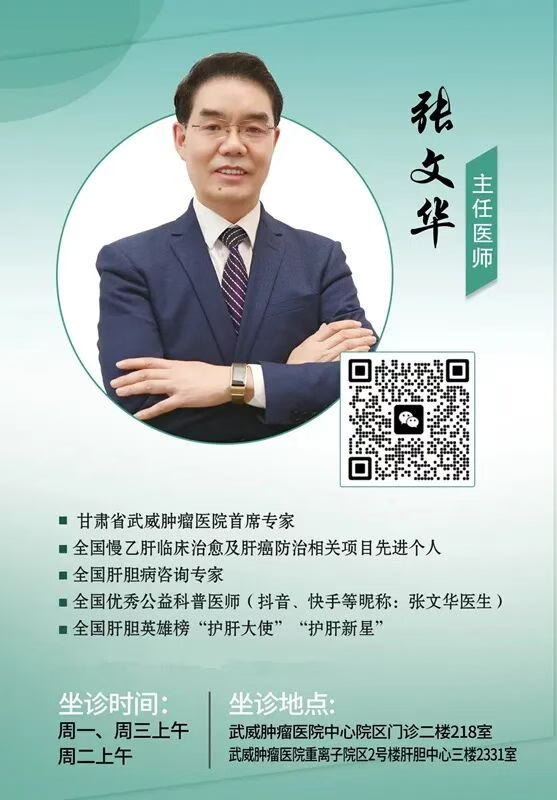
Zhang Wenhua, Chief Physician
- Honorary President and Chief Expert, Gansu Wuwei Cancer Hospital
- Director and Chief Physician, Hepatobiliary Center of Wuwei Institute of Medical Sciences, Gansu
- Executive Director and Chief Expert, "Healthy China" Grassroots Liver Disease Diagnosis and Treatment Capability Enhancement Project
- National Expert Consultant for Hepatobiliary Diseases
- Expert Committee Member, People's Daily Online "People's Good Doctor" Client
- Expert Member of the Editorial Panel for the Chinese Expert Consensus on Clinical Practice of Functional Cure for Chronic Hepatitis B
- Committee Member, Liver Disease Professional Committee, China Medicine Education Association
- Inaugural Member of the Liver Cancer Group, Liver Disease Professional Committee, Chinese Research Hospital Association
- Committee Member, Particle Therapy Branch, Tumor Minimally Invasive Therapy Committee, Chinese Anti-Cancer Association
- Vice Chairman, Tumor Interstitial Implantation Therapy Professional Committee, Gansu Anti-Cancer Association
- Standing Committee Member, Cell Therapy Professional Committee, Shaanxi Research Hospital Association
- National Outstanding Individual in Clinical Cure of Chronic Hepatitis B and Liver Cancer Prevention/Control Research Projects
- National Outstanding Public Science Popularization Physician
- Committee Member, National Collaborative Group for Difficult and Severe Liver Disease Research
- Invited Expert, Expert Committee, Health Appropriate Technology Branch, National Association of Health Industry and Enterprise Management
- Appointed "Good Liver Doctor" Expert, National "Gan Dan Xiang Zhao" Public Service Platform
- National "Liver Guardian Master" for Hepatobiliary Diseases; Standing Council Member, Beijing Asia-Pacific Liver Disease Diagnosis and Treatment Technology Alliance
- Expert, Gansu Hepatobiliary Disease Expert Committee for the Large-Scale Public Welfare Activity "Building China's Heart Together"
- Appointed Expert, Gansu Integrated Traditional Chinese and Western Medicine Liver Disease Diagnosis and Treatment Center
- Expert Panel Member, Gansu Organ Transplantation Quality Control Center
- Vice President, Wuwei Medical Association
- Participated in multiple real-world research projects on chronic liver diseases, ranking within the top ten among over 500 participating hospitals nationwide. Led several research achievements presented at top international hepatology conferences including AASLD (American Association for the Study of Liver Diseases), APASL (Asian Pacific Association for the Study of the Liver), and EASL (European Association for the Study of the Liver).
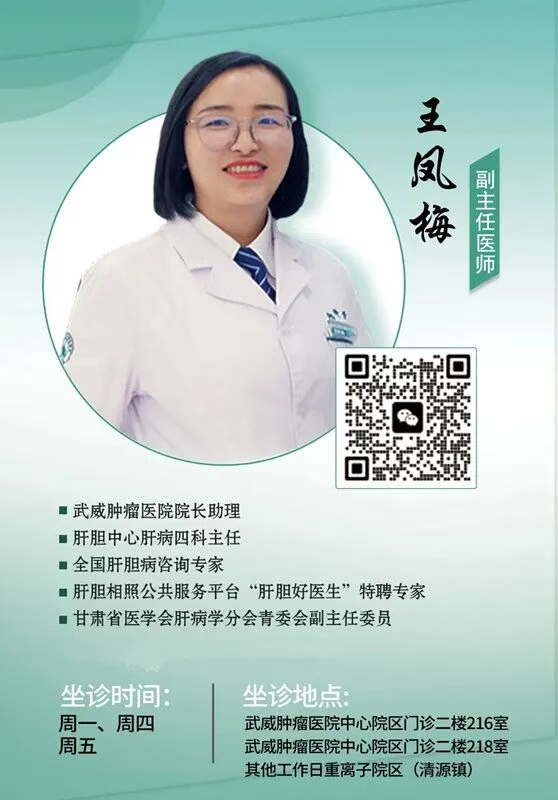
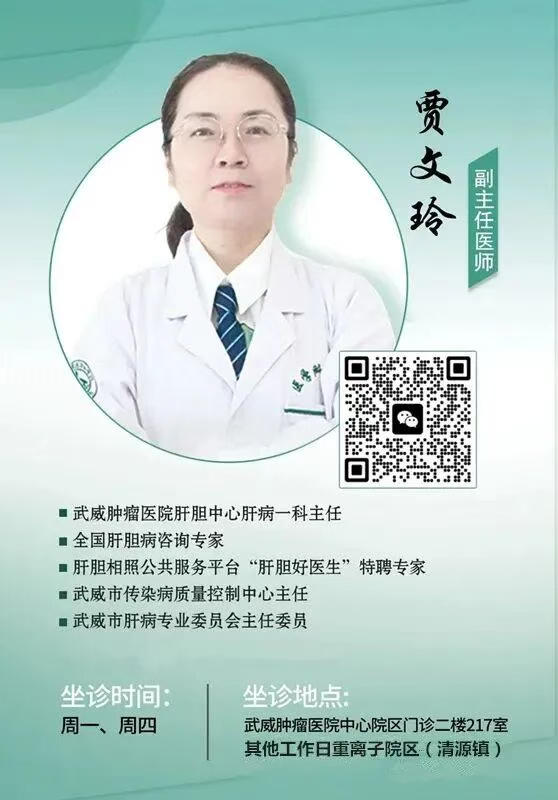
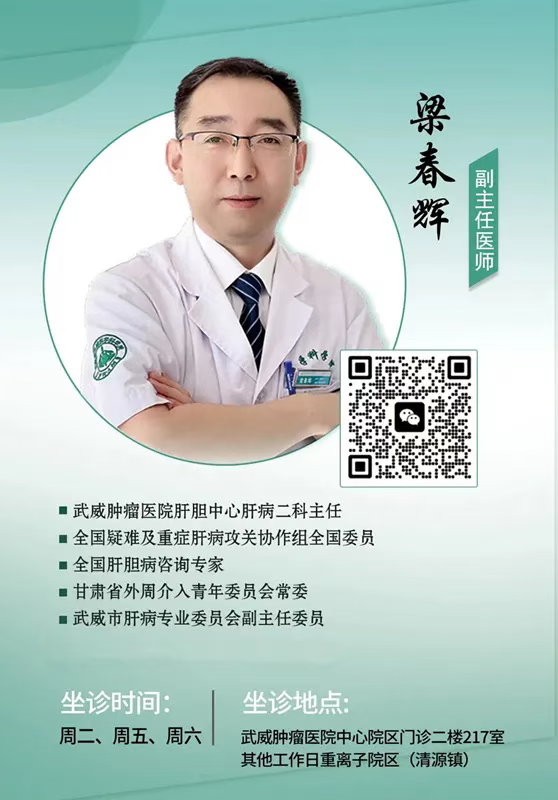
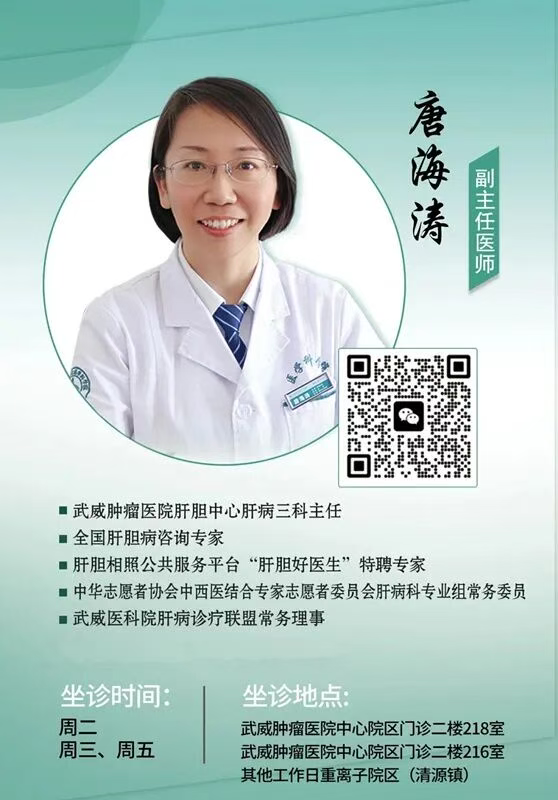
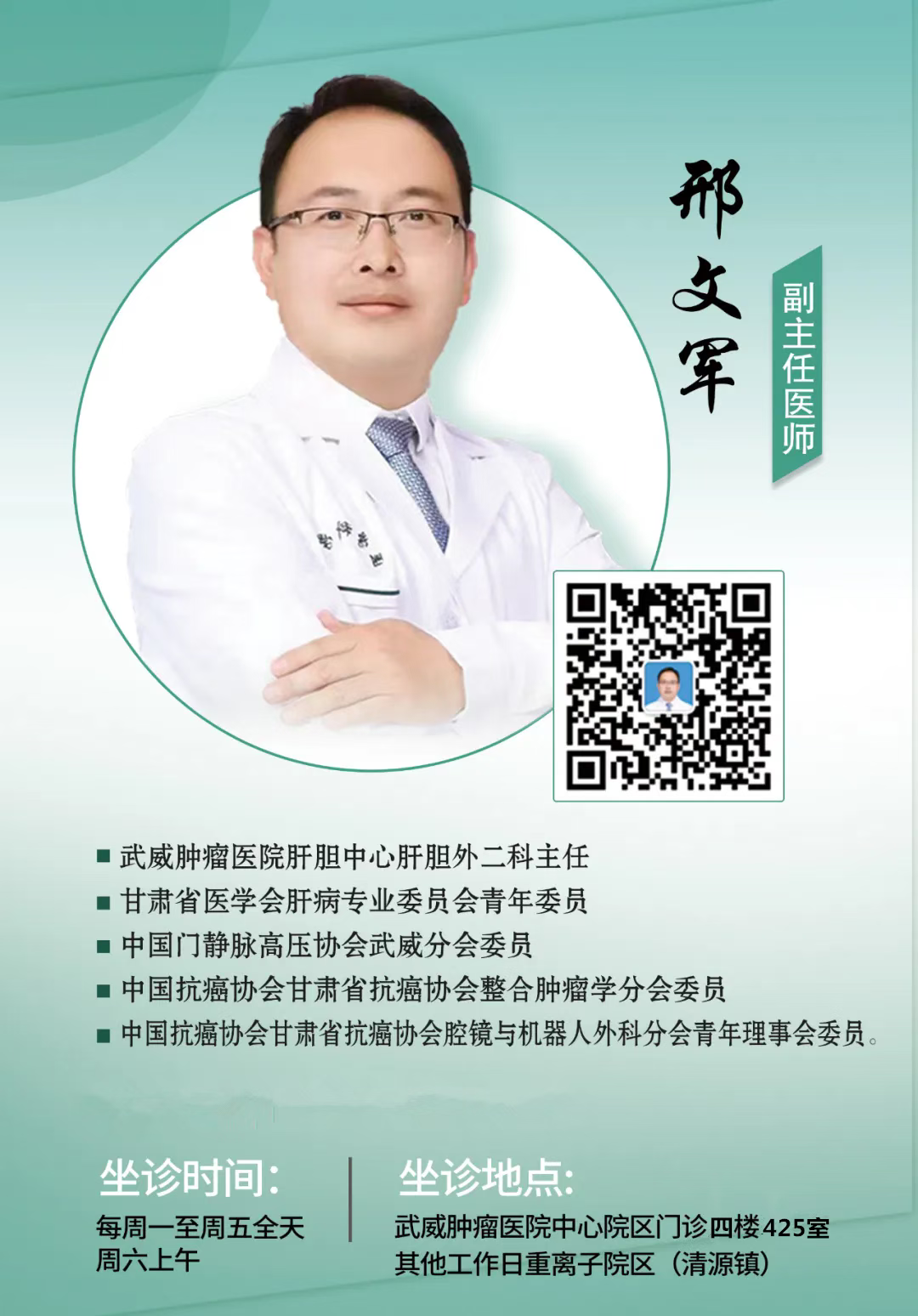
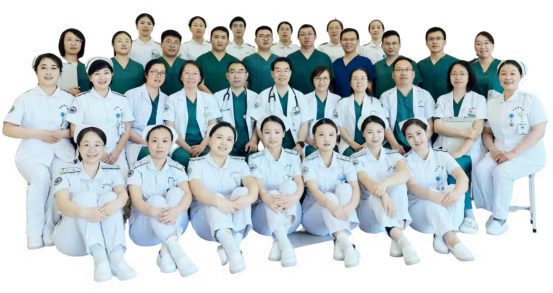
Wuwei Institute of Medical Sciences Hepatobiliary Center: Overview of Leading Experts
The Wuwei Institute of Medical Sciences Hepatobiliary Center is currently a National Demonstration Base for Hepatobiliary Disease Prevention and Treatment Technology. It comprises Liver Disease Department 1, Liver Disease Department 2, Liver Disease Department 3, Liver Disease Department 4, and Hepatobiliary Surgery Department 2. The center comprehensively conducts clinical and research work in the field of hepatobiliary diseases, including liver protection, antiviral therapy, artificial liver support, surgical procedures, interventional therapy, minimally invasive therapy, iodine seed implantation, targeted/immunotherapy, cellular immunotherapy, and stem cell transplantation. It is one of the few specialized single-disease centers in China capable of perfectly delivering integrated diagnosis, treatment, and full-cycle management for hepatobiliary diseases. The center undertakes multiple real-world research projects and several national public benefit programs. It has established a consultation platform with renowned domestic and international experts for complex and severe liver diseases, and has also established Gansu's first Co-Management Center for Diabetes and Liver Disease, benefiting more patients with hepatobiliary diseases, especially those with complex and severe liver conditions, as well as patients with liver-related metabolic diseases such as diabetes and fatty liver.
Tumor Hospital Main Campus (Downtown):
- Chief Physician Zhang Wenhua: Outpatient Room 218, 2nd Floor, Outpatient Building (Monday and Wednesday mornings, except holidays).
- Liver Disease Internal Medicine: Outpatient Rooms 216 & 217, 2nd Floor, Outpatient Building.
- Hepatobiliary Surgery Department 2: Outpatient Room 425, 4th Floor, Outpatient Building.
Heavy Ion Campus:
- Chief Physician Zhang Wenhua: Expert Outpatient Room W229, 2nd Floor, Outpatient Building (Tuesday mornings, except holidays).
- Liver Disease Internal Medicine: Outpatient Rooms W210 & W211, 2nd Floor, Outpatient Building.
- Hepatobiliary Surgery Department 2: Outpatient Room E126A, 1st Floor, Outpatient Building.
- Other Doctors' Office Area: 2nd Floor, Hepatobiliary Center, Building 2, Inpatient Department.
Kind Reminder: (Please refer to the latest schedule for specific consultation times!)