【Health Popular Science】Can Intestinal Polyps Be Delayed?
【Health Popular Science】Can Intestinal Polyps Be Delayed?
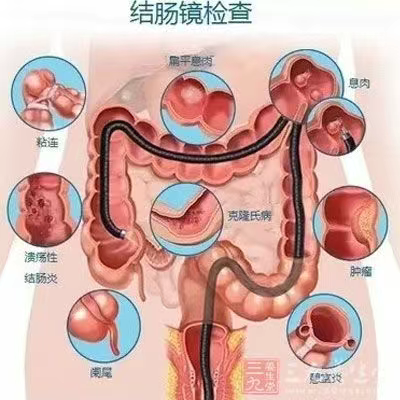
Intestinal polyps, a type of polyp, refer to all raised lesions on our intestinal mucosa, including both inflammatory and adenomatous types. They mostly occur after middle age, with an incidence rate of approximately 25% to 80%.
Clinically, polyps can appear alone or gather in hundreds. Among them, "adenomatous polyps" are the most common and are a type of precancerous lesion, closely related to the occurrence of colorectal cancer.
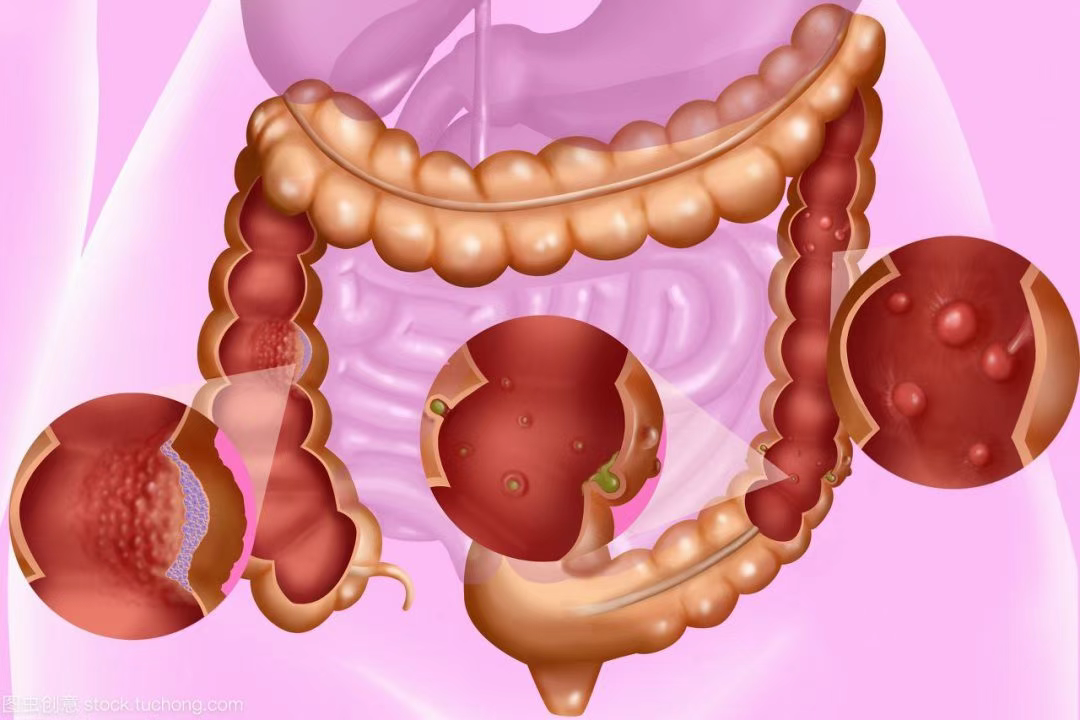
Case Study: Uncle Zhang, 58, has recently been troubled by bowel issues. Not only does he frequently experience constipation, but he also has symptoms of bloody stools. Initially thinking it was his hemorrhoids acting up, a hospital examination revealed that he had colorectal polyps, which were causing the changes in his bowel habits. The doctor said: The pathological type of Uncle Zhang's polyps is adenomatous, with a diameter exceeding 1 cm and exhibiting lateral growth. This type of polyp is highly prone to malignancy, so timely removal is recommended. Upon hearing that surgery was needed, Uncle Zhang immediately refused, fearing the trauma and potential risks associated with the procedure, such as intestinal perforation. However, with advances in medicine, the probability of such risks is now less than 0.01%. But Uncle Zhang wouldn't listen and hurriedly completed the discharge procedures and left the hospital.
Indeed, most polyps are harmless. However, when adenomatous polyps are detected, extra attention is required. Studies have found that 80% to 95% of colorectal cancers develop from colorectal polyps. These polyps are neoplastic and carry a very high risk of malignancy. The progression from an adenomatous polyp to colorectal cancer often takes about 5 to 10 years. Therefore, once discovered, it is crucial to follow the doctor's advice carefully, as delaying treatment could lead to serious illness.
Ultimately, people fear the adverse outcome of intestinal polyps – colorectal cancer. Actually, before bowel cancer occurs, the body often shows four abnormalities!
Abnormality 1: Change in Stool Shape
A change in stool shape is an important signal of colorectal cancer and should be monitored closely. When stools become thin or loose, it is likely abnormal. This is because the normal rectum and anus have a certain diameter, allowing stools to be passed relatively thick. Conversely, a sudden change to thin or loose stools could indicate a tumor in the intestine putting pressure on the stool.

Abnormality 2: Abdominal Pain
Most bowel cancers cause varying degrees of abdominal pain or discomfort. The pain often worsens abnormally after meals and may be accompanied by intermittent diarrhea or constipation. Generally, pain from cancer in the right side of the colon often radiates to the upper umbilical region, while pain from cancer in the left side often radiates to the lower umbilical region.

Abnormality 3: Changes in Bowel Movements
Bowel cancer can lead to changes in bowel habits, such as diarrhea, constipation, or alternation between the two. The frequency of bowel movements may increase or decrease. Cramping abdominal pain may occur during defecation, which could be relieved after passing stool. While the normal frequency for many people is 1-2 bowel movements per day, being vigilant is necessary if this increases to over 4-5 times daily.
Abnormality 4: Increased Flatulence
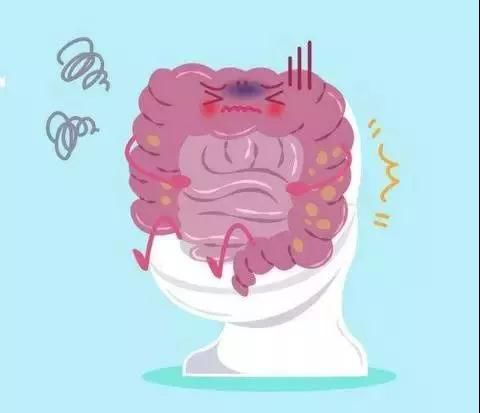
When the intake of animal protein or fat exceeds the small intestine's capacity for digestion and absorption, these undigested nutrients enter the large intestine. Here, they can disrupt the gut flora balance, leading to the production of large amounts of amine substances, which are carcinogenic. These amines can be volatile gases, often resulting in very foul-smelling flatulence. Therefore, excessive intake of rich foods overloads the intestines and can cause smelly gas. One should be alert for signs of bowel cancer if experiencing more than 20 episodes of flatulence per day, exceptionally foul-smelling gas, or alternating diarrhea and constipation.

For patients with intestinal polyps, adhering to the following five points can help maintain intestinal health and prevent cancer:
1.Quit smoking and limit alcohol.
2.Increase dietary fiber intake.
3.Exercise to enhance intestinal motility.
4.Avoid late-night snacks and other dietary irritants.
5.Emphasize the importance of colonoscopy screenings 1213.
Warm reminder: It is recommended that individuals over 40 years old undergo a colonoscopy every 2-3 years. Those who are significantly overweight; experience persistent diarrhea for more than 3 consecutive months; or frequently consume high-fat, high-calorie foods, have irregular lifestyles, smoke, drink alcohol, stay up late, or have unstable emotions should pay even greater attention to getting colonoscopy screenings.