Demystifying Nicotine Addiction: A Scientific Guide to Taking Back Control
Demystifying Nicotine Addiction: A Scientific Guide to Taking Back Control
Many people believe that quitting smoking is primarily a matter of "willpower," and that failure is a sign of being weak-willed. However, science tells us that nicotine addiction is, in essence, a chronic and relapsing brain disease. Success is difficult to achieve through sheer endurance alone.
01
How Does Your Brain Get Hooked?
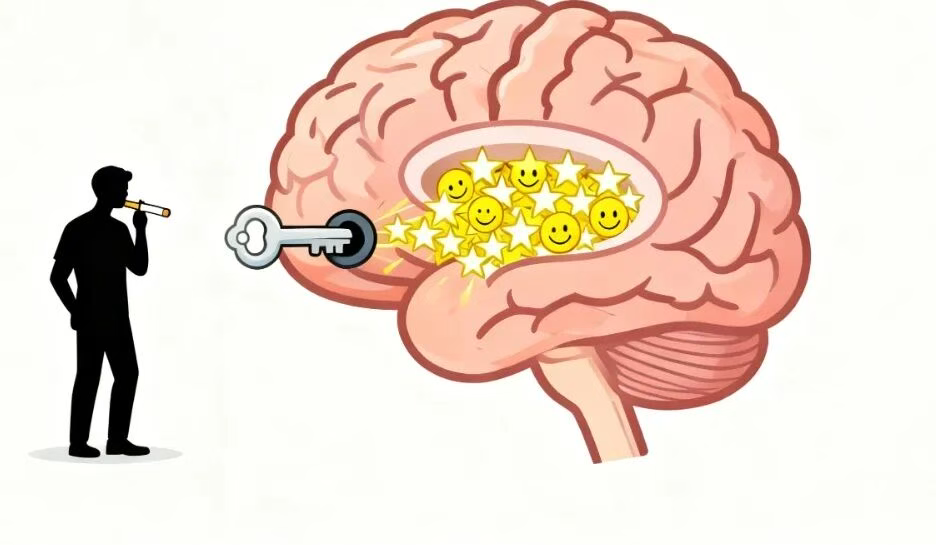
When you smoke, nicotine reaches your brain in just 10 seconds. There, it binds to "nicotinic receptors," triggering a surge of "dopamine" release. Dopamine is a messenger of pleasure, creating feelings of enjoyment, relaxation, and improved focus.
However, your brain fights to maintain balance. To counter the constant nicotine stimulation, it downregulates—reducing the number or sensitivity of its own receptors. This means you need to smoke more to achieve the same effect. When you stop smoking, dopamine levels plummet, leading to withdrawal symptoms like anxiety, irritability, and an inability to concentrate. This isn't a "lack of willpower"—it's your brain's biology protesting the absence of the drug it has adapted to.
02
Break the Cycle: Science-Backed Methods to Quit Smoking
Since nicotine addiction is a combination of physiological dependence and psychological habit, we need to adopt a two-pronged approach:
Managing the Physical Dependence:

2. Breaking the Psychological Habit
•Identify your "triggers"—Is it after a meal, when you're stressed, or simply when you're bored?
•Replace the old habit with a new one. For example: go for a brush your teeth and take a walk right after eating; practice deep breathing when stressed; use a fidget toy when your hands are idle.
•Remember, quitting smoking is not a willpower-only battle of attrition, but a strategic scientific campaign. Seeking help from a doctor to create a personalized plan can significantly increase your chances of success!
Preliminary Review: Zhang Jie
Final Review: Ma Shuqian