
Beacon of Recovery with the Science of Nutrition
Beacon of Recovery with the Science of Nutrition
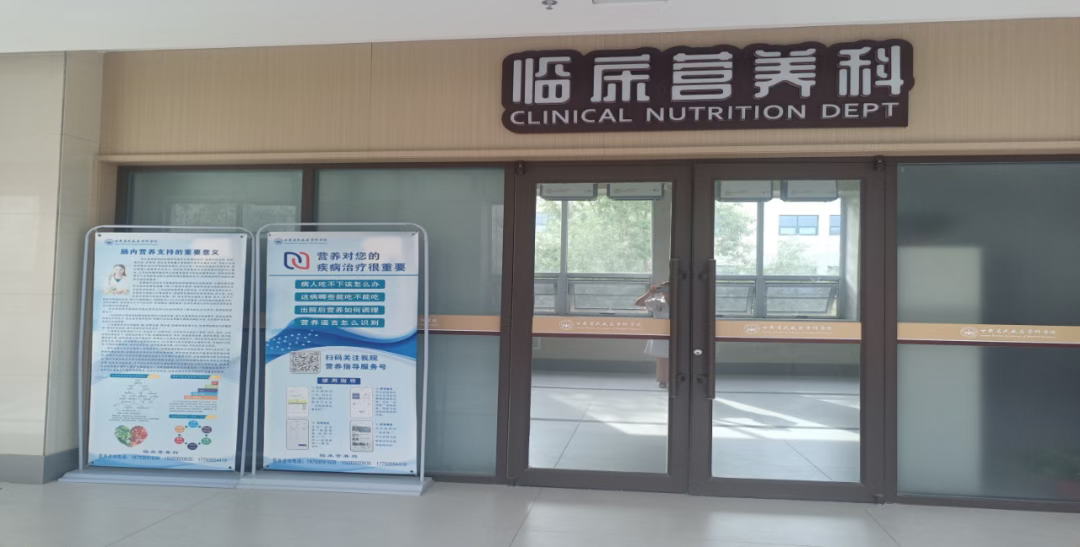
In the vast life-guarding system of a hospital, if surgeons are the "vanguard" wielding scalpels to strike directly at the disease, and physicians are the "strategists" who meticulously analyze and formulate plans, then the Clinical Nutrition Department is the unsung yet crucial "Chief of Logistics" and "Precision Nutritionist". We may not lead a heart-pounding rescue, but we lay the solid energy foundation for the success of every rescue and subsequent recovery; we seldom stand in the spotlight, yet we are the most loyal partner behind every clinical department.
I. Who Are We? The Science and Art Beyond "Eating"
In the traditional perception of many, the Nutrition Department might still be associated with "providing patient meals" or "giving dietary advice." However, in modern medicine, the Clinical Nutrition Department has long evolved into a precise discipline integrating prevention, diagnosis, treatment, and rehabilitation.
What exactly do we do?
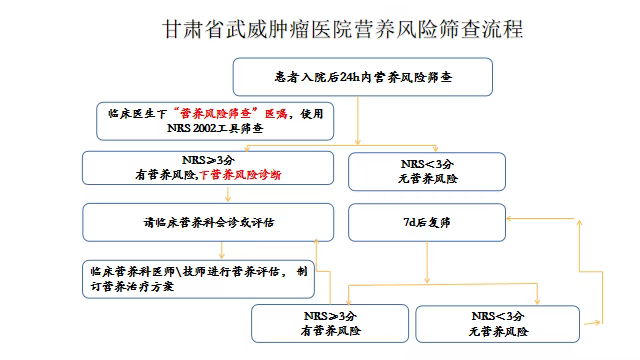
Our work begins with a "sieve". In accordance with national standards, we conduct nutritional risk screening for every admitted patient. This "sieve" quickly identifies patients who may seem nutritionally adequate but are actually critically vulnerable due to the消耗 of disease. For those identified as high-risk, we deploy more precise "probes" – nutritional status assessment. This isn't just about checking for weight loss. Using scientific tools like body composition analysis, blood biochemical markers, dietary surveys, and clinical signs, we act like detectives, comprehensively assessing the patient's reserves of protein, fat, trace elements, etc., to precisely diagnose the type and severity of "malnutrition".
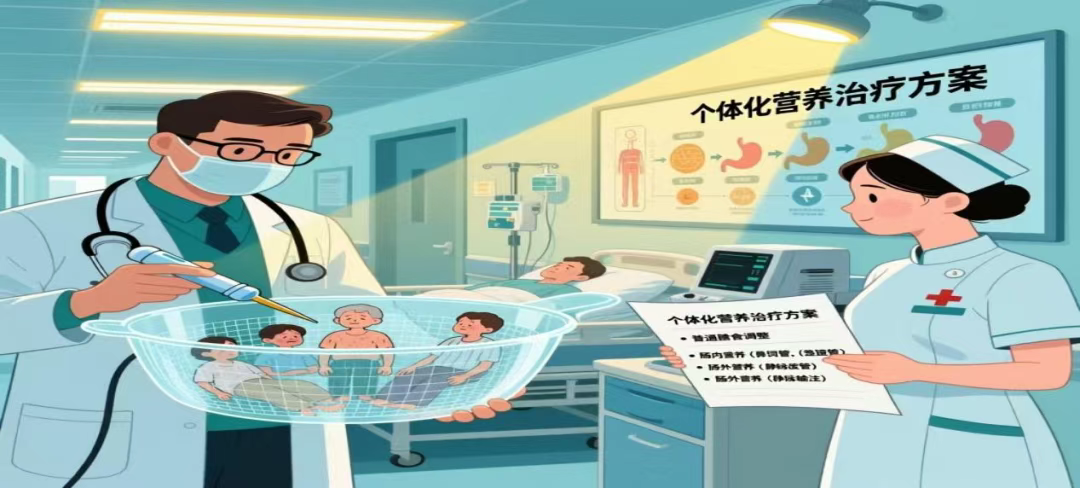
Following this, it's the interlocking process of "Assess-Diagnose-Treat". We work closely with attending physicians and nurses, participating in clinical rounds and consultations to develop individualized nutritional treatment plans for patients. This plan might involve precise adjustments to a regular diet, or providing enteral nutrition (via nasogastric tube, gastrostomy tube, etc.) for patients unable to eat orally, or parenteral nutrition (intravenous infusion) for patients with severely impaired gastrointestinal function. Our goal is singular: to ensure that the patient's body, this "precision instrument," receives continuous, balanced energy and raw materials under any disease state, supporting its fight against illness.
II. Why is it Important? Clinical Nutrition Therapy – The Overlooked "Core Combat Power"
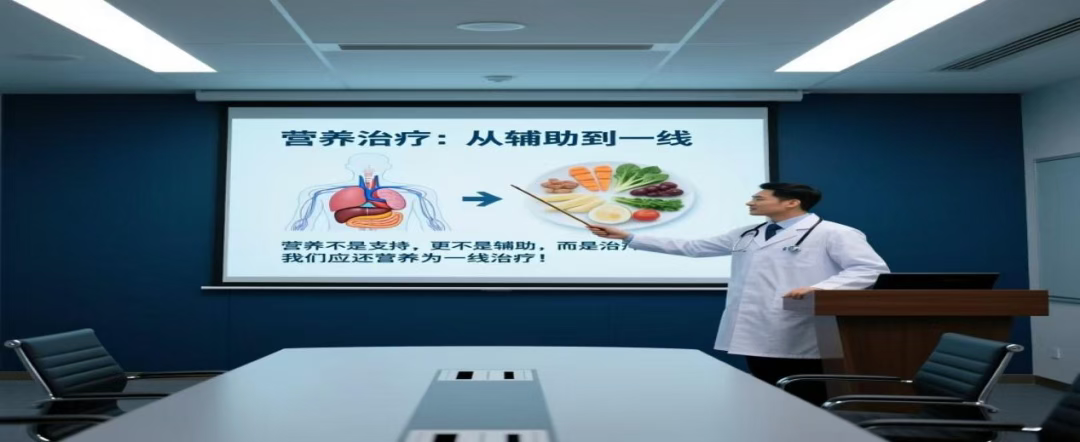
There's a famous saying in the medical field: "Nutrition isn't everything, but without nutrition, nothing is possible." In disease treatment, the status of nutritional support is shifting from "auxiliary" to "core".
1. Combating the "Hunger" of the Disease Itself:
Many diseases, especially malignant tumors, severe infections, and major surgical trauma, place the body in a state of high catabolism and hypermetabolism. In this state, the body frantically consumes its own protein and fat, leading to severe muscle loss (medically termed "cachexia"). Patients become extremely weak, and their immunity plummets. At this point, even with the best drugs and the most precise surgery, the body lacks the "troops and provisions" to fight the battle. Clinical nutrition therapy steps in precisely at this moment to "deliver troops and supplies," directly countering this pathological consumption, and creating the most basic physiological conditions for all clinical treatments to take effect.
2. Improving Prognosis, Accelerating Recovery:
Substantial clinical research confirms that scientific, early nutritional support can significantly reduce the incidence of postoperative complications, shorten hospital stays, reduce infection risks, and lower overall medical costs. For example, a gastrointestinal surgery patient receiving reasonable early enteral nutrition postoperatively can effectively maintain intestinal mucosal barrier function, prevent infections caused by bacterial translocation, and significantly promote the recovery of intestinal function. This is not just about "eating enough"; it's a "treatment" issue directly related to the speed and quality of recovery.
3. Enhancing Quality of Life and Treatment Tolerance:
For cancer patients undergoing radiotherapy and chemotherapy, good nutritional status helps them better tolerate treatment side effects like mucositis, nausea, and vomiting, ensuring treatment cycles can be completed successfully. For patients with chronic diseases like diabetes and kidney disease, personalized dietary guidance and nutritional therapy are the cornerstones for controlling the condition and delaying progression. Here, food and nutritional formulations are our "medicine," and we, like pharmacists, meticulously calculate the "dosage" of each nutrient
III. The Power of "Special Diets": Nutritional Foods – "Precision Ammunition" in the Era of Diseas
When we talk about "nutritional food" in a clinical context, it goes far beyond health products or health foods on the market. It refers to medical foods and enteral nutrition formulations specifically designed for diseased states. These "special diet" foods are products of the combination of science and clinical needs. They are not ordinary liquids, but "life formulas" with defined compositions and balanced nutrition. For example:
For diabetic patients: Formulas adjusted for carbohydrate source and ratio, added with dietary fiber, to stabilize postprandial blood glucose.
For patients with renal insufficiency: Strictly controlled content of protein and electrolytes (potassium, phosphorus) to reduce the burden on the kidneys.
For patients with respiratory failure: Providing high-fat, low-carbohydrate formulas to reduce carbon dioxide production and lower respiratory load.
For patients with high stress like trauma and infection: Adding specific immunonutrients, such as glutamine, arginine, omega-3 fatty acids, to modulate inflammatory responses and enhance immune function.
The use of this "precision ammunition" requires profound nutritional knowledge and clinical experience, which is precisely one of the core functions of the Clinical Nutrition Department.
IV. Guarding the Heartland: The Enteral Nutrition Preparation Room – The "Central Kitchen" of the Clinical Battlefield

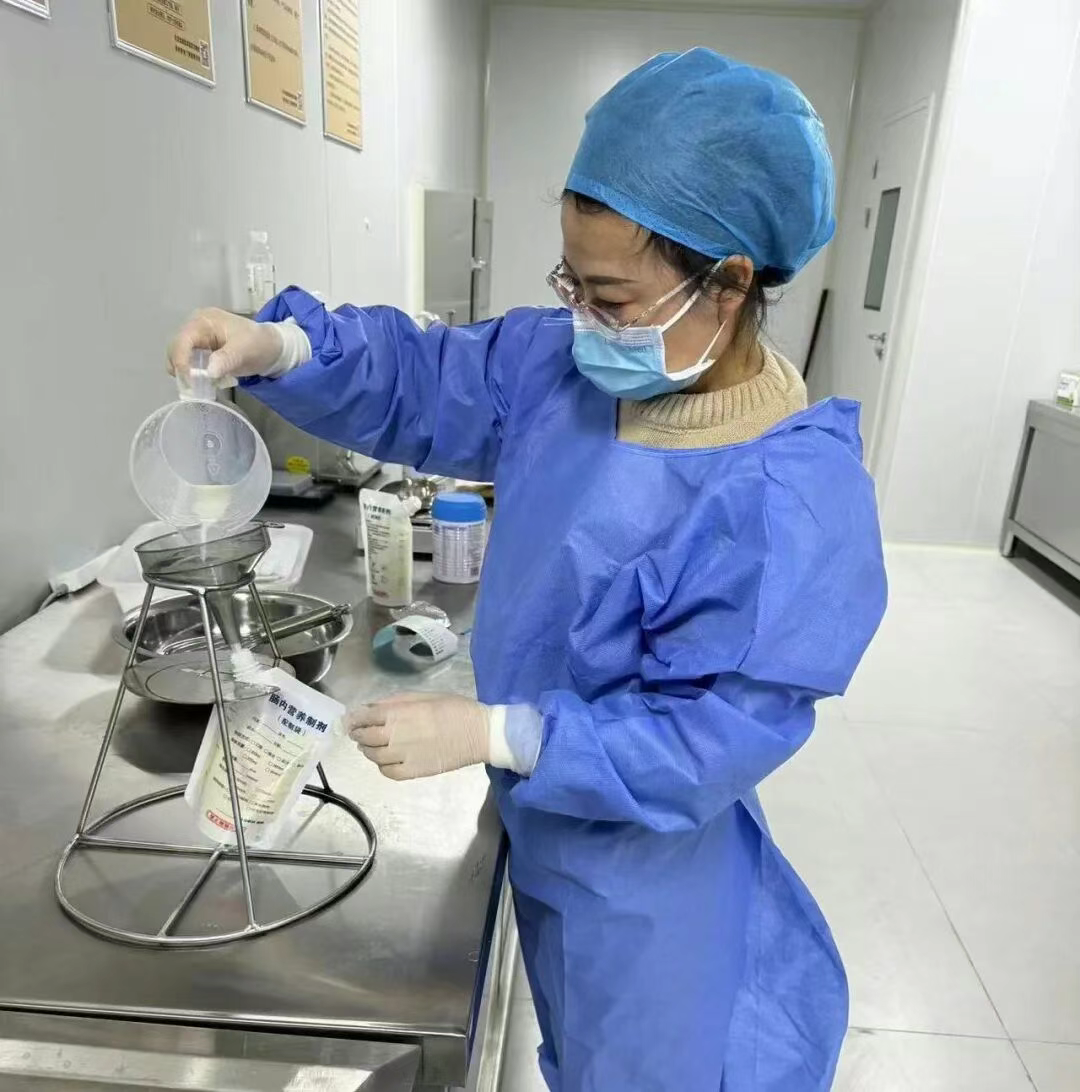
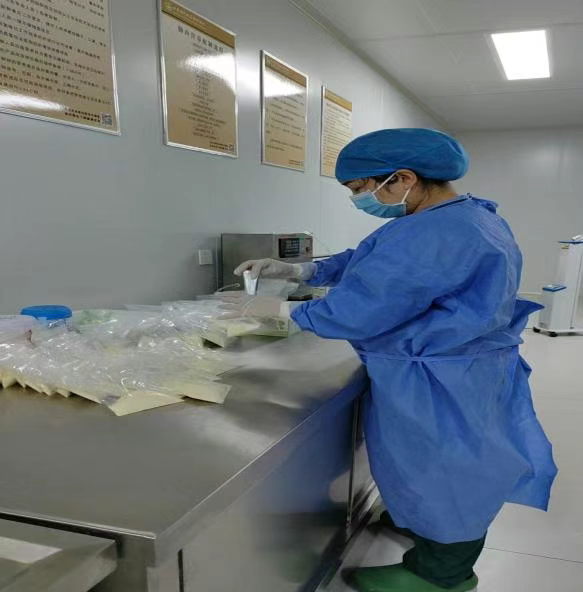
In the Clinical Nutrition Department of Gansu Wuwei Cancer Hospital, we possess a proud "heartland" – a 300,000-class clean enteral nutrition preparation room. This is our base for producing "precision ammunition" for all clinical departments in the hospital, the most tangible manifestation of our role as a "loyal partner."
The Bulwark of Precision and Safety:
What does "300,000-class cleanliness" mean? It means the air cleanliness here far exceeds ordinary environments. Coupled with dedicated water purification equipment and strict aseptic operating procedures, the nutritional powders/liquids we prepare for each patient are free from the risk of microbial contamination from the source. For immunocompromised patients, especially cancer patients post-radiotherapy/chemotherapy, a seemingly ordinary cup of nutritional liquid, if contaminated, could be a source of fatal infection. Our preparation room is the strongest barrier guarding the safety of this "last mile."
The Realization of Individualized Customization:
This preparation room is not a filling workshop for standardized products, but a workshop for achieving "one strategy per person" nutritional customization. Here, our dietitians and nutrition nurses, like meticulous pharmacists, precisely calculate and weigh according to the patient's specific needs for energy, protein, fluid volume, etc., to prepare unique nutritional (powder) liquids for the patient. Each bag carries the deepest respect for the individual life and the most scientific care.
3. The Bridge Connecting to Clinical Practice:
Every bag of nutritional liquid produced in this preparation room is safely delivered to the patient's bedside, or into the patient's body, via the hands of nurses. It connects us with every clinical ward, serving as the most direct and link between the Clinical Nutrition Department and our brother departments. When the Neurology Department feeds a comatose patient with the nutritional liquid we prepared via nasogastric tube, when a patient with oral mucositis in the First Department of Radiotherapy relies on the homogenized nutritional powder we provide to maintain strength, when surgeons see postoperative patients recovering quickly due to early enteral nutrition – we know that the value of our role as this "loyal partner" is being truly realized.
Moving Forward Together, Building Health Collectively
As the Clinical Nutrition Department of Gansu Wuwei Cancer Hospital, we are honored to serve as the leading unit of the Tumor Nutrition Branch of the Gansu Provincial Nutrition Society, and were added in 2023 as a national pilot unit for clinical nutrition department construction. This honor is an affirmation and, even more so, a responsibility. Although our team has only 4 members, each one – the Chief Nutritionist, Attending Physician, and Nutrition Nurses – cultivates this seemingly silent yet vitally important field day after day, filled with reverence for life and passion for their profession.
We know the road ahead is long. In the future, we will continue to deepen our services, open nutrition clinics, introduce more precise body composition analysis and energy metabolism measurement equipment, move the starting point of nutritional support earlier, and cover the entire life cycle from disease prevention and acute phase treatment to long-term rehabilitation and community management.
The Clinical Nutrition Department wishes to always be the most loyal partner to clinical departments. We do not seek to be the lead under the spotlight, but are willing to be the sturdiest pier supporting life. We use the science of nutrition to carefully blend the nutrients of life, solely to illuminate the beacon of recovery for more patients, and to stride hand-in-hand with all clinical colleagues towards the grand vision of "Health for All."
Clinical Nutrition Department Introduction
The Clinical Nutrition Department, as an important component of the modern medical system, originated from humanity's profound understanding of the relationship between food and health. After years of development, it has gradually evolved from simple dietary advice into a comprehensive discipline integrating prevention, diagnosis, and treatment. Its main responsibility is to apply nutritional knowledge, combined with clinical medical practice, to provide patients with personalized nutritional assessment, consultation, and nutritional intervention plans. Its goal is to improve patients' nutritional status, promote disease recovery, and enhance quality of life through scientific nutritional intervention methods.
Since its establishment, the Clinical Nutrition Department of Gansu Wuwei Cancer Hospital, under the guidance of hospital leadership and the support of all departments, has continuously improved its professional capabilities and service levels, becoming the leading unit of the Tumor Nutrition Branch of the Gansu Provincial Nutrition Society, and was added in 2023 as a national pilot unit for clinical nutrition department construction. The department team currently has 4 staff members: 1 Chief Nutritionist, 1 Attending Physician, and 2 Nutrition Nurses. The Clinical Nutrition Department provides professional services and strong support for promoting patient disease recovery and health with a high sense of responsibility and full enthusiasm.
The department currently primarily conducts the following services: formulating individualized parenteral and enteral nutrition treatment plans, preparing enteral nutrition formulations, and conducting nutrition education.
I. Formulating Individualized Nutrition Treatment Plans: According to national standard requirements, establish a standardized screening-assessment-diagnosis-treatment nutritional intervention process, carry out nutritional risk screening, nutritional status assessment, malnutrition diagnosis, and dietary guidance for inpatients. Participate in nutritional consultations for inpatients and, according to patient needs, guide the formulation of enteral and parenteral nutrition treatment plans and cooperate with the attending physician to evaluate the clinical effect of nutritional therapy.
II. Enteral Nutrition Formulation Preparation: The department has built a 300,000-class clean enteral nutrition preparation room of a certain scale, equipped with water purification equipment. According to the nutritional metabolic characteristics and needs of various patients, it can prepare various oral and nasogastric nutritional liquids, achieving the preparation of individualized enteral nutrition formulations to meet various needs of clinical nutritional therapy.
III. Nutrition Education: The Clinical Nutrition Department adheres to the "health-centered" concept, strengthens communication with medical staff and patients in various clinical departments, actively provides scientific and reasonable nutritional treatment, dietary guidance, and nutrition education for the majority of patients and the public, further popularizing scientific nutritional knowledge. Simultaneously, it carries out health education activities through various forms such as community nutrition clinics, distributing healthy diet education materials, and conducting health science lectures, allowing the public to acquire correct nutritional knowledge, reasonably guiding them to establish correct dietary concepts, improving public nutritional health literacy, and contributing to the national goal of "Health for All."
IV. Nutrition Clinic: In the future, it will carry out nutrition consultation, nutrition training, and nutrition health education for various populations, as well as examination items such as body composition analysis and energy metabolism measurement. It will be responsible for measuring body composition and nutritional metabolism for physical examination population, outpatients, and inpatients, accurately assessing patient nutritional status. It will provide scientific and reasonable dietary treatment plans, nutritional guidance, and nutrition knowledge popularization for the public needing weight gain or loss, and for patients requiring it due to diseases (such as liver disease, diabetes, obesity, gout, etc.). Concurrently, it will provide home-fed patients with nutritional formulations for home feeding and offer consultation,popular science, and education on home feeding.
In the days to come, we will continue to deepen clinical nutrition services, expand business areas, and provide patients with more comprehensive and professional nutritional services. We believe that with the continuous development and improvement of the Clinical Nutrition Department, we will surely be able to bring health and hope to more patients.
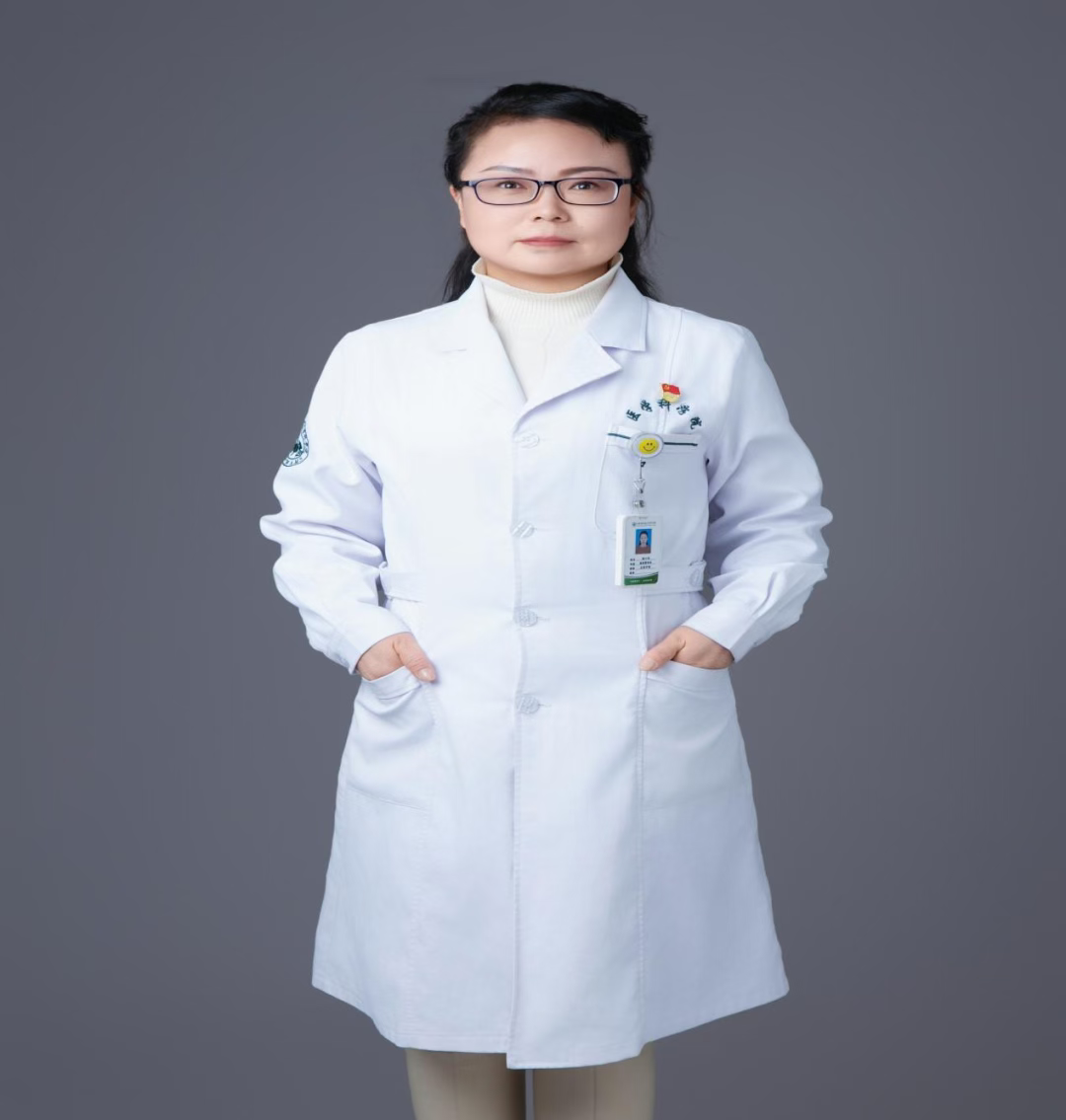
Director Jiang Xiaoping