
【Beware of Bowel Risks】Things You Need to Know About Colorectal Cancer
【Beware of Bowel Risks】Things You Need to Know About Colorectal Cancer
Colorectal cancer, commonly known as "bowel cancer," is one of the most prevalent malignant tumors in China. The good news is, it's a cancer that can be prevented, treated, and even cured. The key lies in "early detection"! Today, let's uncover its mysteries and learn how to protect the health of ourselves and our families.
Understanding Our "Bowel" and Colorectal Cancer
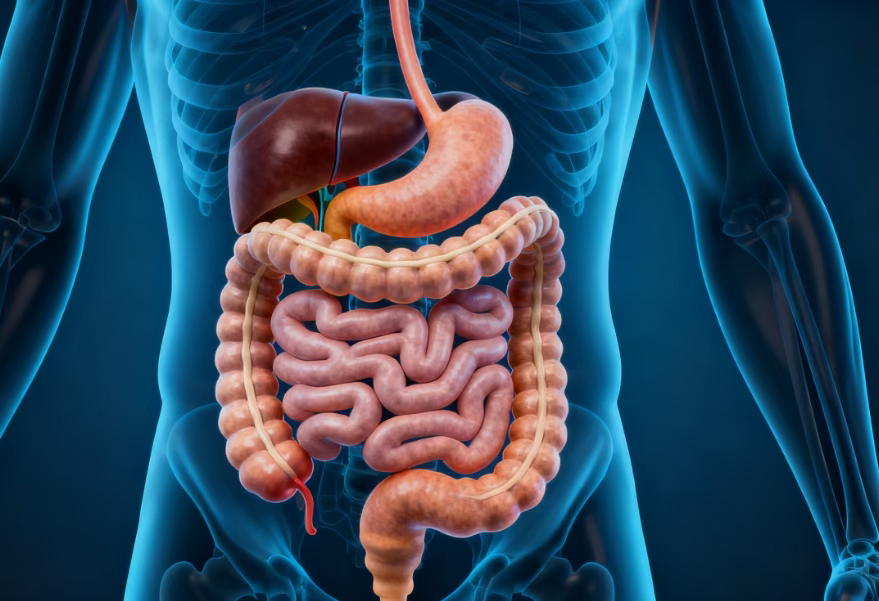
The colon and rectum are the "final stop" of the digestive tract. Colorectal cancer forms when the mucosal cells in the colon or rectum undergo malignant changes and grow uncontrollably. It usually begins as a small growth called a "polyp."
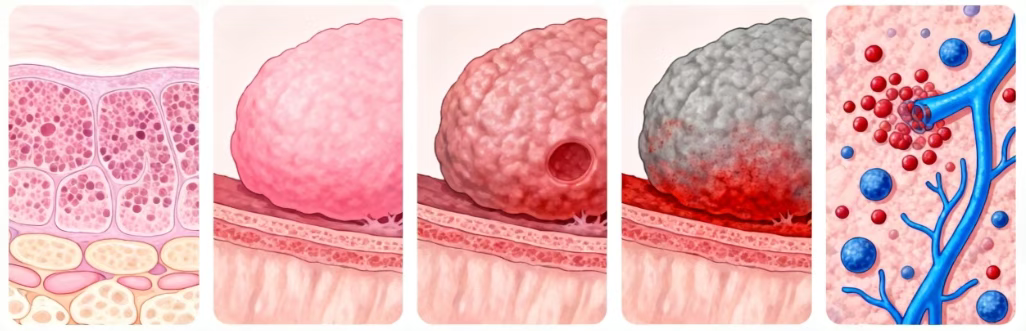
These Individuals are at High Risk for Colorectal Cancer
If you fit the following descriptions, you need to be extra vigilant:
Age Factor: Risk increases with age, rising significantly especially after age 40.
Family History: Individuals with a family history of colorectal cancer have a higher risk than the average person.
Personal Bowel Disease History: A personal history of intestinal polyps, ulcerative colitis, or Crohn's disease
Unhealthy Lifestyle Habits:
Poor Dietary Habits: Preference for red meat (pork, beef, lamb) and processed meats, coupled with a lack of dietary fiber.
Poor Lifestyle Habits: Long-term smoking, heavy alcohol consumption, lack of exercise, and obesity.
"Alarm Signals" from Your Body
When the following "danger signals" appear, be sure to seek medical examination promptly:
Change in Bowel Habits: For example, sudden constipation, diarrhea, or alternating between the two, lasting for several weeks.
Change in Stool Appearance: Stools become thin, flat, or have grooves.
Blood in Stool: Dark red or bright red blood mixed in the stool, or black, tarry stools.
Abdominal Discomfort: Persistent abdominal pain, bloating, cramps, or the sensation of a mass.
Tenesmus: A constant feeling of needing to have a bowel movement, but feeling like you can't fully empty your bowels.
Unexplained Weight Loss / Anemia / Fatigue: Unintentional, persistent weight loss without dieting.
How to Screen and Diagnose Effectively?
Screening is a powerful tool for detecting early-stage cancer and precancerous lesions (polyps)!
Fecal Occult Blood Test (FOBT): Non-invasive and economical, it's a good method for initial screening.
Colonoscopy: The "gold standard" of screening. It can not only detect tiny polyps as small as a few millimeters but also directly remove them during the procedure, effectively blocking the cancer progression process.
It is recommended that the general population begins risk assessment at age 40 and starts screening from age 45. High-risk individuals should start screening earlier and more frequently.
What if You Are Diagnosed?
Please don't panic! Treatment methods for colorectal cancer are now very advanced, and outcomes are closely related to the stage at discovery.
Early-Stage Colorectal Cancer: The cure rate can be over 90% through endoscopic resection or surgery.
Mid-to-Late-Stage Colorectal Cancer: A comprehensive treatment plan primarily involving surgery, supplemented by chemotherapy, radiotherapy, targeted therapy, and immunotherapy, can also significantly prolong life and improve quality of life.
Healthy Living is the Best Prevention
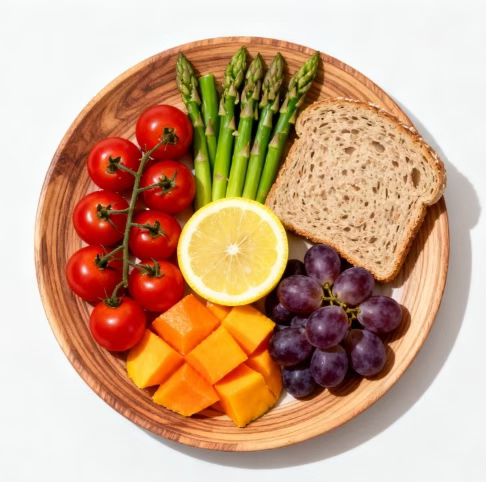
"Eat" for Health: Eat more foods rich in dietary fiber like vegetables, fruits, and whole grains; reduce the intake of red meat and processed meats.
"Move" for Vitality: Aim for at least 150 minutes of moderate-intensity exercise per week.
Break Bad Habits: Quit smoking decisively and limit alcohol intake.
Control Your Weight: Avoid abdominal obesity.
Regular Screening: Incorporate colonoscopy into your health management plan.
Colorectal cancer is not terrifying; what's terrifying is we ignored it or take no attention . Proactively acquiring knowledge, developing healthy habits, and bravely undergoing scientific screening are our sturdiest shields for self-protection. Let's start today and work together to protect our long-term bowel health!