Riding the Momentum of the Cloud, Hearing the Thunder in Silence
Riding the Momentum of the Cloud, Hearing the Thunder in Silence
A Record of Building the Northwest’s First Cloud-Based Hospital
Foreword
Information technology has become a vital tool for enhancing the scientific management, medical service quality, and operational efficiency of hospitals. Accelerating IT development is essential for advancing hospital reform, implementing tiered diagnosis and treatment policies, and promoting high-quality growth. Guided by the principle of "practicality and operational efficiency," our hospital adheres to the National Standards and Specifications for Hospital Informatization (Trial) and focuses on evaluations such as Electronic Medical Record Application Level Grading and Healthcare Information Interoperability Maturity. We are committed to building a smart, digital cloud hospital with high-standard planning and execution. By leveraging cutting-edge technologies including cloud computing, big data, IoT, mobile health, and AI, we have comprehensively optimized patient pathways. Our goal is to create a top-tier, leading smart cloud hospital in the northwestern region.
By addressing actual needs, breaking down data silos, and restructuring workflows and information ecosystems, we aim to establish an intelligent, digital, and eco-friendly cloud hospital characterized by smart architecture, digital healthcare, networked services, informatized management, and socialized resources.

Today, our hospital’s IT infrastructure has become a driving force behind sustainable, high-quality development. Built on a "Cloud + Platform + Smart Applications" framework, it offers patients a modernized experience while continuously elevating management standards and embracing the new era of medical cloud data. Our hospital has achieved the following:
• Level 4 grading in Electronic Medical Record System Function Application
• Level 4B rating in the National Healthcare Information Interoperability Standardization Maturity Assessment
• Level 2 rating in the National Smart Hospital Evaluation
• Level 3 certification in the National Information System Security Level Protection Assessment
Several of our IT projects have also been recognized, including a Gansu Regional Excellence Award in the 2021 5th Smart Healthcare Innovation Competition and three third prizes in the Smart Hospital HIC Case Competition.
I. Full-Scale Cloud Adoption Promotes Energy Efficiency and Emission Reduction
As the first hospital in the Northwest to fully migrate all services to the cloud, we pioneered a dual-site, three-data-center architecture based on distributed cloud virtualization technology. This has substantially improved resource utilization.
Our on-site data center integrates physical servers, a Lenovo cloud platform, and a Huawei cloud platform as the production hub. A total of 20 physical servers—6 standard servers and 14 hyper-converged devices—have been deployed, supporting 91 virtual servers that host 54 core systems and databases such as HIS, LIS, and PACS. The China Unicom cloud resource pool in the same region serves as the application disaster recovery site for critical services. Additionally, the Lanzhou Cloud Data Center acts as the off-site backup resource pool, enabling real-time synchronization of all operational data to ensure comprehensive and rapid recovery.
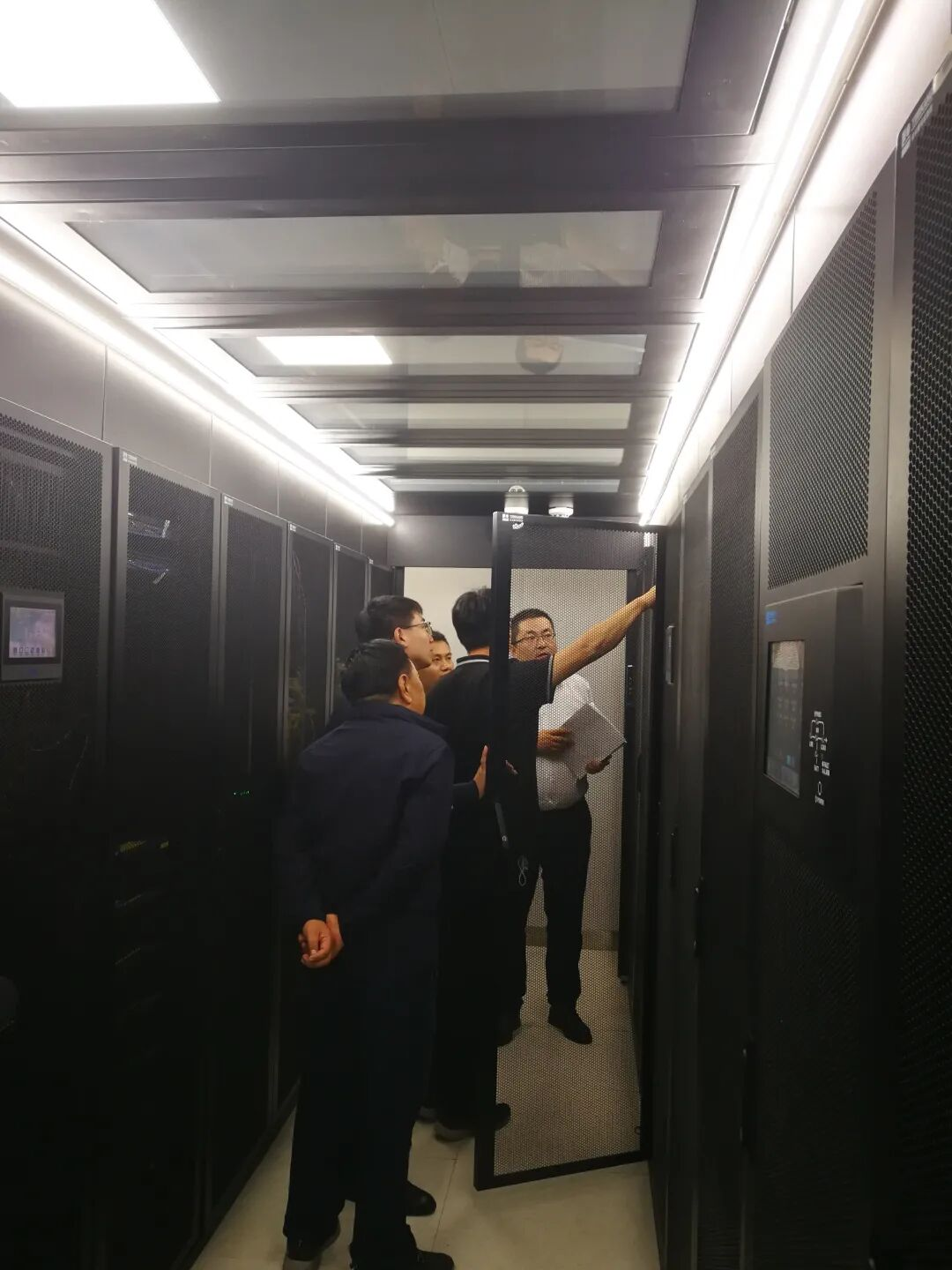
"Smart Healthcare" Cloud Resource Pool
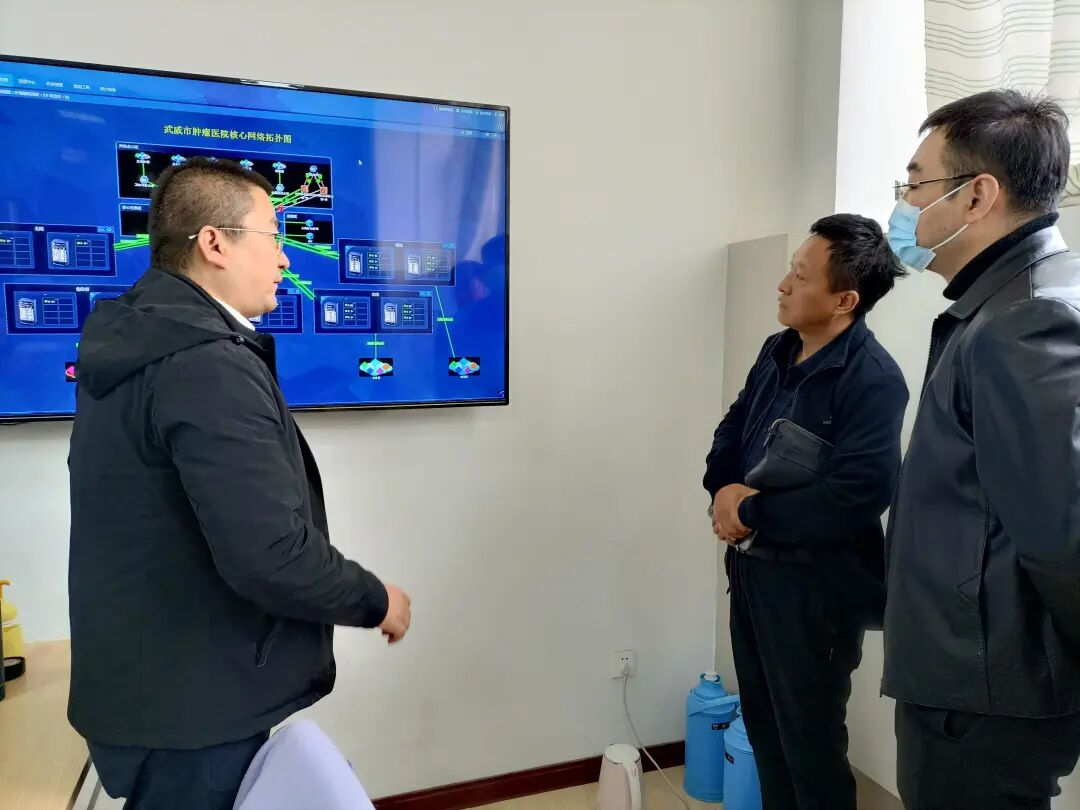
Under our multi-campus model, cloud servers enable seamless interoperability among the Main Campus, Heavy Ion Campus, East Campus, South Campus, and North Campus. A standardized three-layer network architecture has been established, with 10-gigabit connections from campus aggregation switches to the core and gigabit speeds to desktops. A zero-roaming wireless network has served over 500,000 users to date.
All inpatient and clinical units across the five campuses have transitioned from traditional PCs to cloud desktops, totaling 650 terminals. This shift enables unified cloud management and system deployment, supporting sustainability through lower energy consumption and operational efficiency. By significantly reducing power usage and maintenance pressure, the hospital has improved system security and resilience, advancing our goal of becoming China’s first "Dual-Carbon" compliant hospital.
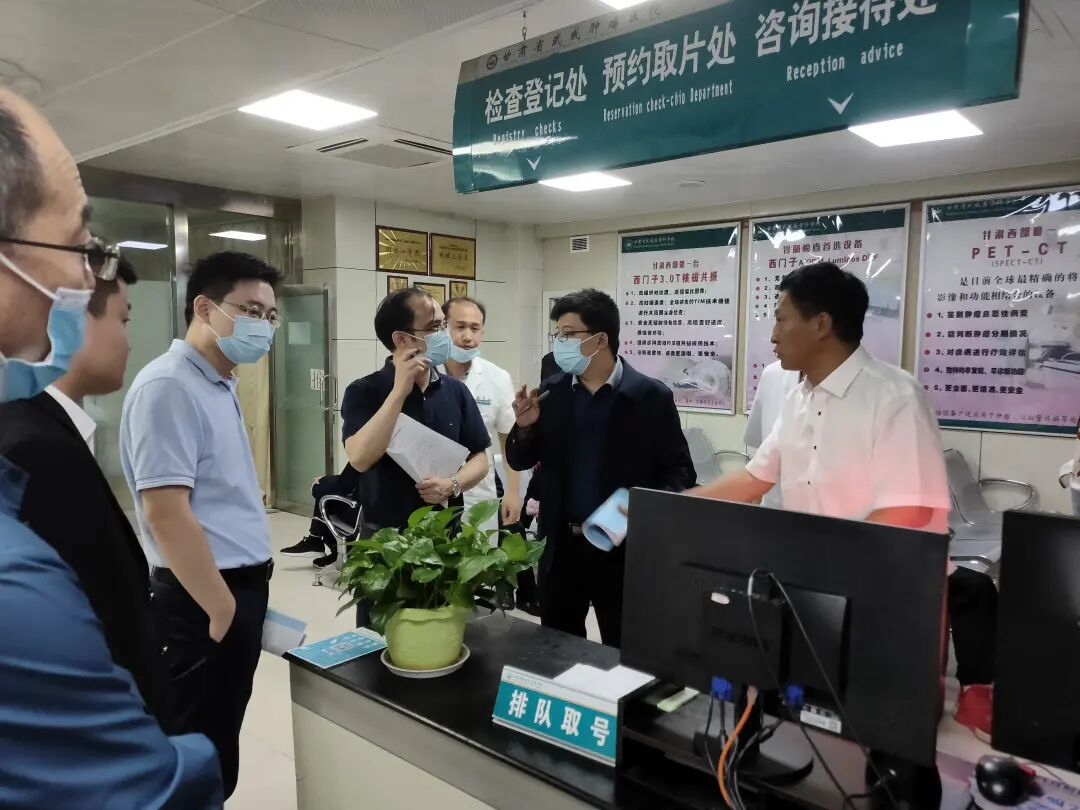
Cloud Desktop
II. Adopting Standardized Software to Drive Intelligent Construction
To support the collaborative development of multiple campuses, our hospital has strictly adhered to the guiding principle of "One Platform, Two Standard Systems, Three Major Centers, Four Types of Business Applications, One Intelligent Decision-Making System, and One Unified Portal" in its development. We have built a high-standard, integrated, and sustainable clinical business system centered on the patient and structured electronic medical records. Over ten systems, including HIS, LIS, PACS, Hospital Infection Management System, Equipment Management System, Physical Examination System, Endoscopy System, ECG System, and Pathology System, have all been integrated into a unified platform. This achieves standardized patient and data management, and implements closed-loop management for certain critical functions like critical value alerts.
We have established a patient-centered Clinical Data Center to collect and organize clinical data. This meets the needs of hospital clinical departments for clinical research, supports process management and clinical decision-making within clinical workflows, strengthens medical service quality, and aids in enhancing overall clinical proficiency.
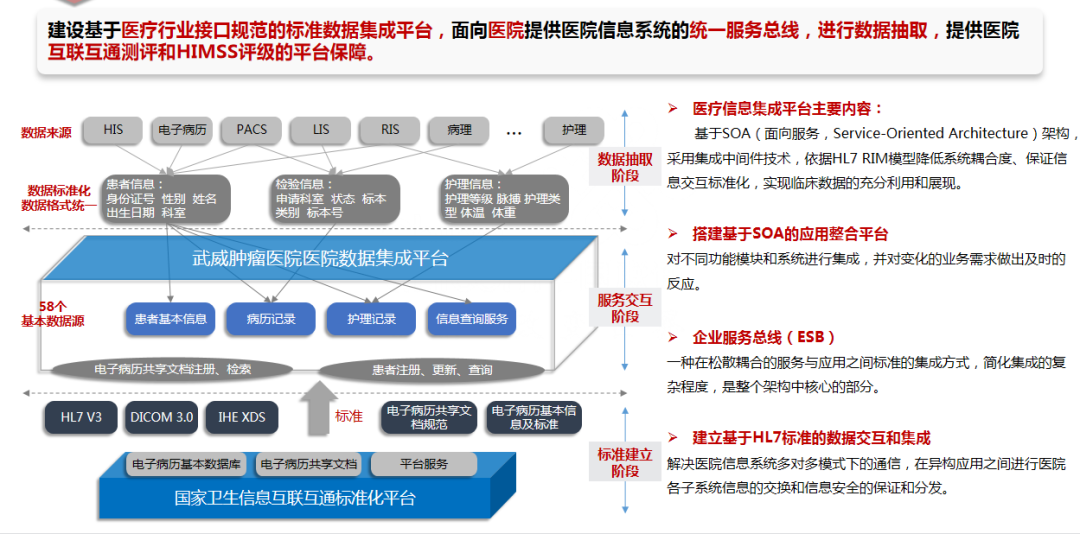
Hospital Information Integration Platform
III. Comprehensively Implementing Paperless Operations through Multiple Measures
To provide patients with smarter, more efficient, convenient, safe, and personalized healthcare experiences during their visits, our hospital has successfully implemented an electronic invoice system. This system offers numerous advantages, including synchronized payment processing, automatic issuance, real-time querying, easy storage, on-demand printing, loss prevention, and environmental friendliness. These electronic invoices are regulated by the finance department and hold the same legal validity as paper invoices. The system reduces patient wait times at windows while improving window operational efficiency, thereby enhancing the overall patient experience.
Furthermore, patients can apply for an electronic health card through multiple channels and use it for registration and medical consultations. This enables cross-system, cross-institution, and cross-regional interoperability and information sharing between residents and medical facilities, among different medical institutions, and between medical institutions and relevant public service departments. The connection to a medical image sharing platform, utilizing standardized medical information technology, allows for the sharing and exchange of examination and test information among regional medical institutions, enabling mutual access and consultation.
Through a collaborative client, healthcare providers can query a patient's medical history across hospitals within Gansu Province, view medical orders, examination and test results, and medical records. This facilitates two-way referrals between higher-level and lower-level hospitals, supports user-friendly clinical systems, improves the patient experience, and increases patient satisfaction.
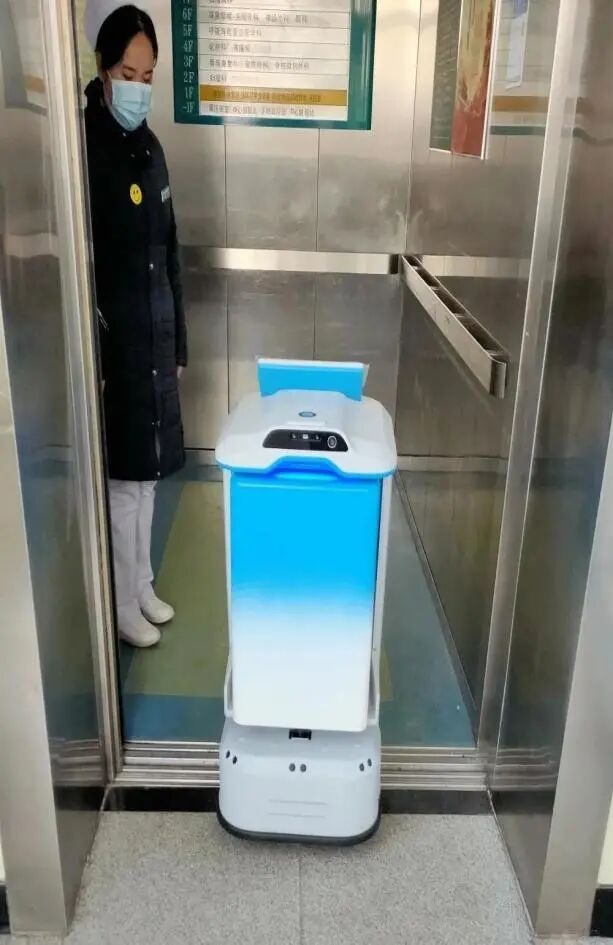
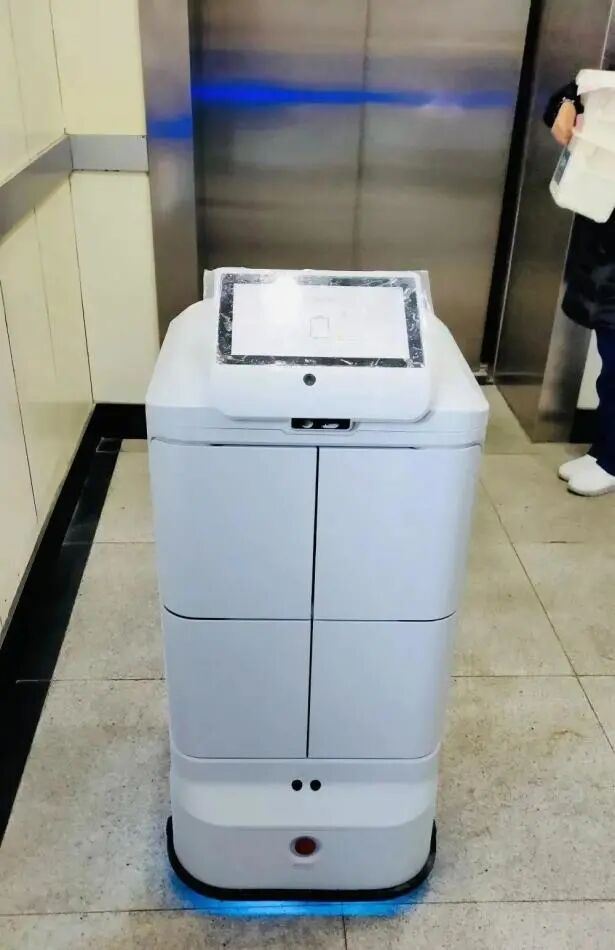
The inpatient pharmacy has also gained an agile new "colleague" – a medicine delivery robot put into operation by our hospital. Utilizing advanced communication technology, it interfaces with elevators, can use the elevator independently, and automatically avoids obstacles. Most importantly, it can accurately deliver medications needed by wards to the respective nursing stations on each floor in a timely manner. Nursing staff retrieve the medicines using facial recognition technology before delivering them to the patients. The introduction of automated dispensing robots effectively avoids occupational exposure risks and needlestick injuries for medical staff.
IV. Leveraging Massive Data to Support Scientific Decision-Making
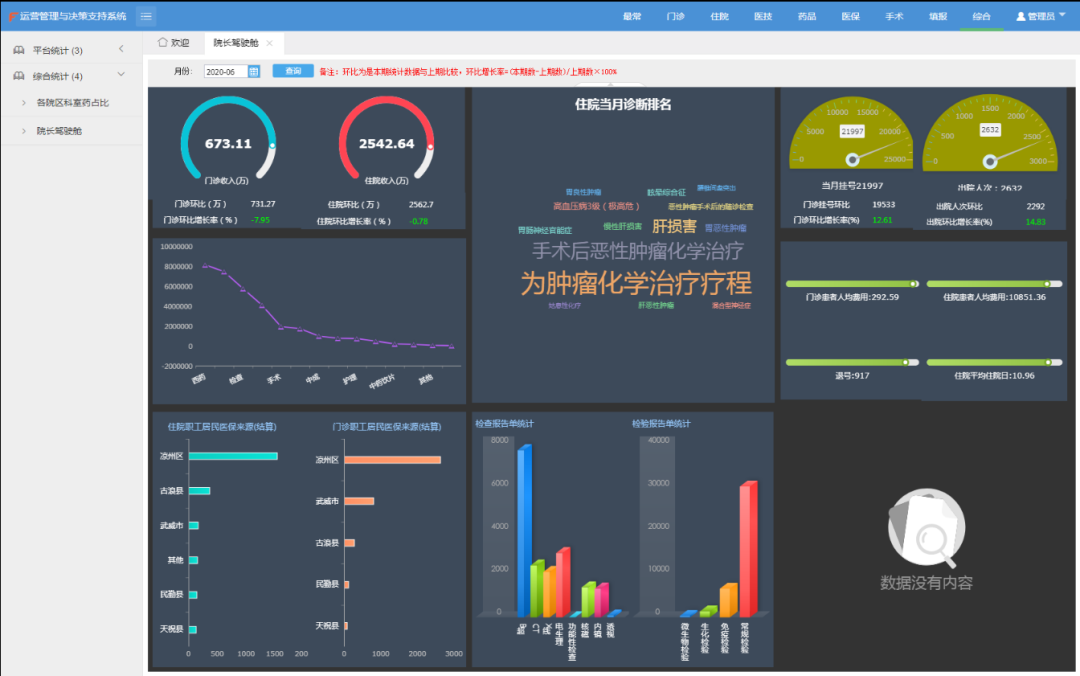
Hospital Business Intelligence is used to effectively consolidate data currently scattered across various business systems within the hospital. It provides fast and accurate statistical queries, analytical reports, online analytical processing, operational forecasts, ad-hoc queries, and real-time decision-making support. It enables centralized, rapid visualization and decision analysis amidst the hospital's multi-dimensional, multi-departmental, multi-treatment plan, and multi-diagnostic information environment. It is an important tool for the hospital to achieve its strategic goals and make informed operational decisions during its management processes.
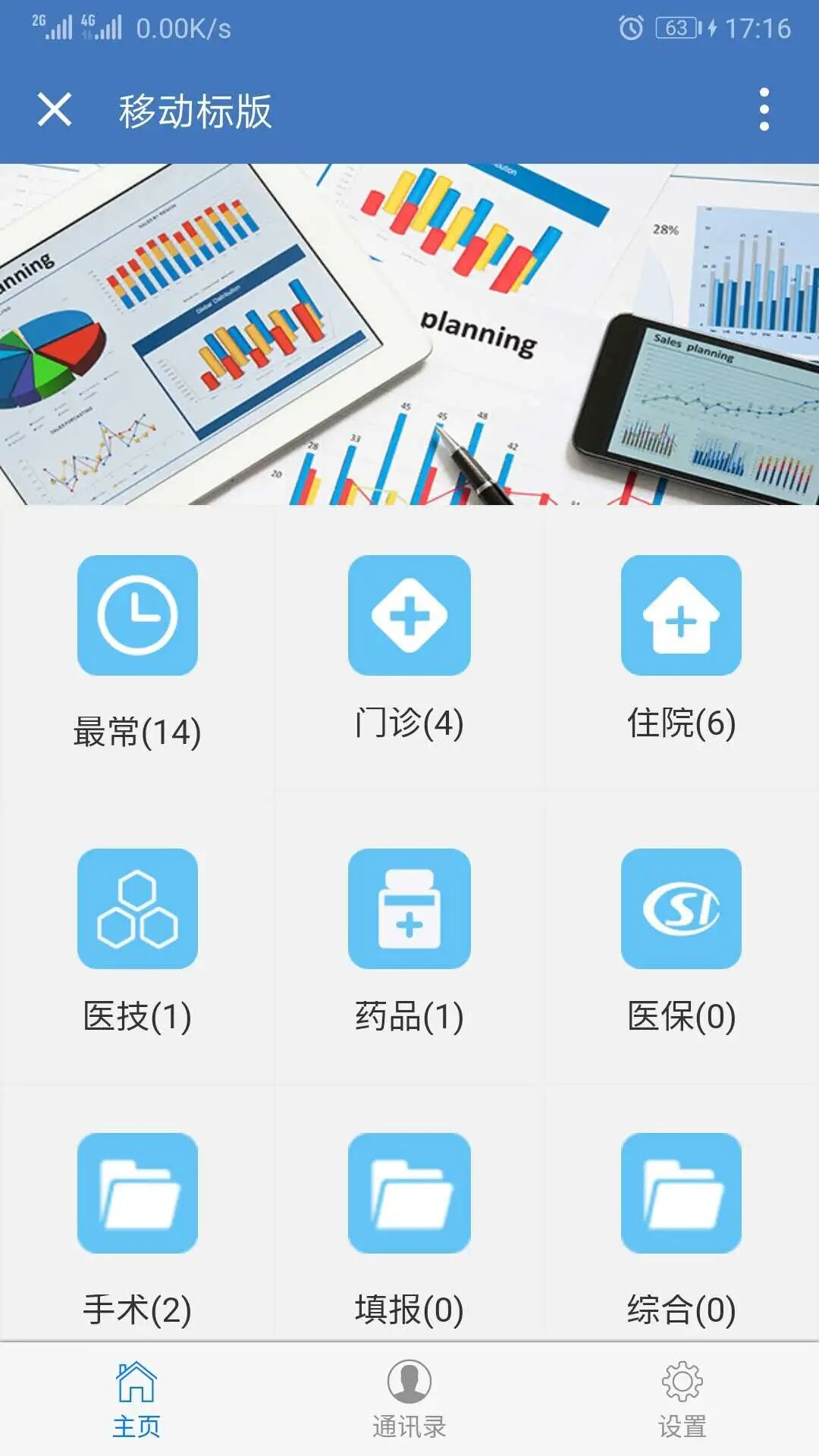
The Rational Drug Use System provides guidance on appropriate administration times and methods based on prescriptions, suggests intervals for combined drug use, and displays common adverse reactions and countermeasures. Supported by a comprehensive drug knowledge database and medication rules, it assists pharmacists in providing patients with scientific medication guidance.
As the first pilot unit for salary reform in Wuwei City, our hospital's Performance Management System is guided by the hospital's development strategy and framed by its assessment regulations. It incorporates factors such as the technical difficulty of work, risk level, service quality, and cost control into staff evaluations. This helps the hospital gradually transition from a performance model based on revenue/expense balance to one based on workload. This shift moves away from profit-driven incentives, reaffirms the commitment to public welfare, and truly enhances services for the regional population, safeguarding their lives and health.
V. Comprehensively Optimizing Medical Treatment Processes to Improve Patient Experience
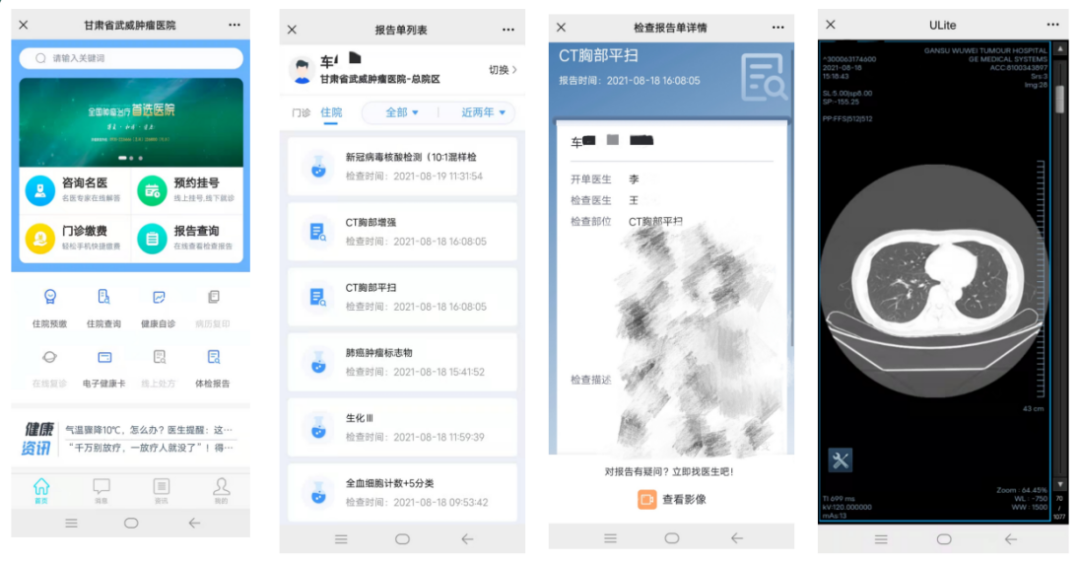
"Internet Hospital" Cloud-based Medical Imaging
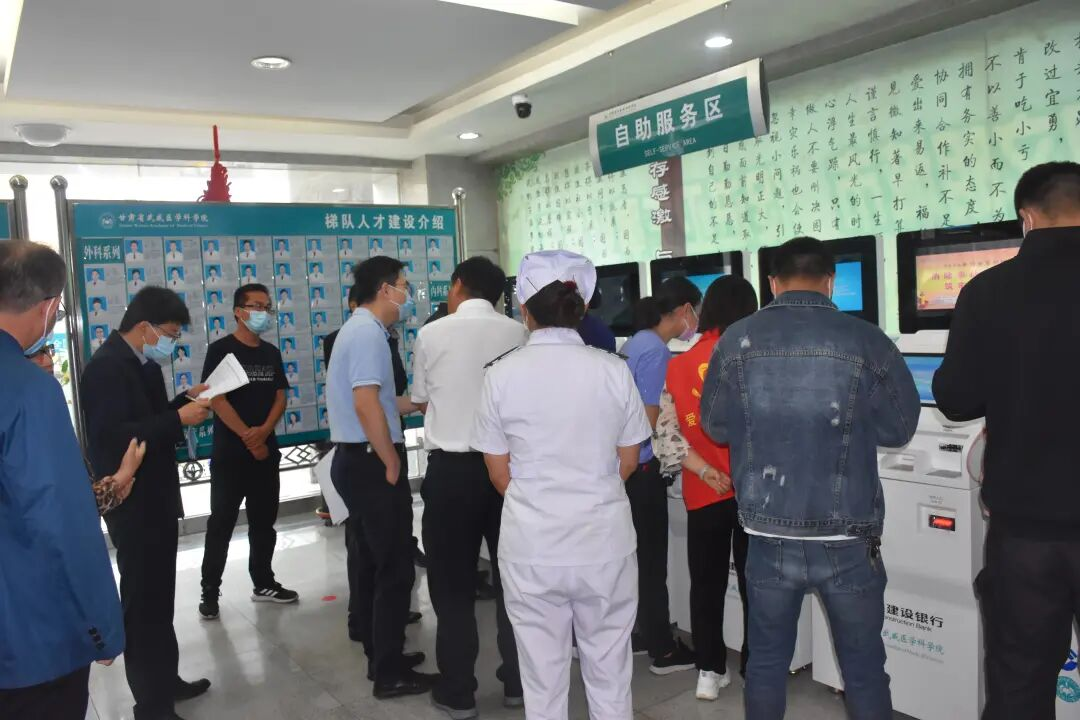
Self-service Kiosk
Leveraging information technology, the hospital promotes the interoperability of medical information, optimizes patient pathways, enhances the patient experience, and improves operational efficiency and management standards. The internet hospital enables every patient to use their mobile phone to view their personal historical appointments and medical records, including outpatient/inpatient visit history, medications, treatment details, related costs, and图文 reports for examination and test orders. It is the first hospital in Wuwei City where patients can access their cloud-based medical imaging films via the internet hospital. Self-service terminals streamline processes such as registration, payment, printing test reports and imaging films, and inquiring about cost details, significantly boosting efficiency and public satisfaction with the hospital.
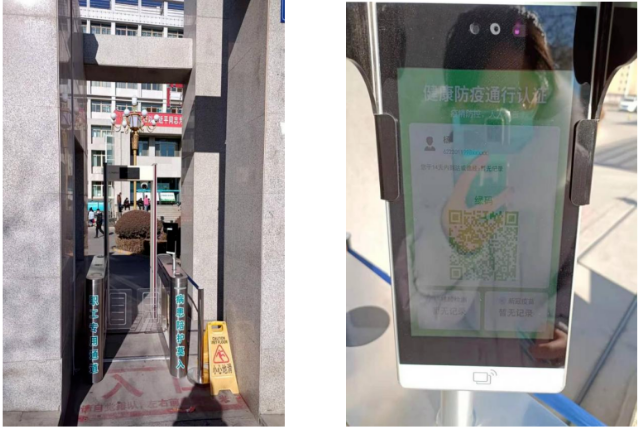
Smart Face Recognition Health Code Access Control System
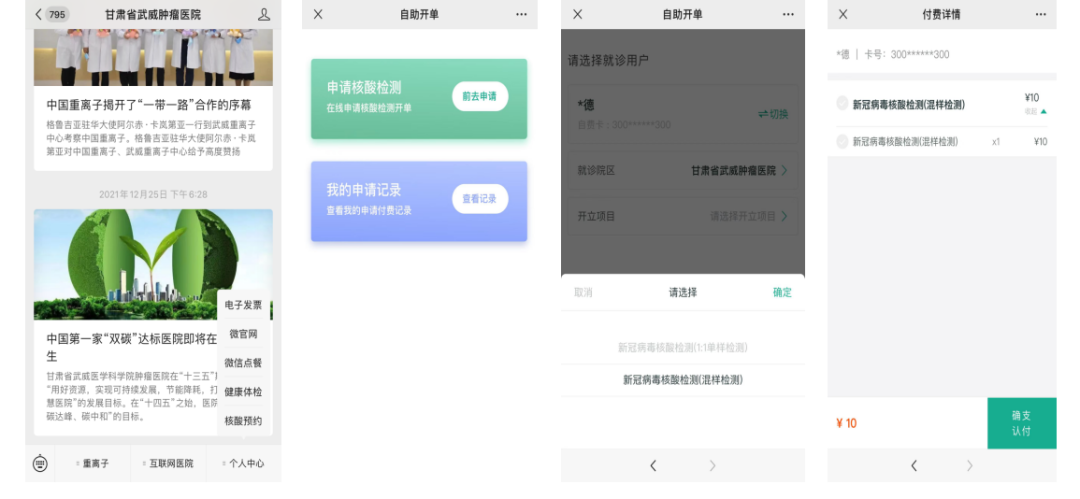
"Fast Nucleic Acid Test Appointment" System
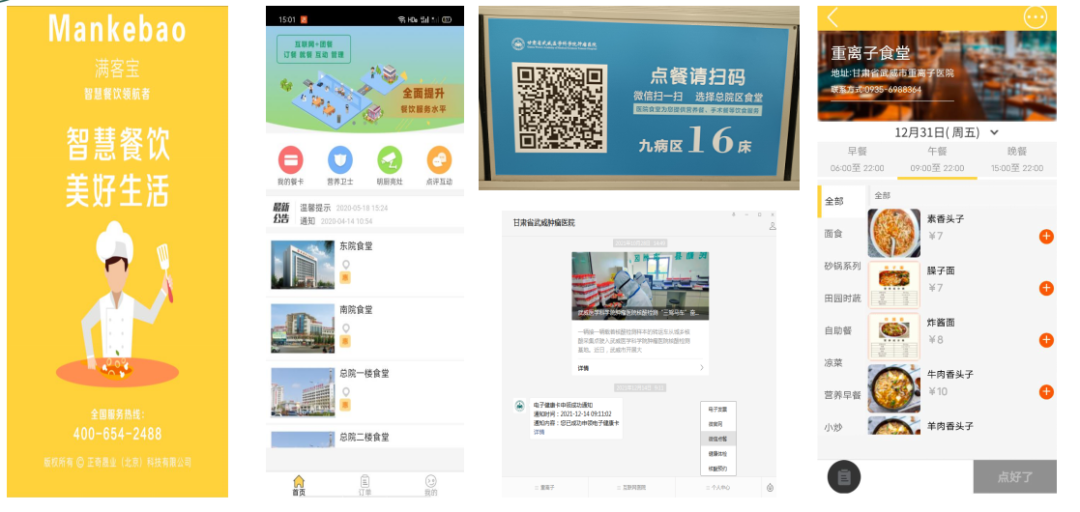
Ward QR Code Ordering System
During the COVID-19 pandemic, as the primary institution providing public health services and safeguarding public life and health, our hospital undertook nucleic acid testing for the city's "all who should be tested" population, those "willing to be tested," and individuals returning to work or production. The hospital activated three nucleic acid testing sites as testing bases, vigorously supporting Wuwei City's large-scale mass testing efforts. Online appointment booking and fast-track channels were established, allowing patients to appointment, pay directly, and proceed to sampling conveniently. Multiple contactless pandemic response measures were implemented, including pre-check triage channels with infrared temperature screening, verification of travel codes and nucleic acid test reports, and contactless registration via information systems scanning ID cards. Hospital staff accessed the campus through facial recognition turnstiles, and dedicated channels for medical staff utilized smart facial recognition health code access. To address patient dining needs, unique QR codes were created for each hospital bed, allowing patients to order meals online by scanning the code specific to their bed and pay via WeChat, all without leaving their rooms.
As the first hospital in Northwest China to fully migrate all services to the cloud, the construction and implementation process encountered challenges. However, under the leadership's sound decision-making, various difficulties were overcome, ultimately forging a path for building a smart cloud hospital. By integrating the hospital's actual conditions, breaking down departmental barriers, achieving hospital-wide process reengineering, reconstructing the information ecosystem, and enabling efficient resource integration and sharing, the hospital has interconnected and fostered shared participation among patients, healthcare providers, management, and services within a closed-loop system.
The development of informatization is a perpetual journey! In the future, smart hospitals and smart healthcare will provide an inexhaustible source of power for service optimization, efficiency enhancement, and comprehensive development across the healthcare industry. While times change, the essence of healthcare remains constant: the continuous improvement and enhancement of patient service will always be the foremost principle supporting the innovative development of hospital intelligence.
Smart hospitals benefit patients!