Liver Alert | The Silent Organ, the Not-So-Silent Killer – Liver Cancer
Liver Alert | The Silent Organ, the Not-So-Silent Killer – Liver Cancer
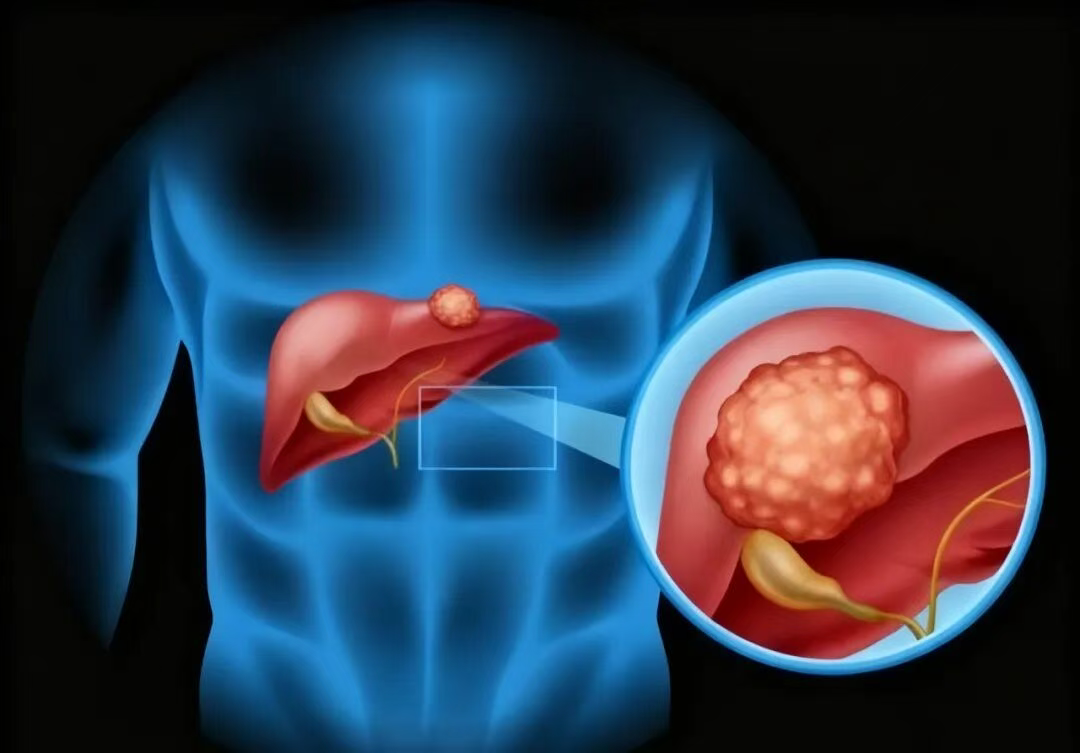
Inside our bodies, the liver is a hardworking "mute organ." It is incredibly functional, responsible for metabolism, detoxification, and synthesis, but even when tired or injured, it often doesn't make a sound. It is precisely this "silence" that means liver cancer, once discovered, is often already in an intermediate or advanced stage, making treatment significantly more difficult. Today, let's lift the veil on this "silent killer" and learn how to protect our precious liver.
I. Understanding Liver Cancer: Why Is It So Dangerous?
Liver cancer is mainly divided into two categories:
Primary Liver Cancer:Cancer that originates in the liver itself, with Hepatocellular Carcinoma (HCC) constituting the vast majority (85%-90%).
Metastatic Liver Cancer:Cancer cells from other organs "travel" to and settle in the liver; this is more common.
The dangers of liver cancer lie in:
Strong Concealment:Early-stage liver cancer basically has no symptoms.
Rapid Progression:The liver has a rich blood supply, making it easy for cancer cells to grow and metastasize.
Frequent Underlying Liver Disease:Patients often have underlying liver conditions like cirrhosis or hepatitis, which poses challenges for treatment.
II. High-Risk Groups: These Categories of People Need Extra Vigilance!
If you or your family members fall into the following categories, it is essential to be highly alert and undergo regular screening:
Individuals with Viral Hepatitis:Hepatitis B and Hepatitis C are the most significant factors leading to liver cancer. Approximately 80% of liver cancer cases in China are related to Hepatitis B infection.
Patients with Liver Cirrhosis:Cirrhosis, regardless of the cause, is "fertile ground" for liver cancer.
Long-Term Heavy Drinkers:Alcohol and its metabolites directly damage liver cells, leading to the "four-step process": alcoholic fatty liver disease → hepatitis → cirrhosis → liver cancer.
Patients with Non-Alcoholic Fatty Liver Disease (NAFLD):With improved living standards, fatty liver disease caused by obesity and diabetes has become another important "culprit" behind liver cancer.
Long-Term Consumers of Food Contaminated with Aflatoxin:Aflatoxin is a potent carcinogen, commonly found in moldy peanuts, corn, rice, and other grains.
Individuals with a Family History of Liver Cancer:The risk increases, especially if first-degree relatives have had liver cancer.
Men Over 40 Years Old:The incidence rate is significantly higher in men than in women, requiring greater attention
III. Warning Signs: The Liver's "Cry for Help"
Although early signs are not obvious, if you experience the following combination of symptoms, seek medical attention immediately:
Liver Area Pain:Persistent or intermittent dull pain or bloating pain in the upper right abdomen (liver area).
Systemic Symptoms:Unexplained fatigue, weight loss, fever, loss of appetite, nausea, and vomiting.
Jaundice:Yellowing of the skin and whites of the eyes, dark urine the color of strong tea.
Physical Changes:Abdominal distension (ascites), skin itching, bleeding gums, easy bruising.
"Liver Palms" and "Spider Angiomas":Abnormal redness of the palms (palmar erythema), or the appearance of small, red spots with radiating capillaries on the skin (spider angiomas).
Remember:The appearance of symptoms often indicates the disease is no longer in its early stages. Do not wait until symptoms appear to take action.
IV. Early Screening: How to Uncover "Lurking" Liver Cancer?
For high-risk groups, regular screening is key to saving lives! The recommended plan is as follows:
Tests:Combined testing using "Serum Alpha-fetoprotein (AFP) + Liver Ultrasound."
Frequency:Every 6 months.
Why these tests?
Alpha-fetoprotein (AFP):A tumor marker that is elevated in approximately 60%-70% of liver cancer patients.
Liver Ultrasound:Non-invasive, convenient, low-cost, and effective at detecting liver masses as small as 1-2 cm in diameter.
If abnormalities are found in the combined screening, doctors may recommend further tests such as contrast-enhanced CT or MRI to confirm the diagnosis.
Important Note:The "abdominal ultrasound" included in routine physical exams is very important. Please do not casually forgo this test.
V. Treatment Methods: Modern Medicine's "Combined Arsenal"
If diagnosed, please do not panic. Treatment options for liver cancer are increasingly diverse and need to be decided comprehensively based on tumor stage, liver function status, etc.:
Surgical Treatment:Includes liver resection and liver transplantation; these are the primary methods with the potential for cure.
Local Ablation Therapy:For small, early-stage liver cancers, techniques like radiofrequency or microwave ablation can precisely "burn" the tumor like a "microwave oven," offering minimal trauma and fast recovery.
Interventional Therapy (TACE):A common treatment for intermediate and advanced liver cancer. It involves injecting chemotherapy drugs and embolic agents into the artery supplying the tumor to "starve" and "poison" the cancer cells.
Radiation Therapy:Precision radiotherapy techniques like CyberKnife and proton therapy have become new powerful tools against liver cancer.
Targeted Therapy and Immunotherapy:This represents the biggest breakthrough currently in the treatment of intermediate and advanced liver cancer. Targeted drugs can precisely inhibit tumor growth, while immunotherapy mobilizes the body's own immune system to attack cancer cells, significantly extending patient survival.
The liver, this organ that works tirelessly for us, deserves our careful protection. In the face of liver cancer, we are not powerless. Starting from getting vaccinated, quitting drinking, watching our diet, undergoing regular screenings, and being vigilant for warning signs, we are fully capable of nipping this "silent killer" in the bud.
Protecting the liver is an investment in our most long-lasting health.
Please share this "Liver Alert" with everyone you care about!