Beware of the "King of Cancers" Pancreatic Cancer: Be Alert to These Signals!
Beware of the "King of Cancers" Pancreatic Cancer: Be Alert to These Signals!
In the medical field, pancreatic cancer is known as the "king of cancers," notorious for its insidious onset, rapid progression, poor treatment outcomes, and high mortality rate, making it a dreaded topic. Today, we will help you understand this dangerous disease, learn to identify early signals, and take preventive measures.
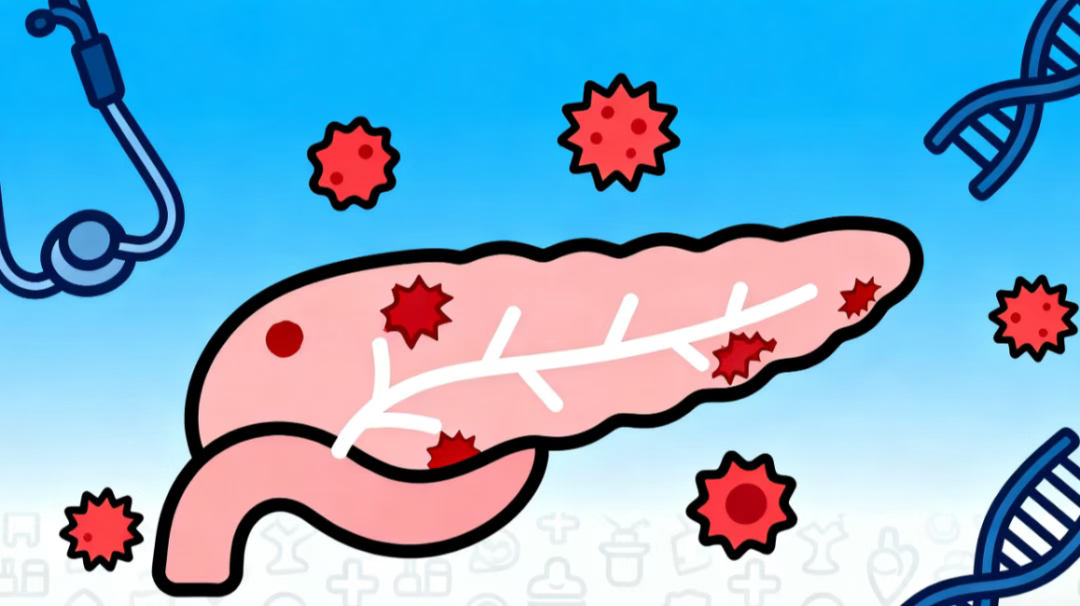
Why is Pancreatic Cancer So Dangerous?
The pancreas is deeply hidden in the abdomen, surrounded by organs like the stomach and duodenum, making its position concealed and early lesions difficult to detect. At the same time, the pancreas is surrounded by abundant blood vessels and lymphatic vessels, allowing cancer cells to metastasize easily in the early stages. Most patients are diagnosed at an advanced stage, losing the opportunity for radical surgery.
Be Alert to These Symptoms
When the following signals appear in the body, be wary of the possibility of pancreatic cancer:
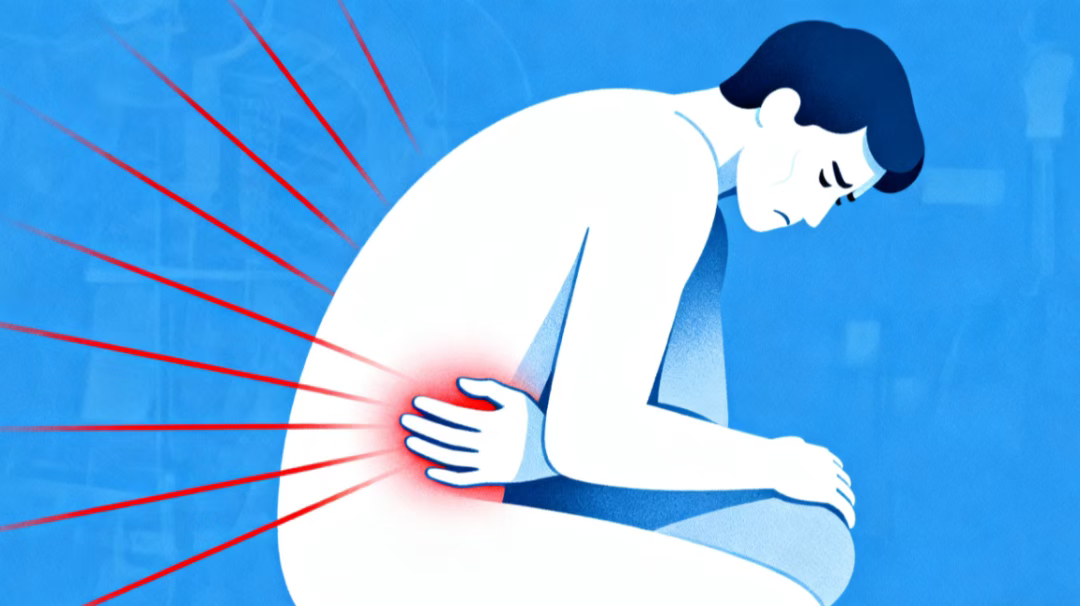
- Unexplained upper abdominal pain: Often manifests as persistent dull pain that may radiate to the back, worsens when lying flat, and improves when curled up.
- Progressively worsening jaundice: Presents as yellowing of the skin and eyes, dark tea-colored urine, clay-colored stools, often accompanied by itchy skin.
- Unexplained weight loss: Significant weight loss in a short period, accompanied by loss of appetite and fatigue.
- New-onset diabetes: Especially in individuals over 60 years old, with no family history, who suddenly experience elevated blood sugar that is difficult to control.
- Indigestion: Fatty stools, increased frequency of bowel movements, with oily and foul-smelling feces.
Who is at High Risk?
Pancreatic cancer does not affect everyone equally; it prefers certain specific groups. If you fall into the following categories, you need to pay extra attention to pancreatic health:
Long-term smokers and drinkers
Smoking is the number one controllable risk factor for pancreatic cancer. Carcinogens in cigarettes enter the pancreas through the blood, directly damaging cells. Studies show that smokers have a 2-3 times higher risk of developing pancreatic cancer than non-smokers, and the risk increases with the amount and duration of smoking.
Long-term excessive alcohol consumption can induce chronic pancreatitis, which is an important "catalyst" for pancreatic cancer.
Individuals with a family history of pancreatic cancer
If there is a history of pancreatic cancer in the family, especially among first-degree relatives like parents, children, or siblings, the risk of developing the disease increases significantly. This may be related to genetic mutations (such as BRCA1/2, etc.). Such individuals need to have stronger risk awareness.
Patients with chronic pancreatitis
Chronic pancreatitis involves persistent inflammation and fibrosis of the pancreas. Long-term inflammatory stimulation repeatedly damages pancreatic tissue, acting like "repeatedly inflamed soil" that may eventually "breed" the seeds of cancer.
Obese individuals and diabetics
Obesity: Especially abdominal obesity, leads to metabolic disorders in the body, creating a state of chronic inflammation, thereby increasing the risk of pancreatic cancer. A BMI over 30 should raise concern.
Diabetes: This is a bidirectional relationship that requires special attention. On the one hand, long-term diabetics are a high-risk group; on the other hand, recently onset diabetes, especially in individuals over 50 without a family history, can also be an early sign of pancreatic cancer. If blood sugar suddenly becomes difficult to control, be sure to investigate the cause.
Individuals over 45 years old with non-specific upper abdominal discomfort
Age is an important risk factor for most cancers, and pancreatic cancer is no exception. Its incidence increases significantly with age.
If you are above this age and experience repeated non-specific symptoms like upper abdominal fullness, vague pain, loss of appetite, fatigue, and weight loss that seem like "stomach problems," but show little improvement with stomach disease treatment, it is crucial to have the "awareness to check the pancreas" and not take it for granted.
Understanding whether you belong to a high-risk group is the first step in proactive health management. If you meet the above criteria, there's no need to be overly anxious, but you should be more vigilant, undergo regular targeted check-ups, and maintain good communication with your doctor.
How to Prevent Pancreatic Cancer?
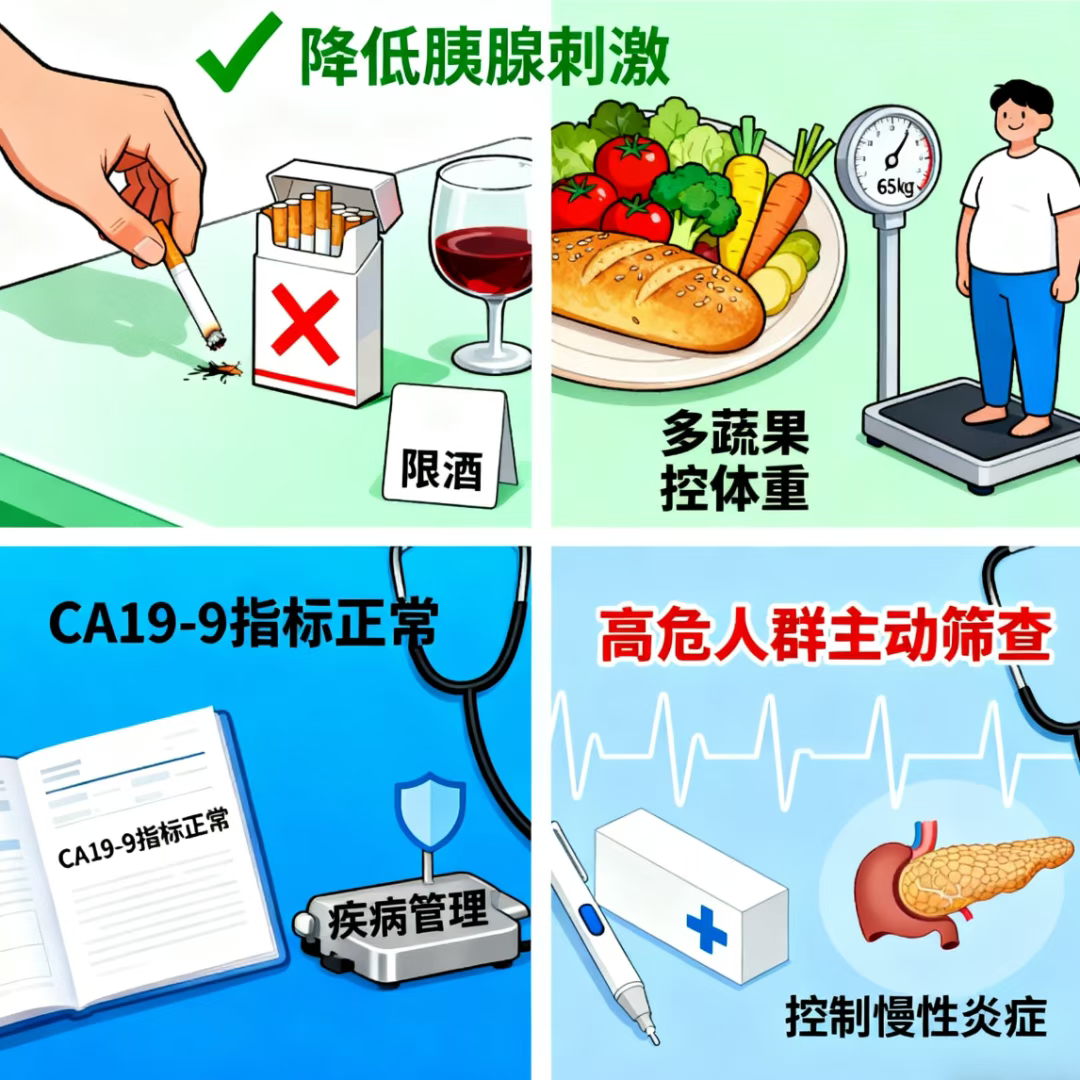
Quit smoking and limit alcohol:
Quitting smoking is one of the most effective measures to reduce risk; it's never too late to start.
Limiting alcohol not only protects the liver but also directly reduces chronic irritation to the pancreas, avoiding potential health risks.
Balanced diet, weight control:
It is recommended to eat plenty of fresh vegetables, fruits, and whole grains, and reduce the intake of red meat (like pork, beef, mutton) and processed meats.
Controlling weight, especially avoiding abdominal obesity, can effectively improve the body's metabolic level and reduce the burden on the pancreas.
Regular check-ups, targeted screening:
The general population can monitor their health status through regular check-ups.
For high-risk individuals mentioned above, they should proactively communicate with their doctor and consider more targeted examinations such as abdominal ultrasound, tumor marker tests (like CA19-9), or even enhanced CT or MRI if necessary, to achieve early detection.
Active treatment of underlying diseases:
Effectively managing and controlling diabetes and chronic pancreatitis is like disarming a "time bomb" in the body, significantly preventing the progression of the disease to cancer.
Although pancreatic cancer is dangerous, it is not entirely unpreventable. Being vigilant, paying attention to signals from the body, developing healthy lifestyle habits, and having regular check-ups are our best weapons against this "silent killer." If you experience the above symptoms, please seek medical attention promptly.