Everything You Need to Know About Radiation Therapy
Everything You Need to Know About Radiation Therapy
Radiation therapy is like a tailor-made "radiation scalpel" for tumor cells— a critical weapon in the fight against cancer.
The ionizing radiation it emits penetrates with precision, snippingthe DNA "lifeline" of tumor cells like scissors. This halts their ability to reproduce and grow, ultimately controlling or even eradicating the tumor.
The Principles of Radiation Therapy
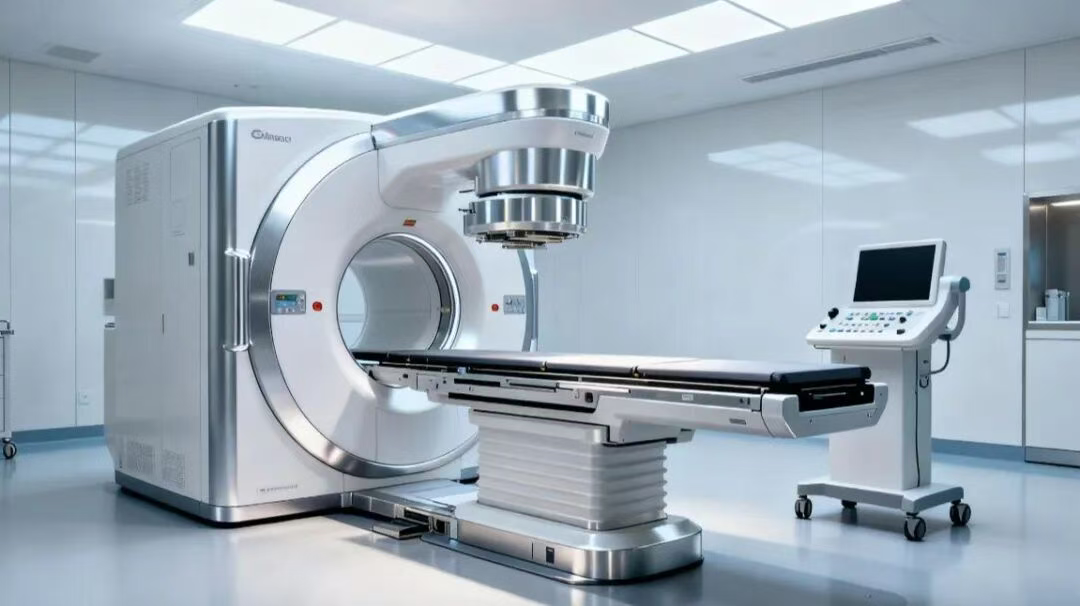
There are three "ace forces" in the fight against tumors: surgery, chemotherapy, and radiation therapy. Radiation therapy stands out as a classic precision strike force—one that targets localized lesions exclusively. While surgery removes tumors directly with a "scalpel," radiation therapy wields "radiation missiles" to deliver pinpoint bombardments, shattering tumor cells into fragments.
This force is remarkably versatile: it can fight solo or team up with other branches like surgery and chemotherapy. Data shows that 60%–70% of China’s anti-cancer campaigns rely on its involvement. In terms of efficacy, it ranks just behind surgery—the "top ace"—and in certain scenarios, it even outperforms surgery by a wide margin. What makes it even more valuable is its non-invasive nature: for older patients who refuse surgery or those with underlying health conditions that rule out an operation, radiation therapy serves as the perfect alternative.
The Process of Radiation Therapy
The full workflow of radiation therapy consists of 5 core steps, with each phase having distinct roles and working seamlessly together:
1. Assessment and Preparation
Conduct a comprehensive evaluation of the tumor (including its location, size, and stage) and the patient’s overall health via medical history review, physical examination, and imaging tests (e.g., CT/MRI). This step confirms eligibility for radiation therapy and drafts an initial treatment plan.
2. Positioning and Immobilization
Use imaging technologies to precisely locate the tumor. Meanwhile, secure the patient’s position with tools like thermoplastic masks (custom-molded to the face/head) or foam cushioning (to stabilize the body), ensuring consistent setup for every treatment session.
3. Treatment Planning
Based on the patient’s unique condition, define key parameters: radiation dose, treatment field (target area), beam energy/type, number of treatment fractions (sessions), and overall schedule. This generates a personalized plan optimized for tumor control while sparing healthy tissue.
4. Treatment Delivery
Once the plan is verified, the patient lies on the radiation therapy couch in the fixed position. The technician adjusts equipment settings (e.g., beam energy, field size) and administers the radiation. A single session typically takes a few minutes to 20–30 minutes.
5. Regular Follow-Up and Evaluation
During and after treatment, monitor tumor response (via imaging/blood tests) and the patient’s well-being. Adjust the plan dynamically if needed and manage side effects (e.g., fatigue, skin irritation) to ensure safety and efficacy.
Precautions for Radiation Therapy
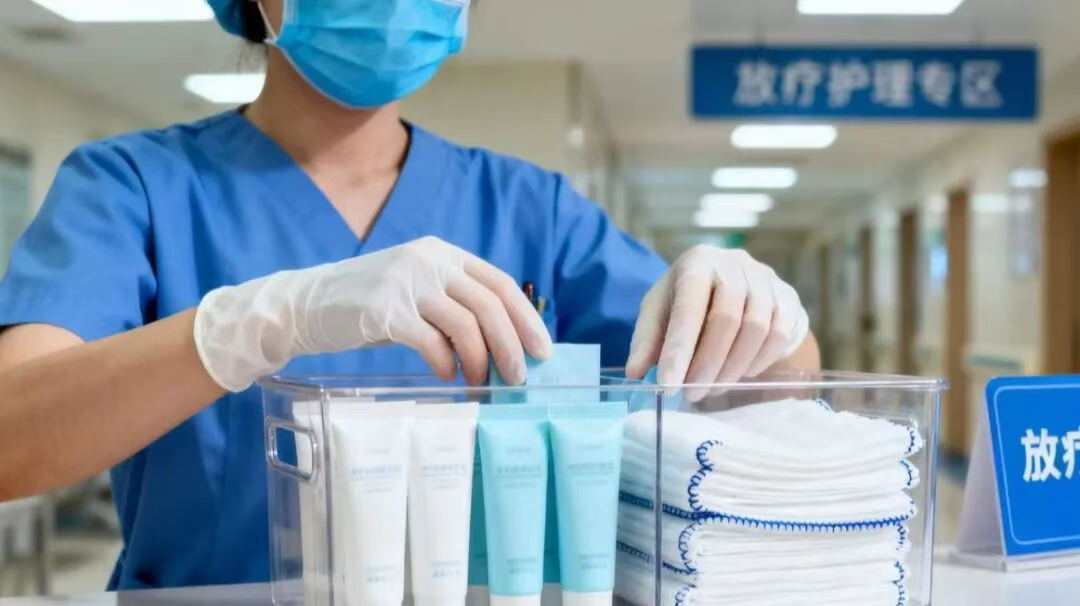
Nursing Care During Radiation Therapy: Focusing on These 6 Core Principles Can Reduce Discomfort and Support Treatment
1. Diet and Nutrition
Key Principle: Boost nutrition, avoid irritants– Increase intake of protein, vitamins, and minerals to strengthen immunity and promote tissue repair. Strictly avoid spicy or irritating foods that may interfere with treatment efficacy.
2. Rest and Activity
Guiding Principle: Prioritize adequate rest, opt for light activity– Ensure sufficient sleep and avoid overexertion. Engage in low-intensity activities like walking or yoga to build physical strength and immunity.
3. Skin Care
Critical Focus: Protect sensitive skin, address issues early– Avoid rubbing, scratching, or sun exposure on the irradiated area; keep skin clean. Report any redness, itching, or dryness to your doctor immediately.
4. Oral Hygiene
Top Priority: Maintain regular cleaning, be mindful of diet– Rinse your mouth promptly after meals to keep it clean. Avoid hard, hot, or irritating foods, and use mouthwash as prescribed by your doctor.
5. Personal Protection
Essential Rules: Remove metal, choose soft clothing– Do not wear metal items (e.g., watches, necklaces) during treatment, as they may affect efficacy. Wear loose, soft cotton clothes to reduce friction and skin irritation.
6. Regular Follow-Ups
Non-Negotiable: Stick to scheduled checks, report issues promptly– Attend follow-ups as directed by your doctor to monitor side effects. Contact your care team immediately if you experience discomfort or abnormal symptoms.
Radiation therapy is a powerful ally against tumors. To maximize its impact, here’s how you can prepare:
First, learn about its principles, treatment steps, and precautions—knowledge empowers you to stay calm.
Second, follow your doctor’s guidance closely and cooperate fully with every step.
Third, see yourself as the “captain” of your cancer fight: engage actively in your care.
This approach won’t just help suppress the tumor effectively—it will also minimize discomfort, keeping you steady on your journey and slowly reigniting hope for recovery.
Preliminary Review: Zhang Jie
Final Review: Ma Shuqian