Bone Pain: An Early Warning Sign of a Blood Tumor Disease!
Bone Pain: An Early Warning Sign of a Blood Tumor Disease!

In the past three months, Ms. Li's back pain has been progressively worsening, particularly at night. She initially visited the orthopedics department, but after examination, the doctor recommended she transfer to hematology or oncology. "Isn't it just bone pain? Why is it so complicated?" Ms. Li felt confused and puzzled.
In reality, many diseases can cause bone pain. In daily life, when people experience "bone pain," they often first think of "overexertion," "arthritis," or "osteoporosis," and usually try to alleviate it by resting or applying pain-relief patches on their own. However, if the bone pain recurs intermittently, persists without healing, or even gradually worsens, it needs to be taken seriously! This could be an "early warning signal" from hematological tumors such as leukemia or multiple myeloma.
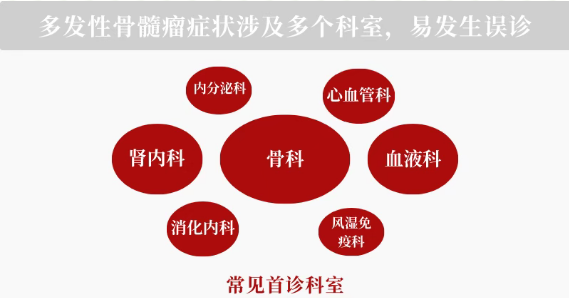
1. Which Blood Tumors Can Cause Bone Pain?
Blood tumors are not rare diseases. Their core issue is the abnormal proliferation of hematopoietic system cells, and the bone marrow is the central site for hematopoiesis. Once invaded by tumor cells, bone pain can occur.
• Multiple Myeloma: This most commonly presents with bone pain as the initial symptom, predominantly seen in middle-aged and elderly individuals. Tumor cells erode bone tissue like "borers." Early manifestations often include persistent dull pain in the lower back, spine, chest, or ribs that worsens at night; spontaneous fractures in ribs or sternum; as the disease progresses, pain can intensify continuously, even turning over or coughing severely might induce a fracture.
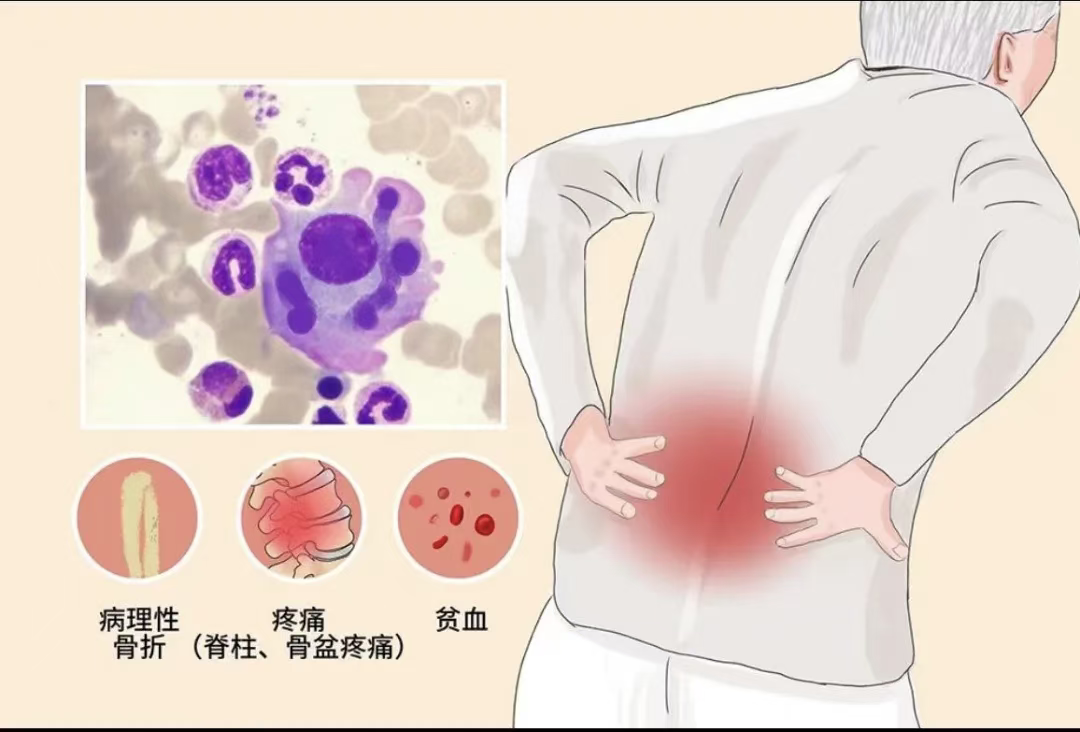
• Acute and Chronic Leukemia: Patients with acute or chronic leukemia can experience bone pain. Because the capacity of the bone marrow cavity is limited, the proliferation of large numbers of leukemia cells increases pressure within the cavity, leading to bone pain. Furthermore, leukemia cells can infiltrate and destroy the bone cortex and periosteum, worsening the pain. When children develop acute lymphoblastic leukemia, they may experience severe pain in the long bones of the limbs, which may not respond to painkillers and can be easily mistaken for "calcium deficiency," "growing pains," or juvenile idiopathic arthritis.
• Malignant Lymphoma: When bones are invaded by lymphoma cells, it can cause bone pain, usually localized to the affected area with tenderness. This is often accompanied by swollen lymph nodes in the neck, supraclavicular fossa, armpits, or groin.
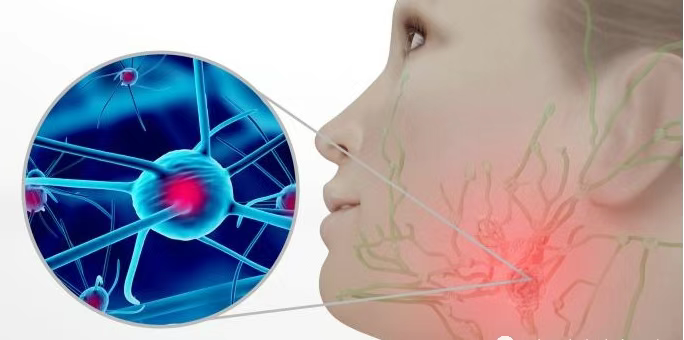
• Langerhans Cell Histiocytosis: This disease can affect multiple tissues and organs, with examinations revealing infiltrates of histiocytes in the lesions. Almost all patients have bone lesions, primarily manifested as osteolytic changes, especially common in the skull. Bone destruction can cause pain and local redness and swelling. Destruction of jaw and facial bones may be accompanied by loose or lost teeth.
• Bone Marrow Necrosis: In this condition, a large number of cells in the bone marrow dissolve and necrotize within a short period, leading to severe, intolerable bone pain that may not respond to various painkillers. Bone marrow necrosis is usually secondary to malignant tumors but can also occur in acute severe allergic reactions, envenomation, poisoning, etc., and rarely in severe infections like sepsis.
2. Bone Pain + These Symptoms Require Immediate Medical Attention
Bone pain alone may not indicate a tumor, but if it occurs alongside the following symptoms, it is crucial to be highly vigilant and seek prompt medical attention at a hematology department
• Signs of Anemia: Pale complexion, dizziness, fatigue, shortness of breath after minimal activity.
• Abnormal Bleeding: Bleeding gums, recurrent petechiae or bruising on the skin, persistent nosebleeds.
• Recurrent Fever: Body temperature persistently around 38°C, with poor response to common fever reducers.
• Sudden Weight Loss: Unexplained weight loss and decreased appetite in a short period.
3. How to Identify the Cause
• When bone pain is suspected to be related to a blood tumor, doctors typically use the following examinations for investigation
• Basic Tests: Complete blood count (to preliminarily assess for abnormalities in blood cells), blood biochemistry (to check liver and kidney function, calcium, and phosphorus levels, aiding in assessing bone destruction).
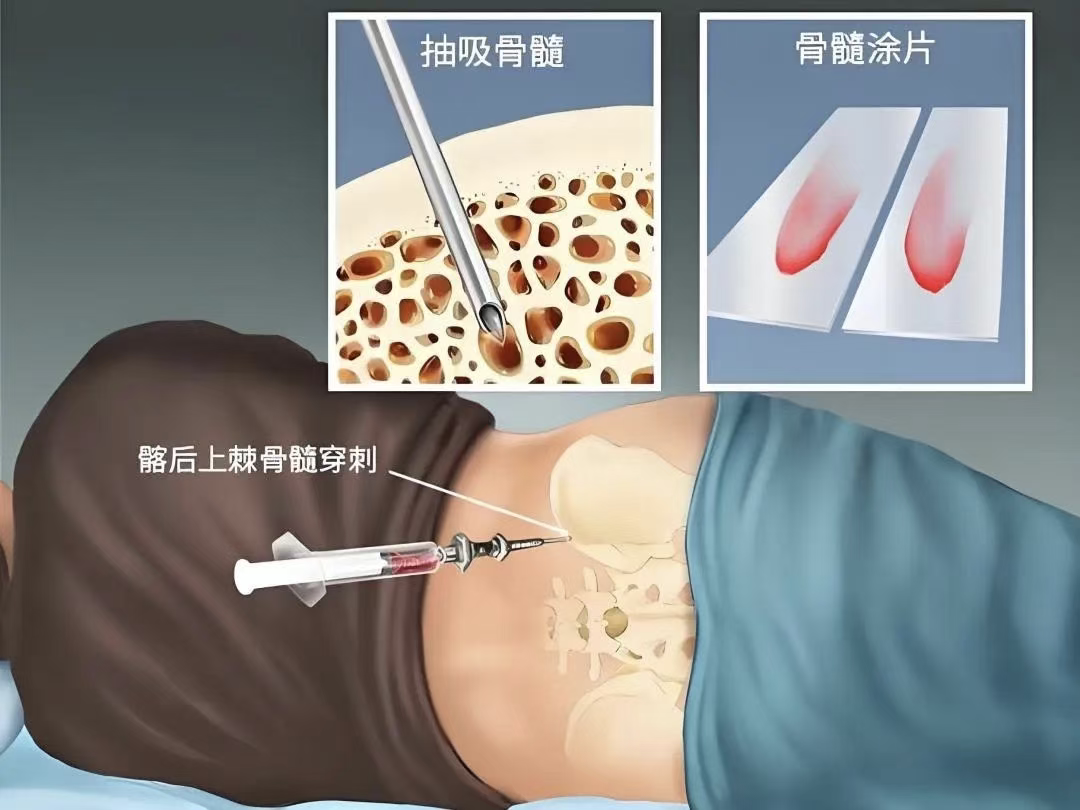
• Core Tests: Bone marrow aspiration and biopsy (directly observes cell morphology within the bone marrow, considered the "gold standard" for diagnosing hematological tumors).
• Auxiliary Examinations: Bone scan, CT, MRI, or PET/CT (to determine the location and extent of bone destruction and the status of systemic involvement).
4. Key Reminder: Early Detection = Better Prognosis
Many people overlook the signs of bone pain, leading to a diagnosis of blood cancer only at an intermediate or advanced stage. However, with advancements in new drugs and technologies like targeted therapy, immunotherapy, and hematopoietic stem cell transplantation, the 5-10 year survival rates for patients with early-stage blood cancers have significantly improved. For example, the cure rate for childhood acute lymphoblastic leukemia with early standardized treatment can exceed 85%.
Therefore, if you experience unexplained, recurrent, or worsening bone pain, don't just endure it—seek medical evaluation promptly. This is the most responsible choice for your health.
Important Reminder: Don't be afraid of bone marrow aspiration or biopsy! This is a routine examination method for suspected hematological or lymphatic system diseases. It is similar to getting an X-ray, CT, or MRI for a persistent cough or fever to check for pneumonia. Hematologists are skilled, making the procedure safe with minimal risk. After the procedure, patients can get up and move about normally without any functional restrictions or impact on activities.
Department of Oncology/Hematology
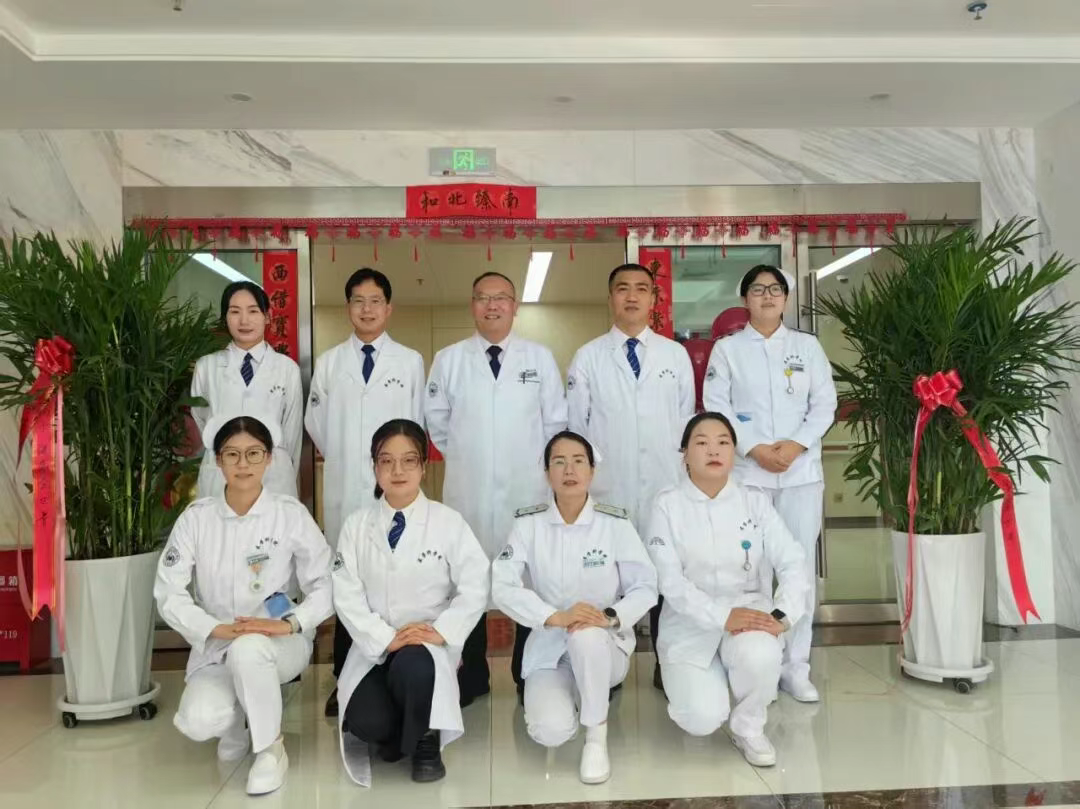
Professional Team
The department boasts an elite team of healthcare professionals. The medical team includes specially appointed Professors Bai Hai and Pan Ming, both Chief Physicians, who are highly respected in the field for their profound academic expertise and extensive clinical experience, providing a solid foundation for the department's diagnostic and treatment standards. Furthermore, the department has a well-structured talent梯队 and continuously improves its talent training mechanisms to ensure high-quality, multi-level medical services for patients. The nursing team provides comprehensive and meticulous care with a high sense of responsibility and professional skills, ensuring patient comfort and safety throughout treatment.
Scope of Services
The department focuses on the precise diagnosis and treatment of various benign and malignant diseases of the hematopoietic system and solid tumors. It holds significant advantages in managing refractory and relapsed blood diseases and solid tumors. Key areas include hematological diseases such as leukemia, lymphoma, multiple myeloma, various anemias, etc., and the medical oncology treatment of common solid tumors like lung cancer, gastric cancer, colorectal cancer, breast cancer, etc. For both common and complex conditions, the department leverages professional medical technology and extensive clinical experience to provide patients with accurate diagnoses and effective treatment plans.
Diagnostic and Treatment Technologies
• Diversified Treatment Modalities: The department adopts internationally advanced treatment concepts and methods, including chemotherapy, targeted therapy, immunotherapy, endocrine therapy, supportive care, cell therapy, and integrated Chinese and Western medicine treatments. Personalized comprehensive treatment plans are developed based on each patient's condition and physical health to achieve optimal outcomes.
• Precision Diagnostic Technologies: Relying on the advanced hematology center laboratory's capabilities in bone marrow morphology, bone marrow pathology, flow cytometry, genetic testing, and other MICM typing technologies, the department can precisely diagnose and classify hematological diseases, providing a scientific basis for formulating individualized treatment plans. These technologies allow for a more accurate understanding of the patient's condition, enabling precise treatment and improving efficacy.
• Laminar Airflow Ward Support: The department is equipped with laminar airflow wards that provide a safe and comfortable treatment environment for patients undergoing high-dose chemotherapy, hematopoietic stem cell transplantation, and other treatments requiring strict infection control. These wards use advanced air purification technology to effectively reduce infection risk, offering strong support for patient treatment.
Lanzhou Heavy Ion Center Consultation Hotline:
Director Li: +86 1660935 3666
Teacher Yan: +86 176 9325 0603
Preliminary Review: Zhang Lihong
Final Review: Zhang Jie