Chronic Obstructive Pulmonary Disease: How Well Do You Understand It?
Chronic Obstructive Pulmonary Disease: How Well Do You Understand It?
01 What is Chronic Obstructive Pulmonary Disease?
COPD is the abbreviation for chronic obstructive pulmonary disease, a common, preventable, and treatable chronic airway condition. It predominantly develops in middle-aged and elderly individuals and tends to worsen during cold autumn and winter seasons. Simply put, this disease causes narrowing and obstruction of the airways, leading to breathing difficulties.
02 Who is more likely to develop COPD?
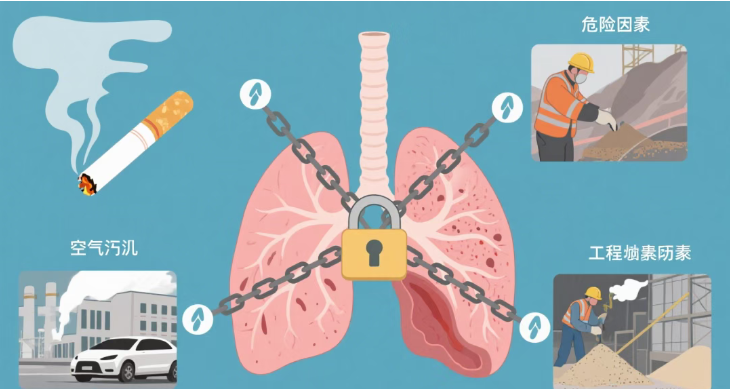
Smoking (including secondhand smoke): The number one risk factor!
Air pollution: Outdoor smog, indoor cooking fumes, smoke from biomass fuels (like burning wood or coal).
Occupational exposure: Long-term exposure to dust, chemical fumes, or smoke.
Recurrent respiratory infections: Especially during childhood.
Individual factors: Aging, genetics, poor lung development in childhood, poorly controlled asthma, etc.
03 The body sends these signals, be alert to COPD.
1. Difficulty breathing (shortness of breath, feeling out of breath): The most typical symptom! It may initially occur only during activities like climbing stairs or running, but as the disease progresses, it can happen even while walking on flat ground or at rest.
2. Chronic cough: Often the first symptom, with more intense coughing in the morning or during sleep at night.
3. Phlegm production: Coughing is often accompanied by phlegm, usually white frothy or sticky phlegm. If an infection is present, the amount of phlegm increases and may turn yellow and thick.
4. Other discomforts: In severe cases, symptoms may include weight loss, loss of appetite, fatigue, and even anxiety or depression.
04 How to confirm whether it is COPD?
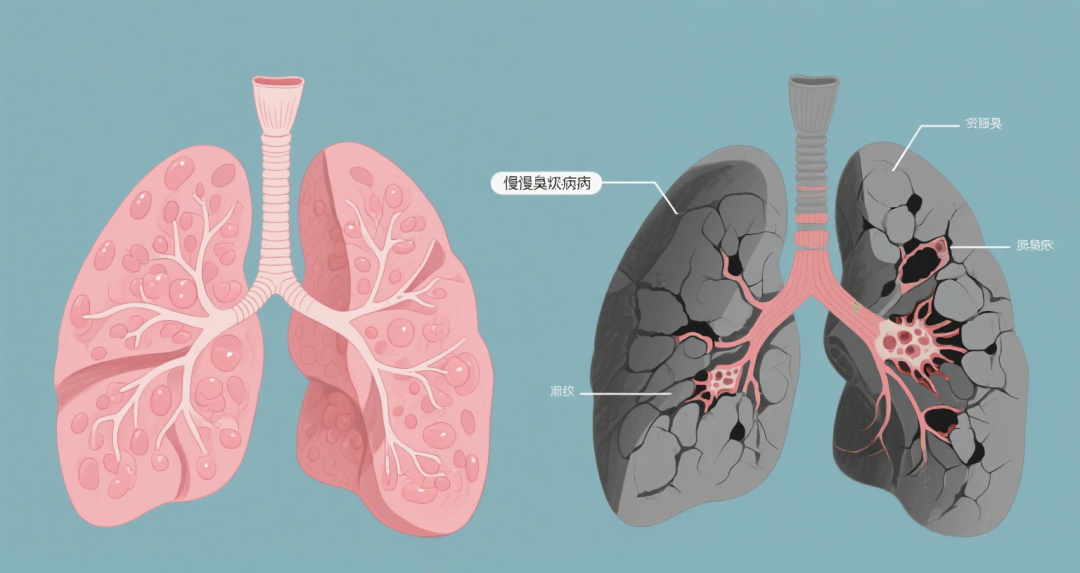
A lung function test is the "gold standard" for diagnosis! This test can determine whether your airflow is persistently restricted. Doctors will combine your symptoms, medical history, and this test result to make a definitive diagnosis. If you have long-term smoking habits, experience coughing with phlegm, or shortness of breath after activity, it is recommended to seek a lung function test at the hospital promptly!
05 COPD patients should be wary of these comorbidities.
Common comorbidities include cardiovascular diseases, lung cancer, bronchiectasis, metabolic syndrome, diabetes, gastroesophageal reflux disease, osteoporosis, anemia, as well as mental health issues such as anxiety and depression, along with obstructive sleep apnea and insomnia. Therefore, it is crucial to attend regular follow-up appointments for comprehensive medical evaluation!
06 How is COPD treated?

Treatment encompasses management during stable periods and handling of acute exacerbations:
• Drug therapy is key: Primarily involving inhaled medications (such as bronchodilators, corticosteroids, etc.), which must be taken regularly as prescribed by a doctor, with correct use of inhalation devices.
• Non-drug adjuvant therapy: Includes smoking cessation, pulmonary rehabilitation training, oxygen therapy for severe hypoxia, vaccination, etc.
• Maintain long-term management: Adhere to regular follow-up visits so doctors can adjust treatment plans based on the condition.
• Managing acute exacerbations: If symptoms suddenly worsen significantly, seek medical attention promptly. Treatment may require intensified medication, antibiotic therapy, or hospitalization in severe cases.
07 How to manage daily life?
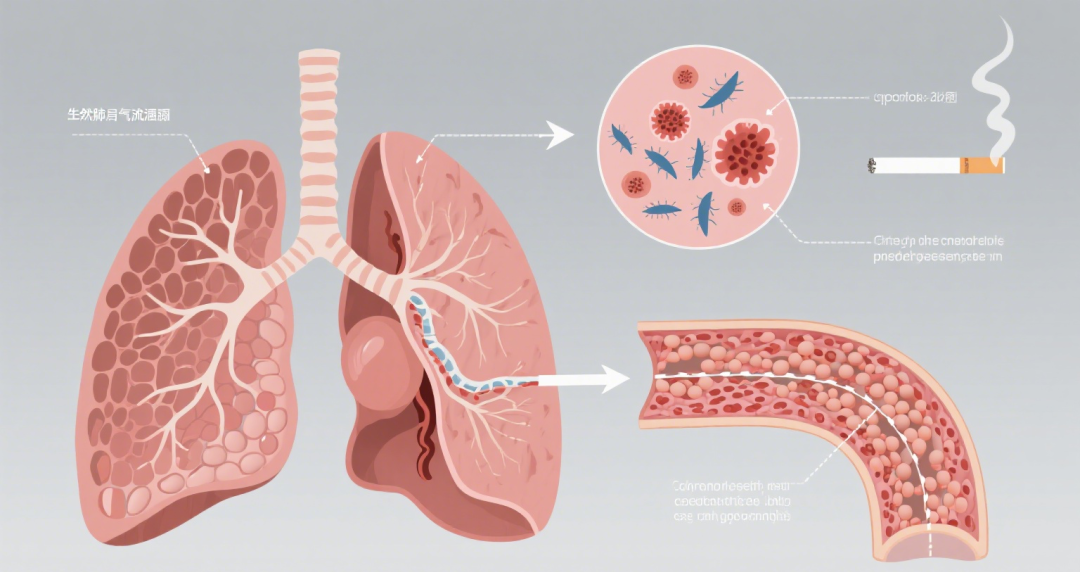
1. Resolutely quit smoking and avoid smoke: It is essential to quit smoking and also stay away from secondhand smoke, cooking fumes, and dust.
2. Maintain a regular schedule and ensure adequate sleep: Avoid staying up late and make sure to get sufficient rest.
3. Eat a balanced diet to strengthen your constitution: Consume plenty of fresh fruits and vegetables, and moderately intake high-quality proteins such as fish, eggs, milk, and lean meat. During acute exacerbations, temporarily avoid foods that can easily produce phlegm, such as fish, shrimp, eggs, milk, and meat.
4. Exercise scientifically to aid lung rehabilitation: Under a doctor's guidance, choose suitable exercises like walking or practicing Tai Chi. Consistently practice breathing exercises, such as pursed-lip breathing and diaphragmatic breathing.
5. Prevent infections and stay warm: Adjust clothing according to the weather to prevent colds. Regularly get flu and pneumonia vaccines to effectively prevent acute exacerbations of the condition.
6. For patients with long-term hypoxia: Follow the doctor's instructions for long-term, low-flow oxygen therapy at home.
Preliminary Review: Liu Wenyu
Final Review: Ma Shuqian