Varicose Veins: From Bulging Blue Veins to Chronic Leg Ulcers
Varicose Veins: From Bulging Blue Veins to Chronic Leg Ulcers
Small bulging blue veins emerging on the legs may develop into hard-to-heal chronic leg ulcers. More dangerously, if varicose veins are neglected, they could also trigger venous thrombosis, and in severe cases, even lead to life-threatening pulmonary embolism.
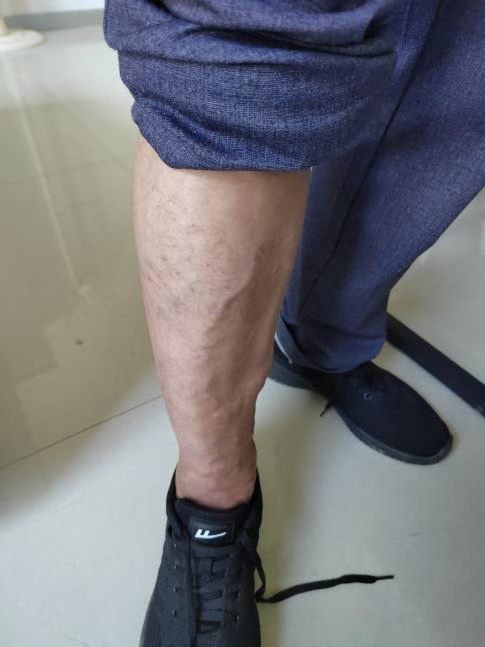
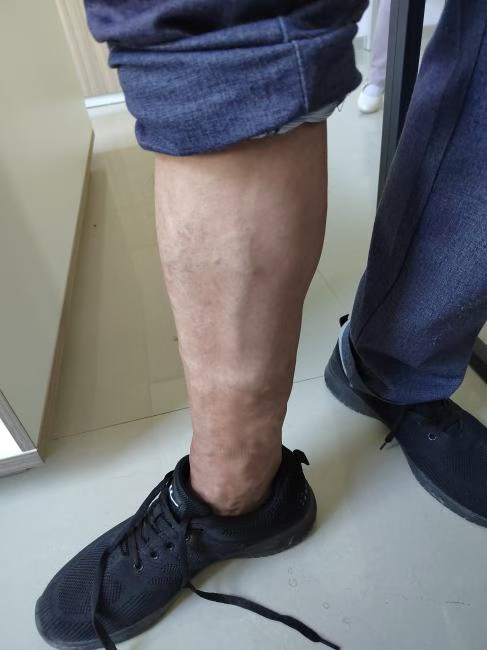
I. First, Get Clear: Varicose Veins Are Not "Crooked Veins" but "Malfunctioning Valves"
Many people assume varicose veins are caused by "fragile blood vessels," but the root cause lies in the invisible "venous valves"—like "one-way valves" within the leg veins that prevent blood from flowing backward from the heart to the feet.
Under normal circumstances, when we walk or stand on tiptoes, leg muscles squeeze the veins like a "pump" to push blood upward. At this time, venous valves promptly "close" to ensure blood flows only toward the heart, preventing leakage downward. However, factors such as prolonged standing or sitting, aging, and genetics gradually age and loosen these "valves." When the valves fail to close properly, blood accumulates in the calf veins. Over time, the veins stretch under the pooled blood: once thin, straight vessels slowly thicken, curve, and become the bulging "blue veins" visible under the skin. As venous pressure rises, metabolic waste from the blood seeps into the subcutaneous tissue, causing skin discoloration, itching, and even ulcers. This is the full process of varicose veins evolving from an "aesthetic concern" to a "health hazard."
II. Stage-Based Prevention and Treatment: Conservative Care or Surgery?
The management of varicose veins is not a one-size-fits-all approach. Different stages require tailored plans—blindly delaying treatment or over-treating are both unwise:
1. Conservative Treatment: Choosing and Wearing Medical Compression Stockings Correctly
Many people buy compression stockings based solely on "color," overlooking pressure levels and fit—the most common misconception. Here’s how to choose properly:
- Pressure: Opt for "Class 1" (mild) pressure in early stages; "Class 2" (moderate) pressure for moderate to advanced stages.
- Size: Measure leg circumference before purchasing (the narrowest part of the ankle + the thickest part of the calf). Avoid "one-size-fits-all" options.
- Wearing Schedule: Put them on after waking up in the morning and before getting out of bed; remove them before bed at night.
Adjust Lifestyle Habits to Reduce Venous Strain
- For those standing long hours: Rise on your toes 10 times every 30 minutes (activates the calf muscle "pump").
- For those sitting long hours: Stand up every 40 minutes to perform "ankle flexion exercises" (flex toes toward the knees, then straighten; repeat 20 times).
- Before bed: Elevate both legs for 15 minutes (with a pillow under the feet, higher than heart level) to aid blood return.
2. Surgical Treatment: Suitable for Moderate to Advanced Stages—Minimally Invasive Techniques Have Moved Beyond "Large Incisions"
Many fear surgery involves "incising and stripping blood vessels, scarring, and prolonged bed rest." In reality, modern minimally invasive techniques have evolved significantly. A common procedure, microwave ablation closure, requires no extensive incisions:
Postoperative patients report "hardly feeling any pain, with invisible scars." Most can walk on their own the same day as surgery.
III. Warning About Complications: Don’t Wait for "Thrombosis" or "Pulmonary Embolism" to Strike
Many think varicose veins "at most lead to leg ulcers," but they can also trigger life-threatening complications:
- Deep Vein Thrombosis (DVT): Slow blood flow in dilated veins promotes clot formation, manifesting as "sudden severe leg swelling (one leg thicker than the other), redness, and warmth of the skin."
- Pulmonary Embolism (PE): If a deep vein clot dislodges, it travels through the bloodstream to block the pulmonary artery, causing "sudden chest pain, shortness of breath, coughing up blood," with a high mortality rate.
Varicose veins are not a minor issue that can be ignored. If your friend’s legs already show "blue veins," "leg soreness," or "skin discoloration," consider scheduling a lower extremity venous ultrasound. Let a doctor assess the stage and develop a personalized plan—don’t let a small problem escalate into a major health crisis!
Preliminary Review: Zhang Jie
Final Review: Zhang Lihong