
Can medication cure varicose veins? Don't be fooled by "miracle cures".
Can medication cure varicose veins? Don't be fooled by "miracle cures"
A common question in outpatient clinics is, "Can medication alone cure varicose veins?" Today, we'll break down the common misconceptions about "treating varicose veins with medication" to help everyone avoid pitfalls and understand whether medication can truly cure varicose veins.
Truth 1: Varicose veins are a "structural damage," and medication cannot "reverse or repair" them.
The root cause of varicose veins is structural damage to the venous valves and vessel walls. The veins in the lower limbs contain many "one-way valves" (venous valves) that ensure blood generally flows "upward only, not downward." However, factors like prolonged standing or sitting, aging, and genetics can cause these valves to gradually deteriorate and loosen, while the vessel walls lose elasticity and become weak. When these "valves" fail, blood pools in the veins of the lower limbs, eventually forming visible "bulging, twisted veins." Currently, no medication can make already varicosed veins "shrink back," let alone "cure" them
Truth 2: The real purpose of medications for varicose veins is to relieve symptoms.
The core function of commonly used clinical medications for varicose veins is to "alleviate discomfort," not to "cure the disease." They can help patients reduce current discomfort but cannot fundamentally solve the problems of "blood reflux and vessel dilation." Relying solely on medication without standardized treatment can allow the varicosed veins to progress and potentially worsen
Truth 3: These "miracle drugs" carry risks; don't let the "dream of a radical cure" delay proper treatment.
Many patients, misled by so-called "radical cure drugs," not only waste money but also miss the optimal window for treatment. Holding onto the belief that "medication can cure it," patients may delay early intervention, leading to increasingly severe "bulging veins," and even conditions like skin pigmentation, eczema, venous thrombosis. In more serious cases, it can develop into "refractory ulcers," making treatment more difficult
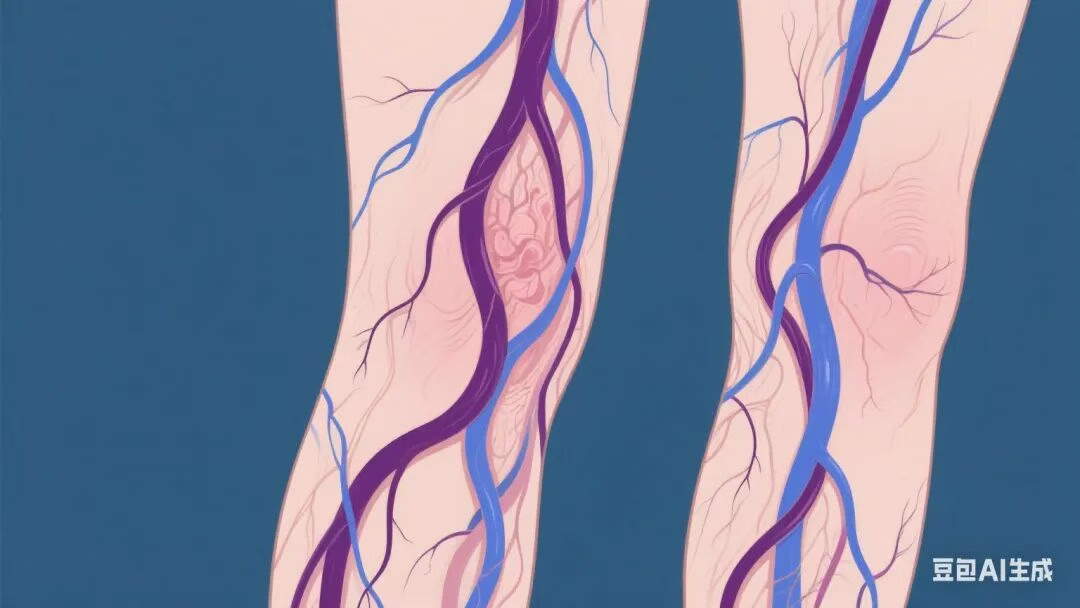
To scientifically address varicose veins, it's important to move beyond the idea of "taking medication for a permanent cure" and instead, choose a standardized treatment plan based on the severity of the condition
1.Mild Varicose Veins: Control progression with conservative treatment
• Medical Compression Stockings: Under a doctor's guidance, select Class II compression medical stockings (not ordinary tight stockings). Wear them during the day and remove them at night. They use gradient pressure to aid blood return and reduce venous burden.
• Lifestyle Adjustments: Avoid prolonged standing or sitting. Get up and move every 30 minutes (e.g., tiptoeing, flexing ankles). When resting, elevate legs above heart level by about 30 cm, twice daily for 15 minutes each time.
• Pharmacological Support: If experiencing soreness, swelling, or edema, venoactive drugs (like diosmin or horse chestnut extract) can be taken under a doctor's guidance to alleviate symptoms, but they cannot cure the condition.
2.Moderate to Severe Varicose Veins: Minimally invasive treatment for a fundamental solution。
When significant leg swelling, skin discoloration, eczema, or severely twisted veins appear, surgical intervention is necessary to address the diseased vessels. Commonly used minimally invasive techniques like microwave ablation and foam sclerotherapy injection can precisely close off the diseased veins and stop blood reflux through just small needle punctures, addressing the problem at its root410. Patients can typically get out of bed on the same day and resume normal life shortly after, with a low recurrence rate.
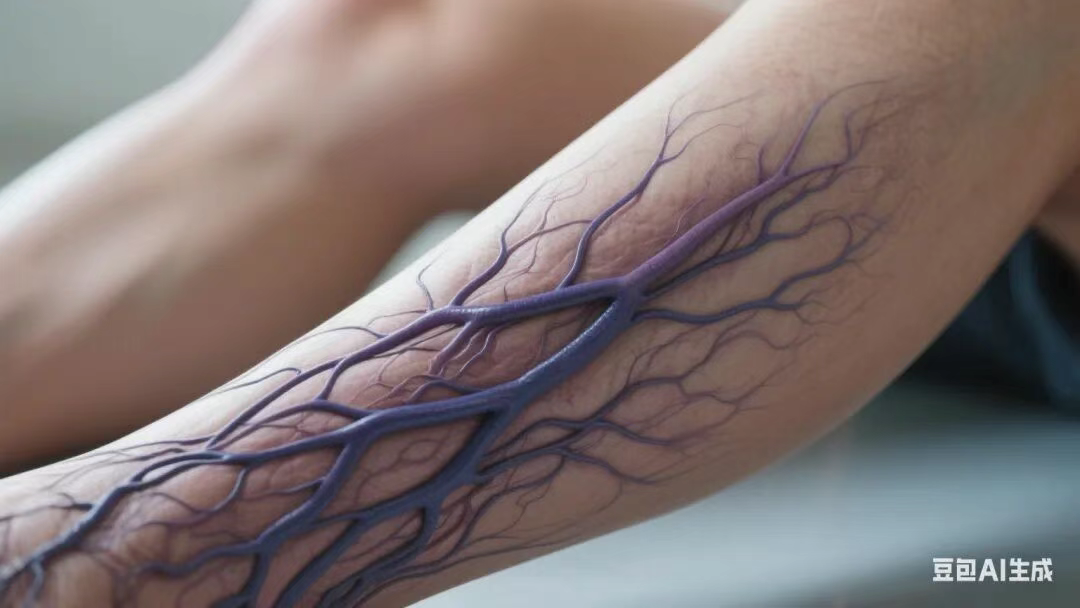
Seeking formal diagnosis and treatment is the responsible approach for your legs. If friends are troubled by varicose veins, advise them not to readily believe in "permanent cures through medication."It's recommended to first get a lower extremity venous ultrasound examination at a regular hospital. Doctors will then develop a personalized plan based on the severity of the vascular disease.
Preliminary Review: Zhang Lihong Final Review: Zhang Jie

