Implementation of a New Technology: Department of Hematology and Oncology at Lanzhou Heavy Ion Hospital Utilizes Mesenchymal Stem Cells Combined with Chemotherapy to Treat Bone Marrow Metastatic Carcinoma

Department of Medical Oncology/Hematology
Ms. Wang, 49 years old, was diagnosed with small cell lung cancer 10 months ago. She received anti-tumor treatments including radiotherapy, chemotherapy, immunotherapy, and targeted therapy at multiple large tertiary hospitals in different regions. Recently, her pain has progressively worsened, accompanied by progressive pancytopenia, pulmonary infection, and significant limb edema. Imaging examinations revealed extensive progression of pulmonary malignancy with multiple metastases in bones and lymph nodes. On August 22, 2025, she was transferred to the Radiotherapy Department I of Lanzhou Heavy Ion Hospital from another hospital. On August 24, a consultation was requested from the Department of Hematology and Oncology, during which a bone marrow biopsy (including cytomorphological examination and histopathological biopsy) was performed, leading to diagnoses of bone marrow metastatic carcinoma (BMCa), smoldering myelofibrosis (SMF, grade 2), and grade IV myelosuppression. Due to extremely low blood counts, she was temporarily ineligible for heavy ion or photon radiotherapy. On August 27, she was transferred to the Department of Hematology and Oncology. Physical examinations revealed abnormal findings on cardiovascular, hepatic, and pulmonary systems, with markedly elevated tumor markers, significantly abnormal biochemical indicators (including myocardial enzymes and liver enzymes), and pleural effusion. Routine blood tests showed: white blood cell count (WBC) 1.08×10⁹/L, neutrophil count (NE) 0.57×10⁹/L, red blood cell count (RBC) 2.01×10¹²/L, hemoglobin (HGB) 64 g/L, and platelet count (PLT) 11×10⁹/L. The patient presented with severe pitting edema in both lower extremities, pulmonary infection, hypoproteinemia, severe anemic appearance, petechiae on the skin, obvious symptoms of systemic failure, and anxious-insomnia status.
The patient, after prolonged and multiple sessions of radiotherapy and chemotherapy, now has tumor cells invading the bone marrow, leading to severe suppression of bone marrow hematopoietic function and extremely low immune function. She experiences significant generalized bone pain that cannot be effectively alleviated even with high-dose analgesics, and her condition continues to progress. Considering the rapid and uncontrolled growth of tumor cells within the bone marrow cavity (with elevated intramedullary pressure) and high tumor burden, combined with the patient’s physical inability to tolerate further anti-tumor treatments such as radiotherapy and chemotherapy, Director Pan Ming and Deputy Director Ding Jianhua from the Department of Hematology and Oncology organized a case discussion within the department. They developed a treatment plan combining bio-cell therapy with concurrent chemotherapy. After communicating with the patient’s family members and obtaining their consent, on September 1, 2025, the patient was administered an infusion of 100ml umbilical cord blood mesenchymal stem cells (5.00×10⁷ cells) combined with concurrent VAD chemotherapy.
During and after treatment, the patient showed no abnormalities and tolerated the therapy well. As of the date of this report (September 5), the patient’s bone pain was significantly alleviated, limb edema was markedly reduced, the pulmonary infection was controlled, significantly decreased abnormal elevated biochemical indices were observed in laboratory tests, anxiety symptoms improved, the patient was able to sleep at night, appetite returned to normal, mental state improved significantly, and there were no bleeding or fever symptoms. Blood routine test results on September 4: WBC 4.78×10⁹/L, NE 4.02×10⁹/L, RBC 2.12×10¹²/L, HGB 68 g/L, PLT 11×10⁹/L. The patient’s treatment is ongoing.
For this case of bone marrow metastatic carcinoma, our department has first used umbilical cord blood mesenchymal stem cells (immune-modulating and anti-tumor) combined with chemotherapy (tumor cell killing and apoptosis induction) in a concurrent treatment regimen. This approach demonstrates the principles of individualized and precise treatment for malignant tumors, aligning with clinical holistic treatment concepts such as "strengthening the body’s vital energy to eliminate pathogenic factors," "treating the root cause of disease," and "addressing both symptoms and root causes."
It is planned to add (bridging) NK cell therapy to the patient again after 2 weeks.
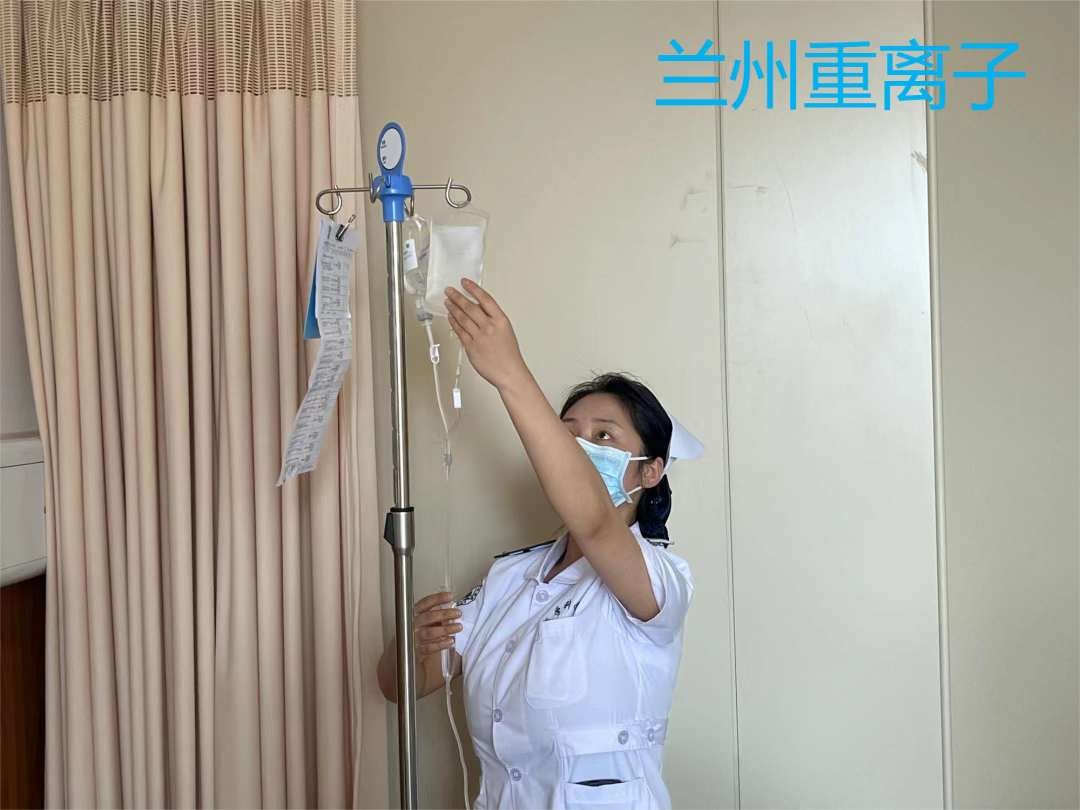
Why is this patient suitable for immune-modulating and anti-tumor treatment using mesenchymal stem cells?
- What are mesenchymal stem cells?
Mesenchymal stem cells (MSCs) are a type of pluripotent stem cell originating from the mesoderm. Unlike hematopoietic stem cells derived from the hematopoietic system, they are primarily distributed in perinatal tissues of infants (such as the placenta and umbilical cord), as well as in adult tissues like dental pulp and adipose tissue. MSCs exhibit robust proliferative capacity and multi-lineage differentiation potential, capable of differentiating into various cell types under appropriate conditions. Additionally, the cytokines and exosomes they secrete play roles in promoting tissue regeneration and exerting anti-fibrotic activity. The continuous regeneration and functional maintenance of adult human tissues primarily depend on mesenchymal stem cells, which have been widely used in the treatment of various human diseases.
2.Why can mesenchymal stem cells be used in cancer treatment?
Mesenchymal stem cells (MSCs) possess tumor tropism and immune-modulating capabilities. MSCs can migrate targetedly to primary tumor sites and metastatic foci. Through various modification techniques, humans enable MSCs to produce high concentrations of anti-tumor proteins within tumors, thereby inhibiting tumor growth and metastasis. Additionally, MSCs exert their immune-modulating functions through paracrine signaling and direct contact with tumor cells. These paracrine factors influence cellular processes involved in tumor cell cycle (i.e., cell proliferation), cell survival, angiogenesis, and immune suppression/immune modulation, enabling MSCs to regulate cancer.
3.Clinical applications of mesenchymal stem cells:Treatment involves over 100 types of diseases across eight major systems.
Four key functions of mesenchymal stem cells: Tissue regeneration and organ repair, immune modulation, anti-aging, microenvironment remodeling, and homing effect.
Various clinical trials and expanded trials have demonstrated the safety and efficacy of this therapy. Its applications span:
•Respiratory system: Pneumonia, chronic obstructive pulmonary disease (COPD), pulmonary fibrosis;
•Nervous system: Neurological rehabilitation in patients with spinal cord injury;
•Endocrine system: Improving islet function in diabetic patients;
•Motor and musculoskeletal systems: Protecting bone and joints, improving joint function, pain, and quality of life in arthritis patients;
•Immune system: Effective against immune-related diseases such as systemic lupus erythematosus (SLE);
•Reproductive system: Repairing the endometrium, with significant effects on intrauterine adhesions and infertility;
•Circulatory system: Myocardial infarction, stroke;
•Digestive system: Hepatitis, liver cirrhosis.
It also addresses multiple systemic areas, including improving and preventing premature ovarian failure, anti-aging, improving male erectile dysfunction, and preventing and ameliorating sleep disorders.
Department of Medical Oncology/Hematology
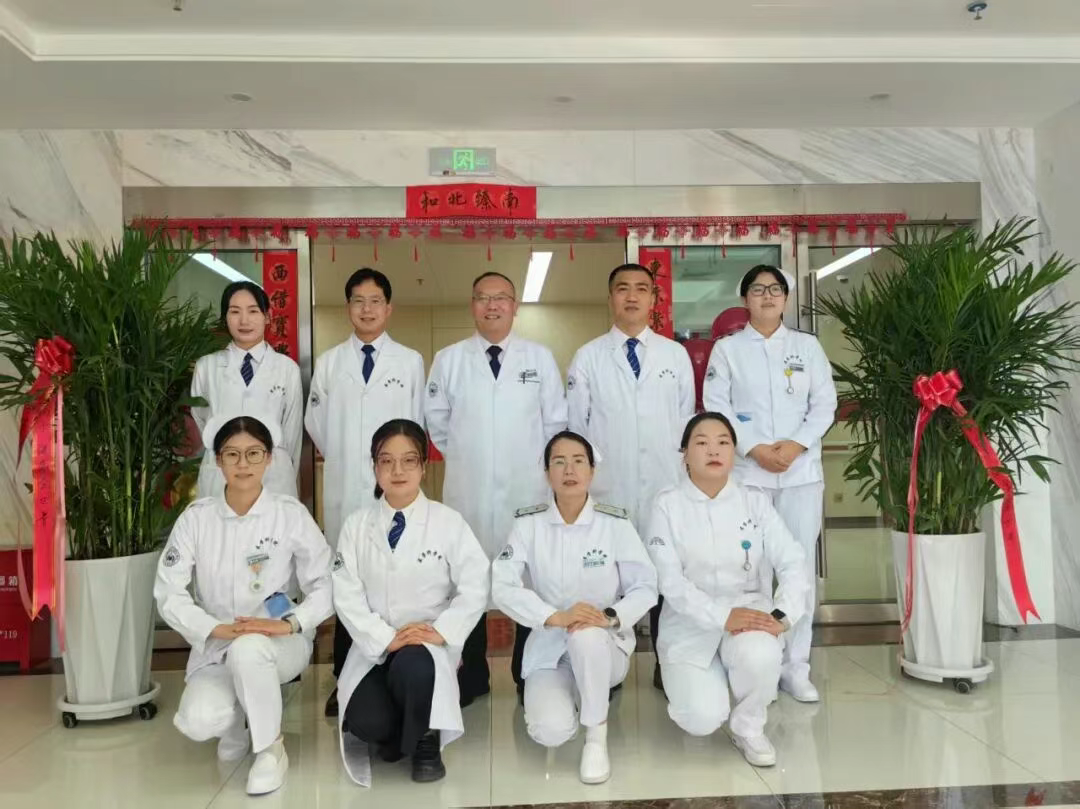
Professional Team
The department boasts an elite team of professional medical staff. Within the medical team, specially appointed experts Professor Bai Hai and Professor Pan Ming are both Level 1 Chief Physicians, renowned in the industry for their profound academic attainments and extensive clinical experience, which provide a solid foundation for the department’s diagnostic and treatment capabilities. Additionally, the department maintains a well-structured and comprehensive talent echelon, continuously improving and refining its talent cultivation mechanisms to ensure high-quality, multi-level medical services for patients. The nursing team, with a high sense of responsibility and professional nursing skills, delivers comprehensive and meticulous care to patients, ensuring their comfort and safety throughout the treatment process.
Scope of Diagnosis and Treatment
The department focuses on precision diagnosis and treatment of various benign and malignant hematological diseases and solid tumors. It has particularly significant advantages in managing refractory and recurrent hematological diseases and solid tumors. It primarily provides internal medical treatments for hematological conditions such as leukemia, lymphoma, multiple myeloma, and various types of anemia, as well as common solid tumors including lung cancer, gastric cancer, colorectal cancer, and breast cancer. Whether addressing common ailments or complex cases, the department leverages professional medical expertise and extensive clinical experience to deliver accurate diagnoses and effective treatment plans for patients.
Diagnostic and Therapeutic Techniques
Diverse Treatment Modalities: The department employs internationally advanced treatment concepts and methods, with therapeutic approaches spanning chemotherapy, targeted therapy, immunotherapy, endocrine therapy, supportive care, cellular therapy, and integrated traditional Chinese and Western medicine therapy. Personalized comprehensive treatment plans are tailored to each patient’s specific condition and physical status to achieve optimal therapeutic outcomes.
Precision Diagnostic Technologies: Supported by advanced MICM typing techniques (morphology, immunology, cytogenetics, molecular biology) in the Hematology Center Laboratory—including bone marrow morphology analysis, bone marrow pathology, flow cytometry, and genetic testing—the department enables precise diagnosis and typing of hematological diseases. These technologies provide a scientific foundation for formulating personalized diagnosis and treatment plans. By leveraging these advanced tools, the department gains a more accurate understanding of patients’ conditions, facilitating precise treatment and improving therapeutic efficacy.
Laminar Flow Ward Support: Equipped with laminar flow wards, the department ensures a safe and comfortable treatment environment for patients requiring high-dose chemotherapy, hematopoietic stem cell transplantation, or other therapies with stringent infection prevention and control requirements. These wards utilize advanced air purification technology to effectively reduce infection risks, strongly supporting patients’ treatment processes.
Preliminary Review: Zhang Jie Final Review: Zhang Lihong