
Managing Hoarseness After Radiation Therapy: 3 Tips for Vocal Health
Managing Hoarseness After Radiation Therapy: 3 Tips for Vocal Health
Hoarseness after radiotherapy is often caused by irritation of the throat mucosa. Proper daily care can effectively alleviate discomfort.
These three tips are both simple and practical.
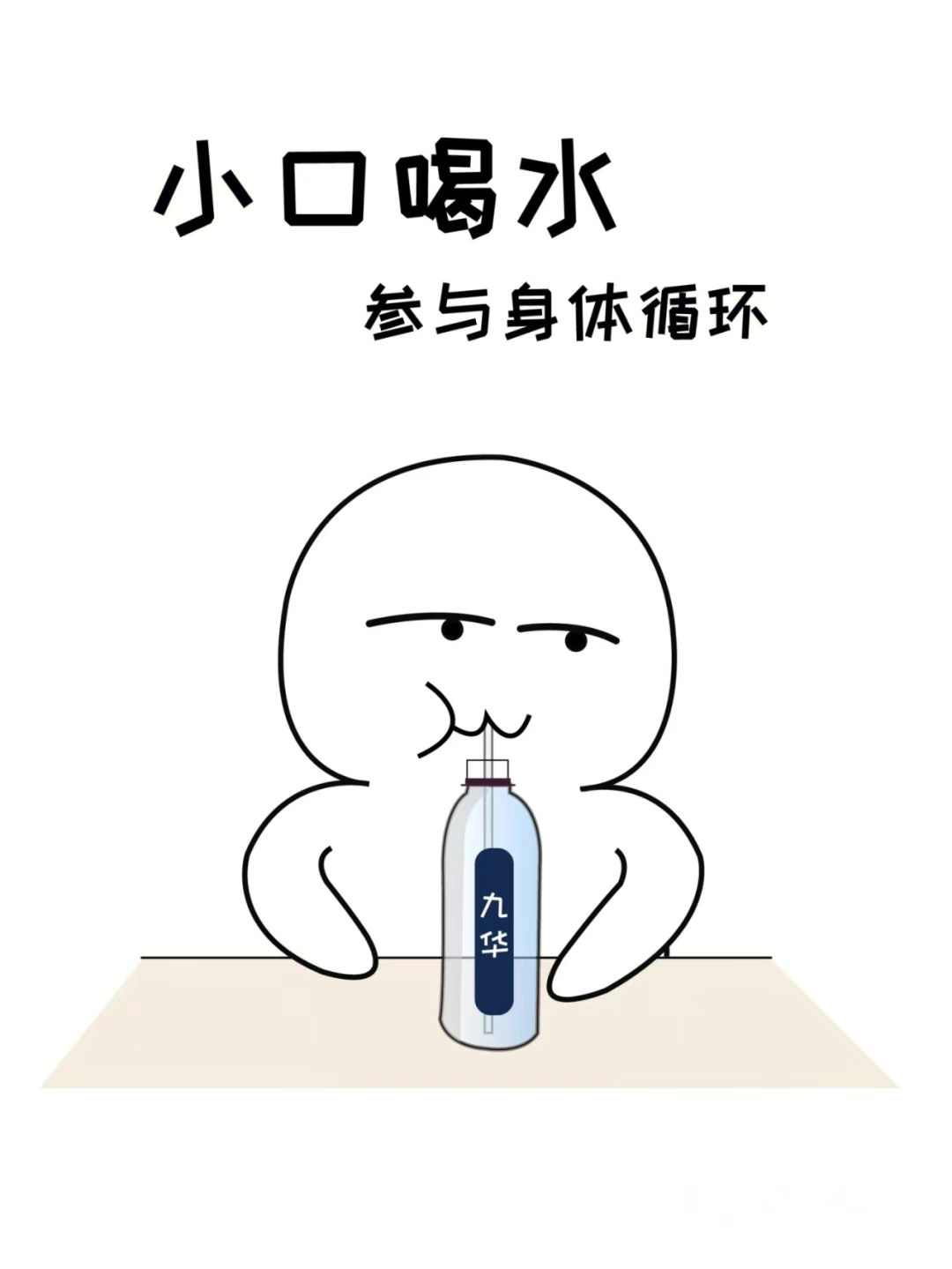
Tip 1: Hydrate with warm water frequently.
Don't wait until you're thirsty to drink. Prepare lukewarm plain water daily and sip it in small amounts, just like "taking tiny sips of tea." Have 1-2 sips at a time—this keeps your throat moist without burdening the mucosa. Avoid ice-cold water, strong tea, or alcoholic beverages, as these can irritate the throat.

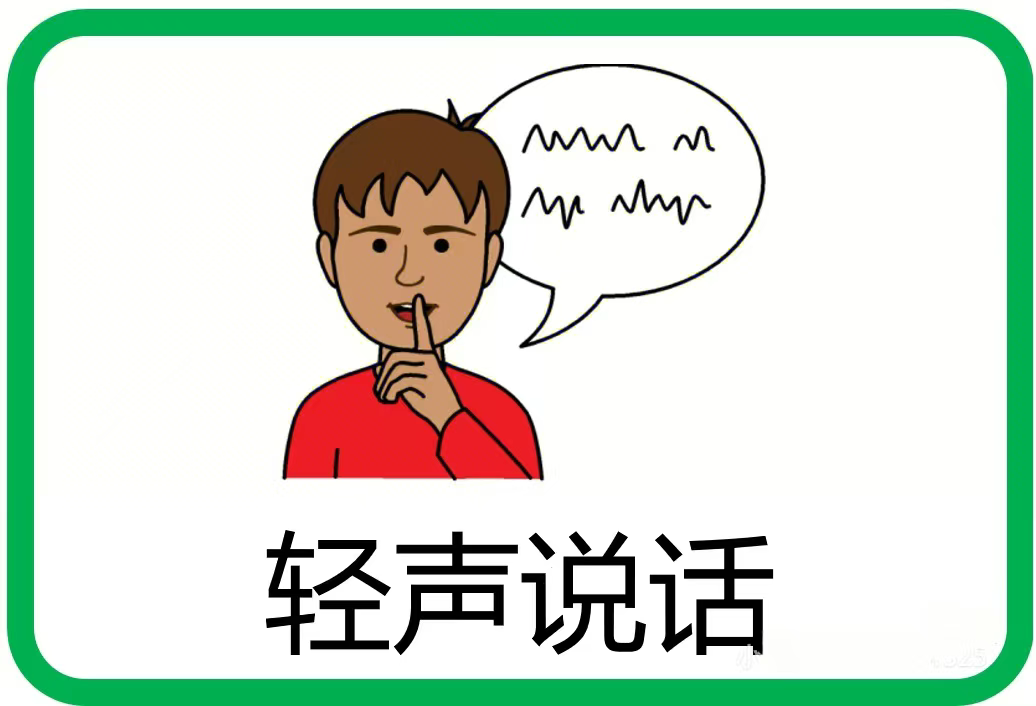
Tip 2: Practice speaking softly to rest your vocal cords.
Try to minimize how much you speak. When you must talk, lower your volume—avoid shouting or prolonged conversations. Keep a small notepad handy to communicate in writing when necessary, giving your vocal cords and throat mucosa time to recover.

Tip 3: Humidify the air and avoid irritants
Dry indoor air can worsen hoarseness. Use a humidifier to maintain humidity at 40%-60%, and clean it daily to prevent bacterial growth. Additionally, stay away from cooking fumes, dust, and secondhand smoke. Wear a mask while cooking and take protective measures when going out in polluted weather.

If hoarseness persists for more than two weeks without improvement, or is accompanied by pain when swallowing or difficulty breathing, be sure to inform your doctor promptly. Taking good care of your throat will help your body recover more smoothly.
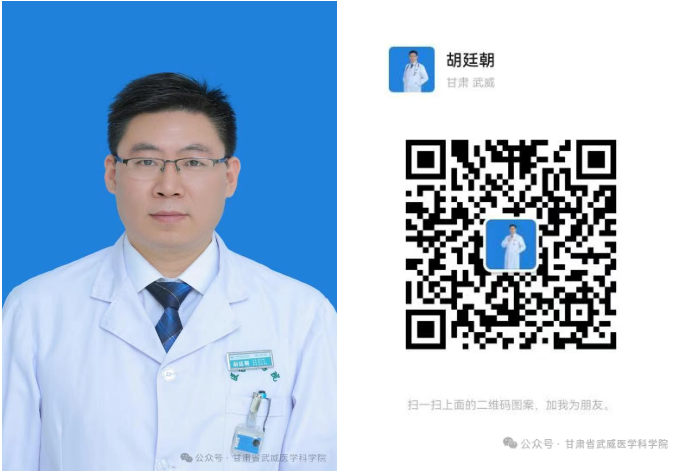
Hu Tingchao, Associate Chief Physician in Radiation Oncology
● Director of the Fifth Department of Radiotherapy (Specializing in Head and Neck Cancer Radiotherapy), Gansu Wuwei Cancer Hospital
● Member of the Chinese Anti-Cancer Association
● Committee Member of the Gansu Provincial Radiotherapy Committee
● Council Member of the 3rd Board of Directors, Western China Radiation Therapy Association
● Committee Member of the Particle Therapy Branch, China Association of Medical Equipment
Education & Training
Graduated from the School of Clinical Medicine of Lanzhou University in 2005. With 18 years of experience in radiation oncology, he has pursued advanced training in radiotherapy at Sichuan Cancer Hospital, Fukuoka Tokushukai Medical Center (Japan), Shanghai Proton and Heavy Ion Center (SPHIC), and Sun Yat-sen University Cancer Center (Guangzhou).
Areas of Expertise
1.Specializes in the comprehensive management of various common malignant tumors (including head and neck cancers, gliomas, lymphomas, chordomas) with radiotherapy, chemotherapy, and targeted therapy.
2.Proficient in advanced precision radiotherapy techniques: 3D-Conformal Radiotherapy (3D-CRT), Intensity-Modulated Radiotherapy (IMRT), Volumetric Modulated Arc Therapy (VMAT), Stereotactic Body Radiotherapy (SBRT), Image-Guided Radiotherapy (IGRT), and Carbon Ion Radiotherapy (CIRT). Possesses extensive experience in radiotherapy treatment planning, organ-at-risk (OAR) sparing, and the mitigation and management of radiotherapy-related side effects.
Research & Publications
Has published over ten professional papers, authored one medical monograph, and holds one utility model patent. He has led and completed two municipal-level research projects in Wuwei City and participated in the formulation of standard procedures for carbon ion radiotherapy. He has been repeatedly honored as an "Outstanding Employee" by the hospital.
Introduction to the Department (5th Radiotherapy Department - Head & Neck Cancer Radiotherapy)
This is a specialized clinical unit integrating patient care, scientific research, and education.
Primary Treated Diseases:
Meningioma, Pituitary Adenoma, Acoustic Neuroma, Glioma, Intracranial Tumors, Nasopharyngeal Carcinoma, Oral Cavity Cancer, Ocular Tumors, Laryngeal Cancer, Hard Palate Carcinoma, Hypopharyngeal Carcinoma, Chordoma, and Lymphomas from various body regions.
Diseases Best Suited for Heavy Ion Therapy:
Head and Neck Malignant Melanoma, Head and Neck Sarcomas, Adenoid Cystic Carcinoma, Recurrent Head and Neck Carcinoma, Skull Base Chordoma, Chondrosarcoma, Glioma.
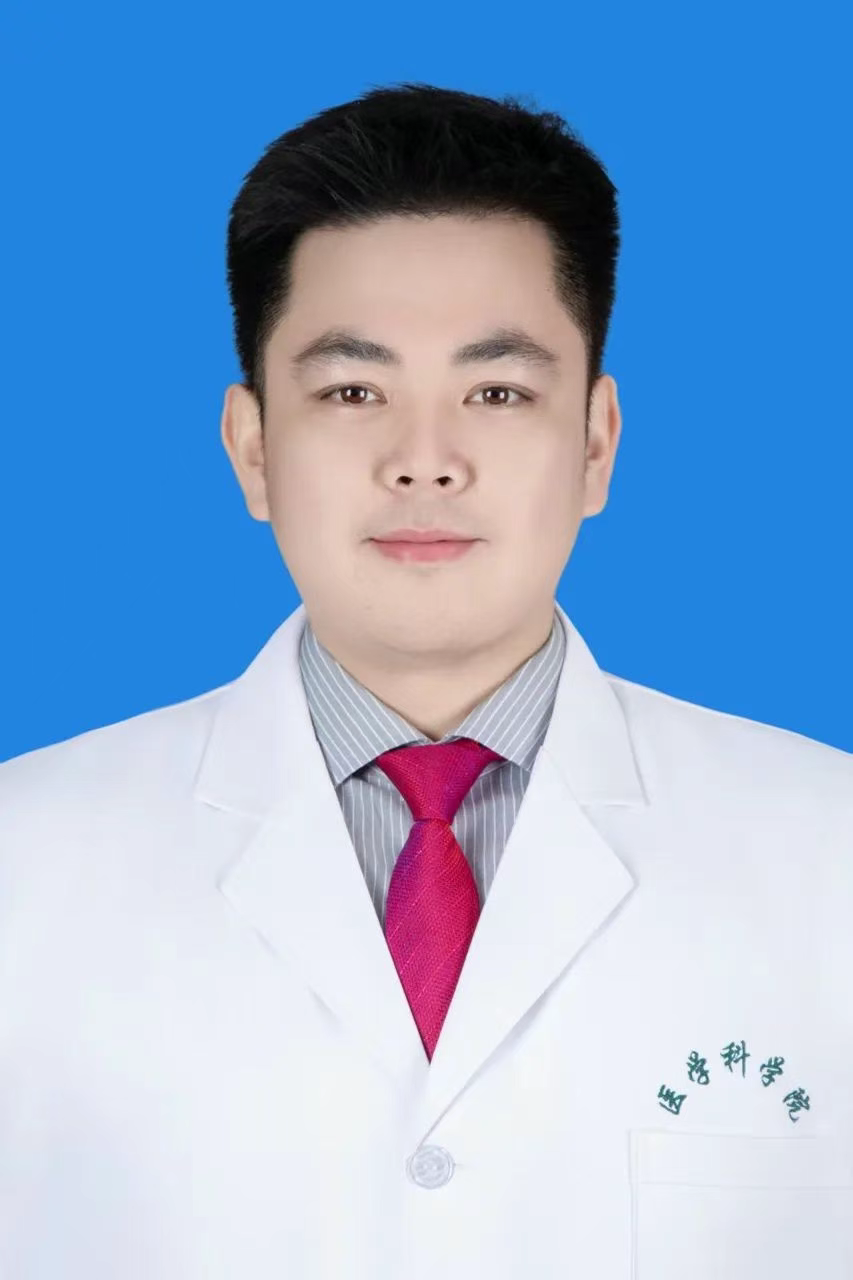
Yin Chaosheng
Deputy Director, Fifth Department of Radiotherapy
•Associate Chief Physician in Radiation Oncology, Member of the Communist Party of China
•Former Director of the Department of Radiation Oncology, Xiangnan University Affiliated Hospital (Hunan Province)
•Standing Committee Member, Chenzhou Medical Association Oncology Professional Committee
•Committee Member, Hunan International Medical Exchange and Promotion Association (Oncology Radiotherapy and Radiotherapy Immunotherapy Branch)
•Committee Member, Hunan Medical Education and Technology Society (Clinical Nutrition Professional Committee)
•Trained under Professor Ren Yimin (Former Chairman of Radiotherapy in Taiwan Province, China) and Professor Wang Jinzhu (Medical Management Expert, Tzu Chi Hospital, Taiwan Province, China)
•Visiting Scholar at Tri-Service General Hospital (Taiwan Province, China) and Chang Gung Memorial Hospital (Taiwan Province, China)
Specialization: Expertise in precision radiotherapy and stereotactic radiotherapy for tumors, particularly in the comprehensive treatment of head, neck, and neurological tumors.

