
How Should Cancer Patients "Nourish" Their Health in Autumn?
How Should Cancer Patients "Nourish" Their Health in Autumn?
After the end of the dog days, the weather gradually turns cooler. Traditional Chinese medicine theory suggests that from this point onward, "yang" energy declines while "yin" energy grows. The significant temperature differences between morning and evening can easily trigger cerebrovascular and cardiovascular diseases. Especially for cancer patients with underlying conditions such as hypertension, coronary heart disease, diabetes, or chronic obstructive pulmonary disease (COPD), it is essential to focus on the prevention and management of these underlying illnesses. This helps avoid cardiovascular and cerebrovascular diseases and lung infections triggered by climatic factors, which could impact the prognosis of cancer patients. So, how should cancer patients maintain their health in autumn?
01.Healthy Diet

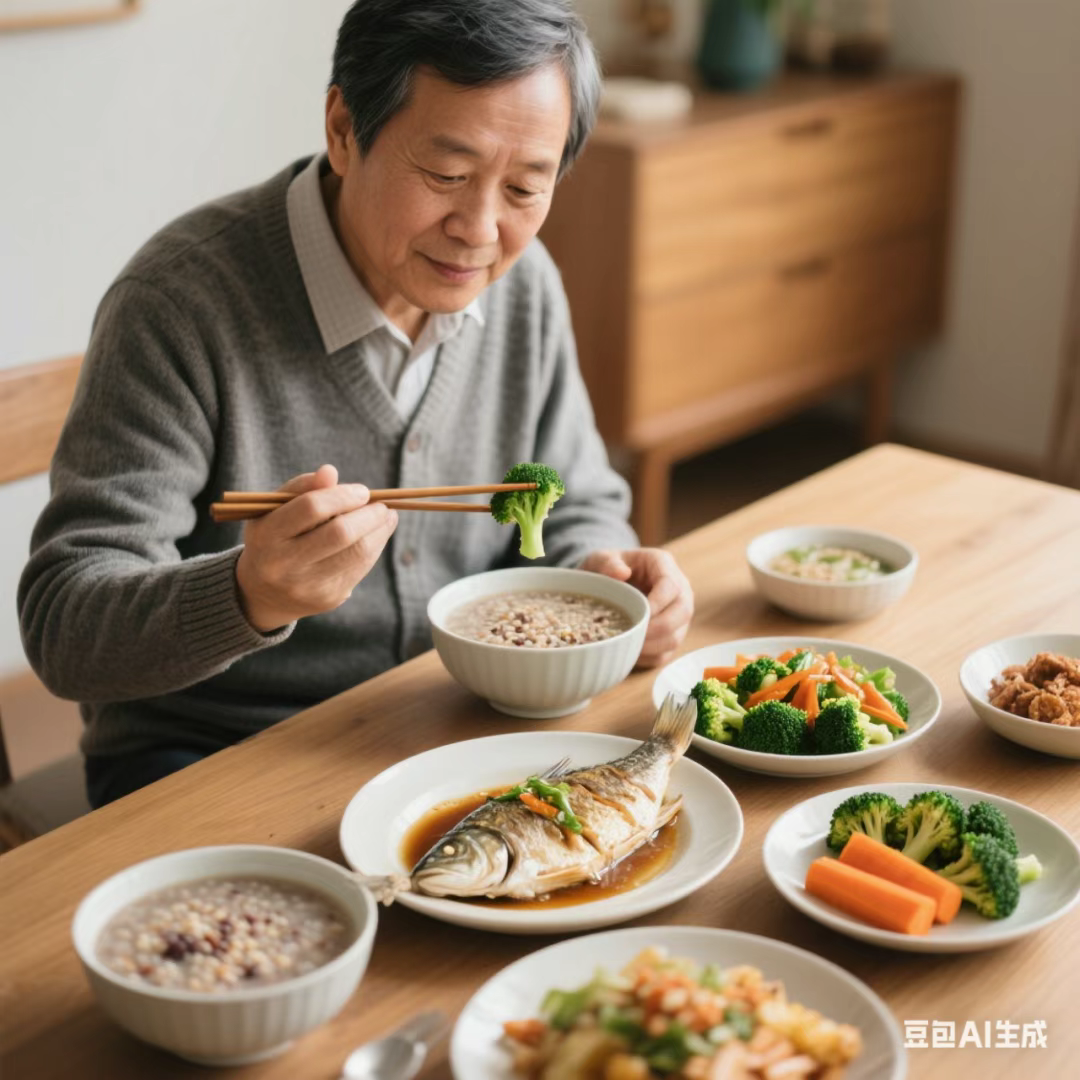
In autumn, it is beneficial to consume more fruits and vegetables rich in vitamin C, such as citrus fruits, apples, tomatoes, and carrots. Additionally, reduce intake of spicy, greasy, and stimulating foods, and avoid excessive salt and sugar. At the same time, limit consumption of red meat and processed foods, as these may increase cancer risk.
It is important to note that cancer patients should focus on both eating enough and eating right. "Eating enough" means ensuring sufficient energy intake, while "eating right" refers to consuming a reasonable variety of foods. A diet high in protein and fat but low in carbohydrates is recommended for cancer patients. Only by balancing both can a foundation for good health be established.
02. Active Exercise
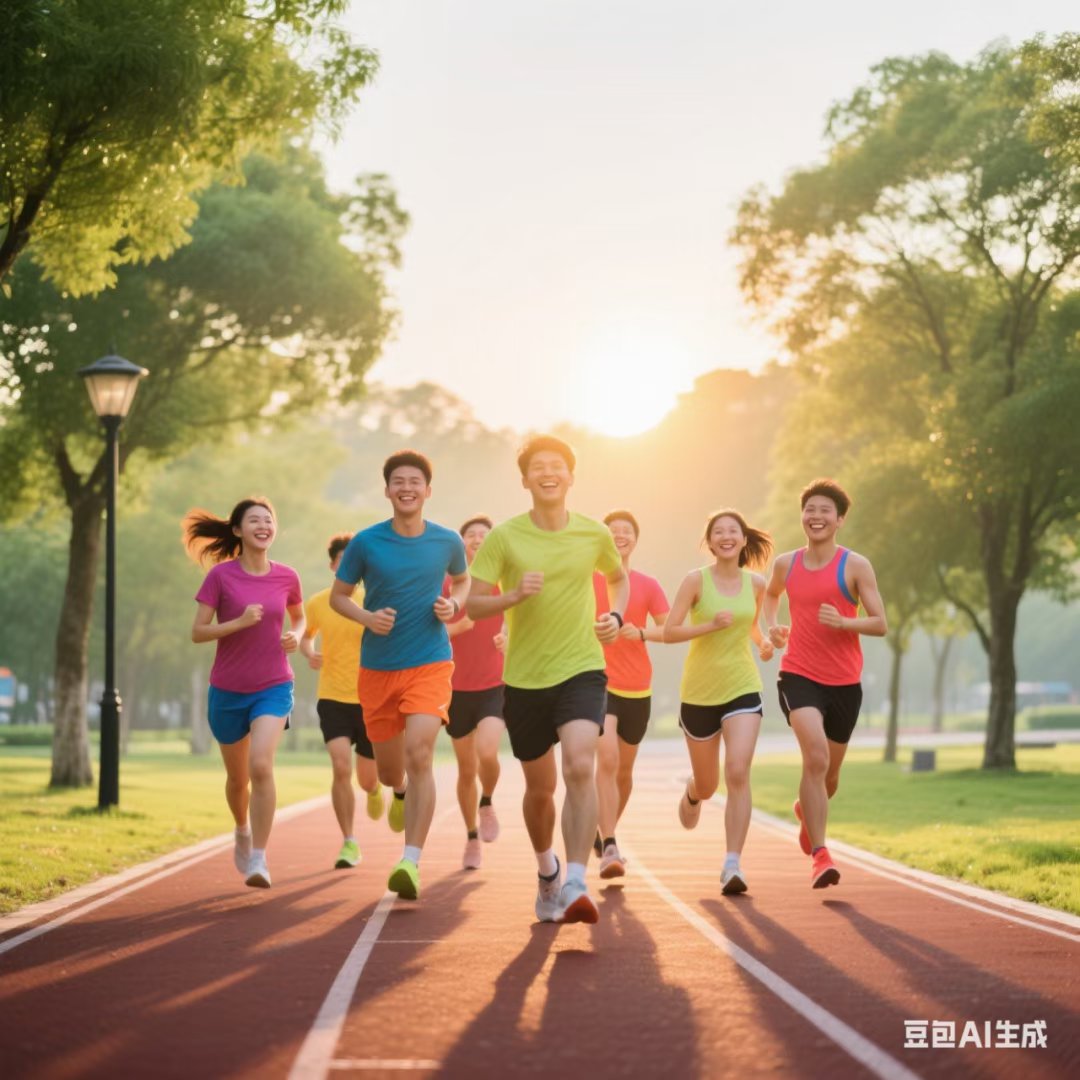
The cool weather in autumn is suitable for outdoor activities. For cancer patients, moderate exercise can enhance physical strength, improve cardiopulmonary function, and help alleviate discomfort during treatment. However, patients should choose exercise methods and intensity suitable for their physical condition and health status, avoiding overexertion or injury.
Aerobic exercises such as walking, cycling, and swimming are good choices, as they increase oxygen supply, promote blood circulation, and reduce fatigue. Additionally, yoga and deep-breathing exercises can help alleviate anxiety and stress while enhancing the body's resistance.
03. Preventing Colds
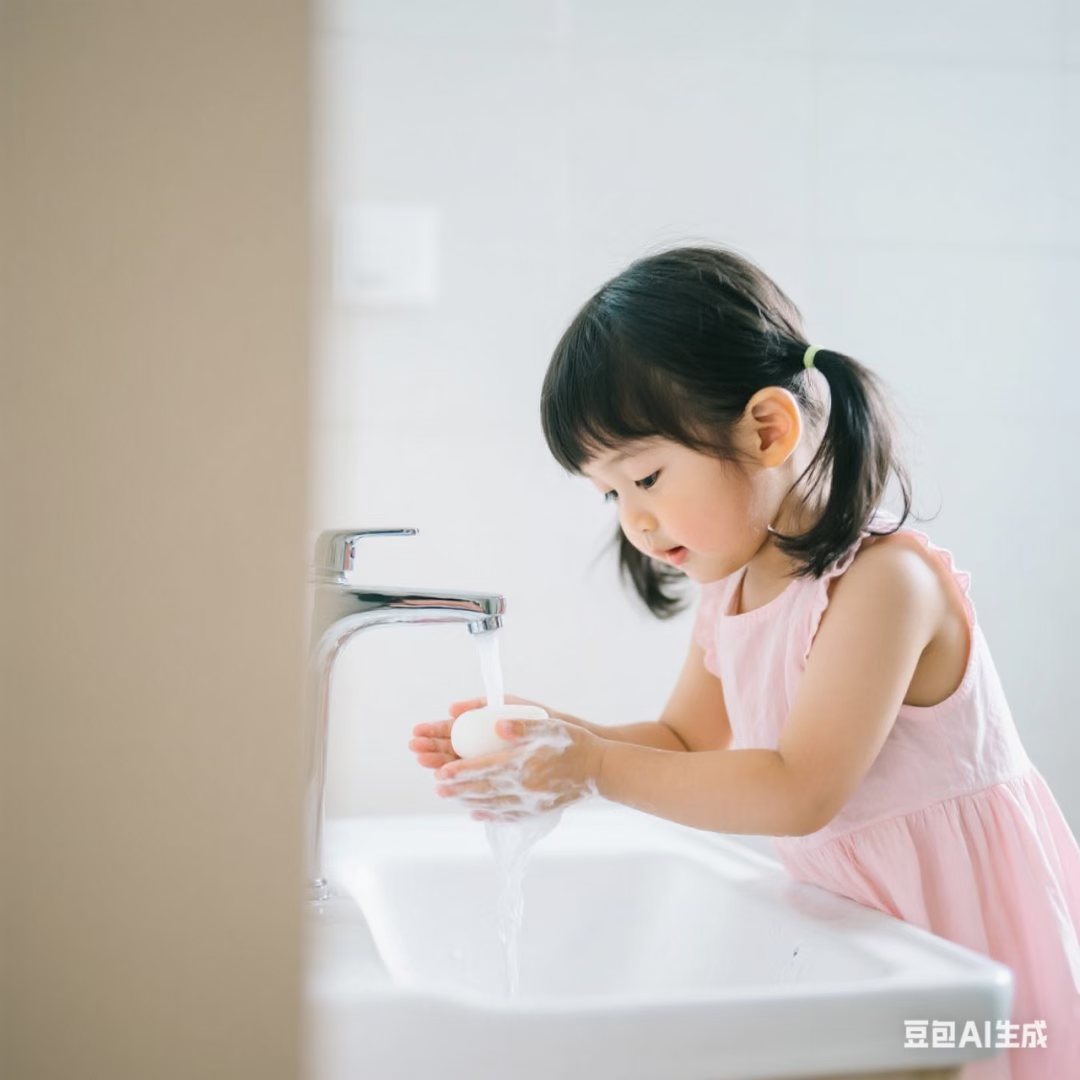
The significant temperature changes in autumn can easily lead to illnesses such as colds. Cancer patients, with their weaker immune systems, are more susceptible to infections, which could worsen their condition. Therefore, it is important to prevent infections by maintaining indoor ventilation, washing hands frequently, and avoiding crowded places.
04. Ensuring Adequate Sleep
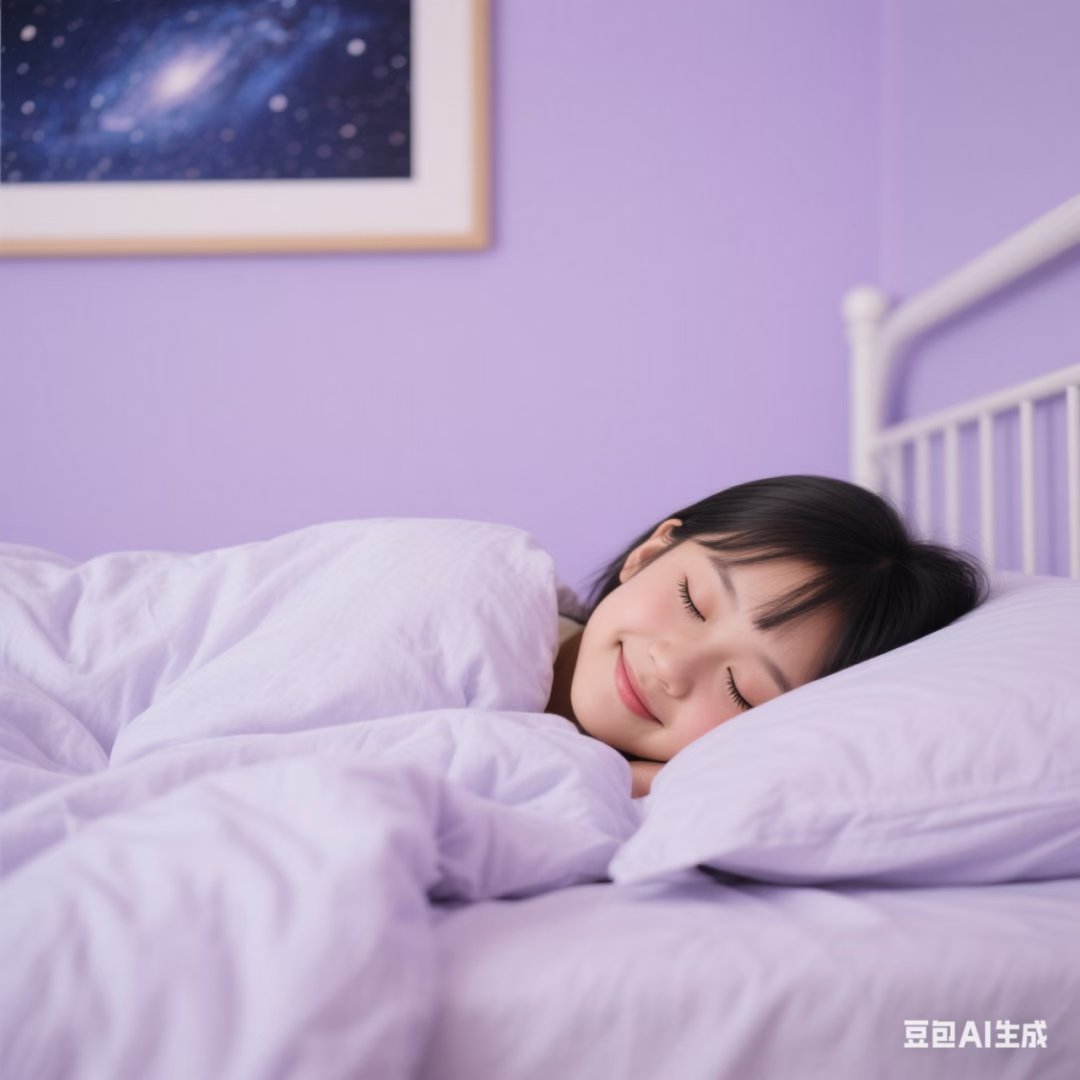
The considerable temperature fluctuations in autumn make it easy to catch colds or other illnesses. Cancer patients, with their compromised immunity, can effectively reduce the risk of diseases caused by low immunity by ensuring sufficient sleep.
Lanzhou Heavy Ion Center
Gansu Wuwei Cancer Hospital is a state-owned public tertiary Class A specialized oncology hospital. The Lanzhou Heavy Ion Center, the second heavy ion clinical application center with independent Chinese intellectual property rights operated by Gansu Wuwei Cancer Hospital, commenced clinical operation on November 15, 2024, alongside the second Chinese heavy ion tumor treatment system—joining the first Chinese heavy ion treatment system. To date, the center has treated over 250 patients using photon and heavy ion therapies, covering conditions such as lung cancer, pancreatic cancer, liver cancer, and glioblastoma.
The Lanzhou Heavy Ion Center has established an elite talent system, anchored by an expert workstation led by 50 top industry authorities, including Shen Wenjiang, Lifetime Honorary Professor of the Department of Radiation Oncology at Peking University Health Science Center, and Professor Xu Bo, Standing Committee Member of the Radiation Oncology Branch of the Chinese Medical Association. Professor Wang Junjie, Chairman of the Radiation Oncology Branch of the Chinese Medical Association, serves as the center’s president, providing robust technical support for heavy ion therapy.
Additionally, the facility is equipped with a suite of cutting-edge medical devices, including the Varian VitalBeam medical linear accelerator, Elekta Infinity four-dimensional image-guided linear accelerator, 3.0T simulation and positioning MRI, GE 256-slice high-end CT, and Varian iridium-192 imported afterloader. These advanced hardware systems form a solid foundation for heavy ion therapy, ensuring both efficiency and precision in treatment delivery.
Aiming to establish a comprehensive, full-life-cycle oncology treatment system, the hospital operates specialized departments such as Radiation Oncology, Medical Oncology/Hematology, Surgical Oncology, Integrated Traditional Chinese and Western Medicine Oncology Rehabilitation, Critical Care Medicine, Digestive Endoscopy Center, Imaging, Laboratory Medicine, Ultrasound Medicine, Blood Bank, and Hematology Central Laboratory. It provides integrated treatments including photon radiotherapy, chemotherapy, heavy ion therapy, medical and surgical oncology, as well as diagnostic services such as imaging, laboratory testing, ultrasound, and bone marrow cytology examinations.
Preliminary Review: Zhang Lihong Final Review: Zhang Jie

