Limit alcohol to prevent cancer: Understand the strong link between alcohol and cancer
In daily life, drinking alcohol is a common way to socialize and relax. However, what you may not know is that alcohol consumption is strongly linked to the development of many types of cancer. Cancers of the mouth, throat, esophagus, liver, colorectal and breast, among others, are inextricably linked to alcohol consumption. Studies have shown that the higher the amount of alcohol consumed, the higher the risk of cancer. What is the reason behind this? Let's take a closer look.
The cause of cancer induced by alcohol consumption: DNA damage
The metabolic process of alcohol in the body is a key link in the development of cancer. After alcohol enters the human body, it is first converted into acetaldehyde, and then acetaldehyde is further metabolized into acetic acid under the action of aldehyde dehydrogenase (ALDH2). This seemingly simple metabolic process hides a huge crisis because acetaldehyde is a toxic substance that can bind to DNA, causing DNA damage and promoting tumor formation.

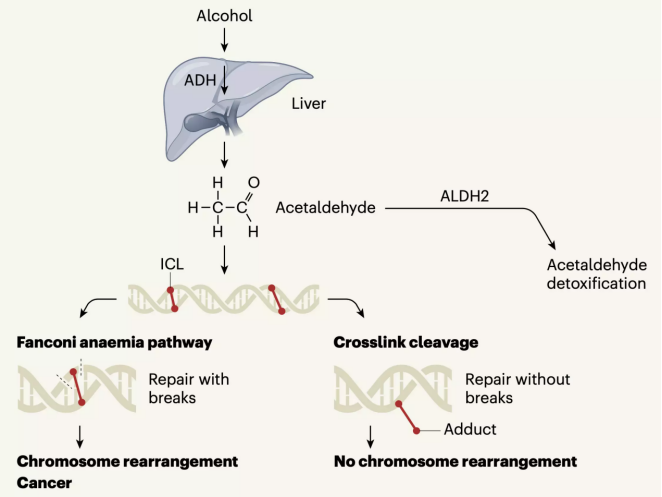
Metabolic processes and acetaldehyde production
When alcohol is metabolized in the body, the first step of conversion to acetaldehyde occurs relatively easily. However, for some people, the subsequent conversion of acetaldehyde to acetic acid is problematic. About 8% of the global population, particularly in East Asia, carry a mutation in the ALDH2 gene, which makes them less able to metabolize acetaldehyde. These people drink alcohol, ang aldehyde in the body a large amount of accumulation, like a time bomb, may cause serious consequences at any time.
Mechanisms of DNA damage
Interstrand crosslinking (ICL) : Acetaldehyde acts as a strong glue, causing cross-linking between DNA strands, holding the two strands tightly together. This impedes cell division and protein synthesis, which are essential for proper cell function. Once these processes are blocked, cells may die or become cancerous, initiating the first steps in cancer development.
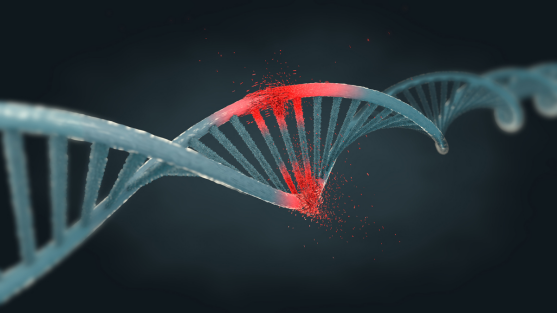
Double strand breaks: Acetaldehyde also has a more powerful destructive force, it can cause DNA double strand breaks. This is no small problem. Double-strand breaks can cause chromosomal rearrangements and permanent DNA sequence changes. Chromosomal rearrangement and changes in DNA sequence can disrupt the normal function of cells and create conditions for cancer.

Stem cell damage: Studies have found that acetaldehyde is particularly damaging to hematopoietic stem cells. Hematopoietic stem cells are the "source" of blood cells, and their damage is transmitted to the blood cells derived from the stem cells. Over time, this damage builds up, and so does the risk of cancer.
Genetic mutations and individual differences
In addition to the previously mentioned ALDH2 gene mutation resulting in a decreased ability to metabolize acetaldehyde, the body's own DNA repair mechanisms also have limitations. Even though the body has a sophisticated DNA repair mechanism, it may not be able to fully repair damage caused by acetaldehyde. This means that as long as you drink alcohol, there is a risk that DNA damage cannot be repaired, and over time, the risk of cancer will naturally rise.
Research evidence
Numerous scientific studies provide solid evidence for the relationship between alcohol consumption and cancer. In 2018, a study published in the journal Nature found, in a mouse model, that acetaldehyde, an alcohol metabolite, can cause DNA double-strand breaks and chromosome rearrangements in stem cells. Another study noted that DNA damage caused by acetaldehyde can be repaired through two mechanisms, but the repair capacity varies according to individual genes. The 2024 study further confirmed that alcohol causes DNA damage through acetaldehyde metabolism and increases the risk of several cancers. These studies are like pieces of a jigsaw puzzle, piecing together a clear picture of the link between alcohol consumption and cancer.

Conclusion
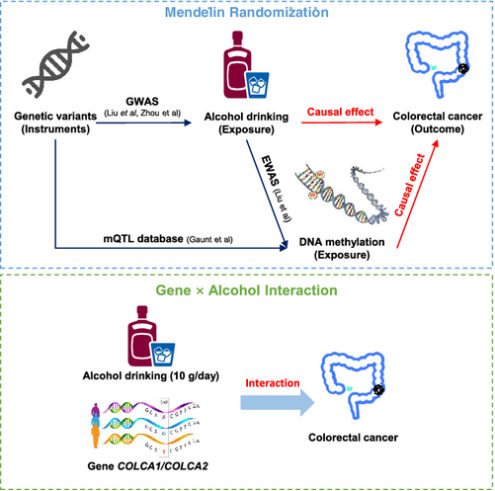
Alcohol consumption causes irreversible damage to DNA through its metabolite acetaldehyde and is an important mechanism that increases the risk of cancer. In particular, the risk is higher for people who carry the ALDH2 gene mutation. For the sake of our health and to reduce the risk of cancer, it is recommended that we minimize or avoid alcohol. Take responsibility for your own health and that of your family by re-examining your drinking habits now, so that we are free from the cancer threat posed by alcohol and embrace a healthier lifestyle.